Sirtuin Activation Longevity Cats

Track Stress-response Biology and Protect Appetite, Mobility, and Daily Comfort

Essential Summary

Why is sirtuin activation for cat longevity important?

Sirtuin biology is best used as context for healthy aging, not as a cancer workaround. For sirtuin activation longevity cats, the practical priority is symptom-first triage, clear tracking, and veterinary diagnostics. If a cat is stable, supportive routines may help maintain more measured function over time.

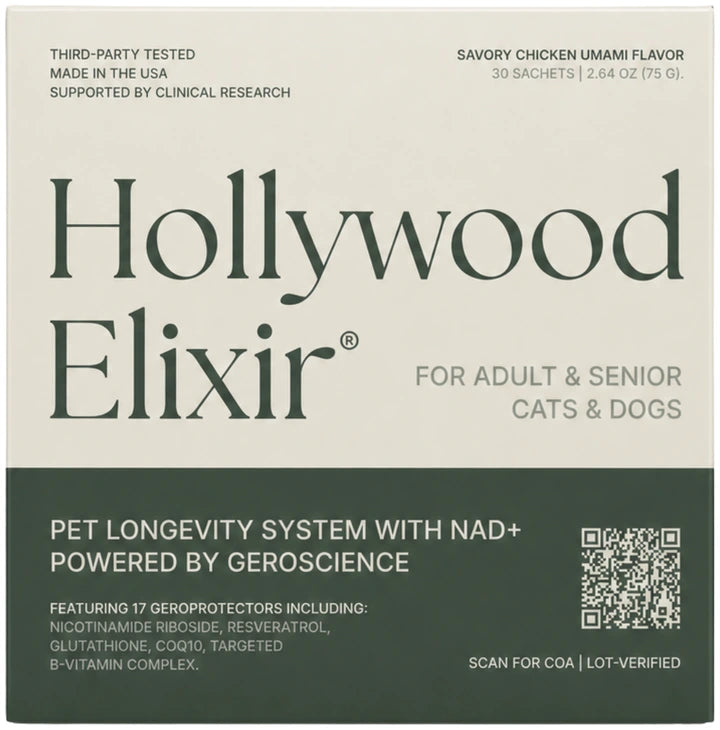
For owners building a cautious aging plan, Hollywood Elixir™ is designed to support whole-body healthy aging as part of a daily plan, alongside diet, hydration, and veterinary screening. It is not a substitute for diagnostics when weight loss, appetite change, or new lumps raise concern.

A cat that eats less, loses weight, or hides more can look like a cancer case long before a diagnosis is clear. The most useful first step is not chasing a longevity pathway, but sorting what is urgent, what is common, and what can be measured at home. Sirtuins are real stress-response regulators in cells, and they are often discussed in aging biology because they connect to energy sensing and maintenance programs. That science can be helpful for perspective, but it does not replace diagnostics when red flags appear.

This page takes a symptom-first triage approach: start with what owners notice (appetite drift, weight loss, coat decline, reduced jumping), then work backward through the most likely differentials in older cats. From there, it explains where feline sirtuin activation fits realistically: as background biology that may inform supportive routines once disease is addressed, not as a home method for tumor control. Because online claims about sirtuins and cancer prevention cats can be overstated, the emphasis here is on measured decision-making—what to document, what to track week over week, what not to do, and when to escalate care. If cancer is suspected or confirmed, the safest next step is to coordinate any supportive plan with the primary veterinarian and ask your oncologist.

By La Petite Labs Editorial, ~15 min read

Featured Product:

  • Sirtuin activation longevity cats is best treated as aging-biology context, not a cancer strategy.
  • Many “cancer-like” signs (weight loss, hiding, appetite drift) also come from dental pain, kidney disease, arthritis, or GI disease.
  • Sirtuins are stress-response regulators tied to cellular maintenance; the pathway is real, but outcomes in cats are not proven.
  • Use a symptom-first approach: document what changed first, then pursue diagnostics before adding new supplements.
  • Track week over week: weight, appetite score, water intake estimate, litter box output, jump frequency, and play tolerance.
  • Avoid common mistakes: stacking multiple longevity products, changing diets rapidly, or delaying imaging/biopsy when recommended.
  • If cancer is suspected or confirmed, coordinate any supportive plan with the primary veterinarian and ask your oncologist.

When “Slowing down” Raises Cancer Worries in Older Cats

When a cat starts losing weight, sleeping more, or “just not acting right,” the worry often turns to cancer. Those signs are real red flags, but they are also shared by many age-related problems that change how cells handle stress. Sirtuins are proteins that help regulate DNA repair, inflammation signaling, and energy use, and they are often discussed in the context of feline sirtuin activation and healthy aging (Mouchiroud, 2013). The key point is that this biology is about resilience under stress, not a home cure for tumors.

At home, start by separating “less playful” from “less capable.” Note whether the cat is avoiding jumps, eating more slowly, or hiding after meals. Those patterns help a veterinarian sort pain, dental disease, kidney disease, hyperthyroidism, and cancer from one another. For owners reading about cat longevity sirtuins, the first step is still a careful symptom timeline, not a supplement decision.

Cellular powerhouse illustration symbolizing metabolic support via sirtuins and cancer prevention cats.

Common Differentials Behind Weight Loss, Hiding, and Low Appetite

Cancer-adjacent signs in older cats usually begin as vague changes: appetite drift, coat decline, or a new intolerance for normal activity. These signs reflect many possible “differentials,” including arthritis, chronic kidney disease, inflammatory bowel disease, dental pain, diabetes, and neoplasia. Because sirtuins sit in stress-response pathways, marketing can make it sound like flipping a switch solves the whole problem. In reality, oxidative stress and inflammation are broad aging pressures, not a diagnosis by themselves (Maldonado, 2023).

Owners can help by writing down what changed first and what followed. A cat that eats well but loses weight suggests a different workup than a cat that sniffs food and walks away. A cat that grooms less may be painful, nauseated, or simply weak. This kind of observation makes the eventual discussion of sirtuins and cancer prevention cats more grounded, because it ties “longevity talk” to real clinical questions.

Genetic imagery reflecting cellular wellness supported by sirtuins and cancer prevention cats.

Most Likely Causes: Pain, Dental Disease, and Kidney Changes

The most common “most likely” explanation for many aging cats is not cancer, but a stack of manageable issues: dental disease plus arthritis, or early kidney disease plus constipation. These conditions create ongoing cellular stress that can make a cat look older quickly. Sirtuin pathways are sometimes described as part of the body’s response to stress and energy scarcity, linked to NAD+ availability and downstream protective programs (Mouchiroud, 2013). That connection is why sirtuin activation longevity cats shows up in longevity conversations.

A practical home routine is to test “leeway” in daily life: can the cat still jump to a favorite perch, finish a normal meal, and use the litter box without strain? If those capacities are shrinking, the next step is a veterinary exam and baseline labs, not guessing at a single pathway. Owners can still keep notes on diet, activity, and stool quality, because those details often explain the decline better than any buzzword.

Protein model representing bioactive synergy and support found in feline sirtuin activation.

The Mechanism in Brief: Stress Responses, Not a Tumor Switch

Mechanism matters most when it changes decisions. Sirtuins (often SIRT1 in popular articles) help coordinate how cells respond to damage, including DNA maintenance and inflammation signaling. In broader mammalian research, NAD+/sirtuin signaling has been linked to stress-response programs that influence lifespan regulation in model organisms (Mouchiroud, 2013). That does not mean a cat with a tumor can be “handled” by activating sirtuins; it means the pathway is part of the background biology of aging.

For owners, the decision-changing takeaway is to treat “activation” as a hypothesis, not a promise. If a cat is losing weight, vomiting, or breathing differently, those are medical problems first. If the cat is stable but aging, the focus becomes measured routines: consistent calories, hydration access, pain control if needed, and stress reduction. Those basics create the conditions where any supportive longevity plan can be evaluated honestly.

Pug looking up, symbolizing trust and attentive care supported by sirtuins and cancer prevention cats.

Case Vignette: the “Aging Fast” Cat with a Treatable Driver
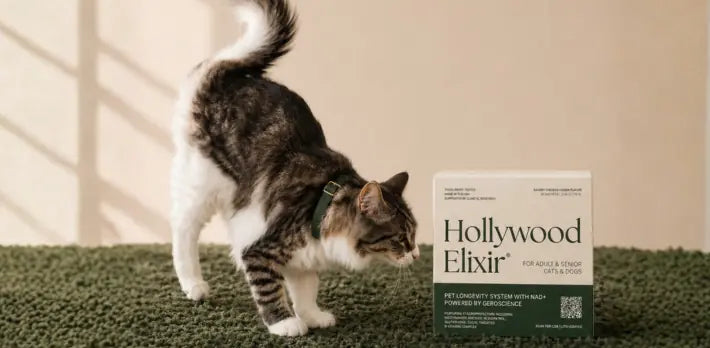
A realistic case vignette: a 13-year-old cat begins sleeping in a closet, eats half portions, and stops jumping onto the bed. The owner reads about feline sirtuin activation and assumes the cat is “aging faster,” but the exam finds severe dental pain and mild dehydration. After dental treatment and a hydration plan, the cat’s grooming and appetite return, and the “old age” look becomes less turbulent. The lesson is that symptom-first triage often reveals fixable drivers before any longevity discussion.

At home, the same approach works: identify what changed in function, then look for the simplest explanation that fits. Pain commonly shows up as hiding, irritability, or altered sleep locations. Nausea can look like lip-licking, food sniffing, or sitting by the water bowl without drinking. Those observations help a veterinarian decide whether imaging, dental work, or lab panels should come before any conversation about sirtuins and cancer prevention cats.

Hollywood Elixir™ is amazing and makes my 13 y/o kitty young again!

— Jessie

She hopped up onto the windowsill again—first time in years.

— Charlie

“Longevity biology is context; diagnosis is what changes the plan.”

Owner Checklist: Home Clues That Shape the Workup

Owner checklist (topic-specific) can keep the situation orderly while waiting for an appointment. Check for: (1) new mouth odor, drooling, or pawing at the face after eating; (2) a change in jump height or hesitation before stairs; (3) litter box strain, smaller stools, or accidents; (4) a new lump, asymmetric belly shape, or one-sided swelling; (5) a shift in grooming, especially a greasy coat along the back. These signs do not diagnose cancer, but they guide the workup.

Add context that owners often miss: count how many meals are fully finished, not just “ate today.” Note whether the cat seeks heat, avoids touch, or changes sleeping posture. If the cat is on any medications or has a history of pancreatitis or kidney disease, write that down. A clean checklist makes later discussions about cat longevity sirtuins more useful, because it ties biology to what is actually happening in the household.

Weimaraner portrait reflecting poise and wellness support tied to cat longevity sirtuins.

What to Track Week over Week for Clearer Response Patterns

What to track week over week should be concrete enough to show response patterns. Useful markers include: body weight on a baby scale, daily appetite score (0–3), water intake estimate, litter box output (clumps per day and stool size), jump frequency to a chosen surface, and play tolerance (minutes before stopping). These measures help distinguish “less interested” from “less capable,” and they also show whether an intervention is creating more measured function or simply masking decline.

Tracking also protects owners from being misled by one good day. A cat with nausea may eat well once, then crash for two days. A cat with pain may rally when visitors arrive, then hide afterward. If a longevity plan is being considered, these markers provide a baseline so changes can be judged fairly. This is the practical side of sirtuin activation longevity cats: it is only meaningful when paired with careful monitoring.

Dog profile photo emphasizing steady vitality supported by cat longevity sirtuins.

A Misconception About Sirtuins and Cancer Prevention in Cats

A unique misconception is that “activating sirtuins” equals cancer prevention. The phrase sirtuins and cancer prevention cats is often used online as if it were a proven clinical strategy, but the science is more cautious: sirtuins participate in stress responses and cellular maintenance, and their roles can vary by tissue and context (Rogina, 2024). In other words, the pathway is biologically important, yet it is not a direct anti-cancer switch for a pet owner to control.

A better framing is “support the cat’s overall resistance to age-related stressors while the veterinarian rules out disease.” That means prioritizing diagnostics when red flags exist, and using lifestyle supports when the cat is stable. It also means being skeptical of dramatic timelines and before/after stories. If a cat is truly improving, the tracking rubric should show it in appetite, weight, and activity, not only in mood.

Ingredient overview graphic showing what's inside and how sirtuins and cancer prevention cats supports dogs.

Polyphenols and Cat Data: What Resveratrol Can and Can’t Tell

Polyphenols such as resveratrol are frequently mentioned because they are studied in relation to SIRT1 signaling in broader research (Rogina, 2024). Cat-specific data exist for resveratrol supplementation and metabolic measures, which is helpful because cats are not small dogs and cannot be assumed to respond the same way (Yun, 2025). Even so, “mechanistic plausibility” is not the same as a proven longevity outcome in cats, and it should not replace standard screening for common senior-cat diseases.

In a household plan, the safest use of this information is to treat it as one part of a broader, slower approach. If a veterinarian agrees a cat is stable, owners can choose a consistent diet, avoid frequent supplement changes, and monitor response patterns. If the cat has a history of GI sensitivity, introduce any new product one at a time so side effects are not confused with disease progression.

Safety First: Why “Natural” Still Needs Oversight

Safety deserves as much attention as mechanism. Resveratrol, often discussed in sirtuin conversations, has a literature describing potential adverse effects and drug-interaction concerns in humans and animal contexts, especially at higher exposures (Shaito, 2020). Cats also have unique metabolic sensitivities, so “natural” does not automatically mean gentle. Any cat with liver disease, bleeding risk, or multiple medications should be evaluated by a veterinarian before adding polyphenol-focused products.

Owners can reduce risk by avoiding stacking: do not combine multiple “longevity” products at once, and do not add new items during an active diagnostic workup. If vomiting, diarrhea, appetite loss, or new lethargy appears after a change, stop the new item and call the clinic with a clear timeline. This approach keeps the situation more orderly and protects the cat’s recuperation speed during a stressful period.

“Track what you can measure, not what you hope is happening.”

Close-up clinical uniform showing research-driven formulation behind feline sirtuin activation.

What Not to Do When Cancer Is on the List

What not to do is often the difference between helpful support and a delayed diagnosis. Do not assume weight loss is “just aging,” do not wait out persistent vomiting, and do not use appetite stimulants or high-calorie pastes without veterinary guidance if cancer is on the table. Do not start a new supplement the week before bloodwork, because it can confuse interpretation. And do not chase feline sirtuin activation claims as a substitute for imaging or biopsy when a veterinarian recommends them.

Also avoid diet whiplash. Rapid food changes can trigger GI upset, which then looks like disease progression. If the cat is picky, work with the clinic on a measured plan: small transitions, consistent feeding times, and hydration strategies. The goal is to keep the cat stable enough that true red flags stand out clearly, rather than being buried under avoidable turbulence.

Shop Now
Hollywood Elixir in food tableau emphasizing purity aligned with feline sirtuin activation.

How to Prepare for a Vet Visit About Aging and Cancer Risk

Vet visit prep should focus on questions that connect symptoms to decisions. Bring: the tracking notes, a list of all foods and supplements, and photos of any lumps or posture changes. Ask: “Which diagnoses best fit this pattern, and what tests separate them?” “Is pain likely, and how will pain control be assessed?” “If cancer is possible, what imaging is most informative first?” These questions keep the appointment efficient and reduce the chance of missing a treatable cause.

If the owner is specifically interested in cat longevity sirtuins, ask one additional, grounded question: “Are there any supplements you consider reasonable for general aging support in this cat’s situation, and what side effects should be watched?” That invites a clinician to weigh kidney values, liver enzymes, and medication interactions. It also keeps the conversation aligned with reality rather than marketing language.

Shop Now
Pet owner displaying product as part of daily care supported by sirtuins and cancer prevention cats.

An Urgency Ladder for Appetite Loss, Vomiting, and Lumps

An urgency ladder helps owners decide when to act the same day. Seek urgent care if a cat has open-mouth breathing, repeated vomiting with inability to keep water down, collapse, severe weakness, or a rapidly enlarging abdomen. Prompt (within 24–72 hours) evaluation is warranted for ongoing weight loss, persistent appetite reduction, blood in stool or urine, or a new firm lump. These are not “sirtuin issues”; they are clinical problems that need diagnosis before any longevity plan is considered.

For non-urgent but concerning changes, schedule a senior exam and commit to tracking until then. Owners often underestimate how quickly a cat can lose leeway once eating drops. Keep the cat warm, reduce household stressors, and maintain hydration access in multiple locations. The goal is to arrive at the clinic with a clear story and a cat stable enough for testing.

Shop Now

Where Sirtuin Activation Fits After a Diagnosis Is Ruled Out

Where does “activation” fit once disease is addressed? In model organisms and mice, pharmacologic SIRT1 activators have been studied for lifespan and health-related measures, which is part of why the topic attracts attention (Mitchell, 2014). That evidence is not a direct prescription for cats, but it supports the idea that stress-response pathways can matter to aging biology. The responsible takeaway is to treat this as background science that may inform future veterinary tools, not as a current shortcut.

In a home plan, “fit” means choosing actions with low downside: consistent nutrition, controlled calories for overweight cats, and environmental enrichment that matches the cat’s capacity. If a veterinarian approves a supplement, introduce it slowly and keep the tracking rubric unchanged so any shift is interpretable. The aim is more measured function over weeks, not dramatic day-to-day swings.

NAD+ Talk: When Labels, Quality, and Consistency Matter

NAD+ is often mentioned alongside sirtuins because sirtuin enzymes depend on NAD+ availability to function in cells. That relationship is one reason “NAD precursors” appear in pet products and pet foods, and it is also why quality control matters. Analytical work has shown that measuring NAD-related compounds in commercial pet foods requires validated methods, underscoring that labels and actual content are not always the same (Meng, 2025).

For owners, the practical move is to prioritize reputable manufacturing and veterinary oversight rather than chasing the newest molecule. If a cat is on a prescription diet or has kidney disease, do not add NAD-related supplements without a clinician’s input. Keep the plan deliberate: adjust one thing, observe response patterns for several weeks, then decide on the next step. That pacing protects clarity and reduces turbulence.

Side-by-side supplement comparison designed around sirtuins and cancer prevention cats expectations.

Secondary Context: Skin, Healing, and Recovery Claims

Secondary context: owners sometimes connect sirtuins to skin, wound healing, or recovery from procedures. In animal research, SIRT1 activation has been discussed in relation to tissue repair processes and inflammation signaling (Christovam, 2019). This is interesting biology, but it should not be used to self-manage post-surgical complications, non-healing wounds, or oral tumors. Those problems require hands-on veterinary assessment, especially in cats where subtle pain can hide serious disease.

If a cat is recovering from dental work or a biopsy, the home priorities are simpler and more reliable: pain control as prescribed, hydration, and a food texture the cat can manage. Track appetite and litter box output daily until normal patterns return. If swelling, odor, or refusal to eat persists, call the clinic rather than adding new supplements that could complicate nausea or stool quality.

Shop Now
Hollywood Elixir box in open packaging, showing premium presentation for cat longevity sirtuins.

A Measured Plan for Healthy Aging Without Overpromising

Putting it all together, the most useful role for sirtuin activation longevity cats is as a literacy tool: it helps explain why sleep, appetite, and activity can shift together under stress. It also helps owners see why “anti-aging” claims can be overstated when they skip the diagnostic step. Oxidative stress is a cross-cutting pressure in aging biology, but it does not point to one supplement or one disease (Maldonado, 2023). A stable plan is built from clinical clarity first.

Owners can use this framework to communicate better with the veterinary team. Bring the tracking rubric, ask which conditions are most likely, and agree on a recheck timeline. If cancer is diagnosed, the conversation should shift to comfort, nutrition, and treatment options guided by an oncologist. Any longevity-support discussion should be coordinated with that plan, not layered on top without review.

Shop Now

If Cancer Is Confirmed: Coordinate Support with Your Oncologist

For cats with confirmed cancer or strong suspicion, the safest stance is humility. Sirtuins and cancer prevention cats is an appealing phrase, but it can distract from what actually changes outcomes: staging, pain control, nutrition planning, and timely decisions. If owners want to discuss supportive aging ingredients, that discussion belongs inside the treatment team’s view of the whole cat, including lab trends and medication interactions (Shaito, 2020).

Ask the oncologist or primary veterinarian how to evaluate any supplement: what goal it serves, what side effects to watch, and what would trigger stopping it. Keep the plan more measured by changing one variable at a time and tracking response patterns. The best longevity strategy is often the least dramatic one: reduce suffering, protect appetite, and preserve daily function for as long as possible.

“A measured routine protects clarity when symptoms are vague.”

Educational content only. This material is not a substitute for veterinary advice. Always consult your veterinarian about your cat’s specific needs. These statements have not been evaluated by the Food and Drug Administration. Products mentioned are not intended to diagnose, treat, cure, or prevent any disease.

Glossary

  • Sirtuins - A family of proteins that help regulate cellular stress responses and maintenance.
  • SIRT1 - A commonly discussed sirtuin linked to stress-response signaling in aging research.
  • NAD+ - A cellular cofactor required for sirtuin enzyme activity.
  • Oxidative stress - An imbalance that can contribute to age-related cellular strain.
  • Polyphenol - A plant-derived compound sometimes studied for signaling effects (example: resveratrol).
  • Resveratrol - A polyphenol often discussed in sirtuin-related research; safety and fit must be individualized.
  • Differential diagnosis - The list of possible causes that can explain a cat’s signs.
  • Staging - The process of determining cancer extent to guide treatment decisions.
  • Response patterns - Repeatable changes in measurable signs (weight, appetite, activity) over time.

Related Reading

References

Maldonado. Aging Hallmarks and the Role of Oxidative Stress.. 2023. https://www.mdpi.com/2072-6643/17/7/1212

Mouchiroud. The NAD(+)/Sirtuin Pathway Modulates Longevity through Activation of Mitochondrial UPR and FOXO Signaling.. PubMed. 2013. https://pubmed.ncbi.nlm.nih.gov/23870130/

Yun. Effect of resveratrol supplementation on lipid metabolism in healthy and obese cats.. PubMed Central. 2025. https://pmc.ncbi.nlm.nih.gov/articles/PMC12042225/

Christovam. Activators of SIRT1 in wound repair: an animal model study.. PubMed. 2019. https://pubmed.ncbi.nlm.nih.gov/30783767/

Mitchell. The SIRT1 activator SRT1720 extends lifespan and improves health of mice fed a standard diet.. PubMed. 2014. https://pubmed.ncbi.nlm.nih.gov/24582957/

Rogina. SIRT1, resveratrol and aging. 2024. https://www.frontiersin.org/journals/genetics/articles/10.3389/fgene.2024.1393181/full

Meng. Development and Validation of an HPLC-PDA Method for NMN Quantification in Commercial Pet Foods. 2025. https://www.mdpi.com/2076-3417/15/19/10797

Shaito. Potential Adverse Effects of Resveratrol: A Literature Review. 2020. https://www.mdpi.com/1422-0067/21/6/2084

FAQ

What are sirtuins, in plain language for cat owners?

Sirtuins are proteins inside cells that help coordinate how the body responds to stress, including signals related to energy use and cellular maintenance. They are often discussed in aging research because they interact with pathways involved in repair and survival under strain.

For a cat owner, the practical meaning is limited: sirtuins are not a diagnosis and not a home treatment. They are background biology that may help explain why older cats can lose appetite, strength, and recuperation speed together.

Does sirtuin activation mean longer life for cats?

Not in a proven, clinical way. The phrase sirtuin activation longevity cats is based on real aging biology, but direct evidence that activating sirtuins extends lifespan in pet cats is not established.

A safer goal is supporting normal function while the veterinarian addresses common senior-cat problems (pain, dental disease, kidney changes). If a cat is losing weight or acting ill, diagnostics matter more than any pathway-focused plan.

Why do people connect sirtuins with cancer prevention in cats?

People connect sirtuins and cancer prevention cats because sirtuins are involved in cellular stress responses, and cancer is often framed as a disease of damaged, dysregulated cells. That association can sound like a direct lever to pull.

In reality, this is not a home prevention strategy. If cancer is suspected, the most meaningful steps are staging, pain control, nutrition planning, and timely veterinary decisions, ideally with an oncologist involved.

What symptoms should be checked before thinking about longevity supplements?

Check for appetite drift, weight loss, vomiting, diarrhea or constipation, hiding, reduced grooming, and reluctance to jump. Also look for mouth odor, drooling, or chewing on one side, which can signal dental pain.

These signs help a veterinarian separate common senior-cat conditions from cancer. A supplement decision is more orderly after a baseline exam and lab work, because it reduces the risk of masking a problem that needs treatment.

How quickly should a vet see a cat with weight loss?

Unexplained weight loss should be evaluated promptly, especially in older cats. If weight loss is paired with repeated vomiting, refusal to eat, weakness, or breathing changes, the situation can be urgent.

Bring a timeline: when appetite changed, how much was eaten, and any litter box differences. This symptom-first record helps the clinic choose the right tests, rather than guessing based on a single visit snapshot.

Are resveratrol products safe for cats?

Safety depends on the individual cat, the product, and what else the cat is taking. Resveratrol is often discussed as a sirtuin-related polyphenol, but adverse effects and interaction concerns are described in the broader literature(Shaito, 2020).

Cats with liver disease, bleeding risk, GI sensitivity, or multiple medications should only use polyphenol-focused supplements with veterinary guidance. Introduce one change at a time so vomiting or appetite loss is not misread.

Is there cat-specific research on resveratrol supplementation?

Yes, there is cat-specific supplementation research looking at metabolic measures in healthy and obese cats(Yun, 2025). That matters because cats have unique physiology and cannot be treated as small dogs.

Even with cat data, owners should avoid turning one ingredient into a promise of longevity. A veterinarian can help decide whether a supplement fits the cat’s current health status and whether it complicates diagnostics.

What does NAD+ have to do with feline sirtuin activation?

Sirtuins rely on NAD+ to function, so NAD+ availability is often discussed alongside sirtuin activity in aging biology. That link is one reason “NAD precursors” appear in longevity conversations.

For owners, the key is not to self-prescribe NAD-related products when a cat is ill. If a cat has kidney disease, liver disease, or is on multiple medications, the veterinarian should weigh risks, goals, and monitoring.

How can owners track whether an aging plan is working?

Track measurable markers: weekly weight, daily appetite score, water intake estimate, litter box output, jump frequency to a chosen surface, and play tolerance. These show response patterns better than mood alone.

If a supplement is added, keep everything else stable for several weeks so changes are interpretable. If the cat’s function becomes less orderly or appetite drops, stop the new item and contact the clinic with a timeline.

How long does it take to see changes from supportive supplements?

For supportive supplements, changes—if they occur—are usually judged over weeks, not days. Appetite, stool quality, and activity can fluctuate for many reasons, so a short “trial” can be misleading.

Use a baseline first, then track week over week. If a cat is actively losing weight or vomiting, do not wait for a supplement timeline; pursue diagnostics so serious disease is not missed.

Can Hollywood Elixir™ replace cancer screening or vet visits?

No. Hollywood Elixir™ can be part of a daily plan that supports healthy aging, but it cannot replace exams, lab work, imaging, or biopsy when cancer is a concern.

If a cat has weight loss, appetite change, new lumps, or persistent vomiting, the priority is diagnosis and comfort. Supplements should be discussed with the veterinarian so they fit the cat’s medications and monitoring plan.

What quality signals matter most in longevity supplements for cats?

Look for clear ingredient disclosure, conservative claims, and manufacturing practices that support consistency. For compounds that are difficult to measure, validated analytical methods highlight why quality control matters(Meng, 2025).

Also consider whether the product encourages measured pacing: one change at a time, with guidance on what to watch. A reputable company should not imply tumor control or “guaranteed” longevity outcomes.

Should senior cats use sirtuin-focused supplements every day?

Daily use can be reasonable for some stable senior cats, but it should be individualized. The cat’s diet, kidney and liver values, medications, and GI sensitivity all affect whether a daily routine is appropriate.

If Hollywood Elixir™ is being considered, it should support a broader plan that includes hydration, pain control when needed, and routine screening. Any new vomiting, diarrhea, or appetite loss warrants stopping and calling the clinic.

Are kittens or pregnant cats appropriate candidates for longevity formulas?

Longevity-oriented supplements are generally discussed for adult and senior cats, not for kittens, pregnant, or nursing cats. Those life stages have different nutritional priorities and safety considerations.

If a young cat seems “low energy” or is losing weight, that is a medical concern, not an aging concern. A veterinarian should evaluate parasites, infection, congenital issues, and diet adequacy before any supplement plan.

Do certain cat breeds respond differently to aging supplements?

Breed can influence body size, heart disease risk, and orthopedic issues, but supplement response is usually driven more by the individual cat’s diagnoses, diet, and medications than by breed alone.

A large-framed cat with arthritis may show clearer changes in jump behavior than a smaller cat, even if both are stable. Use the same tracking rubric and let the veterinarian interpret changes in the context of the cat’s exam findings.

Are cats and dogs similar when it comes to sirtuins?

They share some general mammalian biology, but cats are not small dogs. Differences in metabolism and common diseases mean that dog-focused longevity claims should not be assumed to apply to cats.

When reading about feline sirtuin activation, prioritize cat-specific evidence when available and rely on veterinary guidance for dosing and safety. If a claim is based only on another species, treat it as preliminary context.

What medications or conditions should prompt extra caution?

Extra caution is warranted with liver disease, kidney disease, bleeding disorders, a history of pancreatitis, or any cat taking multiple medications. Polyphenol-focused products can have interaction concerns described in broader safety discussions.

Owners should bring a full list of prescriptions, flea/tick products, and supplements to the appointment. The veterinarian can then decide what is compatible and what monitoring (labs, appetite tracking) is needed to keep the plan orderly.

How should a supplement be introduced to a sensitive-stomach cat?

Introduce one new item at a time and keep the base diet unchanged. Give it with food if the label allows, and track stool quality, vomiting, and appetite daily for at least two weeks.

If Hollywood Elixir™ is used, it should support a measured routine rather than being layered onto multiple new foods or treats. Any persistent GI change should be treated as a reason to pause and call the clinic.

What is the best decision framework for worried owners?

Start with triage: is the cat eating, drinking, breathing, and using the litter box normally? If not, prioritize veterinary evaluation. Next, document a symptom timeline and track weight and appetite for a clearer handoff.

Only after a veterinarian rules out urgent disease should supportive aging tools be considered. If the goal is cat longevity sirtuins, keep expectations sober: choose low-downside routines, change one variable at a time, and measure week over week.

When should an oncologist be asked about supplements and aging plans?

Ask an oncologist when cancer is suspected, diagnosed, or being actively treated. Supplements can interact with appetite, GI function, bleeding risk, and medication plans, so coordination matters.

Bring the exact product name and label, including Hollywood Elixir™, and ask what it supports, what side effects to watch, and what would trigger stopping it. This keeps the plan aligned with treatment goals and monitoring.

5K+ Happy Pet Parents

Excellent 4.8

Sirtuin Activation Longevity Cats | Why Thousands of Pet Parents Trust Hollywood Elixir™

"My go-to nutrient-dense topper. Packed with 16 powerful anti-aging actives and superfoods!"

Chanelle & Gnocchi

"We go on runs pretty often; he use to get tired halfway through, but lately, he's been keeping up without any problem."

Cami & Clifford

"He seems more happy overall. I've also noticed he has more energy which makes our walks and playtime so much more fun."

Olga & Jordan

"I want her to live forever. She hasn't had an ear infection since!"

Madison & Azula

"My go-to nutrient-dense topper. Packed with 16 powerful anti-aging actives and superfoods!"

Chanelle & Gnocchi

"We go on runs pretty often; he use to get tired halfway through, but lately, he's been keeping up without any problem."

Cami & Clifford

"He seems more happy overall. I've also noticed he has more energy which makes our walks and playtime so much more fun."

Olga & Jordan

"I want her to live forever. She hasn't had an ear infection since!"

Madison & Azula

"My go-to nutrient-dense topper. Packed with 16 powerful anti-aging actives and superfoods!"

Chanelle & Gnocchi

"We go on runs pretty often; he use to get tired halfway through, but lately, he's been keeping up without any problem."

Cami & Clifford

"He seems more happy overall. I've also noticed he has more energy which makes our walks and playtime so much more fun."

Olga & Jordan

"I want her to live forever. She hasn't had an ear infection since!"

Madison & Azula

"My go-to nutrient-dense topper. Packed with 16 powerful anti-aging actives and superfoods!"

Chanelle & Gnocchi

"We go on runs pretty often; he use to get tired halfway through, but lately, he's been keeping up without any problem."

Cami & Clifford

"He seems more happy overall. I've also noticed he has more energy which makes our walks and playtime so much more fun."

Olga & Jordan

"I want her to live forever. She hasn't had an ear infection since!"

Madison & Azula

SHOP NOW