Maine Coon Biology: Cardiac Risk, Joint Load, and High-volume Coat Shedding

Understand Heart Muscle Risk, Support Mobility, and Reduce Heavy Coat Shedding

Essential Summary

Why Is Maine Coon Biology Important?

Maine Coon biology concentrates risk in the heart, then the joints, then the coat. Understanding that order helps owners choose screening, reduce joint load at home, and keep shedding and mats from turning into skin trouble.

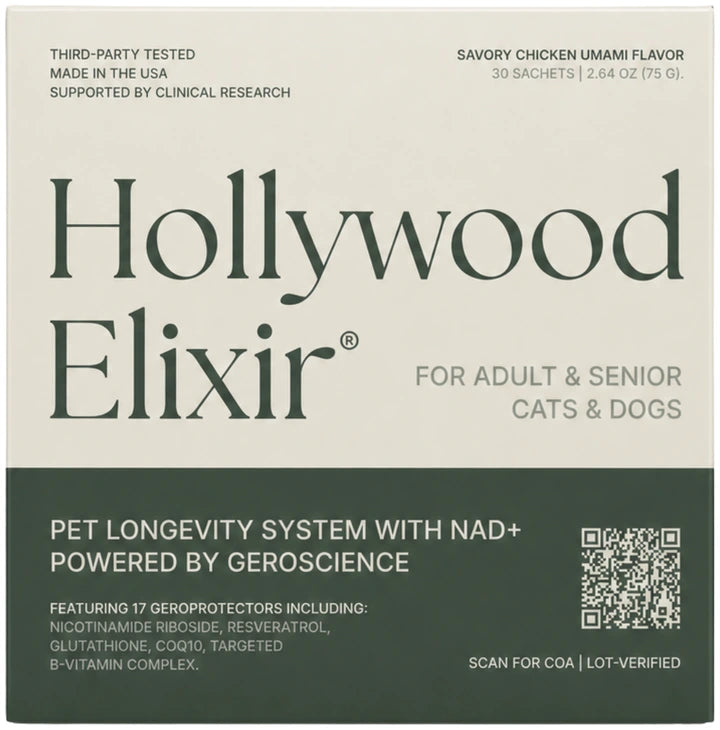
Hollywood Elixir™ is designed to support normal whole-cat wellness as part of a measured care plan.

When a Maine Coon seems “too big to be fragile,” the surprise is that size can hide early heart strain, add joint load, and multiply shedding. The most important Maine Coon health problems are not cosmetic: hypertrophic cardiomyopathy (often shortened to Maine Coon HCM) can be silent for years, and the first obvious sign may be sudden breathing trouble or collapse. At the same time, a large frame asks more of hips and spine, and a high-volume coat can overwhelm normal grooming—leading to mats, dandruff, and hairballs that look like “just shedding.”

This Maine Coon health guide keeps a heart-first lens while still respecting the breed’s structure and coat. It explains what the biology means in daily life: what owners can observe, what to measure week over week, and what to bring to a veterinary visit so the handoff is clear. It also connects the dots across common searches—Maine Coon heart disease, hip dysplasia cats, and coat management—without turning every concern into an emergency. The goal is a more measured plan: screen the heart appropriately, reduce unnecessary joint stress, and keep the coat and skin more orderly with routines that fit a large, majestic cat.

By La Petite Labs Editorial, ~15 min read

Featured Product:

  • Maine Coon Biology: Cardiac Risk, Joint Load, and High-Volume Coat Shedding centers on silent HCM risk, heavier joint stress, and a dense coat that needs structured grooming.
  • Maine Coon HCM can be inherited; MYBPC3 variants raise risk in some cats, but a negative genetic test cannot rule HCM out.
  • Feline echocardiography is the most direct way to screen heart structure and function; timing depends on age, exam findings, and family history.
  • Large-frame mechanics can amplify hip and spine discomfort, which may show up as route changes, hesitant landings, or reduced self-grooming.
  • High-volume shedding is often normal, but mats, dandruff, odor, or patchy thinning suggest skin disease or pain limiting grooming.
  • Track response patterns week over week: sleeping breathing rate, play recuperation speed, jump choices, hairballs, mat sites, and body condition photos.
  • Bring videos, logs, and specific questions to the vet so heart and mobility concerns are evaluated together, not in isolation.

Why Size Changes the Health Math

Maine Coons are built on a larger frame than most domestic cats, and that changes how “normal” looks. A bigger chest and longer body can make breathing patterns, resting posture, and even heart sounds harder to interpret without context. Size also changes the workload on the heart and the mechanical stress on hips and spine, which is why Maine Coon health problems often cluster around cardiac risk and joint comfort rather than only skin or stomach issues.

At home, the most useful mindset is comparison to the same cat over time, not to a smaller cat. Notice whether play recuperation speed is changing, whether jumping up looks more deliberate, and whether grooming time is dropping as the coat thickens. A large cat that starts choosing the floor over the sofa is giving information, even if appetite and mood still look “fine.”

White lab coat with La Petite Labs mark, emphasizing rigor behind maine coon health problems.

Maine Coon HCM: the Inherited Piece

Hypertrophic cardiomyopathy is the defining Maine Coon heart disease concern because it can run in families and thicken the heart muscle over time. In Maine Coons, specific MYBPC3 gene variants (including A31P) have been found in populations and are associated with HCM risk, which is why genetic screening is sometimes discussed alongside imaging (Mary, 2010). Still, genetics are not the whole story: some Maine Coons with HCM do not carry known MYBPC3 mutations, so a “negative” test cannot be treated as a lifetime clearance (Sukumolanan, 2022).

For owners, the practical takeaway is to treat genetics as one clue, not a verdict. If a breeder provides test results, keep them with the cat’s records and share them with the veterinarian. If no results exist, that does not mean the cat is destined for trouble—it means screening decisions should lean on exam findings, family history, and echocardiography timing rather than reassurance alone.

Supplement paired with foods emphasizing sourcing integrity for maine coon health guide.

How HCM Changes the Heart’s Job

In HCM, the heart muscle becomes thicker and less flexible, so filling between beats can become less efficient. That can reduce leeway during excitement, heat, or illness, even when a cat seems normal at rest. Familial HCM has been described in Maine Coon lines, supporting that this is often a heritable cardiomyopathy rather than a random, one-off event (Kittleson, 1999).

What this can look like at home is subtle: a cat that used to sprint for a toy now stops sooner, or chooses shorter play bursts with longer pauses. Some cats become quieter about exertion, so “calmer personality” can actually be a change. Any sudden open-mouth breathing, collapse, or blue-tinged gums is urgent, but the more common story is slow drift—small changes that only stand out when tracked.

Cat owner presenting Hollywood Elixir as part of maine coon HCM routine.

Screening: Why Echocardiography Matters Most

The most informative screening tool for Maine Coon HCM is a feline echocardiogram, which directly measures heart wall thickness and function. Genetic tests can help identify risk in some cats, but they cannot replace imaging because not all affected cats carry known variants (Sukumolanan, 2022). A good screening plan is individualized: age, family history, and exam findings (like a murmur) shape when to image and how often to recheck.

VET VISIT PREP: Bring (1) any breeder paperwork or family history, (2) a short video of breathing at rest, (3) notes on exercise recuperation speed, and (4) a list of any fainting-like episodes or sudden weakness. Ask the veterinarian: “Is an echocardiogram recommended now?”, “If it’s normal, when should it be repeated?”, and “What home changes would make you want to see this cat sooner?”

Side-by-side chart comparing supplements and standards relevant to maine coon health guide.

A Case Vignette: the “Lazy Winter” That Wasn’t

CASE VIGNETTE: A 4-year-old Maine Coon begins skipping the evening zoomies and prefers lying near the water bowl after play. The coat still looks glossy, appetite is normal, and the change is blamed on “winter laziness.” At a routine visit, a new murmur leads to an echocardiogram that shows early thickening consistent with Maine Coon heart disease, allowing a more measured monitoring plan rather than a crisis response.

This scenario is common because cats compensate quietly. Owners do not need to panic at every tired day, but they do need to respect pattern shifts—especially in a breed where Maine Coon health problems often start silently. A simple habit helps: write down what play looks like on a “good day,” then compare future weeks to that baseline instead of relying on memory.

Hollywood Elixir™ is amazing and makes my 13 y/o kitty young again!

— Jessie

She hopped up onto the windowsill again—first time in years.

— Charlie

“In Maine Coons, the heart can change long before behavior looks dramatic.”

Joint Load: Why Big Cats Stress Hips Differently

A large-frame cat places more mechanical load through the hips, knees, and lower spine with every jump and landing. Hip dysplasia cats can occur, and in a heavy, long-bodied breed the “wear and tear” effect can show earlier as stiffness or reluctance to leap. Joint tissues also respond to inflammation signals; in feline chondrocytes, chondroitin sulfate has been shown to influence inflammatory and cell-survival pathways in lab models, which helps explain why joint-support ingredients are often discussed as part of comfort plans (Bai, 2024).

At home, joint load shows up as route changes: using chairs as steps, avoiding high perches, or hesitating before jumping down. Provide “soft landings” with rugs, add intermediate steps to favorite spots, and keep litter boxes easy to enter. These changes do not diagnose arthritis or hip dysplasia, but they reduce daily impact while the veterinarian sorts out what is structural versus pain-driven.

Hollywood Elixir in opened packaging with natural light, aligned with maine coon health guide.

Spine and Tail Base: the Overlooked Stress Zone

Maine Coons often carry their weight across a long back, and the spine can become a quiet source of discomfort as years pass. Stiffness at the tail base, sensitivity when brushed along the lower back, or a shorter stride can reflect spinal arthritis or muscle guarding. Because cats hide pain, the first clue may be behavioral: less grooming of the hindquarters, more irritability during handling, or a sudden preference for sleeping in one spot.

UNIQUE MISCONCEPTION: “If the cat still jumps, the joints must be fine.” Many cats will jump despite discomfort, then pay for it later with longer rest periods or avoidance the next day. Watch the landing: a careful, stiff landing or immediate sitting can be more telling than whether the jump happened at all. Note these patterns for the vet rather than waiting for a complete refusal.

Longhaired cat leaping forward, suggesting vigor supported by maine coon health problems.

The Double Coat: Why Shedding Feels Endless

Maine Coons typically have a dense, high-volume coat with a substantial undercoat and longer guard hairs. That structure is designed for insulation, but it also means shed hair can accumulate quickly and tangle close to the skin. When the undercoat loosens seasonally, the amount of hair released can look dramatic, even when the skin is healthy.

In a household, “normal” shedding becomes a problem when it turns into mats, hairballs, or skin irritation from trapped debris. Owners often notice clumps behind the front legs, along the belly, and at the base of the tail—high-friction zones. A routine that matches coat volume matters more than occasional marathon brushing: short sessions several times a week usually keep shedding more orderly and reduce the stress of sudden de-matting.

Clinical coat image reflecting vet-informed formulation aligned with maine coon health problems.

Skin Health under All That Fur

A thick coat can hide early skin issues, so owners may miss dandruff, small scabs, or flea dirt until the problem is advanced. When the skin barrier is irritated, cats may overgroom, creating broken hairs that look like “extra shedding.” The goal is to separate coat volume from skin disease: high-volume shedding can be normal, but itch, redness, odor, or patchy thinning is not.

OWNER CHECKLIST: Check at home for (1) mats you cannot comb through at the armpits or groin, (2) dandruff that returns within 48 hours of brushing, (3) hairballs more than once weekly, (4) new sensitivity when touched along the back, and (5) flea dirt (black specks that smear reddish when wet). These observations help a veterinarian decide whether the issue is grooming, parasites, allergy, or pain limiting self-care.

Nutrition for a Large Frame Without Overfeeding

Large breed cat health is a balancing act: enough protein and micronutrients to maintain muscle and coat, without drifting into excess body fat that worsens joint load and can complicate heart disease management. Maine Coons can look “naturally big,” so weight gain is easy to miss until the cat loses a waist and the belly swings when walking. Nutrition choices should be made with body condition scoring, not the number on the scale alone.

In daily routines, measure food, avoid free-pouring, and use monthly photos from above to catch slow changes. If treats are used, keep them predictable and account for them. Any supplement plan should be discussed with a veterinarian because quality and contamination can vary; vitamin-mineral products may not meet label expectations and can carry risks in pets (RVA, 2021). The safest plan is deliberate pacing: adjust one thing, observe, then decide on the next step.

“A thick coat hides skin problems until grooming becomes a daily system.”

Hollywood Elixir box with whole-food ingredients, illustrating quality behind maine coon HCM.

What to Track Week over Week

Maine Coon health problems are easier to manage when they are noticed early, and early often looks like a pattern rather than a single event. Tracking does not need gadgets; it needs consistency. The aim is to capture response patterns that hint at cardiac strain, joint discomfort, or coat/skin overload before they become emergencies.

WHAT TO TRACK: (1) resting breathing rate when asleep, (2) play duration before the first long pause, (3) jump choices (high perch vs step route), (4) number and size of hairballs per week, (5) mat formation sites, and (6) monthly body condition photos from above and side. Bring these notes to visits; they often clarify whether a change is gradual, seasonal, or sudden.

Shop Now
Hollywood Elixir in cozy home, reinforcing quality cues behind maine coon health problems.

When Shedding Signals Something Beyond Coat Volume

Not all shedding is equal. Seasonal undercoat release is expected, but shedding paired with itch, broken hairs, or greasy skin suggests a separate problem such as parasites, allergy, or infection. Pain can also be a hidden driver: a cat with hip or spinal discomfort may groom less effectively, allowing loose hair to mat and shed in clumps.

WHAT NOT TO DO: Do not shave the coat to “solve” shedding without veterinary guidance, because it can worsen matting as hair regrows and can stress sensitive skin. Do not use dog flea products on cats. Do not pull mats tight to the skin; that can tear and create sores. If mats are close to the skin or the cat reacts strongly, schedule a professional groom or veterinary de-matting to keep the experience less turbulent.

Shop Now
Comparison layout highlighting transparency and testing aligned with maine coon health guide.

How Heart and Joints Interact in Real Life

Cardiac risk and joint load are not separate lanes. A cat that feels joint discomfort may move less, gain weight, and lose muscle—raising mechanical stress and potentially narrowing leeway during exertion. Conversely, a cat with early Maine Coon HCM may self-limit activity, which can be mistaken for “arthritis,” delaying the right screening. This is why a heart-first lens matters even when the complaint sounds orthopedic.

At home, look for mixed signals: the cat still wants to play but stops quickly, or the cat jumps up but avoids jumping down. These combinations are often more informative than a single sign. Share the full picture with the veterinarian so the exam can include both a careful heart assessment and a pain-focused mobility check.

Shop Now

Choosing Treats and Add-ons with a Safety Lens

Owners often reach for add-ons when searching for a Maine Coon health guide, especially for coat shine or joint comfort. Some ingredients have feline-specific safety data in certain contexts; for example, omega-3 supplementation delivered as lickable treats has been studied for safety and tolerability in cats in a controlled setting (Sukho, 2025). That does not make any single product a treatment for Maine Coon heart disease or arthritis, but it supports the idea that “delivery form and cat acceptance” matter when building a plan.

In the household, the safest approach is to keep add-ons simple and trackable. Introduce one change at a time, watch stool quality and appetite for a week, and avoid stacking multiple supplements that overlap. If a cat has suspected or confirmed HCM, ask the veterinarian before adding anything new, because the priority is keeping the overall plan more orderly and avoiding surprises.

Breeder Records, Family History, and Realistic Expectations

Because familial HCM exists in Maine Coons, family history can be as valuable as a lab result when planning screening (Kittleson, 1999). A responsible breeder may share echocardiogram results on parents or relatives, and those documents help a veterinarian decide how aggressive to be with early imaging. Even with good records, no plan can promise zero risk; the goal is earlier detection and clearer next steps.

Owners can keep a simple “health folder” that includes: breeder info, genetic test results if available, vaccination dates, weight trend, and a one-page log of breathing rate and activity changes. This reduces stress during appointments and makes it easier to compare response patterns across seasons. It also helps when consulting a cardiologist for feline echocardiography.

Unboxed Hollywood Elixir in protective wrap, emphasizing care behind maine coon heart disease.

How This Page Connects to Deeper Maine Coon Topics

Many owners arrive here after searching maine coon health problems and trying to connect heart, joints, and coat into one picture. For a deeper heart-first dive, the related topic “maine-coon-heart-health-supplement” can help frame supportive care conversations without replacing cardiology screening. For mobility, “maine-coon-hip-dysplasia-supplement” expands on structural load and comfort planning. For grooming routines, “maine-coon-shedding-solution” focuses on keeping a high-volume coat manageable.

For broader context beyond the breed, “heart-health-for-cats” and “muscle-health-for-cats” can help owners understand what is general feline biology versus what is amplified in a large-frame cat. Using these pages together supports a more measured approach: screen what must be screened, reduce avoidable stressors, and track what changes week over week.

Shop Now
Inside-the-box graphic showing active stack structure supporting maine coon health problems.

Decision Framework: What Deserves Action This Month

A practical decision framework keeps worry from becoming chaos. First, separate urgent signs (breathing distress, collapse, sudden hind-limb weakness) from slow-burn concerns (stiffness, increased hairballs, gradual fatigue). Second, decide what can be measured at home versus what requires imaging or lab work. Third, prioritize the heart when uncertainty exists, because Maine Coon HCM can be silent until it is not.

A good “this month” plan often includes: scheduling or confirming an echocardiogram timeline, making one joint-load change (steps, rugs, lower-sided litter box), and setting a realistic grooming schedule. Then observe response patterns for 3–4 weeks. This approach respects the breed’s majesty while staying medically frank about Maine Coon heart disease risk.

Shop Now

A Calm Closing: Prepared, Not Alarmed

The most protective stance for a Maine Coon is preparedness: understand the breed’s cardiac risk, respect joint load, and treat coat care as a health routine rather than a cosmetic chore. Genetics can inform risk in some cats, but imaging and observation are what keep decisions grounded. When owners track what changes week over week, veterinary visits become clearer and less turbulent.

If uncertainty persists, it helps to write down the top three concerns and the top three observations before calling the clinic. That simple structure often turns “something feels off” into actionable information. In a breed where size can mask early problems, clarity is a form of care.

“Track patterns, not single days, and the next step becomes clearer.”

Educational content only. This material is not a substitute for veterinary advice. Always consult your veterinarian about your cat’s specific needs. These statements have not been evaluated by the Food and Drug Administration. Products mentioned are not intended to diagnose, treat, cure, or prevent any disease.

Glossary

  • Hypertrophic Cardiomyopathy (HCM) - Thickening of the heart muscle that can reduce filling and leeway during exertion.
  • MYBPC3 - A gene that can carry variants associated with HCM risk in some Maine Coon cats.
  • A31P Variant - A specific MYBPC3 change found in a subset of Maine Coons, used in some genetic screening discussions.
  • Feline Echocardiography - Ultrasound imaging of the cat’s heart to measure wall thickness and function.
  • Murmur - A sound heard on a stethoscope that can suggest turbulent blood flow; it does not confirm HCM by itself.
  • Hip Dysplasia - Abnormal hip joint development that can contribute to pain and altered movement patterns.
  • Body Condition Score - A hands-on and visual way to judge fat coverage and waistline, more useful than weight alone.
  • Undercoat - The dense, insulating layer of fur that sheds heavily and can mat close to the skin.
  • Hairball (Trichobezoar) - A mass of swallowed hair that may be vomited; frequency can rise with heavy shedding or reduced grooming.

Related Reading

References

Mary. Prevalence of the MYBPC3-A31P mutation in a large European feline population and association with hypertrophic cardiomyopathy in the Maine Coon breed. 2010. https://www.sciencedirect.com/science/article/pii/S1760273410000597

Sukumolanan. Prevalence of cardiac myosin-binding protein C3 mutations in Maine Coon cats with hypertrophic cardiomyopathy.. PubMed Central. 2022. https://pmc.ncbi.nlm.nih.gov/articles/PMC8980380/

Kittleson. Familial hypertrophic cardiomyopathy in maine coon cats: an animal model of human disease.. PubMed. 1999. https://pubmed.ncbi.nlm.nih.gov/10377082/

Bai. Chondroitin sulfate alleviated lipopolysaccharide-induced arthritis in feline and canine articular chondrocytes through regulation of neurotrophic signaling pathways and apoptosis. 2024. https://www.sciencedirect.com/science/article/abs/pii/S0040816624003434

Sukho. Efficacy and safety of omega-3-enriched lickable treats as adjunctive therapy for feline chronic gingivostomatitis: A randomized controlled trial.. PubMed Central. 2025. https://pmc.ncbi.nlm.nih.gov/articles/PMC12501575/

RVA. Vitamin-mineral supplements do not guarantee the minimum recommendations and may imply risks of mercury poisoning in dogs and cats.. PubMed Central. 2021. https://pmc.ncbi.nlm.nih.gov/articles/PMC8075222/

FAQ

What does Maine Coon Biology mean for daily health?

Maine Coon Biology: Cardiac Risk, Joint Load, and High-Volume Coat Shedding means the breed’s size and genetics concentrate risk in a few predictable places. The heart deserves first attention because HCM can be silent, while the joints and spine carry more mechanical load with everyday jumping.

At home, this translates to three routines: track breathing and play recuperation speed, reduce hard landings with steps and rugs, and groom often enough to prevent mats and hairballs. These habits support earlier detection and clearer veterinary conversations.

How common is Maine Coon HCM in the breed?

Maine Coon HCM is a well-recognized inherited cardiomyopathy in the breed, described in family lines rather than only as random cases(Kittleson, 1999). Some Maine Coons carry MYBPC3 variants associated with increased risk, which is why genetics may come up in breeder records(Mary, 2010).

Even so, not every affected cat has a known mutation, so prevalence cannot be estimated by genetic testing alone(Sukumolanan, 2022). The practical approach is to treat the breed as higher-risk and plan screening accordingly.

Can a genetic test rule out Maine Coon heart disease?

No. Genetic screening can identify some Maine Coons at increased risk for HCM, but it cannot rule out Maine Coon heart disease. Studies show genetic heterogeneity: some Maine Coons with HCM do not carry known MYBPC3 mutations.

A “negative” result should be treated as one piece of information, not a lifetime clearance. If the cat has a murmur, symptoms, or family history, echocardiography is still the most direct way to assess the heart.

What screening test matters most for Maine Coon HCM?

A feline echocardiogram is the most informative screening test because it measures heart wall thickness and function directly. Genetics can help stratify risk in some cats, but imaging is what confirms whether changes are present.

Owners can prepare by bringing family history, prior test results, and a short log of breathing rate and activity changes. Ask the veterinarian how often rechecks are needed if the first scan is normal.

What early home signs can suggest cardiac strain?

Early cardiac strain is often quiet. Owners may notice shorter play bursts, longer rest after activity, or a cat that stops mid-game and lies down. Some cats become less interested in climbing or chasing without obvious limping.

Track sleeping breathing rate and note any sudden open-mouth breathing, collapse, or blue-tinged gums—those are urgent. Because Maine Coon Biology: Cardiac Risk, Joint Load, and High-Volume Coat Shedding is heart-first, any pattern shift deserves a veterinary check rather than waiting for dramatic symptoms.

How do joints factor into Maine Coon health problems?

A large frame increases joint load with every jump and landing, so hips and spine can become common comfort issues. Hip dysplasia cats can occur, and even mild joint changes can matter more in a heavier, long-bodied cat.

At home, watch for route changes (using furniture as steps), hesitant landings, or reduced grooming of the hindquarters. These signs help a veterinarian decide whether the issue is structural, pain-related, or a mix.

Is reluctance to jump always arthritis in Maine Coons?

Not always. Reluctance to jump can reflect joint discomfort, but it can also be a self-limiting behavior from early heart disease, fatigue, or even fear after a slip. Maine Coons may also choose lower routes when their coat mats and pulling makes movement unpleasant.

The most useful detail is the pattern: is the cat avoiding jumping up, jumping down, or both? Video of the movement and notes on play recuperation speed help the veterinarian decide whether to prioritize orthopedic imaging, cardiac screening, or both.

Why does my Maine Coon shed so much fur?

High-volume shedding is often normal for a Maine Coon because the coat is dense and built with a substantial undercoat. Seasonal changes can release large amounts of loose hair quickly, which looks alarming compared with shorter-coated cats.

Shedding becomes a health issue when it leads to mats, frequent hairballs, dandruff, or skin irritation. A short, frequent grooming routine usually keeps the coat more orderly than occasional long sessions, especially in friction areas like armpits and belly.

When is shedding a sign of skin disease?

Shedding is more concerning when it comes with itch, redness, odor, scabs, or patchy thinning. Those signs suggest parasites, allergy, infection, or another skin condition rather than normal coat cycling.

A thick coat can hide early changes, so part the fur and look at the skin in several places. If flea dirt is present or the cat is chewing at the base of the tail, schedule a veterinary visit; treating the wrong cause at home can delay relief.

How can owners track Maine Coon health week over week?

Use simple markers that reflect heart, joints, and coat. Track sleeping breathing rate, play duration before a long pause, and whether the cat chooses steps instead of jumping. Add coat markers like hairball frequency and where mats form.

Photos from above once a month help catch weight drift that worsens joint load. This kind of tracking fits the purpose of Maine Coon Biology: Cardiac Risk, Joint Load, and High-Volume Coat Shedding—turning vague worry into measurable patterns.

What should be brought to a vet visit for concerns?

Bring videos of breathing at rest and of walking/jumping, plus a short log of changes in play recuperation speed and grooming. If available, bring breeder records, genetic test results, and any prior echocardiogram reports.

Ask focused questions: “Do you recommend an echocardiogram now?”, “Could pain be limiting grooming?”, and “What home changes would you prioritize first?” Clear inputs help the veterinarian connect Maine Coon heart disease risk with mobility and coat findings.

What not to do when mats and shedding get severe?

Do not pull mats tight to the skin or cut them with household scissors; skin tears are common. Do not shave the coat as a default “solution,” because regrowth can mat and sensitive skin may flare. Do not assume hair loss is only seasonal if the cat is itchy or sore.

If mats are close to the skin or the cat becomes reactive, schedule a professional groom or veterinary de-matting. Then rebuild a short, frequent brushing routine that matches coat volume and the cat’s comfort.

Are omega-3 treats safe for cats in general?

In cats, omega-3s have been evaluated in specific clinical contexts, including a randomized controlled trial using omega-3–enriched lickable treats that assessed safety and tolerability(Sukho, 2025). That supports the idea that cat-appropriate formulations and delivery methods matter.

Safety still depends on the individual cat and the full diet. Introduce any new supplement or treat slowly, watch stool and appetite, and discuss use with a veterinarian—especially if the cat has known heart disease or other chronic conditions.

Can supplements replace screening for Maine Coon heart disease?

No. Supplements cannot replace screening for Maine Coon heart disease, and they should not delay echocardiography when it is recommended. Maine Coon HCM can be silent, and imaging is what shows whether the heart muscle is thickening.

If a supplement is used, it should be framed as supporting normal function within a broader plan that includes veterinary exams, appropriate testing, and home tracking. The heart-first priority is early detection and clear monitoring.

How should a Maine Coon health guide handle weight control?

Weight control should be based on body condition, not breed stereotypes. Extra fat increases joint load and can complicate activity planning in cats with cardiac concerns. A large cat can still be overweight, and the coat can hide it.

Measure food, limit calorie-dense treats, and use monthly photos to catch slow drift. If weight loss is needed, it should be planned with a veterinarian to avoid overly rapid changes and to keep muscle mass and coat quality supported.

Do Maine Coons need different grooming tools than other cats?

Often, yes. A dense undercoat benefits from tools that reach through long guard hairs without scraping the skin. The goal is to remove loose undercoat and prevent mats, not to “strip” the coat.

Owners usually do best with a combination: a wide-tooth comb for checking mat-prone zones and a gentle de-shedding tool used lightly. Keep sessions short and frequent so the cat stays cooperative and the coat stays more orderly.

How quickly can changes be seen after routine adjustments?

Coat routines can show changes within 1–2 weeks: fewer mats, less loose hair on hands after petting, and fewer hairballs. Joint-load changes (steps, rugs) may show within weeks as easier movement choices and less hesitation.

Heart-related changes are different: screening results and veterinary monitoring guide that timeline. Maine Coon Biology: Cardiac Risk, Joint Load, and High-Volume Coat Shedding is built around deliberate pacing—change one thing, then measure response patterns before adding more.

What quality signals matter most for cat supplements?

Look for clear ingredient lists, lot tracking, and quality testing transparency. Be cautious with vitamin-mineral supplements, because analyses show pet supplements may not meet minimum recommendations and can carry contamination risks(RVA, 2021).

Discuss any supplement with a veterinarian, especially if the cat has suspected cardiac disease or is on medication. The safest approach is to avoid stacking multiple products with overlapping ingredients.

Is Hollywood Elixir™ appropriate for Maine Coons?

For Maine Coons, any supplement choice should sit behind the essentials: heart screening, weight management, joint-load reduction, and structured grooming. If a veterinarian agrees a wellness supplement fits the cat’s overall plan, it should be introduced slowly and tracked for appetite and stool changes.

Used that way, {"type":"link","url":"https://lapetitelabs.com/products/hollywood-elixir-graceful-aging-a-lifetime-of-love","children":[{"type":"text","value":"Hollywood Elixir™"}]} may help support normal daily wellness. It is not a substitute for diagnosing or monitoring Maine Coon heart disease.

Can Hollywood Elixir™ treat Maine Coon HCM or arthritis?

No. Maine Coon Biology: Cardiac Risk, Joint Load, and High-Volume Coat Shedding emphasizes that HCM requires veterinary diagnosis and monitoring, and joint pain requires a veterinary plan. A supplement should not be positioned as treating, preventing, or curing disease.

{"type":"link","url":"https://lapetitelabs.com/products/hollywood-elixir-graceful-aging-a-lifetime-of-love","children":[{"type":"text","value":"Hollywood Elixir™"}]} is best discussed as supporting normal wellness alongside appropriate veterinary care. If symptoms are present, screening and pain assessment come first.

When should a Maine Coon owner call the vet urgently?

Call urgently for open-mouth breathing, breathing distress, collapse, sudden severe weakness, or pale/blue-tinged gums. These can be emergencies in any cat and are especially concerning in a breed with higher HCM risk.

Also call promptly (not necessarily emergency) for a clear, sustained change in play recuperation speed, a new reluctance to jump paired with heavy panting, or mats and skin sores that cannot be safely managed at home. Bring videos whenever possible.

5K+ Happy Pet Parents

Excellent 4.8

Maine Coon Biology: Cardiac Risk, Joint Load, and High-volume Coat Shedding | Why Thousands of Pet Parents Trust Hollywood Elixir™

"My go-to nutrient-dense topper. Packed with 16 powerful anti-aging actives and superfoods!"

Chanelle & Gnocchi

"We go on runs pretty often; he use to get tired halfway through, but lately, he's been keeping up without any problem."

Cami & Clifford

"He seems more happy overall. I've also noticed he has more energy which makes our walks and playtime so much more fun."

Olga & Jordan

"I want her to live forever. She hasn't had an ear infection since!"

Madison & Azula

"My go-to nutrient-dense topper. Packed with 16 powerful anti-aging actives and superfoods!"

Chanelle & Gnocchi

"We go on runs pretty often; he use to get tired halfway through, but lately, he's been keeping up without any problem."

Cami & Clifford

"He seems more happy overall. I've also noticed he has more energy which makes our walks and playtime so much more fun."

Olga & Jordan

"I want her to live forever. She hasn't had an ear infection since!"

Madison & Azula

"My go-to nutrient-dense topper. Packed with 16 powerful anti-aging actives and superfoods!"

Chanelle & Gnocchi

"We go on runs pretty often; he use to get tired halfway through, but lately, he's been keeping up without any problem."

Cami & Clifford

"He seems more happy overall. I've also noticed he has more energy which makes our walks and playtime so much more fun."

Olga & Jordan

"I want her to live forever. She hasn't had an ear infection since!"

Madison & Azula

"My go-to nutrient-dense topper. Packed with 16 powerful anti-aging actives and superfoods!"

Chanelle & Gnocchi

"We go on runs pretty often; he use to get tired halfway through, but lately, he's been keeping up without any problem."

Cami & Clifford

"He seems more happy overall. I've also noticed he has more energy which makes our walks and playtime so much more fun."

Olga & Jordan

"I want her to live forever. She hasn't had an ear infection since!"

Madison & Azula

SHOP NOW