Clomipramine for Cats: When It's Used, Side Effects, and Cat-specific Risks

Understand Brain Signaling and Urinary Effects to Reduce Spraying and Stress

Essential Summary

Why is clomipramine use in cats important?

Clomipramine can be helpful for some cats with urine spraying or anxiety-like behaviors, but it also carries urinary, sedation, and interaction risks. Understanding what to watch for at home—and what needs a medical workup first—helps owners and veterinarians make safer, more predictable choices.

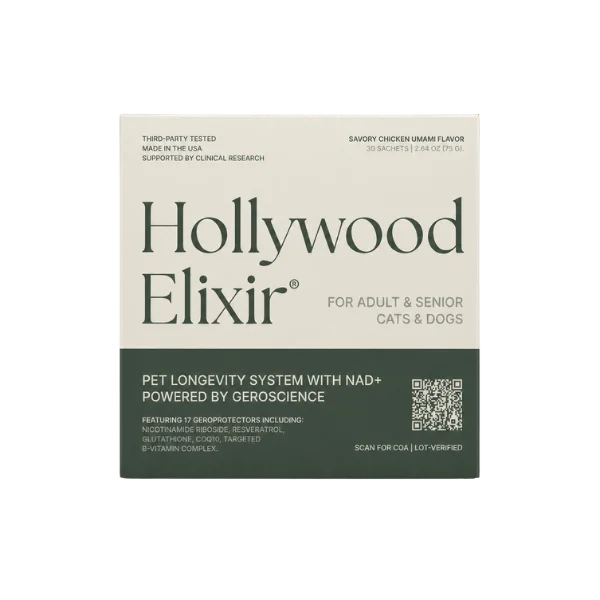
Hollywood Elixir™ supports normal aging-related wellness as part of an overall care plan.

When a cat starts urine spraying or acting panicked, medication can be part of the plan—but only after medical causes are ruled out and the risks are understood. clomipramine for cat anxiety and clomipramine cats urine spraying are common search paths because the behavior feels urgent and personal, especially when it shows up on walls, doors, or bedding. In cats, clomipramine is typically used off-label as a behavior medication, and it belongs to a group called tricyclic antidepressant cats may respond to in unpredictable ways (Marcia Wilson, 2024).

The most important decision point is not “which pill,” but “what problem is actually being treated.” Urine marking can overlap with pain, urinary tract disease, constipation, or stress from changes in the home, and treating the wrong cause delays relief. When clomipramine is chosen, owners usually want to know three things: what changes should be visible at home, what clomipramine side effects cats are most likely to show, and which cat-specific risks mean a call to the clinic the same day. This page focuses on those practical questions, with special attention to urinary effects, drug interactions, and the patience required for behavior change.

  • Clomipramine is a tricyclic antidepressant used off-label in cats mainly for urine spraying and some anxiety-driven or compulsive behaviors, under veterinary supervision.
  • It works by changing serotonin and norepinephrine signaling in the brain, which can make reactions to stress feel less urgent over time [E6].
  • Many cats show changes gradually; the goal is calmer, more predictable behavior paired with behavior modification and environmental changes.
  • The most relevant clomipramine side effects cats show at home include sleepiness, constipation, appetite changes, and sometimes urinary retention (straining or producing little urine) [E6].
  • Serious concerns include agitation instead of calm, collapse, severe lethargy, or signs of a urinary blockage; these need urgent veterinary advice.
  • Spraying should never be assumed “behavioral” until a vet checks for urinary tract pain, inflammation, or other medical triggers [E2].
  • Vets may compare clomipramine with options like fluoxetine depending on the pattern of marking, the cat’s health history, and household stressors; evidence exists for urine marking control with clomipramine in cats [E3].

What Clomipramine Is in Veterinary Medicine

Clomipramine is a prescription medication in the tricyclic antidepressant family, meaning it changes certain brain chemicals involved in mood and stress responses. In veterinary behavior medicine, it is sometimes used to help reduce the intensity of fear, anxiety-like behaviors, or repetitive behaviors that have become a habit loop. In cats, it is not a “training substitute”; it is a tool that may widen the repair window so learning and routine changes can stick.

At home, the goal is not a sedated cat. The goal is a cat that can pause, choose the litter box more often, and recover faster after triggers like visitors, construction noise, or a new pet. Owners often notice small changes first: fewer frantic dashes, less hiding, or a shorter “startle” response. Those early shifts matter because they predict whether behavior work will be possible.

Lab uniform with La Petite Labs seal, highlighting quality for clomipramine for cat anxiety.

Off-label Use in Cats: Spraying, Anxiety, Overgrooming

Most cats discussed for clomipramine are being seen for urine spraying, especially when marking appears on vertical surfaces or near doors and windows (Horwitz, 2019). Vets may also consider clomipramine for cat anxiety patterns such as persistent hiding, hypervigilance, or stress-linked overgrooming; a prospective study evaluated clomipramine in cats diagnosed with psychogenic alopecia (overgrooming) (Mertens, 2006). These are typically off-label decisions, meaning the veterinarian is using professional judgment based on available evidence and the individual cat.

A realistic household picture helps: a neutered male cat begins spraying the hallway wall after a neighbor’s outdoor cat starts visiting the porch, and the behavior continues even after extra litter boxes are added. The family also notices more pacing at night and less interest in play. In cases like this, medication may be considered alongside steps like blocking window views, adding predictable play sessions, and cleaning with an enzymatic product so the smell does not keep “calling” the cat back.

Supplement framed by ingredients showing formulation care aligned with tricyclic antidepressant cats.

How Tricyclic Antidepressants Affect Cat Behavior

Clomipramine affects signaling chemicals in the brain, especially serotonin and norepinephrine, by reducing how quickly nerve cells take them back up after release. In plain terms, it can make stress signals feel less urgent and can soften the “alarm” response that drives marking, hiding, or repetitive behaviors. It also has other receptor effects, which is one reason the side effect profile can feel broader than some other behavior medications.

Owners usually see the difference in decision-making, not personality. A cat may still notice a trigger but is less likely to sprint away, vocalize for hours, or mark immediately afterward. Because the brain adapts gradually, day-to-day changes can look uneven at first. That is why a simple log of “trigger → reaction → recovery time” is often more useful than a single yes/no judgment about whether the medication is working.

Owner holding Hollywood Elixir near her cat, highlighting trust in clomipramine dosage cats.

What Improvement Can Look Like at Home

For clomipramine cats urine spraying cases, improvement often means fewer marking events, smaller volumes, or a longer time between episodes rather than an immediate stop. In studies of urine marking control, clomipramine has been evaluated as a long-term option, including comparisons with fluoxetine (Hart, 2005). For anxiety-driven behaviors, improvement may show up as less scanning, fewer startle reactions, or a cat that returns to normal routines sooner after a stressor.

A helpful “what to log between vet visits” rubric includes: number of spray spots per day, location (near windows vs random), litter box urinations (count and size), appetite, play interest, and hours spent hiding. Add one note about the day’s biggest trigger (delivery, guests, loud noise). This kind of tracking turns a frustrating problem into information the veterinarian can use to adjust the plan safely.

Comparison graphic of Hollywood Elixir versus competitors, aligned with clomipramine dosage cats.

Why Cats Can Be More Unpredictable on Tcas

Cats can be sensitive to medications that have multiple effects beyond the main target, and tricyclic antidepressants are known for “wide” receptor activity. That does not mean clomipramine is unsafe by default; it means the range of possible responses is broader. Some cats become calmer, while others become too sleepy, constipated, or oddly restless. Individual metabolism also matters because clomipramine has an active metabolite that contributes to effects.

A unique misconception is that a behavior medication should “work like a tranquilizer” on day one. When owners chase immediate quiet, they may miss early warning signs like reduced drinking, fewer litter box clumps, or a cat that seems mentally dull. The safer mindset is to look for calmer, more predictable routines without shutting the cat down. If the cat seems unlike themselves in a concerning way, the clinic should hear about it promptly.

“Spraying is a symptom; the cause can be medical, behavioral, or both.”

Common Clomipramine Side Effects Cats May Show

The most discussed clomipramine side effects cats experience are sleepiness, constipation, appetite changes, and dry-mouth type effects from anticholinergic activity. Some cats seem “quiet” in a way that is not calm—more like disengaged. Because clomipramine can also affect urination, any change in litter box output deserves attention, especially if the cat is older or already prone to constipation.

Owner checklist for the first two weeks includes: (1) larger or smaller appetite than usual, (2) fewer stool deposits or harder stools, (3) new reluctance to jump or play because of sleepiness, (4) straining in the litter box or producing only small urine spots, and (5) vocalizing during urination. These are observable, household-level clues that help a veterinarian decide whether the plan is fitting the cat’s body, not just the behavior goal.

Hollywood Elixir in opened packaging with natural light, aligned with clomipramine dosage cats.

Urinary Retention: the Cat-specific Risk Owners Miss

One cat-specific concern with clomipramine is urinary retention—when the bladder does not empty normally—because tricyclic antidepressants can have anticholinergic effects that interfere with normal urination. In a cat, urinary trouble can escalate quickly, and it can be hard to tell the difference between “behavioral” litter box avoidance and true physical inability to pass urine. This is why spraying problems should never be treated as purely behavioral without a medical check first.

What not to do: do not assume a cat “is being stubborn” if they visit the box repeatedly, squat with little output, or cry out. Do not restrict water to “reduce accidents,” and do not add leftover pain meds or human urinary products. If there is straining, a firm belly, repeated box trips with tiny spots, or sudden collapse, that is an urgent situation. Call the veterinarian or emergency clinic immediately.

Gray cat running freely, reflecting engagement supported by clomipramine side effects cats.

Serious Red Flags: Heart Rhythm and Paradox Reactions

Beyond the common effects, tricyclic antidepressants can affect heart rhythm and blood pressure, and they can occasionally cause agitation rather than calm. A paradox reaction looks like a cat that becomes more vocal, more restless, or more reactive to touch after starting the medication. Severe lethargy, weakness, collapse, or tremors should be treated as urgent, especially if the cat also is not eating or is not urinating normally.

At home, it helps to separate “sleepy but responsive” from “hard to rouse.” A cat that still gets up to eat, uses the box, and responds to favorite sounds is different from a cat that cannot be comfortably awakened or seems disoriented. If the cat has known heart disease, a history of fainting, or is on multiple medications, owners should ask the clinic what monitoring is appropriate before and after starting clomipramine.

Lab coat detail with La Petite Labs crest, reinforcing trust in clomipramine side effects cats.

Drug Interactions That Matter in Cats

Clomipramine can interact with other medications that affect serotonin or that change how the liver processes drugs, which can increase side effects or create unsafe combinations. This matters in cats because many households are already using flea/tick products, pain control, anti-nausea meds, or calming supplements. A veterinarian needs the full list, including “natural” products, because the risk is not theoretical—stacking sedating or serotonin-active products can change a cat’s behavior and body function quickly.

Vet visit prep: bring photos of every label (prescriptions, supplements, calming chews, CBD products, and topical treatments). Write down the exact time each is given and any recent changes. Ask: “Which combinations are unsafe with clomipramine?” and “What signs would mean stopping and calling right away?” This preparation prevents accidental double-dosing and helps the clinic choose safer alternatives when needed.

Why Spraying Needs a Medical Workup First

Urine spraying is a behavior, but the trigger can be medical discomfort, especially urinary tract pain or inflammation (Horwitz, 2019). A cat that hurts when urinating may avoid the box, urinate in unusual places, or seem anxious—then the household interprets it as “spite.” Starting behavior medication without checking for medical causes can delay the real fix and can be risky if the cat is already struggling to urinate.

Owners can help the workup by describing the pattern precisely: vertical surfaces vs puddles on the floor, small frequent spots vs large puddles, and whether the cat squats or stands with a tail quiver. Note any licking of the genitals, crying in the box, or blood-tinged urine. Bring a timeline of home changes (new roommate, new litter, outdoor cats seen through windows). These details guide the vet toward the right tests and the right plan.

“In cats, the most important side effect to notice is trouble urinating.”

Ingredient tableau with Hollywood Elixir, showing blend breadth for tricyclic antidepressant cats.

Environmental Triggers That Keep Marking Going

Medication alone rarely solves spraying if the environment keeps re-triggering the behavior. Common drivers include outdoor cats visible through glass, conflict between indoor cats, blocked access to litter boxes, or unpredictable noise and foot traffic. Evidence reviews of spraying treatments emphasize that outcomes vary and that multi-part plans are often needed, not just a single intervention (Mills, 2011). Clomipramine may help a cat pause before marking, but the home still has to stop “asking” for the behavior.

Practical steps that change the daily picture include: covering lower window panels, using motion-activated deterrents outside, adding litter boxes in low-conflict areas, and creating predictable play/feeding times. Enzymatic cleaning matters because lingering odor can cue repeat marking. If there are multiple cats, watch for subtle bullying—staring, blocking hallways, or guarding the box—because the sprayed wall is often the last visible sign of a social problem.

Cat owner presenting Hollywood Elixir as part of clomipramine for cat anxiety care.

How Vets Choose Between Clomipramine and Fluoxetine

Veterinarians often compare clomipramine with medications like fluoxetine when addressing urine marking, because both have been studied for this problem in cats (Hart, 2005). The choice depends on the cat’s health history, the household’s ability to give medication reliably, and which side effects would be most disruptive or risky for that individual cat. Some cats do better with one class than another, and sometimes the deciding factor is a pre-existing constipation or urinary concern.

This is also where internal links matter for owners: reading about fluoxetine-for-cats or feline-anxiety-management can clarify why behavior plans include both medication and routine changes. Owners should ask the vet what the “plan B” is if side effects appear, and how long to wait before judging response. A clear decision framework reduces the temptation to stop and start medications based on one bad day.

Side-by-side chart comparing supplements and ingredient breadth for clomipramine cats urine spraying.

Why Clomipramine Dosage for Cats Must Be Vet-set

Owners often search clomipramine dosage cats because they want certainty, but dosing is not a safe DIY space. Studies have evaluated dosing approaches for urine spraying in cats, including dose-finding work, yet the right dose for an individual cat depends on age, other medications, side effect sensitivity, and the exact behavior pattern being treated (King, 2004). Even small changes can shift a cat from “calmer” to “too sedated” or “constipated and uncomfortable.”

What not to do: do not split or crush tablets unless the veterinarian confirms it is appropriate for that product form, and do not adjust timing to “make it stronger” before guests arrive. Do not use a dog’s leftover prescription, and do not combine multiple calming products without approval. If a dose is missed, the clinic can advise the safest next step for that specific prescription.

Timeline: When Changes Usually Start to Show

Behavior medications that change brain signaling usually take time, and clomipramine is typically judged over weeks rather than days. Early effects may be side effects (sleepiness or appetite change) before the desired behavior shift appears. For urine marking, research and clinical experience support that longer-term treatment plans are often used when medication is chosen, rather than a quick “reset”.

Owners can protect progress by keeping routines stable while the cat adjusts: same feeding times, predictable play, and consistent litter box access. Avoid making multiple big changes at once (new litter, new box location, new diffuser, new medication), because it becomes impossible to tell what helped or harmed. If the household is expecting a major disruption like travel or remodeling, discuss timing with the veterinarian so the cat has a buffer and a clear plan.

Administration Tips That Reduce Stress and Missed Doses

How a cat receives medication can determine whether the plan succeeds. Stressful pilling can worsen anxiety and can even increase marking in some cats because the daily routine becomes a trigger. The clinic may offer options such as flavored liquids, compounded forms, or different administration strategies, but each has tradeoffs in accuracy and acceptance. The goal is reliable dosing without turning the owner-cat relationship into a daily struggle.

Practical routines include pairing dosing with a high-value food, using a calm “station” (same counter or mat), and following with a predictable reward like play or brushing. If the cat foams at the mouth or drools after dosing, it may be taste-related rather than a dangerous reaction, but it should still be reported. Any vomiting, refusal to eat, or sudden hiding after dosing should be logged and shared with the vet.

Unboxed Hollywood Elixir in protective wrap, emphasizing care behind clomipramine side effects cats.

When to Call the Vet or Seek Emergency Care

Call the veterinarian promptly for new or worsening clomipramine side effects cats show, especially if they involve urination, severe constipation, or extreme behavior change. Emergency care is appropriate for repeated straining with little urine, collapse, severe weakness, tremors, or a cat that cannot be comfortably awakened. These signs can overlap with urinary obstruction or serious drug reactions, and waiting “to see if it passes” can be dangerous.

Bring the medication bottle and a written timeline: last dose time, last normal urination, last stool, last meal, and any other products given. If there is vomiting, note whether pills were seen. If there are multiple cats, confirm which cat received the medication. This information speeds triage and helps the team decide whether the problem is a side effect, an interaction, or an unrelated medical emergency.

Product breakdown image highlighting active blend design supporting clomipramine dosage cats.

Special Considerations: Kittens, Seniors, and Multi-cat Homes

Life stage and household structure change the risk picture. Seniors may be more vulnerable to constipation, dehydration, and urinary retention, while very young cats may have behavior patterns that respond better to environmental shaping than medication. In multi-cat homes, spraying can be a social signal, and the “sprayer” may be the anxious one—or the one being pressured. A medication plan that ignores cat-to-cat dynamics often disappoints.

Vet visit prep questions that fit this topic include: “Could pain or arthritis be contributing to box avoidance?” “Should a urine test be repeated after starting medication?” and “How many boxes, where, and what litter type best fits this home?” Also ask whether a referral to a veterinary behaviorist is appropriate if aggression, severe fear, or repeated marking persists. These questions keep the plan practical and cat-specific.

Setting Realistic Expectations for Behavior Medication in Cats

Clomipramine is not a personality change and not a guarantee. The best outcome is often a cat who is less erratic around triggers and more able to choose the litter box, paired with a home setup that reduces conflict and surprise. Veterinary behavior medication reviews describe clomipramine as one tool among many, not a standalone fix (Denenberg, 2018). If the plan is working, progress tends to look like fewer incidents and faster recovery, not perfection.

A final misconception worth correcting: stopping medication abruptly is not a harmless “trial.” Any change—starting, stopping, or switching—should be guided by the veterinarian so the cat is not pushed into rebound anxiety or new side effects. Owners who keep careful notes, protect routines, and adjust one variable at a time give their cat the best chance at calmer, more predictable days.

“Medication works best when the home environment stops triggering the behavior.”

Educational content only. This material is not a substitute for veterinary advice. Always consult your veterinarian about your cat’s specific needs. These statements have not been evaluated by the Food and Drug Administration. Products mentioned are not intended to diagnose, treat, cure, or prevent any disease.

Glossary

  • Urine spraying (urine marking) - Small amounts of urine placed on vertical surfaces as a communication behavior.
  • Tricyclic antidepressant (TCA) - A medication class that affects multiple receptors and neurotransmitters, sometimes used for behavior problems.
  • Off-label use - Using a medication in a species or for a condition not specifically listed on the label, based on veterinary judgment.
  • Serotonin - A brain signaling chemical involved in mood, impulse control, and stress responses.
  • Norepinephrine - A brain and body signaling chemical involved in alertness and the “alarm” response.
  • Anticholinergic effects - Side effects that can include constipation, dry mouth, and difficulty urinating.
  • Urinary retention - Incomplete bladder emptying; may look like straining or repeated litter box trips with little urine.
  • Psychogenic alopecia (overgrooming) - Excessive grooming linked to stress or compulsive behavior after medical skin causes are ruled out.
  • Paradox reaction - When a medication causes the opposite of the desired effect, such as agitation instead of calm.

Related Reading

References

Mertens. The effects of clomipramine hydrochloride in cats with psychogenic alopecia: a prospective study.. PubMed. 2006. https://pubmed.ncbi.nlm.nih.gov/16960036/

Horwitz. Common feline problem behaviors: Urine spraying.. PubMed Central. 2019. https://pmc.ncbi.nlm.nih.gov/articles/PMC11373755/

Hart. Control of urine marking by use of long-term treatment with fluoxetine or clomipramine in cats.. PubMed. 2005. https://pubmed.ncbi.nlm.nih.gov/15702686/

Mills. A meta-analysis of studies of treatments for feline urine spraying.. PubMed Central. 2011. https://pmc.ncbi.nlm.nih.gov/articles/PMC3078130/

Denenberg. Tools for Managing Feline Problem Behaviours Psychoactive medications.. PubMed Central. 2018. https://pmc.ncbi.nlm.nih.gov/articles/PMC11343347/

Marcia Wilson. Clomipramine. 2024. https://www.ncbi.nlm.nih.gov/books/NBK541006

King. Determination of the dosage of clomipramine for the treatment of urine spraying in cats.. PubMed. 2004. https://pubmed.ncbi.nlm.nih.gov/15485047/

FAQ

What is clomipramine used for in cats?

In cats, clomipramine is most often considered for urine spraying (urine marking) and sometimes for anxiety-driven or compulsive behaviors like stress-linked overgrooming. It is typically an off-label choice made by a veterinarian after a medical workup and a review of the home situation.

The goal is usually a cat that can pause and recover from triggers, not a cat that is “knocked out.” Medication is commonly paired with litter box changes, cleaning routines, and stress reduction in the home.

Is clomipramine a tricyclic antidepressant for cats?

Yes. Clomipramine is in the tricyclic antidepressant group, and tricyclic antidepressant cats may receive can affect multiple body systems, not just mood. That wide effect profile is part of why side effects can include sleepiness, constipation, and urinary changes.

Because cats can be sensitive to these effects, the veterinarian’s screening questions and follow-up plan are as important as the prescription itself.

How does clomipramine help with cat anxiety behaviors?

Clomipramine for cat anxiety is used to reduce how intensely a cat reacts to stressors, so the cat can make different choices and recover faster. Owners may notice less hiding, fewer panic dashes, or a shorter “on edge” period after a trigger.

It usually works best alongside predictable routines, play that builds confidence, and reducing triggers like outdoor-cat sightings through windows.

Can clomipramine reduce urine spraying in cats?

Clomipramine cats urine spraying plans aim to reduce the frequency and urgency of marking, especially when stress or territorial triggers are involved. Some cats show fewer spray events or longer gaps between incidents when medication is paired with environmental changes.

Spraying should still prompt a medical check first, because pain or urinary tract disease can mimic or drive the same behavior.

How long does clomipramine take to work in cats?

Behavior changes are usually judged over weeks, not days. Some cats show early side effects (like sleepiness) before the desired behavior shift appears. For spraying, progress often looks gradual: fewer incidents, smaller amounts, or less “trigger stacking” across the day.

Keeping a simple log of spray locations, litter box output, appetite, and hiding time helps the veterinarian decide whether the plan is on track.

What are common clomipramine side effects in cats?

Common clomipramine side effects cats may show include sleepiness, constipation, appetite changes, and a “dry” mouth or reduced grooming comfort. Some cats seem mentally dull rather than calmly relaxed, which is worth reporting.

Owners should watch litter box output closely. Straining, repeated box trips with little urine, or crying while urinating should be treated as urgent, not as a behavior issue.

Can clomipramine cause urinary retention in cats?

Yes, urinary retention is a known risk with this medication class, and it matters in cats because urinary problems can worsen quickly. It may look like frequent box visits, straining, tiny urine spots, or a cat that suddenly avoids the box.

If any of these signs appear, contact the veterinarian right away. Do not restrict water or assume the cat is “acting out.”

What serious reactions mean an urgent vet call?

Urgent signs include collapse, severe weakness, tremors, extreme agitation, or a cat that cannot be comfortably awakened. Repeated straining with little or no urine is an emergency-level concern because it can overlap with obstruction.

Bring the medication bottle and a timeline of the last dose, last normal urination, last stool, and any other products given. That information speeds safe decisions.

Is clomipramine safe for senior cats?

Some senior cats can use clomipramine safely, but seniors are often more vulnerable to constipation, dehydration, and urinary retention. Kidney disease, heart disease, and multiple medications also make side effects harder to sort out at home.

A veterinarian may recommend baseline testing or closer follow-up. Owners can help by logging appetite, water intake, stool quality, and litter box clump size daily at the start.

Can kittens take clomipramine for anxiety?

Kittens are still developing behavior patterns, so veterinarians often prioritize environment, handling, and predictable routines first. Medication may be considered in select cases, but the decision is individualized and depends on severity, safety, and the kitten’s medical status.

If medication is discussed, owners should ask what behavior plan will run alongside it, because learning and social experiences are a major part of long-term improvement at this age.

What medications should not be mixed with clomipramine?

The biggest concerns are combinations that increase sedation or that stack serotonin-active effects. Some pain medications, calming supplements, and other behavior drugs can create unsafe overlap depending on the exact products and doses.

Owners should provide the veterinarian a complete list of prescriptions, flea/tick preventives, supplements, and any “calming” products. Do not add new supplements after starting clomipramine without checking first.

Why does my vet want urine tests before medication?

Because spraying and anxiety-like behavior can be driven by urinary pain, inflammation, or other medical problems. If the cat hurts when urinating, the behavior plan changes completely, and some medication side effects (like urinary retention) become more risky.

A urine test and physical exam help separate marking from illness. That protects the cat and prevents weeks of frustration treating the wrong problem.

What should owners track while a cat is on clomipramine?

Useful progress indicators include: number of spray events, locations, litter box urinations (count and size), stool frequency and firmness, appetite, hiding time, and recovery time after triggers. Also note any new vocalizing or restlessness.

This “what to log between vet visits” approach helps the veterinarian tell the difference between normal adjustment, side effects, and a separate medical issue.

What is the typical clomipramine dosage for cats?

A safe clomipramine dosage cats receive must be set by a veterinarian, because the right amount depends on the cat’s health, other medications, and side effect sensitivity. Research has explored dosing for urine spraying, but that does not translate into a one-size home formula.

Owners should not copy doses from the internet or from another pet. If a dose is missed or vomited, call the clinic for individualized instructions.

Should clomipramine be stopped suddenly in cats?

Stopping suddenly is rarely a good idea unless a veterinarian advises it for safety. Abrupt changes can lead to rebound anxiety-like behavior, renewed spraying, or confusing shifts that make it harder to judge what is happening.

If side effects appear, contact the clinic first. The veterinarian can decide whether the medication should be paused, tapered, or switched to another option.

Why might a cat seem worse after starting clomipramine?

Some cats have paradox reactions, meaning they become more restless, vocal, or reactive instead of calmer. Others feel constipated or have urinary discomfort, which can look like “behavior getting worse” when it is actually a side effect.

This is why early monitoring matters. If the cat is straining to urinate, not eating, or acting unusually agitated, contact the veterinarian promptly rather than waiting for it to “settle.”

Is clomipramine better than fluoxetine for spraying?

Neither is universally “better.” The best choice depends on the cat’s medical history, side effect risks, and the pattern of urine marking. Some cats respond more comfortably to one medication class than the other.

A veterinarian may also consider what behavior modification is realistic in that home. Reading about fluoxetine-for-cats and feline-anxiety-management can help owners understand why the plan is often multi-part.

How can owners make giving clomipramine easier?

Aim for a low-stress routine: give the medication at the same time daily, pair it with a high-value food, and follow with something the cat enjoys. Stressful pilling can worsen anxiety and can keep spraying problems active.

If dosing is a daily battle, ask the veterinarian about alternative forms or techniques. Any vomiting, drooling, or refusal to eat after dosing should be logged and reported.

Does clomipramine have a boxed warning owners should know?

In human medicine, antidepressants carry boxed warnings about increased risk of suicidal thoughts and behaviors in children, adolescents, and young adults(Unknown, 2022). Cats cannot report thoughts, but the practical takeaway is to take behavior changes seriously and keep close follow-up with the veterinarian.

If a cat becomes unusually agitated, withdrawn, or stops normal routines after starting medication, contact the clinic. Sudden shifts are information, not something to ignore.

Can supplements be used alongside clomipramine in cats?

Some supplements may be compatible, but the veterinarian should approve them because “calming” products can add sedation or interact in unexpected ways. The safest approach is to change one variable at a time so side effects and progress are interpretable.

If a cat is also on an aging support plan, Hollywood Elixir™ can be discussed as a product that supports overall wellness, not as a replacement for veterinary behavior care.