Best Supplements for Dog Dry Skin

Identify the Cause of Flakes and Redness, Then Rebuild Skin Moisture

Essential Summary

Why are the best supplements for dog dry skin important?

Dry, flaky dog skin often shows up as dandruff, redness, and a dull coat that won’t lie smooth. The best supplements focus on visible comfort: supporting hydration, a steadier skin barrier, and a softer finish you can see after brushing. Choose a routine your dog tolerates daily, and involve your veterinarian if itching is intense or persistent.

Pet Gala™ is designed for skin, coat, and nails—supporting the kind of everyday polish owners notice: less flaking, a calmer look at the edges, and a softer, more touchable coat when you run your hand along the back.

Finding the best supplements for dog dry skin starts with safety: confirm you’re dealing with dryness—not an allergy flare or infection. Dry skin vs allergy can look similar at first (itch, redness, flakes), but allergies often come with recurring ear issues, paw chewing, or seasonal patterns, while infections may add odor, oozing, or worsening redness. Supplements can support the skin barrier and comfort, but they’re not a substitute for diagnosis when symptoms escalate.

Set expectations on response time: many dogs show early improvement in itch and flaking in about 2–4 weeks, while fuller skin-barrier support may take 6–8 weeks of consistent use, especially with omega-based products. For best results, pair internal support with topical support that’s gentle and barrier-friendly (for example, a moisturizing leave-on or vet-recommended shampoo), and avoid stacking multiple high-fat products at once without a plan. The goal is steady, measurable progress—less scratching, fewer flakes, and calmer-looking skin—without masking a problem that needs veterinary care.

By La Petite Labs Editorial, ~15 min read

Featured Product:

  • Dry skin is a visible signal: flakes, redness, rough texture, and a coat that looks tired.
  • Omega-3s are a common first choice for hydration support and a calmer-looking surface.
  • Vitamin E is often included to support antioxidant protection that helps maintain a fresher coat finish.
  • Zinc relates to skin integrity and repair, but it’s best added thoughtfully, not stacked casually.
  • The “best” supplement is the one your dog can take consistently without digestive tradeoffs.
  • If there’s odor, oozing, hair loss, or severe itch, supplements should support—not replace—veterinary care.
  • A comprehensive formula can support skin, coat, and nails together, so good care shows up as a polished everyday look.

Dry Skin Checklist: Flakes, Itch, Redness—Plus the Vet-First Triggers

Use this checklist to decide whether a “dry skin” supplement is a reasonable next step—or whether you should pause and involve your vet before buying.

More consistent with simple dryness (often supplement-appropriate):
- Flakes that brush off and aren’t greasy
- Mild to moderate itch that isn’t escalating daily
- Light redness that improves with gentle topical support
- No strong odor from the skin

Vet-first triggers (do not self-treat with supplements alone):
- Oozing, crusts, open sores, or bleeding from scratching
- Redness that spreads, feels hot, or looks painful
- A strong “yeasty” or sour odor
- Hair loss in patches or sudden thinning
- Signs of ear infection (head shaking, ear redness, dark discharge, odor), especially if recurring
- Suspected mites (intense itch, affected household pets, scaly ear margins)
- Lethargy, fever, or appetite changes alongside skin symptoms

If your dog fits the “simple dryness” pattern, supplements can be a practical add-on. If any vet-first trigger is present, treat the underlying cause first—otherwise you risk delaying the right care while the skin continues to deteriorate.

Skin hydration graphic tied to beauty support from best supplements for dog dry skin for null.

What to Buy: Omegas, Vitamin E, and Barrier Lipid Support (Pros/Cons)

When shopping for dry-skin support, focus on a few evidence-aligned categories and choose based on your dog’s risks and current diet.

Omega-3 (EPA/DHA): Often the first pick for dry skin because it supports barrier comfort and helps many dogs with itch. Look for clear EPA/DHA amounts per serving and freshness safeguards (third-party testing/COA, anti-oxidation packaging). Cons: higher-fat products can be a poor fit for dogs with a history of pancreatitis; introduce gradually and coordinate with your vet if your dog is sensitive.

Omega-6 support + GLA (e.g., borage/evening primrose): GLA can be helpful for barrier lipids and dryness when the diet is imbalanced or when omega-3 alone isn’t enough. Pros: targeted fatty-acid support. Cons: still adds fat/calories; avoid “mega-dosing” multiple oils at once.

Vitamin E: Useful as an antioxidant partner for fatty acids and to help protect oils from oxidation in the body. Pros: complements omega formulas. Cons: discuss dosing if your dog is on anticoagulants or has a bleeding disorder, since vitamin E can affect clotting at higher intakes.

Barrier lipid support (ceramides/phytoceramides): These aim to support the skin’s moisture-holding structure. Pros: can pair well with omega-3. Cons: benefits may be subtler and take longer; prioritize transparent sourcing and dosing.

If your dog is on anticoagulants, has pancreatitis risk, or takes multiple medications, choose one primary category first and review it with your veterinarian before combining products.

Beauty imagery reflecting skin wellness supported by best supplements for dog dry skin supplements for null.

Omega-3s for Hydration and a Calmer-looking Skin Surface

Omega-3s are often the headline ingredient in conversations about the best supplements for dog dry skin because they’re associated with better hydration and a calmer-looking skin surface. Owners typically notice changes as fewer flakes, less frequent scratching, and a coat that looks smoother after brushing.

Not all omega-3 products feel the same in real life. Some dogs dislike the smell of certain oils, and some owners struggle with messy pumps or capsules. A supplement that’s easy to give is more likely to be used consistently, which is what creates the visible difference over time.

If your dog has a history of digestive sensitivity, introduce any new omega-3 source gradually and watch stool quality. Comfort matters; the “best” option is the one your dog can take without tradeoffs.

Ingredient structure illustration showing beauty formulation behind best supplements for dog dry skin.

Vitamin E for Antioxidant Support and a More Polished Finish

Vitamin E is less flashy than oils, but it’s a quiet favorite in skin-and-coat formulas because it supports antioxidant protection for the skin’s lipid layer. In everyday terms, that can translate to a coat that looks less brittle and a skin surface that appears less “angry” after normal grooming and play.

Because vitamin E is fat-soluble, it’s not a nutrient to megadose casually. Dogs eating complete diets may already be getting meaningful amounts, so it’s smart to choose products that are formulated for routine use rather than high-potency, single-nutrient experiments.

If you’re building a “visible care” routine, vitamin E tends to make the most sense as part of a balanced blend—supporting the overall look rather than trying to be the only answer.

Expressive dog face reflecting beauty support associated with best best supplements for dog dry skin supplements for null.

Zinc and Skin Integrity: Support Without Overdoing It

Zinc is essential for skin health and is often discussed when dogs have rough skin texture, slow-to-smooth patches, or a coat that seems to break easily. It’s part of what helps skin maintain a strong, even surface—one of the clearest “beauty signals” owners notice when it’s going well.

At the same time, zinc is a nutrient where “more” can backfire. Many commercial foods already contain zinc, and adding extra without guidance can create imbalance. If you suspect a deficiency or your dog has a condition that affects absorption, that’s a veterinarian conversation, not a guess.

For most households, zinc works best as one piece of a thoughtfully formulated skin-and-coat supplement—supporting the overall look without pushing extremes.

The scratching is completely gone, his coat looks healthy and shiny!

— Lena

He was struggling with itching, now he's glowing.

— Grace

“The best skin support is the kind you can see: calmer edges, fewer flakes, softer coat.”

Diet Context Matters: Balance, Not Random Add-ons

If you’re tempted to chase dryness with “whatever is trending,” pause and look at the full picture: diet, bathing frequency, parasites, and the home environment. Supplements are most satisfying when they amplify good basics—turning “fine” into “freshly cared-for.”

One overlooked factor is mineral balance in the overall diet. Dietary phosphates influence phosphorus homeostasis in dogs (Dobenecker, 2021). While this isn’t a direct explanation for every flaky coat, it’s a reminder that the body’s balance matters—especially for dogs with health conditions or specialized diets. That’s why it’s wise to choose supplements designed for routine support rather than improvised combinations.

The best results come from a simple, repeatable routine: a well-formulated supplement, gentle grooming, and a diet that agrees with your dog. When those align, the coat often looks smoother and the skin looks calmer.

Dog portrait tied to beauty and care supported by best best supplements for dog dry skin supplement for null.

If Diet Is “Complete,” Why Supplements Still Change the Look

A common question is whether the best supplements for dog dry skin are even necessary if you feed a high-quality food. Many diets are complete, but “complete” doesn’t always equal “your dog’s best look.” Dogs vary in how they digest fats, how their skin responds to bathing, and how their coat holds up to weather and indoor air.

That’s where a skin-and-coat supplement earns its place: it supports visible condition beyond a single nutrient checkbox. Omega-3s are associated with improved hydration and reduced inflammatory tone in dogs with dry skin, which can show up as fewer flakes and a more comfortable demeanor. The goal is a coat that looks consistently polished, not just “adequate on paper.”

For owners who value daily presentation, a supplement is less about correcting a deficiency and more about maintaining a look you’re proud of—soft, smooth, and well-kept.

Close-up profile of a dog symbolizing beauty and vitality via best best supplements for dog dry skin supplement for null.

Making It Easy: Formats, Palatability, and Daily Rituals

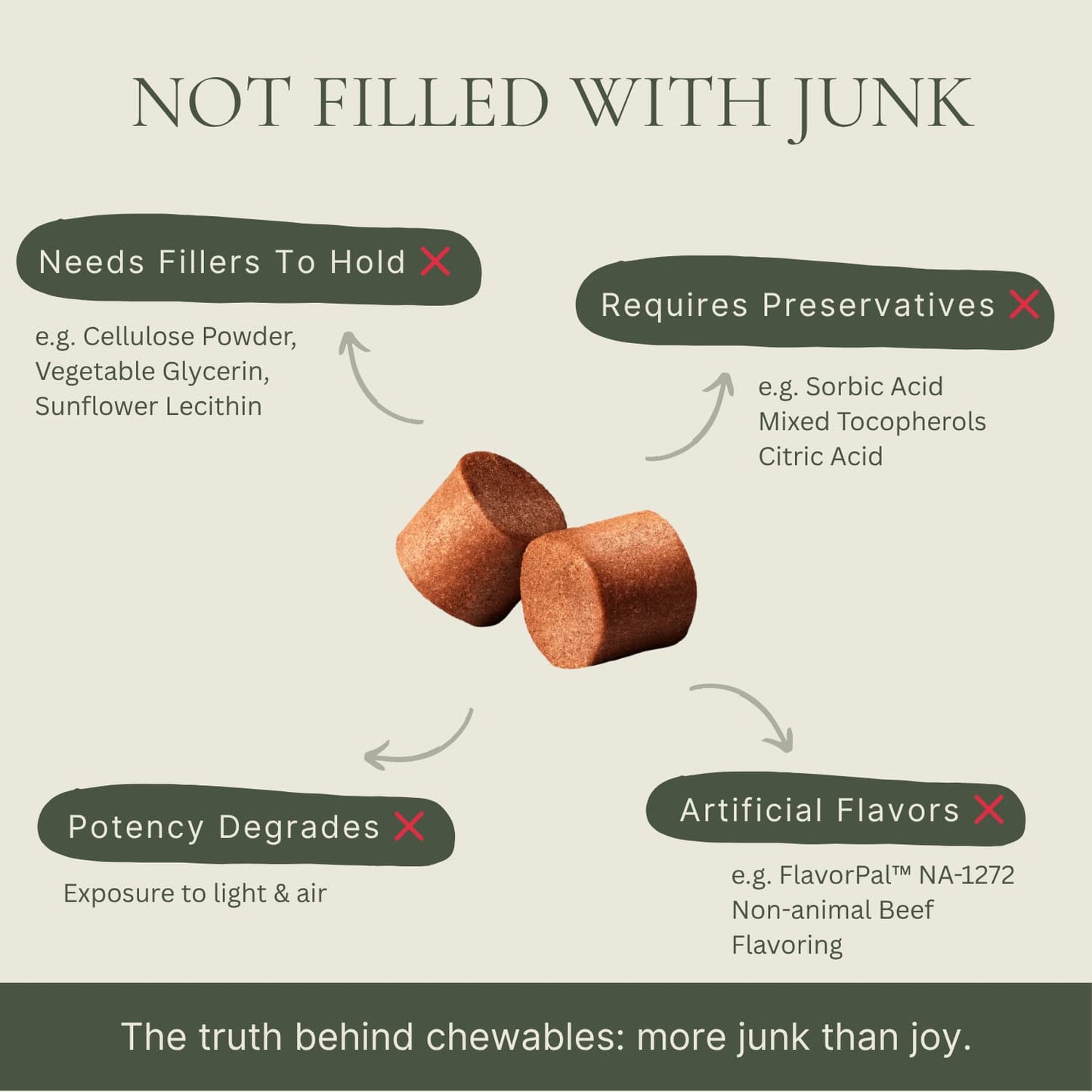
Administration is where good intentions either become a habit or fade out. Oils can be effective but messy; chews are convenient but may include flavors some dogs dislike; powders blend well but can be noticed by picky eaters. The best supplements for dog dry skin for your household are the ones your dog accepts without negotiation.

Try pairing the supplement with a predictable moment: breakfast, the post-walk water refill, or a short brushing session. Brushing isn’t just grooming—it’s a visible-care ritual that spreads natural oils and lets you check the skin for flakes, redness, or tender spots before they become a bigger issue.

If your dog refuses a format, don’t force it. Switch forms rather than abandoning the idea; consistency is what creates the noticeable shift in coat softness and comfort.

Ingredient showcase image explaining core beauty components and support from best supplements for dog dry skin.

Safety First: Introducing Supplements and Watching for Reactions

Safety is part of good aesthetics. A coat that looks shiny isn’t worth an upset stomach or an imbalanced diet. Introduce any new supplement one at a time, and watch for changes in stool, appetite, or energy. If your dog is on medications, ask your veterinarian before adding concentrated oils or mineral-heavy formulas.

Be especially cautious with “stacking” multiple products that contain the same nutrients. Zinc supports skin health, but excessive intake can be harmful. Vitamin E supports antioxidant protection, yet it should still fit within your dog’s overall diet. If you’re unsure what your dog is already getting, bring the food label and supplement label to your vet.

The safest plan is usually the simplest: one well-formulated supplement, used consistently, with professional guidance when your dog has any underlying condition.

When Dry Skin Looks Like Sensitivity, Not Just Dryness

Some dogs look “dry” because their skin is sensitive, not because they’re missing a single nutrient. In those cases, the best supplements for dog dry skin are the ones that support a calmer-looking surface: less redness at the margins, fewer hot spots of irritation, and a coat that doesn’t look frayed after normal play.

Omega-3s are commonly chosen for this reason because they’re associated with improved hydration and a less inflamed appearance in dogs with dry skin. Pairing that with supportive antioxidants can help maintain the “fresh” look owners notice after grooming, when the coat either lies smoothly or looks static and brittle. The goal is not perfection; it’s a more comfortable, polished baseline that holds up between baths.

If your dog’s skin stays pink, bumpy, or persistently itchy, treat supplements as supportive care while you and your veterinarian look for triggers like parasites, infections, or diet sensitivities. The right routine can still elevate everyday presentation, especially when it’s built around consistent, skin-forward support.

“Consistency beats intensity—one routine, done daily, shows up in the coat.”

Lab coat detail emphasizing vet-informed standards supporting best supplements for dog dry skin supplement for null.

Quality Signals That Separate Smart Supplements from Noise

Quality matters more than novelty. When evaluating the best supplements for dog dry skin supplements for your home, look for clear labeling, consistent batch practices, and ingredients that make sense together for visible results—hydration support, barrier comfort, and coat finish.

A practical signal: the product should tell you what’s in it and why it’s there, without implying it can treat disease. Another signal: it should be easy to give daily. Supplements only work as “care” when they fit into real life—sprinkled on food, given as a chew, or paired with brushing as a small ritual that reinforces bonding.

Finally, don’t ignore your dog’s overall diet and hydration. Supplements are not a substitute for a complete food, but they can be the difference between a coat that looks merely fine and one that looks well-kept, soft, and consistently comfortable.

Shop Now
Ingredients around product reflecting beauty support within best supplements for dog dry skin supplement for null.

Single Ingredients Vs Blends: Choosing What Fits Your Goal

If you’re comparing “single-ingredient” options, think in terms of what you want to see. For flakes and a rough feel, omega-3s are often the first choice because they’re linked with improved skin hydration and a less reactive look in dogs with dryness. For a coat that seems easily stressed by sun, heat, or frequent bathing, vitamin E is commonly included for antioxidant support that helps maintain skin lipids.

For dogs whose skin looks fragile—tiny scabs, slow-to-smooth patches, or a “thin” coat feel—zinc is frequently discussed because it’s essential to skin health and repair. That said, adding isolated minerals without guidance can be risky, especially if your dog is already on a fortified diet.

A blended formula can be easier to live with: one daily habit that supports multiple visible signals at once, rather than chasing one symptom with one bottle after another.

Shop Now
Home scene with woman and dog featuring Pet Gala and best best supplements for dog dry skin supplements for null.

Tracking Results Without Overcorrecting Your Dog’s Routine

Dogs don’t read ingredient lists, but they do show you whether a routine is working. The “wins” are usually small and specific: less dandruff on the back, fewer scratch breaks during the day, softer ear edges, and a coat that looks smoother after a simple brush-through.

Because skin and coat are constantly renewing, most owners evaluate supplements over several weeks, not several days. If you change foods, shampoos, and supplements all at once, it becomes hard to tell what actually improved the look and feel. Pick one approach, stick with it, and track a few visible markers—flake amount, redness, and how the coat reflects light.

If your dog’s skin becomes increasingly red, develops odor, or has moist patches, pause the “beauty” experiment and get veterinary input. Supplements can support presentation, but they shouldn’t mask a problem that needs direct care.

Shop Now

Life Stage and Health Context: Choosing Supplements Responsibly

Puppies, seniors, and dogs with medical conditions deserve extra caution with supplements. Even when you’re simply searching for the best supplements for dog dry skin supplements for your dog, it’s worth treating the decision like you would any daily add-on: confirm it fits your dog’s life stage and current diet.

Minerals and fat-soluble vitamins can be particularly important to review with your veterinarian, because dogs often already receive them in complete foods. Zinc supports skin integrity, but more is not automatically better. Vitamin E supports antioxidant protection for skin, yet dosing should still be appropriate for your dog’s size and overall intake.

If your dog is on prescription diets or has kidney concerns, discuss any supplement plan first; mineral balance and phosphorus handling can matter in dogs (Dobenecker, 2021). Thoughtful choices keep “coat care” from becoming an unintended stressor.

Seasonal Dryness: Keeping the Coat Looking Fresh Indoors

Dry skin can be seasonal. Indoor heat, low humidity, and more frequent baths can all make a coat look less glossy and more static. In these moments, supplements are most satisfying when they support a visible return to softness—less “snow” on the shoulders, less scratching after naps, and a coat that lies flatter.

Omega-3s are commonly used as part of seasonal skin routines because they’re associated with improved hydration and reduced inflammatory tone in dogs with dry skin. Owners often pair that with gentler grooming: lukewarm baths, fragrance-free products, and brushing that distributes natural oils rather than stripping them away.

If you want the “well-kept” look to last, consistency beats intensity. A moderate, daily routine is usually easier on the skin than occasional big interventions.

Benchmark graphic emphasizing formulation depth and rigor behind best best supplements for dog dry skin for null.

Avoiding Overlap: When Too Many Products Create New Problems

It’s tempting to stack products: fish oil, vitamin blends, skin chews, and a shiny-coat topper. But layering can create overlap—especially with fortified diets—and that’s where well-intentioned care can drift into excess. The best supplements for dog dry skin supplement choices are often the simplest ones you can use consistently without doubling up on the same nutrients.

If you’re already feeding a complete and balanced food, think of supplements as targeted “presentation support,” not as a replacement for nutrition. That framing keeps expectations realistic: you’re aiming for smoother skin texture, less flaking, and a coat that looks more polished between grooms.

When in doubt, choose one well-formulated product and give it time to show its effect. Your dog’s skin will tell you whether the routine fits.

Shop Now
Pet Gala in protective wrap, emphasizing quality behind best best supplements for dog dry skin supplement for null.

A Simple Decision Framework for Confident, Visible Skin Support

A quick decision framework can keep you from buying three bottles that do the same thing. First, name the main visible issue: flakes, redness, rough texture, or a dull coat. Second, check for obvious non-supplement causes: fleas, harsh shampoo, too-frequent bathing, or a recent diet change. Third, pick a supplement strategy that matches your goal and your dog’s tolerance.

If flakes and itch are the headline, omega-3s are often prioritized because they’re linked to better hydration and a calmer look. If the coat looks stressed and brittle, antioxidant support like vitamin E may be relevant for maintaining skin lipids. If the skin seems fragile, zinc is commonly discussed for skin integrity, but it’s best chosen with professional input.

Finally, choose what you can do daily. The best plan is the one that becomes part of your dog’s normal care, not a short-lived project.

Shop Now

When to Involve Your Veterinarian for Itch, Odor, or Hair Loss

When should you call the vet? If your dog’s dry skin comes with hair loss, strong odor, oozing spots, ear debris, or intense itching that disrupts sleep, it’s time. Supplements can support comfort and appearance, but they shouldn’t be used to “push through” signs that suggest infection, parasites, or allergy flare.

Also check in if your dog has a chronic condition or is on long-term medication. Mineral balance and phosphorus handling can matter in dogs, and diet components like phosphates influence phosphorus homeostasis (Dobenecker, 2021). That doesn’t mean supplements are off-limits; it means your plan should be aligned with your dog’s broader health picture.

The goal is simple: comfortable skin and a coat that looks well-kept. With the right support and the right oversight, you can build a routine that shows up as visible ease.

“A comprehensive formula supports skin, coat, and nails as one visible story.”

Educational content only. This material is not a substitute for veterinary advice. Always consult your veterinarian about your dog’s specific needs. These statements have not been evaluated by the Food and Drug Administration. Products mentioned are not intended to diagnose, treat, cure, or prevent any disease.

Glossary

  • Skin Barrier: The outer layer that helps keep moisture in and irritants out; when compromised, skin can look flaky or red.
  • Flaking (Dandruff): Visible skin scales that shed into the coat; often worsens with low humidity or harsh bathing.
  • Coat Sheen: The way light reflects off the hair; a common “beauty signal” of hydration and grooming compatibility.
  • Omega-3 Fatty Acids: Dietary fats often used to support skin hydration and a calmer-looking surface in dry skin.
  • Antioxidant Support: Nutrients (such as vitamin E) that help protect skin oils from oxidative stress that can dull coat appearance.
  • Zinc: A mineral tied to skin integrity and repair; best added thoughtfully to avoid dietary imbalance.
  • Integumentary System: The combined system of skin, coat, and nails—often supported together in beauty-focused supplements.
  • Palatability: How willingly a dog eats a supplement; a key factor for consistency and results.
  • Trigger: An external or dietary factor (like fleas, shampoo, or seasonal allergens) that can worsen visible dryness.

Related Reading

References

Dobenecker. Effects of dietary phosphates from organic and inorganic sources on parameters of phosphorus homeostasis in healthy adult dogs.. Nature. 2021. https://www.nature.com/articles/s41598-023-33224-w

Ahmed. Bioaccumulation of heavy metals in some commercially important fishes from a tropical river estuary suggests higher potential health risk in children than adults.. Nature. 2019. https://www.nature.com/articles/s41598-021-00467-4

Finno CJ. Veterinary Pet Supplements and Nutraceuticals.. PubMed Central. 2020. https://pmc.ncbi.nlm.nih.gov/articles/PMC7802882/

FAQ

What counts as the best supplements for dog dry skin?

The best supplements for dog dry skin are the ones that support visible comfort: fewer flakes, calmer-looking redness, and a coat that feels softer after brushing. Many formulas focus on skin-barrier support and coat finish rather than “quick fixes.”

Choose a product your dog will take daily, and avoid stacking multiple similar items. For a comprehensive skin-coat-nail approach that fits everyday routines, consider Pet Gala™.

Why does my dog’s dry skin look worse after baths?

Bathing can strip surface oils, especially with hot water, frequent washing, or fragranced shampoos. That can leave the coat looking static and the skin looking flaky, even when nothing “new” is wrong.

Try lukewarm water, a gentle formula, and a consistent skin-support supplement to help the coat look smoother between grooms. Many owners build that routine around Pet Gala™.

Do omega-3s actually improve dry skin appearance in dogs?

Omega-3 fatty acids are associated with improved skin hydration and a less inflamed appearance in dogs with dry skin. In real life, that may look like fewer flakes, less frequent scratching, and a coat that lies flatter after brushing.

Results are typically gradual and depend on consistency and overall grooming. For a daily option that supports skin and coat presentation, many owners use Pet Gala™.

Is zinc a good idea for flaky dog skin?

Zinc is essential for skin health and can support repair when skin looks rough or easily irritated. It’s most relevant when a dog’s skin seems fragile or the coat feels thin and breakable.

Because many complete diets already contain zinc, adding extra should be vet-guided to avoid imbalance. For balanced, routine skin-coat support, consider Pet Gala™.

What does vitamin E do for a dog’s coat?

Vitamin E acts as an antioxidant and supports skin health by protecting against oxidative stress. Owners often think of it as “finish support,” helping the coat look less brittle and more polished when grooming is consistent.

Because it’s fat-soluble, it’s best used in appropriately formulated products rather than high-dose experiments. A convenient way to include it in a daily routine is Pet Gala™.

How long until supplements change my dog’s dry skin?

Most owners judge changes over several weeks, not days, because skin and coat are constantly renewing. Early signs can be less flaking on the back and a coat that feels softer after brushing.

Keep other variables steady (shampoo, diet, treats) so you can tell what’s working. For consistent, daily support aimed at visible comfort, consider Pet Gala™.

Can I give multiple skin supplements at the same time?

You can, but it’s often not the best idea. Stacking products can duplicate the same nutrients and make it harder to spot what’s helping versus what’s causing digestive upset or imbalance.

A simpler approach is usually safer: choose one well-formulated product and use it consistently. If you want a comprehensive option that supports skin, coat, and nails together, look at Pet Gala™.

Are the best supplements for dog dry skin safe daily?

Many are intended for daily use, but safety depends on your dog’s diet, health conditions, and what else you’re already giving. Introduce new supplements gradually and monitor stool, appetite, and energy.

If your dog has chronic disease or takes long-term medications, confirm compatibility with your veterinarian. For a daily routine built around visible skin and coat support, consider Pet Gala™.

What side effects should I watch for with skin supplements?

The most common issues are digestive: loose stool, gas, or reduced appetite, especially when introducing oils. Some dogs also react to flavorings or certain protein sources in chews.

Stop the new product and check with your veterinarian if symptoms persist or your dog seems unwell. For a gentle, routine-friendly approach to skin and coat support, consider Pet Gala™.

Do supplements interact with medications my dog takes?

They can. Oils, vitamins, and minerals may not be appropriate for every dog depending on prescriptions, underlying conditions, and diet. This is especially true when multiple products are combined.

Bring the supplement label to your veterinarian so they can review it alongside medications. If you want a single, streamlined option for skin and coat presentation, consider Pet Gala™.

Are these supplements different for puppies versus adult dogs?

Yes. Puppies are growing quickly and often eat diets formulated to meet specific needs, so adding extra nutrients should be done carefully. Adults may have more flexibility, but life stage still matters.

If your puppy has persistent flakes or itch, ask your veterinarian before supplementing. For an adult dog’s daily skin-and-coat routine, many owners choose Pet Gala™.

Do small breeds need different skin supplement choices?

Small breeds often have faster feedback loops: you may notice stool changes or appetite shifts sooner when introducing a new product. They can also be pickier about taste and texture, which affects consistency.

Focus on a format your dog accepts and a formula designed for routine use. For an easy daily addition that supports visible skin and coat comfort, consider Pet Gala™.

Can cats use dog dry skin supplements too?

Not automatically. Cats and dogs have different nutritional requirements, and some ingredients or doses that are fine for dogs may not be appropriate for cats. Always use species-specific products unless your veterinarian directs otherwise.

If you’re caring for a dog with flakes and a dull coat, choose a dog-formulated option you can use consistently. For dogs, many owners support skin and coat with Pet Gala™.

What quality signals should I look for on supplement labels?

Look for clear ingredient disclosure, straightforward directions, and a formula that matches your goal (skin comfort, coat sheen, nail strength). Avoid products that promise to treat or cure medical conditions.

Also consider practicality: a supplement that’s easy to give is more likely to be used daily. For a cohesive skin-coat-nail approach designed for routine use, consider Pet Gala™.

Should I change food before trying supplements for dry skin?

If your dog is otherwise healthy and eating a complete diet, you don’t always need to change food first. Many owners prefer to keep diet stable and add one supportive supplement so they can judge visible changes more clearly.

If you suspect a food sensitivity, work with your veterinarian on a structured plan rather than switching repeatedly. For daily support that complements a stable diet, consider Pet Gala™.

What’s a simple routine for flaky skin and dull coat?

Start with gentle grooming: brush regularly to distribute natural oils and check for redness or tender spots. Bathe less often, use lukewarm water, and choose a mild shampoo that doesn’t leave the coat squeaky-dry.

Then add one consistent supplement to support visible comfort, and track flakes and scratching for a few weeks. Many owners anchor that daily habit with Pet Gala™.

Can supplements reduce redness and rashes from dry skin?

Supplements can support a calmer-looking skin surface when dryness is part of the picture, especially when paired with gentle grooming and trigger control. Omega-3s are associated with reduced inflammation and improved hydration in dogs with dry skin.

If redness is intense, spreading, or accompanied by odor or oozing, your dog needs veterinary evaluation. For supportive daily care aimed at visible comfort, consider Pet Gala™.

What does research say about supplements for dog dry skin?

In general, the most discussed ingredients for visible skin comfort include omega-3 fatty acids for hydration and inflammatory balance, plus supportive nutrients like zinc and vitamin E for skin integrity and antioxidant protection.

The practical takeaway is to choose a formula that supports multiple visible signals at once and is easy to use consistently. Many owners build that routine around Pet Gala™.

When should I call the vet about dry, itchy skin?

Call your vet if itching disrupts sleep, if there’s hair loss, odor, moist sores, ear debris, or rapidly worsening redness. Those signs can point to parasites, infection, or allergy issues that need direct care.

Supplements can still be part of supportive, visible-care routines once the underlying issue is addressed. For ongoing skin and coat support that fits daily life, consider Pet Gala™.

How do I choose between oils, chews, and powders?

Choose the format your dog will take consistently. Oils can be effective but messy; chews are convenient but may not suit picky eaters; powders mix well but can be noticed by sensitive dogs.

Consistency is what creates the visible shift: fewer flakes, a softer feel, and a smoother coat finish. For a routine-friendly option designed for skin, coat, and nails, consider Pet Gala™.

5K+ Happy Pet Parents

Excellent 4.8

Best Supplements for Dog Dry Skin | Why Thousands of Pup Parents Trust Pet Gala™

"It's so good for his coat, and so easy to mix into food."

Alex & Cashew

"Gives him that glow from head to tail!"

Elisabeth & Chai

"The scratching is completely gone, his coat looks healthy and shiny."

Lena & Bear

"Magical. He was struggling with itching and shedding. Now he's literally glowing."

Grace & Ducky

"It's so good for his coat, and so easy to mix into food."

Alex & Cashew

"Gives him that glow from head to tail!"

Elisabeth & Chai

"The scratching is completely gone, his coat looks healthy and shiny."

Lena & Bear

"Magical. He was struggling with itching and shedding. Now he's literally glowing."

Grace & Ducky

"It's so good for his coat, and so easy to mix into food."

Alex & Cashew

"Gives him that glow from head to tail!"

Elisabeth & Chai

"The scratching is completely gone, his coat looks healthy and shiny."

Lena & Bear

"Magical. He was struggling with itching and shedding. Now he's literally glowing."

Grace & Ducky

"It's so good for his coat, and so easy to mix into food."

Alex & Cashew

"Gives him that glow from head to tail!"

Elisabeth & Chai

"The scratching is completely gone, his coat looks healthy and shiny."

Lena & Bear

"Magical. He was struggling with itching and shedding. Now he's literally glowing."

Grace & Ducky

SHOP NOW