


Skin and Coat Clues to Systemic Disease: 5 Warning Signs
Read full insightAtopica for Cats (Cyclosporine): When Vets Use It for Feline Allergy and What Owners Should Watch
By La Petite Labs Editorial 15 min read
When a cat’s itching and overgrooming won’t settle, veterinarians sometimes reach for cyclosporine to dial down the immune “overreaction” driving skin inflammation. Atopica for cat allergies is most often considered when allergic dermatitis is persistent, when steroids are not a good fit, or when long-term control is needed with a different risk profile. The tradeoff is that cats can look “a little off” rather than obviously sick, so owners become the early warning system.
This page focuses on two things that change real-life decisions: what cyclosporine for cats is trying to accomplish in the skin, and what owners should watch at home—especially stomach upset, appetite shifts, and infection clues. Gastrointestinal signs are among the most common atopica side effects cats experience, and they can show up as quieter eating, smaller stools, or a cat that simply stops greeting the food bowl. Outdoor lifestyle matters too, because immune suppression changes how seriously to take exposures like hunting and raw meat.
Use this information to log progress indicators, prepare for rechecks, and know when to call sooner. For broader planning, it pairs naturally with topics like prednisolone-for-cats, allergy-management-cats, and feline-skin-health.
- Cyclosporine for cats is used to control allergic skin inflammation when itching, overgrooming, or lesions persist and other plans aren’t enough.
- Veterinarians commonly use it for feline atopic dermatitis treatment and some cases of eosinophilic granuloma complex, aiming for calmer skin over weeks.
- The most common atopica side effects cats show are gastrointestinal (vomiting, soft stool, reduced appetite), which can be subtle at home. (ES, 2014)
- Because it modulates immune signaling, infection risk becomes part of the conversation; small changes in energy, breathing, or wounds matter more.
- Outdoor cats need extra discussion about exposure risks (hunting, raw meat, sick prey), since immune suppression can change the stakes.
- Long-term use is sometimes appropriate, but cyclosporine cats long term should be paired with planned rechecks and a clear “what to log between vet visits” routine.
- Owners help most by tracking grooming time, stool quality, appetite, and skin lesion photos, then bringing that timeline to the veterinarian.
What Cyclosporine Is and Why Cats Have a Specific Formulation
Cyclosporine is an immune-modulating medication that veterinarians use when a cat’s immune system is “too loud” in the skin, driving itch and inflammation. The cat-labeled oral solution exists because cats handle medications differently than people and dogs, and consistent absorption matters for predictable results. Studies in cats show measurable systemic exposure after oral dosing, which is why both benefit and side effects are possible. (Kong, 2023)
At home, it helps to think of this medication as a dial, not a switch: the goal is a calmer, more predictable skin response over time. Owners often do best when they pick one daily routine (same place, same follow-up treat, same note in a calendar) so missed doses are obvious. If a cat becomes harder to pill or starts hiding at dosing time, that behavior itself is useful information for the next vet visit.
When Veterinarians Prescribe It for Allergic Skin Disease
Veterinarians most often choose cyclosporine for cats with allergic dermatitis—cats that itch, chew, or overgroom even after flea control and basic skin care are addressed. It may also be used in selected cases of eosinophilic granuloma complex, where the immune system contributes to plaques, ulcers, or raised lesions. In real-world feline dermatology, adverse events are tracked closely because cats can be sensitive to medication changes. (Heinrich, 2011)
A typical household pattern is a cat that looks “fine” but leaves tufts of hair on bedding, develops a thin belly, or licks one spot until it stays damp. Owners can help by taking weekly photos in the same lighting and noting where the cat focuses grooming (belly, inner thighs, base of tail, paws). That simple map helps the veterinarian separate allergy patterns from pain, stress grooming, or parasites.
How Cyclosporine Calms the Immune Signals Behind Itch
In allergic skin disease, immune cells release chemical messages that recruit more inflammation into the skin, keeping itch going even when the original trigger is small. Cyclosporine interferes with key activation steps in T cells, which can reduce the “call for backup” that sustains redness, swelling, and self-trauma. Because this is immune modulation rather than a topical bandage, response is usually gradual rather than overnight. (Mehl, 2003)
This mechanism explains why owners may notice a change in behavior before the skin looks perfect: less frantic licking, fewer wake-ups at night, and less time spent chewing paws. It also explains why skipping around with dosing can lead to more erratic itch control. If the cat’s grooming is still intense but the skin looks less red, that mixed picture is worth logging rather than guessing what it means.
Why Cats Can Struggle with Tolerance More Than Expected
Cats often show medication intolerance in quieter ways: a small drop in appetite, a single vomit episode that repeats weekly, or a slow slide in body weight. With cyclosporine, gastrointestinal effects are a common theme in cat studies and clinical use, and they can appear early or after a routine change. (Roberts, 2014) That’s why veterinarians emphasize “how the cat is acting” as much as how the skin looks.
Owners should watch the food bowl and litter box like a dashboard. A cat that still begs for treats but leaves regular meals, or a cat that uses the box less often, may be signaling nausea or reduced intake. If a household has multiple cats, separating meals for a week can reveal whether the treated cat is quietly eating less than everyone assumes.
What Improvement Often Looks Like in Daily Life
With feline atopic dermatitis treatment, the first meaningful change is often less self-trauma: fewer scabs from overgrooming, less broken hair, and a cat that can settle without constantly stopping to lick. Skin takes time to remodel, so hair regrowth may lag behind comfort. Some cats also show fewer flare patterns around the head and neck, where allergy itch can be intense.
CASE VIGNETTE: A 6-year-old indoor cat with a thin belly and nightly “licking fits” starts cyclosporine after fleas and ringworm are ruled out. By week three, the owner notices the cat sleeps through the night and the damp belly fur is less frequent, even though the bald patch is still visible. That timeline helps the veterinarian decide whether the plan is on track or needs a different approach.
“Cats often show nausea as quiet eating, not dramatic vomiting.”
Common Side Effects Owners Notice First
The most common atopica side effects cats experience are gastrointestinal: vomiting, soft stool, diarrhea, and reduced appetite. In a 6-month daily dosing safety study in cats, adverse effects were mainly gastrointestinal, reinforcing that stomach and stool changes are the first things to take seriously. (Roberts, 2014) Some cats also seem quieter or lose weight if nausea reduces intake.
OWNER CHECKLIST: (1) Count vomit episodes per week and note whether they occur right after dosing. (2) Photograph stool in the litter box when it turns soft or mucousy. (3) Weigh the cat weekly on a baby scale or luggage scale method. (4) Note “meal interest” (runs to bowl vs sniffs and walks away). These details help the veterinarian adjust the plan safely without guessing.
Serious Concerns: Infection Risk and Immune Suppression
Because cyclosporine changes immune signaling, infections can become easier to miss and harder to shrug off. In clinical reports of allergic cats receiving ciclosporin, veterinarians documented adverse events beyond the gut, which is why rechecks and owner observation matter. (Heinrich, 2011) The goal is not to fear the medication, but to treat “small” infections as meaningful when immune defenses are being dialed down.
At home, infection clues can be subtle: a tiny wound that stays wet, a new bad breath smell with drooling, sneezing that lingers, or ears that suddenly look dirty again. A cat that hides more, stops jumping, or seems less social may be signaling discomfort rather than “mood.” Any fever suspicion, open-mouth breathing, or rapidly worsening lethargy warrants prompt veterinary contact.
Why Cats Can Look Subtly Worse Instead of Dramatically Ill
Cats are experts at shrinking their activity range when they feel unwell, so medication problems may show up as “less cat” rather than obvious distress. With cyclosporine, that can mean a cat that still purrs but stops playing, sleeps in odd places, or becomes pickier with food. This subtlety is one reason veterinarians ask about routine, not just skin lesions.
WHAT NOT TO DO: (1) Do not assume hiding is “just stress” when a new medication is on board. (2) Do not keep dosing through repeated vomiting without calling the clinic. (3) Do not start leftover antibiotics or steroids at home to “cover” possible infection. (4) Do not change diet, litter, and medication timing all at once; it erases the trail needed to interpret symptoms.
What Veterinarians Monitor During Cyclosporine Use
Monitoring plans vary by cat, but the theme is consistent: confirm the skin is improving while watching for tolerance problems and infection. Long-term daily dosing studies in cats included pharmacokinetic sampling and safety observations, supporting the idea that exposure is real and follow-up is not optional. Veterinarians may also revisit the diagnosis if the response is incomplete, since pain, parasites, and fungal disease can mimic allergy.
VET VISIT PREP: Bring (1) a timeline of itch intensity by week, (2) photos of the worst areas, (3) a list of vomiting/diarrhea dates, and (4) the cat’s current weight trend. Also note any new lumps, gum changes, or recurring ear debris. These specifics help the veterinarian decide whether the plan needs a dosing schedule change, added skin support, or a different diagnosis workup.
The Outdoor Cat Question: Toxoplasmosis Risk and Hunting
Outdoor lifestyle changes the risk conversation with cyclosporine cats long term because exposure to parasites and prey increases. Toxoplasma gondii is a particular concern in cats that hunt or eat raw meat, and immune suppression can raise the stakes if infection occurs. This is not a reason to panic; it is a reason to be precise about lifestyle, diet, and prevention plans with the veterinarian.
Owners can reduce uncertainty by writing down whether the cat hunts, what it catches, and whether any raw diets or raw treats are used. If a cat brings home prey, gloves and prompt disposal matter, and keeping the cat indoors during the early adjustment period may be discussed. Any sudden fever, breathing changes, eye squinting, or weakness in an outdoor cat on immune-modulating medication should be treated as urgent until proven otherwise.
“With immune modulation, small infections deserve bigger attention.”
DVM Voice: Clinical Vignette of When Skin Changes Point Deeper Than the Surface
Case provided by Sarah Calvin, DVM
Maverick, a 4-year-old Siamese cat, was brought in for hair loss across his lower abdomen and red, flaky skin lesions that had progressed over the previous month. His owners were unsure whether he was itchy or overgrooming.
Examination showed broken hairs, abdominal alopecia, and lesions consistent with bacterial skin infection. Further testing ruled out fleas, FeLV/FIV, and common fungal causes. Because his grooming pattern suggested deeper discomfort, his veterinarian continued the workup.
Radiographs and urinalysis revealed bladder stones, crystalluria, and blood in the urine. Maverick’s overgrooming was linked to urinary pain — a case where skin changes were secondary to an internal problem.
His care required a staged plan: stabilizing the skin infection, surgically removing the bladder stones, managing pain, transitioning to a therapeutic diet, and supporting skin-barrier recovery with appropriate nutrition and fish oil.
Hair regrowth began by 8 weeks. By 6 months, his coat had fully recovered, with no recurrence after the urinary issue was resolved.
Clinical takeaway: Maverick’s case shows why feline coat loss and overgrooming deserve careful veterinary investigation. Skin and coat health can reflect pain, stress, nutrition, infection, barrier weakness, or internal disease — not just surface-level grooming behavior.
Single-case vignette. Not generalizable. Veterinary diagnosis and oversight are essential for overgrooming, hair loss, skin lesions, urinary signs, pain, or suspected infection.
How Long-term Use Is Handled in Real Households
Some cats remain on cyclosporine for extended periods when it provides a workable repair window for the skin and reduces flare frequency. A recent retrospective survey of cats on ciclosporin oral solution described owner-reported adverse effects and compliance challenges, highlighting that long-term success often depends on managing stomach tolerance and routine. (Deleporte, 2024) The best plans are the ones a household can actually carry out.
WHAT TO TRACK: (1) weekly weight, (2) appetite score (0–3), (3) stool quality (firm/soft/watery), (4) grooming time per day, (5) number of new scabs per week, and (6) any “off” days with hiding or reduced jumping. A simple note app log gives the veterinarian a clearer picture than memory, especially when changes are gradual.
Atopica Versus Prednisolone and Other Options
Veterinarians choose between cyclosporine, prednisolone, and other allergy tools based on the cat’s pattern of disease, other health problems, and how quickly relief is needed. Prednisolone can act faster for some cats, but long-term steroid exposure has its own tradeoffs; cyclosporine may be chosen when a different balance of risks is preferred. This is why “which is safer” rarely has one universal answer.
UNIQUE MISCONCEPTION: “If it’s not a steroid, it can’t suppress immunity.” Cyclosporine is not a steroid, but it still changes immune behavior, which is why infection awareness and outdoor-cat discussions matter. Owners comparing options should ask what the veterinarian is trying to protect (skin comfort, weight, diabetes risk, infection risk) and what early warning signs matter most for that specific cat.
Giving the Medication: Practical Tips Without Guesswork
Administration details should come from the prescribing veterinarian, but owners can still improve outcomes by keeping the routine consistent. Oral cyclosporine absorption and exposure can vary, and cat studies have characterized pharmacokinetics to understand how the drug behaves after dosing. (Kong, 2023) Consistency helps the veterinarian interpret both improvement and side effects.
In the home, the biggest wins are reducing stress and preventing “dose battles.” Choose a calm location, handle the cat gently, and follow with a predictable reward the cat values. If the cat drools, foams, or spits, note exactly what happened and how long it lasted—those details can distinguish taste aversion from true nausea. Never change the dose or schedule without veterinary guidance.
When Side Effects Mean Calling the Clinic Soon
Mild stomach upset can be common, but patterns matter: repeated vomiting, ongoing diarrhea, or a cat that stops eating can become dangerous quickly. In a 6-month safety study, gastrointestinal signs were prominent, which is why clinics take these reports seriously rather than labeling them “normal.” The veterinarian may adjust the plan, pause treatment, or investigate other causes.
Call promptly if the cat refuses food for a day, vomits multiple times, seems weak, or shows signs of dehydration (tacky gums, sunken eyes, very small urine clumps). Also call if there is yellowing of the eyes or gums, sudden behavior change, or any breathing difficulty. Bringing a short video of the cat’s posture, breathing, or gagging can speed up decision-making.
Drug Interactions and Why the Medication List Matters
Cyclosporine is processed by the body in ways that can be affected by other medications, so veterinarians need a complete list of prescriptions, supplements, and flea/tick products. Even “just a probiotic” or a new calming supplement can change appetite or stool, confusing the picture when evaluating atopica side effects cats may be having. The safest approach is to treat the medication list like part of the medical record.
Before rechecks, owners can gather pill bottles, take photos of labels, and write down when each product is given. If multiple people medicate the cat, a shared checklist prevents double-dosing or missed doses. If the cat is difficult to medicate, mention that early; the veterinarian may suggest alternative strategies that protect the cat’s daily quality of life.
Supporting Skin Health Alongside Immune Modulation
Even when cyclosporine is doing its job, the skin barrier still needs basic support: parasite control, gentle grooming, and addressing secondary infections when present. Allergy control is rarely one tool; it is usually a plan that reduces triggers while giving the skin a repair window. This is where topics like feline-skin-health and allergy-management-cats fit naturally alongside medication discussions.
At home, keep changes simple and trackable: avoid switching shampoos, diets, and laundry products all at once. If the veterinarian recommends bathing or wipes, note whether the cat’s itch changes the next day or two, since that can hint at surface infection or irritant effects. Regular nail trims can also reduce damage from scratching while the medication is taking effect.
How to Tell Allergy Flares from New Problems
A flare of allergy itch often looks like a return of the cat’s usual pattern—same spots, same grooming style—while a new problem may look different. New ear odor, a single rapidly enlarging sore, or a sudden change in litter box habits should not be automatically blamed on allergies or on cyclosporine. When immune modulation is involved, the safest assumption is that “new” deserves a closer look.
Owners can help by separating observations into two columns: “same as before” and “new since starting.” Include appetite, water intake, play, and social behavior, not just skin. If the cat has access outdoors, add a note about any recent hunting or fights. This structure makes phone triage easier and helps the veterinarian decide whether to adjust treatment or schedule an exam.
Putting It All Together for a Safer, Clearer Plan
Atopica for cat allergies can be a useful option when the goal is longer-term control of allergic skin inflammation with a plan that fits the cat’s whole health picture. The key owner contribution is early detection: cats rarely announce nausea, infection, or fatigue loudly. A short, consistent log turns vague worry into actionable information for the veterinarian.
If the plan feels confusing, ask the clinic to clarify the target outcome (less grooming, fewer lesions, better sleep) and the stop-and-call signs (vomiting pattern, appetite drop, fever suspicion). For owners also reading about prednisolone-for-cats, it helps to compare not only speed of relief but also what each medication means for monitoring at home. The safest path is the one that stays observable.
“A simple log can make subtle decline visible in time.”
Educational content only. This material is not a substitute for veterinary advice. Always consult your veterinarian about your dog’s specific needs. These statements have not been evaluated by the Food and Drug Administration. Products mentioned are not intended to diagnose, treat, cure, or prevent any disease.
Glossary
- Cyclosporine - An immune-modulating medication used to calm allergic inflammation in cats.
- Feline atopic dermatitis - Allergy-driven skin inflammation that causes itch, overgrooming, and recurrent lesions.
- Eosinophilic granuloma complex - A group of immune-associated skin lesion patterns in cats (plaques, ulcers, raised lesions).
- Immune suppression - A lowered ability to respond to infections because immune signaling is reduced.
- Toxoplasma gondii - A parasite cats can acquire from prey or raw meat; risk considerations change with immune suppression.
- Overgrooming - Excessive licking or chewing that breaks hair and irritates skin, often driven by itch.
- Secondary infection - Bacterial or yeast overgrowth that develops on irritated skin and can worsen itch.
- Pharmacokinetics - How a drug is absorbed and processed in the body over time.
- Bioavailability - The fraction of an oral dose that reaches the bloodstream and can have effects.
Related Reading
Common Feline Integumentary Issues
• Cat Dandruff
• Why Is My Cat Shedding So Much
• Cat Hair Loss
Comfort & Recovery
• Skin & Coat Supplements for Cats
• Cat Nail Supplement
• Best Supplements for Cat Shedding
Ingredient-Level Articles
• Biotin for Cats
• Silica for Cats
• Hyaluronic Acid for Cats
• Ceramides for Cats
References
Roberts. Safety, tolerability, and pharmacokinetics of 6-month daily dosing of an oral formulation of cyclosporine (ATOPICA for cats) in cats. PubMed Central. 2014. https://pmc.ncbi.nlm.nih.gov/articles/PMC4282489/
Kong. The Pharmacokinetic and Absolute Bioavailability of Cyclosporine (Atopica for Cats()) in Cats. PubMed Central. 2023. https://pmc.ncbi.nlm.nih.gov/articles/PMC10304832/
Heinrich. Adverse events in 50 cats with allergic dermatitis receiving ciclosporin. PubMed. 2011. https://pubmed.ncbi.nlm.nih.gov/21545660/
Mehl. Disposition of cyclosporine after intravenous and multi‐dose oral administration in cats. PubMed. 2003. https://pubmed.ncbi.nlm.nih.gov/14633187/
Deleporte. Ciclosporin oral solution in cats: a retrospective survey of compliance with treatment and adverse effects. PubMed Central. 2024. https://pmc.ncbi.nlm.nih.gov/articles/PMC10911308/
FAQ
What is cyclosporine used for in cats?
Cyclosporine for cats is most often used to manage allergic skin disease when itching, overgrooming, or lesions keep returning. Veterinarians may consider it for feline atopic dermatitis treatment and some cases of eosinophilic granuloma complex, especially when a longer-term plan is needed.
It is typically part of a bigger plan that also includes parasite control and checking for secondary infection. The goal is calmer skin and fewer flare cycles, not instant cosmetic perfection.
How does cyclosporine calm allergy inflammation in the skin?
Cyclosporine works by dampening specific immune activation signals that keep inflammation going in allergic skin. When those signals are quieter, the skin can get a repair window and the itch-scratch cycle may ease.
Because it changes immune messaging rather than numbing the skin, improvement is often gradual. Many owners notice less frantic grooming before they see full hair regrowth.
How long does it take to see results in cats?
Many cats show early signs of comfort first—sleeping better, less chewing, fewer new scabs—before the coat looks normal. Skin and hair changes can lag behind because the barrier needs time to settle and regrow.
If nothing changes at all, the veterinarian may recheck the diagnosis (fleas, mites, ringworm, pain, stress grooming) or look for infection that is masking progress. Bringing weekly photos helps show small shifts.
What are the most common atopica side effects cats show?
The most common atopica side effects cats show are gastrointestinal: vomiting, soft stool or diarrhea, and reduced appetite. In a 6-month daily dosing study in cats, adverse effects were mainly gastrointestinal.
Cats may also lose weight if they quietly eat less. Owners can help by logging stool quality and weighing weekly, since “a little less eating” can be easy to miss in a busy household.
When should vomiting or diarrhea be treated as urgent?
Call the clinic promptly if vomiting repeats, diarrhea becomes watery, or the cat stops eating. Cats can dehydrate and develop complications faster than many owners expect, especially if they are already itchy and stressed.
Also call if there is weakness, collapse, very small urine clumps, or tacky gums. Do not “wait it out” for several days when a cat is on an immune-modulating medication.
Can cyclosporine increase infection risk in cats?
Yes. Cyclosporine changes immune function, so infections can be easier to pick up or harder to clear. In a case series of allergic cats receiving ciclosporin, veterinarians recorded adverse events that included more than just stomach upset.(Heinrich, 2011)
At home, watch for wounds that stay wet, recurring ear debris, lingering sneezing, or a cat that becomes unusually withdrawn. Small changes matter more when immunity is being dialed down.
Why does my cat seem quieter on cyclosporine?
Some cats act quieter because nausea or stomach discomfort reduces their normal activity. Others may simply be less frantic because itch is improving, which can look like “sleeping more” in a positive way.
The difference is usually in the details: a comfortable cat still eats, grooms normally, and engages at least a little. A cat that hides, skips meals, or stops jumping should be discussed with the veterinarian.
Is cyclosporine safe for cats long term?
Cyclosporine cats long term can be appropriate for some individuals, but it should be paired with planned rechecks and clear home monitoring. A retrospective survey described compliance and adverse effects in cats receiving ciclosporin oral solution, showing that long-term use often hinges on managing tolerance and routine.(Deleporte, 2024)
Owners help most by tracking weight, appetite, stool, and infection clues. Long-term safety is not just about the drug—it is also about catching problems early.
Does cyclosporine work the same in cats and dogs?
The general immune target is similar, but cats often show different tolerance patterns and more subtle behavior changes. That means a plan that seems straightforward in a dog can require more careful observation in a cat.
Cat-specific lifestyle factors also matter more, especially outdoor exposure and hunting. A veterinarian’s monitoring plan is usually tailored to those realities rather than copied from canine routines.
Should outdoor cats avoid cyclosporine because of toxoplasmosis?
Not automatically, but outdoor status should trigger a more detailed risk discussion. Hunting and raw meat exposure increase the chance of encountering parasites like Toxoplasma gondii, and immune suppression can change how serious an infection becomes.
Owners should tell the veterinarian about hunting, diet, and any recent illness. If an outdoor cat on cyclosporine develops fever, breathing changes, or sudden weakness, treat it as urgent until a veterinarian says otherwise.
Can my cat eat raw food while on cyclosporine?
This is a veterinarian-guided decision, but it deserves a direct conversation. Immune-modulating medications can raise the stakes of foodborne exposures, and raw diets can carry pathogens that a healthy cat might otherwise handle.
If raw food is being used, the veterinarian may recommend changing that variable while the cat is on cyclosporine. Owners should also mention hunting behavior, since prey exposure can be similar in risk.
What should be logged between vet visits on cyclosporine?
Log progress indicators that can be counted: weekly weight, appetite score, stool quality, and how often vomiting happens. Add skin markers like number of new scabs per week and minutes spent overgrooming.
Photos are especially helpful for cats because change can be gradual. Use the same lighting and distance so the veterinarian can compare fairly, rather than relying on memory.
Can cyclosporine be used with flea and tick preventives?
Often yes, and parasite control is usually non-negotiable in itchy cats. However, the veterinarian should know exactly which products are used, because side effects like lethargy or appetite change can overlap and confuse the picture.
Bring product names and dates given to appointments. If a new preventive is started around the same time as cyclosporine, note which came first and when symptoms began.
What if my cat foams or drools after dosing?
Foaming and drooling can happen from taste aversion, especially with liquid medications, and it can look alarming. It can also occur if the cat becomes nauseated, so the pattern matters.
Write down how quickly it starts, how long it lasts, and whether vomiting follows. Share that timeline with the veterinarian before making any changes, because the solution may be technique, timing, or a different plan.
Can cyclosporine be used in kittens or senior cats?
Age matters because appetite, weight stability, and infection risk can look different in very young or older cats. The veterinarian weighs the severity of skin disease against the cat’s overall health and lifestyle.
Owners should mention any history of poor appetite, chronic diarrhea, dental disease, or recurring respiratory infections. Those details can change how closely the cat is monitored and what alternatives are considered.
How do vets choose cyclosporine versus prednisolone?
The choice depends on how fast relief is needed, the cat’s other medical risks, and what side effects are most concerning for that household. Prednisolone can be effective but has its own long-term tradeoffs; cyclosporine offers a different balance.
Owners can help by describing the cat’s day-to-day: appetite stability, weight history, outdoor exposure, and how severe the grooming is. That context often matters as much as the skin exam.
What should I tell the vet before starting cyclosporine?
Share whether the cat goes outdoors, hunts, or eats raw food, and list all medications and supplements. Mention any history of chronic vomiting, diarrhea, or weight loss, since those can complicate tolerance.
Also describe the itch pattern: where the cat grooms, when it is worst, and whether there are seasonal flares. Photos of lesions and a flea-preventive timeline help the veterinarian confirm that allergy is truly the main driver.
Can supplements replace cyclosporine for cat allergies?
Supplements generally cannot replace prescription immune-modulating medication when a cat has significant allergic dermatitis. They may support normal skin and coat function, but they do not provide the same level of immune control.
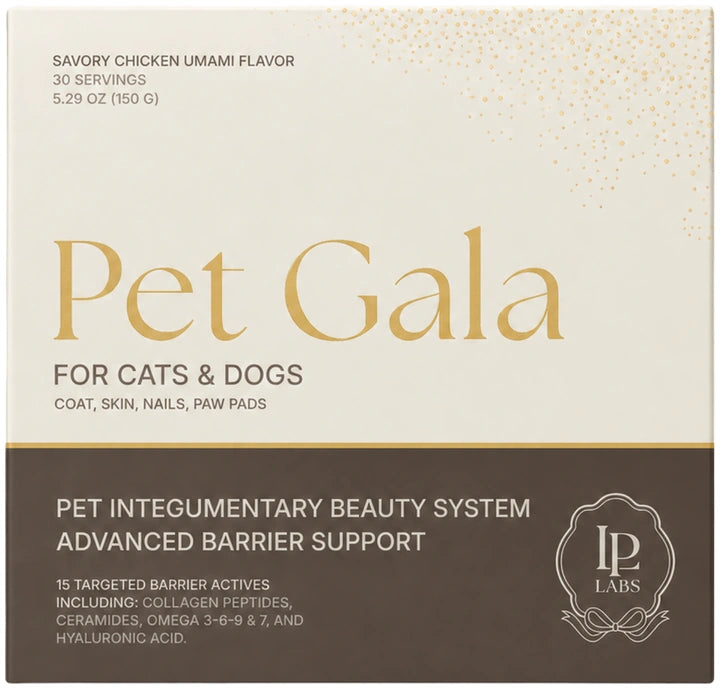
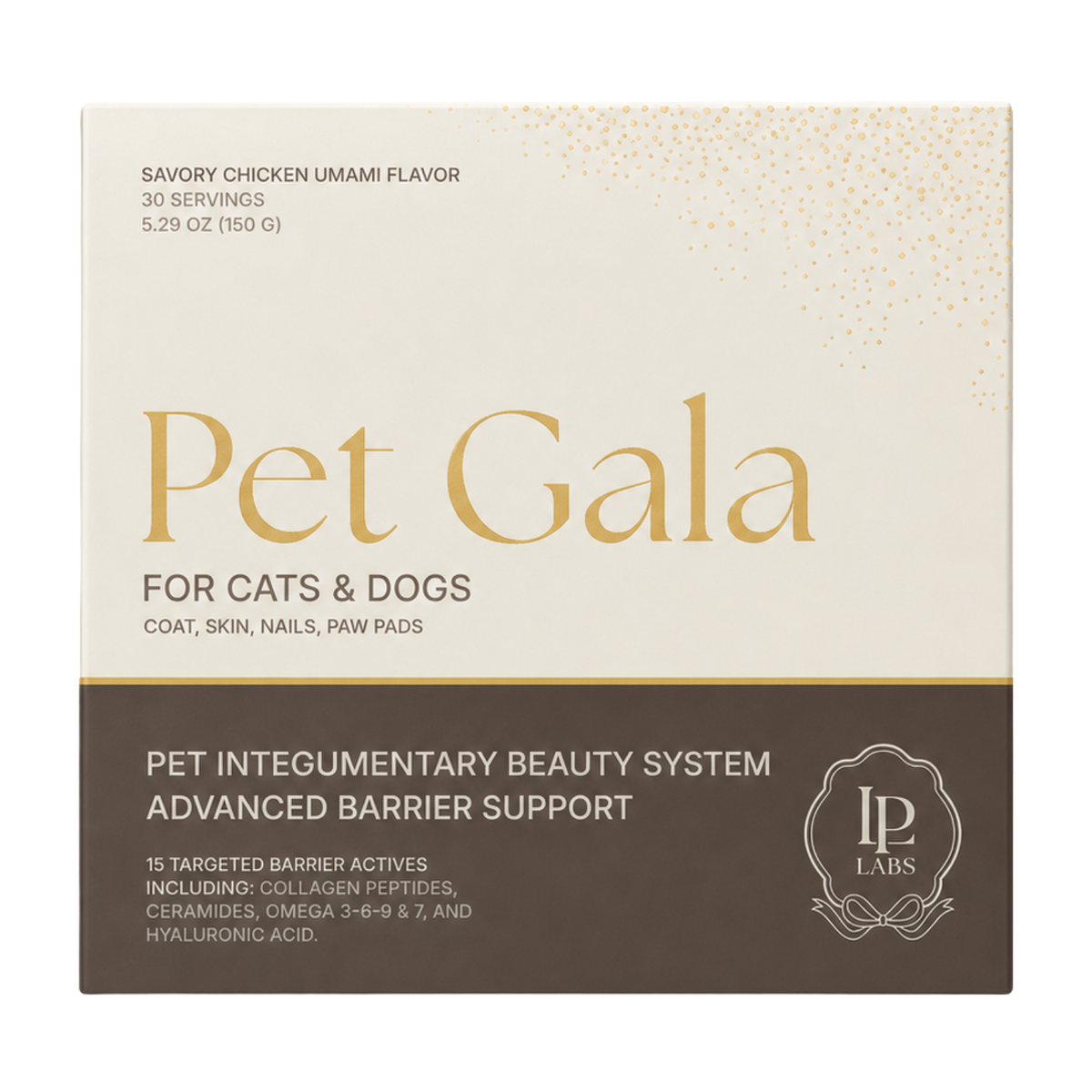
If a veterinarian recommends a supportive add-on, it should be used as part of the plan, not as a substitute. For example, Pet Gala™ may help support normal skin and coat function while the medical plan addresses inflammation.
What research supports cyclosporine use in cats?
Cat-specific studies include pharmacokinetic work that measures exposure after oral dosing and safety work that follows cats during daily administration. For example, absolute bioavailability and key pharmacokinetic parameters have been quantified in cats for the labeled oral solution.(Kong, 2023)
Safety observations over months of daily dosing highlight that gastrointestinal signs are common and worth monitoring. That evidence supports the practical focus on appetite, stool, and weight logs at home.
What’s a practical decision framework for starting this medication?
A useful framework is: confirm the problem is truly allergy-driven, define what “success” looks like, and decide what risks are acceptable for this cat’s lifestyle. Outdoor exposure, hunting, and a history of stomach sensitivity should be part of that discussion.
Then set a monitoring plan before the first dose: what to log between vet visits, when to recheck, and which signs mean calling sooner. That structure makes cyclosporine use safer and less erratic for the household.
Discover LPL-01: How This Fits Into a Complete Feline Integumentary Support System
Skin, coat, and nails in cats are not surface traits. They reflect deeper biological systems—barrier integrity, hydration dynamics, lipid balance, and structural protein turnover—working in coordination.
When these systems drift, the signs are subtle but telling: reduced coat softness, increased shedding, dryness, brittle claws, changes in grooming behavior.
This article explores one piece of that system. If you want to understand how true coat quality and skin resilience are built in cats—and what actually drives visible improvement—you need to zoom out.
Start with the underlying science:
- Feline Skin & Coat Framework →
A structured view of how skin, coat, and claw health are maintained across collagen synthesis, lipid nourishment, and barrier function. - Barrier Protection Coverage Modeling →
A systems-level map of which integumentary pathways are most vulnerable—and how layered nutritional inputs can support them. - Feline Skin & Coat Evidence Framework →
A breakdown of what is strongly supported in the literature versus what is still emerging in feline skin and coat science. - LPL-01 Standard →
The formulation system that translates these models into real-world supplementation—covering multiple pathways in a coordinated way.
Essential Summary
Why is cyclosporine use in cats important?
Cyclosporine can calm allergic skin inflammation when itching and overgrooming persist, but cats may show side effects subtly. Watching appetite, stool, weight, and infection clues—especially in outdoor cats—helps veterinarians keep the plan safer and more predictable.
Pet Gala supports normal skin and coat function as part of a veterinarian-guided plan.
Pet Gala™
Starting at $79/mo
The scratching is completely gone, his coat looks healthy and shiny!
— Lena
He was struggling with itching, now he's glowing.
— Grace
Considering cyclosporine for cats?
If you're researching feline allergy control, here's what matters most
Before the next recheck, log grooming time, appetite, stool quality, and weekly weight, and bring photos of the worst skin areas. Ask the veterinarian how outdoor exposure changes risk and what “call sooner” signs apply to this cat. If a nutrition add-on is discussed, Pet Gala can be considered to support normal skin and coat function alongside the medical plan.
Learn about how our DVMs think about the feline barrier
Dr. Sarah Calvin DVM
Pet Gala™
Starting at $79/mo
Explore the visible signs of whole-body wellness
Related Reading
When a cat’s itching and overgrooming won’t settle, veterinarians sometimes reach for cyclosporine to dial down the immune “overreaction” driving skin inflammation. Atopica for cat allergies is most often considered when allergic dermatitis is persistent, when steroids are not a good fit, or when long-term control is needed with a different risk profile.