Why Does My Cat’s Coat Look Dull

Identify the Biological and Care Causes Behind a Cat’s Dull Coat

Essential Summary

Why is it important to understand why my cat’s coat looks dull?

A dull coat is one of the clearest day-to-day signals owners notice. It can come from grooming changes, seasonal shedding, diet gaps, parasites, stress, or skin discomfort. Focus on visible basics first—consistent brushing, hydration support, and a complete diet—then involve your veterinarian if the change is sudden or paired with other symptoms.

Pet Gala™ is designed for owners who want coat care that shows: a softer feel, a cleaner-looking shed, and a more natural sheen that reads “well-kept” up close. It complements a complete diet and grooming routines by supporting skin, coat, and nails together—so the results look cohesive, not like a quick cosmetic cover-up.

You don’t need to be a professional groomer to notice when a coat loses its “finished” look. One week your cat looks sleek and luminous; the next, the fur seems dusty, separated, or oddly flat. When people search why does my cat’s coat look dull, they’re usually asking for reassurance: is this normal, or is something wrong?

A cat dull coat can be as simple as seasonal shedding or dry indoor air. It can also reflect changes in grooming, diet consistency, parasites, or skin comfort. Because coat condition often reflects overall health, it’s worth paying attention—especially if the change is sudden or paired with appetite, energy, or stool changes.

This page is built around visible signals: what you can see, feel, and track at home. You’ll learn the most common reasons a dull cat coat happens, the clues that suggest a veterinary visit, and the everyday care choices that bring back softness and shine. And if you’re already feeding a quality diet and brushing regularly, you’ll also see why a beauty-focused supplement can still make sense: it supports how wellbeing shows up daily—skin comfort, coat luster, and nail strength—so your care looks as good as it is.

By La Petite Labs Editorial, ~15 min read

Featured Product:

  • A cat dull coat is often the first visible sign that daily care needs a small reset.
  • Sudden coat changes plus low energy, vomiting, or weight loss deserve veterinary attention.
  • Grooming gaps—especially in long-haired, senior, or stiff cats—quickly flatten shine.
  • Diet consistency matters: adequate protein and fats support a smooth, light-catching finish.
  • Parasites and skin irritation can dull the coat even when scratching seems minimal.
  • Stress can reduce grooming or trigger over-grooming, changing texture and density.
  • A supplement can reinforce visible coat quality when life, seasons, or picky eating interfere.

When Shine Fades, the Coat Is Telling You Something Visible

When a cat dull coat shows up, it’s rarely “just cosmetic.” Coat shine is one of the most visible signals of how well daily care is lining up: grooming, hydration, diet quality, stress level, and skin comfort. A dull cat coat can look dusty, separated into little clumps, or slightly greasy at the roots while still feeling dry at the ends. Some cats also shed more, leaving a thin, tired-looking topcoat.

The reassuring part: many causes are fixable with small, consistent changes. The important part: if your cat’s coat is dull and the change is sudden, paired with itch, odor, weight change, vomiting/diarrhea, or low energy, it can be a sign that something else needs attention (Vogelnest LJ, 2017). This page helps you sort “everyday coat slump” from “time to call the vet,” while keeping the focus on visible, feelable improvements you can actually notice.

Coat shine graphic representing skin hydration supported by cat dull coat.

What a Dull Coat Looks Like up Close and Why It Matters

Owners usually notice dullness in a few specific ways: the coat stops catching light, dark colors look dusty, white coats look yellowed, and the fur doesn’t “fall back” smoothly after petting. Sometimes the dull cat coat is paired with dandruff-like flakes; other times it looks oily and separated. Either way, it’s a change in the coat’s surface—how it reflects light and how it feels under your hand.

Because skin and coat condition often reflect overall health, a sudden cat dull coat can be an early signal worth respecting. That doesn’t mean panic. It means you take the change seriously enough to check the basics (grooming, diet, parasites) and watch for any “whole-cat” clues like appetite, stool, thirst, and energy.

Molecular beauty graphic tied to skin and coat support from cat dull coat.

Grooming Changes That Make Fur Look Flat, Dusty, or Clumped

Start with the simplest explanation: grooming. Cats are designed to maintain their own shine, but long coats, arthritis, obesity, dental pain, or stress can reduce grooming time. When grooming slips, loose hair stays trapped, oils distribute unevenly, and the coat looks flat instead of vibrant.

Brushing is not just maintenance—it’s a visible-care ritual. A few minutes a day can quickly change how the coat lies and how much it reflects light. Use a tool matched to coat type (slicker for long coats, rubber curry for short coats), and keep sessions calm and brief. If your cat resists, aim for “micro-sessions” that end before irritation starts; consistency matters more than intensity.

Beauty ingredient model representing bioactive synergy found in cat’s coat is dull.

Hydration and Indoor Air: Small Shifts with Noticeable Results

Hydration influences coat feel more than most people expect. When cats drink less, the skin can look less supple and the coat can feel dry or papery. Dry indoor air (especially in winter) can add static and make a cat’s coat is dull look worse even when everything else is fine.

Support hydration in ways cats accept: fresh bowls in multiple rooms, a fountain, and moisture-forward meals if your veterinarian agrees. Also consider the environment—humidifiers in sleeping areas can make a noticeable difference in flake and static. Hydration won’t fix every cause of cat coat dullness, but it often improves the “touch” of the coat quickly, which is part of what owners are really seeking.

Dog close-up emphasizing coat shine and connection supported by cat coat dull.

Nutrition Gaps That Commonly Show up as a Duller Coat

Nutrition is one of the most common reasons owners ask why does my cat’s coat look dull. Coat quality depends on adequate protein and fats; nutritional deficiencies can contribute to a dull cat coat, especially when the diet is unbalanced or intake is inconsistent. The coat is essentially “built” from what your cat eats, and the surface finish reflects that.

This doesn’t mean you need a complicated feeding strategy. It means choosing a complete and balanced diet, avoiding long stretches of appetite dips, and being cautious with homemade or heavily “topped” meals unless formulated by a professional. If you recently changed foods and the coat went flat, consider whether the new diet is being eaten well and tolerated well—stool quality can be a helpful clue.

The scratching is completely gone, his coat looks healthy and shiny!

— Lena

He was struggling with itching, now he's glowing.

— Grace

“Coat shine is a visible signal: comfort, grooming, and nutrition meeting in one place.”

Fats and Oils: When Adding More Helps, and When It Backfires

When the coat looks dull, owners often try to “add oils.” Fats can matter, but the bigger picture is balance. Inadequate fatty acids and protein can contribute to a cat dull coat, yet over-supplementing random add-ons can upset digestion and make the coat look greasy rather than glossy.

A better approach is to choose a consistent, high-quality base diet and then use targeted support that’s designed for cats and easy to keep steady. If you want to add a supplement, pick one with clear quality standards and a cat-friendly format. The goal is a clean sheen and soft texture—not a slick, separated coat that looks “coated” instead of naturally radiant.

Dog portrait tied to beauty and care supported by dull cat coat.

Seasonal Shedding: Why the Coat Can Lose Its Light-catching Finish

Shedding cycles can temporarily make a dull cat coat more noticeable. During heavy sheds, the coat can look uneven because old hairs are loosening while new hairs are still short. The surface becomes less uniform, so it reflects light poorly—even if the skin is healthy.

This is where grooming and consistency pay off fast. Daily brushing during peak shedding can make the coat look smoother within days by removing the “dead layer” that dulls the finish. If shedding is extreme, patchy, or paired with itch, consider parasites, allergies, or illness. But if your cat feels well and the timing is seasonal, you can often restore a more polished look with simple, steady coat care.

Canine side view symbolizing beauty confidence supported through cat dull coat.

Weight and Mobility: When Your Cat Can’t Reach Key Grooming Zones

Weight and mobility can change grooming quality. Cats who can’t comfortably twist to reach their back and hips may develop a dull cat coat in those areas first. You’ll often see a “halo” of dullness along the spine or near the base of the tail, while the chest and front legs still look tidy.

If you suspect mobility issues, keep brushing gentle and brief, and ask your veterinarian about pain management and safe weight goals. Supporting comfort can restore grooming behavior, which restores shine. In the meantime, your brushing becomes the bridge—helping the coat look cared-for while you address the reason your cat can’t keep up with their usual self-maintenance.

Ingredient explainer image showing clean beauty formulation principles for cat coat dull.

Skin-first Clues: Flakes, Odor, and Texture Changes to Notice

Sometimes cat coat dullness is a “skin-first” issue rather than a hair issue. Flaking, redness, small bumps, or a waxy feel can point to imbalance on the skin surface. Skin diseases, including infections or allergies, can contribute to a cat’s coat is dull presentation.

Avoid harsh bathing or fragranced products meant for humans; they can worsen dryness and disrupt the coat’s natural finish. If you see persistent flakes, scabs, odor, or hair loss, get veterinary guidance for diagnosis and treatment. Once the skin is comfortable, the coat usually follows—lying flatter, shedding more cleanly, and regaining a healthier sheen.

Diet Quality Checks That Translate into a More Polished Finish

If your cat coat dullness is tied to diet, the goal isn’t chasing a single “magic” ingredient—it’s restoring the look and feel of a well-kept coat: smooth lay, even color, and a soft sheen. Cats need adequate protein and specific fats to maintain coat quality, and shortfalls can show up as a dull cat coat (Vogelnest LJ, 2017).

Practical checks: confirm the food is complete and balanced for your cat’s life stage, measure portions (overfeeding can still mean poor nutrition), and avoid frequent abrupt food switches that upset digestion. If you feed mixed diets, keep the “extras” from crowding out the complete portion. For picky cats, improving palatability and routine can matter as much as the label—because the best formula only helps if it’s eaten consistently.

“When the coat changes suddenly, look for whole-cat clues—not just fur.”

Research-style uniform highlighting scientific integrity aligned with cat coat dull.

Protein and Amino Acids: the Building Blocks Behind Coat Texture

Amino acids are part of what makes a coat look dense, smooth, and “finished.” In felids, adequate amino acids support coat quality, and deficiencies can contribute to a cat dull coat appearance (Sun M, 2024). You don’t need to memorize names to use this insight: think “high-quality, consistent protein intake” and “steady appetite.”

If your cat’s coat is dull and your cat is also leaving food behind, losing muscle, or seeming less interested in meals, treat that as a meaningful clue. Appetite changes can be subtle in cats, and coat changes sometimes show up before owners notice anything else. A vet visit can rule out medical causes while you tighten up the daily basics that support a polished look.

Shop Now
Supplement with whole-food visuals emphasizing quality sourcing for cat coat dull.

Allergies and Skin Irritation That Quietly Flatten the Coat

Skin discomfort can quietly steal shine. Allergies, infections, and other skin diseases may contribute to a dull cat coat by increasing inflammation, changing oil balance, and interrupting normal hair growth (Vogelnest LJ, 2017). Sometimes the only early sign is that the coat stops reflecting light the way it used to.

Look for patterns: seasonal flare-ups, itch after certain foods, recurrent ear debris, small scabs along the back, or a “peppery” feel that could suggest flea dirt. If you notice odor, redness, hair loss, or sores, skip home experiments and get veterinary guidance. The right plan can restore comfort—and comfort is what allows the coat to settle back into a smooth, cared-for finish.

Shop Now
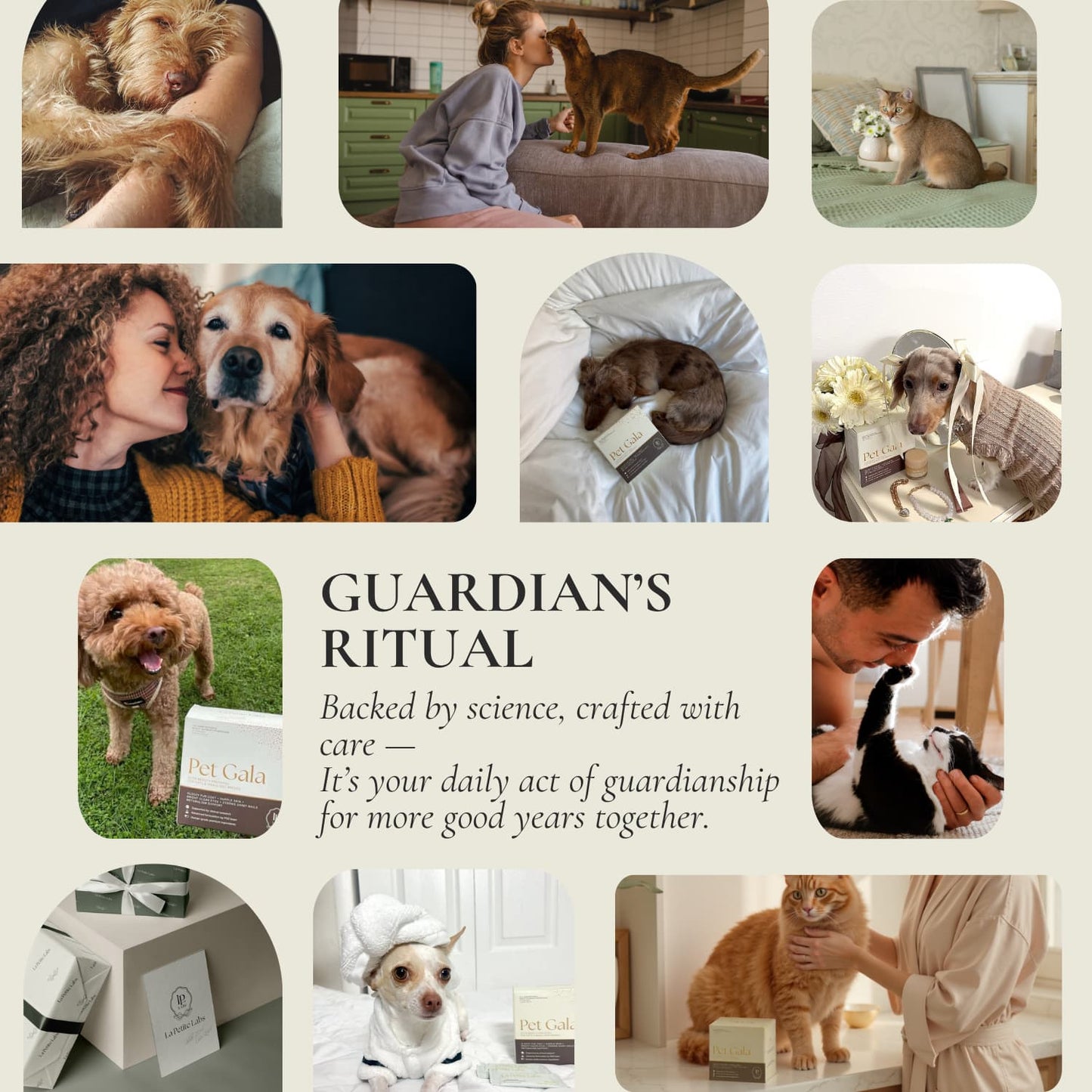
Owner showcasing product beside her pet, reflecting beauty care through cat dull coat.

Parasites: the Hidden Reason a Coat Can Look Rough Overnight

Parasites are a classic reason a cat’s coat is dull, even when you don’t see obvious scratching. Fleas can be intermittent, and some cats groom so efficiently you never spot the culprit—only the fallout: broken hairs, uneven shine, and a restless skin feel.

A modern flea plan is less about reacting and more about keeping the coat consistently “clean-looking.” If your cat goes outdoors, lives with other pets, or you’ve had fleas before, ask your vet about year-round prevention. Also wash bedding and vacuum favorite nap zones during outbreaks. When parasites are controlled, the coat often looks more uniform within a few weeks as new hairs come in and grooming becomes comfortable again.

Shop Now

Stress and Routine Changes That Alter Grooming and Sheen

Stress can show up as a dull cat coat in two main ways: less self-grooming (so oils and loose hair build up) or over-grooming (so the coat looks thinned and frayed). Changes like a move, a new pet, construction noise, or even a shifted work schedule can be enough to change grooming behavior.

Support the “everyday presentation” of calm: predictable feeding times, quiet resting places, and short, positive grooming sessions that feel like bonding rather than a chore. If the coat change is paired with hiding, litter box issues, or aggression, involve your veterinarian. When stress eases, the coat often regains softness and luster as grooming returns to normal.

Age, Mobility, and the Grooming Gaps Owners Often Miss

Age changes the coat’s “finish.” Senior cats may groom less due to stiffness, dental discomfort, or reduced energy, leaving the coat looking rumpled or oily at the base. Kittens, on the other hand, can look slightly “fluffy” and uneven as adult coat comes in—often normal unless paired with poor growth or digestive issues.

For older cats, gentle brushing becomes a visible-care ritual: it removes dead hair, distributes oils, and gives you a daily read on skin comfort. If your cat’s coat is dull and you also notice weight loss, increased thirst, or messy grooming around the mouth, schedule a checkup. A polished coat in a senior cat is often the best “receipt” that comfort and daily care are aligned.

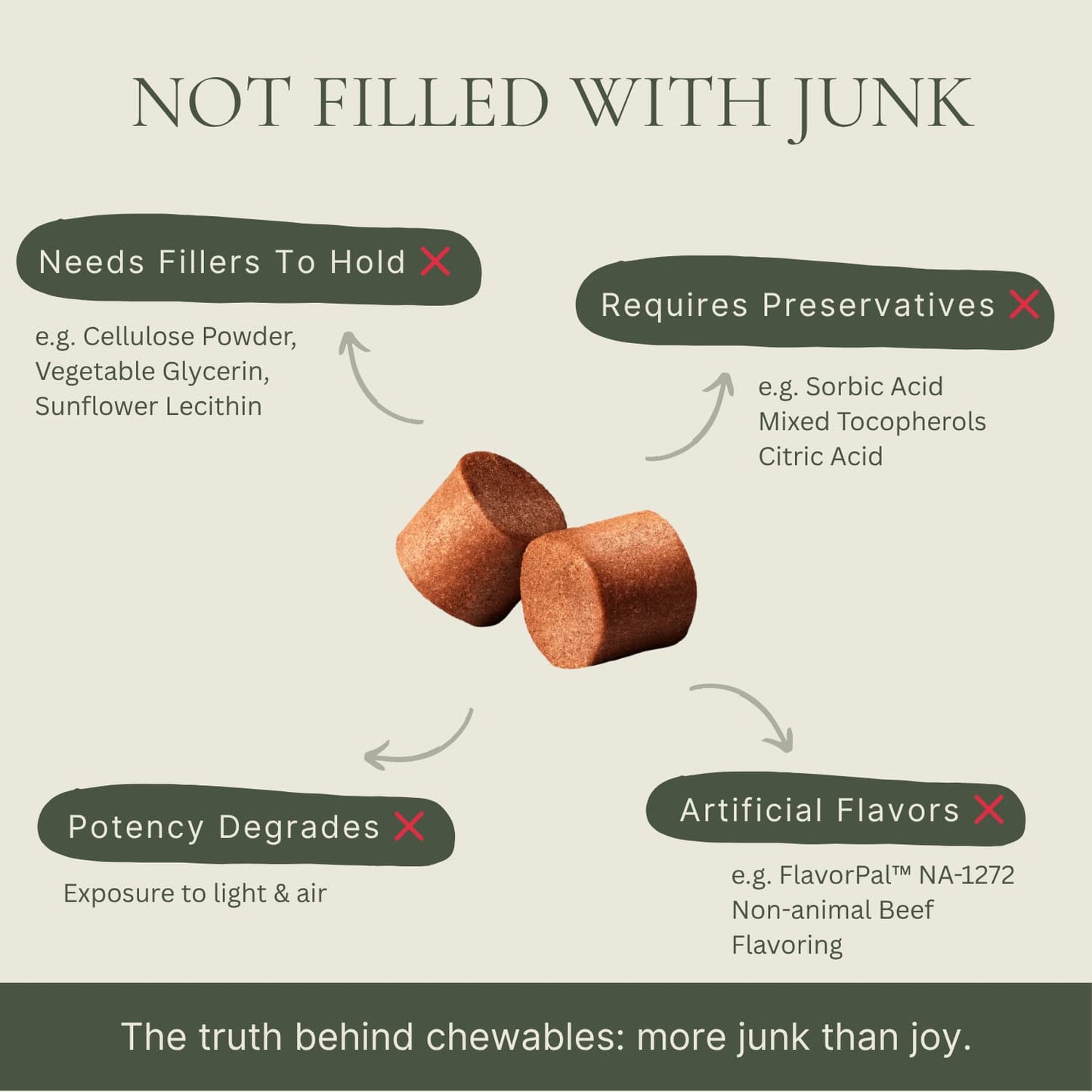
Visual breakdown contrasting competitors and quality standards in dull cat coat.

When Infection or Illness Shows up First in the Fur

Some infections can affect overall condition and, in turn, coat quality. A dull coat in cats may indicate underlying issues, including infections, especially when paired with appetite or energy changes (Ding H, 2017). It’s not that the coat is the problem—it’s that the coat is a visible place where the body’s “off days” show up.

If you suspect illness—feverish warmth, hiding, vomiting, diarrhea, coughing, eye/nose discharge, or sudden coat change—treat it as a veterinary moment rather than a grooming project. Once the underlying issue is addressed, the coat often improves as hydration, appetite, and normal grooming return. Your role is noticing early and keeping care steady, not guessing at diagnoses.
Shop Now
Open box with Pet Gala inside, reinforcing cat coat dull premium cues.

A Two-week At-home Coat Audit to Clarify What’s Going On

A simple at-home “coat audit” can clarify why your cat coat dullness is happening. Run your hand from head to tail: does it feel dry and static, greasy and separated, or rough with tiny scabs? Part the fur: is the skin pink and calm, or red and flaky? Smell the coat: a sour or yeasty odor suggests skin imbalance that deserves professional input.

Track three things for two weeks: brushing frequency, stool quality, and itch level. These are the everyday signals that often move together. If you see rapid worsening, hair loss, open sores, or your cat seems unwell, don’t wait—book a vet visit. If your cat seems otherwise fine, consistent grooming and nutrition-focused care can make the coat look noticeably more polished.

Shop Now

Where Supplements Fit: Supporting Skin, Coat, and Nails Together

Where a supplement fits: careful owners often ask, “If diet and brushing matter most, why add anything?” The answer is that visible coat quality is a composite signal—skin comfort, oil balance, hair strength, and the way the coat lies day to day. Even with a good diet, cats can have seasonal shedding, stress, picky eating, or skin sensitivity that makes the coat look less finished.

A well-designed beauty supplement supports the integumentary system as a whole—skin, coat, and nails—so daily care shows up as softness, luster, and a cleaner-looking shed pattern. Used consistently, it complements grooming rituals and a complete diet rather than trying to replace them. If your cat’s coat is dull, think of supplementation as reinforcing the “polished” look you’re already working toward.

“The goal isn’t more oil. It’s a clean, natural sheen that reads well-kept.”

Educational content only. This material is not a substitute for veterinary advice. Always consult your veterinarian about your dog’s specific needs. These statements have not been evaluated by the Food and Drug Administration. Products mentioned are not intended to diagnose, treat, cure, or prevent any disease.

Glossary

  • Topcoat: The outer layer of fur that reflects light and creates visible shine.
  • Undercoat: The softer insulating layer that can trap loose hair and make the coat look puffy or dull during shedding.
  • Sebum: Natural skin oils that help the coat lie smoothly; too little can look dry, too much can look greasy.
  • Dander: Fine flakes of skin that can cling to fur and reduce shine, especially in dry environments.
  • Over-grooming: Excess licking or chewing that can thin fur and create a frayed, uneven finish.
  • Matting: Tangled clumps of fur (common in long-haired cats) that block light reflection and can irritate skin.
  • Flea Dirt: Flea feces that looks like black pepper in the coat; can indicate fleas even if you don’t see them.
  • Complete and Balanced: A pet food standard indicating the diet meets established nutrient requirements for a life stage.
  • Shedding Cycle: The normal timing of hair release and regrowth that can temporarily make the coat look uneven.

Related Reading

References

Ebeling R. Feline intervertebral disc disease: a systematic review and meta-analysis.. PubMed. 2025. https://pubmed.ncbi.nlm.nih.gov/41006947/

Vogelnest LJ. Skin as a marker of general feline health: Cutaneous manifestations of systemic disease.. PubMed Central. 2017. https://pmc.ncbi.nlm.nih.gov/articles/PMC11128893/

Ding H. A systematic review and meta-analysis of the seroprevalence of Toxoplasma gondii in cats in mainland China.. PubMed. 2017. https://pubmed.ncbi.nlm.nih.gov/28086987/

Barbeau-Grégoire. A 2022 Systematic Review and Meta-Analysis of Enriched Therapeutic Diets and Nutraceuticals in Canine and Feline Osteoarthritis. 2022. https://www.mdpi.com/1422-0067/23/18/10384

Kretzler. Pet ownership, loneliness, and social isolation: a systematic review.. Springer. 2022. https://link.springer.com/article/10.1186/s12991-025-00600-x

Sun M. Considerations on amino acid patterns in the natural felid diet: a review.. PubMed Central. 2024. https://pmc.ncbi.nlm.nih.gov/articles/PMC11603590/

FAQ

Why does my cat’s coat look dull all of a sudden?

A sudden change can come from a grooming disruption, parasites, a diet switch, or a new stressor. Because coat condition can reflect overall health, pair the coat change with a quick scan for appetite, energy, stool changes, or itch.

If anything else seems “off,” it’s worth a vet call. For everyday support that keeps skin, coat, and nails looking well-kept, consider Pet Gala™

Is a dull cat coat always a sign of illness?

Not always. Seasonal shedding, dry indoor air, or less grooming can make the coat look flat without a deeper problem. Still, a persistently dull coat can be a useful signal to check hydration, diet consistency, and parasite control.

If dullness comes with weight loss, vomiting, diarrhea, or lethargy, involve your veterinarian. To reinforce visible coat quality as part of daily care, many owners add Pet Gala™

What are the most common reasons cat coat dull happens?

The most common causes are grooming gaps (especially in long-haired or senior cats), diet inconsistency, parasites, and skin irritation. Stress can also change grooming behavior, leaving the coat less smooth and less reflective.

Start with the basics you can see: brushing, flea prevention, and a complete diet your cat reliably eats. For a simple way to support a polished look, consider Pet Gala™

How can I tell if my cat’s coat is dull from diet?

Diet-related dullness often comes with other subtle clues: inconsistent appetite, soft stools, excess shedding, or a coat that feels dry and rough rather than simply messy. Recent food changes or heavy “toppers” can also shift nutrient balance.

Choose a complete and balanced food and keep intake steady for several weeks while monitoring stool and shedding. For additional visible coat support alongside good nutrition, consider Pet Gala™

Can parasites make my cat’s coat look dull without scratching?

Yes. Some cats scratch minimally or groom so efficiently that you don’t see obvious itching. The coat may still look uneven, broken, or dusty, especially along the back and tail base. Flea dirt can be easy to miss in dark coats.

If you suspect parasites, ask your vet about a prevention plan and clean bedding during outbreaks. To keep the coat looking consistently cared-for, many owners pair prevention with Pet Gala™

Why does my cat’s coat look dull even with regular brushing?

If brushing is consistent, look next at skin comfort and diet tolerance. Flakes, odor, redness, or greasy separation can suggest skin imbalance, while soft stools or picky eating can reduce the “building blocks” that keep hair smooth.

Also check your brush choice—some tools miss undercoat or irritate skin. For a daily layer of support that complements grooming, consider Pet Gala™

How long does it take to see coat shine improvements?

Surface improvements from brushing can show within days, especially during shedding season. Deeper changes—like a smoother, more uniform coat as new hair grows in—often take several weeks. The timeline depends on the cause and your cat’s natural hair cycle.

Consistency is what makes results noticeable: steady diet, steady grooming, steady parasite control. For ongoing visible care that supports skin, coat, and nails, consider Pet Gala™

Is it safe to give supplements for a dull cat coat?

Many cat supplements are safe when used as directed, but “safe” depends on your cat’s health history and what else they’re taking. Cats with chronic conditions or special diets should have supplements cleared by a veterinarian to avoid unnecessary ingredients or digestive upset.

Choose products with clear labeling and quality standards, and introduce gradually. For a coat-focused option designed for daily visible support, consider Pet Gala™

Can I use fish oil to fix my cat’s coat dull?

Fish oil can support coat appearance for some cats, but it’s not a universal fix and can cause loose stools or add unwanted calories. It also doesn’t address common non-diet causes like parasites, skin infection, or stress-related grooming changes.

If you want targeted coat support, talk with your vet and choose a cat-appropriate product with clear directions. Many owners prefer a broader beauty-support approach like Pet Gala™

What should I feed if my cat’s coat is dull?

Start with a complete and balanced diet for your cat’s life stage, and prioritize consistency—both in the formula and in how reliably your cat eats it. Frequent switching, heavy toppers, or unbalanced homemade meals can unintentionally create gaps that show up in coat texture.

If your cat is picky or has digestive sensitivity, ask your vet for a tailored recommendation. To complement a solid diet with visible coat support, consider Pet Gala™

Does stress cause a dull cat coat or extra shedding?

Yes. Stress can reduce grooming (so the coat looks rumpled or greasy) or trigger over-grooming (so it looks thinned and frayed). You may also see increased shedding during household changes, new pets, or schedule shifts.

Support calm with predictable routines and short, positive grooming sessions. For a steady, daily way to support skin and coat presentation, consider Pet Gala™

Why does my cat’s coat look dull in winter months?

Winter often brings dry indoor air, more static, and heavier shedding cycles, all of which can flatten shine. Cats may also drink less when it’s cooler, which can make skin feel drier and the coat less soft.

Try a humidifier in favorite sleeping areas, keep water fresh and accessible, and brush more frequently during sheds. For extra visible coat support through seasonal shifts, consider Pet Gala™

Are certain breeds more prone to a dull cat coat?

Long-haired breeds and cats with dense undercoats can look dull faster because loose hair gets trapped and oils distribute unevenly. Flat-faced breeds may also have grooming challenges that affect coat and skin cleanliness around the face.

Breed isn’t destiny—routine brushing, parasite control, and a consistent diet usually make the biggest difference. To support a polished look across coat types, consider Pet Gala™

What grooming routine helps when my cat coat dull appears?

Aim for short, frequent sessions: 2–5 minutes daily is often better than a long weekly brush-out. Use a tool matched to coat type, and focus on areas cats miss (lower back, hips, behind the legs). End before your cat gets annoyed so the routine stays pleasant.

If mats or skin irritation are present, get professional guidance rather than pulling through pain. For daily support that pairs well with grooming rituals, consider Pet Gala™

When should I call the vet about a dull cat coat?

Call if the coat change is sudden or comes with itching, odor, hair loss, sores, weight change, vomiting, diarrhea, or low energy. Also call if your cat stops grooming, hides more, or seems painful when touched—those are bigger signals than shine alone.

A vet can rule out skin disease, parasites, and internal issues while you keep daily care consistent. For visible coat support alongside veterinary guidance, consider Pet Gala™

Can dental pain make my cat’s coat is dull?

It can. Cats with mouth pain may groom less because licking is uncomfortable, and the coat can start to look oily, clumped, or simply unkempt. You might also notice dropping food, bad breath, or pawing at the mouth.

If you suspect dental issues, schedule a veterinary exam—addressing comfort often improves grooming and coat appearance. To support a well-kept look as routines return, consider Pet Gala™

Does my cat’s coat look dull because of bathing mistakes?

Possibly. Frequent bathing, human shampoos, or heavily fragranced products can dry the skin and leave the coat feeling rough or looking flat. Cats generally don’t need routine baths unless directed for a specific reason.

If bathing is necessary, use a cat-formulated product and rinse thoroughly to avoid residue. For a daily approach that supports coat presentation without over-washing, consider Pet Gala™

Can kittens have a dull cat coat, and is it normal?

Kittens can look a bit uneven as their adult coat comes in, and mild “fluffiness” isn’t unusual. However, persistent dullness with poor growth, diarrhea, or low energy is not something to ignore, since young cats can change quickly.

Keep kittens on a complete kitten diet and maintain gentle grooming habits. For coat and skin support as they mature, consider Pet Gala™

How often can I use Pet Gala™ for coat support?

Most owners use coat-support supplements daily for the most consistent, noticeable results, because coat appearance responds to steady routines. Follow the label directions and introduce gradually, especially if your cat has a sensitive stomach.

If your cat has medical conditions or takes medications, confirm compatibility with your veterinarian. For a simple daily ritual that supports a polished coat, consider Pet Gala™

Why does my cat’s coat look dull even on premium food?

Even excellent diets can’t control everything that affects coat shine: seasonal shedding, stress, indoor dryness, parasites, and skin sensitivity can all change the coat’s surface. Also, “premium” only helps if your cat eats it consistently and tolerates it well.

Think of food as the foundation and daily care as the finish—brushing, hydration support, and targeted coat support can refine the look. Many owners add Pet Gala™

What’s a simple decision framework for why does my cat’s coat look dull?

Sort it into three buckets: grooming (is your cat grooming normally, and are you brushing?), skin comfort (itch, odor, flakes, scabs), and “whole-cat” signals (appetite, stool, weight, energy). If skin or whole-cat signals are present, prioritize a veterinary check.

If your cat seems well, commit to two weeks of consistent brushing and diet steadiness, then reassess the shine and shedding pattern. To support visible coat quality during that reset, consider Pet Gala™

5K+ Happy Pet Parents

Excellent 4.8

Why Does My Cat’s Coat Look Dull | Why Thousands of Pet Parents Trust Pet Gala™

"Magical. He was struggling with itching and shedding. Now he's literally glowing."

Grace & Ducky

"Improves her skin, fur, nails, and eyes. We're loving it!"

Cat & Miso

"It's so good for his coat, and so easy to mix into food."

Alex & Cashew

"The scratching is completely gone, his coat looks healthy and shiny."

Lena & Bear

"Magical. He was struggling with itching and shedding. Now he's literally glowing."

Grace & Ducky

"Improves her skin, fur, nails, and eyes. We're loving it!"

Cat & Miso

"It's so good for his coat, and so easy to mix into food."

Alex & Cashew

"The scratching is completely gone, his coat looks healthy and shiny."

Lena & Bear

"Magical. He was struggling with itching and shedding. Now he's literally glowing."

Grace & Ducky

"Improves her skin, fur, nails, and eyes. We're loving it!"

Cat & Miso

"It's so good for his coat, and so easy to mix into food."

Alex & Cashew

"The scratching is completely gone, his coat looks healthy and shiny."

Lena & Bear

"Magical. He was struggling with itching and shedding. Now he's literally glowing."

Grace & Ducky

"Improves her skin, fur, nails, and eyes. We're loving it!"

Cat & Miso

"It's so good for his coat, and so easy to mix into food."

Alex & Cashew

"The scratching is completely gone, his coat looks healthy and shiny."

Lena & Bear

SHOP NOW