


Undenatured Type II Collagen for Cats

What the one cat trial of UC-II found, what it left out, and how it fits beside the arthritis care vets already use.

By La Petite Labs Editorial 12 min read

As Seen On

  • AVMA, American Veterinary Medical Association
  • Today’s Veterinary Business
  • Petfood Industry
Woman nuzzling an orange cat beside a fluffy gray-and-white cat, a Pet Gala box and a food bowl
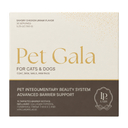
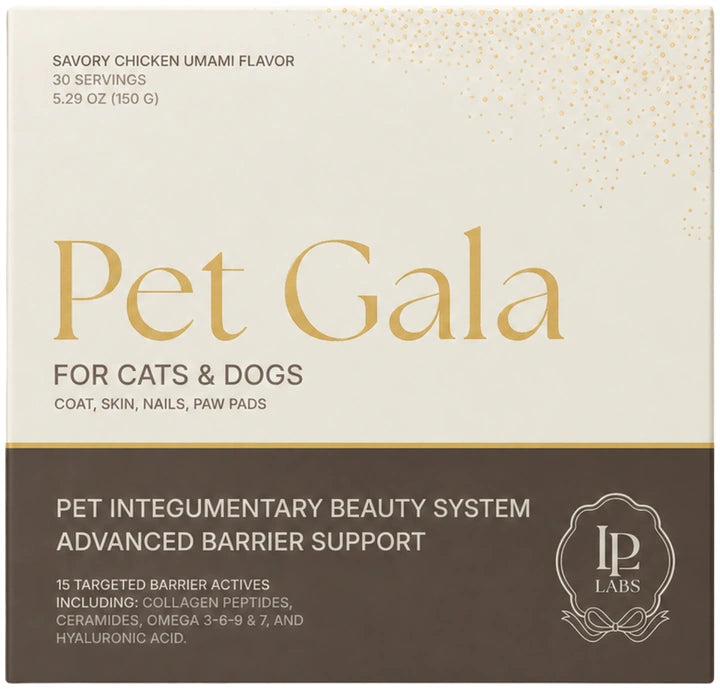
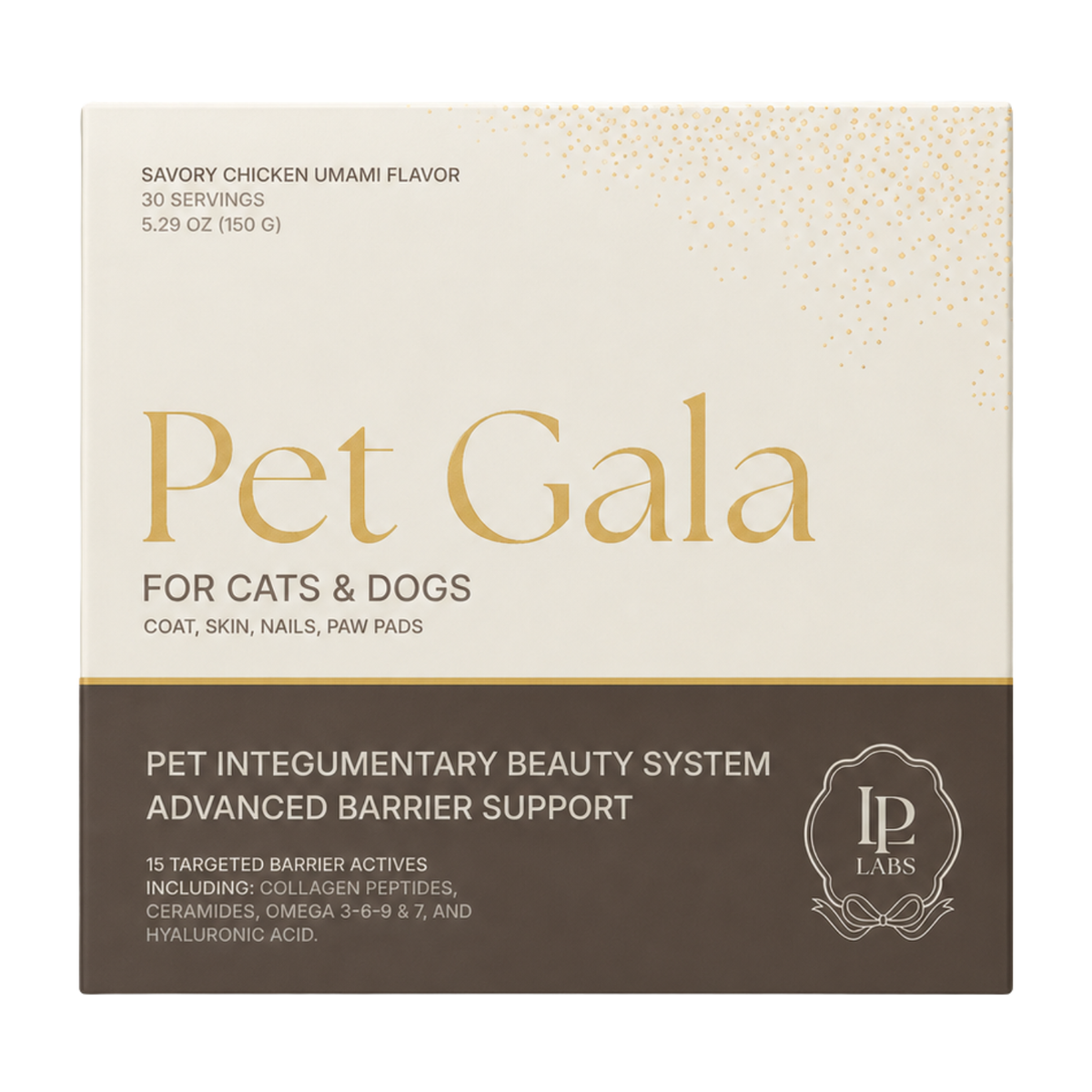
Pet Gala™ Skin & Coat Supplement for Cats

15 science-backed barrier actives

From$43/moSave up to 47%Save up to 46%Shop Now
Contents

Undenatured type II collagen (UC-II) has one controlled trial in cats, and it found better owner-rated mobility after 12 weeks of a daily chew. The trial was small: 20 cats started and 14 finished.1 That's a promising start, and it leaves the amount, the safety record and long-term use unanswered for cats.

This guide walks through the trial, how to spot joint pain in a cat, what is known about safety, how UC-II differs from ordinary collagen, and the arthritis care vets already use.

  • What it is: Intact cartilage collagen from chicken breastbone, given in very small daily amounts.2
  • Cat evidence: One 2026 trial. On a daily UC-II chew, 57% of cats improved meaningfully on an owner-rated score, against 28% on placebo.1
  • The catch: Only 14 cats finished, every result came from caregivers, and the published summary reports no safety data.1
  • How much: The trial gave one chew a day for 12 weeks. Its summary doesn't state the milligrams.1
  • Who was tested: Cats with mild to moderate joint disease and no other significant illness.1
  • See a vet if: Your cat stops jumping, hesitates on stairs or grooms less. Joint pain in cats is common and easy to miss.
  • In Pet Gala: No. Undenatured type II collagen isn't in Pet Gala. It's daily nutrition for skin, coat and claws.

What is undenatured type II collagen (UC-II)?

Undenatured type II collagen is cartilage protein that arrives in the bowl still folded the way nature built it. Type II is the collagen that forms the main structure of joint cartilage.2 "Undenatured", or "native", means nothing has unraveled it or chopped it up.

The best-known version is UC-II, a branded powder made from chicken breastbone cartilage.2 UC-II is the ingredient named in the pet research, and it's sold in joint chews and capsules.

Cat owners tend to meet it in one of two places: on a joint chew's label, or in news of a 2026 study titled "Undenatured type II collagen enhances mobility in cats".1

One thing to settle early. UC-II isn't the collagen in most pet powders, which is hydrolyzed, or cut into small fragments. Researchers think undenatured collagen's intact shape carries immune markers that the cut-up kind lacks.3

Woman smiling with a tabby cat on her shoulder while holding a Pet Gala box

Has UC-II been tested in cats?

UC-II has been tested in cats once, in a trial published in 2026 in the Journal of Feline Medicine and Surgery.1 We searched PubMed for others and found none.

The design was a strong one. Twenty pet cats with mild to moderate degenerative joint disease, confirmed by exam and X-ray, received a UC-II chew or a placebo chew once a day for 12 weeks. After a six-week break, each cat switched to the other chew, and the study was double-blind.1

The cats averaged 8.7 years of age and 4.8 kg, and none had another significant illness.1 That last detail matters for older cats, as chapter 12 explains.

Woman kissing a fluffy gray cat while holding an orange tabby and a Pet Gala box

Does UC-II help cats with arthritis? What did the trial find?

The trial found that cats moved more easily and seemed more comfortable on UC-II than on placebo, going by their caregivers' ratings.

  • CSOM score: down 27% after 12 weeks on UC-II, and up 0.4% on placebo.1
  • FMPI-sf score: down 30% on UC-II, and up 40% on placebo.1
  • Cats with a meaningful gain: 57% on UC-II against 28% on placebo, counting a drop of 2 or more CSOM points.1
  • Quality of life: improved significantly on UC-II.1

Both scores were already lower at week 6.1 CSOM stands for client-specific outcome measures, and FMPI-sf is the short form of the Feline Musculoskeletal Pain Index. Caregivers fill in both.

Woman petting a silver tabby on a kitchen counter beside an open Pet Gala box

How strong is the cat evidence for UC-II?

The cat evidence for UC-II is one small trial with real gaps, so call it promising and unconfirmed.

  • Few cats: 20 started and 14 completed every visit.1
  • Caregiver ratings only: in five earlier cat pain trials, 54% to 74% of cats on placebo were scored as successes by their caregivers.8
  • Missing details: the published summary gives no milligram amount, no side-effect data and no statistical test of the 57% against the 28%.1

A placebo group guards against wishful scoring, and this trial had one. What's needed next is a larger study that adds an objective measure, such as an activity monitor.

Woman holding a fluffy white cat and a Pet Gala box

How is UC-II supposed to work in a cat?

UC-II is believed to act on the immune system in the gut, and we found no study that checked this in cats.

The theory is called oral tolerance. Immune tissue lining the small intestine samples what is swallowed and decides what to ignore. In mouse, rat and cell studies, undenatured collagen taken up there led to regulatory T cells that homed to joint cartilage and released anti-inflammatory signals.2

That would explain how milligrams of a protein could matter. It also means UC-II isn't raw material for new cartilage. The cat trial measured comfort and movement, not the joints themselves, so it leaves the mechanism open.1

Joint pain in cats shows up as changed habits far more often than as a limp, which is why UC-II questions should start with a vet visit.

How can you tell if a cat has joint pain?

Joint pain in cats shows up as changed habits far more often than as a limp, which is why UC-II questions should start with a vet visit. About 60% of all cats, and over 90% of cats older than 12 years, have signs of degenerative joint disease.4 In one study, X-rays of 100 cats of all ages found it in 92%.5

Cats often hide pain.15 Researchers who built a screening checklist from 249 cats with painful joints found that owners most often reported trouble with these actions:6

  • running;
  • jumping up, including to counter height;
  • jumping down;
  • going up or down stairs;
  • playing with toys and mixing with other pets.

Grooming and mood shift too. In 23 cats with long-term musculoskeletal pain, owners saw changes in mobility, activity, grooming and temperament, and all four improved after 28 days of pain relief.7

Write down what your cat has stopped doing, or film it, before the appointment. Our guide to the subtle signs of pain in cats has a fuller list.

Two long-haired cats looking toward a Pet Gala box held above a food bowl

How much UC-II did the cat study give, and for how long?

The cat study gave one UC-II chew a day for 12 weeks, and its published summary doesn't say how many milligrams the chew held.1 We found no official amount for cats.

For scale only: trials in dogs used 10 mg of active UC-II a day, which some products list as 40 mg of UC-II.9, 10 Those are dog figures. They are no guide for an animal a fraction of the size, and the cat trial reports only one amount.

On timing, caregiver scores had improved by week 6 and were still improved at week 12.1 The summary reports nothing beyond that point.

Hand gently petting an orange-and-white cat beside a Pet Gala box and a food bowl

Is undenatured type II collagen safe for cats?

Undenatured type II collagen has no published safety record in cats yet. The 2026 trial's summary says nothing about side effects or blood tests, or about why some cats didn't finish.1 We found no other cat study to fill the gap.

What exists comes from other species. Arthritic dogs given UC-II for 150 days showed no change in physical exams or in liver and kidney blood markers.9 In rats, 90 days of feeding caused no significant changes in blood work or organ weights.11

That background is reassuring, and a cat's metabolism is its own.13 Treat UC-II as untested for safety in cats, and tell your vet before starting it, above all if your cat has kidney disease or takes medicine.

Man sitting with two long-haired cats on a sofa beside a Pet Gala box and a food bowl

What side effects or risks should cat owners watch for?

The cat trial's summary reports no side-effect data for UC-II, so the true rate is unknown.1 Until it's published, watch for the ordinary signs that a new chew disagrees with a cat:

  • vomiting, loose stools or a drop in appetite;
  • new itching or over-grooming;
  • refusing food that has the supplement in it.

Two risks are specific. UC-II comes from chicken, and chicken was a trigger in 5% of 78 cats with food-related skin reactions.2, 12 A cat with a known chicken allergy needs a vet's go-ahead first.

The second is delay. Twelve weeks on a supplement trial is a long time for a cat in pain to go without proven relief.1

How do you choose a UC-II product for a cat?

Choosing a UC-II product for a cat means matching the one cat trial as closely as you can. That's hard, because its summary names neither the product nor the amount.1

  • Made for cats: the trial used a chew made as a supplement for cats.1 A dog chew may differ in strength and carry other actives.
  • A form your cat will eat: UC-II is sold in chews and capsules.1, 10 A chew a cat refuses delivers nothing.
  • The exact ingredient: the label should say "undenatured" or "native" type II collagen. "Collagen peptides" and "hydrolyzed collagen" are different things.3
  • Everything else in it: joint products often add other actives. One dog chew studied in 2024 also held Boswellia, omega-3 fats and vitamin E.14
  • The flavoring: check the list for anything your cat reacts to, chicken included.

Don't assume two UC-II labels are equal. A laboratory comparison of powders and capsules sold as undenatured type II collagen found wide differences in fiber size and in the immune markers the ingredient relies on.3

Then ask the maker one question: was this product, at this amount, tested in cats?

The cat evidence for UC-II is one small trial with real gaps, so call it promising and unconfirmed.

Close-up of long white cat fur beside a veterinary vignette about visible skin and coat changes

DVM Voice: Clinical Vignette of When Skin Changes Point Deeper Than the Surface

Case provided by Sarah Calvin, DVM

Maverick, a 4-year-old Siamese cat, was brought in for hair loss across his lower abdomen and red, flaky skin lesions that had progressed over the previous month. His owners were unsure whether he was itchy or overgrooming.

Examination showed broken hairs, abdominal alopecia, and lesions consistent with bacterial skin infection. Further testing ruled out fleas, FeLV/FIV, and common fungal causes. Because his grooming pattern suggested deeper discomfort, his veterinarian continued the workup.

Radiographs and urinalysis revealed bladder stones, crystalluria, and blood in the urine. Maverick’s overgrooming was linked to urinary pain — a case where skin changes were secondary to an internal problem.

His care required a staged plan: stabilizing the skin infection, surgically removing the bladder stones, managing pain, transitioning to a therapeutic diet, and supporting skin-barrier recovery with appropriate nutrition and fish oil.

Hair regrowth began by 8 weeks. By 6 months, his coat had fully recovered, with no recurrence after the urinary issue was resolved.

Clinical takeaway: Maverick’s case shows why feline coat loss and overgrooming deserve careful veterinary investigation. Skin and coat health can reflect pain, stress, nutrition, infection, barrier weakness, or internal disease — not just surface-level grooming behavior.

Single-case vignette. Not generalizable. Veterinary diagnosis and oversight are essential for overgrooming, hair loss, skin lesions, urinary signs, pain, or suspected infection.

Explore Pet Gala Research →
Long-haired tabby being combed beside a Pet Gala box and a food bowl

Is UC-II the same as collagen peptides or marine collagen?

UC-II and collagen peptides are two separate ingredients, and a result for one says nothing about the other.

Collagen peptides are hydrolyzed. A veterinary review describes them as absorbed mostly as amino acids and chains of two or three.16 UC-II is left whole so the immune system can recognize it.3

So a collagen powder is no substitute for the chew in the 2026 trial, and the reverse holds too. Our own Pet Gala uses hydrolyzed marine collagen peptides for skin, coat and nails, so it is not a source of UC-II.

For the peptide side of the story, see our guide to cat collagen benefits.

Orange-and-white cat eating from a bowl beside a Pet Gala box

Which cats is UC-II for, and which should skip it?

UC-II has been tested only in cats with mild to moderate joint disease and no other significant illness.1 That's a narrower group than the cats who usually need joint help.

  • Otherwise healthy cats with early stiffness: the closest match to the trial.
  • Senior cats with kidney disease: not studied. Kidney disease is common in older cats, so ask your vet before adding anything.13
  • Cats on pain medicine: not studied together. Keep the prescription going.
  • Kittens, and pregnant or nursing cats: we found no data.
  • Cats with a chicken allergy: hold off until a vet agrees.

For cats in the untested groups, the treatments in chapter 15 have far more evidence behind them.

Brown-and-white tabby licking its nose beside a Pet Gala box and a food bowl

Is UC-II different for cats and dogs?

UC-II is the same ingredient for both species, and the research behind it is lopsided. A 2023 review counted 14 records on undenatured type II collagen in dogs.18 Cats have one trial.1

The wider field looks the same. Of 72 trials of joint diets and supplements pooled in 2022, 69 were in dogs and 3 were in cats.17

The practical gaps follow. A 150-day dog trial reported the amount given and blood-test safety, and the cat trial's summary reports neither.1, 9 A dog chew isn't a cat chew, either: don't share products across species unless the label covers both. Our guide to undenatured type II collagen for dogs covers the canine trials.

How does UC-II compare with omega-3 and glucosamine for cats?

UC-II joins a short list of joint supplements with any controlled data in cats. None of them has strong proof.

  • Omega-3 fats: in 16 arthritic cats, 10 weeks of fish oil brought less stiffness and higher jumps than corn oil, by owner report.19 The Merck Veterinary Manual still rates the evidence for omega-3 diets in arthritic cats as not clear.4
  • A joint diet: 40 cats ate either a diet rich in omega-3 with green-lipped mussel and glucosamine-chondroitin, or a control diet, for 9 weeks. Activity monitors showed more movement on the joint diet.20
  • Glucosamine with chondroitin: a 2022 review of dog and cat trials found a marked lack of effect and advised against them for arthritis pain.17
  • UC-II: one 20-cat trial with caregiver-rated gains.1

Only the joint diet used an objective measure, and nobody can say which of its ingredients did the work. UC-II's trial was blinded and placebo-controlled, like the fish-oil one.

To compare further, see our guides to green-lipped mussel for cats and chondroitin sulfate for cats.

What do vets prescribe for arthritis pain in cats?

Vets manage arthritis pain in cats with prescription medicine first, and UC-II replaces none of it.

  • A monthly antibody injection: frunevetmab is approved in the United States for osteoarthritis pain in cats.15 In a trial of 275 cats it beat placebo on owner-rated scores, and skin problems were the one side effect seen more often than with placebo.21
  • Anti-inflammatory drugs (NSAIDs): vets use long-term meloxicam or robenacoxib at low strength, including in cats with stable early kidney disease.4 In the US that use is off-label. The FDA has approved no NSAID for long-term use in cats and says cats are especially sensitive to their side effects.22
  • Other pain medicines: gabapentin is the one most commonly used.4

Never give a cat a human pain reliever. Acetaminophen must not be given to cats.4

Our guide to Solensia, the frunevetmab injection for cats, explains the first option.

Long-haired tabby beside a Pet Gala box held by a person wearing blue scrubs and a stethoscope

What helps an arthritic cat at home?

Home changes help an arthritic cat whether or not you try UC-II, and they cost little.

  • Add a step or ramp to the bed, the sofa and a favorite window.
  • Choose a litter box with a low entry.
  • Keep food, water and a warm bed on one floor.
  • Keep your cat lean. Merck advises a lean body condition for arthritic cats, though weight's role is less clear than in dogs.4
  • Play gently every day. Household enrichment and exercise benefit cats much as they do dogs.4

Our guide to ramps and steps for senior cats shows what to look for.

Couple cuddling a silver tabby cat

When should a stiff cat see the vet?

A stiff cat should see the vet before UC-II or any other supplement, because other joint conditions look like arthritis and need different care. Joint infection and immune-mediated arthritis also cause lameness, and they can bring fever, swelling and loss of appetite.15

Book a prompt visit if your cat:

  • stops eating, hides or seems feverish;
  • has a swollen or hot joint, or won't use a leg;
  • cries when picked up or touched;
  • gets worse over days instead of months.

For slow, age-related stiffness, book a routine visit and bring your notes or videos. Arthritis in cats is underrecognized, so a quiet cat is worth checking.4

Is undenatured type II collagen in Pet Gala?

No. Undenatured type II collagen is not in Pet Gala, and Pet Gala is not a joint product. It's daily nutrition for a cat's skin, coat and claws.

There is collagen on the label, and it's the other kind. A sachet lists 500 mg of Marine Collagen Peptides: hydrolyzed collagen, cut into short pieces that the body can use as building blocks. UC-II is whole chicken collagen in a far smaller amount, aimed at the immune system.

The same sachet lists 50 mg of Hyaluronic Acid and 100 mg of MSM, and each of the 15 actives has its amount printed. It's a chicken-flavored powder, so the chicken-allergy caution applies here too. Stir it into food: half a sachet a day for cats under 7 lb, and one sachet from 7 to 30 lb.

Pet Gala is a supplement. It hasn't been tested for arthritis, joint pain or mobility in cats, and a stiff cat still needs the vet. If coat or claws are on your list too, read the Pet Gala ingredient list and serving guide. Our guides to cat nail health and the best skin and coat supplements for cats go deeper.

A chew a cat refuses delivers nothing.

Educational content only. This material is not a substitute for veterinary advice. Always consult your veterinarian about your cat’s specific needs. These statements have not been evaluated by the Food and Drug Administration. Products mentioned are not intended to diagnose, treat, cure, or prevent any disease.

Glossary

Undenatured type II collagen: Cartilage collagen left in its natural folded form, usually from chicken breastbone.

Degenerative joint disease (DJD): Gradual breakdown of a joint; in cats the term is used alongside osteoarthritis.

CSOM: Client-specific outcome measures, a caregiver-scored rating used in cat pain trials.

FMPI-sf: The short form of the Feline Musculoskeletal Pain Index, a caregiver questionnaire.

Crossover trial: A study in which each animal receives both the test product and the placebo, one after the other.

Hydrolyzed collagen: Collagen cut into small peptides, the form in most collagen powders.

Related Reading

References

Numbered references identify the sources used for specific claims. Read the study design, species and evidence boundaries alongside each finding.

FAQ

Is there any research on UC-II in cats, or only in dogs?

There is one cat trial, published in 2026: 20 cats with joint disease, a daily UC-II chew for 12 weeks, and a placebo comparison.1 The rest of the UC-II research comes from dogs, people and laboratory animals.

Does UC-II rebuild cartilage in cats?

The cat trial didn't look. Its listed outcomes were caregiver ratings of mobility, pain and quality of life.1 We found no study showing cartilage regrowth from UC-II in cats.

Can I give my cat my own collagen powder instead of UC-II?

That would be a different ingredient. Collagen powders sold as peptides are hydrolyzed, and the cat trial tested a chew containing undenatured type II collagen.1, 3 Check any human product with your vet before sharing it.

Does Pet Gala contain undenatured type II collagen?

No. Pet Gala has no UC-II and isn't made or tested for joints. Its collagen is hydrolyzed marine collagen peptides, 500 mg per sachet, a different material that's there for skin, coat and nails.

Should I wait 12 weeks to see if UC-II works before getting my cat's pain seen to?

No. Twelve weeks was the length of the study, not a waiting period.1 A cat in pain needs a vet's plan now, and UC-II can be discussed as an extra.

Can I give my cat a UC-II chew made for dogs?

Not without your vet's agreement. Dog chews can differ in strength and often carry other actives. One studied dog chew also held Boswellia, omega-3 fats and vitamin E.14

How long did cats take to improve on UC-II?

Caregiver-rated mobility and pain scores were already lower at 6 weeks and stayed lower at 12 weeks.1 The trial's summary reports nothing after week 12, so nobody knows how long the effect lasts.

Does a cat with no limp have no joint pain?

No. Cats often hide pain, and joint disease shows up as changes in running, jumping and climbing stairs.6, 15 Ask your vet about arthritis, and about UC-II, even if your cat walks normally.

Is UC-II safe for cats with kidney disease?

We found no study of UC-II in cats with kidney disease. The cat trial enrolled only cats without significant other illness, and kidney disease is common in senior cats.1, 13 Ask your vet before adding any supplement.

Has UC-II been studied in people?

Yes. In a trial of 191 adults with knee arthritis, 40 mg of UC-II a day for 180 days improved symptom scores more than placebo.23 That is human evidence, and it can't tell you how a cat will respond.

Orange tabby cat stretching on a green rug

Discover LPL-01: How This Fits Into a Complete Feline Integumentary Support System

Skin, coat, and nails in cats are not surface traits. They reflect deeper biological systems—barrier integrity, hydration dynamics, lipid balance, and structural protein turnover—working in coordination.

When these systems drift, the signs are subtle but telling: reduced coat softness, increased shedding, dryness, brittle claws, changes in grooming behavior.

This article explores one piece of that system. If you want to understand how true coat quality and skin resilience are built in cats—and what actually drives visible improvement—you need to zoom out.

Start with the underlying science:

Keep exploring

What would you like to understand next?

Search practical guides about skin, coat, barrier health, ingredients, and daily care for cats.