
Ramps or Steps for Senior Cats? Measure the Whole Route

A comfortable climb still needs a usable arrival—and a way back down.

By La Petite Labs Editorial 7 min read

As Seen On

Woman cuddling an orange-and-white cat and a silver tabby while holding a Hollywood Elixir box
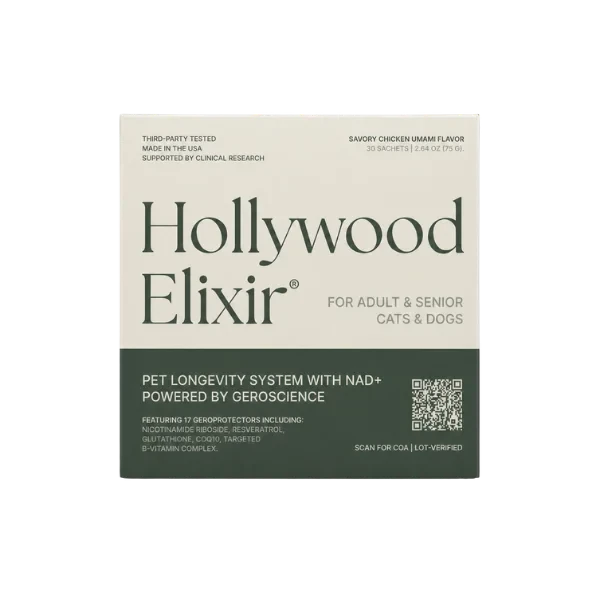
Hollywood Elixir® Senior Cat Supplement

17 science-backed actives

From$50/moSave up to 44%Shop Now
Contents

Choose a ramp or steps for the whole route to a favorite place, including the trip down. A ramp replaces separate rises with an incline and usually needs more floor space; steps divide the climb but still require repeated steps up. The useful choice reaches the destination with a stable approach and enough landing space to turn.

Match the finished height to the furniture, then check both end transitions.

Overall length, sloping surface length and usable width are different measurements.

Preserve an accessible lower resting option while the new route is introduced. 4

Start with the destination and the descent

Name the place the cat wants to reach: a particular sofa cushion, bed edge or familiar window seat. Measure from the floor to the surface where the paws will land. Include the mattress or cushion in that measurement; the furniture frame alone may be lower than the destination.

Next, identify the available approach. A long ramp needs a clear floor route at its bottom, not just a narrow strip into which the ramp body fits. At the top, the cat needs somewhere to step off and turn without meeting a gap, loose blanket or another obstacle.

Consider the return journey explicitly. Going down reverses the order of the transitions and changes what the cat sees from above. A device that can be climbed onto is not automatically a complete two-way route. Feline guidance supports steps or ramps for access to favorite places and prioritizes easy access over height. 3 4

Compare a longer incline with shorter stepped equipment

PetSafe’s CozyUp Bed Ramp 62399 is listed at 70 inches long, 16 inches wide and 25 inches high. The maker gives its wood construction a 120 lb capacity. 1 The 25-inch height and long footprint constrain which furniture and room layouts it can serve; a high load rating does not solve a mismatch at the top.

The regular Pet Gear Easy Step II is listed at 22 inches long, 16 inches wide and 16 inches high. Its individual step specification gives a 6-inch height and tread depths of 11.5 and 12.25 inches. 2 The treads are inclined, so multiplying a single listed step height is not a reliable way to reconstruct the whole climb. Use the complete height and inspect the actual sequence.

The compact stepped unit may fit where a long ramp cannot, but its repeated rises remain physical movements the cat must make. The ramp removes those separate rises while retaining an incline to negotiate. Neither specification establishes a universal safer angle or an ideal step height for all senior cats.

These dimensions are manufacturer-reported and were checked October 25, 2026. We have not measured grip, tested falls or compared cat preferences. Use the examples to rule out a clear fit mismatch, then check the exact assembled model and its instructions.

Tabby cat looking up at a Hollywood Elixir sachet held above it, with the product box on a small table

Check support, surface and transitions as one installation

Assemble and inspect the device with the cat away. Follow its prescribed fittings and supports rather than propping the top on an unstable cushion or improvising a taller base. Check the upper connection and the lower feet together: a steady ramp body can still meet a moving furniture surface.

Pet Gear describes rubber grippers beneath Easy Step II and a removable, machine-washable carpet tread. 2 Those are useful construction and maintenance details, but the installed unit still needs checking on your particular floor. Clean or worn surfaces should be handled under the maker’s directions rather than covered with unsecured fabric.

If the route enters a cat tree, compare cat trees for senior cats as a complete arrangement of platforms and landings. A separate ramp cannot guarantee that the next jump within the tree is reachable. Likewise, litter-box ramps for senior cats have their own doorway attachment and toilet-space requirements; furniture ramps are not universal substitutes.

Measure the route at both ends

Record these measurements before deciding whether a ramp or stepped unit can connect the two surfaces.

Route pointWhat to measure or inspectWhy it changes the choiceRevise the setup when
DestinationFloor to actual resting surfaceProduct height must match the usable landingA final jump or unstable bridge remains
Floor approachSpace for the complete device plus approachA ramp’s body is not the whole space neededA wall or doorway blocks arrival at the bottom
Travel surfaceUsable width and each rise or inclineExterior width may include edges; steps retain repeated risesThe cat’s route is narrower or steeper than expected
Top landingSpace to step off and turnReaching the furniture is only part of arrivalThe landing is crowded, soft or gapped
Way downSame transitions seen in reverseAn upward fit does not settle descentThe lower landing is slippery or obstructed

Route measurements interpreted alongside current PetSafe and Pet Gear specifications and feline access guidance. 1 2 3

Check individual fit and stable installation; neither overall height nor load capacity prescribes an appropriate climbing movement.

Hand gently petting an orange-and-white cat beside a food bowl and Hollywood Elixir box

Offer a route the cat can choose

Place the finished equipment at a familiar destination and allow investigation without forcing the cat onto it or lifting the paws through a demonstration. Keep a comfortable lower resting place available. The aim is access to a chosen place, not completing a training exercise at any cost.

If the cat hesitates at one specific point, examine that transition with the cat away. The problem may be a gap, moving surface, poor landing or an approach that is too confined. Repeated refusal is not a reason to keep increasing the challenge.

A new reluctance to jump, climb or descend may be a sign of pain. Feline senior guidance advises attention to changed routines. 3 Use subtle signs of pain in cats to help describe what changed to your veterinarian. The guide to home modifications for senior cats covers the wider arrangement of resting places and accessible resources.

An accessible route helps a cat keep using a familiar place beside you. For the nutrition part of healthy aging, Hollywood Elixir® brings NAD+ precursors, CoQ10 and antioxidant nutrients together in a powder for adult and senior cats. It mixes into the usual food and discloses the active amounts, so you can review a combined formula alongside existing supplements. Explore the full formula and serving guide when considering that daily mealtime addition. 5

Silver tabby sitting beside a food bowl and a Hollywood Elixir box held in a person's hand

DVM Voice: Clinical Vignette of a Common Pattern in Senior Cat Aging

Case provided by JoAnna Pendergrass, DVM

Sasha, a 12-year-old cat, was brought in after her owner noticed increased thirst and urination, lethargy, vomiting, and a generally unkempt appearance. Examination showed weight loss, elevated blood pressure, and reduced vitality.

Diagnostic testing revealed elevated kidney markers, poorly concentrated urine, and protein loss in the urine — findings consistent with chronic kidney disease, one of the most common chronic conditions in senior cats.

Her care required a kidney-focused diet, blood pressure management, targeted supplementation, medication support, and regular monitoring — a necessary plan, but one started after clinical signs were already visible.

Clinical takeaway: Sasha’s case reflects why senior-cat wellness should begin before obvious decline. Earlier monitoring, body-condition tracking, hydration awareness, antioxidant support, and daily cellular resilience may help support quality of life as cats age.

Single-case vignette. Not generalizable. Veterinary diagnosis and monitoring are essential for increased thirst, urination, vomiting, lethargy, weight loss, or suspected kidney disease.

Explore Hollywood Elixir Research →

Educational content only. This material is not a substitute for veterinary advice. Always consult your veterinarian about your cat’s specific needs. These statements have not been evaluated by the Food and Drug Administration. Products mentioned are not intended to diagnose, treat, cure, or prevent any disease.

Glossary

Tread depth: The front-to-back space on an individual step, separate from the stepped unit’s overall length.

Rubber grippers: Rubber contact pieces beneath the stepped unit, intended to help it stay in position on the floor.

Load capacity: The manufacturer’s stated maximum supported pet weight; it does not describe the entry height or usable walking width.

Related Reading

References

Numbered references identify the sources used for specific claims. Read the study design, species and evidence boundaries alongside each finding.

  1. CozyUp Bed Ramp 62399. PetSafe · Not statedSpecies/context: catEvidence boundary: Current source-reported specifications and instructions; not independent performance testing.↩ 1 · ↩ 2
  2. Easy Step II Pet Stairs, regular width. Pet Gear · Not statedSpecies/context: catEvidence boundary: Current source-reported specifications and instructions; not independent performance testing.↩ 1 · ↩ 2 · ↩ 3 · ↩ 4
  3. Senior Cats Have Special Needs. Feline Veterinary Medical Association · Not statedSpecies/context: catEvidence boundary: First-party feline guidance; care advice, not an experimental equipment comparison.↩ 1 · ↩ 2 · ↩ 3 · ↩ 4 · ↩ 5
  4. Home Environment Modifications. FelineVMA / Cat Friendly Homes · Not statedSpecies/context: catEvidence boundary: First-party feline guidance; care advice, not an experimental equipment comparison.↩ 1 · ↩ 2 · ↩ 3
  5. Hollywood Elixir formula and serving guide. La Petite Labs · Not statedSpecies/context: dog, catEvidence boundary: Current source-reported specifications and instructions; not independent performance testing.↩

FAQ

Are ramps always better than steps for an older cat?

No. Ramps replace separate rises with an incline and often occupy more floor space. Steps are more compact but retain repeated rises. Compare the cat’s ordinary movement and the complete route, including descent, with veterinary input when movement has changed. 3

What ramp angle should I choose?

These sources do not establish one clinical angle for every senior cat. Use a product within its intended configuration, with a clear approach and matched landing. Do not make a fixed ramp steeper or taller through improvised supports.

Can I use the 16-inch Easy Step II beside a much taller bed?

Its published overall height is 16 inches. 2 Any remaining difference to the actual mattress is another climb the cat must make. Measure that gap rather than assuming the final jump is acceptable.

What if my cat ignores the ramp?

Preserve a lower resting option and examine location, stability and transitions. Do not force use. If the cat has newly stopped reaching familiar places, discuss the behavior with the veterinary team rather than treating it only as a product preference. 3 4

Orange-and-white cat beside a Hollywood Elixir box held in a person's hand

Discover LPL-01: How This Fits Into a Larger Feline Longevity System

Aging in cats unfolds quietly. It’s not driven by a single failure, but by gradual shifts across interconnected systems — cellular energy, oxidative balance, immune tone, and tissue integrity — each influencing the others over time.

This article explores one layer of that system. To understand what actually shapes long-term health, you need to step back and look at how these layers interact.

Start with the underlying science:

Keep exploring

What would you like to understand next?

Search practical guides about healthy aging, cellular energy, ingredients, and daily support for cats.