Reishi for Dogs

Learn When Reishi Is Useful, Risky, and How to Dose Carefully

Essential Summary

Why is reishi for dogs important?

Reishi is a traditional mushroom ingredient now common in modern pet wellness. For dogs, it’s best approached as gentle, system-level support—never a shortcut or a replacement for veterinary care. Because canine safety and dosing are not well established, quality, conservative use, and veterinarian guidance matter most.

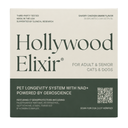
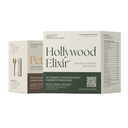
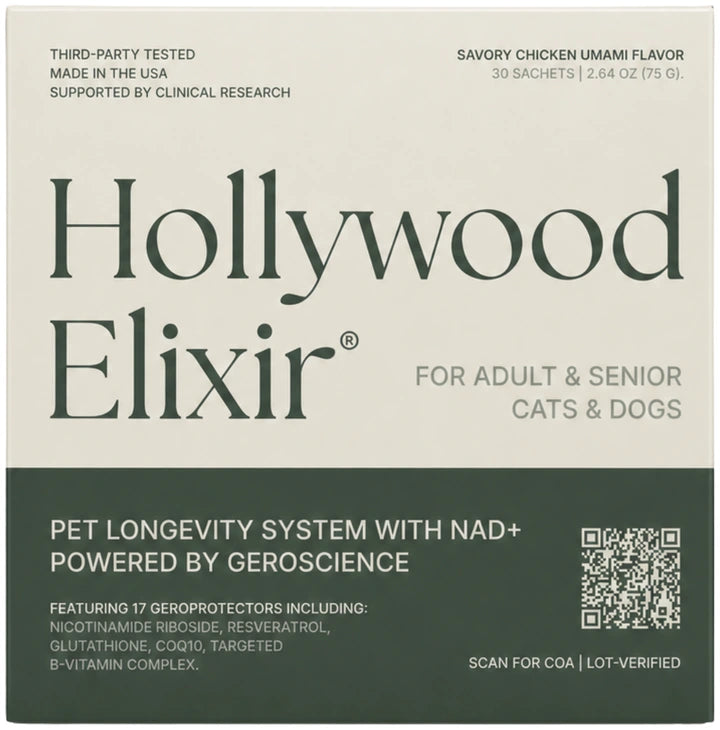
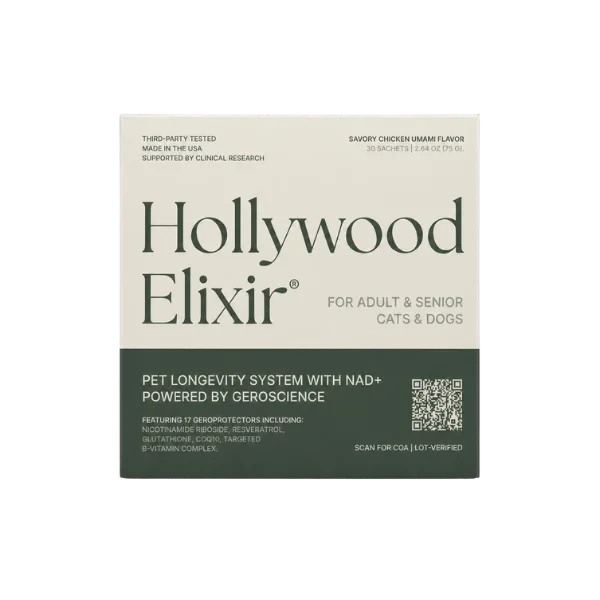
If you like the idea of reishi as part of a broader longevity routine, Hollywood Elixir™ is designed to support whole-body aging and everyday resilience—so you’re not relying on a single ingredient to carry the entire story.

Interest in reishi for dogs tends to arrive quietly. A dog gets older. Seasons change. A once-effortless routine becomes a little more delicate. In that space, reishi mushrooms for dogs can feel like a measured way to support resilience—something traditional, familiar, and gentle enough to fit into daily life. The best reishi for dogs, though, is rarely a matter of hype. It’s a matter of fit: your dog’s health history, the quality of the product, and how carefully you introduce change.

There’s also a tension worth naming. Reishi supplements for dogs are popular, but canine-specific safety and dosing are not well established, which is exactly why a thoughtful owner should move slowly and involve a veterinarian when the situation is medically complex. That honesty doesn’t make supplementation pointless; it clarifies what a responsible choice looks like.

If you’re science-minded, you may also wonder why you’d choose a product at all when a good diet already covers so much. The answer is that aging and stress are not single-nutrient problems. A well-designed formula can support the broader network that shapes energy, recovery, and everyday vitality—without pretending to replace food or veterinary care. That’s the role Hollywood Elixir™ is meant to play: system-level support that still respects the limits of what supplements can promise.

By La Petite Labs Editorial, ~15 min read

Featured Product:

  • Reishi is commonly used in pet supplements as a gentle, long-view wellness ingredient.
  • Owners often choose it for steadiness and resilience rather than dramatic, fast changes.
  • Bioactive compounds in reishi may support immune function, which explains its popularity.
  • Canine safety research is limited, so conservative choices and monitoring are essential.
  • Dosing guidance is not well established; veterinarian input is the safest anchor.
  • The “best” product is usually the one with transparent sourcing, testing, and simple administration.
  • System-level formulas can support aging and vitality beyond any single mushroom ingredient.

Reishi Mushroom Supplements, Considered with Calm, Modern Discernment

Reishi mushrooms for dogs sit in a familiar modern category: traditional ingredients newly repackaged for contemporary longevity concerns. Owners tend to reach for a reishi supplement for dogs when they want calm, steady support rather than a dramatic “fix.” That instinct is reasonable—reishi contains bioactive compounds that may support immune function, which is one reason it appears in many wellness formulas (Tanprasertsuk J, 2022). Still, the leap from tradition to a dog’s bowl deserves restraint, because canine-specific safety and dosing are not well mapped (Tanprasertsuk J, 2022).

A good starting point is to treat reishi as a quality-and-context decision: what form you choose, how your dog’s body tends to react, and what else is already in the routine. The best reishi for dogs is rarely the “strongest” option; it’s the one that fits a dog’s age, sensitivities, and the owner’s appetite for careful monitoring.

Energy production graphic tied to antioxidant protection supported by reishi benefits for dogs.

What Reishi Is, and Why It Shows up in Dog Wellness

Reishi is a type of mushroom (Ganoderma lucidum) used for centuries in human wellness traditions. In pet supplements, it’s typically included as a powdered fruiting body, an extract, or a blend that combines multiple functional mushrooms. The appeal is straightforward: reishi contains compounds that may support immune function, and owners often interpret that as “more resilience” for everyday life.

But it’s important to separate interest from certainty. The safety of reishi in dogs has not been extensively studied, and that gap should shape your choices: conservative products, slow changes, and a willingness to stop if your dog doesn’t seem to tolerate it.

Genetic structure image symbolizing long-term wellness supported by best reishi for dogs.

The Real Reason Owners Consider Reishi in the First Place

Most owners exploring reishi for dogs are motivated by a quiet hope: fewer “bad days,” more steadiness, and a sense that they’re supporting their dog’s long-term comfort. That’s a reasonable emotional goal, but it helps to keep the decision grounded. Supplements are best viewed as supportive context—one part of a larger routine that includes veterinary care, nutrition, movement, and stress reduction.

If you’re comparing reishi supplements for dogs, focus on what you can actually verify: ingredient transparency, testing, and whether the brand communicates responsibly about limitations. A product that promises too much is often the one that has thought too little about the realities of individual dogs.

Molecular ribbon graphic highlighting formulation science reflected in best reishi for dogs.

Forms and Labels: Powder Versus Extract in Everyday Use

The most common forms are whole-mushroom powders and concentrated extracts. Powders tend to be gentler and easier to incorporate into food, while extracts can be more concentrated and may be used in smaller amounts. Neither format is automatically superior; what matters is consistency, tolerance, and whether the label tells you what you’re getting.

If you’re seeking the best reishi supplement for dogs, consider your dog’s sensitivities first. A simple formula with fewer additives is often easier on digestion, and it’s easier to troubleshoot if anything changes. When in doubt, your veterinarian can help you decide which format best fits your dog’s health history.

Dog portrait capturing warmth and companionship supported through reishi for dogs.

Safety First: What We Know, What We Don’t, and Why It Matters

Safety is where responsible enthusiasm shows up. Reishi is widely used in human supplements, but canine-specific safety data is limited, and that should keep owners cautious. If your dog has a complex medical history, is pregnant, or is on medications, bring the label to your veterinarian before starting. “Natural” is not the same as “risk-free,” especially when multiple supplements are combined.

For healthy dogs, the safest approach is to introduce one new product at a time and watch for changes in stool, appetite, itching, or energy. If anything feels concerning, stop and check in with your clinic. A calm, reversible experiment is better than a bold leap.

Hollywood Elixir™ is amazing and makes my 13 y/o young again!

— Jessie

We go on runs. Lately he's been keeping up with no problem!

— Cami

“The best supplement routines feel almost boring: consistent, observable, and easy to stop.”

Dosing Questions Deserve Vet Guidance, Not Internet Certainty

Owners often want a clear dose, but dosing guidelines for reishi in dogs are not well established. That doesn’t mean reishi is automatically unsafe; it means you should avoid improvising based on human products or internet charts. The most sensible path is veterinarian-guided dosing, especially for small dogs, seniors, and dogs with liver or kidney considerations.

If you’re evaluating a reishi supplement for dogs, look for brands that provide conservative serving guidance and encourage veterinary input. A responsible label makes room for individual variability rather than implying one amount fits every dog.

Weimaraner image reflecting strength and companionship supported by reishi supplements for dogs.

Possible Side Effects and the Value of a Simple Ingredient List

Side effects, when they occur, are often digestive: softer stool, gas, or reduced appetite. Some dogs also seem a bit more sleepy when a new calming-leaning supplement is introduced. Because the safety profile in dogs isn’t extensively studied, treat any persistent change as a reason to pause and consult your veterinarian rather than “push through”.

It also helps to consider what else is in the formula. Many products combine multiple botanicals or mushrooms, and reactions can come from any component. A simpler ingredient list can make it easier to identify what your dog tolerates well.

Dog looking ahead, capturing presence and calm energy supported by best reishi for dogs.

Medication and Supplement Interactions: Keep the Whole List Visible

Interactions are a practical concern, especially for dogs taking long-term medications. Even when an ingredient is generally considered gentle, it can still complicate a plan if it overlaps with your dog’s existing regimen. If your dog is on prescriptions or has a chronic condition, ask your veterinarian to review the full supplement stack, not just reishi.

This is also why “more” is rarely better. A single, well-chosen product that fits your dog’s needs is easier to manage than a crowded shelf of overlapping formulas. The best reishi for dogs is the one that plays well with everything else your dog already relies on.

Product breakdown image highlighting 16 actives and benefits supported by reishi supplement for dogs.

Age, Life Stage, and the Long View on Wellness Choices

Age and life stage change the calculus. Puppies and pregnant dogs are generally not the place for casual experimentation, while seniors may be the very dogs whose owners feel most motivated to try supportive options. For older dogs, the goal is often comfort and steadiness—supporting the whole system that shapes energy, appetite, and recovery rather than chasing a single “miracle” ingredient.

If you’re considering reishi mushrooms for dogs in a senior routine, keep the plan simple and monitor closely. Small shifts—hydration, stool quality, willingness to move—often tell you more than any marketing promise.

Why System-level Support Still Matters When Diet Looks Complete

If your dog already eats a complete diet, it’s fair to ask why add anything at all. The most compelling answer is not “because of one compound,” but because aging and stress are system-wide stories. Even when a diet checks the basics, owners may still want broader support for resilience, comfort, and day-to-day steadiness—especially in older dogs whose routines are less forgiving.

This is where product design matters. A thoughtfully built formula can complement a careful diet by supporting the wider network that shapes energy, recovery, and overall vitality—without pretending to replace veterinary care or a balanced food. That “system-level” framing is also why many owners look beyond single-ingredient reishi supplements for dogs and choose blends that feel more complete.

“Best rarely means strongest; it usually means clearest labeling and the fewest surprises.”

Scientific attire image highlighting formulation rigor associated with reishi mushrooms for dogs.

Quality Signals That Separate Serious Products from Pretty Labels

Quality is the quiet differentiator. With reishi powder for dogs, you’re not only buying an ingredient—you’re buying how it was grown, processed, and tested. Look for clear sourcing, batch testing, and a label that tells you what part of the mushroom is used. Vague “proprietary” language can make it hard to compare products, especially when you’re trying to identify the best reishi supplement for dogs for a sensitive stomach.

Also consider practicality: a supplement that is technically “excellent” but impossible to administer consistently won’t deliver a meaningful routine. Palatability, serving format, and the ability to start low and adjust with your veterinarian’s input are often more important than chasing the most complex label.

Shop Now
Ingredient spread with supplement box highlighting formulation depth behind reishi supplements for dogs.

What to Expect over Time, and How to Track Subtle Shifts

Owners often ask when they’ll “see something.” With reishi supplements for dogs, the most realistic expectation is subtlety: steadier appetite, calmer reactivity, or fewer off-days—if it’s a fit. Because dosing guidance is not well established in dogs, it’s wise to treat any change as a data point to discuss with your veterinarian rather than proof of cause and effect (Tanprasertsuk J, 2022).

A practical approach is to change one variable at a time. If you add reishi and also switch food, treats, and exercise, you lose the ability to interpret your dog’s response. Consistency, a simple journal, and a willingness to stop if something feels “off” are the most owner-friendly tools.

Shop Now
Owner showcasing product beside her pet, reflecting care through reishi mushrooms for dogs.

When to Avoid Experiments and Involve Your Veterinarian Early

Some dogs are not good candidates for experimentation. If your dog is on prescription medications, has a history of bleeding issues, is immunocompromised, or is managing a complex diagnosis, you should treat reishi as a veterinarian-led decision. The safety of reishi for canine consumption has not been extensively studied, which is exactly why caution is not “overthinking”.

Even in healthy dogs, the goal is to avoid stacking too many new supplements at once. A clean, minimal routine is easier to evaluate and easier to stop if your dog’s digestion, skin, or energy shifts in an unwelcome direction.

Shop Now

Interpreting Reishi Benefits Without Turning Hope into Certainty

Reishi benefits for dogs are usually discussed in broad wellness language—resilience, immune balance, and coping with everyday stressors. That broadness can be frustrating, but it’s also honest: the ingredient is not a precision tool, and dogs are not small humans. Reishi contains bioactive compounds that may support immune function, which helps explain why it shows up in “whole-dog” formulas.

If you’re choosing reishi, choose it for the long view: supporting a dog’s overall steadiness across seasons and life stages, not for a single symptom. When owners keep expectations realistic, they’re more likely to notice the kinds of small improvements that actually matter in daily life.

Powder, Chew, or Extract: Choosing a Form Your Dog Accepts

Powders, chews, tinctures, and capsules all have tradeoffs. Reishi powder for dogs can be convenient for mixing into wet food, but it can also be easier to overdo if you’re not measuring carefully. Chews are simple, but they add extra ingredients that may not suit every dog. Tinctures can be useful for picky eaters, though alcohol-free formulations are typically preferred for pets.

Whatever form you choose, consistency is the real “delivery system.” A modest, repeatable routine tends to outperform an ambitious plan that falls apart after a week. If you’re unsure, ask your veterinarian which format best fits your dog’s digestion and current diet.

Side-by-side supplement comparison designed around reishi powder for dogs expectations.

Defining Best: Transparency, Restraint, and a Dog-specific Mindset

The phrase “best reishi for dogs” is often used as if there’s one universal winner. In reality, “best” usually means: transparent sourcing, conservative formulation, and a brand that treats pets as a distinct population. Because dosing guidelines for reishi in dogs are not well established, you want a product that makes it easy to start gently and evaluate tolerance with professional input.

You can also look for signals of seriousness: lot numbers, third-party testing, and clear customer support. These details don’t guarantee outcomes, but they reduce the odds of unpleasant surprises—especially for dogs with sensitive stomachs or complicated histories.

Shop Now
Open box with Hollywood Elixir inside, reinforcing reishi supplements for dogs premium cues.

Building a Routine That Leaves Room for the Fundamentals

A thoughtful supplement routine should still leave room for the fundamentals: sleep, movement, dental care, and a diet that agrees with your dog. Reishi supplements for dogs can be part of that picture, but they shouldn’t become the picture. If you’re adding reishi during a stressful season—travel, boarding, a new home—pay extra attention to appetite and stool quality, since stress alone can change both.

If your dog’s baseline is fragile, it’s often better to simplify first and add later. The most sustainable routines are the ones you can keep steady for months, not days.

Shop Now

A Practical Closing View: Curious, Careful, and Consistent

Choosing a reishi supplement for dogs is ultimately a trust decision: trust in sourcing, trust in restraint, and trust in your own ability to observe your dog without projecting a storyline onto normal fluctuations. If you want reishi in the mix, aim for a product philosophy that supports the broader aging and vitality network rather than chasing a single ingredient as a shortcut.

That’s the practical middle path—curious, careful, and realistic. It respects what reishi might offer, acknowledges what we don’t know, and keeps your veterinarian in the loop when it matters most.

“A careful owner doesn’t need certainty—just a plan that respects the dog in front of them.”

Educational content only. This material is not a substitute for veterinary advice. Always consult your veterinarian about your dog’s specific needs. These statements have not been evaluated by the Food and Drug Administration. Products mentioned are not intended to diagnose, treat, cure, or prevent any disease.

Glossary

  • Reishi (Ganoderma lucidum): A mushroom used in traditional wellness practices, commonly included in pet supplements as powder or extract.
  • Fruiting Body: The visible “mushroom” portion; some products specify fruiting body to distinguish from mycelium-based material.
  • Mycelium: The root-like network of a fungus; in supplements, it may be grown on grain and can differ in composition from fruiting body.
  • Extract: A concentrated preparation intended to isolate or increase certain mushroom components compared with whole powder.
  • Bioactive Compounds: Naturally occurring constituents in foods or botanicals that may influence biological functions.
  • Immune Support: A general term describing nutritional or supplemental strategies aimed at supporting normal immune function.
  • Tolerance: How well an individual dog handles a supplement, often judged by digestion, skin comfort, and energy.
  • Supplement Stack: The combined set of supplements a dog receives; stacking increases complexity and potential overlap.
  • Batch Testing: Quality checks performed on a specific production lot to verify identity, purity, and consistency.

Related Reading

References

Mansilla WD. Adult dogs of different breed sizes have similar threonine requirements as determined by the indicator amino acid oxidation technique.. PubMed Central. 2020. https://pmc.ncbi.nlm.nih.gov/articles/PMC7085255/

Tanprasertsuk J. Roles of plant-based ingredients and phytonutrients in canine nutrition and health.. PubMed Central. 2022. https://pmc.ncbi.nlm.nih.gov/articles/PMC9291198/

FAQ

What is reishi, and why is it used for dogs?

Reishi is a traditional mushroom ingredient often included in modern pet wellness products. It’s typically offered as a powder or extract and is chosen for broad, gentle support rather than a targeted, symptom-specific effect.

Because reishi contains bioactive compounds that may support immune function, some owners explore it as part of a long-term routine. For system-level aging support beyond any single ingredient, considerHollywood Elixir™.

Are reishi mushrooms safe for dogs in general?

Many dogs appear to tolerate mushroom-based supplements, but the safety of reishi for canine consumption has not been extensively studied. That uncertainty is a reason to be conservative, not fearful.

If your dog is medically complex, pregnant, or on prescriptions, involve your veterinarian before adding reishi for dogs. For a broader, carefully designed approach to everyday vitality, you can also look at Hollywood Elixir™.

What are the most discussed reishi benefits for dogs?

Owners usually discuss reishi benefits for dogs in broad terms: resilience, steadier wellness, and support during seasonal shifts. It’s not typically chosen as a single-issue solution.

Reishi contains bioactive compounds that may support immune function, which helps explain its popularity in “whole-dog” formulas. If you prefer system-level support that doesn’t rely on one ingredient alone, considerHollywood Elixir™.

How quickly might reishi for dogs show noticeable changes?

If reishi is a fit, changes tend to be subtle rather than dramatic—think steadier appetite, calmer demeanor, or fewer “off” days. Many normal fluctuations can look like supplement effects, so it helps to track observations calmly.

Introduce only one new product at a time so you can interpret what you’re seeing. For a routine built around broader aging support, not quick fixes, consider Hollywood Elixir™.

What side effects can reishi supplements for dogs cause?

When dogs react to new supplements, the most common issues are digestive: gas, softer stool, or reduced appetite. Some dogs may also seem a bit more tired when a calming-leaning product is introduced.

If changes persist, pause and check in with your veterinarian rather than escalating. For a more comprehensive wellness approach that prioritizes overall balance, consider Hollywood Elixir™.

Can reishi for dogs interact with prescription medications?

Potential interactions are a real concern whenever a dog takes long-term prescriptions. Even gentle supplements can complicate a plan when stacked with other products, especially if multiple formulas overlap.

Bring the full supplement list to your veterinarian so they can evaluate the whole picture. If you want a single, system-level option designed for daily use, consider Hollywood Elixir™.

Is there a standard dosage for reishi for dogs?

Not really. Dosing guidelines for reishi in dogs are not well established, which is why it’s best handled as a veterinarian-guided decision rather than a DIY calculation.

Look for products that provide conservative serving guidance and encourage professional input, especially for small dogs and seniors. For a broader daily routine that supports aging systems, consider Hollywood Elixir™.

Should puppies or pregnant dogs take reishi supplements?

These life stages are usually not ideal for casual supplementation. Growth and pregnancy already involve major physiological demands, and adding non-essential products can make it harder to interpret changes in appetite, stool, or energy.

If you’re considering reishi for dogs in these situations, treat it as a veterinarian-led decision. For a more general, adult-focused longevity routine, consider Hollywood Elixir™.

Does dog size change which reishi supplement is appropriate?

Size matters mostly because small dogs have less margin for error and may show digestive changes quickly. Large dogs may tolerate more variety, but they can still be sensitive to additives, sweeteners, or rich chew bases.

Choose a format that’s easy to measure and simple to keep consistent, then adjust with your veterinarian’s input. For system-level support designed to fit many lifestyles, consider Hollywood Elixir™.

Is reishi for dogs the same as reishi for cats?

They shouldn’t be treated as interchangeable. Cats and dogs differ in metabolism and tolerance, and products formulated for one species may not be appropriate for the other—even if the headline ingredient looks identical.

If you have both pets, ask your veterinarian before sharing supplements across species. For dog-focused, system-level aging support, consider Hollywood Elixir™.

What should I look for in the best reishi for dogs?

Prioritize transparency: clear sourcing, batch testing, and a label that specifies what part of the mushroom is used. A simpler ingredient list can be easier for sensitive dogs and easier for you to evaluate over time.

Also consider whether the brand communicates responsibly about limitations rather than promising outcomes. If you want a broader, system-level option that complements careful nutrition, consider Hollywood Elixir™.

Is reishi powder for dogs better than chews or capsules?

“Better” depends on your dog. Powders mix easily into food but require careful measuring. Chews are convenient but may include extra ingredients that don’t suit every dog. Capsules can be clean and simple, but some dogs resist them.

Choose the format you can administer consistently and evaluate calmly. For a daily routine built around broader vitality support, consider Hollywood Elixir™.

Can I give reishi for dogs every day long term?

Daily use is common in wellness routines, but long-term plans should be individualized. The safest approach is to introduce slowly, keep the rest of the routine stable, and reassess periodically—especially if your dog’s health status changes.

If you’re combining multiple supplements, simplify to avoid overlap and confusion. For a system-level daily option designed with longevity in mind, consider Hollywood Elixir™.

When should I call my vet about reishi supplements?

Call if you notice persistent vomiting, diarrhea, marked lethargy, appetite loss, hives, or any sudden change that worries you. Also check in before starting if your dog is on prescriptions or managing a chronic condition.

Because canine safety data is limited, it’s reasonable to be cautious rather than experimental. For a broader wellness approach that still respects veterinary oversight, considerHollywood Elixir™.

Does reishi for dogs replace a balanced diet or probiotics?

No. A balanced diet remains the foundation, and probiotics (when appropriate) are a separate category with different goals. Reishi is best viewed as optional, supportive context—not a substitute for nutrition, dental care, or veterinary treatment.

If you’re already feeding well, the value of supplementation is often in supporting the broader aging and resilience “network,” not filling a single gap. For that kind of system-level support, consider Hollywood Elixir™.

How do I choose the best reishi supplement for dogs?

Start with credibility: transparent labeling, quality testing, and conservative claims. Avoid products that feel engineered to impress rather than to be used safely and consistently.

Then match the product to your dog’s reality—picky eater, sensitive stomach, or complex medical history. If you want a broader formula that supports aging systems beyond a single mushroom, consider Hollywood Elixir™.

Can reishi supplements for dogs be combined with other mushrooms?

They often are, but stacking ingredients increases complexity. Blends can be convenient, yet they also make it harder to identify what your dog tolerates if digestion or skin changes.

If you combine products, do it slowly and keep the rest of the routine stable. For a single, cohesive option designed as system-level support, consider Hollywood Elixir™.

Is reishi for dogs appropriate for seniors with changing energy?

Senior dogs are often the reason owners explore supplements, but they’re also the dogs who benefit most from a cautious plan. Start with the basics—pain assessment, dental health, diet fit—then add supplements only if the foundation is stable.

If you add reishi, monitor appetite, stool, and willingness to move, and reassess with your veterinarian. For broader aging support that doesn’t hinge on one ingredient, consider Hollywood Elixir™.

What does research say about reishi mushrooms for dogs?

Interest is largely based on reishi’s bioactive compounds and its long history of use in human traditions. In dogs, direct safety and dosing research is limited, which is why responsible brands and veterinarians emphasize caution.

A sensible takeaway is to keep expectations modest and focus on quality and monitoring. For a system-level longevity approach that stays conservative in tone, consider Hollywood Elixir™.

How can I decide if reishi for dogs is worth it?

Ask three quiet questions: Is my dog stable enough to evaluate a new variable? Can I commit to a consistent routine for several weeks? Do I have a clear reason for adding it—resilience, aging support, or seasonal steadiness—rather than chasing a promise?

If the answers are yes, choose a transparent product and keep your veterinarian in the loop. For broader system support that fits a careful mindset, consider Hollywood Elixir™.

5K+ Happy Pet Parents

Excellent 4.8

Reishi for Dogs | Why Thousands of Pup Parents Trust Hollywood Elixir™

"He seems more happy overall. I've also noticed he has more energy which makes our walks and playtime so much more fun."

Olga & Jordan

"He's got way more energy now! We go on runs pretty often; he use to get tired halfway through, but lately, he's been keeping up without any problem."

Cami & Clifford

"I want her to live forever. She hasn't had an ear infection since!"

Madison & Azula

"It helps with her calmness, her immune system. I really like the clean ingredients. Highly recommend La Petite Labs!"

Maple & Cassidy

"He seems more happy overall. I've also noticed he has more energy which makes our walks and playtime so much more fun."

Olga & Jordan

"He's got way more energy now! We go on runs pretty often; he use to get tired halfway through, but lately, he's been keeping up without any problem."

Cami & Clifford

"I want her to live forever. She hasn't had an ear infection since!"

Madison & Azula

"It helps with her calmness, her immune system. I really like the clean ingredients. Highly recommend La Petite Labs!"

Maple & Cassidy

"He seems more happy overall. I've also noticed he has more energy which makes our walks and playtime so much more fun."

Olga & Jordan

"He's got way more energy now! We go on runs pretty often; he use to get tired halfway through, but lately, he's been keeping up without any problem."

Cami & Clifford

"I want her to live forever. She hasn't had an ear infection since!"

Madison & Azula

"It helps with her calmness, her immune system. I really like the clean ingredients. Highly recommend La Petite Labs!"

Maple & Cassidy

"He seems more happy overall. I've also noticed he has more energy which makes our walks and playtime so much more fun."

Olga & Jordan

"He's got way more energy now! We go on runs pretty often; he use to get tired halfway through, but lately, he's been keeping up without any problem."

Cami & Clifford

"I want her to live forever. She hasn't had an ear infection since!"

Madison & Azula

"It helps with her calmness, her immune system. I really like the clean ingredients. Highly recommend La Petite Labs!"

Maple & Cassidy

SHOP NOW