
The Missing Link Feline Supplement: What Cat-specific Skin Support Needs Beyond Omega Blends

Compare Cat-specific Skin, Gut, Joint, and Immune Support for Itch and Shedding

Essential Summary

Why is missing link feline supplementation important?

Missing link feline supplement discussions matter because cats often need more than an omega blend: barrier biology, grooming exposure, and diet mineral balance can change what owners see in the coat. Choosing one simple product, storing it well, and tracking outcome cues helps separate mild dryness from problems that need a veterinary workup.

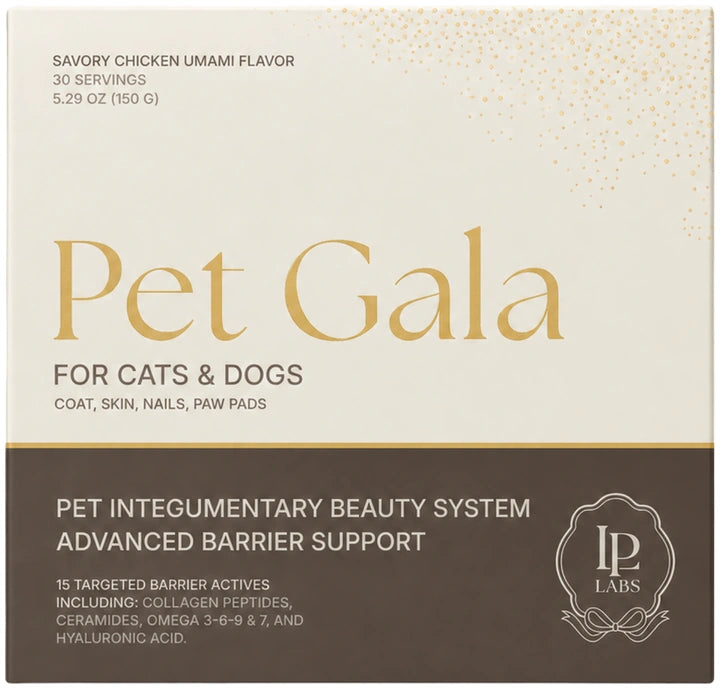
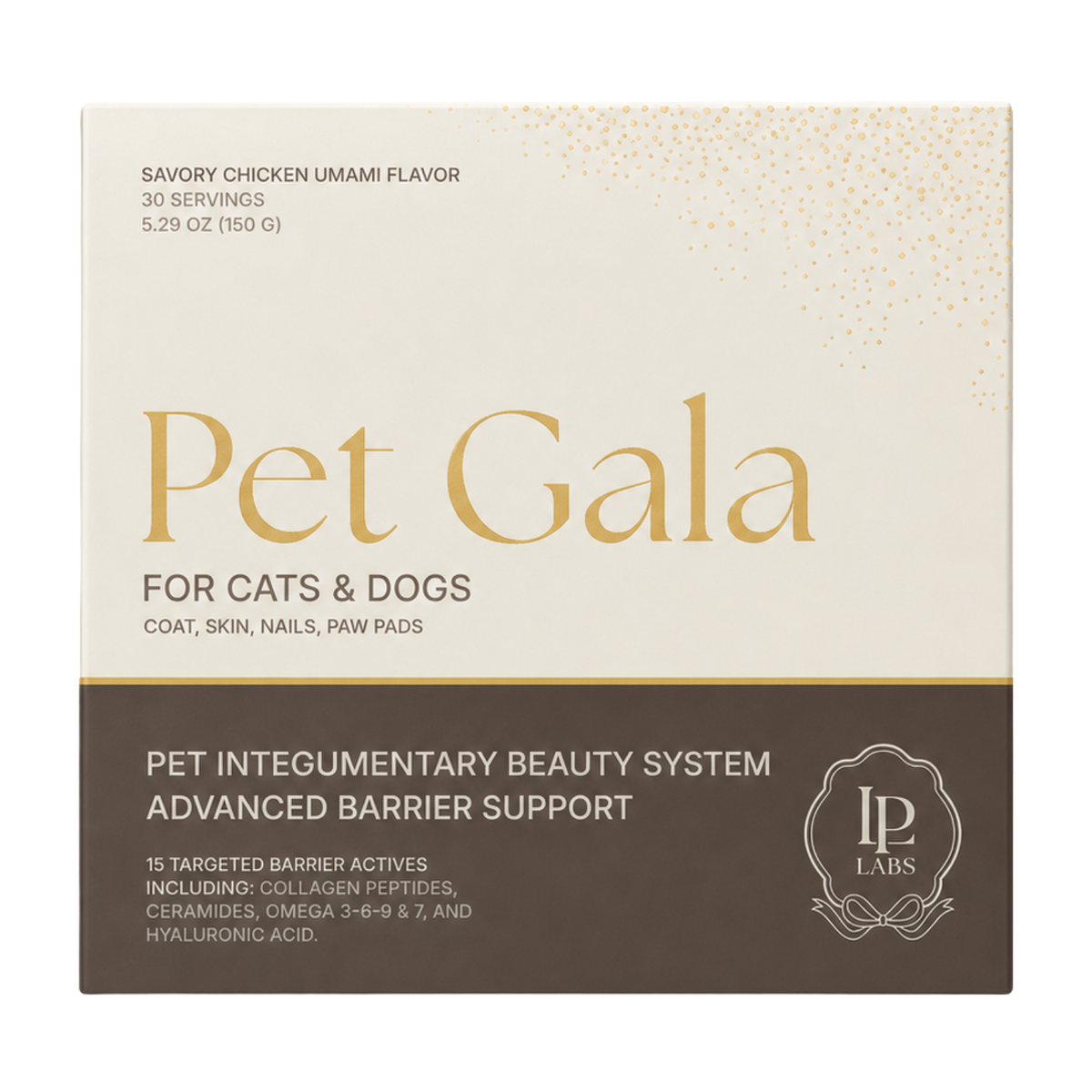
Pet Gala™ is designed to support normal feline skin and coat function as part of a balanced routine.

Flakes on the bedding and a dull coat can make it feel like a cat’s skin is “dry,” but cats often need more than an omega blend to look and feel normal again. Omega-3 and omega-6 fats can support coat oils, yet feline skin barrier biology, constant grooming exposure, and obligate carnivore nutrition change what works in real homes. That is why a missing link cats review can sound convincing while a different cat sees only mild change: the underlying cause may not be “not enough oil.”

For many cats, the most helpful first step is not switching products—it is clarifying the pattern. Is the cat itchy or just flaky? Are there scabs, hair loss, or ear debris? Is flea prevention truly consistent? Once those basics are clear, the missing link feline supplement ingredients can be evaluated for what they are: an omega-forward support option that may fit mild coat concerns, but may fall short when the barrier is being pushed by parasites, allergy triggers, or infection.

This page focuses on two practical clinical areas: mild coat dryness versus inflammatory skin disease that needs diagnosis. It also shows how to track outcome cues, avoid common mistakes (like stacking multiple oils), and prepare for a vet visit. For deeper background, related reading on feline-skin-health, omega-3-for-cats, and allergy-chews-for-cats can help connect the dots into one coherent plan.

By La Petite Labs Editorial, ~15 min read

Featured Product:

  • A missing link cats review is most useful when it’s read through feline biology: omega blends can support coat feel, but cats may need additional barrier-focused support beyond fats.
  • The missing link feline supplement ingredients are typically omega-forward; ingredient source, oxidation protection, and simplicity often matter more than long “kitchen sink” lists.
  • Cats can have less overhead for converting certain fatty acids, so results vary even with perfect dosing and consistency.
  • What owners notice first is usually coat texture and flakes; true itch, scabs, or hair loss should trigger a veterinary exam rather than a longer supplement experiment.
  • Avoid stacking multiple fortified products; commercial cat foods already vary in mineral content, so totals can drift when supplements are added (Bilgiç, 2025).
  • Palatability is a cat-specific constraint—if appetite drops, stop the new addition and protect food intake first.
  • When comparing missing link vs pet gala cats, match the product to the problem: mild dryness may suit general omega support, while chronic dermatitis needs diagnosis plus supportive nutrition.

What’s Inside the Missing Link Feline Formula

When owners read a missing link cats review, the first question is usually, “What is actually in it?” The missing link feline supplement ingredients are typically built around omega-3 and omega-6 fats plus fiber and a small set of supportive nutrients. That structure makes sense for coat shine and general skin comfort, but it also means the formula’s “center of gravity” is still an omega blend. For cats, the details matter: ingredient sources, oxidation protection, and how much of the mix is fat versus non-fat carriers all affect what the body can use.

At home, the label can be read like a checklist: identify the omega source (fish oil, flax, or mixed), look for an antioxidant such as vitamin E, and note any added minerals or kelp-like ingredients that could shift iodine intake. Because commercial cat foods already vary in mineral content, stacking a supplement on top can unintentionally push totals higher or lower than expected (Bilgiç, 2025). A simple routine is to photograph the label and bring it to the next vet visit so the whole diet can be assessed together.

Clinical coat image highlighting vet-informed standards aligned with cat skin coat supplement.

What “Cat-specific” Should Mean on a Label

A feline-labeled product is a good start, but “cat-specific” is more than a smaller scoop. Cats are obligate carnivores with distinct nutrient handling, and their skin and coat demands are tightly tied to protein quality, essential fatty acids, and micronutrient balance. A cat skin coat supplement that leans heavily on plant-based omega sources may not match feline biology as neatly as owners assume. That is why comparisons like missing link vs pet gala cats often come down to design choices: what the formula prioritizes beyond fats.

Owners can sanity-check “cat-specific” claims by asking three household questions: does the product fit a cat’s small daily intake, does it avoid strong odors that trigger food refusal, and does it list clear quality controls (lot number, best-by date, storage guidance)? If the supplement smells sharply “fishy” or looks clumpy, oxidation may be part of the story, and that can change both palatability and usefulness. Storing tightly sealed in a cool, dark place is not fussy—it is practical.

Supplement framed by ingredients showing formulation care aligned with missing link feline supplement ingredients.

How Cats Handle Omega Fats Differently

Cats use dietary fats differently than dogs, and that difference shows up in real-world results. Many omega blends rely on the body converting shorter-chain fats into the longer-chain forms that skin cells use most directly. Cats can have less “overhead” for that conversion, especially if the rest of the diet is marginal in key nutrients that support normal skin renewal rate. This is one reason an omega-forward product can help one cat and seem underwhelming for another, even when owners follow directions carefully.

In the kitchen, this looks like a pattern: the cat’s coat may look glossier, yet dandruff or “static-y” fur persists, or the belly stays thin-coated. That does not automatically mean the supplement “failed.” It can mean the cat needs a more balanced plan—diet review, parasite control, and barrier-friendly grooming—rather than simply adding more oil. Keeping notes on what changed first (shine, flakes, itch, hairballs) helps the vet interpret the response.

Home setting with cat and supplement, showing beauty support from missing link feline supplement ingredients.

What Owners Typically Notice First at Home

Owners usually try a skin supplement because something is visible: flakes on a dark blanket, a dull “open” coat, or extra grooming that sounds like sandpaper. With omega products, the earliest shifts are often in coat feel and static, not dramatic changes in itch. That timeline matters when reading a missing link cats review, because many reviews mix short trials with long-standing skin problems that need medical workups. Supplements can support normal skin function, but they do not replace diagnosis.

What to document for the vet: (1) where flakes collect (back, rump, tail base), (2) grooming intensity by time of day, (3) hairball frequency, (4) any scabs or “peppery” debris in the coat, and (5) whether the cat avoids being touched on the back. These cues help separate dry-skin patterns from flea allergy patterns and from pain-related overgrooming. A weekly photo in the same lighting can show change that memory misses.

Comparison graphic of Pet Gala versus competitors, aligned with missing link feline supplement ingredients.

Cat Skin Barrier Biology, Not “Dogs but Smaller”

Cat skin barrier biology is not just “dog skin, smaller.” The outer skin layers hold fats and proteins in a tight arrangement that limits water loss and blocks irritants, and cats add a unique twist: constant grooming spreads saliva, debris, and any topical residues across the coat. That means a cat’s barrier is challenged both from the outside (environment) and from the inside (diet and inflammation). A best feline skin supplement is the one that fits this reality, not the one with the biggest omega number.

At home, barrier strain often looks like “coat break” along the spine, persistent dandruff despite brushing, or tiny scabs that come and go. Owners sometimes respond by bathing more, but frequent baths can strip surface oils and make the coat feel less balanced. A gentler approach is to brush regularly, wipe with a damp cloth after dusty windowsill naps, and focus on humidity and parasite control while the diet plan is being refined.

The scratching is completely gone, his coat looks healthy and shiny!

— Lena

He was struggling with itching, now he's glowing.

— Grace

“Coat shine can change while the real skin trigger stays active.”

Where General Omega Blends Reach Their Limits

General omega blends reach their limits when the cat’s main problem is not “not enough oil,” but an irritated barrier with ongoing triggers. Fleas, food reactions, environmental allergies, and secondary yeast or bacterial overgrowth can all keep the skin in a reactive state. In that setting, adding more fat may change coat sheen without changing the underlying cycle. This is the key misconception: more omega is not the same as deeper skin support for cats.

What not to do: (1) keep switching supplements every 10–14 days, (2) add multiple fish oils at once, (3) stop flea control because “the coat looks better,” and (4) assume dandruff means “dry skin” without checking for flea dirt. Systemic flea products work through absorption and exposure in the body, not just on the surface, which is why consistent dosing matters for cats with flea-triggered skin signs (Little, 2017). If itch is present, the vet visit should not wait on a supplement trial.

Pet Gala in tidy unboxing shot, reflecting refinement in missing link cats review.

Feline Barrier Support Needs Beyond Oils

Feline-specific skin barrier needs often include more than fatty acids: adequate high-quality protein for hair growth, targeted antioxidants to protect fragile oils from oxidation, and careful micronutrient balance so the skin’s renewal rate stays normal. Cats also tend to do better with formulas that avoid unnecessary fillers that can upset the stomach, because vomiting or loose stool can derail any skin plan. This is where “beyond omega blends” becomes practical: it is about supporting the whole barrier-building process, not just adding shine.

Owner checklist for barrier support at home: (1) check the tail base and back for black specks that smear red-brown (flea dirt), (2) feel for greasy versus powdery flakes, (3) note if the cat overgrooms the belly or inner thighs, (4) watch for ear debris or head shaking, and (5) track stool quality after any diet change. These observations help decide whether the next step is diet adjustment, parasite control, or a vet exam for infection.

Cat with glossy coat mid-movement, capturing beauty and vitality supported by missing link cats review.

Quality and Safety for Obligate Carnivores

Quality and safety matter more in cats because small bodies have less room for “extra” nutrients. Some supplements include minerals or sea-derived ingredients; those can be fine, but they should be considered alongside the cat’s complete diet. Commercial cat foods can vary widely in mineral content, which is why adding another source can shift totals in unpredictable ways (Bilgiç, 2025). This is not a reason to fear supplements—it is a reason to choose transparent products and avoid stacking similar items.

Practical safety steps: keep a single supplement on board for a full trial window, avoid combining with multiple fortified treats, and store oils properly to prevent rancid smells. If vomiting starts after adding a supplement, stop it and call the clinic, especially if the cat is older or has kidney disease. Bring the full diet list (food brand, treats, toppers, supplements) so the vet can spot overlaps that are easy to miss at home.

Clinical uniform visual emphasizing scientific integrity behind missing link feline supplement ingredients.

Palatability: the Cat-specific Make-or-break Factor

Palatability is a cat-specific hurdle that shapes whether any skin plan works. Cats can reject a food bowl for subtle reasons: a new odor, a powdery texture, or oil that coats the tongue. Even a well-designed cat skin coat supplement fails if the cat eats less overall, because reduced calorie intake can quickly affect coat quality and grooming behavior. This is why “best” is often the product the cat will reliably accept without food battles.

Case vignette: A 7-year-old indoor cat develops flakes and a dull coat each winter, and the owner mixes an omega powder into wet food. The cat starts walking away mid-meal, then vomits clear foam in the morning, and the owner assumes the supplement is “detoxing.” In reality, the cat is eating less and the stomach is emptying differently. A better approach is to introduce tiny amounts, mix thoroughly, and stop immediately if appetite drops.

When General Omega Support Is a Good Fit

General feline omega supplementation can be a reasonable fit for cats with mild seasonal dryness, slightly dull coats, or increased shedding during stress—especially when the cat is otherwise healthy and parasite control is consistent. In these cases, owners often notice a gentler coat feel and less “snow” on bedding over several weeks. This is the lane where many missing link cats review experiences land: mild, visible coat concerns rather than medically complex dermatitis.

What to track over time: (1) flake amount on a black cloth after brushing, (2) grooming minutes per day, (3) hairball frequency, (4) stool firmness, (5) appetite consistency, and (6) whether the coat feels oily or dry at the base of the tail. These outcome cues help decide whether to continue, adjust the approach, or pivot to a vet exam. Tracking prevents “guessing” based on one good day.

“In cats, acceptance and appetite are part of skin care.”

Pet Gala beside curated ingredients, showing formulation depth for cat skin coat supplement.

When Cats Need Deeper Skin Barrier Help

Some cats need deeper barrier support because the problem is driven by inflammation, infection, or allergy—not just coat dryness. Red flags include scabs, hair loss in patterns (belly, inner legs), recurrent ear debris, or itch that interrupts sleep. In these cases, supplement comparisons like missing link vs pet gala cats matter less than getting the diagnosis right. A supplement can be part of a plan, but it should not delay testing for fleas, mites, ringworm, or secondary infection.

Vet visit prep: bring (1) photos of the worst days, (2) a list of all flea products used and dates, (3) the exact supplement label, and (4) notes on where the cat overgrooms. Ask the clinic: “Could this be flea allergy even if no fleas are seen?”, “Do ears and skin suggest yeast or bacteria?”, and “Should diet trial or allergy workup come first?” Clear questions shorten the path to relief.

Shop Now
Home scene with cat and supplement, showing beauty care supported by best feline skin supplement.

How Cat-specific Supplement Design Is Different

Cat-specific supplement design is partly about what is included and partly about what is avoided. Cats are sensitive to strong flavors, and they do not benefit from “kitchen sink” blends that add many botanicals without a clear purpose. A thoughtful design prioritizes stability of fats, clear dosing guidance, and compatibility with a complete-and-balanced diet. When owners compare missing link feline supplement ingredients to other options, the most meaningful questions are about quality controls and the role of each nutrient, not marketing language.

A practical decision framework: start by confirming the cat’s base diet is complete and consistent, then choose one supplement with a simple ingredient list, then track outcome cues for 6–8 weeks. If the cat has vomiting, food refusal, or worsening itch, stop and call the vet. This approach keeps the plan less uneven and makes it easier to tell what is helping. It also prevents the common trap of changing three variables at once.

Shop Now
Comparison graphic illustrating broader beauty support profile within cat skin coat supplement.

Avoiding Common Owner Mistakes with Skin Supplements

“Natural” does not automatically mean “safe for daily feline use.” Cats groom constantly, so anything sprinkled on food becomes a repeated exposure, and small changes can matter. Some owners also add multiple “skin helpers” at once—fish oil, a multivitamin, and a topper—then cannot tell what caused vomiting or itch. The goal is not maximal supplementation; it is a more balanced plan that supports normal skin function without crowding out the cat’s regular nutrition.

What not to do: (1) add essential oils to the coat for “dry skin,” (2) use human omega capsules without veterinary guidance, and (3) keep a rancid-smelling product because it was expensive. If a supplement smells like old paint or strong fish, the fats may be oxidized, and many cats will refuse it. A clean bowl, fresh water, and consistent meals often do more for coat quality than a complicated stack.

Shop Now

How to Read Evidence Without Overtrusting Reviews

When skin support is discussed online, evidence quality is often unclear. A reliable summary should describe how information was gathered and what was excluded, because that reduces cherry-picking (Moher, 2009). For feline skin supplements, the reality is that cat-specific research is thinner than owners expect, so decisions lean on basic biology, diet quality, and careful observation. That does not make supplements useless; it makes tracking and veterinary partnership more important.

At home, this means treating reviews as anecdotes, not guarantees. A missing link cats review might reflect a cat with mild dryness, while another review might describe a cat with undiagnosed flea allergy or ringworm. The same product can look “amazing” or “pointless” depending on the underlying cause. Owners get better results by pairing any supplement trial with flea prevention, a stable diet, and a plan to recheck if itch or hair loss continues.

Secondary Causes: Stress and Pain That Mimic Skin Disease

Secondary context matters, but it should not distract from the main skin question. Stress, arthritis pain, and household changes can drive overgrooming that looks like “skin disease,” even when the skin itself is not the primary problem. Cats may lick the belly or inner legs to self-soothe or to avoid being handled where they hurt. In those cases, omega supplements may change coat feel while the behavior continues, because the driver is not the barrier.

A household clue is timing: if grooming spikes after loud events, new pets, or schedule changes, behavior may be part of the picture. Another clue is sensitivity when picked up or when the back is stroked. Document when grooming happens and what was going on right before it. This helps the vet decide whether to focus on dermatology, pain screening, or both—without guessing.

Open gift-style box revealing Pet Gala, aligned with best feline skin supplement positioning.

A Practical Lens for Missing Link Vs Pet Gala Cats

Owners sometimes compare missing link vs pet gala cats as if one must be “the answer.” A more useful lens is to match the tool to the problem: omega-forward blends can support normal coat oils, while barrier-focused designs may prioritize additional building blocks and stability features. Neither approach replaces flea control, infection treatment, or an elimination diet when those are needed. The most cat-specific move is choosing a plan that keeps appetite steady and avoids creating a food aversion.

If a cat refuses food after a supplement is added, the priority is to protect intake. Remove the new addition, return to the previous diet, and reintroduce only if the cat is eating normally again. Cats can form strong negative associations with a bowl, and that can create a longer problem than the original dandruff. A slow, measured trial is safer than forcing “just one more bite.”

Shop Now
Ingredient explainer image showing no fillers approach aligned with missing link vs Pet Gala cats.

Building a More Balanced Skin Plan for Cats

A cat’s skin story is often a whole-body story: diet consistency, parasite prevention, and the right supplement choice working together. The best feline skin supplement is the one that fits the cat’s diagnosis, is tolerated by the stomach, and is easy to give daily. If the cat has true itch, scabs, or hair loss, the supplement should be framed as supportive care while the cause is identified. That mindset prevents disappointment and keeps the plan realistic.

A simple “next-step” home plan: keep flea prevention current, brush and inspect the coat weekly, run a humidifier during dry months, and keep a single supplement trial long enough to judge it. If there is no change in flakes or grooming after 6–8 weeks, or if signs worsen, schedule a dermatology-focused exam. Bringing photos and the tracking notes makes that appointment far more productive.

Shop Now

Putting It Together: Beyond Omega Blends, Cat-first

Putting it all together: omega blends are one piece of feline skin support, not the whole picture. Cats have unique grooming exposure, nutrient priorities as obligate carnivores, and a narrow margin for “extra” minerals or poorly stored fats. Reading the missing link feline supplement ingredients with those realities in mind helps owners choose wisely and avoid stacking products that make the plan less balanced. The goal is a calmer barrier and a coat that looks normal for that individual cat.

If the cat’s signs are mild, a careful supplement trial plus good flea control and diet consistency is reasonable. If there is itch, scabbing, ear trouble, or patchy hair loss, the best next step is veterinary diagnosis first, then supportive nutrition alongside treatment. Owners who track outcome cues and bring labels to the clinic usually get answers faster. That is what makes “cat-specific” support truly cat-specific.

“One simple trial teaches more than three products at once.”

Educational content only. This material is not a substitute for veterinary advice. Always consult your veterinarian about your dog’s specific needs. These statements have not been evaluated by the Food and Drug Administration. Products mentioned are not intended to diagnose, treat, cure, or prevent any disease.

Glossary

  • Skin barrier - The outer layers of skin that limit water loss and block irritants.
  • Essential fatty acids - Dietary fats the body cannot make in adequate amounts and must obtain from food.
  • Omega-3 fatty acids - A family of fats often used to support normal skin comfort and coat quality.
  • Omega-6 fatty acids - A family of fats involved in normal skin structure and coat oils.
  • Oxidation (rancidity) - Chemical breakdown of fats that can create strong odors and reduce product freshness.
  • Antioxidant (in supplements) - A nutrient such as vitamin E added to help protect fats from oxidation.
  • Obligate carnivore - An animal, like a cat, that depends on animal-based nutrients for normal health.
  • Overgrooming - Excess licking or chewing of the coat that can be driven by itch, stress, or pain.
  • Flea dirt - Black specks in the coat that smear red-brown when wet, suggesting flea exposure.
  • Renewal rate - How quickly skin cells and hair are replaced as part of normal maintenance.

Related Reading

References

Moher. Preferred reporting items for systematic reviews and meta-analyses: the PRISMA statement.. Springer. 2009. https://link.springer.com/article/10.1186/s12917-015-0594-3

Little. Lotilaner - a novel systemic tick and flea control product for dogs.. Springer. 2017. https://link.springer.com/article/10.1186/s13071-018-2966-6

Bilgiç. Investigation of Trace and Macro Element Contents in Commercial Cat Foods.. PubMed Central. 2025. https://pmc.ncbi.nlm.nih.gov/articles/PMC11633335/

FAQ

What is a cat skin coat supplement meant to do?

A cat skin coat supplement is meant to support normal skin barrier function and coat quality, usually by providing essential fatty acids and selected nutrients. It is best viewed as supportive care for mild dryness or dull coat, not a stand-alone fix for itch, scabs, or hair loss.

If the main sign is persistent itching, ear debris, or patchy thinning, the next step is a veterinary exam to look for fleas, mites, infection, or allergy triggers.

What do most owners mean by missing link cats review?

Most owners using the phrase “missing link cats review” are asking whether a feline omega-style supplement changes visible coat issues like dandruff, shedding, or dullness. Reviews often reflect mild, seasonal problems where supportive nutrition can be noticeable.

Reviews are less reliable for chronic dermatitis, because two cats can look similar at home while having very different causes (flea allergy, infection, ringworm, or pain-related overgrooming).

Which missing link feline supplement ingredients matter most for cats?

For cats, the most important parts of the missing link feline supplement ingredients list are the omega source, the presence of an antioxidant to protect fats from oxidation, and overall simplicity. Cats can be sensitive to strong flavors and to formulas that add many extras without a clear role.

Also look for clear storage guidance and a lot number or best-by date, since rancid oils can reduce acceptance and upset the stomach.

How long does it take to see coat changes?

Coat feel and static often shift first, sometimes within a few weeks, while flaking and shedding patterns may take longer. Skin and hair follow growth cycles, so a fair trial is usually measured in weeks, not days.

If itch, scabs, or hair loss are present, do not wait out a long supplement trial—those signs often need diagnosis and targeted treatment.

Can omega blends help with itching in cats?

Omega blends may help support normal skin comfort in some cats, but itching has many causes that supplements cannot address on their own. Flea allergy, mites, infection, and environmental allergies can all create itch even when the coat looks shiny.

If a cat is waking up to scratch, chewing the belly, or developing scabs, a veterinary exam is the safest next step.

Why do cats sometimes respond differently than dogs to omegas?

Cats are obligate carnivores and can have less overhead for converting certain dietary fats into the longer-chain forms skin cells use most directly. That means the same “omega blend” concept can look more predictable in one species than another.

This is why product choice, diet quality, and consistent tracking often matter more than chasing the highest omega number.

Is it safe to combine multiple skin supplements together?

Combining multiple skin supplements is a common reason cats develop vomiting, loose stool, or food refusal, and it makes results hard to interpret. It can also stack minerals or fat-soluble nutrients on top of a complete diet.

Because commercial cat foods can vary in mineral content, adding extra sources can shift totals in ways owners cannot see from the bowl. A single, simple trial is usually safer.

What side effects should owners watch for with omega products?

The most common issues are stomach upset (vomiting, softer stool), food refusal, and a strong odor that makes the cat avoid the bowl. Some cats also develop greasy coat feel if the overall fat load does not suit them.

If appetite drops, stop the new supplement and return to the previous diet. Protecting calorie intake is especially important for older cats.

Can a supplement replace flea control for skin problems?

No. Flea-triggered skin signs can persist even when fleas are rarely seen, and supplements do not stop flea bites. Consistent flea prevention is often the foundation for any skin plan.

Many flea products work systemically through absorption and exposure in the body, which is why missed doses can allow skin signs to flare again(Little, 2017).

What’s the biggest misconception about omega blends for cats?

The biggest misconception is that more omega automatically equals deeper skin support. Omegas can support normal coat oils, but they do not diagnose or remove triggers like fleas, mites, infection, or allergy drivers.

If a cat has scabs, ear debris, or patchy hair loss, the most effective next step is a veterinary exam, not a higher dose or a second omega product.

How should owners introduce a new supplement to picky cats?

Introduce it slowly and protect the cat’s trust in the bowl. Start with a tiny amount mixed thoroughly into a familiar wet food, and only increase if the cat finishes meals normally for several days.

If the cat hesitates, walks away, or eats less overall, remove the new addition. Food aversion can become a bigger problem than the original flakes.

What should be tracked during a supplement trial?

Track outcome cues that can be seen at home: flake amount after brushing, grooming time, hairball frequency, stool quality, appetite consistency, and whether the coat feels oily or dry at the tail base.

Weekly photos in the same lighting help. This record is also useful if the plan needs to shift to a veterinary workup.

When should a cat see the vet instead of trying supplements?

A vet visit is the better first step if there is intense itch, scabs, open sores, patchy hair loss, ear inflammation, or a sudden change in grooming behavior. These signs can point to parasites, infection, ringworm, allergy, or pain.

Also call promptly if a new supplement triggers vomiting, refusal to eat, or lethargy.

Do kittens, seniors, or pregnant cats need different caution?

Yes. Kittens and pregnant or nursing cats have tight nutritional requirements, and seniors may have medical conditions that change what is appropriate. Even “simple” supplements can shift the overall nutrient picture when intake is small.

For these life stages, it is safest to choose products with clear labeling and to confirm the plan with the veterinarian who knows the cat’s full diet and history.

How do owners judge quality in a feline supplement?

Quality signals include a lot number, best-by date, clear storage instructions, and a straightforward ingredient list with a clear purpose for each component. For oils, freshness matters because oxidized fats can smell strong and be less acceptable.

Avoid products that arrive clumped, smell sharply rancid, or provide vague “proprietary blend” language without meaningful detail.

What does “beyond omega blends” mean for cats, practically?

Practically, it means recognizing that coat shine is not the same as a calmer skin barrier. Cats may need a plan that includes parasite control, diet consistency, and nutrients that support normal skin renewal rate—not just more oil.

It also means avoiding “stacking” multiple products and instead tracking outcome cues long enough to judge whether the approach is working.

How should owners compare missing link vs pet gala cats?

The most useful comparison is not “which is best,” but “which fits the cat’s main issue and the household routine.” Omega-forward blends can support normal coat oils, while other designs may focus on additional barrier-building priorities and stability.

If considering Pet Gala™, discuss with a veterinarian so it supports the overall plan rather than replacing diagnosis or flea control.

Can supplements interact with medications or special diets?

They can. The most common practical issue is that a supplement changes appetite, stool quality, or total nutrient intake, which can complicate management of medical diets. Some cats on prescription diets are already receiving targeted nutrient profiles.

Bring the supplement label and the medication list to the clinic. The veterinarian can help decide whether the supplement fits the current diet and conditions.

What research limits should owners know about feline supplements?

Cat-specific supplement research is often limited, and many claims rely on general biology plus owner observation. Stronger evidence comes from transparent methods that show how studies were selected and assessed, which reduces bias(Moher, 2009).

Because evidence can be thin, tracking outcome cues at home and partnering with a veterinarian becomes the most reliable way to judge whether a supplement is worth continuing.

What’s a safe daily routine for skin support at home?

A safe routine focuses on basics: consistent flea prevention, a stable complete-and-balanced diet, regular brushing, and a single supplement trial introduced slowly. Keep the product sealed and stored away from heat and light.

If the cat’s appetite changes, stop the new addition and return to the previous diet. For persistent itch or scabs, schedule a vet exam rather than adding more products.

How can owners choose the best feline skin supplement?

The best feline skin supplement is the one that matches the cat’s problem, is tolerated, and can be given consistently. For mild flakes and dull coat, a simple omega-based product may be reasonable. For chronic itch, scabs, or hair loss, diagnosis comes first.

If using Pet Gala™, treat it as supportive care that fits into a broader plan discussed with the veterinarian.

5K+ Happy Pet Parents

Excellent 4.8

The Missing Link Feline Supplement: What Cat-specific Skin Support Needs Beyond Omega Blends | Why Thousands of Pet Parents Trust Pet Gala™

"Magical. He was struggling with itching and shedding. Now he's literally glowing."

Grace & Ducky

"Improves her skin, fur, nails, and eyes. We're loving it!"

Cat & Miso

"It's so good for his coat, and so easy to mix into food."

Alex & Cashew

"The scratching is completely gone, his coat looks healthy and shiny."

Lena & Bear

"Magical. He was struggling with itching and shedding. Now he's literally glowing."

Grace & Ducky

"Improves her skin, fur, nails, and eyes. We're loving it!"

Cat & Miso

"It's so good for his coat, and so easy to mix into food."

Alex & Cashew

"The scratching is completely gone, his coat looks healthy and shiny."

Lena & Bear

"Magical. He was struggling with itching and shedding. Now he's literally glowing."

Grace & Ducky

"Improves her skin, fur, nails, and eyes. We're loving it!"

Cat & Miso

"It's so good for his coat, and so easy to mix into food."

Alex & Cashew

"The scratching is completely gone, his coat looks healthy and shiny."

Lena & Bear

"Magical. He was struggling with itching and shedding. Now he's literally glowing."

Grace & Ducky

"Improves her skin, fur, nails, and eyes. We're loving it!"

Cat & Miso

"It's so good for his coat, and so easy to mix into food."

Alex & Cashew

"The scratching is completely gone, his coat looks healthy and shiny."

Lena & Bear

SHOP NOW