
Kidney Health for Dogs

Track Hydration Signals and Lab Trends for Long-term Comfort

Essential Summary

Why is supporting dog kidney longevity important?

Dog kidney aging often shows up first as thirst, dilute urine, and a less predictable appetite. Supporting renal function is important because early tracking, consistent diet and hydration routines, and trend-based labs can preserve comfort and flexibility long before a crisis forces rushed decisions.

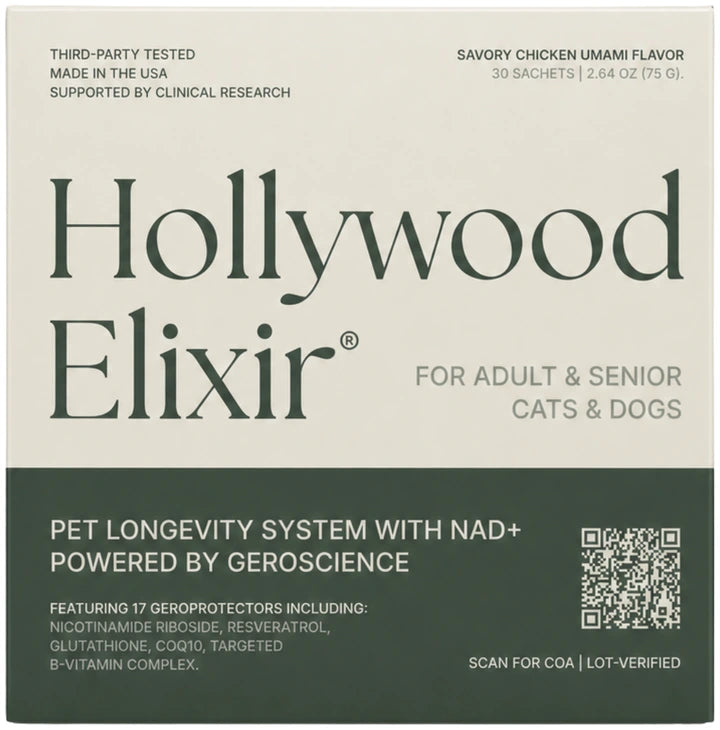
For owners building a daily plan, Hollywood Elixir™ is designed to support whole-dog aging pathways that contribute to calmer, more predictable routines—an approach that can complement hydration habits, diet consistency, and veterinarian-guided monitoring for dogs with kidney concerns.

Kidney health for dogs starts with prevention habits you can keep consistent across every life stage. The kidneys do quiet, essential work—clearing metabolic waste, managing fluid balance, and helping regulate key minerals—so small daily choices can add up to long-term resilience. This hub page focuses on practical kidney wellness: hydration access, diet basics, and routine screening that helps you establish “normal” before anything feels off.

Puppies and active adults benefit from steady water availability, safe exercise in heat, and avoiding toxin exposures; seniors often benefit most from proactive monitoring and nutrition that supports lean body condition. No single food or supplement replaces veterinary care, but a balanced diet, appropriate sodium moderation, and consistent moisture intake can support overall kidney workload.

Just as important is routine screening. Annual (or senior) wellness visits with a urinalysis and blood chemistry panel can reveal trends early, even when a dog seems fine. If your dog has already been diagnosed with chronic kidney disease, see our guide on chronic kidney disease in dogs: staging, monitoring, and quality-of-life support for condition-specific next steps.

By La Petite Labs Editorial, ~15 min read

Featured Product:

  • Kidney health for dogs is best supported by early detection, consistent hydration, and diet choices matched to lab trends.
  • Increased thirst and urination are common first clues, but diabetes, Cushing’s, infection, medications, and heat can look similar.
  • Combine bloodwork with urinalysis; trend markers like SDMA can add context when interpreted with other results.
  • Track progress indicators at home: measured water intake, appetite, weight, urine accidents, nausea behaviors, and energy.
  • Renal-focused diets and phosphorus awareness can matter, but frequent food switching can make symptoms and labs more erratic.
  • Prepare for the vet visit with a timeline, food/treat list, and questions about urine concentration, proteinuria, and recheck timing.
  • Seek urgent care for repeated vomiting, refusal of water, very low urine output, collapse, or suspected toxin exposure.

Kidney Health Basics: What the Kidneys Do and What ‘Normal’ Looks Like

A clear baseline makes kidney wellness easier to protect. At a high level, the kidneys support the body through filtration (removing waste products from the bloodstream), urine concentration (conserving water when appropriate), and electrolyte management (helping keep sodium, potassium, and phosphorus in workable ranges). They also participate in blood pressure signaling through hormone pathways that influence vascular tone and fluid balance.

Because these jobs are continuous, “normal” is best understood as a pattern over time rather than a single day. Simple baseline tracking at home can be low-effort and highly informative:

- Water: note typical daily intake and whether your dog reliably finishes bowls or leaves water behind.
- Weight: record body weight monthly (or biweekly for seniors) to spot gradual drift.
- Appetite and energy: track consistency—how quickly meals are finished and whether enthusiasm changes.
- Urine appearance: observe general color and clarity during routine walks without over-interpreting one-off variation.

These observations don’t diagnose anything on their own, but they help you and your veterinarian interpret wellness labs and spot meaningful trends earlier.

Energy production graphic tied to antioxidant protection supported by dog renal function support.

Everyday Kidney-Support Habits: Hydration, Diet, Dental Care, and Toxin Avoidance

Daily routines can reduce avoidable kidney stress and support long-term resilience—especially for seniors, dogs with prior dehydration episodes, or dogs with higher toxin exposure risk.

- Fresh water access: provide multiple clean bowls, refresh water at least daily, and bring water on walks or travel. Consider a pet fountain for dogs that prefer moving water.
- Wet food or added moisture: incorporating wet food or adding water/broth (no onion/garlic) can increase total moisture intake.
- Diet basics and sodium moderation: choose a complete and balanced diet appropriate for life stage, keep salty treats occasional, and maintain a lean body condition to support overall metabolic health.
- Maintain lean body mass: regular, age-appropriate exercise and adequate protein quality (as guided by your veterinarian) help preserve muscle.
- Dental care and inflammation: consistent oral hygiene (brushing, dental chews approved by your vet, and professional cleanings when needed) supports systemic health.
- Avoid nephrotoxins: prevent access to grapes/raisins, lilies (especially in multi-pet homes), and antifreeze; use NSAIDs only as prescribed and never combine pain medications without veterinary direction.
- Schedule wellness labs: ask your veterinarian how often your dog should have a urinalysis and chemistry panel—typically annually for adults and more often for seniors or higher-risk dogs.

These steps are not a substitute for veterinary care, but they create a strong foundation for kidney wellness.

DNA close-up symbolizing resilience at the cellular level via canine kidney health supplements.

When Chronic Kidney Disease Becomes the Likely Path

For many older dogs, the most likely long-running explanation for chronic thirst plus increased urination is gradual loss of filtering capacity over time. Chronic kidney disease is common in seniors and can progress quietly until the kidneys have less flexibility to handle dehydration, dietary shifts, or illness. Blood and urine testing help confirm whether the pattern fits kidney change versus another endocrine or urinary cause.

A realistic case vignette: a 10-year-old mixed-breed starts finishing the water bowl by afternoon and waking the household at 2 a.m. to go outside. Appetite is “mostly fine,” but there is occasional morning nausea and a small weight dip. That combination is a classic reason to ask for a urinalysis plus kidney-focused bloodwork rather than waiting for a crisis.

Protein structure illustration showing biological precision behind supporting dog kidney longevity.

What Kidney Aging Changes Inside the Body

Kidney aging is not only about waste buildup; it is also about the kidney’s ability to keep water, sodium, potassium, and phosphorus in a safe range. When filtering units are lost, the remaining units work harder, and urine concentration often becomes less reliable. Over time, that can narrow the repair window after stressors like vomiting, heat, or a skipped meal.

This is where dog renal function support becomes practical rather than abstract: protect hydration, avoid sudden diet swings, and keep routine lab checks on schedule. Owners can help by keeping water accessible in multiple rooms, offering more frequent potty breaks, and avoiding long car rides without stops. The goal is a calmer, more predictable daily pattern that buffers the kidneys against avoidable strain.

Pug looking up, symbolizing trust and attentive care supported by supporting dog kidney longevity.

Labs That Clarify the Story Beyond a Single Number
Kidney screening is strongest when blood and urine are interpreted together. Creatinine and BUN are traditional markers, but they can lag behind early change; symmetric dimethylarginine (SDMA) is often used to follow trends over time, with imperfect agreement among markers that still adds context (Mack, 2021). Urine specific gravity, urine protein, and sediment findings help show whether the kidneys are concentrating and whether inflammation or infection is present.

A “what to track” rubric keeps follow-up visits efficient: water intake, appetite and body weight, urine accidents, stool quality, energy on walks, and any nausea behaviors (lip-licking, grass-eating). Add medication and treat changes with dates. These progress indicators make it easier for a veterinarian to judge whether the pattern is stable, more predictable, or becoming more erratic between checks.

Hollywood Elixir™ is amazing and makes my 13 y/o young again!

— Jessie

We go on runs. Lately he's been keeping up with no problem!

— Cami

“Treat thirst and accidents as data, not personality changes.”

When Advanced Testing Helps: GFR and Clearance

Some dogs need more precise measurement of filtration than routine bloodwork can provide. Glomerular filtration rate (GFR) can be estimated using iohexol clearance protocols, which give reference information in healthy dogs and a framework for interpretation when kidney function is in question (Bexfield, 2008). This is not a first-line test for every dog, but it can clarify borderline cases or confusing lab patterns.

Owners can prepare by bringing a timeline: when thirst changed, whether urine looks paler, and whether appetite is less reliable after certain foods. Ask whether additional testing would change the plan, or whether repeating standard labs after hydration and diet consistency is the better next step. The aim is to choose the least invasive path that still answers the decision-making question.

Neutral-tone dog photo highlighting attentive expression supported by dog renal function support.

Diet Consistency as a Core Lever for Kidney Support

Diet is one of the few levers shown to matter for dogs with chronic kidney disease, especially when used consistently. In dogs with CKD, renal diets have been associated with slower progression in a metabolomics-based study, supporting the idea that nutrient patterning can change the internal environment (Brunetto, 2021). Earlier controlled work in dogs with induced chronic renal failure also demonstrated that different diets lead to different clinical and biochemical outcomes (Finco, 1985).

At home, the biggest diet mistake is frequent switching in response to picky days. Transition slowly, keep treats consistent, and avoid high-phosphorus “extras” like large amounts of organ meats or certain dried fish snacks unless a veterinarian has advised otherwise. A measured plan supports dog kidney longevity by keeping inputs predictable enough for labs and symptoms to be interpreted accurately.

Dog looking ahead, capturing presence and calm energy supported by supporting dog kidney longevity.

Phosphorus: the Treats and Toppers That Matter

Phosphorus deserves special attention because it can rise as kidney function declines and can also be high in certain foods and treats. Veterinarians sometimes use urinary fractional excretion of phosphorus (uFEP) to understand how the body is handling phosphorus in dogs with spontaneous CKD, adding nuance beyond a single blood value (Martorelli, 2017). This helps tailor diet and, when needed, additional strategies.

A useful household routine is to audit “hidden phosphorus” sources: dental chews, jerky treats, bone broths, and table scraps. Keep a short list of approved treats and stick to it for a month before rechecking labs, so changes can be attributed to a single variable. This kind of structure creates a buffer against well-meant but confusing diet noise.

Supplement overview graphic emphasizing quality ingredients aligned with supporting dog kidney longevity.

A Common Misconception About Protein and Kidneys

Protein in kidney diets is often misunderstood. The goal is not “no protein,” but the right amount and quality for the dog’s stage and lab picture, while also managing phosphorus and supporting body condition. A unique misconception is that any high-protein food “causes kidney failure”; in reality, kidney disease is usually present first, and diet is adjusted to fit the kidney’s reduced range rather than to assign blame.

Owners can support the plan by watching muscle and weight, not just appetite. Take monthly side and top-down photos, and weigh the dog on the same scale when possible. If weight drops or the dog seems weaker on stairs, report it promptly; the diet may need recalibration to keep the dog’s body condition within a healthy buffer while still respecting kidney limits.

Protein in the Urine: Why It Changes the Plan

Protein in the urine (proteinuria) can signal kidney filtering barrier changes and can influence how aggressively a veterinarian manages kidney risk. In proteinuric, non-azotemic dogs, therapeutic renal diets have been evaluated alongside benazepril, with findings supporting diet as part of a broader management approach rather than a stand-alone fix (Cortadellas, 2014). This matters because protein loss can track with progression risk in some dogs.

At home, look for clues that align with protein loss and kidney strain: swelling is uncommon but should be reported, and appetite may become less predictable. Keep notes on blood pressure checks if the clinic recommends them. Ask whether urine protein should be rechecked after a consistent diet period, because timing and consistency help determine whether changes are real or just day-to-day variation.

“Consistency turns confusing symptoms into a clearer clinical pattern.”

Research-style uniform highlighting scientific integrity aligned with supporting dog kidney longevity.

Hydration Habits That Keep Days More Predictable

Hydration support is not only about leaving out more water. Dogs with kidney change often do better when water access is easy, frequent, and paired with routines that prevent long stretches of mild dehydration. Wet food, water added to meals, and multiple bowls can help keep intake more predictable without forcing drinking, which can backfire in anxious dogs.

A simple household plan is to set “hydration anchors”: a bowl near the sleeping area, one near the main living space, and one near the feeding station. Note which bowl empties first; it can reveal when the dog drinks most. This supports dog renal function support by reducing avoidable concentration swings that can make urine and symptoms more erratic.

Shop Now
Hollywood Elixir surrounded by ingredients, showing antioxidant diversity in dog renal function support.

Secondary Triggers: Illness Can Shrink the Repair Window

Some kidney setbacks are triggered by events outside the urinary tract. Acute pancreatitis, for example, can drive systemic inflammation and contribute to kidney injury as a complication, especially when dehydration and poor perfusion occur during vomiting episodes (Mansfield, 2012). This is secondary context, but it explains why a dog with a “stomach bug” can sometimes show a sudden kidney-related lab change afterward.

Owners should treat repeated vomiting, refusal of water, or marked lethargy as a time-sensitive problem in any dog with known kidney vulnerability. Document how many times vomiting occurred, whether the dog can keep water down, and whether urination has slowed. Rapid support can preserve a repair window, while waiting can allow dehydration to compound kidney stress.

Shop Now
Owner showcasing product beside her pet, reflecting care through canine kidney health supplements.

What Not to Do When Kidneys Are Vulnerable

“What not to do” matters because well-intended choices can worsen kidney risk. Avoid restricting water to reduce accidents, giving over-the-counter pain medications without veterinary direction, or using high-dose supplements as a substitute for diet and monitoring. Also avoid sudden fasting or “detox” regimens; kidneys rely on stable inputs, and abrupt changes can make nausea and hydration harder to manage.

Another avoidable pitfall is assuming any food labeled “senior” is kidney-appropriate. Commercial adult and senior diets vary widely in nutrient composition, so the label alone does not guarantee alignment with kidney-focused targets (German, 2025). Owners can bring the exact bag or a photo of the guaranteed analysis to the clinic to support a clearer, less erratic nutrition plan.

Shop Now

Hidden Toxins That Can Threaten Kidney Safety

Vitamin D exposures are a kidney safety issue because some rodenticides and human supplements contain cholecalciferol, which can cause dangerous calcium and phosphorus changes. Veterinary reports describe prolonged elevations in vitamin D metabolites after cholecalciferol intoxication, underscoring that this is not a short-lived problem (Gerhard, 2019). Treatment decisions are veterinary-only, but prevention is a household responsibility.

Keep vitamin D products, rodent baits, and “high potency” gummies locked away, and ask visitors to do the same. If exposure is suspected, do not wait for symptoms; call a veterinarian or poison hotline with the product name and estimated amount. Early action can protect kidney function by preventing prolonged mineral imbalance from taking hold.

Where Supplements Fit in a Kidney-support Plan

When kidney disease is present, supplements are best viewed as adjuncts that support a broader plan: diet consistency, hydration, and lab-guided adjustments. A recent study evaluated a once-daily oral supplement as an adjunct in canine chronic kidney disease, illustrating that simple dosing schedules are feasible in long-term management research without implying a stand-alone solution (Perondi, 2025). This is the mindset behind canine kidney health supplements: supportive, not substitutive.

Owners can choose supplements more safely by asking three questions: does the product list full ingredients and amounts, does it avoid excessive minerals that complicate kidney diets, and is the plan to change one variable at a time, then reassess. Keep a start date in the log and note stool, appetite, and water intake changes for two weeks to judge fit.

Chart contrasting minimal formulas with full-spectrum support in dog renal function support.

How to Prepare for a Kidney-focused Vet Visit

Vet visit preparation is most effective when it turns worry into specific, answerable questions. Bring recent lab results, a list of foods and treats, and the home tracking notes. Ask: (1) is the urine concentration appropriate for the dog’s hydration, (2) is protein in the urine present and how will it be monitored, (3) what phosphorus target is appropriate, and (4) when should SDMA, creatinine, and urinalysis be rechecked to confirm a trend (Mack, 2021).

Also share practical constraints: work schedules, potty break limits, and whether the dog will eat wet food. These details help the veterinarian design a plan that is calmer and more predictable in real life. A plan that fits the household is more likely to be followed long enough to support dog kidney longevity.

Shop Now
Hollywood Elixir box in open packaging, showing premium presentation for canine kidney health supplements.

An Urgency Ladder for Kidney-related Symptoms

An urgency ladder helps owners decide when to monitor versus when to seek same-day care. Same-day evaluation is appropriate for repeated vomiting, refusal of water, collapse, very low urine output, or suspected toxin exposure. Within a week is reasonable for persistent increased thirst/urination, new nighttime accidents, or a gradual appetite shift, especially in seniors. Routine monitoring fits mild, stable changes when recent labs are normal and the dog otherwise feels well.

When monitoring at home, keep the plan narrow: measure water, keep diet consistent, and avoid adding multiple new supplements at once. This creates a clearer signal if symptoms change. If the dog seems more nauseated or the pattern becomes less predictable, move up the ladder and contact the clinic rather than waiting for the next scheduled check.

Shop Now

Putting It Together for Long-term Kidney Longevity

Supporting kidney aging is rarely about a single dramatic intervention; it is about preserving flexibility through predictable routines and early course-correction. Diet patterns that match kidney needs, hydration that prevents avoidable dips, and lab trends that are checked on schedule work together to keep the dog’s day-to-day comfort within a workable range. This is the practical core of supporting dog kidney longevity.

For owners exploring dog renal function support, the best results usually come from consistency: choose a plan with the veterinarian, change one variable at a time, and log progress indicators between visits. When the household can keep inputs calmer and more predictable, the clinic can interpret outputs more confidently—making it easier to protect quality of life over months and years.

“Change one variable at a time, then reassess with progress indicators.”

Educational content only. This material is not a substitute for veterinary advice. Always consult your veterinarian about your dog’s specific needs. These statements have not been evaluated by the Food and Drug Administration. Products mentioned are not intended to diagnose, treat, cure, or prevent any disease.

Glossary

  • Chronic kidney disease (CKD) - Long-term loss of kidney filtering and balancing capacity.
  • Urine specific gravity (USG) - A measure of how concentrated or dilute the urine is.
  • Proteinuria - Protein present in urine, sometimes indicating kidney filter barrier change.
  • SDMA - A blood marker often used to follow kidney function trends over time.
  • Creatinine - A blood marker that can rise as filtration declines, influenced by muscle mass.
  • Glomerular filtration rate (GFR) - An estimate of how much blood the kidneys filter per unit time.
  • Phosphorus - A mineral that may accumulate as kidney handling declines and can shape diet targets.
  • Urinary fractional excretion of phosphorus (uFEP) - A urine-based measure of phosphorus handling used in some dogs.
  • Azotemia - Elevated nitrogenous waste markers in blood, often reflecting reduced filtration.

Related Reading

References

Brunetto. Healthy and Chronic Kidney Disease (CKD) Dogs Have Differences in Serum Metabolomics and Renal Diet May Have Slowed Disease Progression.. PubMed Central. 2021. https://pmc.ncbi.nlm.nih.gov/articles/PMC8623449/

Finco. Effects of three diets on dogs with induced chronic renal failure.. PubMed. 1985. https://pubmed.ncbi.nlm.nih.gov/3994128/

Perondi. Efficacy of a Once-Daily Supplement in Managing Canine Chronic Kidney Disease.. PubMed Central. 2025. https://pmc.ncbi.nlm.nih.gov/articles/PMC12524088/

Mansfield. Pathophysiology of Acute Pancreatitis: Potential Application from Experimental Models and Human Medicine to Dogs. 2012. https://www.mdpi.com/2306-7381/7/2/72

Mack. Longitudinal evaluation of symmetric dimethylarginine and concordance of kidney biomarkers in cats and dogs.. PubMed. 2021. https://pubmed.ncbi.nlm.nih.gov/34391920/

Bexfield. Glomerular Filtration Rate Estimated by 3-Sample Plasma Clearance of Iohexol in 118 Healthy Dogs. 2008. https://www.mdpi.com/2076-2615/15/18/2760

German. Exploratory analysis of nutrient composition of adult and senior dog diets.. PubMed Central. 2025. https://pmc.ncbi.nlm.nih.gov/articles/PMC12757753/

Martorelli. Urinary Fractional Excretion of Phosphorus in Dogs with Spontaneous Chronic Kidney Disease.. PubMed Central. 2017. https://pmc.ncbi.nlm.nih.gov/articles/PMC5753647/

Cortadellas. Evaluation of the effects of a therapeutic renal diet to control proteinuria in proteinuric non-azotemic dogs treated with benazepril.. PubMed Central. 2014. https://pmc.ncbi.nlm.nih.gov/articles/PMC4895532/

Gerhard. Persistent Increase in Serum 25-Hydroxyvitamin D Concentration in a Dog Following Cholecalciferol Intoxication.. PubMed Central. 2019. https://pmc.ncbi.nlm.nih.gov/articles/PMC6970194/

FAQ

What are the earliest signs of kidney strain in dogs?

Early kidney strain often looks like increased thirst, more frequent urination, paler urine, or new nighttime accidents. Some dogs also develop a less predictable appetite, mild nausea behaviors (lip-licking, grass-eating), or gradual weight loss.

Because several conditions can mimic these signs, the most helpful next step is measuring water intake for a week and scheduling bloodwork plus a urinalysis. The pattern over time is often more informative than a single “off” day.

How do kidneys normally keep a dog’s body in balance?

Kidneys filter waste products, regulate water balance, and help keep minerals like sodium, potassium, and phosphorus within a safe range. They also contribute to blood pressure regulation and red blood cell signaling.

When kidney flexibility narrows, a dog may handle dehydration, diet changes, or illness less well. That is why routines that keep hydration and diet more predictable can matter even before a dog appears obviously sick.

Is increased drinking always a sign of kidney disease?

No. Increased drinking can also be caused by diabetes mellitus, Cushing’s disease, urinary tract infection, hot weather, higher-salt treats, or medications such as steroids and diuretics.

Kidney causes become more likely when thirst pairs with persistently dilute urine, nausea, or weight loss, but testing is needed to separate look-alike conditions. Measuring water intake and bringing a timeline to the clinic helps speed up the workup.

Which lab tests matter most for kidney monitoring?

A strong kidney check usually includes creatinine, BUN, electrolytes, and phosphorus on bloodwork, plus a urinalysis with urine specific gravity and urine protein assessment. Many veterinarians also use SDMA to follow trends over time(Mack, 2021).

The key is interpreting blood and urine together. A single value can mislead, while repeat testing under consistent hydration and diet conditions can show whether the direction is stable or becoming more erratic.

What should owners track at home between vet visits?

Track progress indicators that connect directly to kidney comfort: measured daily water intake, appetite, body weight, urine accidents, stool quality, energy on walks, and nausea behaviors. Also log any food, treat, or medication changes with dates.

This record supports a clearer handoff to the veterinarian and helps avoid overreacting to one unusual day. Consistent tracking is a practical form of dog renal function support because it makes trends easier to act on early.

When is a renal diet recommended for dogs?

Renal diets are typically recommended when a veterinarian diagnoses chronic kidney disease or identifies kidney-related risks that warrant dietary patterning. Research in dogs with CKD supports renal diet use as part of long-term management(Brunetto, 2021).

The biggest benefit comes from consistency. Frequent switching in response to picky days can make symptoms and labs harder to interpret, so transitions should be slow and planned with the clinic.

Does high protein cause kidney disease in dogs?

High protein is often blamed, but kidney disease usually develops for other reasons, and diet is adjusted after the fact to fit a kidney’s reduced range. The goal is not “no protein,” but the right amount and quality for the dog’s stage and body condition.

If protein is restricted too aggressively, some dogs lose muscle and weight. A veterinarian can align diet choices with lab trends, appetite, and body condition so the plan supports comfort without creating new problems.

Why is phosphorus such a big deal for kidney health?

As kidney function declines, phosphorus handling can become less reliable, and higher phosphorus can contribute to downstream complications. Veterinarians may use blood phosphorus and, in some cases, urinary measures to understand phosphorus balance more fully(Martorelli, 2017).

At home, phosphorus often sneaks in through treats and toppers. Keeping treats consistent for several weeks before rechecks helps the clinic judge whether the plan is working or needs adjustment.

Are “senior” dog foods automatically kidney-friendly?

No. “Senior” is a marketing category, not a medical guarantee. Commercial adult and senior diets vary widely in nutrient composition, so the label alone does not confirm kidney-appropriate targets(German, 2025).

If kidney concerns are on the table, bring the exact diet name and a photo of the guaranteed analysis to the veterinarian. That allows a more precise discussion than switching foods based on age labeling.

What does protein in the urine mean for a dog?

Protein in the urine can indicate changes in the kidney’s filtering barrier or other urinary tract issues. It matters because persistent proteinuria can influence how a veterinarian assesses progression risk and management intensity.

Diet can be part of the plan in some proteinuric dogs, often alongside medications when indicated(Cortadellas, 2014). Owners can support follow-up by keeping diet and treats consistent before repeat urine testing.

What is dog renal function support in everyday terms?

In everyday terms, dog renal function support means reducing avoidable kidney workload and making changes early enough to matter. That usually includes predictable hydration access, diet consistency, and trend-based lab monitoring.

It also means avoiding common missteps like restricting water to prevent accidents or adding multiple new supplements at once. A calmer, more predictable routine makes both symptoms and lab interpretation clearer.

How quickly can kidney-related lab values change?

Some values can shift quickly with dehydration, vomiting, or a sudden illness, while chronic kidney trends usually change over weeks to months. That is why veterinarians often repeat labs after stabilizing hydration and keeping diet inputs consistent.

Owners can help by logging appetite, water intake, and vomiting episodes with dates. Those details help the clinic decide whether a change likely reflects a temporary stressor or a true shift in kidney trajectory.

When should a dog with kidney concerns go to the ER?

Seek same-day or emergency care for repeated vomiting, refusal of water, collapse, marked lethargy, very low urine output, or suspected toxin exposure. These situations can shrink the repair window quickly, especially in older dogs.

If signs are milder but persistent—like increased thirst and urination for more than a few days—schedule a prompt clinic visit. Early evaluation often allows a calmer, more predictable plan than waiting for a crisis.

Can pancreatitis affect a dog’s kidneys?

Yes. During acute pancreatitis, vomiting, dehydration, and systemic inflammation can contribute to kidney injury as a complication in some dogs(Mansfield, 2012). This does not mean every pancreatitis episode causes kidney damage, but it raises the stakes for hydration and timely veterinary care.

Owners should report reduced urination, inability to keep water down, or profound lethargy. After recovery, a veterinarian may recommend follow-up labs to confirm kidney values returned to a stable baseline.

Are canine kidney health supplements safe for every dog?

Not automatically. Safety depends on the dog’s diagnosis, diet, lab values, and other medications. Some supplements contain minerals or ingredients that can complicate kidney diets or interact with a veterinary plan.

A safer approach is to review any product with the veterinarian, choose one change at a time, and log appetite, stool, and water intake after starting. Supplements should support the plan, not replace diet consistency and monitoring.

How does Hollywood Elixir™ fit into a kidney-aging plan?

As part of a broader daily routine, Hollywood Elixir™ can be considered for whole-dog aging support that complements hydration habits, diet consistency, and veterinarian-guided monitoring. It is best framed as supportive rather than as a stand-alone answer for kidney disease.

Owners get the clearest feedback when they change one variable at a time and track progress indicators like water intake, appetite, and stool quality. That structure helps determine whether the addition fits the dog’s routine.

How long does it take to see changes after diet adjustments?

Some changes—like appetite comfort and stool quality—may shift within days to a couple of weeks, while lab trends often require weeks to months and consistent inputs. Renal diet research emphasizes long-term consistency rather than quick swings(Brunetto, 2021).

To avoid confusing signals, keep treats and toppers stable during the transition. If the dog refuses the new food, contact the clinic for alternatives rather than rotating through many options in a short period.

What should be avoided when supporting dog kidney longevity?

Avoid restricting water to reduce accidents, giving over-the-counter pain medications without veterinary direction, and making abrupt diet switches. Also avoid starting multiple supplements at once, which makes it hard to identify what helped or caused side effects.

Another avoidable risk is toxin exposure, especially vitamin D products and rodenticides. If exposure is suspected, seek veterinary guidance immediately rather than waiting for symptoms.

Why is vitamin D exposure dangerous for a dog’s kidneys?

Cholecalciferol (vitamin D3) toxicosis can cause severe mineral imbalance that threatens multiple organs, including the kidneys. Reports in dogs show vitamin D metabolite elevations can persist, meaning the risk is not always short-lived(Gerhard, 2019).

Keep vitamin D supplements and rodent baits secured, and ask guests to do the same. If ingestion is possible, contact a veterinarian or poison hotline with the product details; early action can be kidney-protective.

How can owners choose higher-quality supplements for older dogs?

Look for transparent labeling (full ingredient list and amounts), clear manufacturing standards, and a formula that does not add unnecessary minerals that could complicate kidney diets. Avoid products that promise to treat or cure disease.

If considering Hollywood Elixir™, discuss fit with the veterinarian and track water intake, appetite, and stool quality after starting. A single, well-tracked change is easier to evaluate than a stack of new products.

Is kidney health for dogs managed the same as in cats?

No. While the general goals—hydration support, diet patterning, and trend-based labs—are similar, cats and dogs differ in typical causes, diet acceptance, and how some lab markers behave. Plans should be species-specific and individualized.

For dogs, owners often have more flexibility with diet formats and treat control, which can make consistency easier. The best approach is to follow a veterinarian’s dog-specific targets rather than borrowing cat-focused advice.

What questions should be asked at a kidney-focused vet visit?

Ask questions that connect directly to decisions: Is urine concentration appropriate for hydration? Is protein in the urine present, and how will it be monitored? What phosphorus target is appropriate for this dog? When should labs be rechecked to confirm a trend rather than a one-time fluctuation?

If adding Hollywood Elixir™ or other canine kidney health supplements, ask whether any ingredients conflict with the current diet or lab goals. Bring the label or a photo so the discussion stays specific.

5K+ Happy Pet Parents

Excellent 4.8

Kidney Health for Dogs | Why Thousands of Pup Parents Trust Hollywood Elixir™

"He seems more happy overall. I've also noticed he has more energy which makes our walks and playtime so much more fun."

Olga & Jordan

"He's got way more energy now! We go on runs pretty often; he use to get tired halfway through, but lately, he's been keeping up without any problem."

Cami & Clifford

"I want her to live forever. She hasn't had an ear infection since!"

Madison & Azula

"It helps with her calmness, her immune system. I really like the clean ingredients. Highly recommend La Petite Labs!"

Maple & Cassidy

"He seems more happy overall. I've also noticed he has more energy which makes our walks and playtime so much more fun."

Olga & Jordan

"He's got way more energy now! We go on runs pretty often; he use to get tired halfway through, but lately, he's been keeping up without any problem."

Cami & Clifford

"I want her to live forever. She hasn't had an ear infection since!"

Madison & Azula

"It helps with her calmness, her immune system. I really like the clean ingredients. Highly recommend La Petite Labs!"

Maple & Cassidy

"He seems more happy overall. I've also noticed he has more energy which makes our walks and playtime so much more fun."

Olga & Jordan

"He's got way more energy now! We go on runs pretty often; he use to get tired halfway through, but lately, he's been keeping up without any problem."

Cami & Clifford

"I want her to live forever. She hasn't had an ear infection since!"

Madison & Azula

"It helps with her calmness, her immune system. I really like the clean ingredients. Highly recommend La Petite Labs!"

Maple & Cassidy

"He seems more happy overall. I've also noticed he has more energy which makes our walks and playtime so much more fun."

Olga & Jordan

"He's got way more energy now! We go on runs pretty often; he use to get tired halfway through, but lately, he's been keeping up without any problem."

Cami & Clifford

"I want her to live forever. She hasn't had an ear infection since!"

Madison & Azula

"It helps with her calmness, her immune system. I really like the clean ingredients. Highly recommend La Petite Labs!"

Maple & Cassidy

SHOP NOW