Grizzly Pet Products Algal Plus Review

A label-first look at a vegetarian omega oil for dogs and cats, with strong per-teaspoon omega disclosure and several buyer-relevant gaps to verify before purchase.

La Petite Labs Editorial 1 min read

Grizzly Pet Products Algal Plus is an oil supplement for dogs and cats built around flaxseed oil and microalgae oil from Schizochytrium sp. The product page presents it as a plant-based omega option and gives a detailed guaranteed analysis per teaspoon, including omega-3, omega-6, omega-9, EPA, DHA, and ALA amounts.

The main appeal is clear: the label discloses 2484 mg omega-3 fatty acids per teaspoon, including 138 mg EPA, 322 mg DHA, and 1932 mg ALA. For shoppers avoiding fish-derived oils, the brand describes Algal Plus as a vegetarian and vegan omega supplement without fishy smell or breath.

The decision point is also clear. The page does not publish a bottle size, price, servings per container, full by-weight feeding chart, pump amounts, public COA, lot lookup, named lab, third-party testing panel, or third-party certifications. That does not mean those things do not exist; it means a careful buyer should verify them on the physical label or with the seller before comparing cost, daily dose, or quality controls.

We reviewed Grizzly Pet Products at brand level — Public Transparency Score 54/100 — see the Grizzly Pet Products Review for the brand's testing posture, disclosure practices, and what to verify before buying anything from its range.

Disclosure: La Petite Labs sells its own pet supplements, including its daily systems. This review is editorial: competitor facts are drawn from the public sources listed in the References section, and facts are dated where shown.

What Grizzly Algal Plus Is and Who It Is For

Grizzly Pet Products Algal Plus, listed on the product page as Algae Plus Supplement with Sustainably-Sourced Microalgae, is an omega oil for dogs and cats. The page also refers to it as Grizzly Algal Plus Oil and Algal Plus, so shoppers may see slightly different naming around the same product.

The formula is built around flaxseed oil and microalgae oil from Schizochytrium sp, with mixed tocopherols used as the preservative. The brand positions the product as an algae-derived omega option and says marine algae is the original source of the omega-3 fatty acids DHA and EPA. It also describes Algal Plus as a plant-based solution for people who choose to feed a vegetarian or vegan diet to their pet.

The species coverage is broad: the directions say to add it to a dog's or cat's food. The page also references puppies and kittens, so the label is not written only for adult pets. That said, a buyer should still verify the exact feeding recommendation on the physical bottle, especially because the page says feeding guidelines vary by bottle size and pump size.

For a careful buyer, this product belongs in the omega-oil category, not in a complete multivitamin category. Its disclosed value is fatty-acid content per teaspoon. Its missing information is the bottle-specific serving math and several public quality signals that some buyers expect from premium supplements. That keeps the decision narrow: the page identifies the oil category, while the individual bottle label has to answer daily-use questions.

At a Glance

What is Grizzly Pet Products Algal Plus?

Grizzly Pet Products Algal Plus is an omega oil supplement for dogs and cats made with flaxseed oil and microalgae oil from Schizochytrium sp, with mixed tocopherols as preservative. The label publishes fatty-acid amounts per teaspoon, including 2484 mg omega-3, 138 mg EPA, 322 mg DHA, and 1932 mg ALA.

Product
Grizzly Pet Products Algae Plus Supplement with Sustainably-Sourced Microalgae
Category
Omega oil supplement for dogs and cats
Species
Dogs and cats
Format
undefined
Disclosed actives
Per teaspoon: 2484 mg omega-3 fatty acids, 460 mg omega-6, 644 mg omega-9, 138 mg EPA, 322 mg DHA, 1932 mg ALA; flaxseed oil and microalgae oil amounts are not separately stated.
Best fit
Owners seeking a plant-based algae-and-flax omega oil for dogs or cats who are willing to verify bottle size, pump directions, price, and testing documentation before buying.
What to check
Confirm the physical label's bottle size, pump size, full by-weight directions, servings per container, price, and any available lot-level testing or certifications.

Quick Answers

Is Grizzly Algal Plus good for dogs and cats?

It may be a good fit for owners who want a plant-based omega oil with clear per-teaspoon EPA, DHA, ALA, and total omega numbers. The caution is that price, bottle size, servings per container, pump amount, and full weight-based feeding directions are not published on the product page, so value and daily dose need verification.

What should owners check before buying Algal Plus?

Check the physical label or seller listing for bottle size, pump size, full by-weight directions, servings per container, price, and any available lot-level testing. The product page gives useful per-teaspoon nutrient numbers, but it does not show enough information to calculate daily cost or daily intake for a specific dog or cat.

Are there side effects or cautions with this oil?

The visible caution on the product page is to ask a veterinarian about specific feeding recommendations. That matters most for pets with pancreatitis history, fat-sensitive digestion, weight-management plans, chronic disease, or growth-stage needs. Pause and call the vet if vomiting, persistent diarrhea, appetite loss, or other concerning changes appear after starting.

How much EPA and DHA are in Grizzly Algal Plus?

The guaranteed analysis lists 138 mg EPA and 322 mg DHA per teaspoon. It also lists 2484 mg total omega-3 fatty acids per teaspoon, including 1932 mg ALA. The label does not publish the full weight-based serving chart online, so daily EPA and DHA intake depends on the amount recommended for the individual pet.

Is Algal Plus vegetarian or vegan?

The brand describes Algal Plus as a 100% vegetarian and vegan omega supplement made with algae oil and flaxseed oil. A buyer should treat that as a brand claim because no third-party vegetarian or vegan certification is published on the product page.

What does Grizzly Algal Plus cost per day?

Cost per day cannot be calculated from the product page because price, bottle size, servings per container, and full daily feeding amounts are not published. The arithmetic requires the bottle price divided by the number of days the bottle lasts for the pet's weight band.

Does Grizzly Algal Plus publish third-party testing?

A public COA, lot lookup, named laboratory, and third-party testing panel were not easy to find publicly when we checked. That is not proof that testing does not exist; it means those details are not easily available to a shopper from the public product page.

Should puppies and kittens use Algal Plus?

The product page references puppies and kittens and says to add the oil to a dog or cat's food, but the public page does not publish the full bottle-specific feeding chart. For growth-stage pets, owners should verify the exact label directions and ask a veterinarian whether the added oil fits the pet's diet and life stage.

Before You Buy

Five things to verify about Algal Plus

VerifyWhy it mattersWhat we found
What is the exact bottle size and pump volume?The product page says feeding guidelines vary by bottle size and pump size, so the bottle in hand controls the actual daily amount.Bottle size, SKU size, pump amount, and count were not easy to find publicly when we checked.
What daily amount is recommended for this specific dog or cat?The label's per-teaspoon EPA, DHA, ALA, calorie, and omega numbers only become daily intake after the pet's serving amount is known.The product page says to see the product label for specific directions; the full by-weight feeding chart was not easy to find publicly when we checked.
What is the actual cost per day?Oil value depends on bottle price, bottle size, and how much the pet uses per day, especially for large dogs or multi-pet homes.Price, subscription price, servings per container, and count or bottle size were not easy to find publicly when we checked.
Can the brand provide lot-level freshness or contaminant testing?Oil buyers often want evidence for freshness and quality, especially for products used daily over long periods.A public COA, public lot lookup, named laboratory, and third-party testing panel were not easy to find publicly when we checked.
Are the vegetarian, vegan, sustainability, and DHA benefit claims independently supported?These claims may affect buyer trust, but they are different from the guaranteed nutrient analysis printed on the label.No third-party certifications or named study citations for the DHA claim were easy to find publicly when we checked.

Competitor label and pricing facts checked July 3, 2026. Sources are listed in the References section below.

The Real Appeal: A Plant-Based Omega Oil With Named EPA, DHA, and ALA Numbers

The strongest part of the Algal Plus label is its per-teaspoon fatty-acid disclosure. A shopper can see the total omega-3 number and the named omega fractions: EPA, DHA, and ALA. That matters because many omega products lean heavily on broad omega language without making the key fatty-acid split easy to compare.

Per teaspoon, the guaranteed analysis lists 2484 mg omega-3 fatty acids, 460 mg omega-6 fatty acids, and 644 mg omega-9 fatty acids. It also lists 138 mg EPA, 322 mg DHA, and 1932 mg ALA. The presence of both EPA and DHA is especially relevant for buyers comparing algae-based products with fish-oil products, because those are the marine-type omega-3s shoppers often look for.

The plant-based positioning is also genuinely useful. The brand says the formula blends algae oil and flaxseed oil and describes it as a 100% vegetarian and vegan omega supplement without fishy smell or breath. A buyer should treat those as brand claims, not independent certifications, because no third-party vegetarian or vegan certification is published on the product page.

This product will be most appealing to owners who want an oil format, are comfortable adding fat calories to food, and prefer an algae/flax source rather than fish-derived oil. The public label gives enough fatty-acid detail to start a serious comparison, but not enough dosing and price detail to finish it online. That combination creates a genuine strength and a genuine homework item in the same label read.

Every Number the Algal Plus Label Publishes Per Teaspoon

The published guaranteed analysis is per teaspoon. It lists crude fat at 97% minimum and moisture at 0.2% maximum. For calories, the product lists 8367 kcal ME per kg and 38 kcal ME per teaspoon.

The omega panel is more detailed than many simple oil labels. Total omega-3 fatty acids are listed at 54% minimum, equal to 2484 mg per teaspoon. EPA is listed at 3% minimum, equal to 138 mg per teaspoon. DHA is listed at 7% minimum, equal to 322 mg per teaspoon. ALA is listed at 42% minimum, equal to 1932 mg per teaspoon.

The label also lists omega-6 fatty acids at 10% minimum, equal to 460 mg per teaspoon, and omega-9 fatty acids at 14% minimum, equal to 644 mg per teaspoon. The product page includes the note that the starred fatty-acid items are not recognized as essential nutrients by the AAFCO Dog Food Nutrient profile.

The ingredient line is short: flaxseed oil, microalgae oil from Schizochytrium sp, and mixed tocopherols as preservative. The page does not publish separate amounts for flaxseed oil or microalgae oil, so a buyer cannot calculate how much of the teaspoon comes from each oil. The disclosed fatty-acid analysis is still useful, but it should not be treated as a full ingredient-ratio disclosure. It is a nutrient panel, not a complete map of the oil blend. That distinction matters when comparing formulas across brands.

What the Public Algal Plus Label Does Not Show

Several buyer-relevant details are not published on the product page. Bottle size, count, SKU size, price, subscription price, and servings per container are not shown. That prevents a shopper from calculating cost per day, total days per bottle, or whether one bottle size materially changes the value.

The directions also leave an important practical gap. The page says to add the product to a dog's or cat's food, use consistently on a long-term basis, and see the product label for specific directions because feeding guidelines vary by bottle size and pump size. The daily recommendation may be split into multiple feedings. What is not shown publicly is the full by-weight chart, pump volume, or the daily teaspoon amount for a given dog or cat.

Quality documentation is also limited publicly. A public certificate of analysis, lot lookup, named laboratory, third-party testing panel, and third-party certifications were not easy to find publicly when we checked. That is not proof that testing or quality systems do not exist. It means those signals are not easily available to a buyer reading the public product page.

There is one more evidence gap: the page says DHA has been shown to be beneficial for the nervous system, eyes, and maintaining higher fertility status, but named study citations are not published on the page. A cautious buyer should separate the disclosed nutrient content from broader benefit language.

Why Per-Pump and Per-Pet Dose Math Cannot Be Finished Online

The product gives strong per-teaspoon analysis but does not publish the bottle-specific feeding chart. That matters because teaspoon numbers do not automatically tell a shopper how much EPA, DHA, ALA, or calories a dog or cat receives each day. Daily intake depends on the recommended amount for that pet and the pump or bottle size in hand.

The arithmetic would be straightforward if the serving amount were published. Daily EPA would be the pet's daily teaspoon amount multiplied by 138 mg. Daily DHA would be the daily teaspoon amount multiplied by 322 mg. Daily ALA would be the daily teaspoon amount multiplied by 1932 mg. But the page does not publish the dog-by-weight or cat-by-weight amounts needed to apply that math responsibly.

The same limitation applies to calories. Since the label lists 38 kcal per teaspoon, the daily calorie addition would require the exact daily teaspoon or pump amount. Without the actual recommended daily amount for each weight band, a buyer cannot know the daily calorie addition for a toy dog, large dog, kitten, adult cat, or puppy from the public page alone.

Before buying, owners should check the bottle label or retailer listing for the exact pump size and daily amount by pet weight. That is especially important in multi-pet homes, where a large dog and a cat may use the same oil at very different daily volumes. It also prevents accidental comparison between a teaspoon analysis and a pump-based label.

“Algal Plus gives useful per-teaspoon omega numbers, but the public page does not give enough dosing and price detail to finish the buyer math.”

Calories, Fat, and When an Oil Deserves Extra Caution

Algal Plus is an oil, and its guaranteed analysis reflects that: crude fat is listed at 97% minimum, with 38 kcal per teaspoon. For many healthy pets, adding an oil to food is a normal supplement format. For others, the fat and calorie load is the first thing to discuss with a veterinarian.

Weight-managed dogs and cats are the obvious group. Even small daily additions can matter if a pet is on a calorie target, especially for cats and small dogs whose daily calorie budgets are modest. Because the page does not publish the full by-weight directions, owners cannot calculate the actual daily calorie addition until they know the prescribed teaspoon or pump amount.

Pets with a history of fat sensitivity also deserve caution. If a dog or cat has had pancreatitis, chronic digestive issues, a medically managed diet, or a condition where fat intake is being controlled, an oil supplement should be cleared with the veterinarian before use. The product page itself says owners may want to ask a veterinarian about specific feeding recommendations.

Practical monitoring matters. When starting any oil, owners should watch appetite, stool consistency, vomiting, refusal of food, or signs that the added oil is not agreeing with the pet. If those appear, pausing the product and asking the vet is more prudent than continuing while trying to force the dose. This is especially true when the pet's main diet is already calorie-controlled.

Freshness, Oxidation, and Storage Clues for an Algae-and-Flax Oil

Oil supplements are sensitive products because freshness affects smell, palatability, and owner confidence. The Algal Plus page lists mixed tocopherols as the preservative and gives storage guidance: store away from direct light at room temperature or refrigerate, although refrigeration is not necessary.

That guidance is useful but not complete. The page does not publish a public lot lookup, certificate of analysis, oxidation panel, peroxide value, anisidine value, or named lab results. A buyer who is particularly concerned about oil freshness should ask the seller or brand what freshness testing is performed and whether lot-level results are available.

At home, owners can still use practical checks. Keep the bottle capped, avoid heat and direct light, and pay attention to odor and texture. The brand says the product has no fishy smell or breath, but owners should still treat any sharp, rancid, or unusual smell as a reason to stop and verify before continuing.

Because this formula includes both flaxseed oil and microalgae oil, buyers should also be realistic about format. Oils are convenient for mixing into food, but they are not as tidy as chews or capsules. For picky cats or dogs, palatability and food acceptance can decide whether the product works in the household, regardless of the nutrient panel. A good label read should include both nutrient numbers and how the opened bottle will be handled. Freshness is part of practical daily use.

Dogs, Cats, Puppies, and Kittens: Practical Dosing Questions

The public directions are written for both dogs and cats: add the oil to the pet's food and use consistently on a long-term basis for best results. The page also says the label recommendation is per day and may be split into multiple feedings.

For dogs, the missing piece is weight-band dosing. A large dog could require a very different amount than a small dog, and the label's per-teaspoon numbers only become meaningful once the daily teaspoon or pump amount is known. Owners of puppies should be especially careful to follow the exact label and veterinary advice, because growth-stage nutrition leaves less room for casual supplementation.

For cats, dosing practicality can be even more important. Cats often receive smaller food portions and may be more sensitive to texture or smell changes. Since the page does not publish a cat-specific amount or pump volume, owners should check the physical label before assuming one pump is appropriate for a cat.

The label's direction to split the daily amount across multiple feedings can help some households. It may make the oil easier to mix into meals and may reduce the chance that a pet rejects a single oily serving. Still, the first step is the same for both species: confirm the exact daily amount for the pet's weight and life stage. Multi-pet homes should not assume one shared bottle means one shared dose.

Testing and Quality Signals Visible to a Careful Buyer

The visible quality signals for Algal Plus are mainly label-based. The product names its oil sources, identifies the algae strain as Schizochytrium sp, lists mixed tocopherols as preservative, and publishes a detailed guaranteed analysis per teaspoon. Those are meaningful positives for comparison shopping.

The public documentation is thinner on third-party verification. A public certificate of analysis was not easy to find publicly when we checked. The same is true for a lot lookup, named laboratory, stated third-party testing panel, and third-party certifications. A buyer should not turn that into a claim that the company does not test. The fair conclusion is narrower: those quality details are not easy for a public shopper to verify from the product page.

For premium supplement buyers, that may change the next question. Instead of asking only what the omega numbers are, ask whether the brand can provide lot-specific freshness and contaminant testing, what lab performs it, and whether the panel includes oxidation markers appropriate for oils.

The page's sustainability language is also broad. The brand says sourcing omega-3s from microalgae provides an unlimited supply without relying on fish from the ocean, and says more algae can be grown without waste or negative impacts on shared environments or ecosystems. Those are brand claims; supporting documentation or third-party sustainability certification is not published on the product page. The buyer's job is to ask for verification without overstating what is missing.

What the Evidence Supports, and What Remains a Claim

The strongest evidence on the page is the guaranteed analysis. The label states exactly how much total omega-3, EPA, DHA, ALA, omega-6, and omega-9 is present per teaspoon. That is the part of the page a buyer can use most directly for comparison, provided the daily serving amount is known.

The broader benefit language needs more caution. The brand says EPA and DHA help maintain healthy skin, a lustrous coat, healthy joints, and cardiovascular health. It also says DHA has been shown to be very beneficial for the nervous system, eyes, and maintaining a higher fertility status. Those statements are not accompanied by named study citations on the product page.

That does not make the ingredient idea unreasonable. The product page emphasizes EPA and DHA, and the product discloses both per teaspoon. But a product page claim is different from visible support for that specific claim, and named study citations for the DHA wording are not published on the page.

A practical buyer should read Algal Plus as a disclosed omega oil, not as a guaranteed outcome. The label can tell you what fatty acids are in a teaspoon. It cannot, from the public page alone, tell you whether your individual dog or cat will have a coat, skin, joint, cardiovascular, nervous-system, eye, or fertility-status response. That distinction is the difference between label evidence and outcome expectations. It also keeps the review fair to the product.

“The label is strongest on fatty-acid disclosure and weakest on public dose, cost, and testing verification.”

Price, Bottle Size, and Cost Per Day Are Not Public Enough to Calculate

The product page does not publish a price, bottle size, count, subscription price, or servings per container. Because of that, cost per day cannot be calculated responsibly from the public product page.

The required arithmetic would need three pieces: bottle price, bottle volume or count, and daily serving amount for the pet's weight. None of those are fully available on the page. The label does publish 38 kcal per teaspoon and the fatty-acid amounts per teaspoon, but those are nutrient facts, not cost facts.

For a dog or cat owner comparing omega oils, this is a meaningful shopping gap. A product can look affordable at the bottle level but become expensive if a large dog needs a high daily volume. The reverse can also be true for cats or small dogs, where a bottle may last longer than expected. Without the bottle size and feeding chart, neither conclusion can be checked online.

Before buying, record the exact bottle size, pump size, daily amount for your pet's weight, and price. Then calculate price divided by estimated days per bottle. If the seller offers a subscription price, use that number separately rather than mixing it with one-time purchase pricing. For this page, the honest value answer is not a number; it is a list of missing inputs that must be gathered before the math can be done. That is still useful buyer guidance.

Who Grizzly Algal Plus Genuinely Fits

Algal Plus fits a shopper who wants an omega oil for both dogs and cats and prefers a plant-based source. It is especially relevant for owners avoiding fish-derived oils for dietary, household, odor, or sourcing reasons. The brand's positioning around microalgae and flaxseed is clear, and the per-teaspoon fatty-acid panel gives buyers real numbers to examine.

It also fits owners who are comfortable checking the bottle before finalizing the decision. The public page gives the nutrient analysis but points buyers to the product label for specific feeding directions. If you are willing to verify pump size, serving amount, and bottle economics at purchase time, the online gaps may be manageable.

This is a less comfortable fit for buyers who require public lot-level testing or complete online cost math before purchase. It is also less convenient for owners who do not want to add oil to food or who have pets that reject texture changes in meals.

The product may be particularly interesting for mixed dog-and-cat homes, because the same product page addresses both species. But shared species coverage does not mean shared dosing. Each pet still needs its own daily amount based on the label and veterinary guidance where appropriate. The better fit is the owner who values the plant-based omega profile and accepts that several checks happen at the bottle level. It is a conditional fit, not a universal one.

Who Should Ask a Vet Before Starting This Oil

The product page itself says owners may want to ask a veterinarian about specific feeding recommendations. That is a sensible caution for an oil supplement, especially when the public page does not publish the full weight-based dosing chart.

Dogs or cats with a history of pancreatitis, fat-sensitive digestive issues, chronic vomiting or diarrhea, medically restricted diets, or weight-loss plans should be cleared before adding a 97% fat oil. The 38 kcal per teaspoon figure is useful, but the daily calorie addition depends on the actual prescribed serving.

Puppies and kittens also deserve a more careful conversation. The page references starting puppies and kittens with a balance of omega-3 and omega-6 fatty acids, but growth-stage pets have specific nutritional needs. Owners should avoid layering supplements onto a complete diet without checking whether the added oil fits the pet's age, body condition, and food plan.

Owners using medications or managing chronic disease should bring the full ingredient list and guaranteed analysis to the appointment. The vet does not need marketing claims; they need the amount per teaspoon, the proposed daily dose, the pet's diet, and the reason the owner wants to add an omega oil. That is the information needed to judge whether the oil fits the individual pet, not just the category. When a product is 97% crude fat, context matters, especially for smaller pets with tight daily calorie budgets already.

Omega Oils and Skin Barrier Systems Do Different Jobs

Algal Plus is an omega oil. Its public label is about fatty acids: omega-3, omega-6, omega-9, EPA, DHA, and ALA per teaspoon. That makes it different from products built around broader skin-barrier, microbiome, or multinutrient systems.

This distinction matters because shoppers often compare products across categories as if they are interchangeable. An oil can contribute fatty acids to the diet. It is not, by itself, a complete multivitamin, a full dermatology protocol, or a replacement for a veterinary workup when a dog or cat has persistent itching, hair loss, wounds, infections, or digestive signs.

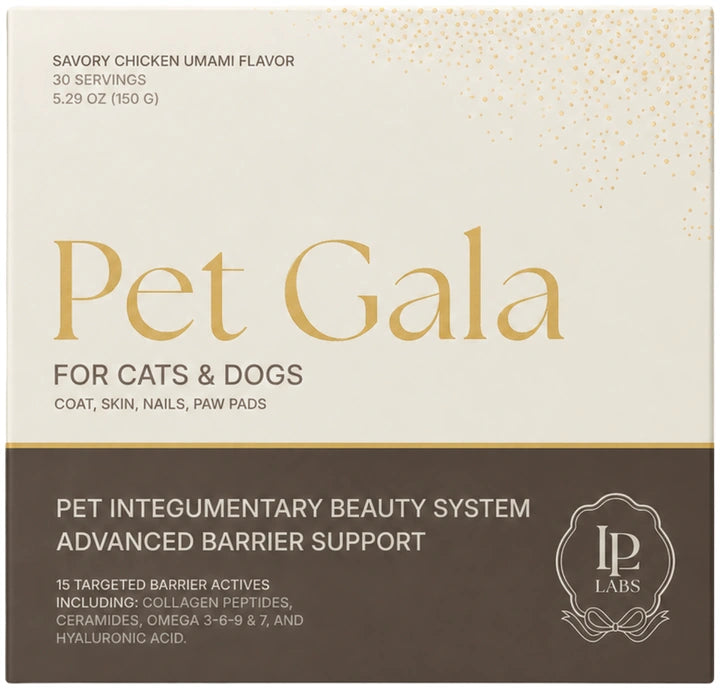
La Petite Labs sits in a different job category when it discusses skin systems and broader barrier support, and it also states that it does not have a finished-formula clinical trial. That makes it category context, not a substitute recommendation for an algae-and-flax omega oil. The honest comparison is functional: oils deliver fatty acids; skin-support systems may be designed around different ingredient logic and should be judged by their own labels and evidence.

For buyers, the practical question is not which category sounds more impressive. It is what problem you are trying to solve, what your veterinarian has ruled out, and whether the product's disclosed actives match that job. If the goal is omega intake, read the oil label first. If the goal is broader skin support, read that label on its own terms. Category discipline prevents sloppy comparisons.

The First 90 Days: What to Watch in Dogs and Cats

The product directions say to use Algal Plus consistently on a long-term basis for best results. For owners, that makes the first 90 days a reasonable observation window, provided the pet tolerates the oil and the veterinarian has no concerns.

Start by tracking basics: dose used, meals given, stool quality, vomiting, appetite, body weight, and whether the dog or cat accepts food with oil added. Because the page says the daily recommendation can be split into multiple feedings, owners may be able to adjust timing without changing the total daily amount shown on the label.

For skin and coat goals, take simple notes rather than relying on memory. Record coat feel, visible flaking, licking, scratching, and any changes in grooming or odor. These observations do not prove the supplement caused a change, but they help a vet decide whether continuing makes sense.

Pause and call the vet sooner if the pet develops repeated vomiting, persistent diarrhea, refusal to eat, signs of abdominal discomfort, or any worsening medical issue. The product page's visible caution is veterinary feeding guidance, so owners should use general supplement caution rather than assuming an oil is right for every pet. If nothing changes, the notes still have value because they show what dose was tried and for how long. The same record helps identify whether a cat or dog simply refuses the oil format. That makes the trial more useful for a follow-up visit.

How to Read Any Algae or Fish-Oil Label After Reading This One

Algal Plus is a useful example of what an omega label should make visible and what can still be missing. The useful part is the per-teaspoon breakdown: total omega-3, EPA, DHA, ALA, omega-6, omega-9, calories, crude fat, moisture, and preservative.

When comparing another oil, start with EPA and DHA per serving, not only total oil volume. Then check whether the serving is a teaspoon, pump, capsule, chew, or mL amount. A high per-teaspoon number may translate differently if your pet's daily amount is only a fraction of a teaspoon. Also check whether the label separates EPA, DHA, and ALA, because total omega-3 alone does not show the split among those fatty acids.

Next, look for freshness and quality information. For oils, buyers can ask about lot-specific testing, oxidation markers, contaminant screening, named laboratories, and whether results are public or available on request. Certifications are not mandatory for every good product, but they make some claims easier to verify.

Finally, separate ingredient facts from benefit claims. The label can state fatty-acid amounts. Claims about skin, coat, joints, cardiovascular health, nervous system, eyes, fertility status, sustainability, odor, or dietary suitability should be read as brand statements unless supported by visible documentation. If a page gives nutrient numbers but not dosing, price, or testing detail, treat it as a starting point rather than a finished comparison. The best omega label makes serving math easy.

What to Bring to the Vet Conversation

A productive vet conversation starts with the label, not the sales copy. Bring the ingredient list: flaxseed oil, microalgae oil from Schizochytrium sp, and mixed tocopherols as preservative. Bring the per-teaspoon analysis: 2484 mg omega-3, 138 mg EPA, 322 mg DHA, 1932 mg ALA, 460 mg omega-6, 644 mg omega-9, and 38 kcal.

Also bring the exact feeding direction from the physical bottle, because the product page says directions vary by bottle size and pump size. If you only have the public page, tell the vet that the full by-weight chart is not published there and ask what daily amount would be appropriate once the label is available.

For dogs and cats on special diets, bring the current food, treats, medications, body weight, and health history. This is especially important for pets with pancreatitis history, weight-management plans, chronic digestive issues, or growth-stage needs.

Ask practical questions: how many calories the oil would add each day, whether the EPA/DHA amount fits the pet's goal, what signs would mean stopping, and when to reassess. That turns the product from a vague wellness add-on into a measurable diet change. If the pet is a puppy or kitten, ask how the added fat fits the growth diet rather than assuming the adult routine applies. For cats, also ask whether the oil volume is realistic for the pet's usual meals. That practicality can determine whether any label plan is realistic.

Bottom Line on Grizzly Algal Plus

Grizzly Algal Plus is a credible product to examine if you want a plant-based omega oil for a dog or cat. The label's strongest feature is the detailed per-teaspoon fatty-acid analysis, including EPA, DHA, ALA, omega-3, omega-6, and omega-9. The short ingredient list is also easy to understand.

The main weakness is practical transparency for online buyers. The product page does not publish price, bottle size, servings per container, full by-weight feeding directions, pump amounts, public COA, lot lookup, named lab, third-party testing panel, certifications, or named study citations for the DHA claim. Those gaps do not erase the label's useful omega disclosure, but they do mean a buyer has homework before comparing value or quality.

For owners avoiding fish oil, Algal Plus may be a strong candidate to investigate further. For owners who need complete online dose, cost, and testing documentation before purchase, it will feel incomplete until the physical label or seller fills in the missing details.

The fairest verdict is conditional: consider it for its disclosed algae-and-flax omega profile, then verify dosing, price, bottle size, and quality documentation before treating it as the right daily oil for your individual dog or cat. The product is easiest to judge once the public teaspoon analysis is paired with the exact bottle and the pet's daily amount. Until then, the label is promising but incomplete for value comparison. That is the honest stopping point for the public page.

“For this product, the right next step is not guessing value; it is checking the bottle-specific serving directions and price.”

Educational content only. This material is not a substitute for veterinary advice. Always consult your veterinarian about your dog’s specific needs. These statements have not been evaluated by the Food and Drug Administration. Products mentioned are not intended to diagnose, treat, cure, or prevent any disease.

Glossary

EPA

An omega-3 fatty acid listed on this label at 138 mg per teaspoon.

DHA

An omega-3 fatty acid listed on this label at 322 mg per teaspoon.

ALA

A plant-associated omega-3 fatty acid listed on this label at 1932 mg per teaspoon.

Schizochytrium sp

The microalgae source named on the ingredient line for the microalgae oil.

Mixed tocopherols

The preservative listed in the ingredient line.

Guaranteed analysis

The label panel that states minimums or maximums for nutrients such as crude fat, moisture, and fatty acids.

COA

A certificate of analysis, often used to show batch or lot testing results; a public COA was not easy to find for this product when we checked.

Per teaspoon

The unit used for the published Algal Plus fatty-acid and calorie numbers; daily intake depends on how much the pet is directed to receive.

Related Reading

References

References

Sources for the Algae Plus Supplement with Sustainably-Sourced Microalgae facts on this page

Competitor label, pricing, and claims facts on this page come from these public sources. Links are provided for verification.

  • Source pdp.txt Accessed 2026-07-03 · high confidence.
  • Source pdp.jsonld.json Accessed 2026-07-03 · high confidence.
  • Source manifest.json Accessed 2026-07-03 · high confidence.

FAQ

La Petite Labs

Discover LPL-01: How This Fits Into a Complete Canine Integumentary Support System

Skin, coat, and nails aren’t cosmetic features. They’re the visible surface of deeper biological systems—barrier function, hydration balance, structural protein turnover, and lipid integrity—working in concert.

When these systems fall out of sync, it shows: dull coat, shedding, dryness, brittleness, sensitivity.

This article explores one piece of that puzzle. If you want to understand how true coat quality and skin resilience are built—and what actually moves the needle—you need to zoom out.

Start with the underlying science: