Raised Bowls for Senior Cats: Height, Tilt and Easy Reach

Choose the position of the food, not a height prescribed by the word “senior”.

By La Petite Labs Editorial 7 min read

As Seen On

Woman cuddling an orange-and-white cat and a silver tabby while holding a Hollywood Elixir box
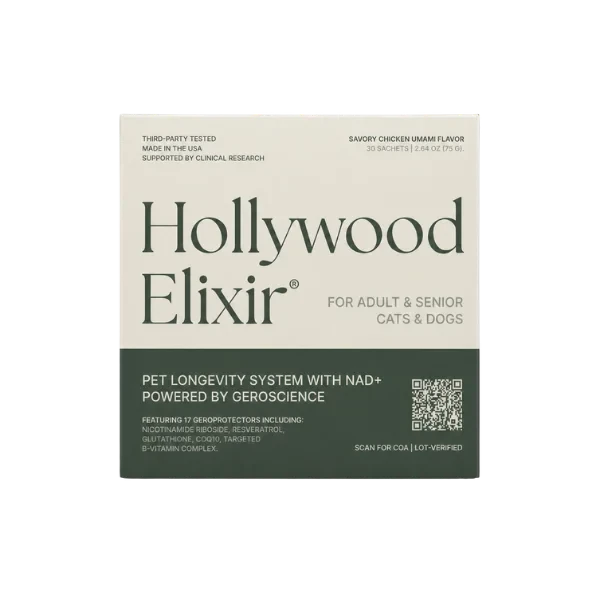
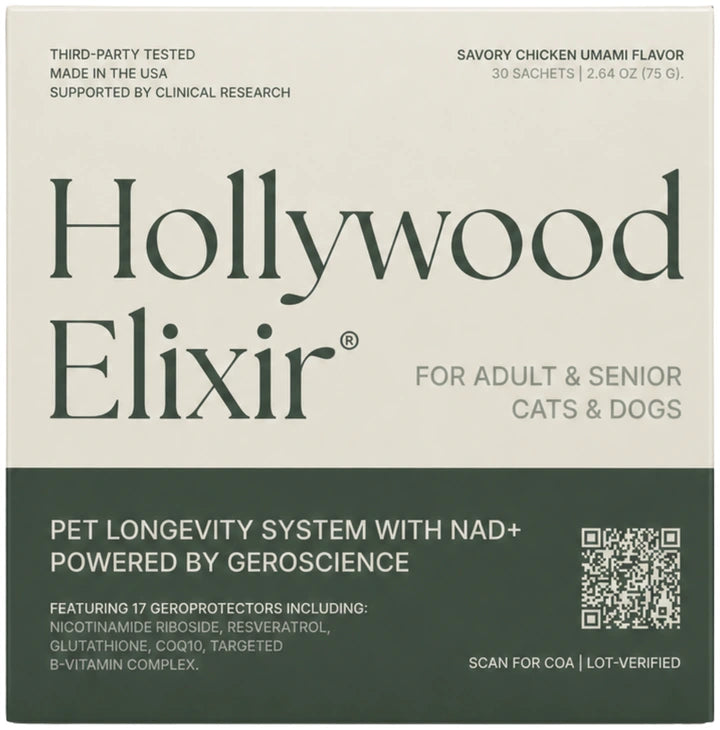
Hollywood Elixir® Senior Cat Supplement

17 science-backed actives

From$50/moSave up to 44%Shop Now
Contents

A raised bowl changes how far your cat reaches down; a tilted bowl changes the angle and where the food collects. Neither label tells you whether the cat can stand comfortably beside it. Compare the food level, front rim and stability with the cat’s ordinary eating posture, rather than assuming higher is always better.

Elevation and tilt are separate design choices.

An overall height is not the height of the food or a recommended posture.

New difficulty eating deserves veterinary attention as well as an accessible dish. 3

Separate the rim from the meal

Imagine two bowls on equally tall stands. One has a shallow dish; the other has a deep cup. The rims may be equally high, but a small remaining portion sits much farther below the rim in the deep cup. The cat must reach over the front edge and down into the food. Stand height alone misses that movement.

Tilt changes another part of the geometry. With suitable food, a sloping dish can bring the remaining portion toward its lower side. But the front edge, angle and attachment still determine whether that portion is reachable. A tilted bowl on a tall pedestal may still be too high; a low tilted dish may still slide.

Feline senior-care guidance says elevated bowls can help cats that experience pain bending down to eat. 3 It does not supply one ideal height or tilt for all senior cats. Use that guidance to consider an individual adjustment while your veterinarian addresses the reason bending has become difficult.

Compare an elevated dish with a lower one

Catit’s PIXI Elevated Feeding Dish #43881 is listed at 5.3 inches wide, 3.9 inches high and 5.3 inches long. Its shallow steel insert lifts out of a plastic holder, and a spare insert is included. 1 The listed height describes the assembled product; it does not tell you the precise position of a particular serving inside it.

The single PIXI Feeding Dish #43874 is listed at 6.2 × 6.2 × 2.2 inches. It also has a removable steel dish, with maker-described non-skid feet under the holder. 2 This offers a useful lower comparison within the same broad dish format. A lower product can be the better fit when the elevated front rim interferes with access.

These are manufacturer specifications checked on October 25, 2026. We have not measured meal posture or compared cat acceptance. The product pages also make health and whisker-related claims; this comparison uses their construction and care information, without claiming that either dish treats vomiting, prevents chin acne or resolves appetite loss.

Tabby cat looking up at a Hollywood Elixir sachet held above it, with the product box on a small table

Observe an ordinary meal before changing again

Place the dish steadily in the cat’s usual quiet feeding area. Watch a normal meal from a distance: can the cat stand or sit in its usual way, reach the portion without pressing against the rim, and continue when less food remains? A photograph of the empty dish does not show that last part.

Change one physical feature at a time when possible. If you raise a dish and change the food simultaneously, a different response cannot easily be attributed to height. Keep a familiar usable feeding option available; do not withhold food to make a cat adopt the new bowl. 2

Check whether the holder rocks or moves under ordinary use. A nonslip label describes a feature, not a test on your particular floor. Use the product as intended rather than balancing it on a loose stack of objects. If another cat blocks access, increasing bowl height will not remove that conflict; microchip cat feeders address a different issue of individual bowl access.

Height and tilt: what changes at the mouth

Compare the rim and remaining food with the cat’s ordinary eating position.

FeatureWhat changes physicallyWhat to observeWhat the label cannot establish
Raised holderFood and rim move upward togetherWhether the cat reaches the food without meeting a high front edgeAn ideal height for the individual cat
Tilted dishFood may gather toward the lower sideAccess to the remaining portion; any spill or moving insertLess vomiting or better digestion
Shallow lower dishLess vertical distance between rim and portionComfortable reach from the floor; access as food diminishesA universal preference for a low bowl
Steady baseDish resists ordinary movementRocking or sliding on the actual floorGuaranteed stability from a rubber-feet claim

Current Catit dimensions and feline guidance on individual feeding access. 1 2 3

Observe voluntary eating; the table does not prescribe a particular height or tilt.

Hand gently petting an orange-and-white cat beside a food bowl and Hollywood Elixir box

Make cleaning and nutrition fit the meal

The elevated PIXI inserts are top-rack dishwasher safe. The lower dish’s steel insert can be hand washed or placed in the dishwasher. 1 2 Apply those instructions to the removable steel part, not automatically to every holder or accessory. A spare insert makes it easier to keep an ordinary meal available while one is being cleaned.

If a senior cat is eating less, struggling with food or losing interest in meals, ask the veterinarian to assess the change. Feline guidance explicitly recommends checking for illness when getting a cat to eat becomes difficult. 3 Repeated bowl purchases should not delay that discussion.

Use senior cat food for the separate questions about the diet itself. For the wider placement of feeding areas and accessible routes, see home modifications for senior cats. The useful bowl is the one that gives this cat steady access to the actual meal.

The bowl determines access to the meal; nutrition is the separate choice inside it. Hollywood Elixir® combines NAD+ precursors, CoQ10 and antioxidant nutrients in a savory powder for adult and senior cats. Because it mixes into the usual food and discloses its active amounts, you can review a combined healthy-aging formula without changing the feeding setup again. Explore the full formula and serving guide alongside the cat’s existing diet and supplements. 4

Silver tabby sitting beside a food bowl and a Hollywood Elixir box held in a person's hand

DVM Voice: Clinical Vignette of a Common Pattern in Senior Cat Aging

Case provided by JoAnna Pendergrass, DVM

Sasha, a 12-year-old cat, was brought in after her owner noticed increased thirst and urination, lethargy, vomiting, and a generally unkempt appearance. Examination showed weight loss, elevated blood pressure, and reduced vitality.

Diagnostic testing revealed elevated kidney markers, poorly concentrated urine, and protein loss in the urine — findings consistent with chronic kidney disease, one of the most common chronic conditions in senior cats.

Her care required a kidney-focused diet, blood pressure management, targeted supplementation, medication support, and regular monitoring — a necessary plan, but one started after clinical signs were already visible.

Clinical takeaway: Sasha’s case reflects why senior-cat wellness should begin before obvious decline. Earlier monitoring, body-condition tracking, hydration awareness, antioxidant support, and daily cellular resilience may help support quality of life as cats age.

Single-case vignette. Not generalizable. Veterinary diagnosis and monitoring are essential for increased thirst, urination, vomiting, lethargy, weight loss, or suspected kidney disease.

Explore Hollywood Elixir Research →

Educational content only. This material is not a substitute for veterinary advice. Always consult your veterinarian about your cat’s specific needs. These statements have not been evaluated by the Food and Drug Administration. Products mentioned are not intended to diagnose, treat, cure, or prevent any disease.

Glossary

Overall height: The height of the complete assembled dish and holder, which differs from the height of food sitting inside it.

Steel insert: The separate metal dish that holds the meal inside the holder. Check its cleaning instructions independently of the outer holder.

Non-skid feet: Grip features beneath the bowl holder, intended to reduce sliding during eating.

Related Reading

References

Numbered references identify the sources used for specific claims. Read the study design, species and evidence boundaries alongside each finding.

  1. PIXI Elevated Feeding Dish #43881. Catit · Not statedSpecies/context: catEvidence boundary: Current source-reported specifications and instructions; not independent performance testing.↩ 1 · ↩ 2 · ↩ 3
  2. PIXI Feeding Dish #43874. Catit · Not statedSpecies/context: catEvidence boundary: Current source-reported specifications and instructions; not independent performance testing.↩ 1 · ↩ 2 · ↩ 3 · ↩ 4
  3. Senior Cats Have Special Needs. Feline Veterinary Medical Association · Not statedSpecies/context: catEvidence boundary: First-party feline guidance; care advice, not an experimental equipment comparison.↩ 1 · ↩ 2 · ↩ 3 · ↩ 4 · ↩ 5 · ↩ 6
  4. Hollywood Elixir formula and serving guide. La Petite Labs · Not statedSpecies/context: dog, catEvidence boundary: Current source-reported specifications and instructions; not independent performance testing.↩

FAQ

How high should a senior cat’s bowl be?

There is no single height established by these sources for every senior cat. Compare the actual food level and front rim with the cat’s comfortable posture. Feline guidance supports individual elevation when bending down is painful, alongside assessment of that pain. 3

Is tilted better than raised?

They change different things. Elevation moves the whole dish upward; tilt changes its angle and where food collects. A dish may have either feature, both or neither. Judge the portion’s accessibility and the stability of the complete setup.

Will a raised bowl stop vomiting?

The construction specifications used here do not establish that. Vomiting or a change in eating should be discussed with the veterinary team rather than treated as proof that the bowl needs a particular height. 3

Can I keep using an ordinary low bowl?

Yes, if the cat continues to reach the meal comfortably and the dish is stable and clean. Being older does not by itself require a raised model. A new difficulty is a reason to reassess the individual cat, not to assume all low dishes are unsuitable.

Orange-and-white cat beside a Hollywood Elixir box held in a person's hand

Discover LPL-01: How This Fits Into a Larger Feline Longevity System

Aging in cats unfolds quietly. It’s not driven by a single failure, but by gradual shifts across interconnected systems — cellular energy, oxidative balance, immune tone, and tissue integrity — each influencing the others over time.

This article explores one layer of that system. To understand what actually shapes long-term health, you need to step back and look at how these layers interact.

Start with the underlying science:

Keep exploring

What would you like to understand next?

Search practical guides about healthy aging, cellular energy, ingredients, and daily support for cats.