NaturVet Aller-911 Allergy Aid Soft Chews Review for Dogs

A label-first look at a dog allergy-positioned soft chew with fully disclosed actives, practical cautions, and important testing gaps to verify.

La Petite Labs Editorial 1 min read

NaturVet Aller-911 Allergy Aid Soft Chews are daily soft chews for dogs over 12 weeks old, positioned around seasonal allergy support, normal histamine levels, skin moisture, respiratory health, and immune support. The reviewed size is the 70-count dog soft chew, priced at $21.99 on the product page.

The label is useful for comparison because it discloses every active amount per 2 soft chews: omega-3 fatty acids from fish oil, EPA, DHA, turmeric root, grape seed extract, quercetin, Pumpkin Powder, and bromelain. That makes the product easier to compare than a proprietary blend.

The buyer decision is still not just about the active list. Itching, licking, and irritated skin can come from fleas or mites, skin or ear infections, atopy, food reactions, endocrine issues, and other medical problems, so persistent symptoms belong in a veterinary conversation first. Treat this page as a supplement-label review, not as a substitute for diagnosis or dermatology care.

We reviewed NaturVet at brand level — Public Transparency Score 56.5/100 — see the NaturVet Review for the brand's testing posture, disclosure practices, and what to verify before buying anything from its range.

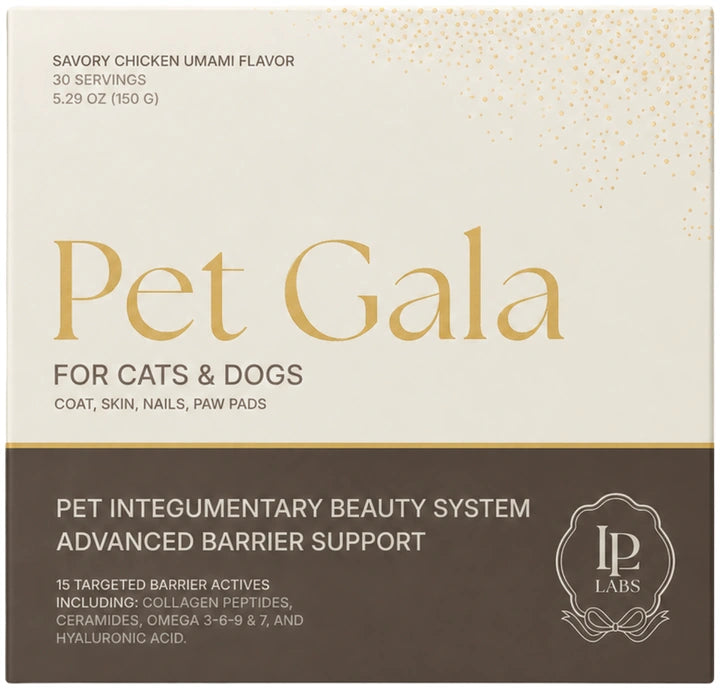
Disclosure: La Petite Labs sells its own pet supplements, including Pet Gala™. This review is editorial: competitor facts are drawn from the public sources listed in the References section, and facts are dated where shown.

What NaturVet Aller-911 is, and what the label says about the maker

NaturVet Aller-911 Allergy Aid Soft Chews are a dog supplement in the pet vitamins and supplements category. The reviewed product is Aller-911 Allergy Aid Soft Chews in the 70-count size. The product page identifies the brand as NaturVet and the page is for dogs over the age of 12 weeks.

The product is allergy-positioned, so the wording deserves careful handling. The brand says, 'When seasonal allergies strike, your dog doesn't have to suffer through the itching, licking, and discomfort.' It also says the chews are 'veterinarian formulated to help maintain normal histamine levels, proper skin moisture, and respiratory health.' Those are the brand's claims, not a diagnosis or proof that a supplement can replace veterinary dermatology.

That distinction matters because itching and licking are not one-problem signs. They can come from parasites, bacterial or yeast infections, atopy, food reactions, endocrine issues, contact irritation, ear disease, or other medical causes. If a dog is chewing paws, rubbing the face, losing hair, developing odor, getting recurrent hot spots, or failing to improve, a supplement review should not be the first or last stop. A veterinarian can look for the cause and decide whether the dog needs parasite control, medication, diet work, allergy testing, immunotherapy, or another plan.

The manufacturer name beyond the NaturVet brand or organization was not stated on the pages checked. The product page does include quality-positioning language: NaturVet is described as a founding preferred supplier of the NASC, with products that adhere to cGMP standards. That is useful context, but it is separate from public batch testing or clinical evidence.

At a Glance

What is NaturVet Aller-911 Allergy Aid Soft Chews for dogs?

NaturVet Aller-911 Allergy Aid Soft Chews are daily soft chews for dogs over 12 weeks old. The label positions them for seasonal allergy support, normal histamine levels, proper skin moisture, respiratory health, and immune support. The reviewed 70-count dog variant lists all active amounts per 2 soft chews and is priced at $21.99.

Product
NaturVet Aller-911 Allergy Aid Soft Chews - 70 ct
Category
Dog skin and coat allergy-support soft chew
Species
Dogs over the age of 12 weeks
Format
undefined
Disclosed actives
Per 2 soft chews: 53 mg total omega-3 fatty acids, 21 mg EPA, 14 mg DHA, 50 mg turmeric root, 25 mg grape seed extract, 25 mg quercetin, 25 mg Pumpkin Powder, and 25 mg bromelain; no proprietary blends listed.
Price
$21.99 for 70 soft chews; about $0.31 per chew. Estimated daily cost from directions: about $0.63, $0.94, $1.26, or $1.88 depending on weight band.
Best fit
Dogs with non-urgent, veterinarian-contextualized seasonal skin-support needs where the owner wants a disclosed soft chew and can follow the label cautions.
What to check
Confirm the exact dog label, review inactive ingredients for diet-sensitive dogs, and ask for lot-specific COA or testing details if public batch verification matters to you.

Quick Answers

Is NaturVet Aller-911 a good dog supplement?

It may be a good fit for owners who want a soft chew with fully disclosed active amounts and whose dog has already had persistent itch evaluated. Its strengths are convenience and full active disclosure. Its weaker areas are public testing visibility: COA, lot lookup, named lab, testing panels, and finished-product studies were not easy to find publicly.

What should owners check before buying Aller-911?

Check whether the dog's itching needs veterinary diagnosis first, then review the weight-based chew count, inactive ingredients, and cautions. Also check the exact species label, because this review is for the dog soft chew. Buyers who care about batch verification may want to ask NaturVet for lot-specific COA, lab, and testing-panel details.

What side effects or cautions does the Aller-911 label mention?

The label says to stop administration and consult a veterinarian if the animal's condition worsens or does not improve. It says safe use in pregnant or breeding animals has not been proven, the product may be a GI irritant and should not be used in patients with stomach ulcers, and it should not be used with blood thinners or anticoagulants.

How much does Aller-911 cost per day?

The 70-count bag is listed at $21.99, or about $0.31 per chew. Based on directions, estimated daily cost is about $0.63 for dogs up to 20 lb, $0.94 for 21 to 40 lb, $1.26 for 41 to 60 lb, and $1.88 for dogs 61 lb and over.

Does Aller-911 treat dog allergies or stop itching?

Do not assume that. NaturVet uses allergy-adjacent wording about seasonal allergies, itching, licking, histamine levels, skin moisture, respiratory health, and immune support, but a supplement review should not turn those claims into treatment promises. Persistent itch can come from parasites, infections, atopy, food reactions, endocrine issues, and other causes that need veterinary care.

How does La Petite Labs Pet Gala compare with Aller-911?

Pet Gala is a skin, coat, and barrier-support daily system with 13 actives disclosed at full mg amounts and no proprietary blends, plus per-batch third-party testing with named labs and a public COA lookup portal. Aller-911 is more specifically allergy-positioned. Pet Gala is not a substitute for prescription dermatology products or allergy immunotherapy.

Are there studies on NaturVet Aller-911?

Finished-product study references were not easy to find publicly on the reviewed pages. The label does disclose each active amount, which helps with ingredient-level review, but that is different from published finished-formula evidence in dogs. For any dog with significant itching, diagnosis and veterinary guidance matter more than supplement claims.

What active ingredients are listed in Aller-911?

Per 2 soft chews, the label lists 53 mg total omega-3 fatty acids from fish oil, 21 mg EPA, 14 mg DHA, 50 mg turmeric root, 25 mg grape seed extract, 25 mg quercetin, 25 mg Pumpkin Powder, and 25 mg bromelain. No proprietary blends are listed.

The Plain Comparison

Aller-911 vs Pet Gala™, side by side

QuestionAller-911Pet Gala™Stronger fit
Which product gives more visible active-dose detail?Aller-911 discloses every active amount per 2 soft chews: 53 mg total omega-3 fatty acids, 21 mg EPA, 14 mg DHA, 50 mg turmeric root, 25 mg grape seed extract, 25 mg quercetin, 25 mg Pumpkin Powder, and 25 mg bromelain.Pet Gala discloses 13 actives at full mg amounts on the public product page and uses no proprietary blends.Both are strong on active-dose visibility. Aller-911 is clearer for this specific omega/quercetin/bromelain allergy-positioned formula, while Pet Gala shows a broader 13-active disclosed skin, coat, and barrier-support system.
Which product is more allergy-positioned?Aller-911's label discusses seasonal allergies, itching, licking, normal histamine levels, proper skin moisture, respiratory health, and immune support.Pet Gala is described as a skin, coat, and barrier-support daily system, and it is not a substitute for medicated or prescription dermatology products or allergy immunotherapy.Aller-911 is the stronger fit for buyers specifically seeking an allergy-positioned soft chew. Pet Gala is the better fit when the goal is daily skin, coat, and barrier support rather than allergy treatment expectations.
Which product has more public batch-testing visibility?For Aller-911, public COA, lot lookup, named lab, and stated testing panels were not easy to find publicly; the page does state NASC and cGMP standards language.Pet Gala has per-batch third-party testing with named labs and a public COA lookup portal, but the portal does not yet cover every currently sold SKU and the public panel does not yet itemize pesticide, mycotoxin, or allergen testing.Pet Gala is stronger for public batch-testing visibility. Aller-911 still has NASC and cGMP positioning, but less public lot-level detail was visible.
Which product has finished-formula clinical evidence?Finished-product study references for Aller-911 were not easy to find publicly on the reviewed pages.La Petite Labs explicitly discloses that no finished-formula clinical trial currently exists on its products; its evidence is ingredient-level.Neither product has visible finished-formula clinical trial support in the allowed public facts. This row is a tie on visible finished-formula evidence, and neither should be presented as clinically proven.
Which product should replace veterinary dermatology care?Aller-911 uses allergy-adjacent language, but the label also tells owners to stop administration and consult a veterinarian if the animal worsens or does not improve.Pet Gala is not a substitute for medicated or prescription dermatology products or allergy immunotherapy.Neither product should replace veterinary dermatology. Persistent itching, recurrent skin signs, or worsening symptoms should be handled as a veterinary problem first.

Competitor label and pricing facts checked July 3, 2026. Sources are listed in the References section below.

Why this Aller-911 soft chew has genuine buyer appeal

The strongest practical appeal of Aller-911 is that it gives buyers a familiar daily format and a readable active panel. Soft chews can be easier for some households than measuring powders or hiding capsules, especially when the dog already accepts treat-like supplements. The brand describes the chews as 'deliciously soft and easy to give,' and the dosing directions allow the daily amount to be divided between morning and evening.

The label also discloses the active amounts instead of using a proprietary blend. Per 2 soft chews, it lists 53 mg total omega-3 fatty acids from fish oil, including 21 mg EPA and 14 mg DHA, plus 50 mg turmeric root, 25 mg grape seed extract, 25 mg quercetin, 25 mg Pumpkin Powder, and 25 mg bromelain. For a buyer comparing skin-support supplements, that is a meaningful advantage over an undisclosed active blend.

Another appeal is category fit. The formula is built around several lanes buyers often look for in seasonal skin support: omega fatty acids, antioxidant-positioned botanicals, quercetin, and bromelain. The brand also states that the product provides antioxidants to support a normal immune system, contains omegas, DHA, and EPA to help maintain proper skin moisture and respiratory health, and maintains normal histamine levels.

The caution is not that these claims are automatically inappropriate; it is that allergy wording can make a product feel closer to treatment than a cautious owner should assume. If a dog has ongoing itch, redness, odor, sores, or recurrent licking, the product's convenience does not change the need to identify the underlying cause.

The Aller-911 active panel, amount by amount

The active panel is disclosed per 2 soft chews, equal to 4.4 g. That serving basis matters because the feeding directions scale above 2 chews for many dogs. A dog up to 20 lb receives 2 soft chews daily, while larger dogs receive 3, 4, or 6 soft chews daily. The product page does not state the active totals for each weight band, but the per-2-chew label gives enough information for buyers to understand the base unit.

Per 2 soft chews, the label lists Total Omega-3 Fatty Acids from fish oil at 53 mg. It separately lists EPA, or eicosapentaenoic acid, from fish oil at 21 mg, and DHA, or docosahexaenoic acid, from fish oil at 14 mg. These are the clearest coat-and-skin lipid ingredients on the active panel.

The botanical and companion active lane includes Turmeric Root at 50 mg, Grape Seed Extract at 25 mg, Quercetin at 25 mg, Pumpkin Powder at 25 mg, and Bromelain at 25 mg per 2 soft chews.

There are no proprietary blends listed in the active section. That does not prove the product will work for a particular dog, and it does not replace a veterinary workup for itch. It does mean a buyer can see the exact disclosed amount for every active ingredient in the reviewed formula, which is a real label-strength for this category.

What is not visible before buying Aller-911

Several buyer-relevant details were not easy to find publicly on the pages checked. The manufacturer name beyond the NaturVet brand or organization was not stated. A subscription price was not stated; only a subscription savings claim was visible. Servings per container were not explicitly stated, even though the package count and directions make daily cost estimates possible.

Storage instructions were also not found. For a soft chew, this is worth checking because texture, palatability, and shelf handling can matter in daily use. A buyer can still follow any instructions printed on the physical package, but the online listing did not make that detail easy to review in advance.

Testing transparency is the larger gap. A public certificate of analysis was not found. A lot lookup or batch lookup was not found. A named third-party lab was not found. Testing panels were not stated. Finished-product study references were not found. Those absences do not prove the brand lacks internal testing or quality controls; they simply mean those details were not published in an easy-to-check form on the pages reviewed.

There is also a species-detail wrinkle. The product label says 'For use in dogs only,' and this page treats the reviewed product as a dog product. A retailer listing also included a 70 Soft Chews Aller-911 Advanced Allergy Aid row that said 'for Dogs, Cats.' A cautious buyer should rely on the exact product label in hand and avoid assuming that sibling Aller-911 formats or retailer rows have the same species directions.

Which skin-support lanes Aller-911 covers, and which it does not

Aller-911 covers the omega lane, the antioxidant and botanical lane, and the quercetin-bromelain seasonal-support lane. Its most concrete skin-and-coat ingredients are the fish-oil omega-3 entries: 53 mg total omega-3 fatty acids, including 21 mg EPA and 14 mg DHA, per 2 soft chews. The brand connects these omegas with maintaining proper skin moisture and respiratory health.

It also covers an antioxidant-positioned lane through ingredients such as turmeric root and grape seed extract, and through the claim that the product provides a source of antioxidants to support a normal immune system. The label includes quercetin and bromelain, ingredients commonly seen in seasonal-support formulas, and the brand states that the product helps maintain normal histamine levels. That is still a structure-function style claim, not proof that a supplement treats allergic disease.

The lanes that are not visible are just as important. The active panel does not list a dedicated ceramide, hyaluronic acid, collagen, keratin, or named barrier-lipid complex. It does include flaxseed, canola oil, and vegetable oil as inactive ingredients, but the disclosed active omega amounts come from fish oil. Because inactive ingredients are not given with amounts, they should not be treated as dose-comparable active skin agents.

For dogs with itch, lane coverage should not be confused with cause coverage. A supplement can sit beside a veterinary plan, but it does not identify fleas, mites, infection, food reaction, atopy, endocrine disease, or other causes. If the dog's main issue is active itching, the first question is diagnosis; the second question is whether this label fits the support role the veterinarian has in mind.

“Aller-911's strongest label feature is that every active is disclosed per 2 soft chews, with no proprietary blend to decode.”

Soft-chew routine reality for a dog allergy-positioned product

Aller-911 is designed for daily use as soft chews. That format is one of its practical strengths. It avoids scoops, water mixing, capsules, and oil pumps, and the brand frames the routine as treat-like. The directions also say the daily amount can be divided between AM and PM, which gives owners some flexibility if the dog prefers smaller portions or if the household already has morning and evening routines.

The tradeoff is chew count. Dogs up to 20 lb take 2 soft chews daily. Dogs from 21 to 40 lb take 3. Dogs from 41 to 60 lb take 4. Dogs 61 lb and over take 6. For a large dog, that is a meaningful number of chews each day, and it changes how fast the 70-count bag disappears.

Soft chews also bring an inactive list that should be read before use. Aller-911 lists brewers dried yeast, canola oil, glycerin, maltodextrin, natural flavoring, potato, tapioca starch, vegetable oil, water, and several other inactive ingredients. Those ingredients may be acceptable for many dogs, but dogs with known dietary sensitivities may need a closer label review before starting.

Because the product is allergy-positioned, routine should include observation rather than just daily compliance. Owners should watch for worsening itch, new digestive upset, skin lesions, ear symptoms, paw damage, or failure to improve. The label itself says to stop administration and consult a veterinarian if the animal's condition worsens or does not improve. That is the right practical frame for a supplement in this category.

Dog dosing practicalities for the 70-count Aller-911 bag

The dosing directions are weight-based and daily. The product is for dogs over the age of 12 weeks. Dogs up to 20 lb are directed to receive 2 soft chews per day. Dogs from 21 to 40 lb receive 3 soft chews. Dogs from 41 to 60 lb receive 4 soft chews. Dogs 61 lb and over receive 6 soft chews. The amount can be divided between AM and PM.

Those directions create very different bag life by dog size. The reviewed package contains 70 soft chews. At 2 chews daily, a small dog uses a 70-count bag in 35 days. At 3 chews daily, a 21 to 40 lb dog uses it in about 23 days. At 4 chews daily, a 41 to 60 lb dog uses it in 17.5 days. At 6 chews daily, a dog 61 lb or over uses it in about 11.7 days. These are arithmetic estimates from count and directions, not stated servings per container.

The active label is shown per 2 soft chews, so larger dogs receive more than the base disclosed unit. However, the product page does not present a separate per-weight active table. Buyers who want exact daily active totals by dog weight can calculate them from the 2-chew panel, but the label itself is anchored to that 2-chew amount.

Species discipline matters here. This review is for the dog soft chew, and the label says it is for use in dogs only. Other Aller-911 formats include sprays, powders, foams, scoopables, and a cat soft chew variant, but those should not be assumed interchangeable with this dog product.

Inactive ingredients that matter for sensitive dogs

The inactive ingredient list is long enough to deserve real attention, especially on a product aimed at dogs with skin or allergy concerns. Aller-911 lists Brewers Dried Yeast, Canola Oil, Citric Acid, Flaxseed, Glycerin, Lecithin, Maltodextrin, Mixed Tocopherols, Natural Flavoring, Potato, Rosemary Extract, Silicon Dioxide, Sorbic Acid, Tapioca Starch, Vegetable Oil, and Water.

None of those ingredients should be automatically treated as a problem. They are on the label as inactive ingredients, not as disclosed active amounts. That distinction matters because owners should not count inactive oils, starches, flavoring, or other delivery ingredients as dose-comparable active skin-support ingredients. For buyers, the inactive list is a compatibility screen, not an active-dose promise.

The allergy-relevant point is different: dogs with suspected food reactions or known sensitivities need ingredient discipline. This formula includes brewers dried yeast, natural flavoring, potato, tapioca starch, flaxseed, canola oil, and vegetable oil. If a dog is on a veterinarian-guided elimination diet or a strict food trial, adding a flavored soft chew can complicate interpretation unless the veterinarian approves it.

The product's active appeal should therefore be weighed against the delivery system. A soft chew may be the easiest format for everyday use, but it is not the cleanest choice for every sensitive dog. If the dog's itch might involve food reaction, recurrent GI upset, or strict dietary management, the inactive list is not a footnote; it is part of the buying decision.

Testing and quality signals on the Aller-911 page

The visible quality signals are NASC and cGMP language. The brand states that NaturVet is a founding preferred supplier of the NASC and that it provides products that adhere to cGMP standards. For buyers who screen supplements for basic quality-positioning statements, that is useful information to have on the page.

What was not easy to find publicly is the batch-level testing detail that would let a buyer verify a specific bag. A public certificate of analysis was not found. A lot lookup or batch lookup was not found. A named third-party lab was not found. The product page did not state testing panels. Finished-product study references were also not found.

That wording should be read carefully. It does not mean the company performs no testing, and it does not mean the product is low quality. It means the buyer-facing pages did not publish the kind of specific testing trail that a highly transparency-focused owner might want before using a daily supplement.

For this product, the active disclosure is stronger than the public testing disclosure. The label tells buyers exactly what actives are present per 2 chews, but it does not provide a public COA or lot-linked verification path. A practical buyer can still decide the NASC and cGMP language is enough for their comfort level. A more cautious buyer may want to contact the company for lot-specific documentation, lab details, or testing panels before committing to repeat purchases.

Evidence status for Aller-911's allergy and skin claims

The reviewed pages did not publish finished-product study references for Aller-911 Allergy Aid Soft Chews. That is important because the product is positioned with allergy-adjacent language. The brand says the chews help maintain normal histamine levels, proper skin moisture, respiratory health, and immune support. It also says each soft chew is packed with omegas, DHA, and EPA to help calm allergy symptoms, soothe irritated skin, and support a strong immune system.

Those statements may describe the brand's intended support role, but they should not be read as proof that the product treats allergic disease, stops itching, or replaces veterinary dermatology. The pages checked did not provide a finished-formula clinical trial, published trial citation, or study reference that lets a buyer evaluate that full formula in dogs with a defined skin condition.

The disclosed ingredients make the label easier to evaluate at an ingredient level. Fish-oil omega-3s, turmeric root, grape seed extract, quercetin, Pumpkin Powder, and bromelain are all visible with amounts per 2 soft chews. That transparency helps buyers compare formulas, but ingredient disclosure is not the same thing as finished-product outcome evidence.

For an itchy dog, this is not a small distinction. Itching can come from parasites, infections, atopy, food reactions, endocrine issues, and other causes. Evidence for a supplement support formula does not answer whether the dog has fleas, yeast, bacteria, ear disease, or a food-responsive condition. If symptoms are persistent, recurring, painful, or worsening, veterinary diagnosis carries more weight than any supplement claim.

“The allergy wording is buyer-relevant, but it should not turn a daily soft chew into a substitute for veterinary dermatology.”

Aller-911 price and estimated daily cost by dog size

The 70-count Aller-911 Allergy Aid Soft Chews bag is listed at $21.99. The product page did not state a subscription price, and servings per container were not explicitly stated. Because the count and daily directions are visible, daily cost can still be estimated from the listed price and chew count.

The arithmetic starts with $21.99 divided by 70 soft chews, which is about $0.31 per chew. Dogs up to 20 lb take 2 chews daily, so the estimated cost is about $0.63 per day, and the bag lasts 35 days. Dogs 21 to 40 lb take 3 chews daily, so the estimated cost is about $0.94 per day, and the bag lasts about 23 days.

Dogs 41 to 60 lb take 4 chews daily, so the estimated cost is about $1.26 per day, and the bag lasts 17.5 days. Dogs 61 lb and over take 6 chews daily, so the estimated cost is about $1.88 per day, and the bag lasts about 11.7 days. These figures are buyer math from the public price, count, and directions; they are not stated as official servings per container.

The value question depends heavily on dog size. For a small dog, the 70-count bag behaves like roughly a month-plus routine. For a large dog, it is closer to a short trial bag. Buyers comparing this product with powders, oils, or larger soft-chew tubs should compare daily cost at their dog's weight, not just the front-of-pack price.

What to expect from coat turnover, without overselling itch relief

Skin and coat supplements are usually evaluated over weeks, not days, because coat condition and skin barrier support do not change on a single-dose timeline. That said, Aller-911 is not just a general shine supplement; it is positioned around seasonal allergy support, itching, licking, histamine levels, skin moisture, respiratory health, and immune support. That makes expectations especially important.

A cautious owner should separate coat-quality tracking from medical itch tracking. Coat softness, visible flaking, dry-looking skin, and general shine can be watched over a routine period. Active itching, paw chewing, face rubbing, odor, hot spots, scabs, ear inflammation, or broken skin should not be allowed to drift while waiting for a supplement to kick in. Those signs can reflect parasites, infection, atopy, food reactions, endocrine issues, or other conditions that need diagnosis.

The label itself supports that caution. It says that if the animal's condition worsens or does not improve, product administration should stop and the veterinarian should be consulted. That is the right rule for this category. If a dog seems worse, develops GI upset, shows spreading redness, or continues licking to the point of skin damage, the owner should pause and call the veterinarian rather than escalating chew use beyond directions.

For a reasonable first trial, owners can track the same few observations each week: chew acceptance, stool changes, scratching frequency, paw licking, skin redness, ear signs, and coat feel. Improvement should be interpreted modestly, and lack of improvement should not be reframed as needing more time if the dog is uncomfortable.

Who Aller-911 genuinely fits

Aller-911 is a credible fit for dog owners who want a daily soft chew with fully disclosed active amounts and a seasonal-support positioning. It is especially practical for dogs that accept chews easily, households that prefer a treat-style routine, and owners who value seeing exact ingredient amounts rather than a proprietary blend.

It also fits owners who understand the boundary between support and treatment. The label says the product helps maintain normal histamine levels, proper skin moisture, respiratory health, and immune support. The buyer should treat those as supplement support claims, not as a reason to skip diagnosis when a dog is itchy, inflamed, smelly, losing hair, or uncomfortable.

The formula may be easier to justify when the dog has already been assessed by a veterinarian, urgent causes have been ruled out, and the goal is daily support alongside an appropriate care plan. It can also fit owners comparing soft chews and looking for visible omega-3, EPA, DHA, turmeric, grape seed extract, quercetin, pumpkin powder, and bromelain amounts.

It is less clearly suited to dogs that need a strict elimination diet, because the inactive list includes natural flavoring, potato, tapioca starch, brewers dried yeast, oils, and other delivery ingredients. It is also not a casual choice for dogs with the label's caution flags: pregnant or breeding animals, dogs with stomach ulcers, or dogs taking blood thinners or anticoagulants. For those dogs, the veterinarian should decide whether the product belongs in the routine at all.

Who should see a veterinarian before using an itch supplement

A dog should see a veterinarian first when itching is persistent, intense, recurring, or paired with visible skin changes. Paw chewing, face rubbing, hair loss, redness, odor, discharge, scabs, hot spots, ear shaking, head tilting, or sleep-disrupting scratching can point to problems a supplement cannot diagnose. Parasites, skin infection, ear infection, atopy, food reaction, endocrine disease, and other conditions can overlap in ways that are hard to sort out at home.

Aller-911's own category positioning makes this extra important. The brand uses wording about seasonal allergies, itching, licking, discomfort, irritated skin, histamine levels, respiratory health, and immune support. That language can make the product feel closer to treatment than a cautious owner should assume. A supplement can be part of a broader plan, but it should not be used to delay care when a dog is uncomfortable or worsening.

Dogs with known medical cautions deserve extra care. The label says safe use in pregnant animals or animals intended for breeding has not been proven. It says the product may be a GI irritant and should not be used in patients with stomach ulcers. It also says it should not be used with blood thinners or anticoagulants. Those are not minor footnotes; they are buying-screen questions.

Owners should also contact a veterinarian if there is accidental overdose, if the dog gets into the package, or if new signs appear after starting. The label warns that the products are tasty and should not be left unattended around pets. That is practical safety advice for any household using soft chews.

Where La Petite Labs Pet Gala is relevant, and where Aller-911 is different

La Petite Labs Pet Gala is relevant to this comparison because it is also a skin, coat, and barrier-support daily system. Its public product page discloses 13 actives at full mg amounts and no proprietary blends. La Petite Labs also describes per-batch third-party testing with named labs and a public COA lookup portal. That gives it a stronger public testing trail than the Aller-911 pages checked, where a public COA, lot lookup, named lab, and stated testing panels were not easy to find publicly.

The comparison should not be flattened into one winner. Aller-911 is the more allergy-positioned soft chew in this review. Its label specifically discusses normal histamine levels, skin moisture, respiratory health, immune support, seasonal allergies, itching, licking, and discomfort. Pet Gala should not be described as treating allergies, stopping itching, or replacing medicated or prescription dermatology products, allergy immunotherapy, or veterinary care.

The lane difference matters. Aller-911 clearly includes fish-oil omega-3s, EPA, DHA, turmeric root, grape seed extract, quercetin, Pumpkin Powder, and bromelain per 2 soft chews. Pet Gala's allowed public facts here are narrower: 13 fully disclosed actives, no proprietary blends, and per-batch third-party testing with named labs and a public COA lookup portal. It is positioned as a skin, coat, and barrier-support daily system, but this review should not invent a full ingredient panel for it.

La Petite Labs also has honest gaps. It explicitly discloses that no finished-formula clinical trial currently exists on its products, and its evidence is ingredient-level. Its COA lot-lookup portal does not yet cover every currently sold SKU, and the public panel does not yet itemize pesticide, mycotoxin, or allergen testing. Those limits should stay visible in any fair comparison.

Full disclosed amounts, testing scope, and serving details for the La Petite Labs side of this comparison are on the Pet Gala™ explainer.

The first 90 days with Aller-911: what to track

A first 90 days with Aller-911 should start with a baseline, not just a purchase. Before opening the bag, note the dog's main signs: paw licking, scratching, redness, ear signs, coat dryness, flakes, odor, stool quality, and any current medications or diet restrictions. If the dog is already itchy enough to break skin, lose sleep, smell yeasty, or develop hot spots, the better first step is veterinary care.

During the first few weeks, track routine basics. Does the dog take the chews willingly? Does the directed chew count fit the household schedule? Does splitting the dose between AM and PM improve tolerance or convenience? Are there any stool changes or signs of stomach irritation? This matters because the label says the product may be a GI irritant and should not be used in patients with stomach ulcers.

For the middle of the trial, keep the expectations modest. Watch coat feel, visible dryness, licking frequency, and whether skin signs are stable, improving, or worsening. Do not use the product as a reason to overlook parasites, infections, food reactions, atopy, endocrine issues, or other medical causes. If the dog needs veterinary dermatology, a supplement will not replace it.

By the end of the period, judge both results and repeat-purchase practicality. A 70-count bag lasts 35 days for dogs up to 20 lb, about 23 days for 21 to 40 lb dogs, 17.5 days for 41 to 60 lb dogs, and about 11.7 days for dogs 61 lb and over. The larger the dog, the more cost and reorder rhythm matter.

How to read an allergy-positioned skin supplement label like this one

Start with the species and age line. Aller-911 Allergy Aid Soft Chews are presented here as a dog product, and the label says veterinarian formulated for use in dogs over the age of 12 weeks. Do not assume a dog soft chew, cat soft chew, powder, spray, or foam under the same family name has the same directions or ingredient profile.

Next, separate active disclosure from marketing language. Aller-911 does well on active disclosure: every active is listed with an amount per 2 soft chews. That lets buyers see 53 mg total omega-3 fatty acids, 21 mg EPA, 14 mg DHA, 50 mg turmeric root, 25 mg grape seed extract, 25 mg quercetin, 25 mg Pumpkin Powder, and 25 mg bromelain. That is more concrete than a proprietary blend.

Then read the claims with veterinary context. Phrases such as seasonal allergies, histamine levels, respiratory health, itching, licking, and irritated skin are meaningful because they describe why a buyer might be interested. They can also make a supplement feel more medical than it should. A careful owner asks whether the dog has been properly evaluated and whether the product is being used as support rather than as a substitute for care.

Finally, read the invisible parts. Look for public COAs, lot lookup, named labs, testing panels, storage instructions, servings per container, and study references. For Aller-911, several of those details were not easy to find publicly. That does not disqualify the product, but it should shape how much confidence a buyer places in the online label alone.

Bottom line on NaturVet Aller-911 for dogs

NaturVet Aller-911 Allergy Aid Soft Chews are a straightforward, allergy-positioned dog supplement with clear active disclosure. The reviewed 70-count soft chew shows exact active amounts per 2 chews, including omega-3 fatty acids from fish oil, EPA, DHA, turmeric root, grape seed extract, quercetin, Pumpkin Powder, and bromelain. There are no proprietary blends listed in the active section.

The product's appeal is real: daily soft-chew convenience, weight-based directions, NASC and cGMP quality language, and a label built around skin moisture, normal histamine levels, respiratory health, and immune support. For a dog whose veterinarian has already assessed persistent itch and where the goal is supportive daily supplementation, it can be a reasonable product to consider.

The limits are also real. Public COA, lot lookup, named third-party lab, stated testing panels, storage instructions, explicit servings per container, and finished-product study references were not easy to find publicly. The allergy-adjacent language should be read as brand positioning, not as proof of treatment. Itching and licking can come from parasites, infections, atopy, food reactions, and endocrine issues that require diagnosis.

The most honest buying frame is this: Aller-911 is a disclosed soft-chew support formula, not a veterinary dermatology shortcut. If the dog is mildly seasonal, already evaluated, and able to tolerate the inactive ingredients and cautions, it may fit. If the dog is worsening, medically complicated, pregnant or breeding, has stomach ulcers, or uses blood thinners or anticoagulants, start with the veterinarian.

“For large dogs, the 70-count bag is a short trial, not a month-long routine.”

Educational content only. This material is not a substitute for veterinary advice. Always consult your veterinarian about your dog’s specific needs. These statements have not been evaluated by the Food and Drug Administration. Products mentioned are not intended to diagnose, treat, cure, or prevent any disease.

Glossary

Normal histamine levels

A structure-function style phrase used on the label. It should not be read as proof that the product treats allergic disease or replaces veterinary allergy care.

EPA

Eicosapentaenoic acid, an omega-3 fatty acid listed from fish oil at 21 mg per 2 soft chews.

DHA

Docosahexaenoic acid, an omega-3 fatty acid listed from fish oil at 14 mg per 2 soft chews.

Proprietary blend

A grouped ingredient listing where individual active amounts are not shown. Aller-911 does not list proprietary blends in its active panel.

COA

Certificate of analysis, a document often used to show batch testing results. A public COA for Aller-911 was not easy to find publicly when checked.

NASC

A supplement-industry quality signal named on the Aller-911 page, where NaturVet is described as a founding preferred supplier of the NASC.

cGMP

Manufacturing-standard language named on the Aller-911 page. It is useful quality context, but it is not the same as a public lot-specific COA.

Allergy-positioned

A product presentation that uses allergy, itch, licking, histamine, or respiratory-health language. It does not mean the supplement diagnoses or treats allergies.

Related Reading

References

References

Sources for the Aller-911® Allergy Aid Soft Chews facts on this page

Competitor label, pricing, and claims facts on this page come from these public sources. Links are provided for verification.

  • Source pdp.txt Accessed 2026-07-03 · high confidence.
  • Source pdp.jsonld.json Accessed 2026-07-03 · high confidence.
  • Source retailer.txt Accessed 2026-07-03 · medium confidence.

FAQ

La Petite Labs

Discover LPL-01: How This Fits Into a Complete Canine Integumentary Support System

Skin, coat, and nails aren’t cosmetic features. They’re the visible surface of deeper biological systems—barrier function, hydration balance, structural protein turnover, and lipid integrity—working in concert.

When these systems fall out of sync, it shows: dull coat, shedding, dryness, brittleness, sensitivity.

This article explores one piece of that puzzle. If you want to understand how true coat quality and skin resilience are built—and what actually moves the needle—you need to zoom out.

Start with the underlying science: