JAK-STAT Itch Signaling in Cats (Mechanism Hub)

Trace Cytokine Pathways and Improve Skin Barrier, Immune Balance, and Sleep Quality

Essential Summary

Why Is JAK-STAT Itch Signaling Important?

JAK-STAT signaling helps convert immune “itch messages” into ongoing skin and nerve irritation, which is why some cats keep overgrooming even when triggers seem controlled. Understanding the pathway supports safer vet-guided choices, especially when considering off-label options.

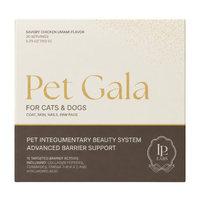
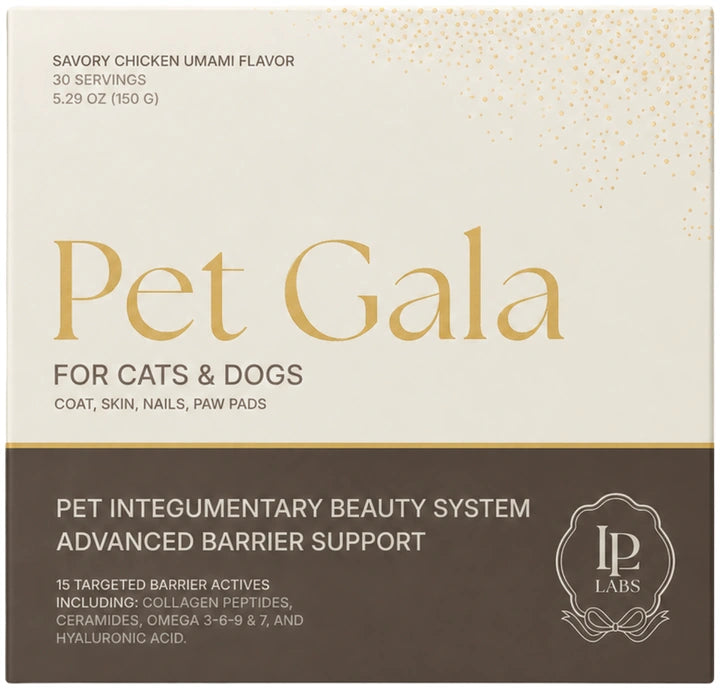
Pet Gala™ supports normal skin barrier nutrition as part of a broader itch-management plan.

JAK-STAT Itch Signaling in Cats is about why a cat can keep licking, chewing, or scratching even when the skin looks only mildly irritated. The JAK-STAT pathway is a common relay that immune “messenger” molecules use to tell skin cells and nerves to stay on alert, which can keep itch going long after the original trigger becomes hard to spot. This matters in cats because many show itch as overgrooming and hair loss rather than obvious scratching, and because approved feline JAK inhibitor options are limited—so any “jak inhibitor cats” plan is typically off-label and must be guided and monitored by a veterinarian.

This page focuses on two practical outcomes: (1) helping owners recognize the household pattern of cytokine-driven itch (including the cat overgrooming differential), and (2) explaining why vet-supervised monitoring is part of responsible care when the conversation turns to JAK-STAT modulation. Related pages in this ecosystem include jak-stat itch signaling in dogs (for comparison), the IL-31 itch pathway in cats (a key itch cytokine), and the Th2 allergy pathway in cats (an immune pattern that can feed itch signals).

  • JAK-STAT Itch Signaling in Cats explains how immune cytokines can keep feline itch “turned on” through a shared relay that affects skin and nerves.
  • In cats, chronic itch often appears as overgrooming, barbering, and face/neck scratching rather than constant loud scratching.
  • IL-31 is a key itch-driving cytokine in mammals and can feed into JAK-STAT signaling, helping explain persistent flares.
  • Repeated signaling can prime nerves and lower the itch threshold, so removing one trigger may not fully stop symptoms.
  • Because approved feline options lag, “jak inhibitor cats” discussions often involve off-label, vet-managed care with monitoring.
  • Home tracking (photos, grooming minutes, wake-ups, scab counts) makes veterinary decisions safer and more targeted.
  • Avoid common pitfalls: sharing dog prescriptions, stacking immune-active products, and frequent unstructured diet switches.

The JAK-STAT Relay: the Basic Idea

JAK-STAT is a fast “message relay” used by many immune signals that influence itch. When a cytokine docks on a cell’s surface receptor, Janus kinases (JAKs) switch on and activate STAT proteins, which then change what the cell does next—often pushing it toward more inflammation and more itch signaling (Szalus, 2020). In cats, this matters because allergic skin disease can keep recruiting these signals even when the original trigger (like pollen season) is no longer obvious (Sauvé, 2023).

At home, this pathway shows up as itch that seems “out of proportion” to what can be seen on the skin. A cat may look mostly normal but still lick, chew, or scratch daily, especially when relaxed or trying to sleep. Owners often notice the pattern is more consistent than expected, with flare-ups after small changes like a new detergent, a guest’s perfume, or a stressful week.

Veterinary lab coat with La Petite Labs logo, signaling standards behind jak inhibitor cats.

Why Itch Is Also a Nerve Signal

The key idea in feline jak-stat pathway cats itch is that itch is not only a skin problem; it is also a nerve problem. Cytokines can “talk” directly to sensory nerves, priming them to fire more easily and to interpret normal touch as itchy. IL-31 is one well-described itch-driving cytokine in mammals, with receptors that can engage JAK-STAT signaling and amplify the itch message (Zhang, 2008). This is why the IL-31 itch pathway in cats is often discussed alongside JAK-STAT biology.

In a household, nerve-primed itch often looks like sudden, repetitive grooming loops: lick-lick-lick, pause, then back to the same spot. Many cats focus on the belly, inner thighs, or forelegs, and the skin can become thin or darker over time from constant friction. A common clue is that the cat grooms more during quiet times, not just after outdoor exposure.

Ingredient spread with Pet Gala box, highlighting depth behind jak-stat pathway cats itch.

How Allergy Signals Feed the Itch Circuit

JAK-STAT signaling is not one single switch; it is a family of switches used by different cytokines. In allergic cats, Th2-skewed immune activity can increase itch-linked cytokines and keep the skin’s immune cells “on call,” which is why the Th2 allergy pathway in cats often overlaps with chronic pruritus discussions (Sauvé, 2023). When these signals keep cycling, the skin barrier becomes easier to irritate, and the itch threshold drops.

A practical way to picture this is a smoke alarm that becomes too sensitive: toast sets it off, then steam, then nothing at all. Owners may notice that tiny triggers—dry winter air, a missed flea dose, or a new cat bed—seem to “set off” the same itch routine. This is also why cross-links to jak-stat itch signaling in dogs can be useful: the wiring concept is similar, even if the medication options differ.

Woman with Pet Gala box and cat, reflecting beauty care through jak-stat pathway cats itch.

Why Repeated Signaling Makes Itch Stick

One reason itch becomes chronic is that JAK-STAT can help maintain receptor expression on nerves and immune cells, making them more responsive to the next cytokine wave. Experimental work shows STAT3 activity in sensory neurons is important for IL-31 receptor expression and inflammatory itch, supporting the idea that repeated signaling can “train” the itch pathway to stay reactive (Takahashi, 2023). This helps explain why stopping a single trigger does not always stop the itch.

Owners often interpret this as “the allergy is getting worse,” when it may be that the itch circuitry has less headroom before it fires. A cat may start with seasonal ear scratching, then later add belly overgrooming, then eventually develop scabs from self-trauma. The day-to-day pattern can look less volatile than expected—more like a constant background itch with occasional spikes.

Competitive comparison visual clarifying formulation depth behind jak-stat pathway cats itch.

How Cats Hide Itch through Overgrooming

Cats also hide itch differently than dogs. Instead of loud scratching, many cats show “silent pruritus” through overgrooming, barbering the coat, or pulling hair with the incisors. This is why the cat overgrooming differential is essential: pain, parasites, anxiety, and skin infection can mimic allergic itch, and the JAK-STAT story only fits when itch is truly driving the behavior (Sauvé, 2023).

A useful home observation is whether the cat can be interrupted. If a gentle sound or treat breaks the grooming loop briefly, itch is still likely, but habit and stress may be layering on top. If the cat seems compelled and returns immediately to one spot, that supports an active itch signal. Owners can also check for saliva-stained fur, broken whiskers from face rubbing, and tiny crusts along the neck or back.

“Chronic itch is often a loop: skin, immune signals, and nerves keep re-triggering.”

A Realistic Household Scenario of Persistent Itch

CASE VIGNETTE: A 6-year-old indoor cat develops belly baldness and nightly face rubbing that persists after a flea treatment change. The skin looks only mildly pink, but the cat wakes to groom several times each night and becomes irritable when touched. This pattern fits a scenario where cytokine-driven itch signaling stays active even when the original trigger is not obvious, which is the core concern in JAK-STAT Itch Signaling in Cats.

In the home routine, the most helpful detail is timing: when the grooming starts, how long it lasts, and whether it clusters around meals, litter box use, or bedtime. Video clips taken in low light can capture the true frequency better than memory. Owners can also note whether itch concentrates in classic allergy zones (head/neck, belly, inner thighs) versus a single painful joint or a urinary discomfort pattern.

Pet Gala packaging opened on clean surface, aligned with jak inhibitor cats.

Misconceptions That Delay the Right Workup

A UNIQUE MISCONCEPTION is that “if there are no fleas, flea allergy is ruled out.” In cats, a single bite can trigger days of itch, and the immune signaling that follows can keep running through pathways like JAK-STAT even when no parasites are found. Another misconception is that overgrooming is always behavioral; many cats start grooming because the skin feels wrong, then the habit becomes layered on top.

At home, this means a clean flea comb does not end the investigation. Owners can check whether all pets in the home are on consistent flea control, whether wildlife visits the yard, and whether the cat rests on shared blankets where fleas could hitchhike. It also helps to separate “stressful day grooming” from “every day grooming,” because immune-driven itch tends to be more consistent over days and weeks.

Cat with healthy skin and coat, evoking beauty support from feline jak-stat signaling.

Owner Checklist for Cytokine-pattern Itch

OWNER CHECKLIST (home signals that fit cytokine/JAK-STAT itch): (1) repeated licking of the same patch until fur thins, (2) head/neck scratching with small crusts, (3) grooming that increases at night or during rest, (4) “twitchy” skin or sudden rippling when touched, and (5) intermittent ear rubbing without obvious debris. These signs do not diagnose a pathway, but they support an itch-driven pattern worth discussing with a veterinarian.

To make the checklist useful, owners can pick two daily check-in times (morning and evening) and score each sign as none, mild, or frequent. It also helps to note what changed in the last month: new food, new litter, a move, a new pet, or a missed preventive. Small changes can matter because primed itch pathways have less margin before they flare.

Close-up of La Petite Labs emblem on coat, reflecting standards behind jak-stat pathway cats itch.

What to Notice over Days and Weeks

“WHAT TO TRACK” RUBRIC for feline jak-stat signaling: track (1) minutes spent grooming per hour during rest, (2) number of wake-ups due to grooming overnight, (3) new bald spots measured with a coin for scale, (4) scab count in a defined area like the neck, (5) stool consistency and appetite (because some itch plans affect the gut), and (6) flare triggers such as vacuuming, visitors, or heating running. This turns a vague complaint into decision-ready data.

Owners can keep tracking simple: one note per day plus a weekly photo from the same angle. The goal is not perfection; it is to see whether itch becomes smoother and more consistent with a plan, or whether it remains volatile. Bringing this log to the appointment helps the vet judge whether the main driver is allergy, infection, pain, or a mixed picture.

Why Feline JAK Options Lag Behind Dogs

When owners search “jak inhibitor cats,” they often find dog-focused discussions and assume the same options exist for cats. The reality is that feline approvals and dosing guidance lag behind, so any JAK-inhibitor approach is typically off-label and must be vet-managed. Controlled safety work in cats has evaluated oclacitinib under monitored conditions, including bloodwork surveillance, which supports why supervision matters rather than casual sharing of leftover medication (Lopes, 2019).

In the home, off-label care should never start with a pill swap. Owners can instead prepare by listing all current medications and supplements, noting vaccine timing, and reporting any history of recurrent infections. Cats that go outdoors, live with multiple pets, or have chronic dental disease may have different risk considerations. This is the point where a vet-guided model protects the cat’s resilience while still addressing itch.

“Overgrooming can be the loudest itch sign in a quiet cat.”

Pet Gala box with ingredient visuals, aligned with standards for feline jak-stat signaling.

Why Central Relays Matter in Chronic Itch

A second reason JAK-STAT matters is that it sits downstream of multiple itch cytokines, not just one. That “central relay” position is why JAK inhibitors are discussed broadly in atopic dermatitis biology, even across species (Szalus, 2020). For cats, this does not mean a JAK approach is always the best first step; it means the pathway can explain why antihistamines alone often disappoint when cytokines are the main drivers.

At home, this shows up as a cat that still overgrooms despite owners trying common over-the-counter allergy ideas. It is also why skin infections must be checked: bacteria or yeast can add their own itch signals and keep the cycle going. Owners can watch for odor, greasy fur, or new pimples—clues that the plan needs to include skin cytology and targeted treatment, not only itch suppression.

Cat owner presenting supplement, highlighting daily beauty support from feline jak-stat signaling.

How to Prepare for a Focused Vet Visit

VET VISIT PREP: bring (1) a 2-week itch log using the tracking rubric, (2) photos of the worst days, and (3) a list of every flea product used in the last 6 months. Ask: “Which diagnoses in the cat overgrooming differential fit this pattern?” “Do you see infection that could be amplifying itch?” “If considering a jak inhibitor cats option off-label, what baseline bloodwork and recheck schedule is safest?” These questions keep the visit focused on safe decision-making.

Owners can also note practical constraints: difficulty pilling, multi-cat feeding, or stress with clinic visits. That information helps the veterinarian choose a plan the household can actually follow, which is often the difference between short-lived improvement and a more consistent outcome. If the cat is anxious, asking about pre-visit calming strategies can reduce handling stress that worsens grooming.

Competitor comparison card emphasizing quality standards for jak inhibitor cats.

Common Mistakes That Make Itch Harder to Control

“WHAT NOT TO DO” for suspected cytokine-driven itch: do not give a dog’s JAK inhibitor or leftover prescription without veterinary direction; do not combine multiple immune-active drugs or supplements hoping for faster relief; do not use essential oils on the coat (cats absorb and groom them); and do not keep switching foods weekly without a structured elimination plan. Reports of oclacitinib intoxication highlight why dosing errors and unsupervised access can become emergencies (Lister, 2025).

In the home, prevention is mostly about storage and routine. Medications should be kept in closed cabinets, not on counters where a cat can chew a blister pack. If a cat vomits after any new medication, that should be recorded with timing and whether food was given, then shared with the clinic. Owners should also avoid harsh bathing or frequent wiping that dries the skin and lowers barrier comfort.

What Off-label Management Looks Like When Done Safely

Longer-term management often works best when it targets more than one link in the chain: trigger control, skin barrier support, infection control, and itch-signal modulation. In a small retrospective series of client-owned cats with allergic pruritus, long-term oclacitinib use was described with monitoring and generally manageable outcomes, which supports why follow-up and lab checks are part of responsible off-label care (Urkiola, 2025). This is not a promise of results; it is a reminder that supervision is the safety net.

At home, owners can help the plan succeed by reducing “background irritation.” That can include consistent flea prevention for all pets, washing bedding in fragrance-free detergent, and keeping nails trimmed to limit self-trauma. Many cats do better when the environment is predictable: stable feeding times, a quiet sleeping spot, and enrichment that reduces stress-grooming overlap. These steps do not replace medical care, but they can improve bounce-back during flares.

How IL-33 and IL-31 Can Tighten the Itch Loop

Itch pathways also cross-talk. The IL-33/IL-31 axis is one example of how upstream “alarm” signals in inflamed skin can feed into itch-driving cytokines, which then signal through pathways that include JAK-STAT (Di Salvo, 2018). This is why a cat can flare after a minor skin insult like a hot spot from overgrooming: the skin’s alarm signals recruit more itch messaging, and the cycle tightens.

In daily life, this cross-talk looks like a flare that starts with one irritated patch and then spreads by self-trauma. Owners may notice the cat “chases the itch” from belly to legs to tail base. Using an e-collar or recovery suit temporarily can protect the skin while the underlying plan takes effect, but it should be paired with comfort strategies so the cat does not become more stressed and more focused on grooming.

Pet Gala box nestled in packaging, showing detail supporting jak-stat pathway cats itch.

How This Hub Connects to Related Itch Topics

This hub page sits in a larger map: JAK-STAT Itch Signaling in Cats connects to the IL-31 itch pathway in cats (a key cytokine input), the Th2 allergy pathway in cats (an immune “bias” that feeds cytokine output), and jak-stat itch signaling in dogs (a comparative reference for how the same relay is targeted in another species). The shared biology is real, but the practical choices for cats must stay species-specific.

For owners, the value of this map is knowing what to ask next. If the cat’s main sign is ear scratching, the next page might be infection-focused. If the main sign is belly barbering, the next step may be the cat overgrooming differential. Using the map prevents random trial-and-error and helps build a plan that becomes smoother over weeks rather than constantly changing.

Visual ingredient map showing formulation transparency connected to jak inhibitor cats.

A Practical Model: Measure, Adjust, Protect

A safe mental model for off-label itch care is “measure, adjust, and protect.” Measure means documenting itch and skin changes; adjust means changing one variable at a time with veterinary oversight; protect means maintaining skin comfort and preventing self-trauma while the plan is tested. In feline JAK-STAT signaling discussions, this model matters because the goal is not only short-term quieting of itch, but also preserving immune headroom and monitoring for adverse effects when immune pathways are modulated (Lopes, 2019).

At home, owners can support this model by keeping routines stable during a medication trial. Avoid introducing new foods, litters, or topical products at the same time, because it becomes impossible to interpret results. If the cat develops vomiting, diarrhea, lethargy, new infections, or behavior changes, those should be logged and reported promptly. Consistency helps the veterinarian decide whether the plan is working or needs a safer pivot.

What Progress Looks Like over Days and Weeks

The take-home point is that chronic itch persists when the itch relay stays primed: cytokines keep signaling, nerves stay reactive, and the skin barrier keeps getting re-irritated. Understanding jak-stat pathway cats itch does not replace diagnostics, but it explains why a cat can look “fine” and still be miserable, and why a layered plan is often needed. This is also why owners should expect stepwise progress—more consistent sleep, fewer grooming loops, and better coat regrowth—rather than an overnight reset.

In the household, success is usually visible first in behavior: the cat settles, plays, and naps without repeatedly stopping to groom. Skin changes often lag behind by weeks because hair regrowth takes time. Owners can keep photos, maintain flea control, and follow recheck schedules so the veterinarian can confirm the plan is safe. If itch suddenly escalates or the cat develops open sores, that is a same-week call rather than a wait-and-see situation.

“Off-label itch care works best when monitoring is part of the plan.”

Educational content only. This material is not a substitute for veterinary advice. Always consult your veterinarian about your dog’s specific needs. These statements have not been evaluated by the Food and Drug Administration. Products mentioned are not intended to diagnose, treat, cure, or prevent any disease.

Glossary

  • JAK (Janus kinase) - An enzyme that turns on after a cytokine binds a receptor, starting an internal signal.
  • STAT (Signal Transducer and Activator of Transcription) - A protein that carries the signal inward and changes cell behavior.
  • Cytokine - An immune “messenger” molecule that can influence inflammation and itch.
  • IL-31 - A cytokine strongly linked to itch signaling in mammals.
  • IL-31 Receptor - The docking site for IL-31 on cells, which can help drive itch signaling.
  • Sensory Neuron - A nerve cell that detects sensations like itch and sends signals to the brain.
  • Th2 Allergy Pathway - An allergy-leaning immune pattern that can increase itch-related cytokines.
  • Pruritus - The medical term for itch.
  • Overgrooming Differential - The list of possible causes of excessive grooming (itch, pain, parasites, stress, infection).

Related Reading

References

Urkiola. Long-term oclacitinib administration for the control of feline allergic pruritus: A retrospective study of 14 client-owned cats.. PubMed. 2025. https://pubmed.ncbi.nlm.nih.gov/40786738/

Lopes. A blinded, randomized, placebo-controlled trial of the safety of oclacitinib in cats.. PubMed Central. 2019. https://pmc.ncbi.nlm.nih.gov/articles/PMC6506962/

Takahashi. Sensory neuronal STAT3 is critical for IL-31 receptor expression and inflammatory itch. 2023. https://www.sciencedirect.com/science/article/pii/S2211124723014456

Zhang. Structures and biological functions of IL-31 and IL-31 receptors.. PubMed Central. 2008. https://pmc.ncbi.nlm.nih.gov/articles/PMC2659402/

Di Salvo. IL-33/IL-31 Axis: A Potential Inflammatory Pathway.. PubMed Central. 2018. https://pmc.ncbi.nlm.nih.gov/articles/PMC5866851/

Szalus. JAK-STAT Inhibitors in Atopic Dermatitis from Pathogenesis to Clinical Trials Results. 2020. https://www.mdpi.com/2076-2607/8/11/1743/htm

Lister. Oclacitinib Intoxication.. PubMed Central. 2025. https://pmc.ncbi.nlm.nih.gov/articles/PMC12065427/

Sauvé. Itch in dogs and cats.. PubMed Central. 2023. https://pmc.ncbi.nlm.nih.gov/articles/PMC10286147/

FAQ

What is JAK-STAT Itch Signaling in Cats (Mechanism Hub)?

JAK-STAT Itch Signaling in Cats (Mechanism Hub) describes a common “message relay” that immune signals use to influence itch. Cytokines bind to receptors, JAK enzymes switch on, and STAT proteins carry the message inward so cells change behavior (often toward more inflammation and itch).

For cat owners, the practical takeaway is that itch can persist even when the skin looks only mildly irritated, because the signaling can keep nerves and immune cells reactive. This helps explain why overgrooming can be intense without dramatic redness.

Why can a cat keep itching after triggers seem removed?

Once cytokine signaling ramps up, the itch pathway can stay primed: nerves fire more easily, and the skin barrier gets repeatedly irritated by licking and scratching. That creates a loop where small exposures cause big reactions.

At home, this often looks like a cat that grooms the same spots every day even after a food change or a deep-cleaning. Tracking timing and locations helps a veterinarian decide whether allergy, infection, pain, or stress is keeping the loop active.

How does IL-31 relate to feline itch signaling?

IL-31 is an itch-driving cytokine described across mammals, and its receptor biology is closely tied to itch pathways that can involve JAK-STAT signaling(Zhang, 2008). When IL-31 signaling is active, itch can feel intense even if the skin changes are subtle.

In cats, this may show up as face rubbing, neck scratching, or belly overgrooming that returns quickly after brief relief. This is why the IL-31 itch pathway in cats is often discussed alongside JAK-STAT mechanisms.

Is overgrooming always behavioral in cats?

No. Overgrooming is a common way cats express itch, and it can be driven by allergy, parasites, infection, or pain. Stress can layer on top, but many cats start grooming because the skin feels itchy or irritated.

A helpful home clue is whether the cat targets classic allergy areas (head/neck, belly, inner thighs) and whether the behavior is consistent over days and weeks. A veterinarian may still evaluate the cat overgrooming differential to avoid missing non-allergy causes.

What does “jak inhibitor cats” usually mean in practice?

In practice, “jak inhibitor cats” usually refers to off-label use of medications developed and labeled for other species or conditions, chosen by a veterinarian for a specific cat. Because cats metabolize drugs differently, safety planning and follow-up matter as much as symptom control.

Owners can support safe decision-making by sharing a full medication list, infection history, and an itch log. This helps the clinic weigh benefits, risks, and monitoring needs rather than relying on online anecdotes.

Are there safety data for oclacitinib in cats?

Yes, controlled safety evaluation in cats has been published, including monitoring for clinical signs and lab changes during administration(Lopes, 2019). This supports why veterinary oversight is the standard when considering any JAK-pathway medication in a cat.

At home, owners should report vomiting, diarrhea, lethargy, appetite changes, or new infections promptly. These details help the veterinarian decide whether the plan should be adjusted or stopped and whether additional testing is needed.

Can owners use leftover dog Apoquel for a cat?

No. Sharing leftover prescriptions is risky because dosing errors and unsupervised access can lead to intoxication or serious side effects. A published report on oclacitinib intoxication underscores that accidental or incorrect exposure can become an emergency(Lister, 2025).

If a cat may have swallowed any medication, the safest step is to contact a veterinarian or poison hotline immediately with the product name, strength, and estimated amount. Do not wait for symptoms to “prove” it matters.

How quickly do JAK-pathway approaches change itch behavior?

Timing varies by cat and by the true cause of itch. Some cats show earlier behavioral changes (sleeping longer, fewer grooming loops), while skin healing and coat regrowth usually take longer because the skin needs time without self-trauma.

Owners can watch for early “quiet signs”: fewer night wake-ups, less face rubbing, and less time spent licking one area. If behavior worsens or sores appear, that should be treated as a prompt recheck rather than a normal adjustment period.

How is this different from JAK-STAT itch signaling in dogs?

The biology overlaps: cytokines can activate JAK-STAT signaling and influence itch in both species. The major difference for owners is practical—cats often show itch as overgrooming, and medication approvals and dosing guidance are not the same as in dogs.

This is why JAK-STAT Itch Signaling in Cats (Mechanism Hub) emphasizes vet-guided, species-specific choices. Comparative reading can help understanding, but it should not drive medication decisions across species.

What infections can amplify cytokine-driven itch in cats?

Bacterial skin infection and yeast overgrowth can add their own itch signals and keep the skin inflamed, even if allergy is the original driver. That extra inflammation can keep itch messaging active and make any plan feel less effective.

At home, clues include odor, greasy fur, new pimples, crusts that spread, or a sudden jump in scratching intensity. These signs are a reason to ask for skin cytology or targeted treatment rather than only changing foods or supplements.

What should be tracked during an off-label itch trial?

Track concrete markers: grooming minutes during rest, night wake-ups, scab counts in one area, and photos of bald patches from the same angle. Also track appetite, stool quality, and energy, since these can signal intolerance or a separate problem.

This kind of tracking makes follow-ups more accurate and helps the veterinarian decide whether the plan is becoming smoother and more consistent. It also helps separate true itch relief from temporary distraction or sedation.

What questions should be asked at the veterinary visit?

Ask which diagnoses best fit the pattern (including the cat overgrooming differential), whether infection is present, and what baseline tests are recommended before immune-modulating medications. Also ask what changes would trigger a same-week recheck.

Bring a list of flea preventives used, diet history, and short videos of grooming episodes. These details help the clinic match treatment to the most likely driver rather than guessing based on a brief exam snapshot.

What should not be done when a cat is very itchy?

Avoid sharing prescriptions between pets, stacking multiple immune-active products, and applying essential oils or harsh topical products to the coat. Avoid frequent unstructured food switching, which can confuse the picture and delay a proper elimination diet.

Also avoid waiting through open sores or rapidly spreading crusts. Those changes can signal infection or severe self-trauma that needs prompt treatment to protect the skin barrier and reduce ongoing itch signaling.

Does JAK-STAT signaling only matter in atopic dermatitis?

No. JAK-STAT is a general immune communication route used by many cytokines, so it can be involved in multiple inflammatory patterns. In cats, it is most useful as an explanation for why allergic itch can persist and spread, not as a stand-alone diagnosis.

A veterinarian still needs to confirm the real driver—fleas, food allergy, environmental allergy, infection, pain, or a mix. The pathway helps owners understand why layered management is often needed.

How does the Th2 allergy pathway connect to feline itch?

Th2-skewed allergic responses can increase cytokines that promote itch and inflammation, feeding into downstream relays such as JAK-STAT. This connection helps explain why some cats have recurring itch with seasonal or household triggers.

At home, this often looks like flares after heating turns on, pollen seasons, or changes in cleaning products. Keeping the environment stable during a treatment trial helps reveal whether allergy is truly the dominant driver.

Can diet changes help if itch signaling is cytokine-driven?

Diet can matter when food allergy or food sensitivity contributes to skin inflammation, but it needs to be tested in a structured way. Randomly switching foods every week often delays answers and can make the cat’s routine more volatile.

Owners can ask the veterinarian whether a formal elimination diet is indicated and how long it should be run before judging results. During that window, avoid adding flavored treats, supplements, or table foods that can invalidate the trial.

What role does the skin barrier play in chronic itch loops?

When a cat licks and scratches, the barrier becomes easier to irritate, which invites more inflammation and more itch messaging. That barrier disruption can keep the cycle going even when the original trigger is smaller than it seems.

At home, barrier strain shows up as dandruff, dull coat, thickened or darkened skin patches, and scabs that recur in the same zones. Gentle, vet-approved topical care and preventing self-trauma can help the skin regain comfort while the underlying driver is treated.

When should a veterinarian be contacted urgently for itch?

Urgent contact is warranted if there are open sores, facial swelling, rapid spread of crusts, pus, strong odor, fever, marked lethargy, or the cat stops eating. Sudden severe itch can also signal parasites, drug reactions, or painful skin infection.

If any medication exposure is suspected—especially a dog prescription—contact the clinic immediately with the product name and strength. Waiting for symptoms can reduce the chance to intervene early and safely.

How can Pet Gala™ fit into an itch management plan?

Pet Gala™ is best viewed as a supportive layer that supports normal skin barrier nutrition, not as a replacement for diagnosing the itch driver. In cats with chronic grooming, barrier comfort can be part of improving day-to-day resilience alongside veterinary care.

If a veterinarian agrees it fits the cat’s diet plan, it can be used consistently while tracking coat feel, flaking, and grooming time over weeks. Product details are available here: Pet Gala™.

How many times should JAK-STAT Itch Signaling in Cats (Mechanism Hub) be referenced?

JAK-STAT Itch Signaling in Cats (Mechanism Hub) is most useful as a “why it persists” framework, not a checklist to self-diagnose. It should point owners toward better observation signals, better questions for the clinic, and safer expectations about timelines.

If the cat’s signs are mainly overgrooming, pairing this hub with the cat overgrooming differential is often the next logical step. If the cat’s signs are seasonal, the Th2 allergy pathway in cats and IL-31 itch pathway in cats are useful companion topics.