Why Is My Senior Cat Withdrawn

Spot Pain, Kidney, and Thyroid Clues and Build Daily Comfort

Essential Summary

Why is senior cat withdrawal important?

Senior cat withdrawn behavior is often the first visible sign that comfort, stamina, or orientation has changed. Treat it as a medical clue, document clear outcome cues, and build a gentler daily routine while the veterinarian checks for pain, kidney and thyroid shifts, and medication effects.

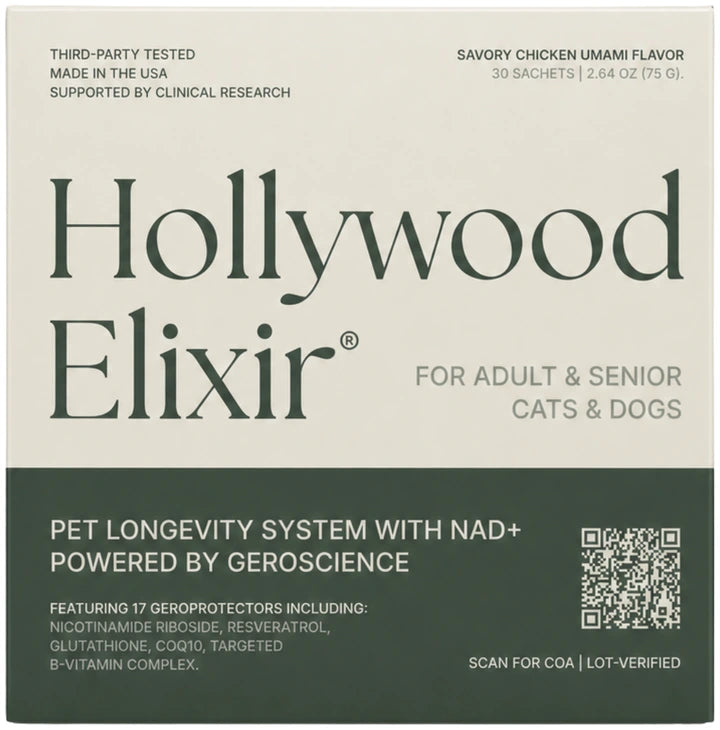
For owners building a daily support layer, Hollywood Elixir™ can be part of a plan that supports normal cellular cooperation and aging-body comfort. It is not a substitute for diagnosing pain or kidney and thyroid disease, but it may help support a more balanced routine when paired with veterinary care and home comfort architecture.

A sudden shift toward hiding, sleeping alone, or avoiding touch in an older cat is most often a health signal—especially pain, nausea, medication sedation, or confusion—rather than a choice to “be left alone.” Older cats have a higher prevalence of underlying disease, and behavior change is a common first clue. That is why senior cat withdrawn behavior should be treated as medical until proven otherwise.

The most likely driver is pain, because cats frequently express discomfort through reduced interaction, reduced activity, and subtle posture changes instead of obvious limping. Kidney disease and hyperthyroidism are also common in seniors and can reshape appetite, thirst, weight, sleep, and social energy—sometimes together in the same cat. On top of that, medications used for pain or stress can make an old cat hiding and withdrawn simply because the cat is sedated, not because the condition is worsening.

This page follows a symptom-first triage: start with what changed at home, then work backward to the most likely causes, what to document for the vet, and when it is urgent. Along the way, it also covers emotional support aging cats in a practical way—by building “comfort architecture” that lowers the daily cost of moving, eating, and interacting while medical answers are pursued.

By La Petite Labs Editorial, ~15 min read

Featured Product:

  • A senior cat becomes withdrawn most often because something physical changed—pain, nausea, medication sedation, or confusion.
  • Treat senior cat withdrawn behavior as medical until proven otherwise; older cats commonly have more than one condition.
  • Pain can present as less social contact, fewer jumps, and guarded posture rather than obvious limping.
  • Kidney and thyroid issues can shift appetite, thirst, weight, and energy, and can coexist in the same cat.
  • Some medications (including gabapentin) can cause sedation that looks like an old cat hiding and withdrawn.
  • Track outcome cues (food/water, litter box, jumping, grooming, sleep spots) and bring videos to the vet.
  • Build “comfort architecture” at home—low-entry litter, non-slip paths, predictable routines—to support emotional support aging cats while diagnostics proceed.

Treat Withdrawal as a Symptom, Not a Personality Shift

When a senior cat’s social spark dims, it is often a body problem before it is a “mood” problem. In older cats, behavior shifts frequently track with underlying disease, and withdrawal can be the earliest, easiest-to-miss sign (Sordo, 2020). Pain is a leading driver: cats may protect sore joints or a tender abdomen by moving less, interacting less, and choosing secluded resting spots rather than “complaining” (Mota-Rojas, 2025).

For owners, the most useful reframe is this: senior cat withdrawn behavior is a symptom to triage, not a personality change to accept. Note what changed first—sleeping location, greeting at the door, tolerance for petting, or willingness to jump. A cat that seems “fine” while eating can still be uncomfortable, and hiding can be a self-protective strategy rather than a preference.

Mitochondria detail showing cellular defense mechanisms supported by senior cat withdrawn behavior.

The Most Common Medical Reasons Seniors Pull Away

The most common medical pathways behind an old cat hiding and withdrawn include chronic pain, kidney disease, hyperthyroidism, sensory decline, and cognitive dysfunction. Aging cats are more likely to have more than one condition at the same time, which can make the behavior look “vague” or inconsistent (Sordo, 2020). Pain is especially slippery because it may show up as stillness, guarded posture, or reduced grooming rather than limping (Mota-Rojas, 2025).

A practical household clue is whether the cat is withdrawing from specific activities: jumping up, climbing stairs, using a high-sided litter box, or being picked up. If the cat avoids one room, check for slippery flooring, a loud appliance, or a new pet gate that forces awkward movement. These details help separate “I don’t feel safe moving” from “I don’t want company.”

Molecular science graphic tied to healthy aging support from emotional support aging cats.

Pain Is the Most Likely Driver of Withdrawn Behavior
Pain is the most likely explanation when withdrawal arrives alongside subtle body-language changes. Cats in discomfort often tighten their posture, reduce stretching, and limit social contact because interaction can predict touch, lifting, or movement that hurts (Mota-Rojas, 2025). Chronic musculoskeletal pain is common in older cats and is frequently managed with longer-term plans rather than one-time fixes, which reflects how persistent the driver can be (Sordo, 2020).

A useful at-home checklist is to look for 4 specific cues: (1) reluctance to jump onto a favorite surface, (2) shorter play bursts or “quitting early,” (3) a stiff, careful walk after resting, and (4) irritability during grooming or petting. If two or more appear with senior cat withdrawn behavior, document them for the veterinarian rather than waiting for a limp.

Protein fold visualization tied to cellular support mechanisms in senior cat withdrawn behavior.

Kidney and Thyroid Disease Can Present as Distance

Kidney disease can also make a cat seem socially distant, but the mechanism is different: nausea, dehydration, and a lower day-to-day renewal rate can shrink a cat’s stamina for interaction. Hyperthyroidism can complicate the picture because it may coexist with chronic kidney disease, and treating one condition can reveal the other (Geddes, 2022). That push-pull is one reason “withdrawn” should be treated as medical until proven otherwise.

At home, look for patterns that cluster with kidney or thyroid shifts: increased thirst, larger urine clumps, weight change despite appetite, or restlessness at night. A cat may hide more because the litter box feels urgent or because nausea makes social contact feel like pressure. These are not character flaws; they are outcome cues that help the vet choose the right lab work.

Pug image representing loving care routines supported by senior cat withdrawn behavior.

Medication Side Effects That Mimic Social Withdrawal

Medications can mimic withdrawal, especially in seniors whose bodies handle drugs differently with age. Gabapentin, commonly used in cats for pain and stress, is consistently associated with sedation and reduced activity in the research literature (Laguardia, 2025). That can look like an old cat hiding and withdrawn even when the medication is doing its intended job. Older individuals are also generally at higher risk of adverse drug reactions because of altered pharmacokinetics and polypharmacy (Cusack, 2004).

If withdrawal began after a new prescription, a dose change, or adding a second medication, write down the exact timeline. Note whether the cat is simply sleepier or also wobbly, nauseated, or less interested in food. Do not stop a prescribed medication abruptly without veterinary guidance; instead, bring the pattern to the clinic so the plan can be made gentler and more balanced.

Hollywood Elixir™ is amazing and makes my 13 y/o kitty young again!

— Jessie

She hopped up onto the windowsill again—first time in years.

— Charlie

“Withdrawal is often a protective strategy, not a preference.”

Sensory Decline and Why Predictability Matters

Sensory decline can push a senior cat toward solitude even when the body is otherwise stable. Reduced vision or hearing changes how predictable the home feels, and cats often respond by choosing “controlled” spaces with fewer surprises. This can overlap with pain: a cat that can’t see edges well may jump less, and that reduced movement can be mistaken for laziness rather than caution.

Owners can test the environment without “testing the cat.” Add a night-light near the litter box, keep furniture layouts consistent, and provide a low, wide step to a favorite bed. If the cat comes out more when pathways are predictable, the withdrawn behavior may be partly about confidence and overhead, not affection. These changes also make pain easier to spot because the cat has fewer reasons to avoid movement.

Dog portrait symbolizing confidence and healthy aging support from old cat hiding and withdrawn.

Cognitive Changes Versus Discomfort: a Key Distinction

Cognitive dysfunction can look like withdrawal, but it often has a distinctive “disorientation” flavor: altered sleep-wake cycles, getting stuck in corners, or seeming unsure in familiar rooms. Age-related behavioral changes are common, yet they are also associated with a higher prevalence of underlying disease, so cognitive changes should not be assumed to be “just aging” without a medical check. The goal is to separate brain aging from pain, nausea, or medication effects.

A misconception worth correcting is that a withdrawn senior cat is choosing solitude because it is “done being social.” Cats usually withdraw because interaction costs more—more effort, more discomfort, more confusion—than it used to. Emotional support aging cats starts with lowering those costs: predictable routines, gentle handling, and fewer forced interactions that teach the cat to avoid people.

Close-up profile of a dog symbolizing awareness and vitality via old cat hiding and withdrawn.

A Realistic Scenario That Matches Many Households

Case vignette: a 14-year-old cat begins spending afternoons under the guest bed and stops jumping onto the window perch. The cat still eats, but flinches when brushed near the hips and sometimes misses the litter box edge. This pattern is classic for pain-driven withdrawal: the cat is conserving movement and avoiding touch that predicts discomfort.

In a home like this, the fastest way to help the veterinarian is to describe the “before and after” in concrete terms: where the cat used to rest, how it used to greet people, and which movements changed. Video of a hesitant jump or a careful walk across a slick floor can be more informative than a general statement like “she’s acting old.”

Product info graphic highlighting testing and standards behind old cat hiding and withdrawn.

What to Track so the Pattern Becomes Clear

What to track rubric (choose 4–6 and keep it consistent): (1) daily food intake and water intake, (2) litter box output and any accidents, (3) jump count to favorite surfaces, (4) grooming quality (coat clumps, dandruff, greasy areas), (5) social approach frequency (comes to greet vs stays hidden), and (6) sleep location changes. These outcome cues help distinguish pain, nausea, and cognitive shifts without guessing.

Use a simple notes app with timestamps rather than relying on memory, because senior cat withdrawn behavior often fluctuates. Track “good hours” and “hard hours,” especially around medication times, meals, and household noise. A pattern like “hides after breakfast” points toward nausea; “hides after being lifted” points toward pain. The aim is a clearer handoff, not a perfect diagnosis at home.

An Urgency Ladder for When Hiding Becomes Time-sensitive

An urgency ladder helps decide when to call the clinic quickly. Withdrawal is more urgent when it is paired with not eating, repeated vomiting, open-mouth breathing, collapse, or sudden inability to jump or walk. Older cats can decompensate faster because multiple conditions may be present at once, even if the first sign looked mild. A cat that hides and also stops using the litter box normally should be treated as time-sensitive.

If the cat is stable but clearly different, schedule a visit soon and bring the tracking notes. If the cat is hiding but still eating and using the litter box, reduce stress while waiting: keep the home quiet, offer easy-access resting spots, and avoid repeated “dragging out” from hiding places. That approach supports emotional support aging cats without masking a medical problem.

“Track outcome cues; they turn worry into useful clinical detail.”

Lab coat with La Petite Labs logo symbolizing science-backed standards for senior cat withdrawn behavior.

How to Prepare for a Vet Visit with Better Details

Vet visit prep is most effective when it is specific. Bring: a list of all medications and supplements, the start date of withdrawal, and 2–3 short videos that show movement or posture changes. Ask targeted questions: “Could pain be driving this, even without limping?” “Do kidney and thyroid labs make sense together?” and “Could any current medication be making her too sedated?” (Geddes, 2022).

Also share what the cat avoids: high-sided litter boxes, stairs, certain rooms, or being picked up. These details help the veterinarian choose a gentler plan—sometimes adjusting handling, sometimes changing the environment, and sometimes changing medication timing. The goal is to restore depth and stamina for normal cat life, not to force sociability.

Shop Now
Curated ingredient scene highlighting bioactive blend supporting senior cat withdrawn behavior.

What Not to Do When an Old Cat Is Hiding

What not to do: (1) do not repeatedly pull a hiding cat out “to reassure it,” because that can teach avoidance; (2) do not punish litter box misses, which are often pain or urgency signals; (3) do not start leftover pain medication or human medication at home; and (4) do not assume the cat is “depressed” without checking for pain and organ disease first. Pain recognition in mammals relies heavily on behavior and posture, not vocalization.

Instead, build a comfort architecture: low-entry litter boxes, non-slip runners, a warm bed with a step, and predictable quiet time. These changes reduce the daily “cost” of moving and interacting, so the cat can choose contact again. If the cat comes out more with environmental support, that is useful information—not proof that nothing medical is happening.

Shop Now
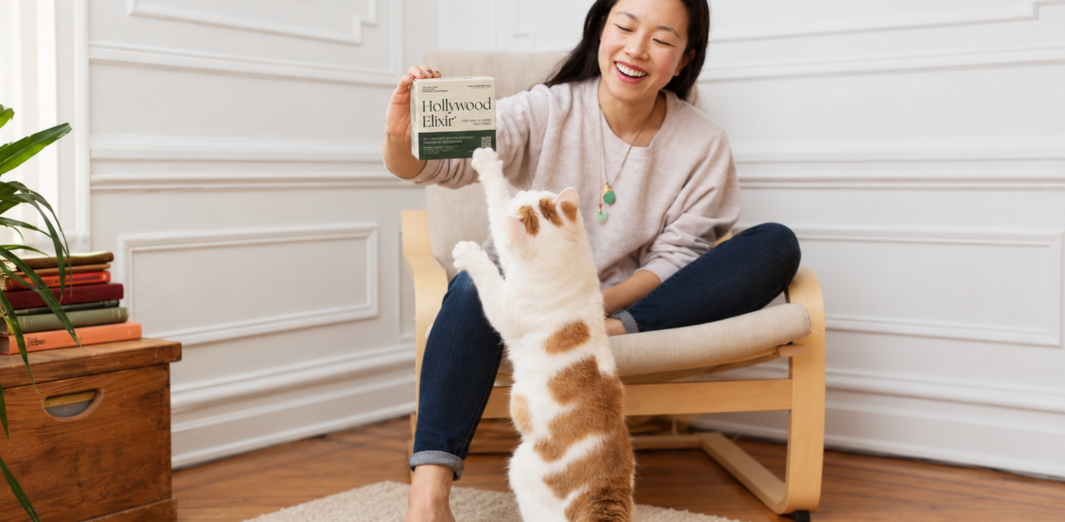
Woman with Hollywood Elixir box in cozy setting aligned with emotional support aging cats.

How Pain Quietly Shrinks Social Energy in Seniors

When pain is the primary driver, the mechanism is often cumulative: arthritis, dental disease, or soft-tissue discomfort adds friction to ordinary behaviors. Cats may reduce social contact because petting can jostle sore areas, and play can require twisting or jumping that no longer feels safe. Over time, the cat’s “default” becomes rest and distance, which owners interpret as senior cat withdrawn behavior.

Household routines can be adjusted to invite contact without pressure. Approach from the front, offer a hand to sniff, and keep petting brief and predictable. Place food, water, and litter on one level to reduce stair use. If the cat seeks touch but then abruptly leaves, that pattern often signals discomfort rather than disinterest, and it is worth documenting for the veterinary exam.

Shop Now

Kidney and Thyroid Patterns That Change the Plan

When kidney and thyroid issues are in the mix, “withdrawn” can reflect internal discomfort more than musculoskeletal pain. Hyperthyroidism commonly coexists with chronic kidney disease in older cats, and treatment decisions may need balancing with follow-up monitoring (Geddes, 2022). That balance matters because appetite, weight, activity, and sleep can shift as the body recalibrates, and owners may only notice the social change.

At home, keep the focus on observable outcomes: weight trends, thirst, stool quality, and energy windows. Offer multiple water stations and easy-to-digest meals as advised by the veterinarian. If the cat is hiding more but also vocalizing at night or pacing, note it; those cues can help the clinic decide whether the plan needs to be gentler or whether another condition is contributing.

Quality-of-life Anchors for Aging Cats

Supportive care becomes especially important when multiple age-related issues stack together. Hospice and palliative care guidance in cats emphasizes comfort, predictable routines, and aligning care with the cat’s quality-of-life signals rather than chasing a single perfect metric (Eigner, 2023). For some families, emotional support aging cats means choosing fewer stressful interventions and more daily comfort steps that preserve overhead and stamina.

A practical quality-of-life check is to ask: does the cat still seek warmth, eat with interest, groom enough to stay comfortable, and choose at least one social moment per day? If those anchors are fading, it is time to revisit the plan with the veterinarian. Withdrawal is not a moral failure; it is information about what the cat can handle right now.

Side-by-side supplement comparison designed around emotional support aging cats expectations.

Layered Support: Medical Answers Plus Daily Comfort

For many households, the most helpful approach is a layered plan: medical evaluation first, then environment, then gentle daily supports. Because older bodies can process medications differently, any new supplement should be discussed with the veterinarian, especially if the cat has kidney disease or is on multiple prescriptions (Cusack, 2004). The aim is not to “fix” withdrawn behavior overnight, but to create conditions where the cat can re-engage.

This is also where expectations matter. A senior cat may not return to kitten-level sociability, but it can become less uneven—more predictable in appetite, movement, and willingness to share space. Owners can support this by keeping feeding and play at consistent times, offering short, low-impact play, and protecting quiet rest. Small gains in comfort often show up first as the cat choosing a nearby spot rather than hiding.

Shop Now
Hollywood Elixir box in open packaging, showing premium presentation for senior cat withdrawn behavior.

When Medication Calm Looks Like Withdrawal

If a cat is on gabapentin or another sedating medication, the goal is to separate “appropriately calmer” from “too shut down.” Research in cats links gabapentin with sedation and reduced activity, which can be mistaken for worsening senior cat withdrawn behavior (Laguardia, 2025). That does not mean the medication is wrong; it means the dose, timing, or combination may need adjustment so the cat has enough overhead for normal routines.

Owners can help by documenting: how long after dosing the cat hides, whether appetite changes, and whether coordination looks different. Bring those notes to the veterinarian rather than experimenting at home. If the cat is calmer but still interested in food and gentle interaction, that is often a better sign than a cat that sleeps so deeply it misses meals. The target is comfort with engagement.

Shop Now

Putting It Together: Document, De-risk, and Recheck

A withdrawn senior cat is best understood as a cat protecting itself—sometimes from pain, sometimes from nausea, sometimes from confusion, and sometimes from medication effects. Older cats have a higher prevalence of underlying disease, so behavior is often the first alarm bell. Treat the change as actionable information: document it, reduce friction in the home, and bring a clear timeline to the clinic.

With the right medical workup and a thoughtful comfort architecture, many cats become more willing to share space again. The most reliable wins are usually small and cumulative: easier movement, fewer unpleasant surprises, and gentler daily rhythms. When owners treat old cat hiding and withdrawn as a solvable signal, the cat’s world often becomes more balanced—without forcing interaction or ignoring health risks.

“Comfort architecture can invite connection without forcing it.”

Educational content only. This material is not a substitute for veterinary advice. Always consult your veterinarian about your cat’s specific needs. These statements have not been evaluated by the Food and Drug Administration. Products mentioned are not intended to diagnose, treat, cure, or prevent any disease.

Glossary

  • Comfort architecture - Home setup changes that lower movement effort and stress.
  • Outcome cues - Observable day-to-day markers that reflect how the cat is doing.
  • Guarded posture - A tense, protective stance that can signal pain.
  • Chronic musculoskeletal pain - Long-term joint or soft-tissue discomfort that alters movement.
  • Cognitive dysfunction - Age-related brain changes that affect orientation, sleep, and behavior.
  • Chronic kidney disease (CKD) - Progressive loss of kidney function that can cause nausea and fatigue.
  • Hyperthyroidism - Overactive thyroid function that can change weight, appetite, and activity.
  • Polypharmacy - Use of multiple medications at the same time.
  • Sedation - Reduced alertness and activity that can resemble withdrawal.

Related Reading

References

Laguardia. A Systematic Review of the Sedative, Behavioral, Analgesic and Cardiovascular Effects of Gabapentin in Cats. 2025. https://www.mdpi.com/2306-7381/12/10/938

Mota-Rojas. Clinical interpretation of body language and behavioral modifications to recognize pain in domestic mammals. 2025. https://www.frontiersin.org/journals/veterinary-science/articles/10.3389/fvets.2025.1679966/full

Sordo. Prevalence of Disease and Age-Related Behavioural Changes in Cats: Past and Present.. PubMed Central. 2020. https://pmc.ncbi.nlm.nih.gov/articles/PMC7557453/

Cusack. Pharmacokinetics in older persons.. PubMed. 2004. https://pubmed.ncbi.nlm.nih.gov/15903286/

Geddes. Feline Comorbidities: Balancing hyperthyroidism and concurrent chronic kidney disease.. PubMed Central. 2022. https://pmc.ncbi.nlm.nih.gov/articles/PMC11107990/

Eigner. 2023 AAFP/IAAHPC feline hospice and palliative care guidelines.. PubMed Central. 2023. https://pmc.ncbi.nlm.nih.gov/articles/PMC10812026/

FAQ

What does it mean when an older cat withdraws?

Withdrawal usually means the cat is spending more time alone, hiding, or interacting less than before. In seniors, that shift is often a symptom—pain, nausea, medication effects, sensory decline, or cognitive changes—rather than a sudden personality change.

The most helpful approach is to treat the behavior as information: what changed first, what activities stopped, and whether appetite, litter box habits, or movement changed at the same time.

Why is my senior cat withdrawn but still eating?

Eating does not rule out pain or illness. Many cats keep eating while quietly reducing movement, grooming, and social contact, especially when discomfort is triggered by jumping, being lifted, or certain kinds of touch.

Document what the cat avoids (stairs, high perches, high-sided litter boxes) and whether the cat leaves abruptly during petting. Those patterns often guide the next best veterinary step.

Is hiding always a sign of pain in senior cats?

Hiding is not always pain, but pain is common enough in older cats that it should be considered early. Cats may hide to avoid movement that hurts, to avoid touch, or because they feel nauseated or disoriented.

If hiding is paired with fewer jumps, stiffness after rest, coat decline, or irritability during handling, it deserves a medical workup rather than a wait-and-see approach.

Can gabapentin make a senior cat seem withdrawn?

Yes. Gabapentin is associated with sedation and reduced activity in cats, which can look like social withdrawal or an old cat hiding and withdrawn(Laguardia, 2025). That effect may be expected, especially when it is used to support pain control or reduce stress.

If the cat seems “too shut down,” track timing relative to dosing and share it with the veterinarian. Do not change or stop prescribed medication without guidance.

How can I tell pain from cognitive dysfunction at home?

Pain often shows up as movement avoidance (fewer jumps, careful stairs, reluctance to be picked up) and touch sensitivity. Cognitive dysfunction more often adds disorientation: altered sleep-wake patterns, seeming “lost” in familiar spaces, or vocalizing at odd times.

Because these can overlap, the best home role is documentation: short videos, a timeline, and a list of what the cat stopped doing.

What home changes help a withdrawn senior cat feel safer?

Focus on reducing friction: low-entry litter boxes, non-slip runners, a step to favorite beds, and stable furniture layouts. Add a night-light near food and litter if the cat may be seeing less well.

These changes support emotional support aging cats because they lower the effort and uncertainty of moving through the home. They also make medical patterns easier to spot.

When is withdrawn behavior an emergency in an older cat?

Seek urgent veterinary care if withdrawal comes with not eating, repeated vomiting, collapse, open-mouth breathing, severe weakness, or sudden inability to walk or jump. A cat that hides and also stops urinating or strains in the litter box should be treated as time-sensitive.

If the cat is stable but clearly different, schedule a prompt visit and bring a timeline and videos so the clinic can triage efficiently.

What should I track for the vet when my cat withdraws?

Track outcome cues that change decision-making: appetite, water intake, litter box output, weight trend, jump frequency, grooming quality, and sleep location. Note any new hiding spots and whether the cat avoids certain rooms or surfaces.

Add timing: when the behavior is worst, and whether it clusters around meals, visitors, loud appliances, or medication dosing.

Could kidney disease make my senior cat less social?

Yes. Kidney disease can contribute to nausea, dehydration, and lower stamina, which can reduce a cat’s interest in interaction. Some cats hide more because they feel unwell or because litter box urgency becomes stressful.

Because kidney and thyroid issues can coexist in older cats, it is worth asking the veterinarian whether both should be assessed together rather than assuming a single cause.

Can hyperthyroidism cause hiding or withdrawal in older cats?

It can. Hyperthyroidism may cause restlessness, weight loss, and changes in sleep, and it can coexist with chronic kidney disease in senior cats. That combination can make behavior look inconsistent—active at some times, withdrawn at others.

If withdrawal is paired with weight change, thirst change, or nighttime pacing, document it and ask the veterinarian how thyroid control and kidney monitoring fit together.

Should I force my hiding senior cat to come out?

Usually, no. Repeatedly pulling a cat from hiding can increase avoidance and stress, and it can worsen handling sensitivity if pain is present. Offer a calm invitation instead: sit nearby, speak softly, and let the cat choose contact.

If the cat must be moved for safety, use a towel or carrier calmly and keep the event brief. Then focus on making the preferred safe spot easier to access.

How many days of withdrawal is too long for a senior cat?

A clear behavior change lasting more than 24–48 hours deserves a call to the veterinary clinic, especially in a senior. Older cats are more likely to have underlying disease, and behavior may be the first visible sign.

If withdrawal is sudden or paired with appetite loss, vomiting, breathing changes, or litter box problems, treat it as urgent rather than counting days.

What tests might a vet recommend for a withdrawn senior cat?

Common next steps include a thorough physical exam with pain assessment, bloodwork and urinalysis to screen kidney and thyroid function, and blood pressure measurement. Depending on findings, imaging (such as x-rays) may be used to evaluate arthritis or other sources of discomfort.

Bringing a timeline, medication list, and short videos helps the veterinarian choose the most efficient workup for the pattern being seen.

Can supplements replace a vet visit for withdrawn behavior?

No. Withdrawal in a senior cat should be treated as medical until proven otherwise, because pain, kidney disease, thyroid disease, and medication effects can all present this way. Supplements can be part of daily support, but they do not diagnose the cause.

A good decision framework is: rule out urgent problems, identify the primary driver with the veterinarian, then add supportive layers that fit the cat’s overall plan.

How does Hollywood Elixir™ fit into an aging-cat plan?

As part of a broader routine, Hollywood Elixir™ is designed to support normal aging-body function and can be used as a low, consistent support layer. It is best positioned after medical evaluation, so the plan targets the real driver (pain, kidney and thyroid shifts, or medication effects).

Discuss any supplement with the veterinarian if the cat has chronic disease or takes multiple medications, so the routine stays gentler and more balanced.

Is Hollywood Elixir™ safe for senior cats on medications?

Safety depends on the individual cat’s diagnoses and medication list. Seniors are more likely to be on multiple drugs, and older bodies can handle substances differently, so it is appropriate to ask the veterinarian before adding new products(Cusack, 2004).

If approved by the veterinarian, Hollywood Elixir™ can be part of a daily plan that supports normal function, while the primary medical issue is addressed directly.

How soon should I expect changes after starting a support routine?

Timeline depends on the cause. If withdrawal is driven by pain or nausea, meaningful change often requires a veterinary plan first. Environmental changes (non-slip paths, low-entry litter) can sometimes show quick shifts in confidence and movement because they reduce daily friction.

For daily supports such as Hollywood Elixir™, look for gradual outcome cues—more consistent appetite, choosing nearby resting spots, or slightly longer social windows—rather than a sudden personality shift.

What are quality signals to look for in senior-cat supplements?

Look for clear labeling, consistent dosing instructions, and a company that can answer questions about sourcing and manufacturing. Products should avoid exaggerated disease claims and should fit into a veterinarian-guided plan, especially for cats with kidney or thyroid disease.

If the cat is medically complex, bring the label to the appointment. The best supplement choice is the one that supports the cat’s overall plan without adding unnecessary complexity.

How do I give Hollywood Elixir™ to a picky older cat?

Start by keeping the routine low-pressure. Mix a small amount into a familiar food the cat already accepts, and avoid changing multiple things at once (new food, new bowl, new supplement) because it becomes hard to interpret the cat’s response.

If approved by the veterinarian, Hollywood Elixir™ can be used as part of a daily plan that supports normal function. If appetite is reduced, prioritize medical evaluation first.

Does breed or size affect withdrawn behavior in senior cats?

Breed and size can shape a cat’s typical activity level and sociability, but withdrawal is still best treated as a symptom. A naturally quiet cat can still show meaningful change if it stops greeting, hides in new places, or avoids normal movement.

The most reliable comparison is the cat’s own baseline. Owners should document what is different now versus three months ago, not what the cat “should” be like for a breed.

Are withdrawn behaviors handled differently in cats than dogs?

Yes. Cats are more likely to express discomfort through reduced activity, hiding, and subtle posture changes rather than overt signs. That means an old cat hiding and withdrawn can be a stronger medical clue than it might be in a dog.

Because cats also mask vulnerability, owners should take “quiet” changes seriously and bring concrete observations to the veterinarian rather than waiting for dramatic symptoms.

5K+ Happy Pet Parents

Excellent 4.8

Why Is My Senior Cat Withdrawn | Why Thousands of Pet Parents Trust Hollywood Elixir™

"My go-to nutrient-dense topper. Packed with 16 powerful anti-aging actives and superfoods!"

Chanelle & Gnocchi

"We go on runs pretty often; he use to get tired halfway through, but lately, he's been keeping up without any problem."

Cami & Clifford

"He seems more happy overall. I've also noticed he has more energy which makes our walks and playtime so much more fun."

Olga & Jordan

"I want her to live forever. She hasn't had an ear infection since!"

Madison & Azula

"My go-to nutrient-dense topper. Packed with 16 powerful anti-aging actives and superfoods!"

Chanelle & Gnocchi

"We go on runs pretty often; he use to get tired halfway through, but lately, he's been keeping up without any problem."

Cami & Clifford

"He seems more happy overall. I've also noticed he has more energy which makes our walks and playtime so much more fun."

Olga & Jordan

"I want her to live forever. She hasn't had an ear infection since!"

Madison & Azula

"My go-to nutrient-dense topper. Packed with 16 powerful anti-aging actives and superfoods!"

Chanelle & Gnocchi

"We go on runs pretty often; he use to get tired halfway through, but lately, he's been keeping up without any problem."

Cami & Clifford

"He seems more happy overall. I've also noticed he has more energy which makes our walks and playtime so much more fun."

Olga & Jordan

"I want her to live forever. She hasn't had an ear infection since!"

Madison & Azula

"My go-to nutrient-dense topper. Packed with 16 powerful anti-aging actives and superfoods!"

Chanelle & Gnocchi

"We go on runs pretty often; he use to get tired halfway through, but lately, he's been keeping up without any problem."

Cami & Clifford

"He seems more happy overall. I've also noticed he has more energy which makes our walks and playtime so much more fun."

Olga & Jordan

"I want her to live forever. She hasn't had an ear infection since!"

Madison & Azula

SHOP NOW