Senior Cat Struggling to Enter the Litter Box? What Helps

Find the obstacle before replacing the box, and keep a new toileting problem separate from an equipment problem.

By La Petite Labs Editorial 7 min read

As Seen On

Woman cuddling an orange-and-white cat and a silver tabby while holding a Hollywood Elixir box
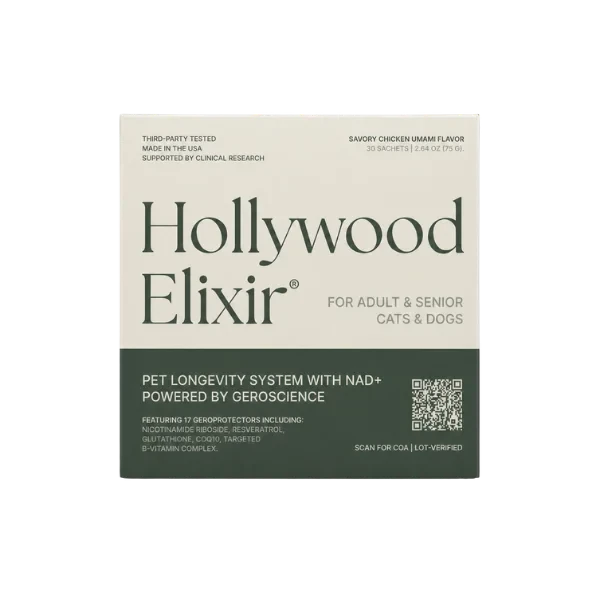
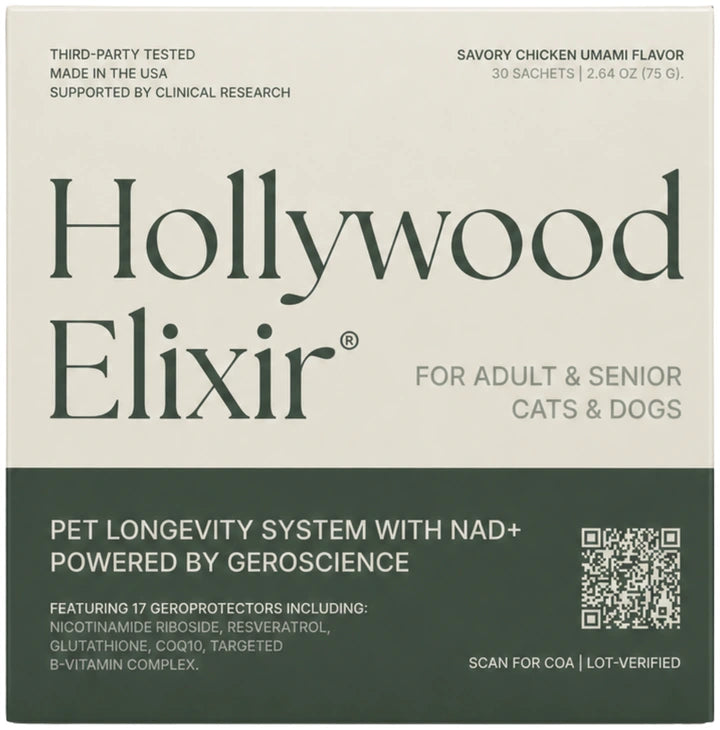
Hollywood Elixir® Senior Cat Supplement

17 science-backed actives

From$50/moSave up to 44%Shop Now
Contents

If your senior cat is having trouble getting into the litter box, first separate a difficult approach from a difficult doorway. A low box can still sit beyond a moving mat or face a wall that leaves too little room to enter. Start with the difficulty you have already seen; do not make your cat repeat it. 1 2

A different box will inherit the same blocked approach unless the layout changes. 1

A ramp changes the climb to the doorway; it cannot enlarge the space inside.

Repeated straining with little or no urine needs immediate veterinary attention. 3

First, separate an access problem from an urgent symptom

A cat repeatedly visiting the box and straining while producing little or no urine may have a urinary obstruction. This is an emergency: seek veterinary care immediately. Do not wait to see whether a lower entrance or a different litter helps. 3

New accidents, reluctance to enter or a changed movement pattern also deserve veterinary attention. Pain, urinary or bowel problems and conflict around the box can overlap. A cat that urinates beside a box has shown where the urine landed, not why it happened. 2 Keep the equipment adjustment and the medical conversation moving together. Our guide to subtle signs of pain in cats helps you describe other changes to the veterinarian.

Look at what happens before the doorway

Imagine the entrance as a short route, with a place to approach, cross the rim and continue forward. If the opening faces closely into a wall, your cat has to turn before the hindquarters are inside. Rotating the same box may create a straighter approach without changing the litter or the pan. This is a layout application of feline guidance on accessible boxes and enough room to enter and turn. 1

Check a litter-catching mat with your cat away. If it slides, folds or creates an awkward raised edge, the approach may be the difficult part. A stable nonslip surface around the box addresses that contact with the floor; buying a lower box does not secure a moving mat. Veterinary guidance also cautions that deep or heavily textured litter mats can be difficult for sensitive paws. 2

Watch for another animal controlling the route. A box in a dead-end corner can be physically reachable yet difficult to leave. Feline guidance recommends quiet locations where a cat cannot be cornered, and separate box locations in multicat homes. Adding a reachable option elsewhere can be more useful than putting a new pan beside the same guarded doorway. 1

Tabby cat looking up at a Hollywood Elixir sachet held above it, with the product box on a small table

Match the correction to the movement you noticed

Use the table to inspect the setup after an ordinary difficulty you have already noticed. It is not a test to run your cat through. The important distinction is whether you can change the approach or whether the box itself prevents the movement.

If the cat crosses the entrance but cannot turn comfortably, adding a ramp treats the wrong part of the journey. The usable floor inside remains unchanged. If the turn is easy but the doorway requires a climb the cat now avoids, a genuinely lower entrance may be a better change. Guidance supports both low entry and generous interior space; one cannot substitute for the other. 1 2

If the doorway is the remaining obstacle, compare low-entry litter boxes for senior cats by entrance and usable floor. If keeping the existing pan is important, the litter-box ramp comparison examines the extra floor space, landing and stable attachment that a ramp requires.

Before replacing the litter box

Choose a correction for the difficulty already observed. Inspect the equipment with your cat away.

Already observedInspect the setupTry before replacementWhen a different box adds value
Hesitation before reaching the rimMoving mat, tight corner or blocked approachStabilize the approach or turn the entrance toward open spaceOnly if the doorway remains a separate obstacle
Front paws enter but hindquarters stay outsideRoom to continue forward; interference from wall or furnitureReposition to allow a straight approachIf usable interior remains too small
Entry succeeds but turning is crampedFloor area inside the sloping wallsRemove unnecessary obstructions around the openingChoose more usable floor area; a ramp cannot create it
The pan moves while enteringFloor contact and condition of the baseUse a suitable stable placement following maker instructionsReplace a damaged or persistently unstable pan
Another pet blocks the exitWhether the cat has an unguarded alternativeAdd a separate accessible box locationA second location matters more than a different brand

Original editorial troubleshooting aid applying feline guidance on access, size, location and nonslip approaches. 1 2

These are layout explanations, not diagnoses or validated mobility tests. Persistent difficulty and new elimination signs need veterinary assessment.

Hand gently petting an orange-and-white cat beside a food bowl and Hollywood Elixir box

Keep containment without rebuilding the same barrier

A higher back and side wall can help contain litter or urine while one side stays easy to cross. That makes more sense than raising every side when the entrance is already difficult. The low opening remains a possible spill point, so its direction matters: face it into a clear approach, not directly at a wall you are trying to protect. 2

Keep the familiar litter and maintain the box while changing the layout. A new pan, a new scent and a new location create several possible reasons for avoidance at once. Clean, accessible options let your cat choose without turning the change into a struggle. 1

When a better setup has not solved the difficulty

If the route is clear, the box stays put and the cat still struggles, another accessory may add complexity without answering the problem. Tell your veterinarian which movement changed: stepping over the rim, turning inside, holding a position or getting out. Mention changes in urine or stool as well. Those details are more useful than saying the cat has become fussy about the box. 2 3

For changes involving several rooms or resources, our guide to home modifications for senior cats covers the broader plan. Here, the first decision is smaller: remove the obstacle the existing layout can explain, and have the remaining difficulty assessed.

Once the access problem has its own plan, you may want to consider the nutrition side of healthy aging. Hollywood Elixir® combines NAD+ precursors, CoQ10 and antioxidant nutrients in a savory daily powder for adult and senior cats. One prepared formula brings those ingredients into the usual meal, with every active and amount disclosed so you can review it against what your cat already receives. Explore the full formula and serving guide as a separate nutritional choice. 4

Silver tabby sitting beside a food bowl and a Hollywood Elixir box held in a person's hand

DVM Voice: Clinical Vignette of a Common Pattern in Senior Cat Aging

Case provided by JoAnna Pendergrass, DVM

Sasha, a 12-year-old cat, was brought in after her owner noticed increased thirst and urination, lethargy, vomiting, and a generally unkempt appearance. Examination showed weight loss, elevated blood pressure, and reduced vitality.

Diagnostic testing revealed elevated kidney markers, poorly concentrated urine, and protein loss in the urine — findings consistent with chronic kidney disease, one of the most common chronic conditions in senior cats.

Her care required a kidney-focused diet, blood pressure management, targeted supplementation, medication support, and regular monitoring — a necessary plan, but one started after clinical signs were already visible.

Clinical takeaway: Sasha’s case reflects why senior-cat wellness should begin before obvious decline. Earlier monitoring, body-condition tracking, hydration awareness, antioxidant support, and daily cellular resilience may help support quality of life as cats age.

Single-case vignette. Not generalizable. Veterinary diagnosis and monitoring are essential for increased thirst, urination, vomiting, lethargy, weight loss, or suspected kidney disease.

Explore Hollywood Elixir Research →

Educational content only. This material is not a substitute for veterinary advice. Always consult your veterinarian about your cat’s specific needs. These statements have not been evaluated by the Food and Drug Administration. Products mentioned are not intended to diagnose, treat, cure, or prevent any disease.

Glossary

Low-entry: A box design with a lower opening on at least one side, reducing the height the cat must cross to get inside.

Usable floor: The space inside the box where the cat can stand and turn. Outside dimensions can include walls that do not add usable room.

Nonslip: Describes an approach surface intended to provide footing while staying in place beneath the cat.

Related Reading

References

Numbered references identify the sources used for specific claims. Read the study design, species and evidence boundaries alongside each finding.

  1. Everything You Should Know About Litter Boxes. Feline Veterinary Medical Association / Cat Friendly Homes · Not statedSpecies/context: catEvidence boundary: First-party feline guidance; care advice, not an experimental equipment comparison.↩ 1 · ↩ 2 · ↩ 3 · ↩ 4 · ↩ 5 · ↩ 6 · ↩ 7 · ↩ 8
  2. The Best Litter-Box Setup for Senior Cats. Oakland Veterinary Referral Services · 2026-10-12Species/context: catEvidence boundary: First-party feline guidance; care advice, not an experimental equipment comparison.↩ 1 · ↩ 2 · ↩ 3 · ↩ 4 · ↩ 5 · ↩ 6 · ↩ 7 · ↩ 8 · ↩ 9 · ↩ 10
  3. Feline Lower Urinary Tract Disease. Cornell University College of Veterinary Medicine · Not statedSpecies/context: catEvidence boundary: First-party feline guidance; care advice, not an experimental equipment comparison.↩ 1 · ↩ 2 · ↩ 3 · ↩ 4
  4. Hollywood Elixir formula and serving guide. La Petite Labs · Not statedSpecies/context: dog, catEvidence boundary: Current source-reported specifications and instructions; not independent performance testing.↩

FAQ

Does trouble getting into the box mean my cat has arthritis?

It can be a sign of discomfort, but it does not identify arthritis. Pain, other illness and the layout can all affect toileting. 2 Describe the changed movement to your veterinarian while making the route easier to use.

Is difficulty entering the litter box just part of getting older?

Do not dismiss a new difficulty as age alone. Older cats can benefit from easier access, but a change in movement or elimination warrants veterinary assessment. Note when it began and whether the trouble occurs at the approach, rim, turn or exit. 2

Is a low-entry box or a ramp the better change?

A lower doorway removes height at the point of crossing. A ramp needs additional floor space, secure support and a usable arrival at the entrance; it cannot enlarge the pan. If inside turning room is also inadequate, a larger low-entry pan addresses both constraints more directly. Choose by the observed difficulty and exact fit, not the cat’s age alone. 1 2

What if my cat keeps trying but little urine comes out?

Seek immediate veterinary care. Repeated straining with little or no urine can indicate a urinary obstruction, which is a medical emergency. Do not spend time trying a new box or litter first. 3

Orange-and-white cat beside a Hollywood Elixir box held in a person's hand

Discover LPL-01: How This Fits Into a Larger Feline Longevity System

Aging in cats unfolds quietly. It’s not driven by a single failure, but by gradual shifts across interconnected systems — cellular energy, oxidative balance, immune tone, and tissue integrity — each influencing the others over time.

This article explores one layer of that system. To understand what actually shapes long-term health, you need to step back and look at how these layers interact.

Start with the underlying science:

Keep exploring

What would you like to understand next?

Search practical guides about healthy aging, cellular energy, ingredients, and daily support for cats.