Mental Stimulation for Senior Cats

Build Cognitive Reserve and Support Sleep, Appetite, and Calm Engagement

Essential Summary

Why is keeping an older cat’s mind sharp important?

Aging cats do best with predictable, low-pressure challenges that mimic hunting and foraging. Short daily sessions, scent-based games, and food routines that anchor the day can help keep older cat mind sharp while reducing frustration. Track outcome cues weekly so changes are clear to both owner and veterinarian.

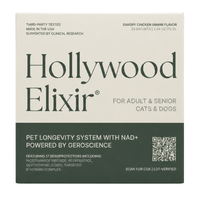
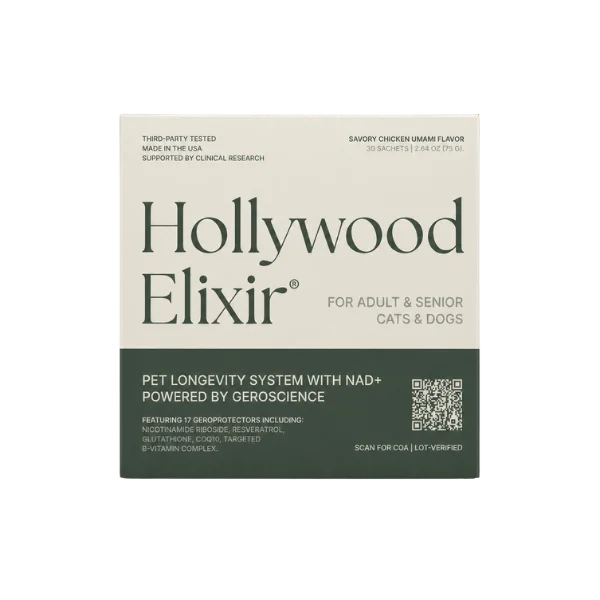
As part of a daily plan that includes routine play, foraging, and comfort-focused home setup, Hollywood Elixir™ supports normal cellular energy and whole-body cooperation in aging cats. It may help support the foundation that makes senior cat brain games feel more doable, especially when changes are introduced slowly and tracked over time with a veterinarian’s guidance.

Older cats often stop “playing” the way they used to, and that can look like a mind that is fading. In many homes, the more accurate problem is a mismatch: the cat’s senses and comfort have changed, but the games stayed the same. Mental stimulation for senior cats is most effective when it is predictable, solvable, and tied to species-typical patterns like foraging and hunting—small challenges that end with a clear reward.

The goal is not constant novelty. It is cognitive reserve: enough overhead for the brain to handle daily disruptions without becoming more uneven. That reserve is built through repetition with gentle variation—“novelty dosing”—and through sensory enrichment that respects hearing, vision, and joint changes. Practical feline enrichment guidance emphasizes individualized plans that allow choice and are adjusted over time based on the cat’s response (Ellis, 2013).

This page lays out a diet-and-routine approach: how to anchor thinking time around meals, how to choose senior cat brain games that create easy wins, what to track so progress is visible, and how to prepare for a veterinary visit if behavior shifts suggest pain or cognitive dysfunction. The result should look calm: more purposeful engagement, smoother transitions to rest, and a household plan that can be repeated week after week.

By La Petite Labs Editorial, ~15 min read

Featured Product:

  • Mental stimulation for senior cats works best when it recreates hunting and foraging in short, predictable sessions.
  • Aim for “novelty dosing”: one small change every few days, not constant new toys.
  • Scent-based games are often the easiest entry point when vision, hearing, or joints are changing.
  • Use food as structure: hunt → eat routines and micro-foraging can anchor the day.
  • Watch for frustration signals (quitting, hiding, nighttime agitation) and lower difficulty quickly.
  • Track outcome cues weekly—engagement time, sleep rhythm, vocalizing, and ease of settling—to see what’s helping.
  • Bring a brief log and videos to the veterinarian to rule out pain or medical causes and tailor cognitive enrichment aging cats can actually use.

Build a Daily Thinking Window Around Meals

Aging changes how a cat’s brain filters sound, scent, and movement, so the world can feel “quieter” even in a busy home. When that input drops, the brain gets fewer chances to practice attention, prediction, and problem-solving—skills that help daily life feel more balanced. Mental stimulation for senior cats works best when it recreates species-typical sequences (notice → stalk → pounce → eat) rather than relying on random novelty. Practical enrichment is less about constant excitement and more about giving the brain repeated, gentle challenges it can still solve.

Start by choosing one predictable “thinking window” each day: 5–10 minutes before a meal. Use a wand toy at floor level, then end with a small portion of food so the hunt has a payoff. If hearing or vision seems reduced, add scent cues (a pinch of tuna water on a toy) and slow the movement. This routine is the foundation for keeping older cat mind sharp without overwhelming an aging nervous system.

Cellular powerhouse illustration symbolizing metabolic support via keeping older cat mind sharp.

Think in Terms of Cognitive Reserve, Not Entertainment

“Cognitive reserve” in cats can be thought of as the brain’s overhead for handling small disruptions—new sounds, a moved chair, a different feeding time—without becoming more uneven. Enrichment supports this overhead by giving the brain repeated practice with attention and flexible problem-solving. Feline welfare guidance emphasizes that enrichment should allow cats to perform species-typical behaviors and make choices, not just be entertained (Ellis, 2013). For seniors, choice is protective because it reduces the feeling of being pushed.

At home, offer two acceptable options for the same need: two resting spots, two scratching textures, or two routes to the food area. Then watch which one the cat selects when the house is busy. This is cognitive enrichment aging cats can use daily, because it asks for small decisions without pressure. The most effective plan looks quiet: a cat that navigates the day with fewer startles and more purposeful routines.

Genetic structure image symbolizing long-term wellness supported by senior cat brain games.

Lower Stress to Protect Attention and Sleep Rhythm
Stress chemistry can blunt learning, especially in environments that feel unpredictable. In cats, enrichment has been associated with changes in physiological stress markers in shelter settings, suggesting that the environment can shape how “safe” the day feels (Wojtaś, 2024). For senior cats, lower stress is not just emotional; it affects sleep quality, appetite rhythm, and willingness to engage. A brain that is scanning for threats has less stamina for play-based learning.

A simple way to reduce stress while adding stimulation is to create “protected time” zones. Choose one room where the cat can always retreat, and keep it consistent: same bed, same litter access, same water. Then do enrichment in a nearby area so the cat can opt in. This approach supports keeping older cat mind sharp because engagement becomes voluntary, which is especially important when aging cats are more sensitive to noise or handling.

Molecular ribbon graphic highlighting formulation science reflected in keeping older cat mind sharp.

Use Novelty Dosing Instead of Constant Newness

Novelty dosing is the art of adding small, controlled changes rather than constant newness. Cats often prefer familiar patterns with one adjustable detail—like the same toy moved to a new corner—because it keeps the rules readable. Research on enrichment offerings shows that what cats receive varies widely and is influenced by housing features and personality, reinforcing that preferences matter (da Silva Gonçalves, 2026). For seniors, personality-driven enrichment can prevent frustration and support a more balanced day.

Try a “one-change rule” for two weeks: keep the same daily schedule, but change only one element every three days (a new scent, a new hiding spot for treats, or a different perch height). If the cat engages more, keep that change and stop adding others. This is how senior cat brain games become sustainable: small experiments, then repeat what works until it becomes routine.

Close-up of a pug highlighting comfort and well-being supported by senior cat brain games.

Recreate the Hunt Sequence with Low-impact Play

Hunting sequences are the most efficient “brain workout” for cats because they integrate sensory processing, motor planning, and reward. Enrichment guidance for cats highlights opportunities to express hunting/foraging behaviors as a practical strategy for welfare (Ellis, 2009). In older cats, the sequence should be slowed and simplified so the cat can succeed without joint strain. Success matters: repeated failure teaches avoidance, not learning.

Set up a two-minute stalk: drag a toy behind a chair leg, pause, then let it “peek” out. Keep movements low and predictable, and end with a small food reward. If the cat watches but does not chase, switch to a “sniff hunt” by rubbing the toy with a treat and hiding it in plain sight. This keeps older cat mind sharp by matching the challenge to the cat’s current stamina.

Hollywood Elixir™ is amazing and makes my 13 y/o kitty young again!

— Jessie

She hopped up onto the windowsill again—first time in years.

— Charlie

“Predictable challenges build depth; constant novelty often builds frustration.”

Case Vignette: When “Harder” Games Backfire

Case vignette: A 14-year-old indoor cat begins wandering after meals, meowing at hallway corners, and losing interest in the feather toy that once worked every time. The owner adds three new toys and a harder puzzle feeder, but the cat walks away and later yowls at night. When the plan is simplified to a short sniff trail before dinner and a predictable late-afternoon play-and-snack routine, engagement becomes gentler and nighttime vocalizing becomes less frequent over two weeks.

This scenario is common: the issue is often not “lack of toys,” but a mismatch between challenge level and sensory changes. Senior cat brain games should be adjusted like reading glasses—clearer and easier—not like a harder exam. A consistent schedule also helps owners see whether changes are tied to routine, diet, or a medical issue that needs veterinary attention.

Dog portrait symbolizing confidence and healthy aging support from cognitive enrichment aging cats.

Scent-based Enrichment for Aging Senses

Sensory enrichment is often overlooked in older cats, yet it can be the most accessible form of cognitive enrichment aging cats can tolerate. Smell remains a strong channel even when hearing or vision fades, and scent-based tasks can be solved without jumping or sprinting. The brain benefits from the act of searching and discriminating—finding the “right” spot—because it rehearses attention and memory in a low-impact way.

Create a three-station “sniff loop” once daily: a paper bag with a treat inside, a towel fold with a few kibbles, and a box with a crinkly paper layer. Place stations in the same order for a week, then move only one station a few feet. If the cat seems confused, return it to the original spot and slow the changes. This keeps older cat mind sharp while respecting sensory limits.

Profile shot of a dog showing attentive expression supported by keeping older cat mind sharp.

Make Movement Easier so the Brain Can Engage

Mobility and cognition are linked in daily life because a cat that hurts will explore less, and less exploration means fewer brain “reps.” Seniors may avoid jumping, hesitate on stairs, or stop using favorite perches; these changes can look like disinterest but are often about comfort. The enrichment plan should therefore be built around access: stable steps, non-slip surfaces, and warm resting spots that invite movement without strain. When movement becomes easier, mental work usually follows.

Offer a low perch (ottoman height) near a window and place a treat “trail” leading to it once per day. Keep litter boxes easy to enter and avoid placing puzzles in tight corners where backing out is hard. If the cat’s engagement drops suddenly, do not assume “brain decline” first; consider pain, dental discomfort, or vision changes and schedule a veterinary check. Keeping older cat mind sharp starts with making the home navigable.

Supplement breakdown graphic emphasizing no fillers approach within keeping older cat mind sharp.

Create a Weekly Schedule That Builds Stamina

A weekly routine prevents enrichment from becoming sporadic, which is when owners tend to overcorrect with too much novelty. The brain benefits from repetition with small variations: the same task, slightly different context. This is the practical heart of mental stimulation for senior cats—gentle challenges that build stamina without exhausting attention. A plan that is too ambitious often collapses, leaving the cat with long stretches of low input.

Try a simple schedule: Monday/Thursday sniff loop, Tuesday/Friday hunt-and-eat, Wednesday handling/grooming practice, weekend “choice” sessions. Keep each session under 10 minutes and end before the cat disengages. Write down which day produced the calmest post-session rest; that is a sign the challenge matched the cat’s overhead. Senior cat brain games work best when they are repeatable, not heroic.

Correct the “More Toys” Misconception with Easier Wins

A common misconception is that “new toys” automatically equal cognitive enrichment aging cats need. Many older cats do not want more objects; they want clearer feedback and easier wins. Enrichment works when the cat can predict the rules, succeed, and then rest—this builds depth and confidence rather than frustration. Studies of feline enrichment emphasize individualized plans that change based on the cat’s response, not a one-size schedule (Ellis, 2009).

If a cat sniffs a new puzzle and walks away, treat that as information, not stubbornness. Simplify: widen openings, reduce the number of steps, and keep the “reward” high-value but small. Rotate only one variable at a time (location, texture, or scent), then repeat for several days. Senior cat brain games should feel like a familiar route with one new turn, not a maze rebuilt every morning.

“The best enrichment ends with success and a calm transition to rest.”

Lab coat with La Petite Labs logo symbolizing science-backed standards for cognitive enrichment aging cats.

When Cognitive Dysfunction Is Possible, Structure Matters

Some cats show signs consistent with cognitive dysfunction syndrome, where brain aging can involve amyloid-related changes and altered synaptic housekeeping (McGeachan, 2025). That does not mean every “forgetful” moment is disease, but it does mean behavior shifts deserve structure and documentation. The goal of mental stimulation for senior cats in this context is to protect daily function: orientation, sleep rhythm, and calm engagement. Enrichment cannot diagnose or treat, but it can create a clearer pattern that helps a veterinarian interpret what is happening.

Owners often notice nighttime yowling, staring at walls, or getting “stuck” behind furniture. Instead of adding more play at night, move the most engaging activity to late afternoon, then offer a small, predictable snack before bed. Keep pathways wide and consistent so the home is easier to map. When the environment is easier to read, cognitive enrichment aging cats receive is more likely to translate into calmer evenings.

Shop Now
Premium ingredient tableau framing Hollywood Elixir aligned with keeping older cat mind sharp.

Owner Checklist: Signs Your Plan Is Working

Owner checklist: a few home observations can reveal whether a plan is truly keeping older cat mind sharp. Look for (1) quicker orientation after waking, (2) purposeful sniffing and scanning before moving, (3) completing a simple puzzle without quitting, (4) choosing a resting spot that matches household activity, and (5) fewer “lost” moments in familiar rooms. These are functional signs, not personality judgments, and they help separate normal aging from a routine that is too hard or too dull.

Check the checklist at the same time each day for one week, then adjust one element. If the cat quits puzzles, reduce difficulty; if the cat seems restless, add a second short session rather than lengthening one. Keep notes brief—one sentence per item—so tracking stays realistic. The best senior cat brain games are the ones an owner can repeat consistently.

Shop Now
Pet parent holding supplement, symbolizing trust and routine via keeping older cat mind sharp.

What to Track Weekly so Changes Are Clear

What to track over time should focus on outcome cues that matter to daily life. A simple rubric can include: time spent engaged before walking away, number of successful “finds” in a sniff game, ease of transitioning from play to rest, nighttime vocalization frequency, litter box consistency, and appetite predictability. These markers help show whether mental stimulation for senior cats is building stamina or creating agitation. They also create a clean handoff to the clinic when changes are subtle.

Use a weekly grid on the fridge and score each marker as “same,” “gentler,” or “more uneven” compared with last week. Avoid adding new variables during the first two weeks (no new feeders, no new supplements, no furniture rearranging). If a decline appears, the notes help identify whether it followed a schedule change, a diet shift, or a household stressor. Tracking turns enrichment into a measured plan rather than guesswork.

Shop Now

Vet Visit Prep: Notes and Questions to Bring

Vet visit prep is most useful when it connects behavior to context. Bring: a two-week log of sleep timing, a short video of any disorientation or vocalizing, the exact puzzle feeder model and difficulty setting, and a list of recent diet changes. Ask targeted questions: “Could pain be limiting play?” “Do these signs fit cognitive dysfunction or another condition?” “Which lab work would clarify medical causes?” “How should enrichment change if vision or hearing is reduced?” Clear questions shorten the path to a practical plan.

Also share what has already been tried, including which senior cat brain games led to frustration versus calm focus. Mention any new hiding, reduced grooming, or changes in jumping—these can point toward arthritis or dental pain that makes “brain work” feel unpleasant. A veterinarian can then align cognitive enrichment aging cats need with comfort care and medical screening, instead of treating behavior as a stand-alone issue.

What Not to Do with Senior Cat Brain Games

What not to do: avoid turning enrichment into a constant test. Common mistakes include making puzzles too difficult too soon, changing the home layout repeatedly, using laser pointers without a “catch,” and scheduling intense play right before bedtime. Another frequent misstep is using human foods as high-value rewards; several everyday items are toxic to cats, including onions/garlic and chocolate/caffeine (Cortinovis, 2016). Safety and predictability matter more in older cats because recovery after stress can be slower.

Instead, keep rewards cat-appropriate and portioned, and end every session with a clear finish: a small meal, a lickable treat, or a calm grooming moment. If the cat pants, hides, or swats in a frantic way, the session was too intense—shorten it next time and lower the sensory load. Keeping older cat mind sharp should look like calm engagement, not a daily adrenaline spike.

Supplement comparison highlighting clean formulation advantages for cognitive enrichment aging cats.

Use Diet and Micro-foraging to Anchor the Day

Diet can support brain aging indirectly by protecting predictable energy and reducing digestive surprises that disrupt routine. For many senior cats, the most brain-friendly feeding plan is the one that is consistent: same bowls, same locations, and a stable schedule that anchors the day. Food-based enrichment—scatter feeding, puzzle feeders, and foraging devices—can increase engagement and activity when matched to the cat’s abilities (Ellis, 2009). That pairing matters because cognitive work is easier when the body feels comfortable.

Use “micro-foraging” rather than one hard puzzle: place 6–10 kibbles or a few treats in three predictable spots, then gradually add one new spot. If the cat eats wet food, hide tiny spoon-smears on a lick mat with wide grooves. This keeps senior cat brain games tied to a natural sequence—search, find, eat—without demanding athletic jumps. If appetite changes, pause the game and talk with a veterinarian before pushing enrichment.

Shop Now
Packaging reveal image highlighting brand care aligned with cognitive enrichment aging cats.

Where Supportive Supplements Fit in a Routine Plan

Supplementation is sometimes discussed as one layer of support for aging pets, especially when owners want to protect daily function rather than chase symptoms. A systematic review covering aged dogs and cats describes research interest in enriched diets and nutraceuticals for cognitive support, while emphasizing variable evidence quality and the need for individualized guidance (Blanchard, 2025). For cats, the most responsible approach is to treat supplements as part of a broader plan: routine, comfort, and environment first, then supportive additions.

In that context, {"type":"link","url":"https://lapetitelabs.com/products/hollywood-elixir-graceful-aging-a-lifetime-of-love","children":[{"type":"text","value":"Hollywood Elixir™"}]} can be considered as a daily option that supports normal cellular energy and whole-body cooperation as cats age. It fits best when the enrichment schedule is already stable, so any changes in engagement are easier to interpret. A veterinarian should review the full diet and medical history before adding new products.

Shop Now

Adjust over Time Without Chasing Constant Novelty

Adjusting over time is the hidden skill in mental stimulation for senior cats. As senses change, the “right” challenge shifts: a cat may move from chasing fast toys to preferring sniff trails, or from climbing to choosing ground-level perches. Enrichment should be re-tuned every few weeks, not escalated endlessly. The aim is renewal rate—how quickly the cat returns to calm curiosity after a challenge—rather than the hardest puzzle solved.

Build a simple weekly schedule: two scent games, two short hunt-and-eat sessions, one grooming-based handling session, and two “choice days” where the cat picks the activity. If engagement drops, reduce complexity and increase predictability for a week, then reassess. When owners treat senior cat brain games as a long-term rhythm, keeping older cat mind sharp becomes a realistic household habit instead of a project that burns out.

“Track outcome cues weekly so subtle change becomes visible.”

Educational content only. This material is not a substitute for veterinary advice. Always consult your veterinarian about your cat’s specific needs. These statements have not been evaluated by the Food and Drug Administration. Products mentioned are not intended to diagnose, treat, cure, or prevent any disease.

Glossary

  • Cognitive reserve - Practical overhead that helps a cat handle change without becoming more uneven.
  • Novelty dosing - Introducing small, controlled changes on purpose rather than constant newness.
  • Hunt sequence - The feline pattern of notice → stalk → pounce → eat that enrichment can recreate.
  • Micro-foraging - Hiding tiny portions of food in multiple easy locations to encourage searching.
  • Scent loop - A repeating set of sniff stations that a cat learns and then practices.
  • Outcome cues - Observable day-to-day markers (engagement time, settling, sleep timing) used for tracking.
  • Frustration threshold - The point where a task becomes too hard and the cat quits or becomes agitated.
  • Cognitive dysfunction syndrome - A condition in older cats associated with brain aging and behavior changes.
  • Protected time zone - A consistent retreat area that lets a cat opt in or out of activity.

Related Reading

References

Blanchard. Enhancing cognitive functions in aged dogs and cats: a systematic review of enriched diets and nutraceuticals.. PubMed Central. 2025. https://pmc.ncbi.nlm.nih.gov/articles/PMC12181554/

McGeachan. Amyloid-Beta Pathology Increases Synaptic Engulfment by Glia in Feline Cognitive Dysfunction Syndrome: A Naturally Occurring Model of Alzheimer's Disease.. PubMed. 2025. https://pubmed.ncbi.nlm.nih.gov/40790741/

Da Silva Gonçalves. Types of Environmental Enrichments Offered for Cats and their Association with Housing Features and Cat Personality.. PubMed. 2026. https://pubmed.ncbi.nlm.nih.gov/39791851/

Wojtaś. The Impact of Environmental Enrichment on the Cortisol Level of Shelter Cats.. PubMed. 2024. https://pubmed.ncbi.nlm.nih.gov/38731396/

Ellis. Environmental enrichment: practical strategies for improving feline welfare.. PubMed Central. 2009. https://pmc.ncbi.nlm.nih.gov/articles/PMC11383019/

Cortinovis. Household Food Items Toxic to Dogs and Cats.. PubMed Central. 2016. https://pmc.ncbi.nlm.nih.gov/articles/PMC4801869/

Ellis. AAFP and ISFM feline environmental needs guidelines.. PubMed Central. 2013. https://pmc.ncbi.nlm.nih.gov/articles/PMC11383066/

FAQ

What counts as mental stimulation for an older cat?

For seniors, mental stimulation means repeatable tasks that ask the brain to notice, choose, and solve—without rushing. The most useful activities mimic feline sequences like search → stalk → pounce → eat, or they use scent to encourage purposeful exploration.

Good options include micro-foraging, simple puzzle feeders set to “easy,” sniff trails, and short wand-toy sessions that end with food. The goal is calm engagement and a gentler transition to rest, not constant excitement.

Why do senior cats seem bored or less playful?

“Boredom” in older cats is often a mix of sensory change, lower stamina, and comfort issues. If hearing or vision is reduced, toys may be harder to track. If joints hurt, chasing can feel risky.

Before assuming a cognitive problem, adjust the game: slow movement, keep it ground-level, and add scent cues. If interest drops suddenly or the cat avoids jumping or grooming, a veterinary exam is important to check for pain or other medical causes.

How long should senior cat brain games last daily?

Most older cats do best with short sessions—often 5 to 10 minutes—once or twice daily. Stopping while the cat is still successful protects motivation and prevents frustration.

A practical pattern is “think, then eat”: a brief play or sniff task right before a meal. That pairing makes the activity feel complete and can support a more balanced daily rhythm than a long session that leaves the cat overstimulated.

Are puzzle feeders safe for older cats with arthritis?

They can be, but the setup matters. Choose wide openings, low resistance, and a stable base so the cat does not need to bat hard or crouch for long. Food-based enrichment can increase engagement when individualized to the cat’s abilities.

Place the feeder on a non-slip mat and keep it away from tight corners. If the cat quits quickly, licks without progress, or seems irritated, lower the difficulty immediately and discuss pain control with a veterinarian.

What’s the best way to keep older cat mind sharp weekly?

A weekly plan works better than random bursts of activity. Rotate between two scent games, two hunt-and-eat sessions, one gentle handling/grooming practice, and two “choice days” where the cat picks the activity.

Keep the schedule stable for two weeks before adding complexity. If engagement becomes more uneven, reduce novelty and return to easier wins. Consistency is what turns cognitive enrichment aging cats need into a realistic household habit.

Can I use catnip to encourage engagement in seniors?

Catnip can be useful if the cat responds to it, but it is not required. Some cats become briefly intense, while others show no interest. For seniors, the priority is calm focus rather than a sudden spike in activity.

Use a small amount and pair it with a simple task—like sniffing a toy and then finding a treat nearby. If the cat becomes agitated or stops settling afterward, skip catnip and use food scent or silvervine alternatives only with veterinary guidance.

Is nighttime yowling a sign my cat needs more stimulation?

Sometimes, but not always. Night vocalizing can relate to disorientation, anxiety, pain, hearing loss, or medical issues. In feline cognitive dysfunction syndrome, brain aging changes can be involved(McGeachan, 2025).

Rather than adding late-night play, shift the most engaging session to late afternoon and end with a small, predictable snack before bed. Keep pathways and furniture consistent. If yowling is new, frequent, or paired with appetite or litter box changes, schedule a veterinary visit.

How do I know if a game is too hard?

Difficulty is too high when the cat quits quickly, paws repeatedly without progress, vocalizes in frustration, or avoids the setup the next day. Another clue is a more uneven mood afterward—restlessness instead of calm rest.

Lower difficulty by widening openings, reducing steps, or making the reward easier to access. Repeat the easier version for several days before changing anything else. Senior cat brain games should feel like clear rules and frequent success.

Do older cats need new toys, or just new routines?

Most seniors benefit more from routine than from a pile of new objects. A predictable schedule creates a stable “thinking window,” which can support attention and reduce stress. Enrichment plans are typically individualized and adjusted over time based on the cat’s responses.

Try “one-change novelty”: keep the same toy but move it to a new location, add a scent cue, or change the timing. This approach often supports keeping older cat mind sharp without overwhelming an aging nervous system.

What are easy cognitive enrichment ideas for cats with poor vision?

Prioritize scent and texture. Use treat trails, paper bags with a treat inside, towel folds, and lick mats with wide grooves. Keep the layout consistent so the cat can build a reliable map of the home.

Avoid fast-moving toys that require precise tracking. Add gentle sound cues only if hearing is intact. The best mental stimulation for senior cats with vision loss is solvable, low-impact searching that ends with a clear reward.

Can diet changes affect my senior cat’s mental engagement?

Yes. Appetite, digestion, and hydration influence how willing a cat is to explore and solve tasks. Sudden diet changes can create nausea or stool changes that make a cat withdraw from play and puzzles.

If a new food coincides with less engagement, return to the previous diet and consult a veterinarian. Food-based enrichment can be helpful, but it should not compete with medical nutrition goals. Keep changes slow so behavior signals stay interpretable.

Is Hollywood Elixir™ a treatment for feline cognitive dysfunction?

No. {"type":"link","url":"https://lapetitelabs.com/products/hollywood-elixir-graceful-aging-a-lifetime-of-love","children":[{"type":"text","value":"Hollywood Elixir™"}]} is not a drug and should not be positioned as treating, preventing, or curing cognitive dysfunction.

It can be considered as part of a daily plan that supports normal cellular energy and whole-body cooperation in aging cats. For behavior changes like disorientation or nighttime vocalizing, veterinary evaluation is essential to rule out pain, hypertension, thyroid disease, or other medical contributors.

How soon should I expect results from a new enrichment routine?

Some cats show a gentler daily rhythm within 1–2 weeks, mainly because the schedule becomes predictable. Deeper changes—like longer engagement time or fewer “stuck” moments—often require several weeks of repetition.

Track a few markers weekly (engagement minutes, ease of settling, nighttime vocalizing) rather than relying on memory. If signs worsen or new symptoms appear, pause the experiment and contact a veterinarian.

What should I track to show my veterinarian progress?

Bring a short log that includes: engagement time before quitting, number of successful “finds” in sniff games, sleep timing, nighttime vocalizing frequency, appetite predictability, and any litter box changes.

Add brief videos of disorientation, pacing, or “staring” episodes. This documentation helps the veterinarian separate cognitive change from pain, sensory loss, or systemic illness. It also shows whether senior cat brain games are calming or frustrating for the cat.

Are laser pointers okay for senior cats?

They can create frustration because there is no physical “catch,” and some cats become more uneven afterward. Seniors may also slip or twist while trying to chase a dot, especially on smooth floors.

If a laser is used, keep it slow and end by directing the dot onto a treat or a toy the cat can grab. Many older cats do better with tangible, scentable toys and a clear hunt-and-eat finish.

Can I use human foods as rewards in brain games?

Some human foods are dangerous for cats, and “tiny amounts” can still be risky depending on the item. Common household toxins include onions/garlic (Allium species) and chocolate/caffeine(Cortinovis, 2016).

Use cat-specific treats or small portions of the cat’s regular diet instead. If a higher-value reward is needed for engagement, ask a veterinarian for safe options that fit the cat’s medical needs, especially if kidney disease, diabetes, or food allergies are concerns.

How does Hollywood Elixir™ fit into a daily senior routine?

The most useful role for {"type":"link","url":"https://lapetitelabs.com/products/hollywood-elixir-graceful-aging-a-lifetime-of-love","children":[{"type":"text","value":"Hollywood Elixir™"}]} is as a consistent background layer that supports normal cellular energy while the owner builds a stable enrichment schedule.

Introduce only one new change at a time so behavior signals stay clear. If the cat has chronic disease or takes medications, a veterinarian should review the full plan. Supplements should not replace medical evaluation for new disorientation, appetite changes, or vocalizing.

Are there side effects to watch for with new supplements?

Any new supplement can coincide with digestive upset, appetite changes, or behavior shifts, even if the product is designed to support normal function. Seniors may show subtler signs, such as walking away from meals or sleeping more during the day.

If vomiting, diarrhea, marked lethargy, or refusal to eat occurs, stop the new product and contact a veterinarian. Keep the ingredient list and the start date available. This is especially important when multiple changes were introduced close together.

Can enrichment replace medication for anxiety or cognitive changes?

No. Enrichment supports daily function and can reduce stress, but it does not replace diagnosis or prescribed treatment. If a cat is disoriented, vocalizing at night, or showing sudden behavior change, medical causes must be evaluated.

That said, a well-designed routine can make medical care more effective by stabilizing sleep and reducing household triggers. It also gives the veterinarian better information, because patterns become easier to see when the environment is consistent.

What’s a simple decision framework for choosing activities?

Choose activities based on three questions: Can the cat succeed within 30–60 seconds? Does the task match the cat’s body (low-impact if mobility is limited)? Does the session end with a clear finish (food, rest, or grooming)?

If the answer is “no” to any question, simplify. This keeps cognitive enrichment aging cats receive from turning into frustration. Over time, the best plan is the one that produces calm curiosity and a gentler transition to sleep.

When should I call the vet about behavior changes?

Call promptly if behavior changes are sudden, if appetite or water intake shifts, if litter box habits change, or if the cat seems painful (hiding, growling when touched, reluctance to jump). New nighttime yowling or disorientation also warrants a check.

Bring a short log and any videos. Ask whether pain, thyroid disease, hypertension, sensory loss, or cognitive dysfunction could be contributing. Early evaluation helps owners choose the right senior cat brain games and avoid pushing a cat that needs medical support first.

5K+ Happy Pet Parents

Excellent 4.8

Mental Stimulation for Senior Cats | Why Thousands of Pet Parents Trust Hollywood Elixir™

"My go-to nutrient-dense topper. Packed with 16 powerful anti-aging actives and superfoods!"

Chanelle & Gnocchi

"We go on runs pretty often; he use to get tired halfway through, but lately, he's been keeping up without any problem."

Cami & Clifford

"He seems more happy overall. I've also noticed he has more energy which makes our walks and playtime so much more fun."

Olga & Jordan

"I want her to live forever. She hasn't had an ear infection since!"

Madison & Azula

"My go-to nutrient-dense topper. Packed with 16 powerful anti-aging actives and superfoods!"

Chanelle & Gnocchi

"We go on runs pretty often; he use to get tired halfway through, but lately, he's been keeping up without any problem."

Cami & Clifford

"He seems more happy overall. I've also noticed he has more energy which makes our walks and playtime so much more fun."

Olga & Jordan

"I want her to live forever. She hasn't had an ear infection since!"

Madison & Azula

"My go-to nutrient-dense topper. Packed with 16 powerful anti-aging actives and superfoods!"

Chanelle & Gnocchi

"We go on runs pretty often; he use to get tired halfway through, but lately, he's been keeping up without any problem."

Cami & Clifford

"He seems more happy overall. I've also noticed he has more energy which makes our walks and playtime so much more fun."

Olga & Jordan

"I want her to live forever. She hasn't had an ear infection since!"

Madison & Azula

"My go-to nutrient-dense topper. Packed with 16 powerful anti-aging actives and superfoods!"

Chanelle & Gnocchi

"We go on runs pretty often; he use to get tired halfway through, but lately, he's been keeping up without any problem."

Cami & Clifford

"He seems more happy overall. I've also noticed he has more energy which makes our walks and playtime so much more fun."

Olga & Jordan

"I want her to live forever. She hasn't had an ear infection since!"

Madison & Azula

SHOP NOW