
Introducing a Senior Cat to a New Litter Box

Keep the familiar choices that still work, then let ordinary use tell you whether the new box is a good fit.

By La Petite Labs Editorial 7 min read

As Seen On

Woman cuddling an orange-and-white cat and a silver tabby while holding a Hollywood Elixir box
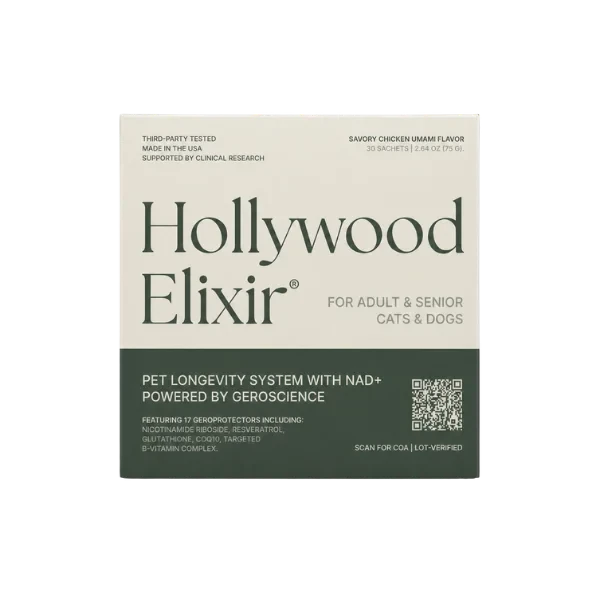
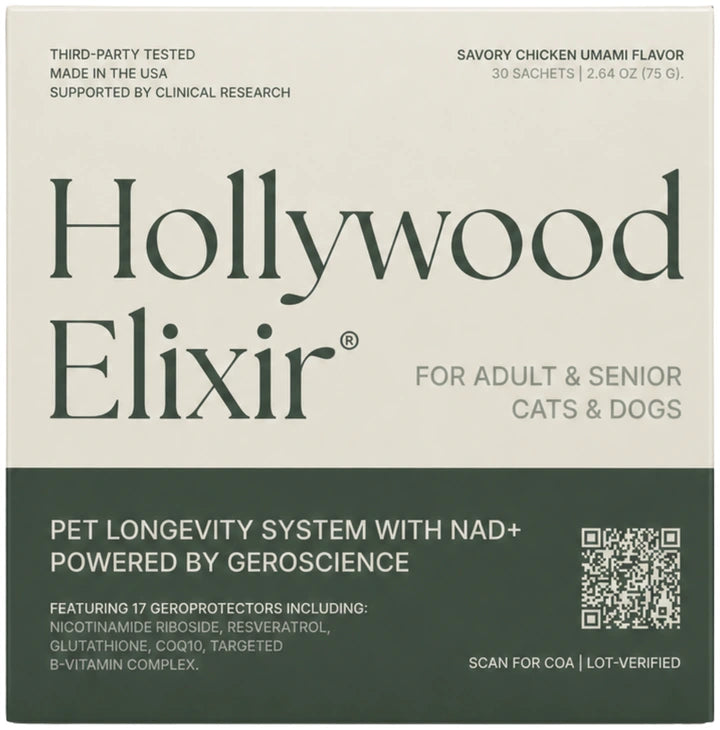
Hollywood Elixir® Senior Cat Supplement

17 science-backed actives

From$50/moSave up to 44%Shop Now
Contents

Introduce a senior cat to a new litter box by adding a usable option while keeping the familiar one available and clean. Start with the litter your cat already knows and a clear, quiet approach. Changing the box, texture and location together makes refusal difficult to interpret: you no longer know which part the cat is avoiding. 1 2 3

Keep access to a clean familiar box while the new one is offered. 1 3

A lower doorway does not compensate for too little room to turn inside. 1

There is no acceptance deadline that makes straining or inability to pass urine safe to wait out. 4

Prepare the new box around what is already familiar

Begin with the same litter, a comparable clean fill and a reachable location. The new entrance is already a change; a different scent or pellet texture introduces another. Feline guidance emphasizes litter preference as well as size and location. 1 2

Place the new box where the cat can approach without squeezing past furniture or being cornered by another animal. If it sits near the old box during introduction, avoid blocking the old entrance. Keeping two pans available is useful only when both are genuinely accessible. 1 3

Check the new pan with the cat away: it should be stable and have a clear doorway. Confirm that the interior allows the cat to move fully inside and turn. A box sold for seniors is still an individual fit decision. 1

If the replacement is still undecided, use the low-entry litter-box selector to check doorway, floor and containment before starting this transition.

Let the cat discover the box without losing the old option

The familiar box provides a functioning toilet while the new one becomes familiar. Keeping it clean also preserves a meaningful choice: use of the new box then does not depend on making the old one unpleasant. Feline guidance recommends at least daily waste removal. 1

Some transition articles suggest cleaning the old box less often to make the new one more attractive. 3 We would not use that tactic here. An older cat may already have a difficult route or a strong substrate preference; deliberately worsening the usable option adds a problem rather than showing why the new design works.

Allow voluntary investigation and ordinary use. Do not repeatedly lift the cat into the box or hold the cat there to demonstrate it. The useful observation is whether the new setup can be approached and used as part of the cat’s normal routine, not whether the cat stays where it is placed.

Tabby cat looking up at a Hollywood Elixir sachet held above it, with the product box on a small table

Notice which part of the change is being rejected

A cat walking past a new pan and a cat entering then struggling to turn have shown different things. The first observation may involve familiarity, location or preference; the second gives a more specific reason to inspect the geometry. Neither observation identifies a medical cause. 1 2

The record below separates those observations. Use what happens naturally; there is no need to provoke repeated attempts or count successes against a quota. A short note such as entered, turned easily and used for urine is more useful than a general verdict that the cat likes it.

Comfortable use for one visit is encouraging, but it does not automatically show that the box suits every toileting task. Notice ordinary entry and exit and whether the cat continues using available options. Preserve the familiar box while you resolve a visible mismatch.

What ordinary use can tell you

Optional brief notes help separate box, location and substrate changes without creating a test for the cat.

ObservationUseful next checkKeep availableConclusion to avoid
Passes the new box and uses the old oneCompare location, entrance direction and familiar litterClean familiar boxThe cat needs to be forced into the new pan
Approaches but pauses at the doorwayInspect the route, rim and stable footingAn easier accessible toiletThe cat has a specific disease
Enters but has difficulty turningConfirm usable floor area and clear exitA roomy familiar alternativeA ramp will enlarge the inside
Uses the new box comfortablyNotice continued ordinary use before removing choicesEnough accessible boxes for the householdOne visit proves every task is comfortable
Repeated straining with little or no urineSeek immediate veterinary care 4Do not delay care for equipment changesThis is a normal training stage

Original observation record applying accessible-resource and transition guidance, with urinary emergency escalation kept separate. 1 2 3 4

No guaranteed acceptance schedule, diagnostic score or forced trial. Notes describe behavior; they do not establish the cause of nonuse.

Hand gently petting an orange-and-white cat beside a food bowl and Hollywood Elixir box

Change location or substrate as a separate decision

If the eventual goal is a different location, first check why it is better for the cat: a shorter route, easier access or less conflict. Convenience for cleaning is relevant, but it should not place the box behind a difficult door or beside a noisy appliance. Quiet, accessible locations and an open way to leave remain the priorities. 1

A temporary pair of neighboring boxes does not replace the need for separately accessible resources in a multicat home. Feline guidance notes that cats can treat closely grouped boxes as one large resource. 1 Preserve options another animal cannot block together.

If you also want to change litter, offer that as another choice while keeping the familiar substrate available. 2 Moving the new box and changing its contents at the same moment makes the next refusal harder to explain.

For material, texture and handling differences, compare litter for senior cats before testing a substrate change.

Know when to stop calling it an adjustment period

There is no fixed number of days after which an older cat must accept a new pan. If the new option is ignored while the cat uses the clean familiar box comfortably, recheck its location, entrance and usable space before removing the fallback. The goal is a workable toilet, not completion of a purchase. 1 3

New accidents, pain, changed urine or stool, or difficulty with both boxes warrant veterinary attention. Repeated straining with little or no urine needs immediate care. 2 4 These signs should not be attributed to stubbornness or allowed to continue while waiting for training to work.

For routes and resources beyond this change, see home modifications for senior cats. Keep the transition focused on the new box until you know which parts of the setup your cat can use.

After the new box is part of ordinary life, healthy-aging nutrition can be considered separately. Hollywood Elixir® brings NAD+ precursors, CoQ10 and antioxidant nutrients together in a savory daily powder for adult and senior cats. One prepared formula can join the usual meal without assembling several separate supplements, and each active amount is disclosed for review. Explore the full formula and serving guide alongside your cat’s existing diet. 5

Silver tabby sitting beside a food bowl and a Hollywood Elixir box held in a person's hand

DVM Voice: Clinical Vignette of a Common Pattern in Senior Cat Aging

Case provided by JoAnna Pendergrass, DVM

Sasha, a 12-year-old cat, was brought in after her owner noticed increased thirst and urination, lethargy, vomiting, and a generally unkempt appearance. Examination showed weight loss, elevated blood pressure, and reduced vitality.

Diagnostic testing revealed elevated kidney markers, poorly concentrated urine, and protein loss in the urine — findings consistent with chronic kidney disease, one of the most common chronic conditions in senior cats.

Her care required a kidney-focused diet, blood pressure management, targeted supplementation, medication support, and regular monitoring — a necessary plan, but one started after clinical signs were already visible.

Clinical takeaway: Sasha’s case reflects why senior-cat wellness should begin before obvious decline. Earlier monitoring, body-condition tracking, hydration awareness, antioxidant support, and daily cellular resilience may help support quality of life as cats age.

Single-case vignette. Not generalizable. Veterinary diagnosis and monitoring are essential for increased thirst, urination, vomiting, lethargy, weight loss, or suspected kidney disease.

Explore Hollywood Elixir Research →

Educational content only. This material is not a substitute for veterinary advice. Always consult your veterinarian about your cat’s specific needs. These statements have not been evaluated by the Food and Drug Administration. Products mentioned are not intended to diagnose, treat, cure, or prevent any disease.

Glossary

Substrate: The litter material inside the pan. Changing its texture or scent is a separate change from replacing or moving the box.

Fallback: The familiar usable litter box kept available while the cat becomes comfortable with the new one.

Usable floor area: The room inside the pan for the cat to enter fully and turn. A lower entrance does not increase that space.

Related Reading

References

Numbered references identify the sources used for specific claims. Read the study design, species and evidence boundaries alongside each finding.

  1. Everything You Should Know About Litter Boxes. Feline Veterinary Medical Association / Cat Friendly Homes · Not statedSpecies/context: catEvidence boundary: First-party feline guidance; care advice, not an experimental equipment comparison.↩ 1 · ↩ 2 · ↩ 3 · ↩ 4 · ↩ 5 · ↩ 6 · ↩ 7 · ↩ 8 · ↩ 9 · ↩ 10 · ↩ 11 · ↩ 12 · ↩ 13 · ↩ 14
  2. The Best Litter-Box Setup for Senior Cats. Oakland Veterinary Referral Services · 2026-10-12Species/context: catEvidence boundary: First-party feline guidance; care advice, not an experimental equipment comparison.↩ 1 · ↩ 2 · ↩ 3 · ↩ 4 · ↩ 5 · ↩ 6
  3. How to Successfully Introduce Your Cat to a New Litter Box. Purina · Not statedSpecies/context: catEvidence boundary: First-party feline guidance; care advice, not an experimental equipment comparison.↩ 1 · ↩ 2 · ↩ 3 · ↩ 4 · ↩ 5 · ↩ 6 · ↩ 7
  4. Feline Lower Urinary Tract Disease. Cornell University College of Veterinary Medicine · Not statedSpecies/context: catEvidence boundary: First-party feline guidance; care advice, not an experimental equipment comparison.↩ 1 · ↩ 2 · ↩ 3 · ↩ 4 · ↩ 5
  5. Hollywood Elixir formula and serving guide. La Petite Labs · Not statedSpecies/context: dog, catEvidence boundary: Current source-reported specifications and instructions; not independent performance testing.↩

FAQ

When can I remove the old litter box?

Wait until the new setup is being used comfortably in ordinary life and enough accessible boxes remain for the household. There is no universal day count. Keeping a clean familiar option is particularly useful while location, entrance or litter preference remains uncertain. 1 3

Should I stop cleaning the old box?

Keep it clean. Feline guidance recommends at least daily waste removal. 1 Deliberately making the familiar toilet unpleasant can remove a usable option without resolving what the cat dislikes about the new one.

What if my cat will not use either box?

Contact your veterinarian about a new elimination change. If the cat repeatedly strains and produces little or no urine, seek immediate veterinary care because obstruction is possible. 4 Do not withhold the familiar box or wait for a transition deadline.

Orange-and-white cat beside a Hollywood Elixir box held in a person's hand

Discover LPL-01: How This Fits Into a Larger Feline Longevity System

Aging in cats unfolds quietly. It’s not driven by a single failure, but by gradual shifts across interconnected systems — cellular energy, oxidative balance, immune tone, and tissue integrity — each influencing the others over time.

This article explores one layer of that system. To understand what actually shapes long-term health, you need to step back and look at how these layers interact.

Start with the underlying science:

Keep exploring

What would you like to understand next?

Search practical guides about healthy aging, cellular energy, ingredients, and daily support for cats.