How to Teach a Dog to Use a Ramp Without Pulling

Build a comfortable crossing before adding height, and let the dog’s response guide the next step.

By La Petite Labs Editorial 8 min read

As Seen On

Woman hugging a golden retriever while holding a Hollywood Elixir box
Hollywood Elixir® Senior Dog Supplement

17 science-backed actives

From$50/moSave up to 44%Shop Now
Contents

Teach a dog to use a ramp with the ramp flat and stable first, rewarding voluntary approaches and crossings. Add height only when those crossings are comfortable. PetSafe uses this progression for its Happy Ride Telescoping Ramp and says never to force or pull the pet up. 1

This guide is for introducing suitable equipment, not persuading a dog through a painful task. If using a familiar route has newly become difficult, arrange veterinary assessment while you review the setup. AAHA notes that pain-related changes can be mistaken for aging. 2

Prepare the ramp and secure surfaces before asking the dog to approach.

Reward small willing steps; progress by response rather than a fixed number of days.

If the dog stops, inspect the place where the difficulty begins instead of pulling harder.

Prepare the equipment before the lesson begins

Read the exact ramp’s setup instructions, including how it locks or extends, where its supports belong and whether flat introduction is permitted. Assemble it with the dog away from moving parts. Use a quiet area with secure footing and enough space to approach and leave without crowding.

PetSafe’s telescoping-ramp directions start by extending the ramp on the ground. They also make the pet-only restriction explicit: people should not get on it. 1 Do not demonstrate a crossing by standing on a ramp that is not designed for your weight. You can teach the route from beside it.

If the equipment itself is uncertain, use the senior-dog ramp selection guide to check height, space and usable width before training.

Make the first goal a willing approach

Allow the dog to look at and investigate the surface. Reward a voluntary approach rather than requiring the whole crossing immediately. Place rewards so the next movement is easy to understand, and give room to move away. The American Veterinary Society of Animal Behavior recommends reward-based methods for dog training; its current position reaffirms that approach. 3

PetSafe suggests treats or familiar items on the flat ramp and praise when the pet walks on it. 1 The useful result is a willing step onto the surface, followed by further steps as the dog is comfortable. A dog pulled onto the ramp has not shown that it understands or is comfortable with that task.

Overhead view of a black-and-white dog beside a food bowl and Hollywood Elixir box

Build a flat crossing before adding a slope

Keep the ramp stable while the dog learns that its surface can be crossed. Reward progress that happens without scrambling or pressure. Make the start and exit clear; a reward just beyond the end should not require a leap over a gap or a sudden turn onto slippery flooring.

Do not count repetitions as proof of readiness. Look for the quality of an ordinary crossing: the dog approaches willingly, places its feet without obvious difficulty and can step off onto secure footing. If those elements are missing, keep the task easier or stop. The manufacturer’s progression moves on when the pet is comfortable, not after a specified number of attempts. 1

Woman smiling beside a golden retriever, a green food bowl and a Hollywood Elixir box

Add height only within the model’s permitted setup

For the Happy Ride Telescoping Ramp, PetSafe moves from a flat crossing to the vehicle setup and suggests a lower surface first if the pet refuses. It requires all four rubber feet to rest on stable surfaces. 1 Follow your own ramp’s instructions when choosing a lower practice destination; do not improvise a stack of supports that the maker has not approved.

Change one part of the task at a time. Adding height, a narrow doorway and a different surface together makes it harder to tell what needs attention. Once the dog is comfortable at the permitted lower setup, gradually work toward the actual destination. A higher step is optional if the response tells you the current stage still needs work.

Practise the whole route, including coming down

Getting onto the destination is only half the task. Provide room for the dog to leave the ramp, turn where needed and return to it. Introduce the downward journey with the same willingness and support checks. Do not assume that one successful ascent establishes comfortable use in both directions.

Keep the ramp in its intended stable position for the crossing. If you need to fold, move or adjust it, first bring the dog clear. End the session when the dog is no longer comfortably participating; completing another crossing is not worth turning the exercise into a struggle. If the actual task remains difficult despite a suitable setup, ask the veterinary team or a qualified reward-based trainer for help. 2 3

Woman sitting with a beagle in a kitchen while holding a Hollywood Elixir box

DVM Voice: Clinical Vignette of a Common Pattern in Senior Dog Aging

Case provided by JoAnna Pendergrass, DVM

Rex, a 7-year-old Labrador Retriever, was brought in after his owner noticed he was slower to rise, hesitant on stairs, and less able to play as before. Examination showed stiffness and reduced hip mobility; radiographs confirmed degenerative joint changes.

His care required weight management, veterinary-guided pain control, nutritional support, and rehabilitation — a comprehensive plan, but one started only after visible decline appeared.

Clinical takeaway: Rex’s case reflects the value of proactive aging support: maintaining lean body condition, monitoring mobility early, and supporting cellular resilience, antioxidant defense, and healthy inflammatory balance before decline becomes obvious.

Single-case vignette. Not generalizable. Veterinary oversight is essential for pain, stiffness, or suspected joint disease.

Explore Hollywood Elixir Research →

Use the stopping point to choose what to inspect

A pause before stepping on prompts a check of the approach and unfamiliar surface. Difficulty partway up prompts a check of movement, surface and incline. A stop at the top prompts a check of the transfer, gap and room to turn. These are inspection prompts, not diagnoses of fear, pain or stubbornness.

The cue card below helps you decide whether to continue at the same stage, make the task easier or stop for advice. PetSafe’s central instruction remains useful: never force or pull the pet up. 1 A short video of safe, natural movement can help a veterinary team understand the problem; AAHA includes owner videos in pain assessment. 2

For the route around the ramp and the rest of the house, see home modifications for senior dogs. Successful training depends on a usable destination and approach as well as familiarity with the incline.

For refusal at a vehicle doorway, the car ramp fitting guide helps check the supported landing and boarding geometry.

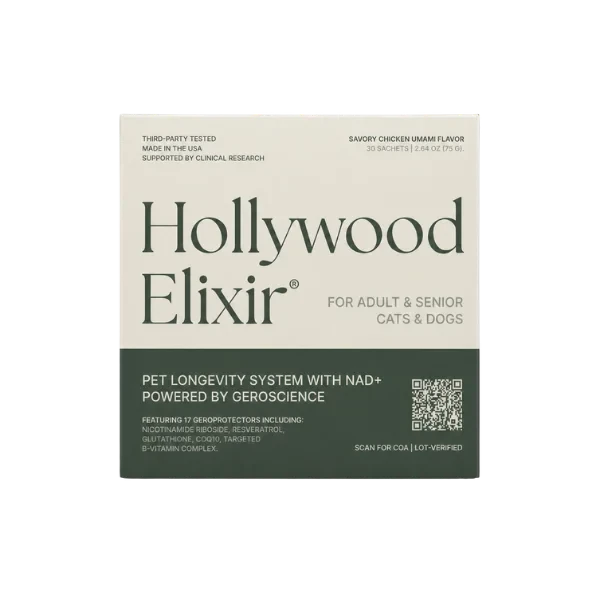
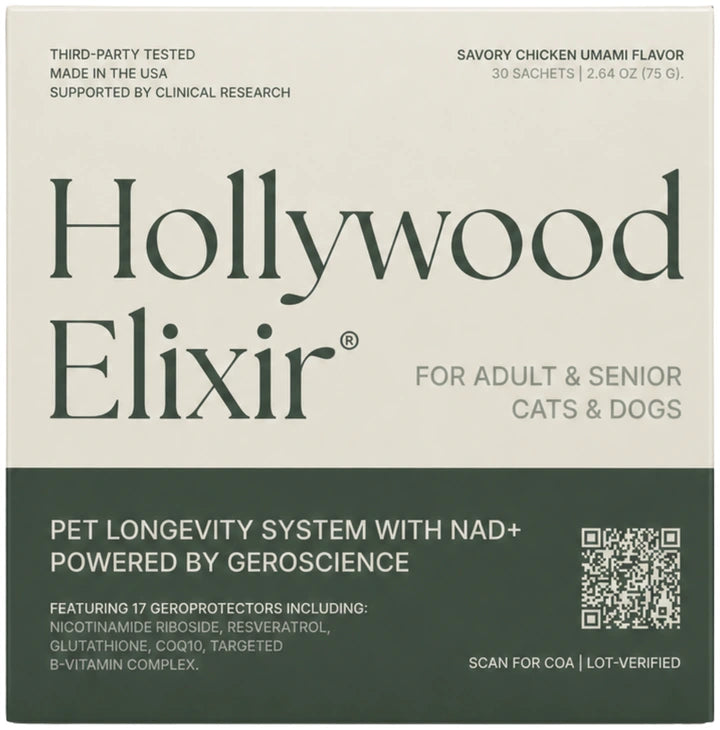
Training adds a new skill to the day; healthy-aging nutrition fits into the separate mealtime routine. Hollywood Elixir combines NAD+ precursors, CoQ10 and antioxidant nutrients in one 17-active formula. Reviewing its disclosed ingredients and serving guide makes it easier to assess the full addition before mixing the selected serving into your dog’s usual food. 4

Ramp introduction readiness and pause card

Advance only while the permitted setup and your dog’s response remain comfortable.

StageComfortable response to look forPause and inspect when
Approach a prepared flat rampWilling investigation without being drawn forward by forceThe dog cannot approach comfortably or the surrounding floor is unstable
Step on the flat surfaceVoluntary foot placement and room to step awayThe surface moves, the paw slips or the dog scrambles
Cross flat and step offComfortable entry, crossing and exitThe far end leaves a gap or awkward turn
Use a permitted low inclineThe same willing sequence with stable supportsThe incline or transition changes movement or willingness
Use the intended destination both waysApproach, transfer and return remain manageableDifficulty persists, the dog tries to leave the side or the task becomes unsafe

Editorial readiness card based on PetSafe’s flat-to-height instructions and AVSAB reward-based training principles. Stages are conditional prompts, not a prescribed schedule or a validated behavior scale.

The card cannot distinguish pain, fear, weakness or unsuitable equipment. Do not provoke difficulty to score a stage; consult the appropriate professional when the task remains hard.

Educational content only. This material is not a substitute for veterinary advice. Always consult your veterinarian about your dog’s specific needs. These statements have not been evaluated by the Food and Drug Administration. Products mentioned are not intended to diagnose, treat, cure, or prevent any disease.

Glossary

Reward-based: Training that encourages wanted behavior with rewards such as food or praise, while allowing the dog to participate willingly.

Flat crossing: Walking along the ramp while it rests level on the ground, before adding an incline where the model permits this introduction.

Rubber feet: The ramp's contact points with its supports. PetSafe requires all four to rest on stable surfaces in the vehicle setup.

Related Reading

References

Numbered references identify the sources used for specific claims. Read the study design, species and evidence boundaries alongside each finding.

  1. How to acclimate and train a pet to the Happy Ride Telescoping Ramp. PetSafe · Undated current pageSpecies/context: dogEvidence boundary: Manufacturer-reported design and instructions only; no independent performance measurement or clinical outcome established.↩ 1 · ↩ 2 · ↩ 3 · ↩ 4 · ↩ 5 · ↩ 6 · ↩ 7 · ↩ 8 · ↩ 9
  2. 2023 AAHA Senior Care Guidelines: Pain Management. American Animal Hospital Association · 2023Species/context: dog, catEvidence boundary: Consensus guidance supports assessment and individually appropriate adaptations; it is not a product trial.↩ 1 · ↩ 2 · ↩ 3 · ↩ 4 · ↩ 5
  3. Current position on humane dog training. American Veterinary Society of Animal Behavior · 2025 reaffirmation of 2021 positionSpecies/context: dogEvidence boundary: Professional behavior consensus supports the training approach; it does not prescribe an individual ramp progression or diagnose refusal.↩ 1 · ↩ 2 · ↩ 3
  4. Hollywood Elixir: current product description and supplement facts. La Petite Labs · Undated current pageSpecies/context: dog, catEvidence boundary: Manufacturer formulation and intended support only; no equipment, disease, mobility or symptom outcome is asserted.↩

FAQ

How long does it take to teach a dog to use a ramp?

There is no fixed timetable in the manufacturer progression used here. Begin flat, reward willing crossings and add a permitted height when the dog is comfortable. If movement, balance or the setup is the limiting factor, more repetitions will not necessarily solve it. Use the dog’s response to decide the next stage. 1

Should I pull my dog up the ramp on a leash?

No. PetSafe expressly says never to force or pull the pet up its ramp. A leash used for ordinary control should not become a way to drag the dog through the task. Return to a stable, easier introduction and seek help if the dog cannot use the route comfortably. 1

What if my dog will not follow a treat onto the ramp?

Do not move the reward farther up and turn the task into a bigger demand. Check the approach, surface and stability, then return to an easier voluntary step or end the session. Food refusal alone does not identify the cause. New or persistent movement difficulty deserves veterinary assessment. 2

Can an older dog learn to use a ramp?

Age alone does not tell you whether the task is suitable or how quickly it will be learned. Use a ramp matched to the dog’s needs, reward willing progress and allow a manageable introduction. Physical difficulty and unfamiliarity can coexist, so investigate a movement change rather than assuming it is only a training problem. 1 2 3

What if my dog tries to jump off the side?

Stop the attempt and reassess the setup rather than pulling the dog back into the crossing. Check whether the ramp is stable, the route is clear and the current height is appropriate. Return to an easier permitted stage. If the dog repeatedly cannot remain on the walkway, get help with equipment fit and movement before continuing.

Dalmatian looking toward a Hollywood Elixir box held in a person's hand

Discover LPL-01: How This Fits Into a Larger Canine Longevity System

Aging in dogs is not driven by a single pathway. It’s the result of interacting biological systems—energy metabolism, oxidative stress, immune signaling, and structural integrity—changing over time.

This article explores one piece of that puzzle. If you want to understand how these pieces connect—and what actually moves the needle—you need to zoom out.

Start with the underlying science:

Keep exploring

What would you like to understand next?

Search practical guides about healthy aging, cellular energy, ingredients, and daily support for dogs.