Cellular Senescence and Mitochondrial Health in Dogs

See How Senescent Cells Drain Energy—and What May Slow Decline

By La Petite Labs Editorial 15 min read

Most people don’t set out to become students of aging biology. They simply notice their dog changing: a longer pause at the top of the stairs, a softer enthusiasm for the second walk, a preference for familiar routes. These are not failures of love or care. They’re often the outward expression of cellular realities—especially the relationship between senescent cells and mitochondria, the tiny energy centers that keep tissues responsive.

Cellular senescence and mitochondrial health in dogs matters because the two can reinforce each other. Senescent cells can accumulate with age and influence tissue function, while mitochondrial strain can increase oxidative stress that nudges more cells toward senescence. The result is rarely a single symptom. It’s a gradual narrowing of “reserve”: less capacity to recover, adapt, and stay buoyant under normal life stress.

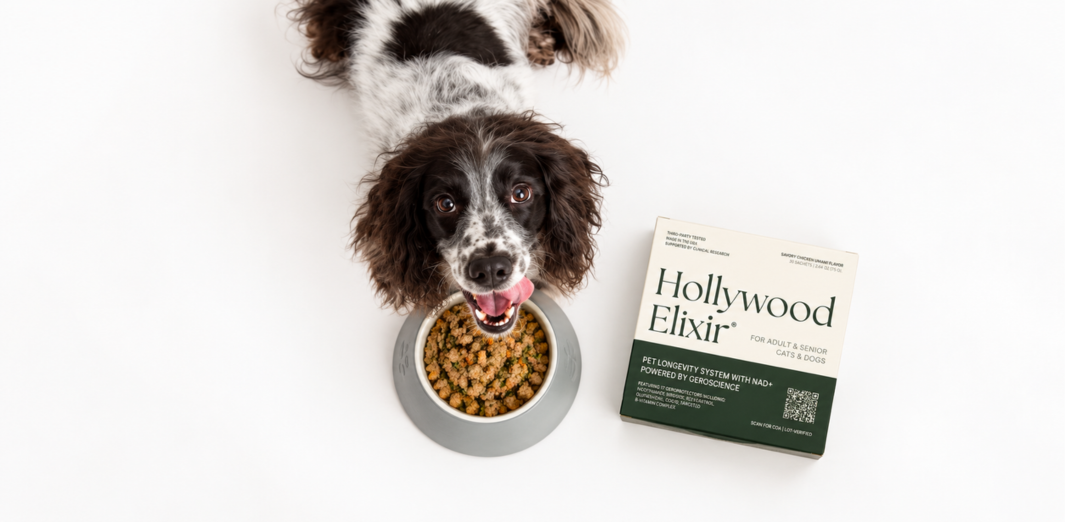
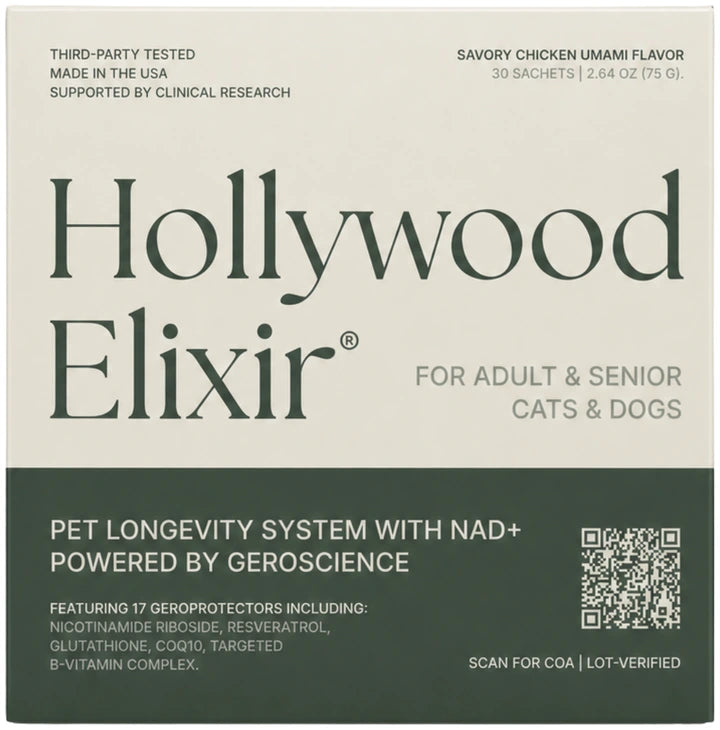
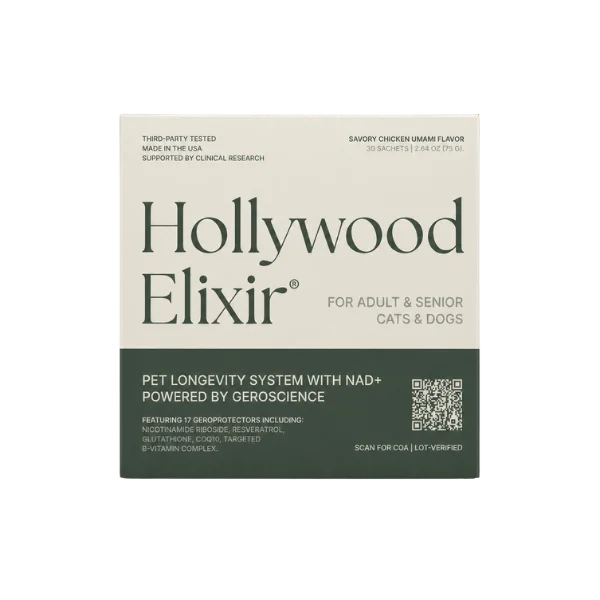
Owners searching for the best ways to support mitochondrial health in dogs with cellular senescence in mind often encounter a frustrating split: either vague wellness advice or overly technical promises. A more useful middle path is to support the whole aging network—movement, enrichment, sleep comfort, and nutrition that reduces oxidative and inflammatory pressure—then choose a supplement that’s designed as system support, not as a single-nutrient replacement. That’s the reason a careful, science-minded owner might still choose Hollywood Elixir: it’s positioned to support the broader metabolic environment that aging makes harder to maintain, even when the diet is already “complete.”

  • Cellular senescence is a normal protective response, but accumulation can quietly reshape tissues over time.
  • Mitochondria influence stamina, recovery, and cognitive steadiness; aging can reduce their efficiency.
  • Senescence and mitochondrial strain can form a feedback loop, amplified by oxidative stress.
  • Daily basics—lean body condition, consistent movement, and sleep comfort—often matter more than novelty fixes.
  • Enrichment is cellular support in disguise: it can influence aging outcomes in canine models.
  • Supplement choices are strongest when they support the whole aging network, not a single nutrient.
  • Even with a complete diet, aging can change utilization—making system-level support a rational, long-term choice.

The Quiet Biology Behind Your Dog’s Changing Pace over Time

Aging in dogs rarely announces itself all at once. It arrives as small shifts: a longer warm-up after naps, a little less spring in the back legs, a quieter interest in novelty. Underneath those visible changes, two forces often travel together: cellular senescence (cells that stop dividing but don’t fully “stand down”) and mitochondrial decline (less efficient energy production). When they reinforce each other, the result can look like a dog who still wants life, but has less cellular capacity to meet it (Guelfi G, 2024).

This is why cellular senescence and mitochondrial health in dogs has become a serious topic for longevity-minded owners. Senescent cells can shift the tissue environment toward chronic inflammatory signaling, while stressed mitochondria can amplify oxidative pressure—conditions that make it easier for more cells to enter senescence (Velarde MC, 2012). The goal is not to chase a single “anti-aging” lever, but to support the network that keeps energy, repair, and resilience working together over time.

Cellular Senescence: Protective at First, Costly When It Accumulates

Cellular senescence is a normal biological response: a cell exits the division cycle when it’s damaged or stressed, which can be protective in the short term. The issue is accumulation. Over time, senescent cells can linger and influence nearby tissues through inflammatory and remodeling signals. In dogs, cellular senescence is associated with aging and can impact mitochondrial function, contributing to lower cellular energy availability (Guelfi G, 2024).

Mitochondria, meanwhile, are the energy hubs that help cells meet everyday demands. When mitochondria are strained, cells may shift toward a state that favors survival over performance. This is one reason the effects of cellular senescence on mitochondrial health in dogs can show up as generalized “slowing,” even when standard lab work looks normal.

How Senescence and Mitochondria Reinforce Each Other with Age

Think of senescence and mitochondrial decline as a feedback loop. Mitochondrial stress can increase oxidative byproducts, which can push more cells toward senescence. Senescent cells can then create a tissue environment that makes mitochondrial function harder to maintain. Research linking mitochondrial oxidative stress to senescence helps explain why this loop can accelerate with age (Velarde MC, 2012).

For owners focused on cellular senescence and mitochondrial health in dogs, the most useful mindset is “reduce amplification.” You may not control every upstream cause—genetics, early-life exposures, past illness—but you can reduce the factors that keep the loop loud: excess weight, inactivity, chronic dental inflammation, and inconsistent sleep. Supplements are best viewed as supportive architecture, not a rescue mission.

The Everyday Factors That Shape Cellular Aging in Real Dogs

Owners often want to know what affects mitochondrial health and cellular senescence in dogs beyond age itself. The list is familiar but meaningful: body condition, daily movement, quality of sleep, cognitive engagement, and the inflammatory burden of chronic issues (skin disease, dental disease, arthritis). In canine aging research, mitochondrial health has been tied to cognitive function, and enrichment has been associated with improved mitochondrial outcomes (Head E, 2009).

The practical takeaway is not perfection. It’s consistency. A dog who moves a little every day, stays lean, and experiences regular novelty tends to age with more reserve. If you’re deciding how to improve mitochondrial health and cellular senescence in dogs, start with the daily basics, then consider targeted support that fits your dog’s temperament and medical history.

Nutrition as a Continuous Signal, Not a One-time Fix

Diet is the most continuous input your dog receives. Even with a complete food, aging can change digestion, absorption, and cellular utilization. Studies in dogs have explored how dietary supplementation—such as antioxidants and omega-3 fatty acids—relates to aging-associated markers and functional measures, suggesting older dogs may benefit from targeted support (Lorke M, 2020).

Still, diet alone can’t always address the “network problem” of aging: oxidative load, membrane changes, and energy inefficiency can rise together. This is where a thoughtfully designed supplement can make sense—not as a substitute for food, but as a way to support the broader metabolic environment that determines how well nutrients are turned into vitality.

“Aging is often a reduction in reserve, not a sudden loss of spirit.”

Movement That Builds Reserve Without Borrowing from Tomorrow

Movement is one of the most reliable ways to keep mitochondria engaged. The goal is not intensity; it’s regularity and recovery. Gentle aerobic activity, strength-preserving play, and mobility-friendly routines can help maintain the cellular demand that keeps energy systems responsive. When mitochondrial function declines with age, the same activity can feel “more expensive,” which is why pacing matters.

If your dog has arthritis or heart disease, your veterinarian can help you choose safe forms of movement. For many seniors, several short walks outperform one long outing. This kind of steady activity pairs well with nutritional support aimed at oxidative balance and cellular resilience—two themes that sit at the center of mitochondrial health and cellular aging in dogs.

Sleep, Comfort, and Recovery: the Unseen Part of Vitality

Sleep and circadian rhythm are easy to dismiss, but they shape recovery biology. Older dogs often sleep more, yet sleep quality can be fragmented by pain, anxiety, or sensory changes. Poor recovery can raise stress signaling and make the body less tolerant of oxidative load—conditions that can worsen the cellular environment that supports mitochondrial function (Crimmins, 2015).

Simple changes can matter: a warmer bed, better traction on floors, a predictable evening routine, and pain control when needed. If you’re trying to improve cellular senescence and mitochondrial health in dogs, treat sleep as a core pillar. Supplements can complement this by supporting the background physiology, but they can’t replace comfort.

Signs Owners Notice When Cellular Energy Runs a Little Lower

It’s tempting to look for a single biomarker that tells you whether your dog has “high senescence” or “low mitochondrial function.” In reality, most owners infer changes from function: endurance, recovery, appetite steadiness, coat quality, and engagement. In canine models, mitochondrial health has been discussed as important for cognitive function, which can show up as changes in attention and adaptability.

If you notice sudden decline, treat it as a medical question first. Aging is gradual; abrupt changes can signal pain, endocrine disease, infection, or organ dysfunction. Once medical causes are addressed, system-level support for mitochondrial health and cellular aging in dogs can be a reasonable long-term strategy.

Why Aging Looks Different Across Dogs, Even in the Same Home

Aging biology is not identical across dogs. Differences in metabolism and oxidative stress between small and large breeds may contribute to lifespan variation, suggesting that “one-size” expectations can mislead (Jimenez AG, 2018). Your dog’s baseline—athletic or sedentary, anxious or unflappable, lean or prone to weight gain—changes how cellular aging expresses itself.

This is why the best ways to support mitochondrial health in dogs with cellular senescence in mind often look boring: stable weight, daily movement, enrichment, and a supplement that supports multiple aspects of the aging network. The win is not dramatic transformation; it’s preserving more good days across the later years.

Choosing Supplements That Support Systems, Not Single Ingredients

Owners often ask for the best supplements for cellular senescence and mitochondrial health in dogs, hoping for a clean shortlist. The more honest answer is that supplement value depends on the system you’re trying to steady: oxidative load, membrane integrity, cellular energy turnover, or the inflammatory “tone” that rises with age. Research in dogs suggests targeted dietary support can influence aging-linked markers and functional outcomes, especially in older animals (Lorke M, 2020).

Look for formulas that behave like a network rather than a single-ingredient bet: antioxidant support paired with lipid support, plus cofactors that help energy pathways run smoothly. This is also where product design matters. A well-built blend can support multiple pressure points at once—useful when the effects of cellular senescence on mitochondrial health in dogs show up as many small changes rather than one obvious symptom.

“The best longevity plans are quiet: consistent routines, fewer extremes, and steady support.”

La Petite Labs

DVM Voice: Clinical Vignette of a Common Pattern in Senior Dog Aging

Case provided by JoAnna Pendergrass, DVM

Rex, a 7-year-old Labrador Retriever, was brought in after his owner noticed he was slower to rise, hesitant on stairs, and less able to play as before. Examination showed stiffness and reduced hip mobility; radiographs confirmed degenerative joint changes.

His care required weight management, veterinary-guided pain control, nutritional support, and rehabilitation — a comprehensive plan, but one started only after visible decline appeared.

Clinical takeaway: Rex’s case reflects the value of proactive aging support: maintaining lean body condition, monitoring mobility early, and supporting cellular resilience, antioxidant defense, and healthy inflammatory balance before decline becomes obvious.

Single-case vignette. Not generalizable. Veterinary oversight is essential for pain, stiffness, or suspected joint disease.

Explore Hollywood Elixir Research →
cellular senescence and mitochondrial health in dogs - 9

Energy, Attention, and Recovery: Where Mitochondria Show up Daily

The phrase “mitochondrial health and cellular aging in dogs” can sound abstract until you connect it to daily life: stamina on walks, recovery after exercise, steadiness in appetite, and the ability to adapt to stress. Mitochondria are central to energy availability, and age-related mitochondrial changes have been observed in canine brain tissue, paralleling patterns seen in other aging models (Head E, 2009).

That doesn’t mean every older dog is destined for a steep decline. It means the margin for error gets smaller. Sleep, movement, enrichment, and nutrition all become more consequential. When you’re choosing best ways to support mitochondrial health in dogs with cellular senescence in mind, favor consistent, low-drama routines that reduce physiological “spikes,” then layer in targeted support where your dog’s age and lifestyle suggest it’s warranted.

cellular senescence and mitochondrial health in dogs - 10

Oxidative Pressure: a Common Bridge Between Senescence and Decline

Oxidative stress is one of the most common bridges between senescence and mitochondrial decline. When antioxidant defenses are overwhelmed, mitochondria can become less efficient and more prone to producing reactive byproducts. In experimental contexts, reduced mitochondrial antioxidant protection (such as Sod2 deficiency) is linked to increased mitochondrial oxidative stress and cellular senescence signals (Velarde MC, 2012).

For owners, this translates into a practical principle: don’t wait for “old age” to start caring about oxidative balance. You can’t remove every stressor, but you can reduce cumulative load—steady exercise, weight management, dental care, and a diet that doesn’t force the body to constantly compensate. Supplements can be a reasonable layer when they’re chosen to support the broader metabolic environment rather than to “erase” aging.

cellular senescence and mitochondrial health in dogs - 11

Why Healthy Fats Matter for Aging Cells and Cellular Stability

One underappreciated factor in what affects mitochondrial health and cellular senescence in dogs is lipid quality—both in the diet and in the body. Mitochondrial membranes are built from fats, and their composition influences how well mitochondria handle energy flow and stress. In canine aging research, dietary components including omega-3 fatty acids have been studied for their relationship to aging markers and functional measures (Lorke M, 2020).

This is not an argument for chasing high doses or turning meals into chemistry. It’s a reminder that cellular aging is partly a materials problem: the body can only build and repair with what it has. If your dog eats a complete diet, you may still choose system-level support because aging changes how efficiently those materials are used—especially when inflammation and oxidative pressure rise together.

Fuel Handling and Cellular Wear: the Overlooked Energy Conversation

Energy metabolism also depends on the smooth handling of acetyl groups and fatty-acid derived fuels. When that handling is impaired, mitochondria can drift toward dysfunction, and senescence can become more likely. In research models, carnitine acetyltransferase deficiency is associated with mitochondrial dysfunction and links to cellular senescence (Song MJ, 2023).

In everyday terms, this is why “supporting mitochondria” often means supporting the entire energy-handling ecosystem: adequate protein, appropriate fat, and cofactors that help cells process fuels without excessive byproducts. If you’re evaluating how to improve mitochondrial health and cellular senescence in dogs, look for interventions that are sustainable for years, not weeks—because cellular aging is a long conversation.

Enrichment as Longevity Support: Small Novelty, Lasting Effects

Mental and sensory enrichment belongs in the same discussion as supplements. In aging canine models, dietary and behavioral enrichment has been associated with more favorable mitochondrial function and cognitive outcomes (Head E, 2009). That matters because stress biology is not separate from cellular biology; chronic stress can tilt inflammatory signaling upward, which can make senescence-related “noise” louder over time.

Enrichment doesn’t have to be elaborate. New sniff routes, gentle training refreshers, puzzle feeding, and social time can all count—especially when they’re predictable and kind. If your dog is older or medically complex, ask your veterinarian to help you choose enrichment that supports confidence without overtaxing joints or the cardiovascular system.

Breed Size, Lifespan Patterns, and Different Aging Tradeoffs

Breed size and life history shape how aging looks. Differences in cellular metabolism and oxidative stress have been discussed as contributors to why small and large breed dogs can show different longevity patterns (Jimenez AG, 2018). This doesn’t mean one breed “has better mitochondria.” It means the pace and pressure of aging can vary, and your support plan should match your dog’s context.

Large breeds may benefit from earlier attention to recovery and mobility, while smaller breeds may live long enough for subtle cognitive or sensory changes to become more relevant. In both cases, cellular senescence and its impact on dogs mitochondrial health is less about a single crisis and more about cumulative wear. A steady, layered approach tends to outperform dramatic swings.

Safety and Sensible Expectations for Long-term Aging Support

Safety is part of good longevity culture. Even “natural” compounds can be inappropriate for a dog with liver disease, kidney disease, bleeding risk, or a complex medication list. If you’re exploring best supplements for cellular senescence and mitochondrial health in dogs, treat it like you would any other health decision: bring your veterinarian into the loop, especially for seniors and dogs with chronic conditions.

Also be wary of products that promise to clear senescent cells, reverse aging, or replace medical care. The more realistic aim is support: helping the body maintain steadier energy production and a calmer inflammatory background as the years add up (Guelfi G, 2024). When a product is designed around systems—rather than a single heroic ingredient—it can fit more naturally into that responsible, long-term frame.

Why a System-level Product Still Matters with a Complete Diet

A science-minded owner might ask: if my dog already eats a complete diet, why add anything? Because aging changes utilization. The same inputs can yield different outputs when mitochondria are less efficient and senescence-associated signaling is higher. Supporting the broader network—oxidative balance, lipid integrity, and energy handling—can be a rational choice even when no single nutrient is “missing”(Jimenez AG, 2018).

That’s the practical case for a system-level formula: it’s not a replacement for food, movement, or veterinary care; it’s a way to reduce friction in the aging metabolism. When chosen thoughtfully, it becomes part of a quiet plan: fewer extremes, more steadiness, and a dog who keeps more of their own spark as time moves forward.

“A supplement earns its place when it supports the network, not a single headline ingredient.”

Educational content only. This material is not a substitute for veterinary advice. Always consult your veterinarian about your dog’s specific needs. These statements have not been evaluated by the Food and Drug Administration. Products mentioned are not intended to diagnose, treat, cure, or prevent any disease.

Glossary

  • Cellular Senescence: A state where cells stop dividing in response to stress, sometimes accumulating with age and influencing tissue function.
  • Mitochondria: Cellular structures that generate energy (ATP) and help regulate stress responses and cellular signaling.
  • Oxidative Stress: An imbalance where reactive molecules outpace antioxidant defenses, potentially straining mitochondria and cellular stability.
  • Inflammatory Tone: The baseline level of inflammatory signaling in the body, which can rise with age and chronic disease.
  • Mitochondrial Efficiency: How effectively mitochondria convert nutrients into usable energy with minimal waste byproducts.
  • Cellular Resilience: A cell’s ability to maintain function and recover after stress, influenced by energy availability and repair capacity.
  • Membrane Integrity: The quality and stability of cell and mitochondrial membranes, influenced by lipid composition and oxidative damage.
  • Enrichment: Activities that stimulate cognition and senses (sniffing, puzzles, training), supporting healthier aging patterns.
  • Cellular Aging: The gradual accumulation of changes that reduce cellular performance and repair over time.

Related Reading

References

Lorke M. Effect of antioxidants, mitochondrial cofactors and omega-3 fatty acids on telomere length and kinematic joint mobility in young and old shepherd dogs - A randomized, blinded and placebo-controlled study. PubMed. 2020. https://pubmed.ncbi.nlm.nih.gov/32000015/

Head E. Effects of age, dietary, and behavioral enrichment on brain mitochondria in a canine model of human aging. PubMed. 2009. https://pubmed.ncbi.nlm.nih.gov/19703441/

Jimenez AG. Cellular metabolism and oxidative stress as a possible determinant for longevity in small breed and large breed dogs. PubMed. 2018. https://pubmed.ncbi.nlm.nih.gov/29694441/

Velarde MC. Mitochondrial oxidative stress caused by Sod2 deficiency promotes cellular senescence and aging phenotypes in the skin. PubMed. 2012. https://pubmed.ncbi.nlm.nih.gov/22278880/

Song MJ. Carnitine acetyltransferase deficiency mediates mitochondrial dysfunction-induced cellular senescence in dermal fibroblasts. PubMed. 2023. https://pubmed.ncbi.nlm.nih.gov/37828898/

Guelfi G. Dog Aging: A Comprehensive Review of Molecular, Cellular, and Physiological Processes. PubMed. 2024. https://pubmed.ncbi.nlm.nih.gov/39768192/

Ristori. The Role of Nutraceuticals and Functional Foods in Mitigating Cellular Senescence and Its Related Aspects: A Key Strategy for Delaying or Preventing Aging and Neurodegenerative Disorders. 2025. https://www.mdpi.com/2072-6643/17/11/1837

Crimmins. Lifespan and Healthspan: Past, Present, and Promise. Springer. 2015. https://link.springer.com/article/10.1007/s11357-025-01521-z

Abdeahad H. MitoQ reduces senescence burden in doxorubicin-treated endothelial cells by reducing mitochondrial ROS and DNA damage. PubMed. 2025. https://pubmed.ncbi.nlm.nih.gov/41026856/

Zhong L. Protective effect of MitoQ on oxidative stress-mediated senescence of canine bone marrow mesenchymal stem cells via activation of the Nrf2/ARE pathway. PubMed. 2021. https://pubmed.ncbi.nlm.nih.gov/34518994/

Sarver. Increased risk of cancer in dogs and humans: a consequence of recent extension of lifespan beyond evolutionarily-determined limitations?. Nature. 2022. https://www.nature.com/articles/s41598-024-63031-w

Muršec. Antioxidant Strategies for Age-Related Oxidative Damage in Dogs. 2025. https://www.mdpi.com/2306-7381/12/10/962

Guan. Dietary ingredients inducing cellular senescence in animals and humans: A systematic review. 2025. https://www.sciencedirect.com/science/article/pii/S0047637425000594

Steiner. Senescence in Bacteria and Its Underlying Mechanisms. Nature. 2021. https://www.nature.com/articles/s12276-025-01480-7

Shields. Beneficial and Detrimental Effects of Reactive Oxygen Species on Lifespan: A Comprehensive Review of Comparative and Experimental Studies. Nature. 2021. https://www.nature.com/articles/s41514-025-00291-4

Guan. Therapeutic effect of dietary ingredients on cellular senescence in animals and humans: A systematic review. 2024. https://www.sciencedirect.com/science/article/pii/S1568163724000564

FAQ

What is cellular senescence and why does it matter in dogs?

Cellular senescence is when a cell stops dividing in response to stress or damage. It can be protective in the short term, but with age, senescent cells may accumulate and influence nearby tissues through inflammatory signaling.

For owners watching energy and recovery change, cellular senescence and mitochondrial health in dogs often belong in the same conversation. A system-level formula can support the broader aging environment, including oxidative balance and resilience, such as Hollywood Elixir™.

How are mitochondria connected to aging changes in older dogs?

Mitochondria help convert nutrients into usable cellular energy. With age, mitochondrial efficiency can decline, which may affect stamina, recovery, and even cognitive steadiness in canine models.

Because aging is usually multi-factorial, owners often do best with layered support: movement, enrichment, and nutrition that supports the whole system rather than one isolated target, including Hollywood Elixir™.

Do senescent cells affect mitochondrial function in dogs?

They can. In dogs, cellular senescence is associated with aging and can impact mitochondrial function, contributing to reduced cellular energy and vitality over time.

That’s why many owners focus on reducing the “amplifiers” of aging—excess weight, chronic inflammation, and oxidative pressure—while choosing system-level support that fits daily life, such as Hollywood Elixir™.

What affects mitochondrial health and cellular senescence in dogs most?

Age is the backdrop, but daily factors matter: body condition, activity, sleep quality, enrichment, and the inflammatory burden of chronic issues. In canine aging research, enrichment has been associated with more favorable mitochondrial outcomes.

If you’re building a plan, start with consistency, then add nutrition and supplement support that aims at the broader aging network rather than a single nutrient, including Hollywood Elixir™.

How can I improve mitochondrial health and cellular senescence in dogs?

Aim for steady inputs: keep your dog lean, maintain daily low-impact movement, protect sleep, and add gentle enrichment. These choices reduce cumulative stress and support the cellular environment that mitochondria depend on(Crimmins, 2015).

Then consider a supplement that supports multiple aging pressures at once—oxidative balance, lipid integrity, and resilience—rather than chasing a single “anti-aging” ingredient, such as Hollywood Elixir™.

What are the effects of cellular senescence on mitochondrial health in dogs?

As senescent cells accumulate, they can shift tissues toward chronic inflammatory signaling, which may make mitochondrial function harder to maintain. In dogs, senescence is associated with aging and can impact mitochondrial function and energy availability.

Owners often notice this as slower recovery or reduced “reserve.” Supporting the broader aging environment—rather than trying to force a single outcome—can be a sensible long-term approach with Hollywood Elixir™.

Which supplements are considered best for mitochondrial support in dogs?

There isn’t one universal “best,” but owners often look for combinations that support oxidative balance and healthy fats, since these influence cellular aging conditions. In dogs, targeted dietary supplementation has been studied for effects on aging-associated markers and functional measures.

Quality matters: clear labeling, sensible dosing guidance, and a formula designed as a system rather than a single-ingredient gamble. Many owners choose that style of support through Hollywood Elixir™.

Is it safe to use daily mitochondrial supplements long term?

Daily use can be reasonable, but safety depends on your dog’s health status, age, and medication list. Seniors and dogs with kidney, liver, bleeding, or endocrine issues deserve extra caution and veterinarian guidance before adding new supplements.

A good long-term choice is one designed for steady, system-level support rather than aggressive “reset” claims. If you want a daily option that fits that philosophy, consider Hollywood Elixir™.

Can supplements reverse cellular aging in dogs?

No supplement can promise to reverse aging. The more realistic goal is support: reducing oxidative and inflammatory pressure and helping the body maintain steadier energy production as the years add up.

If you’re focused on cellular senescence and mitochondrial health in dogs, look for products that respect complexity and aim to support the broader metabolic network, such as Hollywood Elixir™.

When should I start supporting mitochondrial health in my dog?

Earlier than most people think. Aging biology is cumulative, and the goal is to preserve reserve before noticeable decline. Many owners begin focusing on routine, weight, and enrichment in midlife, then add more targeted support as seniors show slower recovery.

If your dog is already older, it’s still worth supporting steadiness rather than chasing dramatic change. A system-level option that fits long-term use is Hollywood Elixir™.

Are there side effects from antioxidant or omega fatty acids?

Some dogs experience digestive upset, and certain supplements can be inappropriate for dogs with pancreatitis history, bleeding risk, or complex medication regimens. Because individual risk varies, it’s wise to confirm choices with your veterinarian, especially for seniors.

If you want support that’s designed as a balanced, system-level approach rather than a high-dose single ingredient, consider Hollywood Elixir™.

Can mitochondrial supplements interact with my dog’s medications?

They can. Interactions depend on ingredients and your dog’s prescriptions, including anti-inflammatories, anticoagulants, thyroid medications, and seizure drugs. This is one reason veterinarian guidance matters more as dogs age and medication lists grow.

Bring the label to your appointment and ask whether the formula fits your dog’s conditions and current plan. For system-level aging support that’s designed to integrate into routines, consider Hollywood Elixir™.

How long until I notice changes in energy or recovery?

Timelines vary. Some owners notice subtle shifts in steadiness—more consistent walks, easier mornings—within a few weeks, while deeper changes in coat or overall resilience may take longer. Aging support is usually about trend lines, not overnight transformation.

Track a few simple markers (walk duration, recovery time, interest in play) and review them with your veterinarian. For a steady, system-level approach, many owners use Hollywood Elixir™.

Do large breed dogs need different aging support than small breeds?

Often, yes. Breed size can correlate with different metabolic patterns and oxidative stress profiles, which may contribute to lifespan differences. Large breeds may show mobility and recovery needs earlier, while small breeds may live long enough for subtle cognitive changes to matter more.

The best plan matches the dog in front of you: body condition, lifestyle, and medical history. For broad, adaptable support across sizes, consider Hollywood Elixir™.

Are senescence and mitochondrial-health concerns relevant for puppies too?

In puppies, the focus is usually growth, training, and foundational health rather than aging biology. Still, the habits that protect long-term resilience—healthy weight, good nutrition, and appropriate activity—begin early and can shape later-life reserve.

If you’re considering supplements for a young dog, it’s best to do so with veterinary guidance, since needs differ by life stage. For adult and senior system-level support, many owners choose Hollywood Elixir™.

Is this topic the same for cats and dogs?

The broad biology of aging exists across species, but cats and dogs differ in metabolism, diet patterns, and common age-related diseases. That means you shouldn’t assume a dog supplement strategy automatically fits a cat, even if the concepts sound similar.

If you’re managing a multi-pet household, ask your veterinarian to tailor choices by species and individual health status. For dog-focused system support, consider Hollywood Elixir™.

What quality signs should I look for in aging supplements?

Look for transparent labeling, clear use directions, and a formulation that makes sense as a system rather than a scattershot list. Be cautious with products that promise to “clear senescent cells” or claim dramatic reversal of aging.

A thoughtful product should fit into years of use, not a short “protocol,” and should complement diet and lifestyle. Many owners who prefer that approach choose Hollywood Elixir™.

How do I give supplements to picky dogs consistently?

Consistency matters more than perfection. Many owners do best by pairing supplements with an existing ritual: breakfast, a post-walk snack, or a quiet evening routine. If your dog is picky, ask your veterinarian about safe mixing options with wet food or a small topper.

Avoid frequent switching, which can create suspicion and stomach upset. For a supplement designed to integrate into daily life as system support, consider Hollywood Elixir™.

Can enrichment really influence mitochondrial health in aging dogs?

Yes, it can be part of the picture. In canine aging research, behavioral enrichment has been associated with improved mitochondrial function and cognitive outcomes. It’s not a replacement for medical care, but it can reduce the “flatness” that sometimes accompanies aging.

Small, repeatable novelty—sniff walks, puzzle feeding, gentle training—often works better than occasional big changes. For nutritional support that complements enrichment, consider Hollywood Elixir™.

When should I call my vet about sudden aging symptoms?

Call promptly if you see sudden weakness, collapse, rapid breathing, refusal to eat, persistent vomiting/diarrhea, new confusion, or acute pain. Aging is typically gradual; abrupt changes can signal illness that needs diagnosis rather than “support.”

Once medical causes are addressed, you can discuss a long-term plan for cellular resilience and energy support that fits your dog’s conditions, including Hollywood Elixir™.

La Petite Labs

Discover LPL-01: How This Fits Into a Larger Canine Longevity System

Aging in dogs is not driven by a single pathway. It’s the result of interacting biological systems—energy metabolism, oxidative stress, immune signaling, and structural integrity—changing over time.

This article explores one piece of that puzzle. If you want to understand how these pieces connect—and what actually moves the needle—you need to zoom out.

Start with the underlying science: