Ondansetron for Cats: Nausea Control, Side Effects, and Safety

Recognize Serotonin-driven Nausea and Support Eating, Hydration, and Kidney Comfort

Essential Summary

Why is nausea control with ondansetron important?

Cats often hide nausea until eating and hydration slip. When a veterinarian uses ondansetron for cats, the goal is to quiet nausea signals so food, water, and other treatments become possible while the underlying cause is investigated.

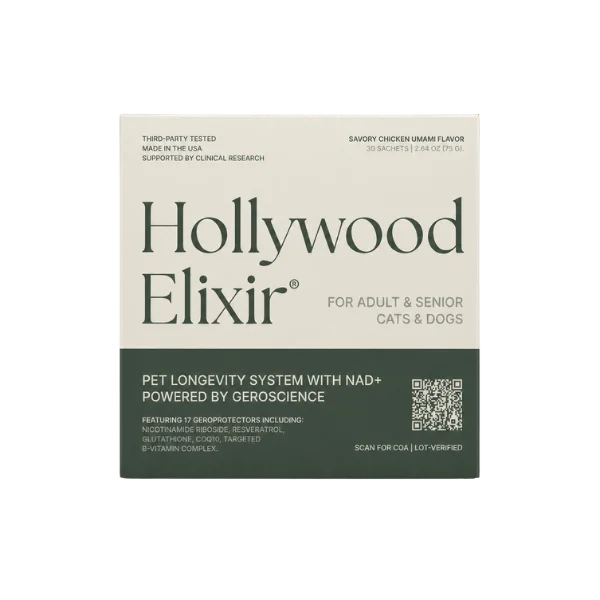
Hollywood Elixir™ supports normal aging functions as part of an overall wellness plan.

A cat who walks up to the food bowl, sniffs, and turns away is often nauseous—not “being difficult.” ondansetron for cats (often called zofran for cats) is an anti nausea medication cats may be prescribed when vomiting or nausea is suspected, especially when the goal is to settle the stomach so normal eating can return. It does not diagnose the cause of nausea, and it is not the same kind of tool as an appetite stimulant.

Cats hide nausea with small, easy-to-miss behaviors: lip-licking, swallowing, crouching near the water bowl, or suddenly refusing favorite treats. When nausea is the driver, “just try a different food” can backfire by creating food aversions. This page explains what ondansetron is, what changes owners might notice at home, and the most common ondansetron side effects cats can experience—plus the safety questions to raise with a veterinarian.

Because dosing depends on the cat’s condition, other medications, and route (tablet, liquid, injection), this page does not provide ondansetron dosage cats should receive. Instead, it focuses on practical observation: what nausea looks like, how to track response over the first days, and when a cat needs a deeper workup rather than “another antiemetic.”

  • Ondansetron for cats is a veterinarian-prescribed anti-nausea medication that can reduce vomiting and nausea behaviors when serotonin signaling is involved.
  • Cats often mask nausea as “picky eating,” so the most useful early clue is a cat that wants food but can’t follow through.
  • Common home changes after treatment may include returning to the bowl, less lip-licking, fewer gagging motions, and less grass-seeking.
  • Ondansetron side effects cats may show include constipation, quieter behavior, or mild stomach upset; any collapse, severe lethargy, or repeated vomiting needs urgent guidance.
  • Safety planning matters most for cats with heart rhythm concerns, dehydration, or multiple medications; veterinarians may adjust plans based on risk of QT prolongation in people as indirect context.
  • Zofran for cats is different from cerenia (maropitant) and different from mirataz (mirtazapine): one targets nausea pathways, one blocks vomiting pathways, and one stimulates appetite.
  • Track hydration, stool output, food interest, and vomiting frequency; if nausea keeps returning, the priority becomes finding the underlying cause (kidney disease, pancreatitis, GI disease, toxins).

What Ondansetron Is and Why Vets Use It

Ondansetron is an antiemetic and anti-nausea medication that blocks a serotonin receptor called 5‑HT3, a pathway that can trigger nausea and vomiting (EA Perez, 1995). In cats, veterinarians may reach for ondansetron when nausea is suspected but the cat is not necessarily vomiting nonstop. Controlled studies in cats have used ondansetron to reduce vomiting in predictable “vomiting model” situations, supporting that it can meaningfully affect emesis in this species (Santos, 2011).

At home, the goal is often simple: help a cat feel well enough to drink, keep food down, and stop associating meals with queasiness. Owners may hear it called zofran for cats, which is a brand name; the active drug is ondansetron. Any anti nausea medication cats receive should be paired with a plan to identify why nausea started, especially if it lasts more than a day or two.

Science-forward lab coat visual reinforcing credibility behind ondansetron dosage cats.

Why Cats Hide Nausea so Well

Nausea is a feeling state, and cats are experts at keeping feeling states private. Instead of dramatic vomiting, many cats show “micro-signs”: a tense crouch, a tight belly, repeated swallowing, or a blank stare at the wall. Some cats groom in a frantic, unfocused way after eating, which can be a self-soothing response to stomach discomfort rather than a skin problem.

In a household routine, nausea often looks like a pattern: the cat approaches food on schedule, sniffs, then leaves; later, the cat returns and repeats the same loop. Water-bowl hovering, licking smooth surfaces, and sudden interest in houseplants can be part of the same story. Recognizing these patterns helps owners and veterinarians decide whether ondansetron for cats is being used for the right problem.

Ingredient tableau with Hollywood Elixir, highlighting blend depth for Zofran for cats.

When “Picky Eating” Is Actually Nausea

A common misread is assuming a cat is bored with food when the cat is actually queasy. True pickiness usually comes with normal energy, normal drinking, and a willingness to eat something else immediately. Nausea-driven appetite loss is different: the cat may beg, take one bite, then back away, or sit near the bowl as if conflicted. This is where an anti-nausea plan can matter more than switching flavors.

CASE VIGNETTE: A 12-year-old cat with early kidney disease starts “skipping breakfast,” but still follows people into the kitchen and sniffs treats. After two days, the cat hides, drools a little, and swallows repeatedly after drinking. The veterinarian discusses nausea control and monitoring, because the behavior fits nausea more than a sudden preference change.

Cat owner presenting supplement at home, reflecting routine supported by anti nausea medication cats.

Common Reasons Cats Are Prescribed Ondansetron

Veterinarians may prescribe ondansetron for cats with chronic kidney disease (CKD) when nausea interferes with eating, or when vomiting complicates hydration and medication routines. It may also be used around chemotherapy or other treatments that irritate the stomach, and sometimes after surgery when nausea slows recovery. In research settings, ondansetron has been evaluated in cats for preventing vomiting triggered by specific sedatives, showing measurable antiemetic effects in controlled conditions (Gölgeli Bedir, 2025).

At home, the “why” matters because it changes what success looks like. For CKD-associated nausea, success may be a cat that returns to small meals and drinks more reliably, not a sudden return to huge portions. For post-procedure nausea, success may be fewer retches and a calmer, more comfortable posture. If vomiting is frequent, bloody, or paired with weakness, nausea control should not delay urgent evaluation.

Competitive comparison visual clarifying formulation depth behind ondansetron for cats.

How 5-HT3 Blocking Changes Nausea Signals

Serotonin is one of the messengers that can carry “something is wrong in the gut” signals to the brain. 5‑HT3 receptors sit on nerve pathways involved in triggering nausea and vomiting, and ondansetron works by blocking those receptors (EA Perez, 1995). That does not “fix the stomach,” but it can lower the intensity of the nausea message enough for a cat to eat and keep food down while the underlying cause is addressed.

This mechanism is why ondansetron can be helpful even when vomiting is not the main symptom. Owners might notice fewer lip smacks, less drooling, and less “gulping” after swallowing. It also explains why a cat can still need diagnostics: blocking a signal is not the same as removing the trigger, especially with pancreatitis, intestinal disease, or toxin exposure.

“A cat can look picky while feeling genuinely nauseous.”

What Improvement Can Look Like at Home

When nausea eases, the first change is often behavior, not the scale. A cat may return to the food bowl with less hesitation, take several bites, and stay to finish a small portion. Some cats stop seeking grass or stop licking plastic, both of which can be coping behaviors. These shifts can happen before weight gain, because the body needs time to rebuild after days of poor intake.

OWNER CHECKLIST: Watch for (1) fewer lip-licks or repeated swallowing after meals, (2) less drooling or “wet chin,” (3) fewer gagging motions without producing hair, (4) a more relaxed loaf posture instead of a tense crouch, and (5) a steadier return to the bowl at normal mealtimes. These are practical change signals that help a veterinarian judge whether zofran for cats is addressing nausea or whether another cause is still active.

Hollywood Elixir in opened packaging with natural light, aligned with anti nausea medication cats.

Common Ondansetron Side Effects Cats May Show

Ondansetron side effects cats experience are often mild, but they matter because cats can dehydrate quickly when eating and drinking are already reduced. Constipation is a common concern owners notice, especially in cats that are older, less active, or already prone to hard stools. Some cats seem a bit quieter or less social for a day, which can be hard to separate from the illness that caused nausea in the first place (Alexandria Griddine, 2023).

At home, stool output is a key safety check: fewer stools, dry pebble-like stools, or straining in the litter box should be reported. Also watch for new restlessness, unusual vocalizing, or a sudden refusal to drink. If vomiting continues repeatedly despite medication, or if there is blood in vomit or stool, the priority becomes urgent veterinary guidance rather than trying to “wait it out.”

Cat chasing across green grass, evoking curiosity supported by ondansetron for cats.

Drug Interactions and Safety Flags to Discuss

Safety planning for ondansetron for cats is mostly about the whole patient: hydration, heart history, and what else the cat is taking. In people, ondansetron has been associated with QT interval prolongation (a heart rhythm measurement), which is why veterinarians may be cautious in patients with known rhythm issues or when combining multiple drugs that can affect the heart’s electrical timing (Tabrizi, 2021). This is indirect evidence for cats, but it shapes careful prescribing conversations.

Owners should bring a complete medication list, including flea/tick products, supplements, and any appetite stimulant. Dehydration and electrolyte imbalances can also raise concern for rhythm problems, so a cat that has not kept water down may need fluids and bloodwork rather than another dose. Never use leftover human zofran for cats without veterinary direction, because the plan depends on route, concentration, and the cat’s current risks.

Close-up of La Petite Labs emblem on coat, reflecting standards behind ondansetron side effects cats.

Ondansetron, Cerenia, and Mirataz Serve Different Jobs

A useful way to think about nausea care is “which lever is being pulled.” ondansetron targets serotonin-driven nausea signaling, while maropitant (Cerenia) blocks NK‑1 pathways involved in vomiting and motion sickness; maropitant has feline safety and pharmacokinetic data supporting its use in cats (Hickman, 2008). Mirataz (mirtazapine ointment) is an appetite stimulant; it can make a cat want food even if nausea is still present, which is why veterinarians often decide whether nausea control should come first.

UNIQUE MISCONCEPTION: “If the cat eats after an appetite stimulant, nausea must not be the issue.” Some cats will eat through nausea, then vomit, or they may develop a strong aversion to that food later. When the right tool is chosen, eating becomes more reliable and less variable, and the cat’s body language around meals looks calmer. This distinction is especially important in CKD-associated nausea.

When Antinausea Medication Is Not Enough

If nausea returns again and again, it is often a sign that the trigger is still active. Hairballs, diet changes, and stress can cause short episodes, but repeated nausea raises concern for problems like kidney disease progression, pancreatitis, intestinal inflammation, constipation, or toxin exposure. Antiemetics can provide slack—time and comfort—while diagnostics catch up, but they should not become the only plan.

WHAT NOT TO DO: (1) Do not keep switching foods daily when a cat is nauseous; it can create long-term food refusal. (2) Do not force-feed a struggling cat without veterinary guidance, because it can increase stress and aspiration risk. (3) Do not combine multiple anti nausea medication cats options without a veterinarian’s direction. (4) Do not ignore constipation; a backed-up colon can keep nausea cycling.

“Track behavior around the bowl, not just the amount eaten.”

Supplement paired with foods emphasizing clean formulation for anti nausea medication cats.

What to Track in the First 4–6 Weeks

Because cats can look “fine” while feeling awful, tracking turns vague worry into usable information. A veterinarian can make better decisions when owners can describe patterns rather than single moments. This is especially true when nausea is intermittent, such as CKD-associated nausea that flares after certain meals or medications.

WHAT TO TRACK RUBRIC: (1) number of vomit/retch episodes per day, (2) lip-licking/drooling frequency around meals, (3) food interest versus food intake (sniffing vs eating), (4) water intake and urine clump size, (5) stool frequency and hardness, and (6) hiding time or reduced social behavior. These change signals help judge whether ondansetron for cats is supporting comfort or whether the ceiling of “symptom control” has been reached.

Owner-and-cat moment featuring supplement, aligned with Zofran for cats.

How Vets Choose a Route and Timing

Veterinarians choose between oral, injectable, or other routes based on how sick the cat is and whether the cat can keep anything down. In healthy cats, ondansetron has published pharmacokinetic data for oral, subcutaneous, and intravenous administration, which helps clinicians plan practical dosing intervals and routes (Quimby, 2014). That science supports the everyday reality: a cat that is actively vomiting may need a different approach than a cat with quiet nausea and food refusal.

Owners can help by describing the “window” of symptoms: Is nausea worst in the morning, after pills, or after a larger meal? If a cat spits out tablets, ask about compounding options or alternative routes rather than repeatedly wrestling the cat. This is also where the phrase ondansetron dosage cats can mislead—dose is individualized, and the safest plan is the one a veterinarian builds around the cat’s whole medication schedule.

Competitor comparison card emphasizing quality standards for ondansetron dosage cats.

Vet Visit Prep for a Better Nausea Plan

A short, focused update can change the quality of care. Nausea is easy to underestimate if the only report is “not eating,” so it helps to translate behavior into specifics. Photos of vomit (including hair, foam, or bile color) and a quick timeline can be more useful than trying to remember details in the exam room.

VET VISIT PREP: Ask (1) “Which signs suggest nausea versus pain or stress?” (2) “Should constipation be treated alongside nausea control?” (3) “Is ondansetron or maropitant a better fit for this pattern?” and (4) “What tests are most important if symptoms return?” Bring the full list of meds and supplements, and mention any fainting, extreme weakness, or known heart concerns before starting zofran for cats.

Safety: When to Call Urgently

Most nausea plans are outpatient, but certain signs mean a cat may be sliding into dehydration, pain, or a more serious underlying problem. Repeated vomiting can quickly deplete fluids and electrolytes, and cats can deteriorate faster than expected when they stop eating. Any antiemetic plan should include a clear “if this happens, call now” threshold.

Call a veterinarian urgently if there is (1) vomiting multiple times in a day, (2) blood in vomit or stool, (3) collapse, open-mouth breathing, or profound weakness, (4) a painful, tight belly, or (5) no urine output. In people, QT changes have been measured in intensive care settings, reinforcing why severe weakness or collapse should never be assumed to be simple nausea (Trivedi, 2016).

Constipation and Hydration: the Overlooked Pair

Constipation and nausea can feed each other. When stool sits in the colon, it can reduce appetite, increase nausea behaviors, and make a cat feel “full” after only a bite or two. If ondansetron side effects cats experience include firmer stools, the nausea problem can look like it is returning even when the stomach signal is improved.

At home, the litter box is a medical chart. Count stools, note size and dryness, and watch for repeated trips with little output. Encourage water intake with multiple bowls or a fountain, and ask the veterinarian whether wet food, fiber, or stool softeners are appropriate for that cat’s condition (especially with CKD). A nausea plan is more durable when hydration and bowel comfort are addressed at the same time.

Hollywood Elixir in tidy unboxing shot, reinforcing refinement in ondansetron side effects cats.

Using Ondansetron Alongside Food Strategies

When nausea is controlled, food strategy becomes more effective. Strong-smelling, warmed wet food can be easier to accept, and offering small portions reduces the pressure of a big meal. The goal is to rebuild positive meal experiences so the cat’s rebound capacity returns—interest, approach, and eating without hesitation.

Owners can support success by keeping meals calm and predictable: same location, low noise, and no hovering. If the cat is on kidney diets or other therapeutic foods, ask whether short-term “bridge foods” are acceptable while nausea is being addressed. Anti nausea medication cats receive works best when it is part of a complete comfort plan, not a single lever pulled in isolation.

Supplement breakdown graphic emphasizing synergistic design supporting ondansetron dosage cats.

How Long Nausea Control Should Be the Main Focus

Nausea control is often a bridge, not a destination. If a cat improves and stays improved, the veterinarian may focus on the underlying condition and use antiemetics only as needed. If a cat improves briefly and then backslides, that pattern is valuable information: it suggests the trigger is recurring, the diagnosis is incomplete, or another symptom (pain, constipation, dehydration) is limiting progress.

Owners should avoid self-adjusting schedules based on a single “good day.” Instead, report the pattern and ask what the next step is if nausea returns within a week. This is also where comparing tools helps: some cats do better with maropitant, some with ondansetron, and some need both at different times under veterinary direction. The aim is more reliable comfort, not chasing perfect appetite overnight.

A Calm Decision Framework for Worried Owners

When a cat stops eating, the most helpful question is not “what food will work,” but “what is preventing eating.” Nausea, pain, stress, mouth disease, and constipation can all block intake, and each needs a different plan. ondansetron for cats is one option when nausea is the suspected blocker, but it should sit inside a broader medical decision tree guided by a veterinarian.

If the cat is bright and stable, owners can track change signals for 24–48 hours while following veterinary advice. If the cat is weak, dehydrated, or repeatedly vomiting, the safest move is prompt care and diagnostics. The win is clarity: knowing whether zofran for cats is helping, whether ondansetron side effects cats are showing need attention, and what the next step is if nausea keeps breaking through.

“Nausea control buys time; it does not replace diagnosis.”

Educational content only. This material is not a substitute for veterinary advice. Always consult your veterinarian about your cat’s specific needs. These statements have not been evaluated by the Food and Drug Administration. Products mentioned are not intended to diagnose, treat, cure, or prevent any disease.

Glossary

  • Nausea - A queasy feeling that can suppress eating even without vomiting.
  • Antiemetic - A medication used to prevent or reduce vomiting.
  • 5-HT3 receptor - A serotonin receptor involved in nausea and vomiting signaling.
  • Ondansetron - A 5-HT3 blocker used as an anti-nausea/antiemetic medication.
  • Zofran - A brand name for ondansetron; the active drug is the same.
  • Food aversion - When a cat avoids a food after associating it with nausea.
  • CKD (chronic kidney disease) - Long-term kidney dysfunction that can be associated with nausea and appetite loss.
  • QT interval - A measurement on an ECG related to heart rhythm timing; prolonged QT can raise arrhythmia risk.
  • Maropitant (Cerenia) - An antiemetic that blocks NK-1 pathways, often used for vomiting and motion sickness.
  • Mirtazapine (Mirataz) - An appetite stimulant; it increases food-seeking but does not directly treat nausea.

Related Reading

References

Santos. A randomized, blinded, controlled trial of the antiemetic effect of ondansetron on dexmedetomidine-induced emesis in cats.. PubMed. 2011. https://pubmed.ncbi.nlm.nih.gov/21645198/

Gölgeli Bedir. The Effect of Maropitant, Ondansetron and Metoclopramide on Dexmedetomidine-Induced Vomiting in Cats.. PubMed Central. 2025. https://pmc.ncbi.nlm.nih.gov/articles/PMC11720719/

EA Perez. Review of the preclinical pharmacology and comparative efficacy of 5-hydroxytryptamine-3 receptor antagonists for chemotherapy-induced emesis. 1995. https://www.ncbi.nlm.nih.gov/books/NBK66516

Trivedi. Effect of Ondansetron on QT Interval in Patients Cared for in the PICU.. PubMed. 2016. https://pubmed.ncbi.nlm.nih.gov/27387786/

Alexandria Griddine. Ondansetron. 2023. https://www.ncbi.nlm.nih.gov/books/NBK499839

Hickman. Safety, pharmacokinetics and use of the novel NK-1 receptor antagonist maropitant (Cerenia) for the prevention of emesis and motion sickness in cats.. PubMed. 2008. https://pubmed.ncbi.nlm.nih.gov/18471143/

Quimby. Oral, subcutaneous, and intravenous pharmacokinetics of ondansetron in healthy cats.. PubMed Central. 2014. https://pmc.ncbi.nlm.nih.gov/articles/PMC4059788/

Tabrizi. Investigation role of ondansetron on long QT interval among non-cardiac patients.. PubMed Central. 2021. https://pmc.ncbi.nlm.nih.gov/articles/PMC8531560/

FAQ

What is ondansetron used for in cats?

Veterinarians use ondansetron for cats to help control nausea and vomiting, especially when a cat seems queasy but is not always actively throwing up. It is often chosen when the goal is to make eating and drinking possible again while the underlying cause is investigated.

It is not a diagnosis by itself. If nausea keeps returning, the next step is usually testing for problems like kidney disease, pancreatitis, intestinal disease, constipation, or toxin exposure.

Is zofran for cats the same as ondansetron?

Yes. zofran for cats refers to a brand name; ondansetron is the active medication. A veterinarian may prescribe a generic or a compounded form depending on what the cat can take.

Even though the drug name is familiar to many people, cats should not receive leftover human medication without veterinary direction. Concentrations, dosing plans, and safety screening are different for a cat than for a person.

How does ondansetron work for nausea in cats?

ondansetron blocks 5‑HT3 (serotonin) receptors, which are part of the signaling pathway that can trigger nausea and vomiting(EA Perez, 1995). By quieting that pathway, the medication can lower the “nausea message” reaching the brain.

This is why some cats show improvement in behaviors like lip-licking, drooling, and walking away from the bowl after sniffing. It does not remove the underlying trigger, so ongoing or recurrent nausea still needs a diagnostic plan.

What are common ondansetron side effects cats can have?

The most common ondansetron side effects cats may show at home include constipation, firmer stools, and mild behavior changes like seeming quieter. Some cats may still have stomach upset if the underlying illness is active(Alexandria Griddine, 2023).

Owners should watch the litter box closely and report straining, very dry stools, or a sudden drop in stool frequency. Any collapse, severe weakness, or repeated vomiting should be treated as urgent and discussed with a veterinarian right away.

Can ondansetron cause constipation in cats?

Constipation can happen, and it matters because constipation itself can keep nausea cycling. A cat that is already dehydrated, older, or prone to hard stools may be more likely to struggle when appetite and water intake are reduced.

If stools become small, dry, or infrequent, contact the veterinarian to discuss hydration support and a constipation plan that fits the cat’s medical history. Do not add laxatives or fiber supplements without guidance, especially in cats with kidney disease.

Is ondansetron safe for kittens or senior cats?

Safety depends more on the cat’s overall condition than on age alone. Senior cats often have kidney disease, constipation, or multiple medications, which can change how cautious a veterinarian needs to be. Kittens can dehydrate quickly, so vomiting and diarrhea in young cats should be addressed promptly.

The safest approach is to treat ondansetron as part of a veterinarian-guided plan that includes hydration assessment and follow-up. If a very young or very old cat is weak, not urinating normally, or cannot keep water down, urgent care is more important than any single antiemetic.

What is the typical ondansetron dosage cats receive?

ondansetron dosage cats receive is individualized by a veterinarian based on the cat’s weight, diagnosis, other medications, and the route being used (oral vs injection). Because small dosing differences can matter in cats, a safe plan should come directly from the prescribing clinic.

Owners can help by reporting whether the cat is vomiting, just nauseous, or refusing food, and by sharing any constipation history. If a dose is missed or vomited up, ask the veterinarian what to do next rather than repeating a dose automatically.

How quickly should ondansetron start working in cats?

Some cats show changes in nausea behaviors within hours, while others take longer because the underlying illness is still driving inflammation, pain, or dehydration. The earliest improvement is often behavioral: less lip-licking, less drooling, and a calmer approach to food.

If there is no improvement, or if vomiting continues repeatedly, contact the veterinarian. A lack of response can mean the nausea pathway is different, the cat needs fluids, constipation is contributing, or the problem is not nausea at all (for example, mouth pain).

Can ondansetron be given daily for chronic nausea?

Some cats with chronic conditions (such as CKD-associated nausea) may be prescribed ongoing anti-nausea support, but the schedule and monitoring plan should be set by a veterinarian. Long-term use should prompt regular check-ins about hydration, stool output, and whether the underlying disease is changing.

Owners can make long-term plans safer by tracking change signals: appetite patterns, vomiting frequency, and constipation. If the cat needs escalating medication to stay comfortable, that is often a sign that diagnostics or disease management needs to be revisited.

Can ondansetron be used with cerenia in cats?

Sometimes veterinarians use ondansetron and maropitant (Cerenia) together because they target different nausea/vomiting pathways. Maropitant has published feline safety and pharmacokinetic data, which supports its use as a vomiting-control tool in cats(Hickman, 2008).

Combination plans should be veterinarian-directed, especially if the cat is dehydrated or taking other medications. Owners should not stack multiple anti nausea medication cats options at home without guidance, because side effects and interactions can become harder to interpret.

Can ondansetron be used with mirataz appetite stimulant?

Yes, a veterinarian may pair nausea control with an appetite stimulant, but the order matters. If nausea is the main blocker, treating nausea first can prevent food aversion and make eating feel safe again.

Mirataz can increase food-seeking even if the stomach still feels unsettled, so owners should report whether the cat eats comfortably or eats and then vomits. That distinction helps the veterinarian decide whether ondansetron for cats, constipation support, pain control, or diagnostics should be adjusted.

What interactions should be mentioned before starting ondansetron?

Owners should mention every medication and supplement, including flea/tick preventives, appetite stimulants, pain medications, and any compounded products. The veterinarian is looking for combinations that could increase sedation, worsen constipation, or raise concern for heart rhythm effects.

In people, ondansetron has been studied for QT interval effects, which is why clinicians may be cautious in patients with known rhythm issues or multiple QT-affecting drugs(Tabrizi, 2021). Even though this is indirect for cats, it supports careful screening and conservative planning.

Can ondansetron affect a cat’s heart rhythm?

Heart rhythm concerns are not the most common issue owners see at home, but they are part of safety screening. In human critical care settings, ondansetron has been evaluated for QT interval changes, which can relate to arrhythmia risk in susceptible patients(Trivedi, 2016).

For cats, this means owners should disclose any history of fainting, collapse, known heart disease, or severe weakness, and should seek urgent care if those signs appear. Dehydration and electrolyte imbalance can also raise concern, so ongoing vomiting should be treated as a medical priority.

What should owners watch for after the first dose?

The most useful early observations are behavioral: does the cat approach food with less hesitation, swallow more comfortably, and stop lip-licking or drooling? Also watch for vomiting frequency, water intake, and whether the cat hides more or seems unusually quiet.

The litter box is a safety check. A drop in stool frequency or dry, hard stools can signal constipation, which can keep nausea going. If vomiting continues repeatedly, or the cat becomes weak or dehydrated, contact the veterinarian rather than trying to adjust the plan at home.

What if my cat vomits right after taking ondansetron?

If a cat vomits soon after a dose, the next step depends on timing, the formulation, and the cat’s overall stability. Re-dosing without guidance can accidentally stack medication or mask a worsening problem.

Call the prescribing clinic and report: how long after dosing the vomiting happened, what the vomit looked like (food, foam, bile, hair), and whether the cat can keep water down. If vomiting is frequent or the cat is weak, the cat may need fluids and diagnostics rather than another oral dose.

Is ondansetron better than metoclopramide for cats?

They are different tools. ondansetron targets 5‑HT3 (serotonin) nausea signaling, while metoclopramide is used for different nausea and gut-motility goals. In controlled feline vomiting-model research, ondansetron has been compared alongside other antiemetics, supporting that it can reduce vomiting in cats under specific conditions(Gölgeli Bedir, 2025).

The “better” choice depends on why the cat is nauseous, whether constipation is present, and what other medications are being used. Owners can help by describing whether the problem is vomiting, quiet nausea, or food refusal with lip-licking and drooling.

Can I give my cat my own zofran tablets?

No. Even though zofran for cats is the same active drug as human ondansetron, using a human prescription at home is risky. Tablet strength, additives, and the correct dosing plan depend on the cat’s weight, diagnosis, and other medications.

A veterinarian also needs to decide whether vomiting is safe to manage at home or whether dehydration, toxin exposure, obstruction, or pancreatitis is possible. If a cat is repeatedly vomiting or cannot keep water down, urgent veterinary care is the safer choice than any leftover medication.

How do vets decide between ondansetron and cerenia?

The decision is based on the pattern: vomiting-dominant problems often point toward maropitant (Cerenia), while nausea behaviors without much vomiting may point toward ondansetron. Some cats need both at different times, because the pathways are different.

Owners can make the choice clearer by reporting specific signs: lip-licking, drooling, gulping, hiding, and whether the cat wants food but cannot eat. Mention constipation and hydration status, because those can change which medication is safest and how quickly diagnostics should happen.

What tests might be needed if nausea keeps coming back?

Recurring nausea usually triggers a search for the cause. Common next steps include a physical exam with mouth and belly checks, bloodwork (including kidney values), urinalysis, and sometimes imaging like x‑rays or ultrasound.

Bring a short log: vomiting frequency, stool output, water intake, and what foods or medications seem to precede symptoms. Even if ondansetron for cats helps temporarily, a pattern of relapse suggests the trigger is still present and needs a longer-term plan.

Can supplements replace anti nausea medication cats are prescribed?

Supplements should not replace prescribed nausea medication when a cat is not eating, vomiting, or becoming dehydrated. Nausea can signal serious disease, and delaying treatment can reduce durability and rebound capacity during recovery.

Some owners use wellness products as part of a broader plan. For example, Hollywood Elixir™ supports normal aging functions, but it is not a substitute for veterinary diagnosis or prescription antiemetics when nausea is active.