Natural Remedies for Cat Hair Loss

Identify the Trigger Behind Thinning Fur and Rebuild a Healthier Coat

Essential Summary

Why are natural remedies for cat hair loss important?

Natural care for feline hair loss works best when it supports what you can see—coat sheen, reduced breakage, and calmer-looking skin—while medical causes are ruled out. Start with low-risk grooming and irritant reduction, then add cat-appropriate nutrition or vet-guided supplements one at a time for clear, trackable results.

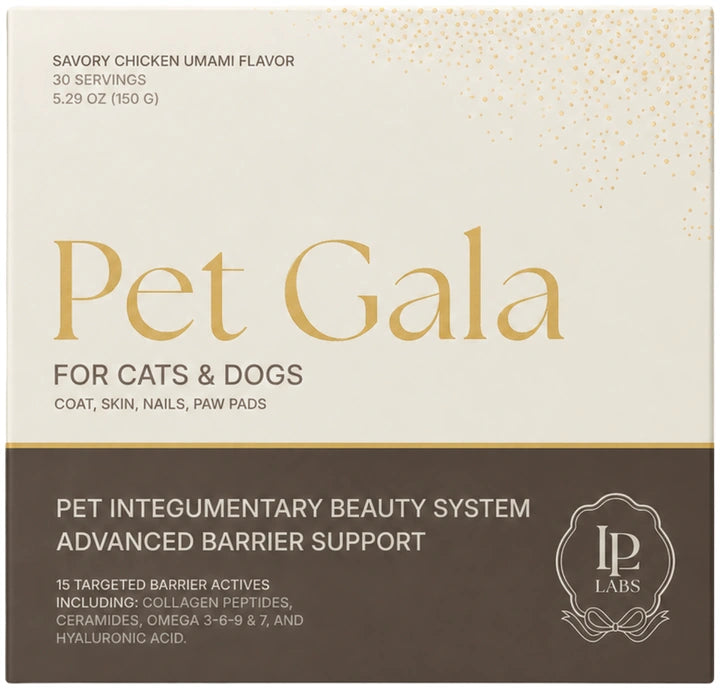
Pet Gala™ is nutrition-first support for skin, coat, and nails—designed for owners who want visible polish without chasing single-ingredient fixes. It fits naturally alongside gentle grooming and vet-guided care, helping daily routines show up as a softer feel, healthier sheen, and a well-kept look.

When a cat starts losing hair, owners don’t just notice “less fur.” They notice the story the coat tells: a once-sleek back that looks uneven, a belly that’s suddenly bare, a tail that seems thinned by constant licking. The search for natural remedies for cat hair loss is usually a search for reassurance—something that feels gentle, sensible, and aligned with daily care.

This page is built around visible signals. We’ll focus on what can make the coat look more polished and the skin look more comfortable—without pretending that “natural” replaces diagnosis. Complementary options can be considered for managing hair loss, but their effectiveness varies and dosing is not standardized across products. That’s why the most confident plan starts with low-risk grooming and home adjustments, then adds nutrition or supplements thoughtfully, and involves your veterinarian when the pattern suggests parasites, infection, allergy, pain, or stress.

If you’re wondering why a careful, science-minded owner would still choose a product in this space, the answer is consistency. A cat’s coat responds to what happens every day: what touches the skin, what’s in the bowl, and how predictable the routine feels. Pet Gala™ is positioned as nutrition-first support for the integumentary system—skin, coat, and nails—so your care shows up where it matters: a healthier sheen, a softer feel, and a well-kept look that’s easy to maintain.

By La Petite Labs Editorial, ~15 min read

Featured Product:

  • Cat hair loss is a visible signal; the goal is a coat that looks even, fresh, and comfortable.
  • Start with pattern-reading: patchy spots, symmetrical thinning, dandruff, or overgrooming point to different causes.
  • Low-risk first steps include gentle brushing, fragrance-free grooming, and reducing household irritants.
  • Parasite control and veterinary evaluation protect you from missing common, treatable drivers of hair loss.
  • Supplements can support coat presentation, but quality and cat-appropriate safety matter more than trendiness.
  • Trial one change at a time and track visible outcomes weekly to keep decisions clear and calm.
  • Pet Gala™ stays relevant because it supports skin, coat, and nails as a connected system—daily care that shows.

A Coat You Can Feel Proud of, Even During Shedding Seasons

Hair loss in cats is rarely “just cosmetic,” but it is always visible. The first job of natural remedies is to support what you can see: a calmer-looking coat, fewer broken hairs, and skin that appears comfortable rather than irritated. Many owners start with gentle changes—brushing, bathing choices, and diet upgrades—because they create fast feedback loops you can actually notice.

At the same time, it’s important to be honest: complementary options vary in effectiveness, and dosing is not standardized across products or herbs (Bergh, 2021). That’s why the “best” approach is usually a layered routine—low-risk grooming and environmental steps first, then vet-guided additions if your cat’s pattern suggests allergy, parasites, infection, pain, or stress.

Scientific beauty render emphasizing skin and coat support from best natural remedies for cat hair loss for null.

Read the Pattern: What Different Hair Loss Looks Like on Cats

Start by reading the pattern. Symmetrical thinning, patchy bald spots, scabs, dandruff, or a “barbered” look from licking each point to different causes. Hair loss can involve multiple factors, including inflammation and hormonal changes, so the same remedy won’t fit every cat (Allam AT, 2025).

Natural care works best when it supports the visible outcome while you and your veterinarian clarify the driver. If there’s redness, odor, ear debris, or intense itch, treat that as a medical signal—not a DIY moment. Complementary options can be considered, but outcomes vary and should be chosen thoughtfully.

Molecular beauty graphic tied to skin and coat support from natural remedies for cat hair loss treatment for null.

Brushing as a Ritual: Less Breakage, More Shine, Better Bonding

Brushing is the simplest “remedy” that still feels premium. It removes loose hair, distributes skin oils for a healthier sheen, and gives you a daily read on flakes, bumps, or tenderness (related: Cat Skin Care). For many cats, it’s also a bonding ritual that reduces stress-driven grooming.

Choose a tool that matches the coat type: a soft slicker for medium coats, a rubber curry for short coats, and a wide-tooth comb for longer coats. Keep sessions short and pleasant. If your cat flinches or the skin looks inflamed, pause and ask your veterinarian—pain and dermatitis can hide under “normal shedding.”

Molecular beauty graphic highlighting formulation science reflected in natural remedies for cat hair loss.

Gentle Cleansing Without Dryness: Smarter Bathing and Wipe Choices

Bathing can help when there’s dandruff, pollen residue, or greasy buildup, but it’s easy to overdo. Use only cat-formulated, fragrance-free shampoos, and avoid essential oils. Cats can be sensitive to certain compounds, and “natural” products can still irritate the skin barrier.

A better default is targeted cleaning: wipe paws and the coat with a damp cloth after high-pollen days, or use vet-approved grooming wipes. The visible goal is a coat that looks fresh and lies smoothly, without increasing itch or dryness.

Dog image representing beauty care routines supported by best natural remedies for cat hair loss supplements for null.

Nutrition as Finishing Care: Supporting Skin, Coat, and Nails Together

Nutrition is where “natural” becomes practical. A complete diet provides the baseline, but owners often seek extra support when the coat looks dull, brittle, or uneven. Think of it as finishing care: the way a well-chosen routine makes the coat look more polished, not as a replacement for medical treatment.

If you add a supplement, prioritize consistency and simplicity. Because dosing for natural remedies is not standardized, mixing multiple new products at once can blur cause and effect and increase risk of stomach upset. Add one change, observe for two to four weeks, and keep notes on shine, shedding, and scratching.

The scratching is completely gone, his coat looks healthy and shiny!

— Lena

He was struggling with itching, now he's glowing.

— Grace

“The best routines don’t chase miracles—they create visible calm: less licking, fewer flakes, a coat that lies smoothly.”

Omega-3 Support: a Common Choice for Flakes and Coat Dullness

Omega-3 fatty acids are a common “natural” choice for coat presentation because they’re associated with skin comfort and a smoother-looking coat (see: Omega-3-6-9 for Cats). They’re not a quick fix for infections or parasites, but they can be part of a visible-care plan when dryness and flaking are the main signals.

Quality matters more than hype: look for stable formulations, clear labeling, and cat-appropriate dosing guidance from a veterinarian. Side effects like loose stool can happen with oils, and combining products can make it harder to pinpoint the cause if your cat reacts (Ahmed A, 2025).

Close-up dog showing healthy coat and presence supported by best natural remedies for cat hair loss for null.

Probiotics and Sensitivity: When Skin and Digestion Seem Linked

Probiotics are sometimes used when skin issues seem to travel with digestive sensitivity. The goal isn’t to promise a cure; it’s to support a steadier day-to-day baseline so the coat can look more even and less “inflamed.” If your cat has chronic diarrhea, vomiting, or weight loss, treat that as a veterinary issue first.

When you trial a probiotic, choose a cat-specific product with clear strain information and storage instructions. Natural products can differ in safety profiles and outcomes, so it’s reasonable to ask your veterinarian which options fit your cat’s history and current medications.

Dog portrait from the side highlighting beauty supported by best natural remedies for cat hair loss supplements for null.

Topicals in Cats: Why “Natural” Can Still Be Risky

Topical “natural” approaches should be approached with extra caution in cats because they groom themselves. Anything you apply will likely be ingested. Avoid essential oils and human creams, and don’t use concentrated herbal salves unless your veterinarian specifically approves them.

If you need a topical step, ask about vet-approved barrier-support sprays or wipes designed for pets. Safety and efficacy should be evaluated, especially because herbal remedies can have variable side effects and interactions depending on the ingredient and formulation.

Inside-the-box graphic showing beauty blend design supporting best natural remedies for cat hair loss supplement for null.

Balancing Natural and Conventional Care Without Losing the Plot

A common question is whether “best natural remedies for cat hair loss supplements” can replace conventional care. In reality, conventional treatments are sometimes necessary, and they can also have side effects that owners want to minimize. A balanced plan respects both truths: treat the cause appropriately, then use gentle support to improve how the coat looks and feels.

This is where signal logic helps. You’re watching for visible improvements—less licking, fewer flakes, smoother coat lay—while your veterinarian confirms you’re not missing ringworm, mites, endocrine disease, or pain. Natural remedies can be part of the routine, but they shouldn’t be the only diagnostic step (related: The Science Behind the Best Skin and Coat Supplements for Cats).

Herbal Options: Potential Upside, Real Safety Questions, Vet Guidance

If you’re considering herbal options, treat them like real tools—not folklore. Some herbs have documented potential for supporting hair regrowth in research contexts, but safety profiles vary and side effects are possible (Ahmed A, 2025). Cats are also uniquely sensitive to certain plant compounds, and “natural” does not automatically mean gentle.

A practical standard: only use products formulated for cats, with clear ingredient lists and conservative directions, and avoid DIY essential oil blends. Because dosing recommendations differ widely by herb and formulation, your veterinarian should help you decide what’s appropriate for your cat’s size, age, and medical history (Ahmed A, 2025).

“Natural is a style of care, not a diagnosis. Pattern and safety come first.”

Professional uniform showing commitment to quality in support of natural remedies for cat hair loss for null.

Home Irritants That Quietly Undermine Coat Comfort and Appearance

When hair loss is driven by itch, the “natural” win is often reducing triggers rather than adding more products. Common household irritants include fragranced detergents, dusty litter, and harsh shampoos. Swapping to unscented laundry products and a low-dust litter can make the coat look less “overworked” within a couple of weeks.

If your cat is licking the belly, legs, or base of the tail, consider a simple home audit: new cleaners, new candles, new plants, new food, or seasonal pollen. Hair loss has multiple contributing factors, including inflammation and hormonal influences, so reducing everyday irritants can be a meaningful first step (Allam AT, 2025).

Shop Now
Supplement box with ingredient spread showing care behind natural remedies for cat hair loss treatment for null.

Stress and Overgrooming: Calmer Routines That Protect Coat Density

Stress-related overgrooming can look like “mystery bald spots,” especially on the belly or inner thighs. Natural support here is about making the home feel predictable and safe: consistent feeding times, quiet resting zones, and play that ends with a calm cool-down. The visible signal you’re aiming for is a coat that stays intact between grooming sessions.

Pheromone diffusers and enrichment routines are often used as low-risk additions. If the pattern is sudden, severe, or paired with hiding, aggression, or appetite changes, involve your veterinarian—pain and medical issues can masquerade as “behavior,” and complementary approaches vary in outcomes (Bergh, 2021).

Shop Now
Lifestyle image showing supplement use in real homes supported by best natural remedies for cat hair loss for null.

Parasites First: the Baseline Step Before Any Natural Routine

Parasites are a common reason cats lose hair, and “natural” plans should never delay proper diagnosis. Flea allergy dermatitis can cause dramatic thinning from licking and chewing, even if you rarely see fleas. If you’re trying natural remedies for cat hair loss, make parasite control the non-negotiable baseline—then layer supportive care on top.

If you prefer gentler household steps, focus on vacuuming, washing bedding, and treating all pets in the home with vet-recommended products. Conventional options can have side effects, but untreated parasites can keep the skin inflamed and the coat ragged-looking (Allam AT, 2025).

Shop Now

Allergy Signals: When Simplicity Beats Constant Product Switching

Food sensitivities and environmental allergies often show up as itch, dandruff, and uneven coat density. A “natural” approach here is disciplined simplicity: fewer variables, not more. Work with your veterinarian on a structured diet trial rather than rotating proteins weekly, which makes it hard to interpret what your cat is reacting to.

Supportive nutrition can still matter even when a diet is “complete.” Owners choose targeted routines because they want visible confirmation: less flaking, smoother coat lay, and fewer brittle hairs. Complementary strategies can be considered, but effectiveness varies and should be evaluated alongside medical causes (Bergh, 2021).

Choosing Supplements: Quality, Consistency, and Visible Coat Goals

If you’re searching for natural remedies for cat hair loss supplements, think in terms of coat presentation: shine, softness, and reduced breakage. Many owners look for omega-3 sources, skin-supporting vitamins, and gentle botanicals. The key is quality control—third-party testing, transparent sourcing, and cat-appropriate formulations.

Because dosing of natural remedies is not standardized, “more” is not a strategy. Start with one change at a time, track visible signals weekly (photos help), and stop if you see vomiting, diarrhea, lethargy, or increased itch. Your veterinarian can help you choose options that fit your cat’s health status.

Visual comparison highlighting no fillers advantage aligned with natural remedies for cat hair loss supplements for null.

Traditional Approaches: When Expert Oversight Matters Most

Traditional Chinese Medicine is sometimes discussed for coat and skin concerns in animals, including herbal approaches that may influence hair growth in research settings (Liang Y, 2022). For cat owners, the practical takeaway is not to self-prescribe complex formulas, but to use qualified guidance and prioritize safety screening.

A reputable practitioner should ask about medications, kidney and liver history, and your cat’s exact pattern of hair loss. Systematic evaluations emphasize weighing safety and efficacy rather than assuming “natural” equals harmless (Liang Y, 2022). The best outcomes tend to come from blending careful diagnostics with gentle, visible-care routines.

Shop Now
Open box with Pet Gala inside, reinforcing best natural remedies for cat hair loss supplements for null premium cues.

Emerging Therapies in Context: Staying Grounded in Practical Care

You may see headlines about advanced options like stem cell-related approaches for alopecia. In human-focused research, stem cell-derived conditioned media has shown potential for improving hair density and thickness, with reviews suggesting a generally favorable safety profile in studied contexts (Chien, 2024). That does not translate into an at-home remedy for cats.

For pet owners, this is a reminder to stay grounded: prioritize proven basics (parasite control, allergy workups, grooming, nutrition), and treat emerging therapies as veterinarian-led decisions. The visible goal remains the same—comfortable skin and a coat that looks well-kept day to day.

Shop Now

Why Nutrition-first Support Still Matters When You Want Visible Change

A science-minded owner doesn’t choose a product because they want a shortcut; they choose it because they want consistency. The best natural remedies for cat hair loss treatment are the ones you can repeat daily without drama: gentle grooming, fewer irritants, and nutrition that supports skin, coat, and nails as a connected system (see: The Best Cat Nail Supplements for Stronger, Healthier Claws).

That’s where a nutrition-first formula earns its place. Instead of chasing single ingredients, Pet Gala™ is positioned as integumentary support that shows up in the signals you notice—coat sheen, reduced dullness, and a more polished overall look—while still respecting that persistent hair loss deserves veterinary evaluation.

“Consistency is the quiet advantage: daily support that shows up as shine, softness, and a well-kept coat.”

Educational content only. This material is not a substitute for veterinary advice. Always consult your veterinarian about your dog’s specific needs. These statements have not been evaluated by the Food and Drug Administration. Products mentioned are not intended to diagnose, treat, cure, or prevent any disease.

Glossary

  • Alopecia: Partial or complete hair loss; in cats it may be medical, behavioral, or grooming-related.
  • Overgrooming: Excessive licking or chewing that breaks hairs and creates thin or bald areas.
  • Barbering: A “clipped” look caused by licking that snaps hairs rather than removing them at the root.
  • Flea Allergy Dermatitis: An allergic reaction to flea saliva that can trigger intense itch and hair loss.
  • Skin Barrier: The outer layer of skin that helps retain moisture and block irritants; when compromised, flaking and itch may increase.
  • Coat Sheen: The visible shine and smooth lay of the fur, influenced by grooming, oils, and overall skin comfort.
  • Elimination Diet Trial: A structured feeding plan used to evaluate food sensitivities by limiting ingredients.
  • Cat-Formulated Supplement: A product designed for feline metabolism and safety, with directions intended for cats.
  • Irritant Load: The combined impact of fragrances, dust, cleaners, and other exposures that can make skin look reactive.

Related Reading

References

Bergh. A Systematic Review of Complementary and Alternative Veterinary Medicine: “Miscellaneous Therapies”. 2021. https://www.mdpi.com/2076-2615/11/12/3356

Gupta. Comparative Effect of Conventional and Non-Conventional Over-the-Counter Treatments for Male Androgenetic Alopecia: A Systematic Review and Network Meta-Analysis. 2025. https://www.mdpi.com/1422-0067/26/16/7920

Allam AT. Pathophysiology, conventional treatments, and evidence-based herbal remedies of hair loss with a systematic review of controlled clinical trials.. PubMed. 2025. https://pubmed.ncbi.nlm.nih.gov/40536553/

Liang Y. Traditional Chinese Medicine Treatment for Androgenetic Alopecia Based on Animal Experiments: A Systematic Review and Meta-Analysis.. PubMed. 2022. https://pubmed.ncbi.nlm.nih.gov/36267090/

Ahmed A. Herbal Remedies for Hair Loss: A Review of Efficacy and Safety.. PubMed. 2025. https://pubmed.ncbi.nlm.nih.gov/40771449/

Chien. Stem cell–derived conditioned medium for alopecia: A systematic review and meta-analysis. 2024. https://www.sciencedirect.com/science/article/pii/S1748681523006083

Jiang. The efficacy of topical prostaglandin analogs for hair loss: A systematic review and meta-analysis. 2023. https://www.frontiersin.org/journals/medicine/articles/10.3389/fmed.2023.1130623/full

Zhou. Effects of dietary supplements on androgenetic alopecia: a systematic review and network meta-analysis. 2026. https://www.frontiersin.org/journals/nutrition/articles/10.3389/fnut.2025.1719711/full

Foust AL. Evaluation of persistence of terbinafine in the hair of normal cats after 14 days of daily therapy.. PubMed. 2007. https://pubmed.ncbi.nlm.nih.gov/17610490/

FAQ

What counts as natural remedies for cat hair loss?

Natural remedies typically include gentle grooming, reducing irritants at home, nutrition-forward support, and veterinarian-approved supplements. The goal is to improve visible coat signals—less breakage, fewer flakes, and calmer-looking skin—while you confirm the underlying cause.

Because effectiveness and dosing can vary across complementary options, it’s best to add one change at a time and track results. To support daily coat presentation in a consistent way, many owners includePet Gala™.

Why does my cat’s hair loss look worse suddenly?

Sudden changes often reflect a trigger you can’t immediately see: fleas, a new household product, seasonal allergens, pain, or stress-driven overgrooming. Hair loss can involve multiple factors, including inflammation and hormonal influences, so the pattern matters.

If there’s redness, scabs, odor, or intense licking, treat it as a vet-worthy signal rather than a DIY project. For steady, nutrition-first support that complements medical evaluation, consider Pet Gala™.

How do natural remedies support a healthier-looking coat?

They support the coat through repeatable daily inputs: less mechanical breakage from better brushing, fewer irritants that dry the skin, and nutrition that helps the coat look smoother and more even. Think “polished presentation,” not instant transformation.

Because complementary approaches vary in outcomes, the most reliable strategy is consistency and simple tracking—photos and notes beat guesswork. For a routine-friendly way to support skin, coat, and nails together, many owners choosePet Gala™.

Are natural remedies for cat hair loss safe for all cats?

Not always. “Natural” products can still cause stomach upset, skin irritation, or interactions with medications, and cats may be sensitive to certain plant compounds. Safety profiles can differ from conventional treatments, but they’re not automatically safer.

Kittens, seniors, pregnant cats, and cats with kidney or liver disease should be evaluated before adding supplements or topicals. For a nutrition-first option designed around visible coat support, consider Pet Gala™.

Which cats should avoid herbal coat supplements entirely?

Cats with complex medical conditions—especially liver disease, kidney disease, seizure history, or those taking multiple medications—should avoid herbal supplements unless your veterinarian approves them. Some herbs have documented side effects, and risk depends on the ingredient and formulation.

Also avoid DIY blends and essential oils, since cats groom and ingest what’s on their coat. For a more straightforward, nutrition-first approach to coat presentation, ask your veterinarian about pairing care routines with Pet Gala™.

How much supplement should I give for hair loss?

Use the product’s cat-specific directions and confirm with your veterinarian, especially if your cat is small, senior, or on medications. Dosing for many natural products is not standardized, which can change both results and risk.

Avoid stacking multiple new supplements at once; it makes reactions harder to interpret. For a simple, routine-friendly option that supports visible coat quality, consider Pet Gala™.

What side effects can natural coat products cause in cats?

The most common issues are digestive upset (vomiting, loose stool), increased itch, or skin irritation—especially with oils, botanicals, or fragranced topicals. Some herbal ingredients have documented side effects, and sensitivity varies by cat.

Stop the new product and contact your veterinarian if symptoms persist, or if you see lethargy or reduced appetite. For a measured, nutrition-first way to support coat appearance, many owners choose Pet Gala™.

Can natural remedies interact with flea, allergy, or pain medications?

Yes. Supplements and herbs can interact with medications through additive side effects or changes in how drugs are tolerated. This is one reason natural remedies may have different safety profiles, not necessarily simpler ones.

Bring your full product list to your veterinarian, including treats and “skin chews.” If you want a single, consistent addition focused on visible skin and coat support, consider Pet Gala™.

Are these remedies different for kittens or senior cats?

Yes. Kittens need extra caution because their bodies are still developing, and seniors may have kidney, liver, or thyroid issues that change what’s appropriate. Hair loss in older cats also deserves a thorough medical check because underlying disease can be involved.

For both life stages, start with gentle grooming and vet-guided nutrition rather than complex herbal stacks. For daily integumentary support that fits a careful routine, consider Pet Gala™.

Do breed or coat type changes affect hair loss routines?

They do. Long-haired cats show breakage and mat-related thinning more dramatically, while short-haired cats may show dandruff and “peppered” shedding. The best routine matches the coat: the right brush, shorter sessions, and fewer irritating products.

If the skin looks inflamed or the pattern is patchy, treat it as more than grooming. Complementary approaches can be considered, but effectiveness varies, so keep your veterinarian in the loop. For nutrition-first coat support across coat types, considerPet Gala™.

Are natural remedies for cat hair loss the same for dogs?

No. Cats metabolize many compounds differently, and products safe for dogs—especially essential oils and certain botanicals—may be risky for cats. Even within “natural” options, safety and dosing are not standardized across species.

Choose cat-formulated products and avoid DIY topical blends. For a cat-focused, nutrition-first way to support visible coat quality, consider Pet Gala™.

How long until I see results from natural coat support?

Some signals can shift quickly—less dandruff or a cleaner coat feel within days—while fuller-looking regrowth takes longer because hair cycles are slow. If itch and licking are driving the loss, visible improvement depends on removing the trigger.

Track weekly with photos in the same lighting and note scratching and grooming time. If nothing changes or the area expands, involve your veterinarian since multiple factors can contribute to hair loss. For consistent daily support, considerPet Gala™.

What quality signs matter in a hair loss supplement?

Look for transparent labeling, cat-specific directions, and manufacturing standards that reduce contamination risk. Avoid blends that hide amounts behind “proprietary” language, especially when botanicals are involved. Dosing recommendations can differ significantly by formulation, which affects both outcomes and tolerance.

Also consider palatability and ease of daily use—consistency is what creates visible change. For a polished, nutrition-first approach to skin, coat, and nails, consider Pet Gala™.

How can I get my cat to take supplements easily?

Aim for low-friction routines: mix with a small amount of a favorite wet food, use a lickable treat as a “carrier,” and keep timing consistent. If your cat refuses, don’t escalate into a daily struggle—stress can worsen overgrooming.

Choose products designed for palatability and simple dosing, and introduce them gradually. Because natural products can vary in tolerance, watch for digestive changes during the first week. For routine-friendly support, considerPet Gala™.

Can I use natural remedies daily without breaks?

Daily use can be reasonable when the approach is gentle and cat-appropriate—think brushing, irritant reduction, and nutrition support. The key is monitoring: if you see new itch, stool changes, or lethargy, pause and reassess.

Because dosing and safety can vary across complementary products, periodic check-ins with your veterinarian help keep the routine aligned with your cat’s health. For consistent, daily integumentary support, considerPet Gala™.

Do natural approaches help with dandruff and a dull coat?

Often, yes—especially when the issue is dryness, low humidity, harsh grooming products, or diet transitions. Gentle brushing, fragrance-free grooming, and nutrition support can improve visible sheen and reduce flaking without overcomplicating the routine.

If dandruff is paired with intense itch, hair loss, or scabs, involve your veterinarian since inflammation and other drivers may be present. For a daily routine that supports skin and coat presentation, considerPet Gala™.

What does research say about herbal remedies for hair loss?

Research in various settings suggests some herbal remedies may support hair growth, but results depend on the specific herb, formulation, and context. In animals, Traditional Chinese Medicine approaches are discussed as potential alternatives, with emphasis on evaluating both safety and efficacy(Liang Y, 2022).

For cats, the safest takeaway is to avoid DIY experimentation and use veterinarian guidance. For a simpler, nutrition-first way to support visible coat quality, considerPet Gala™.

When should I call the vet about hair loss?

Call if hair loss is patchy or rapidly spreading, if there are sores, odor, discharge, or significant itch, or if your cat seems unwell. Also call if multiple pets are affected, since contagious causes are possible.

Natural support can complement care, but it shouldn’t replace diagnosis when the signals are strong. Complementary therapies vary in effectiveness and dosing is not standardized, so vet guidance protects your cat. For ongoing visible-care support, considerPet Gala™.

How do I choose between supplements, grooming, and diet changes?

Choose the lowest-risk step that matches the signal. If the coat looks dull or flaky, start with grooming and irritant reduction. If there’s persistent itch or overgrooming, prioritize veterinary evaluation and parasite control. If the coat breaks easily, consider nutrition support.

Avoid changing three things at once; it makes results impossible to interpret. Because outcomes vary across complementary options, a measured plan is more effective. For a consistent foundation that supports visible coat quality, considerPet Gala™.

What are best natural remedies for cat hair loss supplements?

The best choices are the ones that are cat-formulated, clearly labeled, and easy to use consistently. Many owners look for omega-3 support, skin-focused nutrients, and gentle formulas that don’t rely on heavy fragrance or complex herbal stacks.

Because herbal products can have variable side effects and dosing recommendations differ by formulation, your veterinarian should help you choose what fits your cat. For a nutrition-first option built around visible coat and skin support, considerPet Gala™.

5K+ Happy Pet Parents

Excellent 4.8

Natural Remedies for Cat Hair Loss | Why Thousands of Pet Parents Trust Pet Gala™

"Magical. He was struggling with itching and shedding. Now he's literally glowing."

Grace & Ducky

"Improves her skin, fur, nails, and eyes. We're loving it!"

Cat & Miso

"It's so good for his coat, and so easy to mix into food."

Alex & Cashew

"The scratching is completely gone, his coat looks healthy and shiny."

Lena & Bear

"Magical. He was struggling with itching and shedding. Now he's literally glowing."

Grace & Ducky

"Improves her skin, fur, nails, and eyes. We're loving it!"

Cat & Miso

"It's so good for his coat, and so easy to mix into food."

Alex & Cashew

"The scratching is completely gone, his coat looks healthy and shiny."

Lena & Bear

"Magical. He was struggling with itching and shedding. Now he's literally glowing."

Grace & Ducky

"Improves her skin, fur, nails, and eyes. We're loving it!"

Cat & Miso

"It's so good for his coat, and so easy to mix into food."

Alex & Cashew

"The scratching is completely gone, his coat looks healthy and shiny."

Lena & Bear

"Magical. He was struggling with itching and shedding. Now he's literally glowing."

Grace & Ducky

"Improves her skin, fur, nails, and eyes. We're loving it!"

Cat & Miso

"It's so good for his coat, and so easy to mix into food."

Alex & Cashew

"The scratching is completely gone, his coat looks healthy and shiny."

Lena & Bear

SHOP NOW