Natural Anti Itch for Cats

Identify the Itch Trigger, Repair the Skin Barrier, and Reduce Overgrooming

Essential Summary

Why is natural anti-itch support for cats important?

Natural itch support for cats works best when it matches the cause and the visible signs. Gentle topical soothing can calm irritated skin, while internal support can help the coat look smoother and more settled. Because itch can have multiple triggers, a simple routine plus veterinary clarity creates the most reassuring, noticeable results.

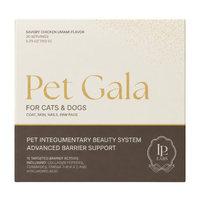
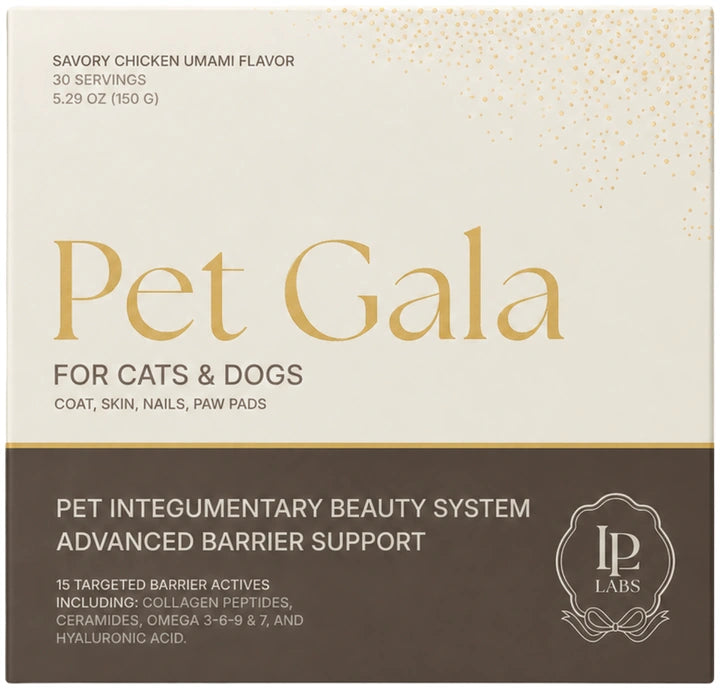
Pet Gala™ is designed for owners who want skin and coat care that shows: a comfortable look, a softer feel, and a well-kept finish that fits into daily life.

When your cat is itchy, the first thing you notice isn’t a diagnosis—it’s a change in presence. The coat stops lying smoothly. Grooming turns frantic. Small scabs appear where there used to be clean, quiet skin. Searching for a natural anti itch for cats is often a way of asking for something gentler: relief that doesn’t feel harsh, and care that restores the look of comfort you’re used to seeing.

The challenge is that itch has multiple possible causes, including allergies, parasites, and skin infections. Natural soothing can be helpful, but it’s most satisfying when it’s paired with good judgment—because what works beautifully for mild irritation may be the wrong tool for a parasite problem or an inflamed infection. Natural options like oatmeal and aloe vera are commonly used to soothe irritated skin, yet even the best natural anti itch for cats will perform differently depending on what’s driving the flare.

This page is designed to help you choose a natural anti itch remedy for cats with a beauty-forward lens: what looks calmer, what feels gentler, and what supports a coat that reads as well-kept. You’ll see when a natural anti itch cream for cats makes sense, when a natural anti itch supplement for cats is the more elegant daily option, and when you should pause and call your veterinarian. And if you’re wondering why a careful owner would still choose a product when “diet and basics” matter, here’s the honest answer: a complete routine isn’t about replacing one nutrient—it’s about supporting how wellbeing shows up every day, in skin comfort, coat softness, and the polished look that reassures you.

By La Petite Labs Editorial, ~15 min read

Featured Product:

  • Cat itch has many possible drivers, so comfort and investigation should happen together.
  • Topicals are best for localized flare-ups; supplements support overall coat and skin presentation.
  • Oatmeal and aloe are popular soothing options when used in cat-appropriate formulas.
  • Grooming and nail trims reduce friction and self-trauma, improving the “settled” look quickly.
  • Diet completeness matters; restrictive diets can show up first in skin and coat quality.
  • Track visible markers—scratching frequency, scabs, coat softness—before switching products.
  • Choose supportive care that complements veterinary guidance and keeps daily routines easy.

Why Itch Shows up in the Coat, Not Just the Skin

Itch is rarely “just itch” in cats. The visible signs—over-grooming, scabs along the neck, thinning fur on the belly, or a coat that looks dull instead of polished—can come from several different sources, including allergies, parasites, and skin infections (Sauvé F, 2023). That’s why the best natural anti itch for cats starts with a calm reset: reduce irritation on the surface while you and your veterinarian clarify what’s driving it.

Natural options can be genuinely comforting, but they work best when they match the moment. A natural anti itch cream for cats can soothe localized flare-ups, while a natural anti itch supplement for cats can support skin and coat presentation from the inside out. Because effectiveness varies by cause (Sauvé F, 2023), the most reassuring plan is one that combines visible relief with smart observation—so your cat looks and feels more comfortable, not merely “managed.”

Coat shine graphic representing skin hydration supported by best natural anti itch supplements for cats.

What Natural Relief Can Look Like When It’s Done Thoughtfully

When people search for a natural anti itch for cats, they’re usually looking for two things at once: immediate comfort and a return to a “normal-looking” coat. The best natural anti itch for cats respects both. It aims to calm the surface so your cat can stop spiraling into scratch-lick-scratch, while also supporting the skin and coat so they look fresh, smooth, and well-kept.

The key is matching the tool to the pattern. If itch is localized—one patch, one hotspot—topical soothing may be the most satisfying first move. If itch is diffuse or paired with a coat that’s lost its softness, internal support can be a better foundation (see: The Science Behind the Best Skin and Coat Supplements for Cats). And if you see fleas, ear debris, open sores, or rapid hair loss, treat that as a signal to involve your veterinarian, because itching can stem from parasites or infections, not just “sensitive skin”.

Skin health image symbolizing beauty and wellness supported by best natural anti itch supplement for cats.

A Gentle Routine That Supports Comfort Without Guesswork

A natural anti itch remedy for cats should feel like care, not a chemistry experiment. Start with the gentlest, most visible wins: reduce scratching triggers, keep nails neatly trimmed, and brush with a soft tool that doesn’t tug. These steps don’t “solve” the cause, but they can reduce the daily wear-and-tear that makes skin look angry and the coat look broken up.

If you add a topical product, choose cat-appropriate formulas and apply sparingly to intact skin. If you add internal support, choose something designed for cats rather than adapting dog products (related: Omega-3-6-9 for Cats). Natural approaches can soothe, but their effectiveness varies depending on what’s behind the itch —so your routine should stay flexible, observant, and kind to your cat’s tolerance.

Beauty visualization highlighting formulation depth and rigor in natural anti itch for cats.

Cream Versus Supplement: Choosing the Right Form for the Moment

Owners often compare a natural anti itch cream for cats versus a supplement as if one is “better.” In reality, they serve different moments. Creams, sprays, and wipes are about immediate surface comfort and a calmer look—less redness, less frantic grooming, fewer irritated edges around a scab.

A natural anti itch supplement for cats is about supporting the skin-and-coat presentation more broadly: the way the fur lies, how quickly the coat rebounds after shedding, and how “settled” the skin seems during seasonal changes (see: Cat Skin Care). Because itch can come from allergies, parasites, or infections, a supplement is best viewed as supportive care—not a substitute for addressing a primary trigger when one is present.

Dog looking radiant, symbolizing beauty and care supported by natural anti itch supplements for cats.

What to Look for in the Best Natural Anti-itch Supplement Options

If you’re trying to identify the best natural anti itch supplement for cats, think in terms of visible outcomes: a coat that looks smoother, less brittle fur, and a cat who seems less preoccupied with their skin. Nutrition matters here because felids depend on a complete amino acid profile and other essentials to support overall well-being (Sun M, 2024). When the diet is marginal, the coat can lose its “finished” look.

That doesn’t mean every itchy cat needs a dramatic diet overhaul. It means owners should choose supportive products that complement good feeding, not compete with it. The most compelling supplements fit into daily life, are made for cats, and emphasize consistent, noticeable care—because the goal is a cat who looks comfortable in their own skin.

The scratching is completely gone, his coat looks healthy and shiny!

— Lena

He was struggling with itching, now he's glowing.

— Grace

“The most convincing relief is the kind you can see: calmer skin, quieter grooming, a coat that settles.”

Food, Sensitivities, and Why the Coat Often Tells First

Food choices can be part of the itch conversation, especially when the coat looks dry or the skin seems reactive. Cats have specific nutritional needs, and their dietary patterns are built around nutrients that support overall health and immune response. When a diet is incomplete, the skin may be one of the first places owners notice a change.

Be cautious with restrictive diets that aren’t formulated for cats. Commercial vegan diets may lack essential nutrients for cats, and deficiencies can contribute to skin issues that may include itching (Zafalon, 2020). If you’re experimenting with diet, do it with veterinary guidance and keep the goal grounded: a comfortable skin surface and a coat that looks vibrant, not a trend-driven menu.

Dog portrait tied to beauty and care supported by natural anti itch for cats.

Soothing Ingredients Owners Recognize and Cats Often Tolerate

Some of the most trusted natural soothing ingredients are simple. Oatmeal and aloe vera are commonly used because they can soothe irritated skin. In practice, that can mean an oatmeal-based rinse, a cat-safe wipe, or a carefully chosen leave-on product used in tiny amounts.

The “best” choice is the one your cat tolerates and that fits the pattern you’re seeing. If the itch is mild and the skin is intact, gentle soothing may be enough to help your cat look calmer and less bothered. If there’s significant hair loss, open sores, or a sudden change in behavior, treat that as a sign to stop experimenting and get a veterinary exam (see: Hair Loss in Cats).

Canine profile image reflecting coat shine and wellness supported by natural anti itch for cats.

Grooming as Natural Comfort: Less Friction, More Polish

Grooming is often the most underrated natural anti itch for cats because it changes what your cat feels against their skin all day. Loose undercoat, dander, and small tangles can create constant friction. A few minutes of gentle brushing can make the coat lie flatter and feel softer—an immediate, visible improvement that also reduces the urge to over-groom.

Keep the ritual calm: same chair, same time, short sessions, and a soft brush. If your cat is sensitive, focus on the areas they enjoy first and avoid inflamed patches. Grooming won’t address parasites or infection, which can also cause itching, but it can reduce daily irritation and help you notice early changes before they become dramatic.

Visual ingredient map showing formulation transparency connected to best natural anti itch supplement for cats.

Why Switching Products Too Fast Can Hide the Real Pattern

It’s tempting to keep rotating natural anti itch remedies when you’re not seeing results. Instead, choose one or two gentle supports and evaluate them against clear, visible markers: fewer scratch episodes, less over-grooming, and a coat that looks smoother. Because the effectiveness of natural anti-itch approaches varies by underlying cause, changing everything at once can hide the real pattern.

If you’re not seeing improvement, the next best step is often not “stronger natural”—it’s better information. A veterinary exam can rule out parasites, infection, and other drivers of itch. Natural care remains valuable in parallel, but it works best when it’s supporting the right story.

How to Choose Supplements That Fit a Daily Care Ritual

If you’re choosing a natural anti itch supplement for cats, quality shows up in the details you can verify: clear ingredient disclosure, consistent manufacturing, and a label that avoids dramatic promises. Your goal is a product that supports everyday skin comfort and coat luster—without positioning itself as a replacement for diagnosis when itch is intense or persistent.

Also look for practical signals: a format your cat will actually take, a routine that fits your household, and a brand that encourages vet collaboration when needed. Supplements are most satisfying when they make care feel easy and repeatable—because the visible payoff (less frantic grooming, a smoother coat, fewer irritated patches) depends on consistency more than novelty.

“Natural care works best when it supports comfort without delaying clarity.”

Branded lab coat reflecting precision and trust supporting best natural anti itch for cats.

When the Cause Is Unclear, Keep Comfort Simple and Observant

Some cats itch because their skin is reacting; others itch because something is living on the skin, or because the skin is already inflamed and fragile (Sauvé F, 2023). When the cause is unclear, a gentle “support and watch” approach can be the most elegant: keep the coat clean, minimize friction, and choose soothing, cat-appropriate topical care while you track patterns.

Write down what you can see: where your cat scratches, whether the itch is seasonal, and whether there are new foods, litters, detergents, or stressors. This kind of observation turns natural anti itch remedies from guesswork into a thoughtful ritual—one that helps your veterinarian move faster if testing or prescription support becomes necessary.

Shop Now
Ingredient spread with supplement box highlighting formulation depth behind best natural anti itch supplements for cats.

Diet Completeness and the Visible Signals Owners Notice First

Diet can influence how a cat presents—coat texture, shedding, and how “settled” the skin looks—because felids rely on specific amino acids and a complete nutrient profile to maintain overall well-being (Sun M, 2024). When the diet is incomplete or poorly matched, skin can be one of the first places owners notice changes.

This is especially relevant if a cat is on a restrictive or unconventional diet. Some commercial vegan diets may be missing essential nutrients for cats, and deficiencies can show up as skin issues that may include itching (Zafalon, 2020). Even with a high-quality diet, many owners still choose targeted support because they want the visible “finished look”: a comfortable skin surface and a coat that reads as well-kept (related: The Science Behind Cat Hair Growth).

Shop Now
Pet parent holding supplement, symbolizing trust and routine via natural anti itch for cats.

Topical Soothing for Small Areas Without Overdoing the Routine

Topical soothing can be a small luxury for an itchy cat—when it’s done safely. Ingredients like oatmeal and aloe vera are commonly used in natural anti-itch approaches because they can calm irritated skin. For many cats, the best experience is a minimal, fragrance-free formula applied to a small area, with your cat supervised so they don’t immediately lick it off.

Think of a natural anti itch cream for cats as a spot-treatment for comfort and appearance: less redness, less frantic scratching, and a coat that can settle back into place. If the skin is broken, oozing, or rapidly worsening, skip experimentation and involve your veterinarian—because the right care depends on what’s actually driving the irritation.

Shop Now

Bathing and Rinses That Calm the Surface and Refresh the Coat

Bathing is not every cat’s idea of serenity, but the right approach can reduce surface irritants and improve how the coat looks day-to-day. If you try an oatmeal-based wash, keep it brief, warm, and quiet. The goal is comfort and a cleaner canvas—never “scrubbing the itch away.” Natural soothing ingredients are often chosen because they can calm irritated skin.

Afterward, focus on gentle drying and low-friction brushing. For some cats, this becomes a bonding ritual that visibly pays off: fewer clumps of shed hair, a smoother lay of the coat, and less agitation around sensitive areas. If bathing reliably triggers stress, choose leave-on strategies and internal support instead.

Home Environment Tweaks That Reduce Everyday Irritation

Environmental itch is easy to underestimate because it looks like “random” scratching. Dry indoor air, dusty fabrics, scented cleaners, and even a new litter can make skin feel less comfortable. When you’re using a natural anti itch remedy for cats, it helps to pair it with small environmental edits: wash bedding in fragrance-free detergent, vacuum favorite nap zones, and keep grooming tools clean.

These changes don’t need to be dramatic to be noticeable. Many owners see the coat settle and the scratching become less frequent simply because the skin isn’t being challenged all day. If itch persists despite a cleaner routine, that’s a useful signal to look deeper with your veterinarian.

Side-by-side supplement comparison designed around best natural anti itch supplements for cats expectations.

Parasites and Skin Infections: When Comfort Care Isn’t Enough

Itch can be a parasite story, even when you don’t see fleas. Cats can be exquisitely sensitive, and the visible pattern—scratching at the neck, chewing at the base of the tail, scattered scabs—often pushes owners toward “natural” options first. But because itching can be caused by parasites and infections, it’s important not to let a soothing routine delay appropriate veterinary care.

A practical middle ground is to use gentle, cat-safe comfort measures while you confirm parasite prevention is current and effective. When the underlying trigger is addressed, natural support tends to look better, too: calmer skin, fewer hot spots, and a coat that reads as cared-for rather than constantly disturbed.

Shop Now
Unboxing scene highlighting careful delivery and experience aligned with natural anti itch cream for cats.

What a Realistic Timeline Looks Like for Visible Improvement

Owners often ask how fast natural anti itch supplements for cats should “work.” The honest answer is that timelines depend on the cause and the cat’s baseline. Natural approaches can soothe irritated skin, but results vary based on what’s driving the itch. For topical comfort, you may notice a calmer evening. For internal support, visible changes often show up as the coat looks smoother and the skin seems less reactive with consistent use.

Track a few simple signals: scratching frequency, new scabs, and whether the coat is regaining softness and shine. If signs escalate, or if your cat seems unwell, treat that as a prompt to involve your veterinarian rather than “trying one more thing.”

Shop Now

A Beauty-forward Plan That Stays Honest and Still Feels Effective

A careful, science-minded owner doesn’t choose natural care because they dislike medicine—they choose it because they want comfort that looks and feels gentle, day after day. The most satisfying approach to natural anti itch for cats is layered: a clean environment, calm grooming, smart topical soothing when appropriate, and internal support that helps the skin and coat present at their best.

That’s also why a comprehensive beauty-forward formula can still make sense even when a diet is “good enough.” Cats need a complete nutrient profile to thrive (Sun M, 2024), and gaps can show up in the skin (Zafalon, 2020), but owners often want more than adequacy—they want the visible confirmation of care: comfortable skin, a glossy coat, and a cat who looks at ease in their own fur.

“A good routine is repeatable: gentle, consistent, and designed for the cat you actually have.”

Educational content only. This material is not a substitute for veterinary advice. Always consult your veterinarian about your dog’s specific needs. These statements have not been evaluated by the Food and Drug Administration. Products mentioned are not intended to diagnose, treat, cure, or prevent any disease.

Glossary

  • Pruritus: The medical term for itching; often seen as scratching, licking, or overgrooming.
  • Overgrooming: Excessive licking or chewing of fur that can thin the coat and irritate skin.
  • Skin Barrier: The outer protective layer of skin that helps retain moisture and reduce irritation.
  • Hot Spot: A rapidly inflamed, sometimes moist patch of skin that can worsen quickly.
  • Contact Irritant: A substance (like fragrance or harsh cleaner residue) that can bother skin on contact.
  • Dander: Tiny flakes of skin that can build up in the coat and contribute to irritation or messiness.
  • Localized Itch: Itching limited to one area (for example, a patch on the neck or belly).
  • Diffuse Itch: Itching that appears across multiple body areas, often paired with overall coat disruption.
  • Topical: A product applied to the skin or coat, such as a wipe, rinse, spray, or cream.
  • Supplement: A product given orally to support skin-and-coat presentation as part of daily care.

Related Reading

References

Sauvé F. Itch in dogs and cats.. PubMed Central. 2023. https://pmc.ncbi.nlm.nih.gov/articles/PMC10286147/

Sun M. Considerations on amino acid patterns in the natural felid diet: a review.. PubMed Central. 2024. https://pmc.ncbi.nlm.nih.gov/articles/PMC11603590/

Summers S. Evaluation of iron, copper and zinc concentrations in commercial foods formulated for healthy cats.. PubMed Central. 2022. https://pmc.ncbi.nlm.nih.gov/articles/PMC10812249/

Zafalon. Nutritional inadequacies in commercial vegan foods for dogs and cats.. PubMed Central. 2020. https://pmc.ncbi.nlm.nih.gov/articles/PMC6968870/

Members. WSAVA nutritional assessment guidelines.. PubMed Central. 2011. https://pmc.ncbi.nlm.nih.gov/articles/PMC11107980/

FAQ

What counts as natural anti itch for cats at home?

Natural anti itch for cats usually means gentle, low-irritant comfort measures: fragrance-free grooming, simple environmental cleanup, and cat-safe soothing topicals used sparingly. It can also include nutrition-forward support that helps the coat look smoother and the skin appear less reactive.

Because itch can have multiple causes, keep the routine simple and track what changes. For daily skin-and-coat support that fits a beauty-care mindset, many owners includePet Gala™

Why does my cat itch even when I see no fleas?

Cats can itch for reasons beyond visible fleas, including allergies and skin infections. Some cats also react strongly to small exposures, so the coat can look disturbed even when you don’t spot parasites.

If scratching is persistent, consider a vet check while you use gentle comfort care that won’t mask worsening signs. For a consistent routine that supports a calmer-looking coat, you can pair your plan withPet Gala™

Is oatmeal safe as a natural anti itch remedy for cats?

Oatmeal is commonly used in natural anti-itch care because it can soothe irritated skin. For cats, the safest approach is a cat-formulated oatmeal shampoo or rinse, used briefly and rinsed thoroughly.

Avoid heavily scented products and stop if you see redness, hives, or increased licking. For ongoing skin-and-coat support beyond bath days, many owners keep a steady routine withPet Gala™

Can aloe be a natural anti itch cream for cats?

Aloe is often mentioned for soothing irritated skin in natural anti-itch approaches, but cats may lick applied products. That makes formulation and placement important—use only cat-appropriate products and apply to areas your cat can’t easily groom.

If your cat is determined to lick, choose non-topical comfort strategies instead. For a daily routine that supports a well-kept coat and comfortable skin, considerPet Gala™

What is the best natural anti itch for cats with overgrooming?

Overgrooming is a visible sign that the skin feels “busy,” but the trigger can vary—stress, allergy patterns, parasites, or irritation. The best natural anti itch for cats in this situation is usually a layered routine: gentle brushing, reduced household irritants, and targeted soothing only on intact skin.

If hair loss is spreading or the skin looks broken, involve your veterinarian promptly. For everyday coat-and-skin support that complements a thoughtful plan, many owners usePet Gala™

How do natural anti itch supplements for cats support skin appearance?

Natural anti itch supplements for cats are typically used to support the skin-and-coat “finish” from the inside out—helping the coat look smoother and the skin appear less reactive. Nutrition matters because felids rely on a complete amino acid profile for overall well-being.

They’re best viewed as supportive care, not a substitute for diagnosing parasites or infection. For a beauty-forward daily routine designed for cats, considerPet Gala™

When should I choose a natural anti itch supplement for cats?

A natural anti itch supplement for cats can be a good fit when itch is mild-to-moderate, the coat looks dull or “ruffled,” or you’re aiming for steadier day-to-day skin comfort. It’s especially appealing when you want support that doesn’t depend on frequent bathing or spot applications.

If your cat has open sores, rapid hair loss, or seems unwell, get veterinary input first. For consistent skin-and-coat support that fits daily life, many owners choosePet Gala™

How long does natural anti itch for cats take to show?

Timelines depend on the cause. Natural soothing can calm irritated skin, but effectiveness varies based on whether the itch is driven by allergy patterns, parasites, or infection. Topical comfort may look better within days, while coat “polish” from internal support often appears with consistent use over several weeks.

Track scratching frequency and coat softness rather than expecting overnight transformation. For a steady routine that supports visible comfort, considerPet Gala™

Are natural anti itch remedies safe for kittens and seniors?

Kittens and seniors can be more sensitive to topicals and to sudden diet changes, so gentler is better. Because itching can be linked to parasites or infection, it’s also important not to assume “sensitive skin” in very young or older cats without a veterinary check.

Choose cat-specific products, avoid strong scents, and introduce any new routine slowly. For daily skin-and-coat support that’s designed to be simple and consistent, considerPet Gala™

Can I use dog anti-itch products as natural anti itch for cats?

It’s best not to. Cats groom differently and may ingest topicals, and many dog products include ingredients or concentrations that aren’t ideal for feline use. If your cat’s itch is significant, remember it may be tied to parasites or skin infection, which needs the right kind of care.

Stick to cat-formulated options and involve your veterinarian when signs persist. For a cat-specific daily routine that supports skin and coat presentation, considerPet Gala™

What side effects should I watch for with natural anti itch supplements?

With any supplement, watch for digestive upset, changes in appetite, or new itch patterns that suggest sensitivity. If your cat is on a restrictive diet, remember nutrient gaps can show up in the skin and coat, so it’s worth reviewing the full feeding plan with your veterinarian.

Stop the product and seek guidance if you see vomiting, lethargy, or worsening skin lesions. For a beauty-forward support option that fits into a careful routine, considerPet Gala™

Do natural anti itch creams for cats work on hot spots?

“Hot spots” and moist dermatitis can worsen quickly and may involve infection. While gentle soothing can feel comforting around the area, applying creams directly to broken or oozing skin can trap moisture or encourage licking.

Treat hot spots as a reason to get veterinary advice promptly, then use supportive care as directed. For ongoing skin-and-coat support once the area is stable, many owners includePet Gala™

What interactions matter when combining supplements with flea prevention?

Most supportive supplements can be used alongside flea prevention, but it’s still smart to check with your veterinarian—especially if your cat takes other medications. Since parasites are a common itch trigger, keeping prevention consistent is often the most important “interaction” to get right.

Introduce one new product at a time so you can spot sensitivities. For a daily skin-and-coat routine that complements good prevention habits, considerPet Gala™

Is diet change or supplement better for best natural anti itch?

If the current diet is incomplete, diet correction comes first—cats need specific nutrients and amino acids to support overall well-being. In some cases, restrictive diets can contribute to skin issues that include itching, so it’s worth confirming the food is truly cat-appropriate.

If the diet is solid, a supplement can be a practical way to support visible coat and skin comfort without changing everything at once. For a consistent beauty-care option, considerPet Gala™

How can I tell if my cat’s itch is allergy-related?

Allergy patterns often look like recurring itch, seasonal flare-ups, or repeated overgrooming in similar areas, but other causes can look similar. Because itching can also come from parasites and infections, a veterinary exam is the cleanest way to avoid guessing.

While you investigate, keep care gentle and consistent so the skin can settle. For daily support that fits alongside a vet-led plan, considerPet Gala™

What are quality signals for best natural anti itch supplements for cats?

Quality signals include transparent labeling, cat-specific formulation, and realistic claims focused on comfort and appearance rather than “curing” itch. Since results vary with the underlying cause, trustworthy brands encourage veterinary involvement when signs are intense, persistent, or paired with skin lesions.

Also prioritize consistency: a product your cat will actually take daily. For a polished, routine-friendly option, considerPet Gala™

Can stress cause itching, and does natural anti itch help?

Stress can contribute to overgrooming and make the coat look disrupted, even when the original trigger is mild. Still, it’s important to rule out common physical causes like parasites or infection before assuming behavior is the whole story.

A calm routine—predictable grooming, quiet rest spaces, and gentle support—often improves the visible pattern. For daily skin-and-coat support that fits into a soothing ritual, considerPet Gala™

When should I call the vet about natural anti itch for cats?

Call your veterinarian if itch is intense, sudden, or paired with open sores, swelling, ear discharge, or major hair loss. Itching can be caused by parasites and skin infections, and those situations can worsen quickly without targeted treatment.

You can still use gentle supportive care while you wait for the appointment, as long as it doesn’t irritate or encourage licking. For ongoing skin-and-coat support that complements vet care, considerPet Gala™

What’s a simple decision framework for choosing a natural anti itch?

Start with what you can see: localized irritation often suits a gentle topical, while diffuse itch plus a dull coat may suit internal support. Then check for red flags—parasites, infection signs, or rapid worsening—because itch can have multiple causes.

Finally, choose the option your cat will tolerate consistently, and reassess with notes rather than guesswork. For a daily routine that supports visible comfort and coat polish, considerPet Gala™

Does natural anti itch for cats differ for long-haired breeds?

Long-haired cats can show itch differently because mats and undercoat buildup add friction and trap debris. That makes grooming and coat management especially important for comfort and appearance. Still, underlying causes like parasites or infection can affect any coat type.

Use gentle brushing, keep mats addressed, and choose supportive care that fits daily routines. For skin-and-coat support that complements grooming, considerPet Gala™

5K+ Happy Pet Parents

Excellent 4.8

Natural Anti Itch for Cats | Why Thousands of Pet Parents Trust Pet Gala™

"Magical. He was struggling with itching and shedding. Now he's literally glowing."

Grace & Ducky

"Improves her skin, fur, nails, and eyes. We're loving it!"

Cat & Miso

"It's so good for his coat, and so easy to mix into food."

Alex & Cashew

"The scratching is completely gone, his coat looks healthy and shiny."

Lena & Bear

"Magical. He was struggling with itching and shedding. Now he's literally glowing."

Grace & Ducky

"Improves her skin, fur, nails, and eyes. We're loving it!"

Cat & Miso

"It's so good for his coat, and so easy to mix into food."

Alex & Cashew

"The scratching is completely gone, his coat looks healthy and shiny."

Lena & Bear

"Magical. He was struggling with itching and shedding. Now he's literally glowing."

Grace & Ducky

"Improves her skin, fur, nails, and eyes. We're loving it!"

Cat & Miso

"It's so good for his coat, and so easy to mix into food."

Alex & Cashew

"The scratching is completely gone, his coat looks healthy and shiny."

Lena & Bear

"Magical. He was struggling with itching and shedding. Now he's literally glowing."

Grace & Ducky

"Improves her skin, fur, nails, and eyes. We're loving it!"

Cat & Miso

"It's so good for his coat, and so easy to mix into food."

Alex & Cashew

"The scratching is completely gone, his coat looks healthy and shiny."

Lena & Bear

SHOP NOW