Maine Coon Shedding Solution

Identify the Trigger Behind Shedding and Rebuild a Thicker, Less Brittle Coat

Essential Summary

Why is a Maine Coon shedding solution important?

A Maine Coon’s shedding is normal, but the way it looks and feels can be improved. The most reliable approach combines gentle grooming, mat prevention, and nutrition that supports skin comfort and coat luster. When the coat has slip and shine, loose hair releases on the brush instead of around your home.

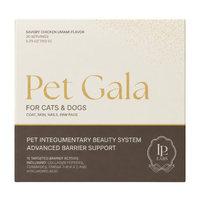
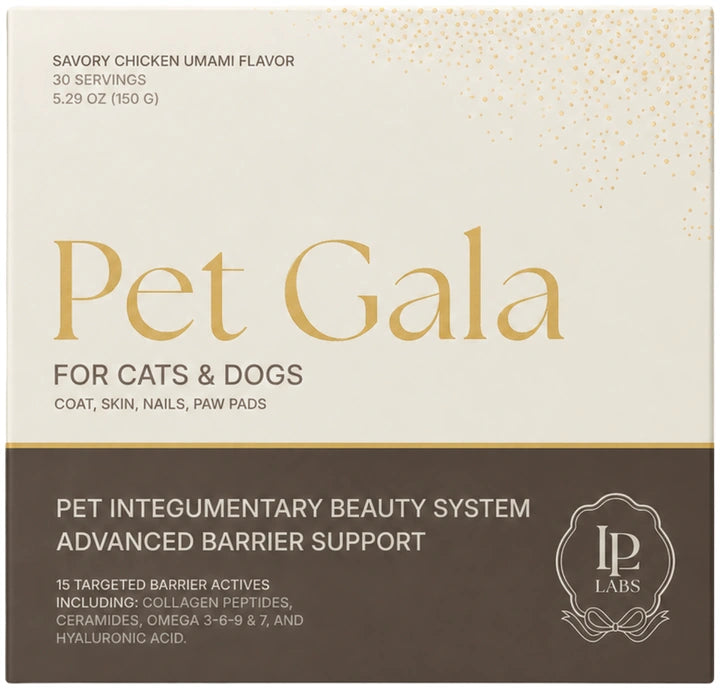
Pet Gala™ is designed for visible coat confidence—supporting skin, coat, and nails so your Maine Coon’s fur looks glossy, feels softer, and stays easier to groom between sessions.

Living with a Maine Coon means living with a coat that makes a statement. It’s dramatic, plush, and unmistakably luxurious—and it also leaves evidence. If you’re searching for a maine coon shedding solution, the most reassuring truth is that you don’t need to “stop” shedding to feel in control. You need the coat to behave: to stay detangled, to feel soft instead of dry, and to release loose hair during grooming rather than throughout your home.

The best owners don’t chase perfection; they chase a finish. A coat that lies flatter, catches the light, and feels smooth when you run your hand along the back is a visible sign that your routine is working. That finish comes from three places: the way you groom (technique over force), the way you feed (consistency and quality), and the way you support skin and coat daily so grooming stays easy. Omega fatty acids are commonly associated with coat condition, and mineral balance can vary across commercial foods—both of which can influence what you see in the fur.

A careful, science-minded owner might ask why a supplement matters if the diet is already complete. The practical answer is that “complete” doesn’t always equal “your cat’s best coat day,” especially in dry seasons, during coat blows, or when grooming time is limited. A well-designed supplement supports the skin-coat-nail system as a visible whole—helping the coat look glossy, feel softer, and stay easier to manage—so your everyday care shows where it matters.

By La Petite Labs Editorial, ~15 min read

Featured Product:

  • A true maine coon shedding solution focuses on visible signals: shine, softness, and a calmer comb-through.
  • Shedding often looks worse when the undercoat compacts; preventing mats keeps hair release controlled.
  • Gentle, sectional grooming reduces breakage, which can masquerade as “extra shedding.”
  • Skin comfort matters: flakes, static, and dullness can signal dryness or irritation that affects coat behavior.
  • Food quality and consistency influence coat presentation; mineral profiles in commercial diets can vary.
  • Omega fatty acids are commonly used for a smoother, glossier look owners can see and feel. (Sun M, 2024)
  • A supplement earns its place by making daily care easier—supporting the skin-coat-nail system beyond one ingredient.

Why Maine Coon Shedding Feels Bigger Than Other Cats

A Maine Coon’s coat is designed to be generous: long guard hairs, a dense undercoat, and seasonal shifts that can feel like a full-time cleanup job. A realistic maine coon shedding solution starts by separating normal shedding from “coat distress” signs owners can actually see—dullness, static, dandruff, or a rough, cottony feel. Those signals often point to skin comfort, grooming friction, and the quality of the hair shaft, not just “too much fur.”(Summers SC, 2020)

If you’re looking for the best solution for maine coon shedding, think in layers: daily coat handling that reduces breakage, nutrition that supports a polished look, and a supplement that makes the routine easier to maintain when life gets busy. Minerals and fatty acids can influence coat presentation and skin condition, which is why consistent, balanced intake matters for visible results.(Summers S, 2022)

Visualization of beauty nutrition illustrating support pathways for best products for maine coon shedding.

Normal Shedding Versus Coat Distress: What the Fur Is Signaling

Maine Coons shed for normal reasons—growth cycles, season, indoor light exposure—and also for “presentation” reasons: dryness, tangles, and friction that make loose hair release everywhere. The most effective maine coon shedding remedies don’t fight the fact that the breed has a lot of coat; they make that coat easier to manage and nicer to live with.

Start by noticing where shedding shows up. If you’re seeing mats at the armpits and belly, the issue is undercoat compaction. If you’re seeing a dusty, dull topcoat, the issue may be skin comfort and grooming slip. These are different problems with different solutions, and recognizing the pattern is the first real step in shedding control.(Summers SC, 2020)

Molecular beauty graphic tied to skin and coat support from best products for maine coon shedding.

Brushing Technique That Leaves the Coat Polished, Not Frizzy

Brushing is the center of most maine coon shedding control methods, but the technique matters more than the frequency. Think “separate and lift” rather than “scrub and pull.” Use your fingers first to find tangles, then a comb to open the coat in sections, and finish with a soft brush to align the topcoat. This reduces hair breakage and keeps loose undercoat from migrating into mats.

Owners often notice the difference immediately: the coat looks flatter, glossier, and more intentional. That visible finish is a sign you’re removing what’s ready to come out while preserving the lengths that make the breed iconic.

Beauty formulation visualization tied to support mechanisms in maine coon shedding tips.

Mat Prevention as a Shedding Strategy, Not Just a Convenience

Mats are not just a cosmetic issue—they change how the coat sheds. When undercoat compacts, loose hair can’t exit gradually, so it releases in clumps and leaves the skin feeling tight. For many cats, that discomfort can lead to overgrooming or avoidance of handling, which makes the cycle worse.(Summers SC, 2020)

A practical solution is “micro-detangling”: address tiny knots daily before they become a project. Focus on friction zones—behind the ears, collar area, armpits, belly, and the base of the tail. This is one of the most reliable ways to reduce visible shedding without trying to change your cat’s biology.

Dog portrait capturing coat health and beauty supported through maine coon shedding control methods.

Skin Comfort and Flake Control for a Cleaner Coat Finish

If you want to know how to reduce shedding in maine coons, pay attention to the skin. Flakes, redness, or a “tight” feel when you part the fur can signal that the barrier is irritated or dry. When skin is comfortable, hair tends to sit better, grooming is easier, and the coat looks more uniform.

This is why many owners prefer a combined approach: gentle grooming plus a supplement that supports skin and coat condition (see: Best Skin & Coat Supplements for Dogs). The goal isn’t to eliminate shedding; it’s to make shedding look controlled—less floating fuzz, fewer tumbleweeds, and a coat that keeps its shine.

The scratching is completely gone, his coat looks healthy and shiny!

— Lena

He was struggling with itching, now he's glowing.

— Grace

“Controlled shedding looks like a coat that combs through easily and settles neatly.”

Diet Tweaks That Improve Texture Without Overcomplicating Feeding

Diet changes can affect coat appearance, but “more protein” isn’t automatically the best solution for maine coon shedding. What owners typically want is a coat that feels soft, looks glossy, and doesn’t shed in dramatic bursts. That depends on overall diet quality, digestibility, and the balance of fats and micronutrients that support skin and hair structure.(Sun M, 2024)

If you’re considering a food switch, do it gradually and watch visible signals: less dandruff, smoother texture, and easier comb-through. Those are more meaningful than chasing a single number on a label.

Dog headshot symbolizing coat shine and beauty supported by best products for maine coon shedding.

Minerals and Coat Presentation: Why Balance Matters in Real Diets

Minerals like zinc and copper are commonly discussed in relation to skin and coat quality, and commercial foods can vary in their mineral profiles (see: Zinc for Dogs).(Summers S, 2022) That doesn’t mean most cats are “deficient,” but it does explain why two cats on different diets can show different coat signals—shine, softness, and how easily the fur breaks or tangles.

For a beauty-first approach, the question becomes: does your cat’s coat look and feel the way you expect for a Maine Coon? If not, a well-formulated supplement can support the visible outcome owners care about, without turning feeding into a chemistry project.

Dog portrait from the side highlighting beauty supported by how to reduce shedding in maine coons.

Hairballs and Shedding: Managing Loose Fur Before It’s Swallowed

Hairballs often rise alongside heavy shedding. While hairballs have multiple contributors, the practical link is simple: more loose hair in the coat can become more loose hair swallowed during self-grooming. Keeping the coat detangled and removing undercoat regularly is one of the most direct ways to reduce what your cat ingests.

If vomiting increases, appetite changes, or your cat seems uncomfortable, contact your veterinarian. A maine coon shedding solution should always support comfort first, with appearance as the reassuring signal that your routine is working.

Supplement overview graphic emphasizing beauty ingredients aligned with maine coon shedding remedies.

A Low-drama Routine: Maine Coon Shedding Tips You Can Maintain

Owners often ask for maine coon shedding tips that don’t feel like a second job. The most sustainable routine is short and predictable: a two-minute comb-through on high-friction zones, followed by a quick pass over the back and tail. Done consistently, this keeps the coat “open,” so loose hair leaves on your terms.

Make it a bonding ritual: the same chair, the same time, a calm voice. When your cat expects the routine, you’ll spend less time negotiating and more time enjoying the visible payoff—a coat that looks well-kept even during shedding season.

Choosing Tools That Remove Undercoat Without Breaking Guard Hairs

When owners ask about best products for maine coon shedding, the most useful answer is “the right tool for the right coat moment.” A wide-tooth comb helps you reach the undercoat without snapping guard hairs. A slicker can polish the surface, but used too aggressively it can create micro-breakage that looks like extra shedding. A de-shedding rake can be helpful during seasonal blowouts, yet it should glide—never scrape.

Choose tools that leave the coat looking freshly arranged, not fluffed and frizzy. If your cat’s coat looks smoother after grooming, you’re reducing loose hair and preserving the lengths that make Maine Coons so striking. Pairing smart tools with a consistent supplement routine supports the “finished” look owners want from a maine coon shedding solution (related: The Best Coat Growth Supplements for Dogs).

“The goal isn’t less fur—it’s a more polished finish you can see.”

Close-up clinical uniform showing research-driven formulation behind how to reduce shedding in maine coons.

Bathing, Wipes, and Clean-coat Resets That Stay Cat-friendly

Bathing is optional for many Maine Coons, but it can be a strategic shedding control method when the coat feels greasy, dusty, or weighed down. The goal isn’t frequent washing; it’s restoring a clean, comfortable skin feel so the coat lies flatter and releases loose hair during grooming instead of on your sofa. Use a cat-specific shampoo, rinse thoroughly, and follow with gentle towel blotting—rubbing can tangle and increase breakage.

If baths are stressful, a damp microfiber wipe-down plus a careful comb-out can deliver a similar “reset” for appearance. For many households, the best maine coon shedding remedies are the ones your cat tolerates calmly and you can repeat without drama.

Shop Now
Pet Gala surrounded by ingredients, showing beauty diversity in maine coon shedding remedies.

Food Quality and Coat Finish: Why “Complete” Still Varies

Nutrition is a quiet driver of visible coat quality. Even when a diet meets basic requirements, the coat can still look dry or lack luster if the overall balance doesn’t match your cat’s needs, season, or grooming load. Essential minerals are part of that picture, and commercial foods vary in mineral content, which can influence overall health and potentially coat presentation.(Summers S, 2022)

A science-minded owner may ask: if food is “complete,” why add anything? Because a supplement can be less about replacing a single nutrient and more about supporting the skin-coat-nail system as a visible whole—helping the coat feel softer, look glossier, and shed more predictably. That’s the practical logic behind choosing a maine coon shedding solution that fits real life.

Shop Now
Owner showcasing product beside her pet, reflecting beauty care through best solution for maine coon shedding.

Fatty Acids and Shine: Supporting a Smoother, Softer Coat Look

Omega fatty acids are often discussed for coat shine because owners can see the difference: less “crispy” texture, more slip, and a smoother lay of the fur. These fats are associated with skin and coat condition in companion animals, which is why they show up in many shedding remedies and coat supplements.(Sun M, 2024)

The key is consistency and comfort. A Maine Coon that feels less itchy and more comfortable is typically easier to groom, and grooming is where much of shedding control happens. If you’re comparing solutions to maine coon shedding, prioritize options that support a coat you can comb through easily—because “easy to comb” is a visible signal of good care.

Shop Now

Humidity, Hydration, and Static: Small Changes with Visible Payoff

Hydration and humidity affect how a coat behaves. In dry indoor air, static and brittle ends can make shedding look worse because hairs snap and scatter. Small changes—adding a humidifier in winter, offering more water stations, and feeding moisture-rich meals—can translate into a coat that lies flatter and feels silkier to the touch.

This is one of the most overlooked maine coon shedding tips: the coat is a fabric, and fabrics behave differently depending on moisture. When the coat feels less “electric,” grooming becomes gentler, and your shedding control methods start to look more effective without adding complexity.

Stress, Overgrooming, and Coat Changes Owners Notice First

Stress and routine changes can show up in the coat. Some cats groom more when anxious, which can increase hair ingestion and leave the coat looking uneven. Others groom less, allowing loose undercoat to mat and then release in clumps. A calm environment, predictable play, and gentle handling can be surprisingly relevant to how to reduce shedding in maine coons—because behavior shapes what ends up on the brush.

If you notice sudden coat changes alongside appetite shifts, hiding, or overgrooming, it’s worth checking in with your veterinarian. The best solution for maine coon shedding is always the one that keeps comfort and wellbeing aligned with appearance.

Comparison layout showing ingredient quality differences relevant to maine coon shedding solution.

Seasonal Coat Blows: Keeping Shedding Predictable and Manageable

Seasonal “coat blows” are normal, especially when daylight and indoor heating patterns change. During these weeks, your goal is controlled release: remove loose undercoat before it compacts into mats or migrates onto every surface. Short, frequent sessions usually outperform long, occasional grooming because they keep the coat orderly without overwhelming your cat.

A practical maine coon shedding solution during seasonal peaks is to pair grooming with a consistent coat-support routine so the fur stays pliable and easier to detangle. When the coat has slip and shine, you can do less work for a more polished result.

Shop Now
Supplement box revealed in soft light, reflecting premium how to reduce shedding in maine coons positioning.

Breakage Versus Shedding: the Subtle Difference That Changes Everything

Some shedding is actually breakage. If you see lots of short hairs, frayed ends, or a “halo” of fuzz after brushing, the routine may be too rough or too dry. Switch to a gentler tool, reduce pressure, and focus on detangling before smoothing. A light mist of cat-safe grooming spray can add slip, but avoid heavy products that leave residue.

This is where maine coon shedding control methods become more about finesse than force. The coat should look arranged and intentional after grooming—like it’s been cared for—rather than fluffed up and stressed.

Shop Now

Where Supplements Fit: Daily Support That Shows in the Coat

A supplement earns its place when it makes the visible routine easier: softer feel, smoother comb-through, and a coat that looks freshly kept between grooming sessions. That’s the commercial coherence: even with a good diet and good tools, owners still want a reliable way to support the skin, coat, and nails as a daily presentation—especially for a breed with this much fur.

If you’re choosing among solutions to maine coon shedding, look for a product designed for the whole integumentary system rather than a single-ingredient promise. The best results are usually the ones you can see and feel: less dryness, more luster, and grooming that ends with a calm cat and a polished coat.

“When the coat has slip and shine, grooming becomes simpler and calmer.”

Educational content only. This material is not a substitute for veterinary advice. Always consult your veterinarian about your dog’s specific needs. These statements have not been evaluated by the Food and Drug Administration. Products mentioned are not intended to diagnose, treat, cure, or prevent any disease.

Glossary

  • Undercoat: The dense, soft layer beneath guard hairs that sheds heavily and can compact into mats.
  • Guard Hairs: Longer outer hairs that create the Maine Coon’s signature outline and protect the undercoat.
  • Coat Blow: A seasonal period of rapid shedding when large amounts of undercoat release.
  • Matting: Tangled, compacted fur that traps loose hair and can pull on skin, worsening shedding appearance.
  • Breakage: Snapped hairs from friction or harsh brushing that can look like “extra shedding.”
  • Skin Barrier: The outer skin layer that helps retain moisture and supports comfortable, flake-free skin.
  • Comb-Through: A practical measure of coat manageability; easier comb-through often signals better coat slip.
  • Slip: The smooth, low-friction feel that helps tools glide through fur and reduces tugging.
  • Dander/Flakes: Visible skin debris that can accompany dryness or irritation and affect coat appearance.
  • Presentation Routine: The repeatable mix of grooming and support that keeps a coat looking polished day to day.

Related Reading

References

Summers S. Evaluation of iron, copper and zinc concentrations in commercial foods formulated for healthy cats.. PubMed Central. 2022. https://pmc.ncbi.nlm.nih.gov/articles/PMC10812249/

Summers SC. Evaluation of nutrient content and caloric density in commercially available foods formulated for senior cats.. PubMed Central. 2020. https://pmc.ncbi.nlm.nih.gov/articles/PMC7517497/

Sun M. Considerations on amino acid patterns in the natural felid diet: a review.. PubMed Central. 2024. https://pmc.ncbi.nlm.nih.gov/articles/PMC11603590/

FAQ

What is a realistic maine coon shedding solution?

A realistic maine coon shedding solution doesn’t promise “no shedding.” It aims for controlled shedding: fewer mats, less breakage, and loose undercoat coming out on the brush instead of on furniture.

The best plans combine gentle grooming, skin-comfort support, and nutrition that keeps the coat glossy and easy to comb. For daily visible support, many owners add Pet Gala™.

Why does Maine Coon shedding feel so intense indoors?

Indoor light and heating can blur seasonal cues, so shedding may feel less “seasonal” and more constant. Dry air can also increase static and breakage, making hair look like it’s everywhere.

A consistent grooming rhythm plus coat-support nutrition helps the fur lie flatter and release more predictably. Many owners pair their routine with Pet Gala™ for everyday skin-and-coat presentation.

How can I reduce shedding without over-brushing my cat?

Use shorter, more frequent sessions and focus on friction zones (armpits, belly, behind ears). The goal is to keep the undercoat “open” so loose hair exits gradually rather than in clumps.

Choose tools that glide and avoid scraping the skin; rough technique can create breakage that mimics shedding. For a supportive daily baseline, consider Pet Gala™ alongside your grooming routine.

What are the best solution for maine coon shedding options?

The best solution for maine coon shedding is usually a combination: a comb that reaches the undercoat, a gentle detangling habit, and nutrition that supports a soft, glossy coat. Single “miracle” fixes rarely match the reality of a double coat.

If you want something that supports the visible outcome—easy comb-through and a polished look—many owners add Pet Gala™ to their daily care.

Do supplements actually help with a maine coon shedding solution?

Supplements can help when they support coat feel and skin comfort—signals owners can see, like improved shine and less “dry” texture. They’re not a replacement for grooming, but they can make grooming easier and more effective.

For science-minded owners, the value is consistency: supporting the skin-coat-nail system beyond a single nutrient. That’s the role of Pet Gala™ in an everyday routine.

Is heavy shedding ever a sign of a health issue?

It can be. If shedding is sudden or paired with bald patches, redness, intense itching, appetite changes, or behavior shifts, it’s worth a veterinary check. Skin discomfort and overgrooming can change how the coat looks quickly.

Once medical causes are addressed, supportive coat care can help the fur look orderly again. Many owners maintain that support with Pet Gala™ as part of their routine.

What maine coon shedding remedies work during seasonal coat blows?

During seasonal coat blows, the goal is controlled release: short daily comb-outs, attention to undercoat, and quick mat checks. This prevents loose hair from compacting and then dumping all at once.

A coat that has more slip and softness is easier to manage during peak shedding. Many owners support that “polished” feel with Pet Gala™ alongside grooming.

How long until I see results from shedding control methods?

Grooming changes can look better immediately: fewer tangles, a flatter lay of the coat, and less hair floating around after brushing. Nutrition and supplement changes typically show as gradual improvements in shine, softness, and skin comfort as the coat cycles.

Track visible signals weekly—comb-through ease and coat feel are practical markers. For daily support aimed at those signals, consider Pet Gala™.

What should I feed for better coat shine and less shedding?

Look for a complete and balanced diet with consistent quality, plus fats that support a soft, glossy coat. Mineral profiles can vary across commercial foods, and overall balance can influence visible coat condition.

If your cat’s coat still looks dry or dull, a supplement can support the skin-coat-nail system beyond what’s convenient to perfect through food alone. Many owners choose Pet Gala™ for that everyday support.

Can omega fatty acids reduce shedding in Maine Coons?

Omega fatty acids are commonly used to support skin and coat condition, which can translate into a smoother feel and more visible shine. When the coat is less dry, grooming tends to be easier and shedding can look more controlled.

They’re not a substitute for brushing, but they can improve the “finish” you see after grooming. For daily coat support, many owners use Pet Gala™.

Is Pet Gala™ safe for daily use in cats?

Most cats do best with consistent, label-directed use of any supplement. If your cat is pregnant, nursing, has a chronic condition, or takes medications, ask your veterinarian before starting a new product.

Watch for tolerance signals like appetite, stool quality, and comfort, and introduce gradually if your cat is sensitive. For daily coat support, see Pet Gala™.

What side effects should I watch for with coat supplements?

The most common issues with new supplements are digestive: softer stool, mild stomach upset, or food refusal. These are often reduced by starting slowly and giving the supplement with food.

If you see persistent vomiting, diarrhea, hives, or marked lethargy, stop and contact your veterinarian. For a coat-focused option designed for everyday use, consider Pet Gala™.

Can supplements interact with medications my cat takes?

They can, depending on ingredients and your cat’s prescription list. If your cat takes thyroid medication, anti-inflammatories, or has a medically managed condition, it’s smart to ask your veterinarian before adding any supplement.

Bring the product label and your cat’s current diet details so your vet can assess fit. For a coat-support option to discuss with your clinic, see Pet Gala™.

Is this maine coon shedding solution suitable for kittens?

Kittens can shed, but their coat and digestion are still developing. For young cats, prioritize gentle handling, short grooming sessions, and a kitten-appropriate complete diet.

Before adding supplements for a kitten, check with your veterinarian for age-appropriate guidance and serving direction. If you’re exploring options, review Pet Gala™ with your vet.

Does shedding change for seniors, and what helps most?

Senior cats may groom less thoroughly or have more sensitive skin, which can lead to tangles and a less glossy look. Gentle, comfort-first grooming and a routine that supports skin feel can make a noticeable difference.

If coat changes are sudden, a veterinary check can rule out underlying issues. For daily visible coat support many owners use Pet Gala™ as part of a senior-friendly routine.

Are Maine Coons different from other cats for shedding control?

Yes—Maine Coons have a substantial double coat with long guard hairs, so undercoat management matters more. The same brushing approach used for short-haired cats often misses what’s actually shedding underneath.

A comb-first routine plus coat-support nutrition tends to deliver the most visible payoff: fewer mats and a smoother outline. Many owners support that look with Pet Gala™.

Can I use dog shedding products on my Maine Coon?

Be cautious. Cats are more sensitive to certain ingredients and essential oils, and products formulated for dogs may not be appropriate for feline skin or grooming behavior. Stick to cat-labeled grooming products and supplements.

If you’re unsure, ask your veterinarian before applying topical products or starting a new supplement. For cat-focused coat support, consider Pet Gala™.

What are quality signals when choosing best products for maine coon shedding?

Quality signals include clear labeling, species-appropriate formulation, consistent manufacturing standards, and realistic claims focused on appearance and comfort—not “instant cures.” For tools, look for smooth pins, sturdy construction, and designs that reach undercoat without scraping.

For supplements, prioritize products designed for the skin-coat-nail system as a whole. A coat-support option many owners choose is Pet Gala™.

How do I give supplements to picky Maine Coons?

Start with a small amount mixed into a familiar, high-value food and keep the routine calm and consistent. Many cats accept supplements better when they’re paired with a meal rather than offered separately.

If your cat refuses, don’t force it—try a different texture, timing, or ask your veterinarian for administration ideas. For a coat-support option to try with your routine, see Pet Gala™.

When should I call my vet about shedding or skin changes?

Call your vet if you see bald spots, sores, intense itching, persistent dandruff, sudden coat thinning, or behavior changes like hiding or constant licking. These signs can indicate skin discomfort that needs medical attention.

After you’ve addressed health concerns, a consistent grooming and coat-support routine can help restore a polished look. Many owners maintain that support with Pet Gala™.

How do I choose between solutions to maine coon shedding?

Choose based on the problem you can see: mats and clumps call for undercoat management; dullness and static call for skin-comfort support and gentler grooming; short broken hairs call for less aggressive tools. Matching the solution to the signal prevents wasted effort.

If you want a single daily anchor that supports the visible “finish,” many owners include Pet Gala™ in their routine.

5K+ Happy Pet Parents

Excellent 4.8

Maine Coon Shedding Solution | Why Thousands of Pet Parents Trust Pet Gala™

"Magical. He was struggling with itching and shedding. Now he's literally glowing."

Grace & Ducky

"Improves her skin, fur, nails, and eyes. We're loving it!"

Cat & Miso

"It's so good for his coat, and so easy to mix into food."

Alex & Cashew

"The scratching is completely gone, his coat looks healthy and shiny."

Lena & Bear

"Magical. He was struggling with itching and shedding. Now he's literally glowing."

Grace & Ducky

"Improves her skin, fur, nails, and eyes. We're loving it!"

Cat & Miso

"It's so good for his coat, and so easy to mix into food."

Alex & Cashew

"The scratching is completely gone, his coat looks healthy and shiny."

Lena & Bear

"Magical. He was struggling with itching and shedding. Now he's literally glowing."

Grace & Ducky

"Improves her skin, fur, nails, and eyes. We're loving it!"

Cat & Miso

"It's so good for his coat, and so easy to mix into food."

Alex & Cashew

"The scratching is completely gone, his coat looks healthy and shiny."

Lena & Bear

"Magical. He was struggling with itching and shedding. Now he's literally glowing."

Grace & Ducky

"Improves her skin, fur, nails, and eyes. We're loving it!"

Cat & Miso

"It's so good for his coat, and so easy to mix into food."

Alex & Cashew

"The scratching is completely gone, his coat looks healthy and shiny."

Lena & Bear

SHOP NOW