Indoor Dog Potties for Senior Dogs: Build an Accessible Station

Choose the entry, standing area and waste-cleaning system together, then introduce the new toilet gradually.

By La Petite Labs Editorial 5 min read

As Seen On

Woman hugging a golden retriever while holding a Hollywood Elixir box
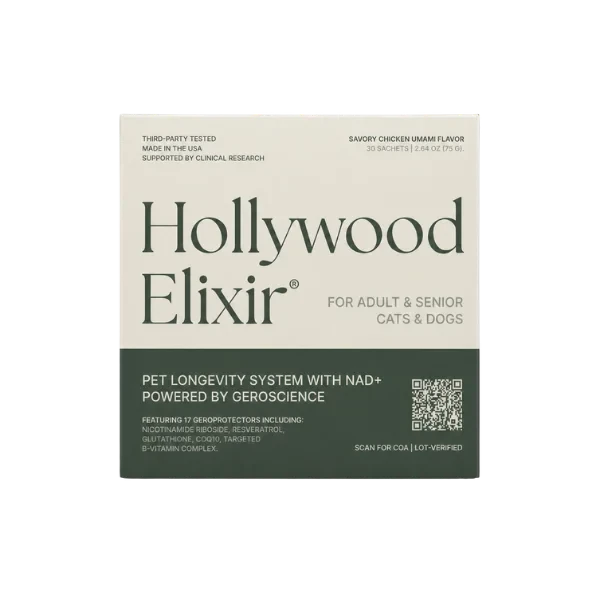
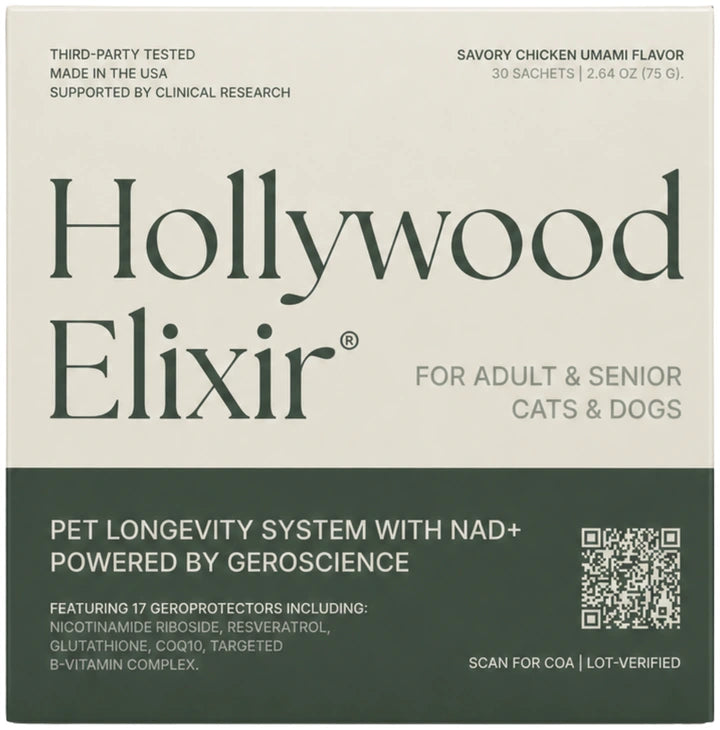
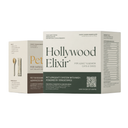
Hollywood Elixir® Senior Dog Supplement

17 science-backed actives

From$50/moSave up to 44%Shop Now
Contents

An indoor dog potty for senior dogs should shorten the route without adding a harder step at the end. Choose the entry and standing surface first, then decide whether you can manage a washable pad, a drain-through synthetic lawn or regularly replaced real grass.

Check entry before committing to a raised tray.

Follow the urine from surface to disposal.

Keep the familiar toileting option during the transition.

Choose the whole station, not just its surface

A shorter route helps only if the destination is usable. Consider the approach, entrance edge, standing surface and turn back out. A raised tray may be easy for one dog and a new obstacle for another. Ask for the exact assembled entry height if the seller does not publish it; the grass size does not answer that question.

The parent guide to home modifications for senior dogs covers the room-to-toilet route. Here, the worksheet focuses on the destination and the work needed after each use.

Follow urine through each type of system

A washable pad holds liquid in its absorbent layers and is exchanged for a clean pad. A real-grass system uses a living patch that is replaced rather than washed indefinitely. A synthetic system such as PetSafe’s Pet Loo drains through the mat into a collection container; optional Pee Pods contain powder that gels the urine. 1

PetSafe says its waste container holds two litres, but that is a container specification, not a recommended emptying interval. Stool still needs separate removal. The ability to remove a container without moving the entire station can be useful only if you have left space to reach it. 1

The whole-station worksheet

Use this table to record the factors that apply to your dog and the exact product you are considering.

Part of the stationRecord before purchaseAfter the first ordinary use
Route and entryClear approach; assembled edge heightHesitation, step difficulty or blocked exit
Standing areaUsable surface inside tray edgesPaws and urine remain on target
Urine pathAbsorbent pad, disposable grass or collection binWet edge, overflow or liquid below tray
Caregiver accessSpace to remove waste and carry parts to washActual cleaning and drying arrangement

Based on the cited manufacturer specifications and care instructions and professional veterinary guidance.

Published dimensions and instructions do not establish individual fit, comparative performance or a universal medical recommendation.

Overhead view of a black-and-white dog beside a food bowl and Hollywood Elixir box

Check assembly, cleaning and a dry spare

PetSafe’s setup directions call for a level location, indoors or outdoors under cover. 2 Keep the unit stable and follow its assembly guide. Do not improvise a ramp or a loose layer over the grass if the dog cannot comfortably use the edge; reconsider the station type.

PetSafe describes rinsing the removable synthetic grass and a weekly whole-unit wash after its specified cleaner treatment, followed by complete drying. 1 Work out where that washing can happen. A large wet tray that does not fit the shower or sink creates a daily-care problem the product photograph will not show.

For the ongoing replacement commitment, compare real grass dog potties. For removable floor protection, washable pee pads for senior dogs examines coverage and laundry.

Woman smiling beside a golden retriever, a green food bowl and a Hollywood Elixir box

Introduce a second toilet without removing the familiar choice

PetSafe recommends rewarding the dog after toileting, keeping training brief and allowing older dogs time to acclimate. It also advises keeping food, sleep and play off the Pet Loo so its purpose remains clear. 3 Offer access around the dog’s ordinary toileting times and reward successful use. Do not hold a reluctant senior dog on an unfamiliar surface.

Keep the established toileting option available during the transition. Record refusal, slipping or difficulty stepping on as setup information rather than disobedience. New leakage deserves veterinary contact; PDSA notes that pain can prevent comfortable walking outside or squatting. 4

Keep familiar meals easy to manage as the home routine changes. Hollywood Elixir is designed for healthy-aging nutritional support, with nicotinamide riboside, CoQ10 and antioxidant ingredients in a powder mixed into ordinary food. Its disclosed active amounts let you make that mealtime choice with the full diet in view. Explore the full formula and serving guide. 5

Woman sitting with a beagle in a kitchen while holding a Hollywood Elixir box

DVM Voice: Clinical Vignette of a Common Pattern in Senior Dog Aging

Case provided by JoAnna Pendergrass, DVM

Rex, a 7-year-old Labrador Retriever, was brought in after his owner noticed he was slower to rise, hesitant on stairs, and less able to play as before. Examination showed stiffness and reduced hip mobility; radiographs confirmed degenerative joint changes.

His care required weight management, veterinary-guided pain control, nutritional support, and rehabilitation — a comprehensive plan, but one started only after visible decline appeared.

Clinical takeaway: Rex’s case reflects the value of proactive aging support: maintaining lean body condition, monitoring mobility early, and supporting cellular resilience, antioxidant defense, and healthy inflammatory balance before decline becomes obvious.

Single-case vignette. Not generalizable. Veterinary oversight is essential for pain, stiffness, or suspected joint disease.

Explore Hollywood Elixir Research →

Educational content only. This material is not a substitute for veterinary advice. Always consult your veterinarian about your dog’s specific needs. These statements have not been evaluated by the Food and Drug Administration. Products mentioned are not intended to diagnose, treat, cure, or prevent any disease.

Glossary

Synthetic grass: An artificial grass mat that can be removed and rinsed, rather than a living grass patch that is replaced.

Collection container: The removable compartment beneath the grass that receives drained urine; its capacity is separate from the cleaning routine.

Pee Pods: Disposable inserts for the Pet Loo waste container, lined with powder that turns collected urine into gel.

Related Reading

References

Numbered references identify the sources used for specific claims. Read the study design, species and evidence boundaries alongside each finding.

  1. Pet Loo Pet Toilet: care. PetSafe · Undated current manufacturer pageSpecies/context: dogEvidence boundary: Current first-party document evidence; specifications and care directions are distinct from clinical outcome evidence.↩ 1 · ↩ 2 · ↩ 3
  2. How to set up the Pet Loo Pet Toilet. PetSafe · Undated current manufacturer pageSpecies/context: dogEvidence boundary: Current first-party document evidence; specifications and care directions are distinct from clinical outcome evidence.↩
  3. How to train a pet to use the Pet Loo. PetSafe · Undated current manufacturer pageSpecies/context: dogEvidence boundary: Current first-party document evidence; specifications and care directions are distinct from clinical outcome evidence.↩ 1 · ↩ 2
  4. Urinary incontinence in dogs. PDSA · Current professional guidanceSpecies/context: dogEvidence boundary: Veterinary/professional guidance used only for the stated care boundary.↩ 1 · ↩ 2
  5. Hollywood Elixir: formula and supplement facts. La Petite Labs · Undated current manufacturer pageSpecies/context: dog, catEvidence boundary: Current first-party document evidence; specifications and care directions are distinct from clinical outcome evidence.↩

FAQ

Will a senior dog learn to use an indoor potty?

Some will need time to adjust. PetSafe advises brief, consistent training and rewards after toileting, noting older dogs may take longer. Retain the familiar option and check access before interpreting reluctance as a training problem. 3

Is real grass easier than synthetic grass?

It changes the work. Real grass needs replacement deliveries and disposal; synthetic grass needs washing, drying and waste-container care. The easier system is the one that fits your dog’s access and your home’s cleanup space.

Does an indoor toilet explain new accidents?

No. PDSA recommends veterinary contact for new urine leakage; pain may also make the outside route or squat difficult. An accessible station can support care while the cause is assessed. 4

Dalmatian looking toward a Hollywood Elixir box held in a person's hand

Discover LPL-01: How This Fits Into a Larger Canine Longevity System

Aging in dogs is not driven by a single pathway. It’s the result of interacting biological systems—energy metabolism, oxidative stress, immune signaling, and structural integrity—changing over time.

This article explores one piece of that puzzle. If you want to understand how these pieces connect—and what actually moves the needle—you need to zoom out.

Start with the underlying science:

Keep exploring

What would you like to understand next?

Search practical guides about healthy aging, cellular energy, ingredients, and daily support for dogs.