Dog Keeps Scratching? Try Pet Gala™ for Itchy Skin, Paws & Irritation Relief

Identify the Itch Driver, Then Rebuild the Skin Barrier and Reduce Flare-Ups

Essential Summary

Why is it important to address constant scratching and itchy paws in dogs?

When a dog keeps scratching, the goal is calmer-looking skin and paws you don’t have to constantly monitor. Start by ruling out fleas, infection, and obvious irritants, then build a steady routine: clean paws, gentle grooming, and vet guidance for persistent flares. Daily support can help maintain a soft coat and comfortable skin between flare-ups.

Pet Gala™ supports the visible side of skin comfort—helping maintain a soft coat, calm-looking skin, and strong, clean nails as part of an everyday care ritual.

It’s hard to relax when your dog can’t. A dog that keeps scratching isn’t just “a little itchy”—they’re distracted from rest, play, and affection. And for owners, the worry is visual: paws that look pink, a belly that seems irritated, a coat that loses its softness, or nails that catch and chip. Those are the signals that daily comfort has slipped.

The good news is that itching usually follows patterns. Some are straightforward (fleas, contact irritation, dry indoor air). Others are recurring (environmental allergies, food sensitivities) and can invite secondary infections if the skin stays inflamed. In dogs with allergic skin disease, targeted nutrition and related approaches have been studied for itch reduction, including controlled trials reporting improved pruritus measures (de Santiago MS, 2021). That’s not a promise for every dog—it’s a reminder that consistent inputs can change what you see.

This page focuses on the best ways to help a dog with itchy skin and paws while staying honest about what requires a veterinarian. It also answers the practical question a careful owner asks: if I’m already doing flea control, grooming, and vet visits, why choose a product? Because visible-condition support still matters. Pet Gala™ is designed to support skin, coat, and nails as an everyday standard—care that begins beneath the surface and shows where it counts: a calmer look, a softer feel, and a dog that seems comfortable in their own skin.

By La Petite Labs Editorial, ~15 min read

Featured Product:

  • Itching is a visible signal: paws, belly, ears, and coat texture often show the first clues.
  • Start with the basics: flea control, a quick skin-and-paw check, and removing obvious irritants.
  • Paw-focused irritation is often exposure-driven; rinsing and drying can change daily comfort.
  • Allergies commonly create recurring flare patterns; veterinary plans may be needed for steadiness.
  • Diet and gut-focused approaches have shown itch improvements in some studies, but results vary.
  • Seek veterinary care quickly for odor, oozing, swelling, bleeding, or sleep-disrupting itch.
  • Pet Gala™ supports daily visible-condition care for skin, coat, and nails alongside diagnosis.

When Scratching Becomes the Main Event, Not a Passing Moment

When a dog keeps scratching, the story is usually written on the surface: pink skin, a damp paw from licking, a rough patch where the coat looks thinned, or nails that seem to catch more than they used to. Those are visible signals, and they matter—not just because they look uncomfortable, but because they change how your dog moves, rests, and shows up in everyday life.

This page is for the moment you’re thinking, what to do if my dog keeps scratching, especially when paws are involved. We’ll walk through the common causes (from seasonal allergies to parasites to dry skin), the best ways to help a dog with itchy skin and paws at home, and the situations where a veterinarian should take the lead.

You’ll also see why a science-minded owner might still choose a daily beauty-forward support like Pet Gala™: not as a replacement for diagnosis or prescription care, but as consistent, visible-condition support for skin, coat, and nails—so the dog you love looks comfortable again, not preoccupied.

Coat shine graphic representing skin hydration supported by what to do if my dog keeps scratching.

Common Reasons Dogs Scratch: Allergies, Dryness, and More

Scratching is normal in small doses. The concern starts when it becomes repetitive, focused (especially on paws, belly, ears), or paired with visible changes—redness, flakes, odor, or hair thinning. Those are the cues that the skin’s surface is struggling to stay comfortable and polished.

Common reasons include environmental allergies, flea allergy dermatitis, food sensitivities, dry skin, contact irritation, and secondary infections (bacterial or yeast). Paws often take the hit first because they’re a daily point of contact with grass, dust, and cleaning products. If you’re asking what to do if my dog keeps scratching, start by looking for patterns: time of day, after walks, after grooming, or after diet changes.

Pet Gala™ is meant to support the visible side of this story—skin, coat, and nails—so your dog’s comfort shows up in the way they move, rest, and accept touch (see: Best Skin & Coat Supplements for Dogs).

Beauty imagery reflecting skin wellness supported by dog keeps scratching try pet gala for itchy skin paws irritation relief.

A Quick Home Check for Clues on Skin and Paws

A quick at-home check can clarify whether you’re dealing with surface dryness, allergy patterns, or something that needs immediate veterinary attention. Look closely at the paws (between toes), belly, armpits, and ears. Notice whether the skin is dry and flaky versus moist and red. Smell can matter too: a “corn chip” odor can suggest yeast overgrowth, while a sharp, infected smell is a stronger red flag.

Also check for fleas or flea dirt, even if you use preventives. Flea allergy can cause intense itch with very few fleas visible. If there are open sores, oozing, or significant swelling, skip home experiments and call your veterinarian.

For everyday support between vet visits and grooming days, Pet Gala™ helps reinforce the visible condition you’re aiming for: calmer-looking skin, a softer coat, and nails that look clean and strong (related: Dog Skin Care).

Molecular beauty graphic highlighting formulation science reflected in top remedies for dog itching and paw irritation.

Allergy Seasons and Recurring Flares: What Owners Notice

Allergies are one of the most common reasons a dog keeps scratching. The classic look is seasonal flares, paw licking, face rubbing, and ear irritation. In dogs with atopic dermatitis, nutritional approaches have been studied as part of itch management, including dietetic foods associated with reduced pruritus in clinical settings (Witzel-Rollins A, 2019).

Allergy care is often a blend: reducing exposure (rinsing paws, washing bedding), keeping the coat clean, and using vet-guided medications when needed. The goal isn’t perfection; it’s fewer “bad skin days” and a dog that looks comfortable more often than not.

Pet Gala™ fits into allergy seasons as a daily visible-care layer—supporting skin, coat, and nails so the outward signs of irritation don’t become your dog’s default look.

Dog portrait symbolizing beauty and wellness supported by what to do if my dog keeps scratching.

Dry Skin Versus Irritation: Reading the Coat’s Texture

Dry skin can look deceptively mild—tiny flakes, a coat that feels rough, or a dog that scratches more at night. Dryness can be triggered by low humidity, frequent bathing, harsh shampoos, or aging skin. The visible goal is a coat that lies smoothly and skin that doesn’t look tight or dusty.

Start with gentle grooming: brush to lift debris, bathe only as needed, and choose products designed for dogs. If you see redness, greasy scaling, or odor, dryness may not be the main issue—those signs can point to infection or allergy.

Pet Gala™ supports the “soft coat, calm skin” look owners want when dryness is part of the picture, helping daily care show up as a more polished feel and less visible irritation.

The scratching is completely gone, his coat looks healthy and shiny!

— Lena

He was struggling with itching, now he's glowing.

— Grace

“The most reassuring progress is visible: calmer paws, fewer flakes, and a coat that feels soft again.”

Parasites and Infections: the Fastest Reasons Itch Escalates

Parasites and infections are the “don’t wait” category. Fleas, mites, bacterial pyoderma, and yeast dermatitis can all drive intense scratching and rapid skin damage. The visible cues include scabs, crusting, hair loss, thickened skin, or a strong odor. Because these conditions can worsen quickly, diagnosis matters—treating the wrong thing can prolong discomfort.

If your dog is chewing paws until they’re raw, or if you see pustules, oozing, or spreading redness, contact your veterinarian. These cases often need prescription therapy and a plan to prevent recurrence.

After the acute issue is controlled, Pet Gala™ can support the visible recovery phase—helping skin and coat look smoother and more comfortable as your dog returns to their normal routines.

Dog portrait tied to beauty and care supported by dog keeps scratching try pet gala for itchy skin paws irritation relief.

Contact Irritants in the Home and Outdoors

Contact irritation is easy to miss because it can look like “random itch.” Think: new carpet cleaner, scented laundry products, lawn treatments, or even a new dog bed fabric. Paws and belly are frequent contact points, so irritation often shows up there first.

The best first move is subtraction: switch to fragrance-free detergents, rinse floors carefully, and avoid treated grass for a couple of weeks. Rinsing paws after walks can reduce residue that keeps the itch cycle going. If you see blistering, severe swelling, or persistent redness, involve your veterinarian.

Pet Gala™ supports the “back to normal” look—helping skin and coat appear calmer while you clean up the environment that may be triggering irritation.

Profile dog image reflecting natural beauty supported by ways to soothe a dog s itchy skin and paws.

Simple Soothing Steps That Reduce Daily Wear and Tear

Owners often ask for ways to soothe a dog s itchy skin and paws without turning the day into a medical project. The most reliable soothing steps are simple and visible: keep nails trimmed (less damage from scratching), use an e-collar if self-trauma is escalating, rinse and dry paws, and keep bedding clean. These steps don’t “solve” allergy disease, but they reduce the daily friction that makes skin look worse.

If you use topical products, choose dog-safe options and avoid essential oils unless your veterinarian specifically approves. Human creams can be risky if licked. When in doubt, ask your clinic before applying anything to broken skin.

Pet Gala™ supports the everyday “soothed” look owners want—skin that appears less reactive, a coat that feels soft, and nails that stay strong and clean (see: Best Supplement for Dog Nails).

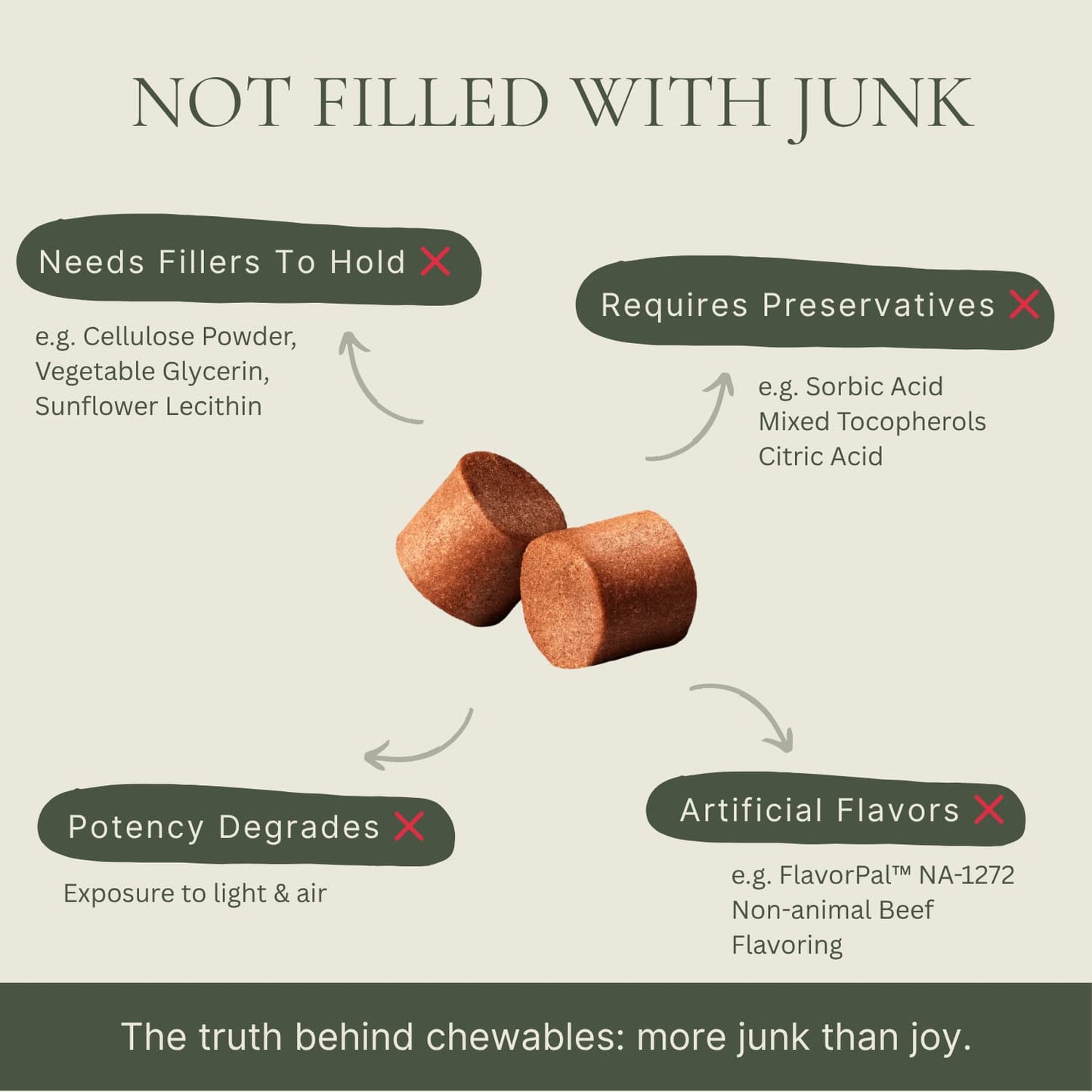
Visual ingredient map showing formulation transparency connected to what to do if my dog keeps scratching.

Why Owners Search for Pet Gala Solutions for Dog Skin Irritation

If you’re searching dog keeps scratching try pet gala for itchy skin paws irritation relief, you’re likely looking for something that feels both credible and practical. Credible means it aligns with what veterinary dermatology recognizes: itch can be driven by allergy, infection, parasites, and skin barrier disruption. Practical means it fits daily life and produces visible reassurance—less licking, fewer flakes, a coat that looks cared-for.

Research in dogs supports that targeted nutrition and related approaches can reduce itch in some allergic contexts, including controlled trials showing improvements in pruritus measures (de Santiago MS, 2021). Still, no supplement replaces diagnosis. The smartest plan is layered: rule out urgent causes, then support the skin’s outward condition consistently.

Pet Gala™ is built for that layered reality—supporting skin, coat, and nails as a daily standard, so your dog’s comfort reads clearly in their appearance (related: Collagen for Dogs).

Paw Irritation Patterns: Why Feet Take the First Hit

If your dog keeps scratching and paws are the main target, think in “contact zones.” Paws touch grass, sidewalks, cleaning residues on floors, and winter de-icers. That exposure can show up as toe redness, staining from licking, or a dog that chews between toes after walks. Allergic pododermatitis is a common pattern, and topical approaches aimed at itch signaling have been studied for paw-focused irritation (Serra Fabregat X, 2023).

Visible care can be simple: rinse paws after outdoor time, dry thoroughly (especially between toes), and keep hair trimmed so moisture doesn’t linger. If nails are brittle or the paw pads look rough, it’s another cue that the “outer layer” needs support, not just the immune story.

For owners searching top remedies for dog itching and paw irritation, the best plan often blends environmental reduction with daily skin-and-coat support. Pet Gala™ fits that rhythm by supporting a polished, comfortable look—so paws feel less like a constant project.

“Treat itch like a symptom, and skin quality like a daily standard you can maintain.”

Lab coat visual symbolizing disciplined formulation supporting pet gala solutions for dog skin irritation.

Food, Sensitivities, and the Skin You Can See

Diet can influence how skin looks and feels, especially in dogs with allergic tendencies. In studies of dogs with atopic dermatitis, dietetic foods have been associated with improvements in itch scoring and skin condition, including in controlled trial settings (de Santiago MS, 2021). That doesn’t mean every itchy dog needs a new food, but it does support the idea that consistent daily inputs can change visible outcomes.

If you’re considering a diet change, do it cleanly: one change at a time, slow transitions, and a clear way to track what you see (scratching frequency, paw licking, coat feel). For dogs with suspected food allergy, your veterinarian may recommend a structured elimination diet rather than guesswork.

Pet Gala™ is positioned for owners who want more than a single-nutrient swap: it supports the everyday presentation of skin, coat, and nails alongside a thoughtful diet—so the improvements you’re hoping for show up where you can actually see them.

Shop Now
Premium ingredient tableau framing Pet Gala aligned with how to relieve my dog s scratching and irritation.

Vet Options for Persistent Itch Without Guesswork

When itching is driven by inflammation, veterinarians may use targeted therapies that calm specific immune signals. Anti-cytokine options have been shown to reduce itch and improve skin condition in dogs with atopic dermatitis, with generally favorable safety profiles in clinical use (Wichtowska A, 2025). This is the lane for persistent, moderate-to-severe cases—especially when sleep is disrupted or skin is repeatedly damaged.

Even when prescription care is appropriate, owners still want the “mirror test” to look better: less redness, fewer hot spots, a coat that feels soft again, and paws that aren’t constantly wet. That’s not vanity—it’s reassurance that your dog is comfortable.

Pet Gala™ can sit beside vet-directed plans as daily visible-care support, helping maintain the skin-and-coat look you’re trying to protect while your veterinarian addresses the underlying flare drivers.

Shop Now
Lifestyle shot of dog owner and Pet Gala aligned with what to do if my dog keeps scratching.

Comfort Today, Consistency Tomorrow: a Visible-care Mindset

A practical way to answer “how to relieve my dog s scratching and irritation” is to separate immediate comfort from long-term steadiness. Immediate comfort is about reducing triggers today: clean bedding, gentle bathing when appropriate, and preventing self-trauma. Steadiness is about keeping the skin’s look consistent—fewer swings between “fine” and “raw.”

Track what you can see. A simple weekly photo of paws and belly, plus a note on scratching frequency, often reveals patterns: weekends at the park, a new detergent, or seasonal spikes. This is also the kind of record your veterinarian can use to make faster, cleaner decisions.

Pet Gala™ supports the steadiness side of the equation—daily care that shows up as a calmer-looking coat and more comfortable skin, so you’re not only reacting to the next flare (see: Omega-3-6-9 for Dogs).

Shop Now

Choosing the Right Remedy for the Right Cause

If you’re looking for best treatments for dog scratching and itchy paws, it helps to match the tool to the cause. Flea control is non-negotiable in many regions, even for indoor dogs. Yeast or bacterial overgrowth often needs veterinary diagnosis and prescription therapy. Environmental allergies may respond to a combination of bathing, home cleaning, and vet-directed medications.

There’s also a category of support that isn’t a “treatment” but still changes what you see: daily skin-and-coat care that keeps the outer layer looking smooth and well-kept. That’s where many owners feel the difference in touch—less roughness, less dandruff, less brittle nail feel.

Pet Gala solutions for dog skin irritation are designed for that visible-care lane: supporting skin, coat, and nails as a daily standard, not a once-in-a-while rescue (related: The Best Coat Growth Supplements for Dogs).

Gut-skin Connection and Why Some Dogs Flare Together

Some owners notice itch patterns that seem connected to digestion: soft stool during flares, gassiness, or a dog that looks “off” before the scratching starts. Research in dogs has explored how gut-focused approaches can influence itch, including a placebo-controlled study where an indole-rich postbiotic reduced itching compared with placebo (Sordillo A, 2025).

You don’t need to turn your home into a lab to use this insight. The visible goal is simple: fewer flare days, calmer-looking skin, and a coat that stays soft instead of swinging between dull and greasy. If you’re changing foods or adding supplements, do it one at a time so you can actually tell what helped.

Pet Gala™ supports that “steady look” approach—daily care that complements diet choices and helps your dog’s comfort show on the outside.

Comparison graphic showing what to do if my dog keeps scratching benefits versus typical supplement formulas.

Bathing and Grooming That Leaves Skin Looking Calm

Bathing can be one of the best ways to help a dog with itchy skin and paws—when it’s done gently and with the right frequency. A good bath removes pollen, dust, and residue that can cling to the coat and paws. The wrong bath (harsh shampoo, too frequent, poor rinsing) can leave skin looking tighter, flakier, and more reactive.

Aim for “clean and calm,” not overly stripped. Rinse thoroughly, dry well, and pay attention to the paw webbing and armpits where moisture lingers. If you’re using medicated products, your veterinarian should guide selection and timing—especially if there are open sores or infection concerns.

Pet Gala™ complements grooming routines by supporting the look and feel you’re trying to maintain between baths: a coat that stays soft, skin that looks less reactive, and nails that feel strong and clean.

Shop Now
Open package showing attention to detail consistent with ways to soothe a dog s itchy skin and paws standards.

When to Call the Vet: Red Flags You Shouldn’t Ignore

Call your veterinarian promptly if you see any of these: intense nonstop scratching, bleeding, a strong odor, pus, sudden hair loss patches, ear head-shaking, or a dog that seems tired or feverish. These signs can indicate infection, parasites, or a flare that needs prescription support rather than home soothing.

Also seek help if the itch is disrupting sleep or if paws are swollen and painful. In allergic skin disease, targeted therapies can meaningfully reduce itch and improve skin appearance, and veterinarians have multiple options to tailor to your dog’s needs (Wichtowska A, 2025).

Once the urgent issue is addressed, Pet Gala™ can be part of the daily plan that keeps your dog looking comfortable—supporting skin, coat, and nails so the “good days” are easier to recognize and maintain.

Shop Now

Putting It Together: Daily Support That Shows in Their Coat

If you’ve been searching dog keeps scratching try pet gala for itchy skin paws irritation relief, the most reassuring approach is a two-part mindset: identify the driver, then support the visible condition. Identification is flea control, allergy evaluation, infection checks, and noticing patterns. Visible-condition support is the daily care that keeps skin looking calm, coat feeling soft, and paws less reactive to normal life.

That’s why many careful owners choose a product even when they’re already doing “the right things.” A supplement can’t replace diagnosis, but it can support the outward signals you care about: comfort you can see, grooming that feels rewarding again, and a dog that looks present instead of preoccupied.

Pet Gala™ is designed to support that everyday standard—skin, coat, and nails that look well-kept—so relief isn’t only a moment, it’s a look you can maintain.

“Good care shows up in the small things: comfortable paws, clean nails, and a well-kept coat.”

Educational content only. This material is not a substitute for veterinary advice. Always consult your veterinarian about your dog’s specific needs. These statements have not been evaluated by the Food and Drug Administration. Products mentioned are not intended to diagnose, treat, cure, or prevent any disease.

Glossary

  • Pruritus: The medical term for itching, including scratching, licking, or chewing behaviors.
  • Atopic Dermatitis: A common allergic skin condition in dogs that can cause recurring itch, redness, and ear or paw involvement.
  • Allergic Pododermatitis: Allergy-associated inflammation of the paws, often seen as toe redness and persistent licking.
  • Skin Barrier: The outer protective layer of skin that helps retain moisture and reduce irritant penetration; when compromised, skin can look dry or reactive.
  • Secondary Infection: Bacterial or yeast overgrowth that develops on irritated skin, often worsening odor, redness, and itch.
  • Flea Allergy Dermatitis: An allergic reaction to flea saliva that can cause intense itch even with few fleas present.
  • Contact Irritation: Skin inflammation triggered by direct exposure to irritants like cleaning residues, lawn treatments, or scented detergents.
  • Elimination Diet: A veterinarian-guided feeding trial using limited or hydrolyzed ingredients to evaluate food allergy contribution.
  • Hot Spot (Acute Moist Dermatitis): A rapidly developing, wet, painful skin lesion often triggered by scratching or licking.

Related Reading

References

De Santiago MS. Randomized, double-blind, placebo-controlled clinical trial measuring the effect of a dietetic food on dermatologic scoring and pruritus in dogs with atopic dermatitis.. PubMed. 2021. https://pubmed.ncbi.nlm.nih.gov/34798876/

Witzel-Rollins A. Non-controlled, open-label clinical trial to assess the effectiveness of a dietetic food on pruritus and dermatologic scoring in atopic dogs.. PubMed. 2019. https://pubmed.ncbi.nlm.nih.gov/31253166/

Serra Fabregat X. Efficacy and tolerance of a novel topical TRPV-1 channel antagonist in dogs with allergic pododermatitis.. PubMed. 2023. https://pubmed.ncbi.nlm.nih.gov/37309264/

Sordillo A. An Indole-Rich Postbiotic Reduces Itching in Dogs: A Randomized, Double-Blinded Placebo-Controlled Study.. PubMed Central. 2025. https://pmc.ncbi.nlm.nih.gov/articles/PMC12291873/

Wichtowska A. Anti-Cytokine Drugs in the Treatment of Canine Atopic Dermatitis.. PubMed Central. 2025. https://pmc.ncbi.nlm.nih.gov/articles/PMC12652870/

Pion. Traditional and nontraditional effective and noneffective therapies for cardiac disease in dogs and cats. 2004. https://www.sciencedirect.com/topics/veterinary-science-and-veterinary-medicine/canine-medicine

FAQ

Why does my dog keep scratching mostly at night?

Night scratching often stands out because the house is quiet and your dog has fewer distractions. Dry indoor air, allergens on bedding, fleas, or early skin infection can all feel itchier when your dog settles. If sleep is disrupted, it’s worth checking paws, belly, and ears for redness or odor.

If the pattern persists more than a few days, ask your veterinarian about allergy and parasite control. For daily visible-condition support between grooming and vet care, Pet Gala™

What should I do if my dog keeps scratching suddenly?

A sudden spike in scratching points to a new trigger: fleas, a fresh environmental exposure, a new shampoo, or contact with treated grass or floors. Do a quick check for flea dirt, look between toes, and scan for hives or rapidly spreading redness. Avoid applying human creams because licking can create problems.

If you see swelling, oozing, or your dog can’t settle, call your veterinarian. For ongoing daily support when the goal is calmer-looking skin and coat, consider Pet Gala™

Is paw licking the same as itchy skin irritation?

Paw licking is often itch expressed in a focused way, but it can also reflect pain, anxiety, or contact irritation. Look for toe redness, staining, damp fur, or a “between-the-toes” chew pattern. Paws are high-exposure zones, so allergens and residues can trigger repetitive licking.

If there’s swelling, odor, or limping, involve your veterinarian. For daily visible-condition care that supports comfortable paws and a well-kept coat, Pet Gala™

How can I tell allergies from fleas or mites?

Allergies often show as recurring paw licking, face rubbing, ear irritation, and seasonal patterns. Fleas may cause intense itch with minimal visible fleas, especially near the tail base. Mites can cause crusting, hair loss, and persistent itch that doesn’t match the season.

Because these can overlap, your veterinarian’s exam and testing can save time. For a daily routine that supports the visible comfort you’re aiming for, Pet Gala™

How long should I wait before calling my vet?

Call promptly if you see bleeding, oozing, swelling, a strong odor, head shaking, or if scratching disrupts sleep. If the itch is mild but persistent, a good rule is to call if it lasts more than a week or keeps returning in the same spots.

Veterinary care can address infections and allergy flares more cleanly than trial-and-error at home. For daily visible-condition support alongside vet guidance, Pet Gala™

What are the best ways to help a dog with itchy skin and paws?

Start with visible, low-risk steps: consistent flea prevention, rinsing and drying paws after outdoor time, washing bedding weekly, and using gentle dog-safe grooming products. Keep nails trimmed to reduce skin damage from scratching. Track patterns so you can connect flares to seasons, walks, or household products.

If redness, odor, or sores appear, your veterinarian should guide next steps. For daily support that helps maintain calm-looking skin and a soft coat, Pet Gala™

How to relieve my dog s scratching and irritation safely?

Safe relief starts with preventing self-trauma: trim nails, consider an e-collar if chewing escalates, and keep paws clean and dry. Avoid human anti-itch creams unless your veterinarian approves, since licking can cause GI upset or toxicity. Gentle bathing can remove allergens, but over-bathing can worsen dryness.

If symptoms persist or worsen, get a veterinary exam to rule out infection or parasites. For daily visible-condition support as you stabilize the routine, Pet Gala™

Can diet changes reduce itching and paw irritation in dogs?

In some dogs, yes—especially when food sensitivity or atopic dermatitis is part of the picture. Dietetic foods have been studied in itchy dogs, with reports of improved itch and skin scoring in clinical settings(Witzel-Rollins A, 2019). Results vary, and switching foods repeatedly can make patterns harder to interpret.

If food allergy is suspected, your veterinarian may recommend a structured elimination diet. For daily support focused on visible skin-and-coat condition during changes,Pet Gala™

Are there top remedies for dog itching and paw irritation at home?

At home, the most dependable remedies are environmental and grooming-based: rinse paws after walks, dry between toes, wash bedding, and reduce fragrance-heavy cleaners. Keep a simple log of flare days. These steps can reduce daily triggers even when allergies are the underlying driver.

Skip DIY essential oils and human ointments unless your veterinarian approves. For daily visible-condition support that complements home routines, Pet Gala™

When is scratching a sign of infection or yeast overgrowth?

Think infection when itching is paired with odor, greasy scaling, pustules, oozing, or rapidly worsening redness. Yeast often concentrates in paws, ears, and skin folds and may come with a distinctive smell. These problems usually need veterinary diagnosis and prescription treatment.

Home soothing alone can delay improvement if infection is present. After treatment, daily visible-condition support can help maintain a calmer look, including Pet Gala™

Is Pet Gala™ safe to use daily for itchy dogs?

Daily use is typically chosen for consistency—because skin and coat appearance responds best to steady routines, not occasional bursts. That said, any supplement can be a poor fit for an individual dog, especially with complex medical histories or multiple medications.

If your dog is pregnant, nursing, very young, or has chronic disease, ask your veterinarian before starting anything new. For everyday visible-condition support, many owners choose Pet Gala™

Can Pet Gala™ replace allergy medication or prescription treatments?

No—supplements are best viewed as supportive care, not a substitute for diagnosis or prescription therapy. In moderate-to-severe allergic skin disease, veterinarians may use targeted treatments that reduce itch and improve skin condition. Those tools address the flare driver more directly than a beauty-support product can.

Where support products shine is in maintaining the visible standard you want between flares: softer coat feel, calmer-looking skin, and stronger nails. That’s the role of Pet Gala™

What results timeline should I expect for itchy skin support?

Timeline depends on the cause. Parasites or infection can improve quickly once treated, while allergy patterns often improve in steps. For visible-condition support, owners typically watch for small changes first: less paw licking after walks, fewer flakes, and a coat that feels smoother during brushing.

If itch worsens or sores appear, don’t wait—get a veterinary exam. For steady daily support aimed at visible comfort, Pet Gala™

Do certain breeds get itchy paws and skin more often?

Yes. Many breeds are predisposed to allergic skin disease, and some have body shapes that create moist skin folds where irritation can build. Breed risk doesn’t guarantee a problem, but it can explain why a dog’s skin needs more consistent upkeep to stay calm-looking.

If your dog has recurring paw or ear issues, ask your veterinarian about an allergy plan. For daily visible-condition support that fits breed-prone skin, Pet Gala™

Can puppies use supplements for scratching and skin irritation?

Puppies can scratch for many reasons—parasites, new environmental exposures, or sensitive skin. Because young dogs are still developing and may be on vaccines, deworming, or special diets, it’s best to check with your veterinarian before adding supplements.

If a puppy has hair loss, crusting, or intense itch, get an exam rather than guessing. For daily visible-condition support when your veterinarian approves, Pet Gala™

Can senior dogs develop new itching and paw irritation?

Yes. Seniors can develop new allergies, dry skin, or secondary infections, and they may groom less effectively. New itch in an older dog deserves attention because endocrine disease, medication effects, or chronic infections can change skin quality and comfort.

A veterinary exam helps rule out underlying contributors. For daily visible-condition support that complements senior care routines, Pet Gala™

Can I use Pet Gala™ with other supplements or foods?

Many owners combine products, but “more” isn’t always better. Overlapping ingredients can complicate sensitive stomachs and make it harder to tell what’s helping. If your dog is on a prescription diet or multiple supplements, ask your veterinarian to review the full list.

Introduce new items one at a time and watch stool, appetite, and skin appearance. For a streamlined daily visible-condition routine, Pet Gala™

What side effects should I watch for with skin supplements?

The most common issues are digestive: soft stool, gas, or reduced appetite after a new product. Any new itching, hives, or facial swelling should be treated as urgent and discussed with a veterinarian. Stop the new product and seek guidance if you see concerning changes.

If your dog has chronic disease or takes medications, check for compatibility before starting. For daily visible-condition support with a simple routine, Pet Gala™

How does gut health relate to itchy skin in dogs?

In some dogs, gut and skin seem to move together—especially in allergic contexts. Research has shown reduced itching in dogs given an indole-rich postbiotic compared with placebo, suggesting gut-focused support can influence visible itch outcomes in certain cases(Sordillo A, 2025). This doesn’t mean every itchy dog has a gut problem, but it’s a useful lens.

If you’re changing diet or adding support, do it gradually and track what you see on the skin and paws. For daily visible-condition support alongside diet choices,Pet Gala™

What quality signals matter when choosing an itchy skin product?

Look for clear labeling, consistent manufacturing standards, and a product purpose that matches your goal: visible skin-and-coat condition, not miracle claims. Be wary of products that promise to cure allergies or replace veterinary care. The best choices fit into a routine you can actually maintain.

If your dog has complex medical needs, ask your veterinarian to review the plan. For daily visible-condition support designed for skin, coat, and nails, Pet Gala™

Is this page about dog keeps scratching try pet gala for itchy skin paws irritation relief?

Yes. dog keeps scratching try pet gala for itchy skin paws irritation relief reflects a common owner need: credible ways to reduce scratching while supporting the visible comfort of skin and paws. The most reliable approach is layered—rule out parasites and infection, manage allergy triggers, and keep daily care consistent.

That’s where a daily skin-and-coat routine can matter, even for science-minded owners. For visible-condition support that complements veterinary care, Pet Gala™

5K+ Happy Pet Parents

Excellent 4.8

Dog Keeps Scratching? Try Pet Gala™ for Itchy Skin, Paws & Irritation Relief | Why Thousands of Pup Parents Trust Pet Gala™

"It's so good for his coat, and so easy to mix into food."

Alex & Cashew

"Gives him that glow from head to tail!"

Elisabeth & Chai

"The scratching is completely gone, his coat looks healthy and shiny."

Lena & Bear

"Magical. He was struggling with itching and shedding. Now he's literally glowing."

Grace & Ducky

"It's so good for his coat, and so easy to mix into food."

Alex & Cashew

"Gives him that glow from head to tail!"

Elisabeth & Chai

"The scratching is completely gone, his coat looks healthy and shiny."

Lena & Bear

"Magical. He was struggling with itching and shedding. Now he's literally glowing."

Grace & Ducky

"It's so good for his coat, and so easy to mix into food."

Alex & Cashew

"Gives him that glow from head to tail!"

Elisabeth & Chai

"The scratching is completely gone, his coat looks healthy and shiny."

Lena & Bear

"Magical. He was struggling with itching and shedding. Now he's literally glowing."

Grace & Ducky

"It's so good for his coat, and so easy to mix into food."

Alex & Cashew

"Gives him that glow from head to tail!"

Elisabeth & Chai

"The scratching is completely gone, his coat looks healthy and shiny."

Lena & Bear

"Magical. He was struggling with itching and shedding. Now he's literally glowing."

Grace & Ducky

SHOP NOW