
Cat Shampoos for Dry Skin: When to Bathe and Which Format Fits
As Seen On








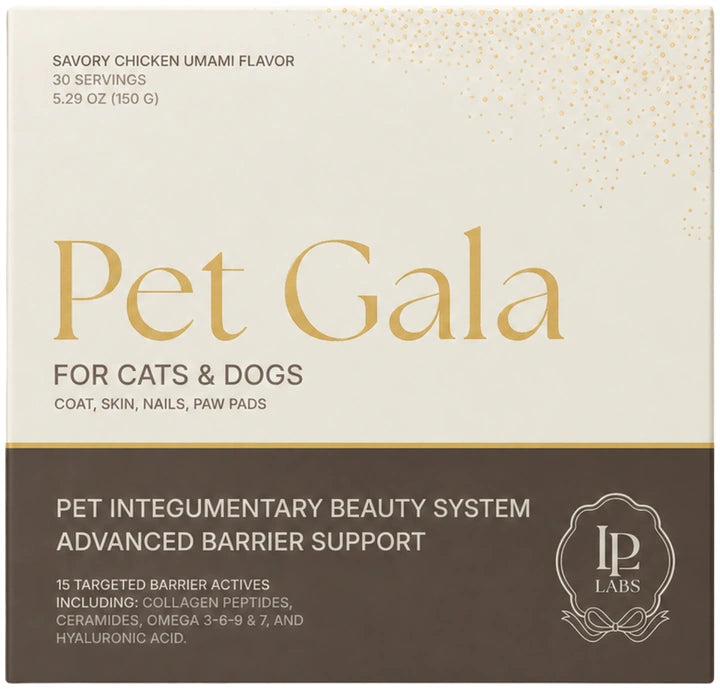
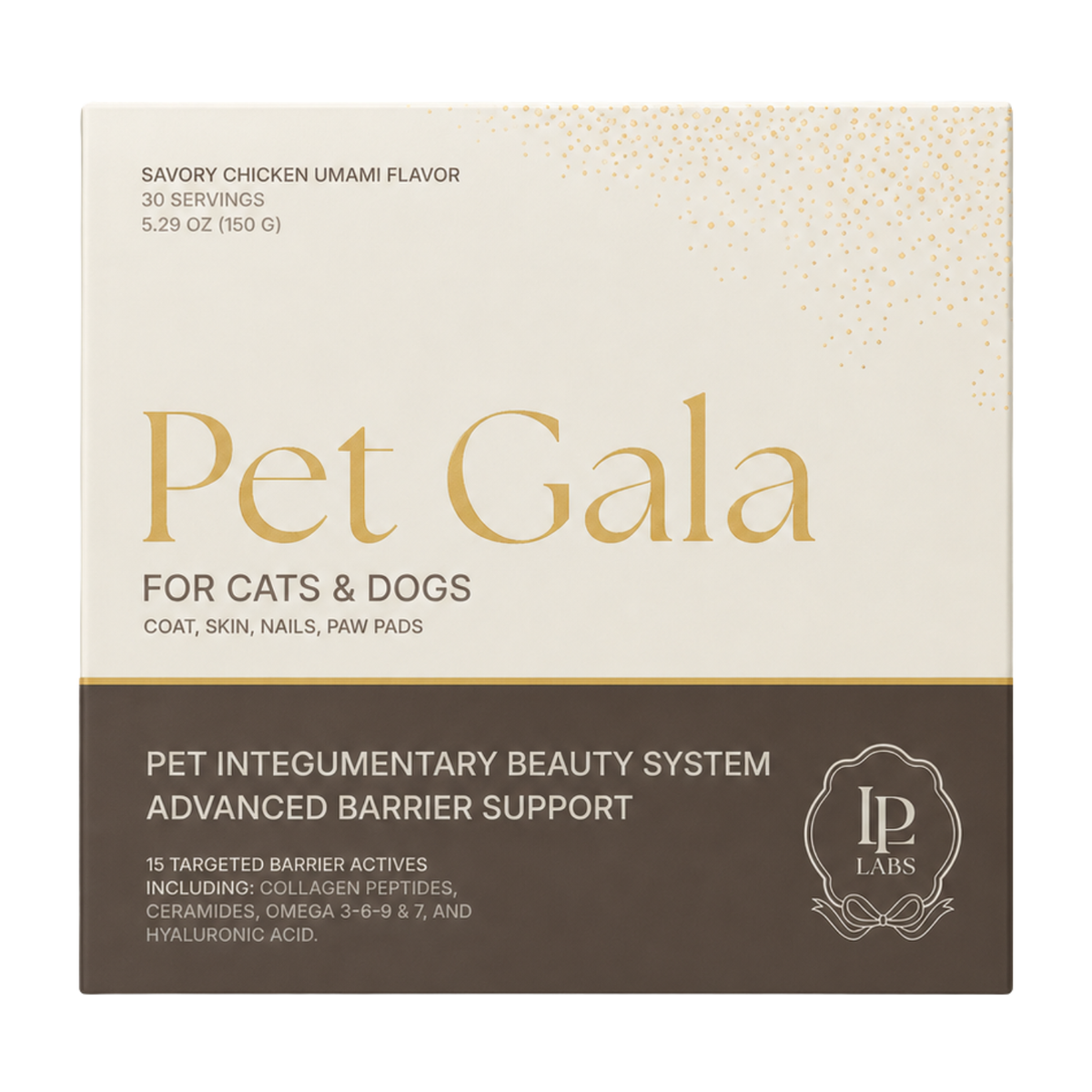
15 science-backed barrier actives
Contents

Conditioning cat shampoo: washing and conditioning together

Waterless foam: a limited-cleanup alternative

DVM Voice: Clinical Vignette of When Skin Changes Point Deeper Than the Surface
Case provided by Sarah Calvin, DVM
Maverick, a 4-year-old Siamese cat, was brought in for hair loss across his lower abdomen and red, flaky skin lesions that had progressed over the previous month. His owners were unsure whether he was itchy or overgrooming.
Examination showed broken hairs, abdominal alopecia, and lesions consistent with bacterial skin infection. Testing found no fleas on combing and was negative for FeLV/FIV; fungal testing was also part of the workup. Because his grooming pattern suggested deeper discomfort, his veterinarian continued the workup.
Radiographs and urinalysis revealed bladder stones, crystalluria, and blood in the urine. Maverick’s overgrooming was linked to urinary pain — a case where skin changes were secondary to an internal problem.
His care required a staged plan: stabilizing the skin infection, surgically removing the bladder stones, managing pain, transitioning to a therapeutic diet, and supporting skin-barrier recovery with appropriate nutrition and fish oil.
Hair regrowth began by 8 weeks. By 6 months, his coat had fully recovered, with no recurrence after the urinary issue was resolved.
Editorial takeaway: Maverick’s case shows why feline coat loss and overgrooming deserve careful veterinary investigation. Skin and coat health can reflect pain, stress, nutrition, infection, barrier weakness, or internal disease — not just surface-level grooming behavior.
Single-case vignette. Not generalizable. Veterinary diagnosis and oversight are essential for overgrooming, hair loss, skin lesions, urinary signs, pain, or suspected infection.
References
Numbered references identify the sources used for specific claims. Read the study design, species and evidence boundaries alongside each finding.
-
Pet Gala Barrier System: formula and directions. Species/context: dog, catEvidence boundary: Manufacturer information used for the identified product’s design, composition and intended use.↩ 1 · ↩ 2

Discover LPL-01: How This Fits Into a Complete Feline Integumentary Support System
Skin, coat, and nails in cats are not surface traits. They reflect deeper biological systems—barrier integrity, hydration dynamics, lipid balance, and structural protein turnover—working in coordination.
When these systems drift, the signs are subtle but telling: reduced coat softness, increased shedding, dryness, brittle claws, changes in grooming behavior.
This article explores one piece of that system. If you want to understand how true coat quality and skin resilience are built in cats—and what actually drives visible improvement—you need to zoom out.
Start with the underlying science:
- Feline Skin & Coat Framework →
A structured view of how skin, coat, and claw health are maintained across collagen synthesis, lipid nourishment, and barrier function. - Barrier Protection Coverage Modeling →
A systems-level map of which integumentary pathways are most vulnerable—and how layered nutritional inputs can support them. - 2026 Market Research: Best Cat Skin & Coat Supplements →
A feline-focused review of skin and coat formulas shaped by grooming behavior, barrier resilience, coat softness, ingredient quality, and daily usability. - LPL-01 Standard →
The formulation system that translates these models into real-world supplementation—covering multiple pathways in a coordinated way.
Keep exploring
What would you like to understand next?
Search practical guides about skin, coat, barrier health, ingredients, and daily care for cats.