Bengal Cat Skin Allergy Remedy

Pinpoint the Itch Trigger and Rebuild Barrier Function for Lasting Comfort

Essential Summary

Why is a Bengal cat skin allergy remedy important?

A bengal cat skin allergy remedy works best as a layered routine: reduce triggers, calm flare patterns, and support a polished coat you can see and feel. Vet guidance helps rule out infections and pinpoint causes, while daily grooming, gentle topical care, and skin-focused nutrition keep comfort visible between appointments.

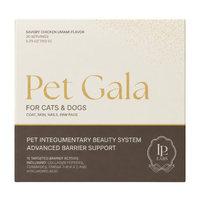
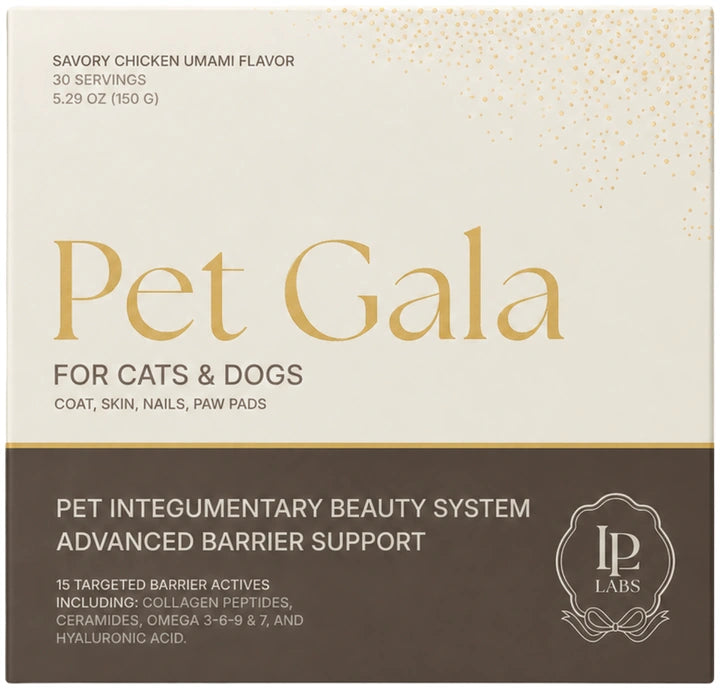
Pet Gala™ is designed for owners who want skin comfort to show up as a smoother coat, less flaking, and a well-kept look day after day. It fits alongside veterinary plans and home care rituals, supporting the skin, coat, and nails as visible signals of consistent care.

A Bengal’s coat is a statement: sleek, reflective, and unmistakably intentional. When skin allergies enter the picture, the change can feel personal—because the first thing you notice isn’t a lab result, it’s the look and feel of your cat. Maybe the fur along the belly looks thinned from licking. Maybe you feel tiny scabs when your hand moves down the spine. Maybe the coat has lost that clean, satin finish that makes Bengals look so composed.

Searching for a bengal cat skin allergy remedy is often a search for reassurance: a way to help your cat feel comfortable, and to see that comfort reflected in their everyday presentation. The most reliable approach is not a single “fix,” but a layered routine that addresses both the trigger and the skin’s visible condition. Fleas, food sensitivities, and indoor allergens can all create similar patterns, and secondary infection can amplify itch until the coat can’t recover its smoothness.

Here’s the commercial truth that still respects science: even with excellent veterinary care, owners still want a daily layer that keeps the coat polished between appointments and between flare-ups. That’s why skin-and-coat support remains relevant. It doesn’t compete with diagnosis or prescription options; it complements them by supporting the visible signals you actually live with—softness, shine, and a calmer grooming pattern. This page walks through practical bengal cat skin allergy relief methods, what to discuss with your veterinarian, and where consistent supplement support can fit without overpromising.

By La Petite Labs Editorial, ~15 min read

Featured Product:

  • Start with what you can see: over-grooming, scabs, dandruff, and coat breakage often signal allergic skin.
  • Rule out common drivers early—fleas, food reactions, and secondary infection can mimic “seasonal allergies.”
  • Environmental cleanup matters because indoor allergens persist; cleaner air and bedding can reduce flare days.
  • Vet-guided options may include itch control or immunotherapy discussions when avoidance isn’t enough (Yepes-Nuñez, 2023).
  • Gentle topical routines can remove surface irritants and help the coat feel cleaner and more comfortable (Kvaternick, 2014).
  • Supplements can support visible coat quality and skin comfort as part of a daily maintenance layer (McDonnel SJ, 2014).
  • The best plan is consistent and observable: fewer new scabs, less licking, and a sleek, well-kept Bengal.

Visible Comfort for Bengals with Sensitive, Itchy, Easily Disrupted Skin

When people search for a bengal cat skin allergy remedy, they’re usually describing what they can see: over-groomed patches, tiny scabs along the neck, a duller coat, or a cat who can’t fully relax. Bengals are famously meticulous, so itch and irritation often show up as “too much” grooming rather than obvious redness. The most useful starting point is separating triggers (fleas, food, environment, contact irritants) from the skin’s day-to-day presentation—because both can be addressed without pretending there’s one magic fix (Diesel, 2017).

A veterinarian can confirm whether you’re dealing with allergy-driven dermatitis, secondary infection, or a look-alike problem, then outline bengal cat skin allergy treatment options that match your cat’s pattern (Beheshti, 2025). At home, your role is to make comfort visible: fewer scratch sessions, calmer sleep, a smoother feel to the coat, and less debris in the fur. That’s also where consistent skin-and-coat support can matter—because even excellent diets don’t always translate into the polished, comfortable skin you want to see every day (see: The Science Behind the Best Skin and Coat Supplements for Cats).

Coat shine detail showing beauty mechanisms supported by best solutions for bengal cat skin allergies.

Why Bengals Often Show Allergies through Grooming and Coat Changes

Allergies in cats often present as patterns rather than a single symptom: symmetrical hair thinning from licking, small crusts (miliary dermatitis), ear irritation, or chin acne-like bumps. Bengals can be especially “expressive” groomers, so the coat may look uneven before the skin looks red. A good bengal cat skin allergy remedy plan starts with identifying the most likely category—flea allergy, food sensitivity, environmental allergy, or contact irritation—because each one has a different best first move (Diesel, 2017).

Owners often want the best remedy for bengal cat skin allergies, but the most reliable approach is layered: remove the obvious triggers, support the skin barrier, and keep the coat clean and comfortable (related: Hyaluronic Acid for Cats). When those layers work together, the “signal” is visible: less dandruff, fewer scabs, and a coat that keeps its shine between grooming sessions.

Molecular beauty graphic tied to skin and coat support from bengal cat skin allergy relief methods.

Fleas First: the Smallest Trigger with the Biggest Skin Reaction

Fleas are a common reason cats itch, and even a single bite can trigger a dramatic reaction in sensitive cats. Because Bengals often groom intensely, you may not see fleas—only the aftermath: tail-base chewing, scattered scabs, and a coat that looks “moth-eaten.” Consistent flea control and environmental management are core best solutions for bengal cat skin allergies when fleas are involved (Court MH, 2013).

If you’re using prevention and still seeing signs, ask your veterinarian about product choice, household coverage, and whether another pet is reintroducing fleas. The visible goal is straightforward: fewer new scabs week to week, and a tail base that stays smooth instead of constantly reworked by teeth and tongue.

Molecular design image tied to beauty support pathways in bengal cat skin allergy remedy.

Grooming Rituals That Reduce Dander and Support a Sleeker Coat

Grooming is both a clue and a tool. When skin is irritated, Bengals may over-groom to self-soothe, which breaks hairs and roughens the coat. But gentle, regular brushing can also reduce loose fur and dander in the home, lowering the allergen load and supporting a cleaner-looking coat (see: Cat Skin Care).

Aim for a ritual your cat enjoys: short sessions, soft tools, and a calm finish. Watch for “hot zones” where your Bengal flinches—those areas often match the allergy pattern. Over time, the best bengal cat skin allergy relief methods are the ones that make your cat look and feel more at ease: less twitching, less frantic licking, and a coat that lies sleek instead of spiky.

Dog image representing beauty care routines supported by bengal cat skin allergy relief methods.

When It’s Not Just Allergies: Infection, Mites, and Look-alikes

Not every itchy cat has “just allergies.” Yeast or bacterial overgrowth can ride along with allergic skin and make the itch louder, and mites or ringworm can mimic allergy patterns. That’s why a veterinary exam matters: it helps you avoid months of trial-and-error and get the right bengal cat skin allergy treatment options for what’s actually on the skin.

From an owner’s perspective, the difference is visible. When secondary infection is treated, the coat often looks cleaner at the roots, the skin odor improves, and your cat’s grooming becomes more normal. If you’re stuck in a cycle of flare-ups, ask your vet whether infection is part of the picture before you keep rotating shampoos or supplements.

The scratching is completely gone, his coat looks healthy and shiny!

— Lena

He was struggling with itching, now he's glowing.

— Grace

“The goal isn’t perfection. It’s a Bengal who looks comfortable in their own skin.”

Home Care That Reduces Irritants Without Overdoing the Routine

If you’re exploring bengal cat skin allergy home remedies, start with the safest “home” levers: reduce irritants, keep routines steady, and protect the skin from unnecessary friction. Unscented laundry products for bedding, frequent washing of favorite blankets, and wiping paws after balcony or patio time can reduce what gets tracked into the coat.

Skip DIY essential oil blends and harsh vinegar solutions; cats can be sensitive to many household substances. The best home approach is understated: clean environment, gentle contact, and consistent care that keeps the coat looking freshly kept. If you want a “remedy” that fits daily life, choose steps your Bengal tolerates without stress.

Dog headshot symbolizing coat shine and beauty supported by bengal cat skin allergy treatment options.

What a Realistic Timeline Looks Like for Skin and Coat Recovery

Owners often ask how quickly they should see results. With trigger control (like fleas), improvement can be noticeable within weeks, but skin and coat appearance may lag behind because broken hairs need time to regrow and the grooming habit can persist. With environmental management, changes are often subtle: fewer flare days and less “snow” of dandruff on dark surfaces (Court MH, 2013).

Track visible markers weekly: number of scabs you can feel, time spent licking after meals, and whether the coat looks glossy in natural light. This keeps you grounded in real signals rather than guesswork. If nothing shifts after a reasonable trial, that’s information to bring back to your veterinarian.

Canine profile image reflecting coat shine and wellness supported by best solutions for bengal cat skin allergies.

Why Consistent Support Still Matters in a Well-fed, Well-loved Cat

Some households do everything “right” and still see flare-ups, especially in high-energy, high-contact breeds like Bengals. That’s not failure; it’s the reality of allergic skin. The goal becomes consistency: fewer peaks, faster recovery, and a coat that stays presentable even when the environment isn’t perfectly controlled.

This is where supportive products earn their place. A daily supplement can reinforce the look of comfort—softness, sheen, and less brittle breakage—so your cat’s appearance doesn’t swing wildly with every small trigger (related: The Science Behind Cat Hair Growth). It’s the difference between “managed” and “well-kept,” which is what most owners are really after.

Inside-the-box graphic showing beauty blend design supporting bengal cat skin allergy relief methods.

Choosing a Plan That Matches Your Bengal’s Pattern and Lifestyle

If you’re weighing the best remedy for bengal cat skin allergies, it helps to think in categories: immediate comfort, trigger reduction, and visible maintenance. Immediate comfort may involve vet-prescribed itch control; trigger reduction includes flea prevention, diet trials, and cleaner indoor air; visible maintenance is the daily layer—grooming, gentle topical care, and skin-supportive nutrition (Diesel, 2017).

Owners often feel relief when they stop searching for a single “fix” and start building a calm routine. When the routine is right, your Bengal shows it: they settle more easily, the coat reflects light evenly, and you stop finding new scabs every time you pet along the spine.

Indoor Allergens and the Everyday Environment Your Bengal Lives In

If your Bengal’s “allergy season” seems to last all year, it may be because indoor allergens don’t take breaks. Dust mites, molds, and household particles can keep skin reactive, especially when grooming spreads irritants through the coat. Practical changes—HEPA vacuuming, washing bedding, and keeping the cat indoors—can reduce exposure and help the skin look less inflamed and feel less touchy (Beheshti, 2025).

Think of this as staging the environment for a better-looking coat: fewer flakes on dark furniture, less “static” in the fur, and a cat who tolerates petting without twitching. These bengal cat skin allergy relief methods don’t replace veterinary care, but they can make other steps work better by lowering the background noise that keeps skin on edge.

“When triggers are lower and daily care is steady, coat quality becomes the proof.”

Professional uniform showing commitment to quality in support of bengal cat skin allergy treatment options.

Food Sensitivities, Diet Trials, and Clearer Skin Presentation

Food-responsive skin issues can mimic environmental allergies, and Bengals may show it as chronic licking, ear debris, or recurring small scabs. A veterinarian-directed elimination diet trial is the cleanest way to test this, because “switching foods” casually often keeps multiple proteins in play and muddies the result (Kamal MA, 2021).

During a diet trial, the goal is not just fewer symptoms; it’s a more even coat texture and less frantic grooming. If food is part of the picture, your best solutions for bengal cat skin allergies may include a long-term diet that keeps the coat glossy without constant management. If food is not the driver, you’ve still gained clarity—and clarity is comfort.

Shop Now
Premium ingredient tableau framing Pet Gala aligned with best remedy for bengal cat skin allergies.

Prescription Itch Support When Comfort and Sleep Are Affected

Some cats benefit from prescription itch control when discomfort is obvious and the skin can’t settle. One option studied in cats is oclacitinib, a Janus kinase inhibitor used to manage allergic dermatitis and reduce pruritus; in a feline study it was reported as well-tolerated with minimal adverse effects (Lopes, 2019).

Medication decisions should stay vet-guided, especially if your cat has other conditions or is on additional therapies. The most owner-relevant metric is visible: less chewing at the base of the tail, fewer broken hairs, and a calmer expression during rest. When symptoms are controlled, supportive care (grooming, gentle topicals, and nutrition) can finally show up as a coat that looks intentionally cared for.

Shop Now
Woman holding Pet Gala box with her dog, showing daily bengal cat skin allergy treatment options routine.

Immunotherapy Conversations for Identified Triggers and Frequent Flares

Allergen immunotherapy is sometimes considered when a cat’s triggers are identified and avoidance isn’t enough. In people, specific immunotherapy targeting cat dander has shown clinical efficacy in reducing allergy symptoms in a double-blind, placebo-controlled study (Varney VA, 1997). In veterinary dermatology, allergen immunotherapy is also discussed for atopic dermatitis, with benefits that can vary by individual and potential harms that must be weighed (Yepes-Nuñez, 2023).

For owners, immunotherapy is less about “quick relief” and more about steadier days—fewer flare-ups that roughen the coat and interrupt sleep. If your veterinarian raises this option, ask what success looks like in your cat: reduced itch, fewer secondary infections, and a coat that stays smooth between grooming sessions.

Shop Now

Gentle Topicals That Keep the Coat Clean and Less Reactive

Topical care can be a quiet but powerful part of bengal cat skin allergy home remedies—when it’s gentle, cat-appropriate, and used consistently. Medicated or soothing baths, wipes, and leave-on products can reduce surface allergens and help the coat feel cleaner and less “charged,” which may reduce grooming spirals (Kvaternick, 2014).

The best approach is the one your Bengal tolerates: a soft wipe after window time, a rinse-less product for paws and belly, or a bath schedule your vet approves. Avoid essential oils and harsh fragrances, which can irritate feline skin. The visible goal is simple: less dandruff, fewer scabs, and a coat that lies flat and glossy instead of lifted and brittle.

Supplement Support That Shows up as Shine, Softness, and Calm

If you’re comparing the best supplements for bengal cat skin allergies, look for support that aligns with what you can actually see: softer skin, a more even coat, and less breakage from over-grooming. Essential fatty acids are commonly used to support skin and coat quality, and they’re often discussed as part of managing allergic skin presentations (McDonnel SJ, 2014).

Even when a diet is “complete,” some cats still benefit from targeted support because real life includes stress, seasonal shifts, and flare patterns. A well-designed supplement isn’t a replacement for medical care; it’s a daily aesthetic anchor—helping the coat keep its sheen and the skin look calmer between vet visits and grooming sessions.

Comparison layout showing ingredient quality differences relevant to best remedy for bengal cat skin allergies.

Digestive Clues, Microbiome Support, and Coat Quality Signals

The gut-skin conversation is popular for a reason: some owners notice that digestion and coat quality move together. Research interest in probiotics and allergic disease continues to grow, including discussion of a skin-gut axis, though responses can be individual and product-specific (Kong, 2023).

For a Bengal, the “win” is not abstract. It’s a cat who looks freshly groomed for longer, with less flaking and fewer sudden itch bursts after meals or stress. If you try microbiome-oriented support, keep changes simple, introduce one new item at a time, and track visible signals weekly: coat shine, dandruff, and grooming intensity.

Shop Now
Open package showing attention to detail consistent with bengal cat skin allergy relief methods standards.

A Two-track Plan: Trigger Reduction Plus Visible Daily Maintenance

A practical way to decide how to treat bengal cat skin allergies is to build a two-track plan: reduce triggers and elevate the skin’s everyday presentation. Trigger reduction includes flea control, environmental cleanup, and diet trials when indicated (Court MH, 2013). Presentation support includes gentle grooming rituals, topical comfort, and consistent nutrition that keeps the coat glossy even when life isn’t perfect.

This is why a science-minded owner still chooses a skin-and-coat product: it’s not competing with veterinary medicine; it’s the daily layer that shows. When the skin looks calmer and the coat stays sleek, you get reassurance you can see—on the sofa, in photos, and in how your Bengal carries themselves.

Shop Now

When to See the Vet and What Details Help Most

Call your veterinarian promptly if you see open sores, swelling of the face, sudden hair loss in patches, head shaking with dark ear debris, or a strong odor from the skin—these can indicate infection or another condition that needs direct treatment (Beheshti, 2025). If itching is intense or your cat seems restless at night, that’s also a quality-of-life signal worth addressing early.

For day-to-day care, keep notes on what you can observe: where the itching starts, what seasons worsen it, and whether grooming is focused on belly, paws, or tail base. Those details help your vet choose the most fitting bengal cat skin allergy treatment options and help you measure progress in the way that matters most: a comfortable cat with a polished, well-kept coat.

“A good plan reads like calm: fewer flare days, fewer scabs, more shine.”

Educational content only. This material is not a substitute for veterinary advice. Always consult your veterinarian about your dog’s specific needs. These statements have not been evaluated by the Food and Drug Administration. Products mentioned are not intended to diagnose, treat, cure, or prevent any disease.

Glossary

  • Atopic Dermatitis: A chronic, allergy-associated skin condition marked by itch, inflammation, and recurring flare patterns.
  • Miliary Dermatitis: A “sandpaper” feel of small scabs, often along the back or neck, commonly linked with allergies or parasites.
  • Pruritus: The medical term for itching; in cats it often shows up as licking, chewing, or over-grooming.
  • Flea Allergy Dermatitis: A hypersensitivity reaction to flea saliva that can cause intense itch even with minimal flea exposure.
  • Elimination Diet Trial: A veterinarian-guided feeding plan using a limited or novel protein to evaluate food-responsive skin signs.
  • Secondary Infection: Bacterial or yeast overgrowth that worsens itch and odor, often occurring alongside allergic skin.
  • Allergen Avoidance: Practical steps to reduce exposure to triggers (bedding hygiene, indoor air filtration, grooming routines).
  • Topical Therapy: Shampoos, wipes, rinses, or leave-on products used to clean the coat and soothe the skin surface.
  • Allergen Immunotherapy: A veterinarian-supervised approach that aims to reduce sensitivity to specific allergens over time.
  • Skin Barrier Support: Daily care that helps skin look calmer and feel less reactive, often reflected in coat softness and shine.

Related Reading

References

Varney VA. Clinical efficacy of specific immunotherapy to cat dander: a double-blind placebo-controlled trial.. PubMed. 1997. https://pubmed.ncbi.nlm.nih.gov/9291281/

Yepes-Nuñez. Allergen immunotherapy for atopic dermatitis: Systematic review and meta-analysis of benefits and harms. 2023. https://www.sciencedirect.com/science/article/pii/S0091674922013227

Lopes. A blinded, randomized, placebo-controlled trial of the safety of oclacitinib in cats. Springer. 2019. https://link.springer.com/article/10.1186/s12917-019-1893-x

Morales M. In vitro evidence of efficacy and safety of a polymerized cat dander extract for allergen immunotherapy.. PubMed. 2017. https://pubmed.ncbi.nlm.nih.gov/28235411/

Beheshti. Should the Cat Stay Home? A Guide to Managing Cat Allergies. 2025. https://www.mdpi.com/2313-5786/5/2/12

Diesel. Cutaneous Hypersensitivity Dermatoses in the Feline Patient: A Review of Allergic Skin Disease in Cats. 2017. https://www.mdpi.com/2306-7381/4/2/25

Kamal MA. REGN1908-1909 monoclonal antibodies block Fel d 1 in cat allergic subjects: Translational pharmacokinetics and pharmacodynamics.. PubMed. 2021. https://pubmed.ncbi.nlm.nih.gov/34437752/

Court MH. Feline drug metabolism and disposition: pharmacokinetic evidence for species differences and molecular mechanisms.. PubMed. 2013. https://pubmed.ncbi.nlm.nih.gov/23890237/

McDonnel SJ. Pharmacokinetics and pharmacodynamics of suberoylanilide hydroxamic acid in cats.. PubMed Central. 2014. https://pmc.ncbi.nlm.nih.gov/articles/PMC3949138/

Kvaternick. Pharmacokinetics and metabolism of eprinomectin in cats when administered in a novel topical combination of fipronil, (S)-methoprene, eprinomectin and praziquantel. 2014. https://www.sciencedirect.com/science/article/pii/S0304401714001046

Kong. The Pharmacokinetic and Absolute Bioavailability of Cyclosporine (Atopica for Cats®) in Cats. 2023. https://www.mdpi.com/2306-7381/10/6/399

FAQ

What counts as a bengal cat skin allergy remedy?

A bengal cat skin allergy remedy is any safe, consistent step that reduces triggers and improves visible comfort—less scratching, fewer scabs, and a coat that lies smooth. It can include flea control, diet trials, environmental cleanup, gentle topical care, and vet-prescribed itch support when needed.

The most satisfying plans also include daily “maintenance” that keeps skin and coat looking well-kept between flare-ups, which is where supportive nutrition can fit. To reinforce that everyday presentation, many owners pair their routine with Pet Gala™.

Why do Bengals show allergies as over-grooming and hair thinning?

Cats often express itch through licking and chewing rather than obvious scratching, and Bengals are especially diligent groomers. That can create broken hairs, thin patches, and a rougher coat texture even when redness is subtle. It’s also why “allergies” can look like a coat problem first.

A routine that reduces triggers and supports the skin’s look can interrupt the cycle, so the coat stays sleek instead of constantly reworked. For daily skin-and-coat presentation support, consider Pet Gala™.

How can I tell fleas versus environmental allergies in my Bengal?

Flea allergy often concentrates around the tail base and lower back, with small scabs and intense chewing, and you may never see a flea because cats groom them off. Environmental allergies can be more seasonal or more generalized, sometimes involving paws, belly, or ears.

Because patterns overlap, your vet can help confirm the driver and prevent months of guesswork. Alongside prevention and cleaning routines, daily coat-support can help keep the skin looking calmer with Pet Gala™.

What are common bengal cat skin allergy treatment options from vets?

Veterinary plans may include parasite control, treatment for secondary infection, diet trials, topical therapy, and prescription itch control when quality of life is affected. Your vet may also discuss longer-range options like allergen immunotherapy for some cases.

The best outcomes usually combine medical clarity with steady home routines that keep the coat polished and comfortable. For daily skin, coat, and nail presentation support alongside your vet’s plan, use Pet Gala™.

Is oclacitinib ever used for allergic dermatitis in cats?

In a feline study, oclacitinib (a Janus kinase inhibitor) was reported to reduce pruritus associated with allergic skin conditions and was described as well-tolerated with minimal adverse effects(Lopes, 2019). Any use should be veterinarian-directed, since cats vary and dosing decisions are medical.

When itch is controlled, owners often notice the coat stops breaking and starts looking smooth again—making supportive daily care more effective. To reinforce that visible maintenance layer, consider Pet Gala™.

Can allergen immunotherapy help cats with atopic skin allergies?

Allergen immunotherapy is discussed for atopic dermatitis management, but effectiveness can vary and potential harms should be considered with your veterinarian(Yepes-Nuñez, 2023). It’s typically considered when triggers are identified and avoidance plus routine care still leave frequent flare-ups.

Owners often judge success by steadier weeks: less licking, fewer scabs, and a coat that stays glossy between grooming sessions. For everyday skin-and-coat support while you pursue longer-term strategies, use Pet Gala™.

What are safe bengal cat skin allergy home remedies to try first?

Start with low-risk steps: consistent flea prevention, washing bedding, using unscented laundry products, HEPA vacuuming, and gentle brushing to reduce loose fur and dander in the home. These changes can reduce exposure without irritating sensitive feline skin.

Avoid essential oils and harsh DIY mixes, which can worsen irritation. Pair your home routine with daily skin-and-coat presentation support using Pet Gala™.

How do I choose the best remedy for bengal cat skin allergies?

Choose the “best” by matching the remedy to the likely trigger and the severity. If there are scabs, odor, ear debris, or intense itch, start with a vet visit to rule out infection or parasites and to map a plan.

Then build a routine you can sustain: trigger control plus daily maintenance that keeps the coat smooth and comfortable. For that visible maintenance layer, many owners add Pet Gala™.

Are supplements safe for Bengals with itchy, sensitive skin?

Many supplements are used safely in cats, but “safe” depends on the formula, your cat’s health history, and what else they take. Ask your veterinarian if your Bengal has chronic disease, is on prescription itch control, or has a history of GI sensitivity. Introduce only one new product at a time.

The goal is a visible improvement—less flaking, a softer coat, and calmer grooming—without digestive upset. For skin, coat, and nail support designed for daily use, consider Pet Gala™.

What side effects should I watch for with allergy medications?

Side effects depend on the medication, but watch for appetite changes, vomiting/diarrhea, unusual sleepiness, behavior changes, or worsening skin lesions. Report any rapid change to your veterinarian promptly, especially if your cat seems painful or develops open sores.

Once your vet has itch controlled safely, daily maintenance can help the coat recover its smooth, glossy look. For ongoing skin-and-coat presentation support, use Pet Gala™.

Can supplements interact with prescription treatments for allergic dermatitis?

They can, depending on ingredients and your cat’s medications. The safest approach is to share the full ingredient list with your veterinarian, especially if your cat is taking prescription itch control or has liver/kidney concerns. Also avoid stacking multiple new products at once, which makes reactions hard to interpret.

When coordinated thoughtfully, supplements can complement medical care by supporting a smoother coat and calmer-looking skin. For a daily option that fits alongside vet plans, consider Pet Gala™.

Is a bengal cat skin allergy remedy different for kittens?

Yes—kittens have different risk profiles and may be more prone to parasites or contagious skin issues that resemble allergies. A veterinary exam is especially important before assuming “allergies,” because early treatment can prevent a rough coat and persistent scratching habits.

Once your vet confirms the cause, keep home care gentle and consistent so the coat stays soft and even as your kitten grows. For daily skin-and-coat support that suits a care routine, consider Pet Gala™.

Do senior Bengals need different allergy relief methods?

Senior cats may have additional considerations—arthritis that changes grooming patterns, chronic disease that affects medication choices, or thinner skin that irritates more easily. That makes vet-guided selection of treatments and topicals important, especially if symptoms change suddenly.

Supportive care can still be very rewarding: a softer coat, less flaking, and a calmer presence in daily handling. For gentle, everyday skin-and-coat presentation support, consider Pet Gala™.

Are Bengal cats more prone to skin allergies than other breeds?

Any cat can develop allergic skin disease, but Bengals can make it more noticeable because they groom intensely and have a coat that shows texture changes quickly. What matters most is the individual pattern: where lesions appear, whether ears are involved, and how often flare-ups recur.

Instead of assuming breed destiny, focus on consistent routines that keep the coat sleek and the skin comfortable. For daily support that complements your plan, use Pet Gala™.

Is this approach for cats different from dogs with allergies?

Yes. Cats often show allergies through grooming behaviors, miliary dermatitis, and ear or chin issues, while dogs more commonly show redness and scratching. Cats are also more sensitive to certain topical ingredients, so “dog products” should not be used unless your veterinarian approves.

A cat-specific routine keeps the skin calm without overwhelming the senses, and supports a coat that looks clean and even. For feline-focused daily skin-and-coat support, consider Pet Gala™.

How long until I see results from a bengal cat skin allergy remedy?

Timing depends on the driver. Flea control can reduce new lesions relatively quickly, while coat recovery takes longer because broken hairs must regrow and grooming habits can linger. Environmental changes may feel subtle at first—fewer “bad days” rather than an overnight transformation.

Track weekly signals: scab count, licking time, and coat shine in daylight. For steady, day-to-day presentation support while you measure progress, use Pet Gala™.

What quality signals matter most when choosing supplements for skin?

Look for clear labeling, cat-appropriate formulations, and a brand that treats supplements as part of a daily care ritual—not a miracle claim. Consistency and tolerability matter: the best product is the one your cat will take without stress and that doesn’t upset digestion.

Owners also benefit from choosing support aimed at visible outcomes: softness, sheen, and less flaking. For a premium daily option built around skin, coat, and nails, consider Pet Gala™.

How should I give a daily supplement to a picky Bengal?

Keep it calm and predictable: offer it at the same time each day, pair it with a small amount of a familiar food, and avoid “chasing” your cat around the house. If your Bengal is suspicious, start with a partial amount and build up over several days so acceptance feels effortless.

The goal is a routine that supports a sleek coat without turning care into conflict. For an easy-to-integrate daily skin-and-coat support option, consider Pet Gala™.

Can I use gentle baths or wipes for allergy flare-ups?

Yes, if they’re cat-appropriate and your veterinarian agrees. Topical routines can help remove surface allergens and soothe irritated skin, especially when used consistently rather than only during a crisis(Kvaternick, 2014). Avoid heavily fragranced products and anything not labeled for cats.

Choose the lightest-touch method your Bengal tolerates—wipes for paws and belly, or occasional baths if stress is low. For daily support that complements topical care, use Pet Gala™.

When should I call the vet about itchy Bengal skin?

Call promptly if you see open sores, swelling, a strong odor, pus, sudden patchy hair loss, or intense itch that disrupts sleep. Those signs can indicate infection or another condition that needs direct treatment rather than continued home experimentation.

Once your vet has clarified the cause, a steady routine can keep the coat looking smooth and comfortable between visits. For daily skin-and-coat presentation support, consider Pet Gala™.

5K+ Happy Pet Parents

Excellent 4.8

Bengal Cat Skin Allergy Remedy | Why Thousands of Pet Parents Trust Pet Gala™

"Magical. He was struggling with itching and shedding. Now he's literally glowing."

Grace & Ducky

"Improves her skin, fur, nails, and eyes. We're loving it!"

Cat & Miso

"It's so good for his coat, and so easy to mix into food."

Alex & Cashew

"The scratching is completely gone, his coat looks healthy and shiny."

Lena & Bear

"Magical. He was struggling with itching and shedding. Now he's literally glowing."

Grace & Ducky

"Improves her skin, fur, nails, and eyes. We're loving it!"

Cat & Miso

"It's so good for his coat, and so easy to mix into food."

Alex & Cashew

"The scratching is completely gone, his coat looks healthy and shiny."

Lena & Bear

"Magical. He was struggling with itching and shedding. Now he's literally glowing."

Grace & Ducky

"Improves her skin, fur, nails, and eyes. We're loving it!"

Cat & Miso

"It's so good for his coat, and so easy to mix into food."

Alex & Cashew

"The scratching is completely gone, his coat looks healthy and shiny."

Lena & Bear

"Magical. He was struggling with itching and shedding. Now he's literally glowing."

Grace & Ducky

"Improves her skin, fur, nails, and eyes. We're loving it!"

Cat & Miso

"It's so good for his coat, and so easy to mix into food."

Alex & Cashew

"The scratching is completely gone, his coat looks healthy and shiny."

Lena & Bear

SHOP NOW