Beef Gelatin for Dogs

See How Gelatin’s Amino Acids Affect Mobility, Stool Quality, and Skin Resilience

Essential Summary

Why is beef gelatin for dogs important?

Beef gelatin can be a simple add-in for owners who want visible upgrades: a coat that looks glossier, skin that seems more comfortable, and nails that feel less fragile. Because it’s collagen-derived, it’s often chosen as part of a broader routine rather than a standalone fix. Start modestly and prioritize quality.

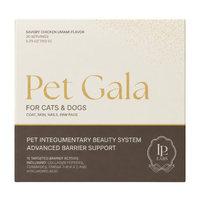
If you like the idea of gelatin but want broader, more noticeable support for skin, coat, and nails, Pet Gala™ is designed for visible daily care—helping your dog look well-kept without relying on a single ingredient.

Beef gelatin for dogs has a particular appeal: it’s simple, familiar, and easy to fold into a meal without changing your whole routine. But the real reason it keeps showing up in conversations is more personal than technical. Owners want visible reassurance. They want a coat that looks freshly cared-for, skin that seems comfortable instead of fussy, and nails that feel clean and strong when it’s time for a trim.

Gelatin is a protein derived from collagen. That connection is why it’s often discussed in relation to joints, skin, and connective tissues. Still, it’s not a shortcut, and it’s not a replacement for complete nutrition or veterinary care when something is truly wrong. The best outcomes come when gelatin is treated as one supportive detail inside a bigger picture: balanced food, steady grooming, and thoughtful add-ons that your dog tolerates well.

A careful, science-minded owner might ask: if gelatin is just one ingredient, why choose a dedicated product at all? Because visible condition is rarely a single-ingredient story. Coat shine, skin comfort, and nail strength reflect a whole system of daily care—what you feed, how you groom, and how consistently you support the skin-and-coat “finish.” That’s where a comprehensive formula can stay relevant: it’s designed to support multiple visible signals at once, without turning your dog’s bowl into an experiment.

By La Petite Labs Editorial, ~15 min read

Featured Product:

  • Beef gelatin is a collagen-derived protein that owners often use for visible coat and skin support.
  • The most meaningful “results” are the ones you can see and feel: softness, shine, and calmer-looking skin.
  • Powder is typically the easiest format to mix into meals without changing your dog’s routine.
  • Start small and introduce slowly; digestive upset is the most common sign you’ve overdone it.
  • If your dog has food sensitivities, treat beef gelatin like any new protein and watch for itch or GI changes.
  • Quality signals matter: plain, unflavored, clearly sourced, and ideally tested for contaminants.
  • A single ingredient can be helpful, but many owners choose a multi-ingredient formula for more cohesive visible care.

Why Beef Gelatin Fits a Visible, Well-kept Daily Routine

Beef gelatin for dogs is often chosen for one simple reason: it shows. When a coat looks freshly polished, when skin seems comfortable instead of fussy, and when nails feel less brittle in your hand, owners feel reassured that daily care is landing. Gelatin is a protein derived from collagen (Robscheit-Robbins FS, 1944), which is why it’s commonly discussed in the same breath as joints, skin, and connective tissues.

Still, gelatin isn’t a magic fix, and it isn’t a complete protein strategy on its own. Think of it as a supportive ingredient that can fit into a broader “visible care” routine: consistent grooming, a balanced diet, and targeted support when your dog’s appearance is telling you something needs extra attention. That’s also why many owners look beyond a single beef gelatin supplement for dogs and prefer formulas designed for skin, coat, and nails as a whole (see: Best Skin & Coat Supplements for Dogs).

Coat shine detail showing beauty mechanisms supported by best beef gelatin for dogs.

What Gelatin Is, and Why Owners Reach for It

Gelatin is made by processing collagen-rich animal tissues into a usable protein. In practical terms, it’s neutral-tasting, easy to mix, and familiar in many kitchens—qualities that make it appealing as a topper. For dogs, owners tend to reach for it when they want subtle, visible upgrades: a coat that feels softer, skin that looks less irritated, and nails that don’t seem to chip as easily (related: Best Supplement for Dog Nails).

Because it’s simple, it’s also easy to over-credit. Gelatin doesn’t replace complete nutrition, and it won’t “fix” underlying skin disease. But as a supportive ingredient, it can fit nicely into a routine where the goal is everyday presentation—your dog looking comfortable, cared-for, and naturally glossy.

Molecular artwork representing beauty foundations supported by beef gelatin supplements for dogs.

Coat and Skin: the First Places Owners Notice a Difference

Owners usually notice skin and coat changes first, because they’re immediate and visual. When a dog’s coat is dull, the color can look flatter; when skin is dry, you may see flakes on dark fur or feel roughness when you pet along the back. These are the moments that drive interest in beef gelatin supplements for dogs.

Gelatin’s appeal is that it’s collagen-derived, and collagen is closely associated with connective tissues (see: Collagen for Dogs). While you should avoid expecting dramatic transformations, many owners like the idea of supporting the “finish” of the coat and the comfort of skin as part of a consistent care ritual—bath, brush, feed, repeat.

Beauty ingredient image emphasizing scientific formulation standards in beef gelatin supplements for dogs.

Nails and Paws: Small Details That Change the Whole Look

Nails are an underrated signal. When nails split, peel, or feel soft, it can change how confidently a dog moves on hard floors and how tidy their paws look between trims. Some owners explore a beef gelatin supplement for dogs specifically because they want nails that feel stronger and look cleaner (related: Biotin for Dogs).

The key is to treat nails as part of a whole picture: regular trims, paw balm when needed, and nutrition that supports healthy growth. If nails are suddenly brittle or breaking, consider a veterinary check to rule out infection or endocrine issues before assuming it’s a simple “add gelatin” problem.

Dog portrait highlighting coat health and steady support from beef gelatin supplement for dogs.

Powder, Granules, or Sheets: Choosing the Format That Fits

Choosing between gelatin formats is mostly about convenience. Beef gelatin powder for dogs mixes into wet food, broth, or homemade toppers. Sheets and granules can work too, but powder is usually the easiest to measure and blend without changing the meal’s vibe.

Look for unflavored gelatin with minimal ingredients. Avoid products with sugar substitutes or added flavors meant for desserts. If you’re comparing the best beef gelatin supplements for dogs, prioritize transparency: clear sourcing, simple ingredient lists, and quality controls that match the standards you’d want for any animal-derived product.

The scratching is completely gone, his coat looks healthy and shiny!

— Lena

He was struggling with itching, now he's glowing.

— Grace

“The best supplement choices are the ones that show up as calm skin, a polished coat, and an easy routine.”

Portioning with Care: Starting Small and Staying Consistent

Portioning should be conservative and individualized. Because dogs vary widely in size and diet, it’s better to start small and let your veterinarian help you decide what “enough” looks like for your dog’s goals and health status. This matters because excessive gelatin intake has been associated with impaired blood protein production in certain settings.

A practical approach: introduce gradually over several days, keep other foods stable, and watch for stool changes or itching. If you’re using beef gelatin for dogs as part of a coat-focused routine, consistency matters more than intensity—steady, modest use beats sporadic heavy use (see: The Best Coat Growth Supplements for Dogs).

Close-up dog showing healthy coat and presence supported by beef gelatin for dogs with allergies.

Side Effects and Tolerance: Knowing When to Pause or Adjust

Possible side effects are usually digestive: softer stool, gas, or reduced appetite if the topper makes meals too rich. These are signals to scale back or pause. If you see swelling, hives, or persistent vomiting, treat it as a potential allergy or intolerance and contact your veterinarian.

It’s also worth remembering that gelatin’s nutritional value should be considered in the context of the whole diet. If gelatin starts displacing balanced food, the overall diet can become less complete. The goal is enhancement, not substitution.

Close-up profile of a dog symbolizing beauty and vitality via beef gelatin for dogs health benefits.

Life Stage Fit: Puppies, Seniors, and Dogs with Special Needs

For puppies, pregnant dogs, and seniors, the bar for “safe and sensible” is higher. These life stages are more sensitive to diet changes, and they often have specific nutritional requirements. If you’re considering beef gelatin supplements for dogs in these categories, get a quick veterinary green light first.

For adult dogs, the decision is usually about priorities: do you want a shinier coat, calmer-looking skin, or a more polished overall appearance? If yes, gelatin can be one piece. If you want broader support that shows across multiple visible signals, a comprehensive skin-and-coat supplement may fit better (related: Dog Skin Care).

Visual ingredient map showing formulation transparency connected to beef gelatin supplement for dogs.

Defining “Best”: What Matters More Than Marketing Claims

If you’re trying to decide what “best” means, focus on outcomes you can actually observe. The best beef gelatin for dogs is the one your dog tolerates well, that fits your feeding style, and that comes from a brand you trust. “Best” is less about hype and more about repeatable, calm results.

Also consider whether you want a single ingredient or a formula built for visible care. Gelatin is collagen-derived, but coat shine and comfortable skin are multi-factor stories. Many owners prefer products that support the whole integumentary picture—skin, coat, and nails—so the results look cohesive, not piecemeal (see: Omega-3-6-9 for Dogs).

When Diet Is Already Solid, What Gelatin Can Still Add

If your dog already eats a complete and balanced diet, adding beef gelatin powder for dogs is less about “filling a deficiency” and more about refining visible condition. Many owners notice that small upgrades in routine—consistent brushing, hydration, and thoughtful add-ins—can change how the coat reflects light and how skin behaves day to day.

The practical question becomes: is your dog’s current look and feel where you want it? If not, a measured, vet-aligned add-on can be reasonable. Keep expectations grounded: gelatin is a collagen-derived protein (Robscheit-Robbins FS, 1944), not a standalone solution. For owners who want a more complete “presentation-first” approach, a multi-ingredient skin-and-coat formula can make more sense than relying on gelatin alone (related: Marine Collagen Peptides for Dogs).

“Start small, watch the signals, and let consistency do the work.”

Lab coat visual symbolizing disciplined formulation supporting beef gelatin for dogs health benefits.

Quality Signals: Sourcing, Testing, and Trustworthy Label Clarity

Quality matters because gelatin is an animal-derived ingredient, and sourcing standards vary. When you’re comparing the best beef gelatin for dogs, look for clear labeling (bovine source, unflavored, no sweeteners), third-party testing when available, and a brand that can answer basic questions about manufacturing.

Owners also increasingly care about contaminant awareness. Research evaluating heavy metals in dog foods highlights that ingredient patterns can influence exposure concerns (Kim HT, 2018). That doesn’t mean gelatin is “unsafe,” but it does support a common-sense preference for brands that test and disclose. The best beef gelatin supplements for dogs are the ones you can trust, not just the ones with the loudest label.

Shop Now
Ingredient spread with supplement box highlighting formulation depth behind beef gelatin for dogs health benefits.

Allergy Considerations: Reading Your Dog’s Skin and Stomach Signals

Beef gelatin for dogs with allergies can be a nuanced choice. “Beef” is a common sensitivity for some dogs, while others tolerate it perfectly. If your dog has a history of food reactions, the safest move is to treat gelatin like any other new protein: introduce slowly, watch closely, and keep everything else stable so you can read the signal clearly.

Also remember that reactions can come from flavorings or additives rather than gelatin itself. Choose plain, unflavored products and avoid blends with unnecessary extras. If your dog is on a strict elimination diet, ask your veterinarian before adding any beef-derived ingredient, even if it seems “simple.”

Shop Now
Home scene with woman and dog featuring Pet Gala and beef gelatin for dogs health benefits.

Digestive Comfort: Texture, Tolerance, and Keeping Meals Enjoyable

Digestive comfort is one of the reasons owners explore gelatin as a kitchen-friendly add-in. Gelatin is widely used as a thickening agent in foods (Robscheit-Robbins FS, 1944), which is why it shows up in recipes for broths, toppers, and soft-set treats. For some dogs, that texture can make meals feel more appealing—especially when appetite is picky.

That said, “more” isn’t automatically better. Overdoing any concentrated protein ingredient can backfire as loose stool, gas, or a meal that’s simply too rich. Keep portions modest, introduce gradually, and treat digestion as a day-to-day readout: comfortable belly, steady stool, and a dog who’s happy to eat.

Shop Now

Movement and Ease: Supporting Everyday Joints Without Overpromising

Joint support is often part of the conversation around gelatin because it’s collagen-derived (Robscheit-Robbins FS, 1944). For owners, the “signal” is not a lab value—it’s how your dog moves in ordinary moments: rising from a nap, hopping into the car, or choosing to play a little longer.

It’s important to keep claims realistic. Gelatin isn’t positioned as a treatment for arthritis or injury, and it shouldn’t replace veterinary care when movement changes suddenly. But as part of a broader routine—healthy weight, appropriate exercise, and supportive nutrition—some owners like gelatin’s simplicity and the way it fits into daily feeding without drama.

Safety First: Who Should Avoid Gelatin and Why Moderation Matters

Safety comes down to context: your dog’s size, overall diet, and medical history. While gelatin is commonly used in food and other applications (Robscheit-Robbins FS, 1944), concentrated use still deserves moderation. Excessive intake has been associated with impaired blood protein production in certain contexts (Robscheit-Robbins FS, 1944), which is one reason “mega-dosing” is not a smart aesthetic shortcut.

If your dog has kidney disease, liver disease, pancreatitis history, or is on a veterinary therapeutic diet, ask your veterinarian before adding any protein-forward supplement. For healthy dogs, the safest pattern is simple: small amounts, slow introduction, and stop if you see itching, vomiting, diarrhea, or unusual lethargy (related: Dog Keeps Scratching? Try Pet Gala™ for Itchy Skin, Paws).

Side-by-side supplement comparison designed around beef gelatin powder for dogs expectations.

Medication Timing and Routine: Keeping Supplement Use Predictable

A common owner question is whether gelatin interacts with medications. Gelatin itself is not typically discussed as a major interaction risk, but supplements can change feeding patterns, and that can matter for drugs that require dosing with food. If your dog takes thyroid medication, seizure meds, or any drug with strict timing, keep your routine consistent and confirm with your veterinarian.

Also consider the “hidden variables”: flavored gelatins, sweeteners, and multi-ingredient chews can introduce ingredients you didn’t intend. If you’re using beef gelatin supplements for dogs, choose plain, transparent formulas and keep the rest of the diet steady so you can tell what’s helping and what’s not.

Shop Now
Unboxing scene highlighting careful delivery and experience aligned with best beef gelatin for dogs.

When to Call the Vet: Red Flags That Deserve Attention

When should you call the vet? Any rapid change in skin (hives, facial swelling, intense itching), repeated vomiting, bloody stool, or sudden stiffness deserves professional attention. Supplements should never be the “wait and see” plan when your dog’s comfort is clearly off.

For slower, cosmetic concerns—dull coat, flaky skin, nails that split—your veterinarian can help you rule out parasites, endocrine issues, or diet imbalance before you chase add-ons. That clarity makes any supplement choice more satisfying, because you’re supporting the right goal instead of guessing.

Shop Now

Putting It Together: a Cohesive Plan for Skin, Coat, and Nails

The most useful way to think about beef gelatin for dogs health benefits is as part of a visible-care stack: grooming, balanced nutrition, and targeted support that makes your dog look and feel well-kept. Gelatin can be a tidy, kitchen-friendly tool, but it’s not the whole story.

If you’re deciding between a single-ingredient gelatin and a broader formula, ask yourself what you want to see: more shine, calmer skin, stronger nails, or a more “together” look overall. Many owners choose a comprehensive approach because it supports multiple visible signals at once—without turning daily care into a complicated project.

“Best is less about hype and more about what your dog wears well every day.”

Educational content only. This material is not a substitute for veterinary advice. Always consult your veterinarian about your dog’s specific needs. These statements have not been evaluated by the Food and Drug Administration. Products mentioned are not intended to diagnose, treat, cure, or prevent any disease.

Glossary

  • Gelatin: A collagen-derived protein that thickens and gels when hydrated.
  • Collagen-Derived: Made from collagen-rich animal tissues; often discussed for connective-tissue relevance.
  • Bovine Sourcing: Indicates the gelatin comes from cattle; important for allergy and transparency considerations.
  • Unflavored Gelatin: Plain gelatin without sweeteners or flavor additives; preferred for dogs.
  • Topper: A small add-in mixed into a meal to change texture, aroma, or perceived palatability.
  • Palatability: How appealing a food is to a dog, often influenced by smell, texture, and fat content.
  • Food Sensitivity: A non-immune adverse reaction to a food ingredient that may show as GI upset or itch.
  • Elimination Diet: A veterinarian-guided diet trial used to identify food triggers by simplifying ingredients.
  • Integumentary System: The skin, coat, and nails—visible tissues that reflect daily care.
  • Third-Party Testing: Independent lab evaluation for quality markers such as purity or contaminants.

Related Reading

References

Robscheit-Robbins FS. GELATIN-ITS USEFULNESS AND TOXICITY : BLOOD PROTEIN PRODUCTION IMPAIRED BY CONTINUED GELATIN BY VEIN.. PubMed. 1944. https://pubmed.ncbi.nlm.nih.gov/19871403/

Kim HT. Evaluation of Arsenic, Cadmium, Lead and Mercury Contamination in Over-the-Counter Available Dry Dog Foods With Different Animal Ingredients (Red Meat, Poultry, and Fish).. PubMed Central. 2018. https://pmc.ncbi.nlm.nih.gov/articles/PMC6209665/

FAQ

What is beef gelatin for dogs, in simple terms?

Beef gelatin is a plain, animal-derived protein made from collagen-rich tissues, processed into a powder or granules that dissolve into food. Many owners use it as a low-fuss topper when they want small, visible upgrades in coat feel or skin comfort.

It’s best viewed as supportive, not as a complete nutrition solution. For broader skin, coat, and nail support that fits a daily routine, consider Pet Gala™.

Why do owners add beef gelatin for dogs to meals?

Owners usually add it for appearance-forward reasons: a coat that looks more polished, skin that seems less reactive, and nails that feel less prone to splitting. Because gelatin is derived from collagen, it’s often associated with connective tissue support in a general sense.

If you want a more comprehensive approach than a single ingredient, a formula designed around visible skin-and-coat signals can be easier to stick with, like Pet Gala™.

Does beef gelatin for dogs help with coat shine?

It can be part of a coat-shine routine, especially when the bigger basics are already handled: balanced diet, regular brushing, and bathing that doesn’t overdry the skin. Gelatin is a collagen-derived protein, which is why owners sometimes pair it with grooming to support a smoother “finish.”

If you’re aiming for a more noticeable, all-over polished look (coat, skin, nails), a broader supplement can be more consistent than relying on gelatin alone, such as Pet Gala™.

Is beef gelatin for dogs safe for everyday use?

For many healthy dogs, modest use can be reasonable, but “safe” depends on your dog’s diet, size, and medical history. Avoid heavy, aggressive dosing; excessive gelatin intake has been associated with impaired blood protein production in certain contexts.

If your dog has kidney or liver disease, pancreatitis history, or is on a therapeutic diet, check with your veterinarian first. For daily visible-care support with a more complete design, consider Pet Gala™.

How much beef gelatin should I give my dog?

There isn’t one universal amount that fits every dog, and it’s best to avoid rigid dosing rules online. Start with a very small amount mixed into food, then adjust only if your dog tolerates it well and your veterinarian agrees it fits your dog’s diet.

If your goal is visible coat and skin support, consistency and tolerance matter more than pushing quantity. For a more structured daily option, many owners choose Pet Gala™.

What side effects can beef gelatin cause in dogs?

The most common issues are digestive: softer stool, gas, or a dog that seems less interested in meals if the topper is too rich. Skin signs like itching or ear flare-ups can also happen if your dog is sensitive to beef.

Stop the add-in and contact your veterinarian if you see vomiting, hives, facial swelling, or persistent diarrhea. For a balanced approach to visible skin-and-coat support, consider Pet Gala™.

Can beef gelatin for dogs with allergies still be used?

Sometimes, but it depends on what your dog reacts to. If beef is a known trigger, a beef-derived ingredient may not be a good fit. If the allergy history is unclear, introduce a tiny amount and keep everything else stable so you can read the response.

Choose plain, unflavored gelatin to avoid extra additives that complicate troubleshooting. For owners who want a more comprehensive skin-and-coat routine, explore Pet Gala™.

Is beef gelatin powder for dogs better than treats?

Powder is often easier to control because you can mix a small amount into the meal and avoid extra calories from treats. It’s also simpler to keep ingredient lists clean—especially if you choose unflavored gelatin with no sweeteners or flavorings.

Treats can still work, but they sometimes include extras that muddy the picture if your dog has sensitivities. For a daily routine built around visible results, many owners prefer Pet Gala™.

How fast will I see results after starting gelatin?

Visible changes tend to be gradual. Some owners notice coat feel or brushing “slip” within a couple of weeks, while nails and overall coat finish may take longer because they reflect growth cycles and grooming consistency.

If nothing changes after several weeks, it may be a sign the issue is elsewhere (bathing routine, diet fit, parasites, or seasonal shedding). For a more complete visible-care approach, consider Pet Gala™.

What should I look for in the best beef gelatin supplements?

Prioritize plain, unflavored gelatin with clear bovine sourcing and minimal processing aids. Avoid dessert gelatins with sweeteners or artificial flavors. If a brand provides third-party testing or quality documentation, that’s a meaningful trust signal.

Because ingredient sourcing can influence contaminant exposure concerns in pet foods(Kim HT, 2018), transparency matters. For a broader skin-and-coat formula built for daily use, consider Pet Gala™.

Can gelatin replace collagen chews or joint supplements?

Not really. Gelatin is collagen-derived, but products marketed for joints often include additional ingredients and are formulated with a specific purpose. If your dog has mobility concerns, it’s best to discuss options with your veterinarian rather than swapping products casually.

Gelatin can still be a simple add-in for appearance-focused goals, but it shouldn’t be treated as a one-stop replacement. For visible skin-and-coat support, consider Pet Gala™.

Will gelatin upset my dog’s stomach if introduced suddenly?

It can. Any concentrated add-in may cause loose stool or gas if you start with too much or change the meal texture abruptly. The simplest way to reduce risk is to introduce a tiny amount and increase only if stools stay normal.

If your dog has a sensitive stomach, keep other foods stable while you test tolerance. For a daily supplement designed around skin-and-coat goals, consider Pet Gala™.

Can I use beef gelatin for dogs on a raw diet?

You can sometimes add gelatin to raw-fed meals, but raw diets vary widely in balance and safety. Because gelatin is a protein ingredient, it can shift the overall nutrient profile if it displaces other components.

If you feed raw, it’s especially valuable to run the full diet by a veterinary professional so add-ons don’t quietly unbalance the plan. For a structured visible-care option, consider Pet Gala™.

Is gelatin okay for senior dogs with picky appetites?

It can be, especially when the goal is to make meals more appealing without adding strong flavors. Some owners like gelatin’s neutral taste and the way it can change texture. Seniors, however, are more likely to have medical conditions that affect protein needs.

If your senior has kidney, liver, or pancreatic concerns, ask your veterinarian before adding it. For a daily routine focused on visible comfort and coat finish, consider Pet Gala™.

Can puppies take gelatin, or should I avoid it?

Puppies have specific growth needs, and their diets are usually carefully formulated to be complete. Adding extras can unintentionally crowd out balanced nutrition. If you’re considering gelatin for a puppy, it’s best to ask your veterinarian first.

If the goal is a healthy-looking coat and comfortable skin during growth, focus on a high-quality puppy diet and gentle grooming. For visible-care support as your dog matures, consider Pet Gala™.

Are there medication interactions I should worry about with gelatin?

Gelatin isn’t commonly flagged as a major interaction, but changing meal composition can affect medications that require dosing with food or consistent timing. If your dog takes thyroid medication, seizure meds, or other tightly managed prescriptions, keep routines steady and confirm with your veterinarian.

Also avoid flavored gelatins that may include ingredients you don’t want alongside medications. For a consistent daily supplement routine, consider Pet Gala™.

Is beef gelatin for dogs the same as collagen powder?

They’re related but not identical. Gelatin is produced from collagen and behaves differently in food (it gels and thickens), while collagen powders are typically hydrolyzed to dissolve more easily. Both are collagen-derived proteins, but they can fit different feeding styles.

If your priority is visible skin-and-coat support rather than kitchen texture, you may prefer a supplement built specifically around those goals, like Pet Gala™.

Can cats use beef gelatin, or is it dog-only?

Cats can sometimes have gelatin in small amounts, but their nutritional needs and sensitivities differ from dogs. If you’re considering it for a cat, it’s best to confirm with your veterinarian, especially if your cat has urinary, kidney, or GI concerns.

For dogs, gelatin is typically used as a simple topper rather than a core nutrient source. For a dog-focused, visible-care routine, consider Pet Gala™.

What does research say about gelatin and dog skin?

In general discussions, gelatin is described as a collagen-derived protein that may be relevant to joints and skin. For pet owners, the practical takeaway is modest: it’s a supportive ingredient, not a diagnosis-level solution for chronic skin disease.

If your dog has persistent itching, odor, or recurrent ear issues, a veterinary workup matters more than any add-in. For daily visible-care support alongside good basics, consider Pet Gala™.

When should I call my vet before using gelatin?

Call your veterinarian first if your dog has kidney or liver disease, pancreatitis history, a prescribed therapeutic diet, or a known beef allergy. Also call if you’re seeing acute symptoms like swelling, repeated vomiting, bloody stool, or sudden stiffness.

For cosmetic concerns like dull coat or flaky skin, your vet can help rule out parasites or endocrine issues so you’re not guessing. For a consistent daily routine that supports visible condition, consider Pet Gala™.

5K+ Happy Pet Parents

Excellent 4.8

Beef Gelatin for Dogs | Why Thousands of Pup Parents Trust Pet Gala™

"It's so good for his coat, and so easy to mix into food."

Alex & Cashew

"Gives him that glow from head to tail!"

Elisabeth & Chai

"The scratching is completely gone, his coat looks healthy and shiny."

Lena & Bear

"Magical. He was struggling with itching and shedding. Now he's literally glowing."

Grace & Ducky

"It's so good for his coat, and so easy to mix into food."

Alex & Cashew

"Gives him that glow from head to tail!"

Elisabeth & Chai

"The scratching is completely gone, his coat looks healthy and shiny."

Lena & Bear

"Magical. He was struggling with itching and shedding. Now he's literally glowing."

Grace & Ducky

"It's so good for his coat, and so easy to mix into food."

Alex & Cashew

"Gives him that glow from head to tail!"

Elisabeth & Chai

"The scratching is completely gone, his coat looks healthy and shiny."

Lena & Bear

"Magical. He was struggling with itching and shedding. Now he's literally glowing."

Grace & Ducky

"It's so good for his coat, and so easy to mix into food."

Alex & Cashew

"Gives him that glow from head to tail!"

Elisabeth & Chai

"The scratching is completely gone, his coat looks healthy and shiny."

Lena & Bear

"Magical. He was struggling with itching and shedding. Now he's literally glowing."

Grace & Ducky

SHOP NOW