Poodle Shedding Solutions

Identify the Trigger Behind Shedding and Rebuild a Stronger Skin Barrier

Essential Summary

Why are poodle shedding solutions important?

Poodles may shed less, but their curls hold loose hair until grooming releases it. The most noticeable improvements come from preventing mats, reducing breakage, and keeping skin comfortable so the coat stays soft and defined. A steady grooming rhythm plus inside-out support can make shedding look calmer and the coat look freshly cared-for.

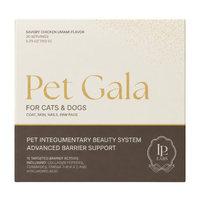
Pet Gala™ supports the visible side of coat care—healthy sheen, natural softness, and strong nails—so your grooming routine shows up as a polished finish, not just a clean coat.

Poodle shedding solutions work best when you first confirm what “shedding” actually is in your dog. With curly coats, loose hairs often don’t fall away right after they detach—they can stay caught in the curl pattern (retention) and then release all at once during brushing, bathing, or drying. Other times, what looks like shedding is breakage: shorter pieces snapping off mid-shaft from friction, heat, or rough handling. And sometimes it’s true shedding from the root.

This page is a quick triage path: a few quick checks you can do at home to sort retention vs breakage vs true shedding, then match the pattern to the most likely causes. You’ll also see clear “when to call the vet” triggers—because sudden coat change, intense itch, inflamed skin, or patchy hair loss should be treated as a medical problem first, not a grooming problem. Start with the simple tests below, track what you find for two weeks, and you’ll make faster, more confident decisions.

By La Petite Labs Editorial, ~15 min read

Featured Product:

  • Poodles often “shed” through coat retention and breakage, not heavy hair drop.
  • A comb test helps you spot mats early and avoid sudden clumps later.
  • Short, frequent grooming sessions keep curls separated and easier to maintain.
  • Conditioning and gentle drying reduce snap, frizz, and towel “shedding.”
  • Friction points from gear and bedding can thin coat areas quietly.
  • Skin comfort influences coat density and shine more than most owners expect.
  • Inside-out support complements grooming so the coat looks consistently well-kept.

Triage Step 1: Is It True Shedding, Coat Retention, or Breakage?

Use observable tests to identify what’s happening before you change routines.

1) Comb-to-the-skin test (retention + mats): Pick a small area behind the ear or at the collar line. With a metal comb, part the coat and comb from skin to ends in short strokes. If the comb won’t reach the skin or you feel “snags,” that’s matting—often a retention clue, because loosened hairs tangle and stay trapped. If you pull out a soft cloud of full-length hairs with intact ends, that also points to retention.

2) Root vs mid-shaft check (true shed vs breakage): Look at what’s coming out. Full-length hairs that taper naturally and seem to release from the base suggest true shedding/normal turnover. Short, uneven pieces (often the same length) suggest mid-shaft breakage.

3) Bath/air-dry comparison: On bath day, collect what comes out during shampooing and again after air-drying or blow-drying. A big “release” mainly after drying commonly indicates retained hair finally letting go.

4) Photo baseline (2 weeks): Take the same-angle photos of ears, neck, tail base, and flanks every 3–4 days. Stable density with periodic fluff release supports retention; progressive thinning suggests true loss or breakage that needs a different plan.

Scientific view of skin barrier tied to coat beauty with poodle shedding tips.

Triage Step 2: Match the Pattern to Likely Causes (and the Right Fix)

Once you’ve identified the pattern, use these cause “buckets” to choose the right next step.

If it’s breakage (short pieces, rough ends, thinning at friction zones): Common drivers include over-brushing, brushing dry coat aggressively, heat from high-temperature drying, or harsh/too-frequent shampooing. Action bucket: reduce friction (harness/collar rub), handle the coat gently, avoid high heat, and reassess how often and how forcefully you brush.

If it’s retention (mats, comb won’t reach skin, big bath-day release): The usual issue is insufficient line-brushing frequency for the dog’s coat length and activity level. Clip length matters: longer coats raise mat risk, especially at ears, armpits, collar line, and tail base. Action bucket: increase line-brushing consistency, keep high-friction areas tangle-free, and consider whether the current clip length is realistic to maintain.

If it’s true shedding (full-length hairs from the root, gradual increase): This can be seasonal turnover or stress-related. Action bucket: track changes alongside routine disruptions, diet changes, or recent illness.

Rule-outs and vet triggers: Do a quick parasites check—look for fleas/flea dirt, and contact your vet if you suspect mites. Call the vet promptly for bald patches, inflamed or oozing skin, intense itch, or endocrine red flags like symmetrical thinning, lethargy, and weight change.

Beauty structure visual linked to skin and coat support mechanisms in poodle shedding tips.

The Grooming Rhythm That Prevents Clumps and Keeps Curls Airy

A consistent grooming rhythm is one of the most effective poodle shedding solutions because it prevents the coat from storing loose hair and turning it into mats. Many owners do a big session once a week, but poodle coats often respond better to shorter, more frequent touchpoints. Think of it as keeping the coat “open” so it stays light, separated, and easy to manage.

A practical baseline is a quick comb-through several times a week, with a more thorough line-brushing session weekly, plus professional grooming on a schedule that matches coat length. If you prefer a longer style, you’ll need more frequent maintenance. If you keep a shorter trim, shedding looks lower because there’s less length to tangle and hold debris.

The visible payoff is immediate: fewer surprise clumps in the bath, less lint-roller drama, and curls that look defined instead of fuzzy.

Molecular structure graphic reflecting research-driven beauty design behind poodle shedding remedies.

Line Brushing Basics for a Cleaner Look and Fewer Tangles

Line brushing is the technique that makes poodle shedding tips actually work. Instead of brushing the surface, you lift a thin “line” of coat and brush from the skin outward, section by section. This removes trapped loose hair and prevents mats from forming near the roots, where they’re hardest to see and most uncomfortable.

Use a light mist of detangler or conditioning spray to reduce friction, then brush gently and follow with a comb. The comb is your confirmation step. If you can comb through the entire body without snagging, you’ve solved the biggest driver of sudden shedding-looking episodes: coat retention. This is one of the best solutions for poodle shedding because it keeps the coat airy and evenly textured.

Dog portrait symbolizing beauty and wellness supported by ways to manage poodle shedding.

Mat Prevention in High-friction Areas That Owners Miss

Mats don’t just look messy; they change how the coat releases hair. Loose hairs get trapped, then come out all at once when you bathe or clip. That’s why owners often feel like shedding “exploded” overnight. If you’re searching for how to reduce poodle shedding, mat prevention is usually the highest-return move.

Focus on friction zones: behind ears, collar line, armpits, inner thighs, and the base of the tail. Keep these areas shorter if you like a longer overall style. If mats are already tight to the skin, avoid yanking with a brush; that can inflame skin and increase breakage. A groomer can safely clip or demat, then you can maintain with a calmer routine at home.

The scratching is completely gone, his coat looks healthy and shiny!

— Lena

He was struggling with itching, now he's glowing.

— Grace

“In poodles, the mess is often trapped hair and breakage—not heavy shedding.”

Dryness Control for Softer Curls and Less Towel “Shedding”

Coat dryness is a common reason poodles look like they’re shedding more. Dry hair snaps, frizzes, and tangles, creating a rough silhouette and more visible fallout on towels and bedding. The fix is not heavy oils that weigh curls down; it’s balanced hydration and slip so the coat stays flexible.

Choose a conditioner that rinses clean and leaves the coat soft, then protect the coat during drying. Rubbing with a towel can create micro-tangles; blotting and controlled drying keeps curl definition intact. If you’re using a dryer, keep it moving and brush in sections. These poodle shedding remedies are less about “stopping hair” and more about keeping each strand intact so the coat looks smooth and well-kept.

Dog photo highlighting coat health and expression supported by poodle shedding remedies.

Skin Comfort Habits That Support a Calm, Well-kept Coat

Skin comfort is the quiet driver behind many shedding complaints. When skin feels itchy or tight, dogs scratch, rub, and roll—actions that loosen hair and break it. Even mild irritation can dull the coat and make it look uneven. If you want effective poodle shedding solutions, aim for a routine that keeps skin calm and the coat easy to touch.

Use gentle, dog-appropriate grooming products, rinse thoroughly, and avoid over-bathing. Watch for signs that need veterinary input: persistent odor, redness, ear debris, or frequent paw licking. Supporting skin and coat from the inside can complement topical care, especially when the coat looks dry despite good grooming.

Canine side view symbolizing beauty confidence supported through poodle shedding tips.

Haircut Choices That Change How Shedding Appears Day to Day

Haircut choices can change how shedding appears. A longer trim can look luxurious, but it also increases the surface area for tangles and trapped hair. A shorter, tidy clip often makes shedding feel “lower” because loose hair has fewer places to hide and mats are less likely to form. Neither is better; the best choice is the one you can maintain without stress.

Talk with your groomer about lifestyle: swimming, hiking, daycare, or frequent harness use. Those details affect coat friction and mat risk. If you’re between grooms and seeing more hair, it may be a sign the coat is simply holding onto loosened strands. Adjusting the trim or adding a mid-cycle tidy can be one of the best solutions for poodle shedding in real life.

Ingredient overview graphic showing what's inside and how how to reduce poodle shedding supports beauty.

Choosing Products You’ll Actually Use Consistently

Owners often ask for the best products for poodle shedding, but the “best” product is the one your dog tolerates consistently. A perfect brush that your poodle hates won’t get used. Start with comfort: a brush that doesn’t scratch, a comb that fits your hand, and a detangler that makes sessions shorter. Consistency is what changes the coat’s day-to-day look.

If your dog is wiggly, try a two-minute routine after walks: quick comb of friction zones, then stop. Over time, that becomes a calm ritual rather than a wrestling match. Pairing this with coat-supportive nutrition can improve the visible payoff—softness, shine, and fewer snapped hairs—so the grooming you do feels worth it.

Tool Upgrades That Reduce Breakage and Make Brushing Feel Easier

Grooming tools can be the difference between a coat that looks airy and one that looks frayed. For poodles, the “best products for poodle shedding” are usually the ones that remove loose hair without snapping it. A slicker brush can be helpful, but only when used lightly and followed by a comb to confirm you reached the base. A greyhound-style metal comb is the truth-teller: if it doesn’t glide, there’s still tangling.

If your dog is sensitive, consider a softer-pin slicker and shorter sessions. A detangling spray can reduce friction, which reduces breakage that owners mistake for shedding. For bathing, choose a gentle shampoo and a conditioner that leaves the coat flexible, not coated. A high-velocity dryer (used carefully) can lift out trapped loose hair and reveal mats early—one of the most effective poodle shedding solutions for busy households.

“A coat that detangles easily is a coat that looks cared-for in everyday light.”

Lab coat visual symbolizing disciplined formulation supporting poodle shedding tips.

Hidden Friction Triggers That Quietly Increase Hair Loss at Home

If shedding suddenly looks worse, it’s worth scanning for “new” friction: a different harness, a sweater, a new bed fabric, or a collar that rubs. Poodle coats break where they’re stressed, and breakage reads like shedding. Check behind the ears, under the armpits, and along the chest strap area. Those are common places where the coat thins even when the dog is otherwise healthy.

Also consider seasonal shifts indoors. Dry heat can make skin feel tight and the coat feel static-y, which increases tangling and snap. A humidifier in the sleeping area and a quick mist-and-comb routine can be surprisingly effective poodle shedding solutions. If you see redness, odor, or persistent licking, involve your veterinarian; comfort and coat appearance are closely linked.

Shop Now
Ingredients around product reflecting beauty support within best products for poodle shedding.

Inside-out Support That Helps Coats Look Softer and More Even

Nutrition is not a magic switch, but it can change the “finish” of a poodle’s coat—how it reflects light, how it feels when you run your hand along the back, and how easily it detangles. When owners ask how to reduce poodle shedding, what they often mean is: fewer loose hairs during brushing, less breakage, and a coat that looks fuller between grooms. Those are visible outcomes that can be supported by consistent, balanced intake of key nutrients.

Look for complete-and-balanced food as the foundation, then think in terms of “support for presentation.” Omega fatty acids, quality protein, and micronutrients that support skin comfort can help the coat feel more pliable and less brittle. Even when a diet meets minimums, some dogs show better coat consistency with targeted support—especially during grooming changes, indoor heating season, or after a haircut when the coat is regrowing.

Shop Now
Lifestyle image showing supplement use in real homes supported by poodle shedding solutions.

Bath and Drying Choices That Keep Curls Defined, Not Frayed

Bathing can either smooth the coat or make shedding look worse, depending on technique. If you shampoo without fully wetting the coat to the skin, product can sit on the surface and increase tangles. If you skip conditioner, curls can feel squeaky and dry, which encourages breakage during drying and brushing. One of the best solutions for poodle shedding is treating bath day as a detangling reset, not just a cleaning task.

Use lukewarm water, work shampoo in sections, and rinse longer than you think you need to. Apply conditioner and comb through gently before rinsing. When drying, blot—don’t rub—then use a dryer while brushing in small areas to keep the coat stretched and separated. This reduces mat formation, which is a major reason poodles “shed” in clumps later.

Shop Now

When Itchy Skin Makes Shedding Look Worse Than It Is

Allergies and sensitivities can show up as coat problems before they look like obvious skin disease. If your poodle is chewing paws, rubbing the face, or scratching the neck, the coat may thin from friction and the skin may produce more debris. Owners then search for poodle shedding remedies, when the real need is comfort and calm skin. You don’t have to guess—your veterinarian can help you sort out parasites, infections, and allergy patterns.

At home, notice the timing: does “shedding” spike after walks in grass, after a new treat, or during certain months? Comfort-focused grooming (gentle brushing, fragrance-free products, thorough rinsing) can reduce irritation. Supportive nutrition can also help the skin look and feel steadier, which often improves the coat’s visible density and reduces breakage.

Life Stage Coat Shifts: Puppies, Adults, and Seniors Compared

Puppy coat changes and senior coat changes can both be mistaken for “sudden shedding.” Puppies often transition from a softer coat to a denser adult curl pattern, and that phase can mat easily. Seniors may develop a drier texture or slower regrowth after grooming. In both cases, the best poodle shedding tips are gentle consistency: shorter brushing sessions, more frequent trims, and a focus on coat flexibility.

If you’re seeing patchiness, bald spots, or a coat that won’t regrow normally, involve your veterinarian promptly. Hormonal conditions, chronic inflammation, and other health issues can change coat quality. For everyday support, many owners find that a skin-and-coat supplement helps the coat look more even and feel less brittle, especially when life stage shifts make grooming feel harder.

Visual breakdown contrasting competitors and quality standards in ways to manage poodle shedding.

Home Tweaks That Keep Hair off Fabrics and Floors

Your home environment can amplify what you perceive as shedding. Dark floors, bright sunlight, and static-prone fabrics make every hair visible. Meanwhile, poodle hair often clings to upholstery because it’s fine and curly. Practical ways to manage poodle shedding include a washable throw on favorite spots, a vacuum with a brush roll designed for pet hair, and a quick daily sweep in high-traffic areas.

Air quality matters too. Dry air increases static and makes coats feel rough; a modest humidity bump can make brushing smoother. If you use scented sprays or heavy detergents on bedding, consider switching to gentler options—some dogs react with itch, which increases coat loss through rubbing. The goal is a home that supports a well-kept look without constant cleanup.

Shop Now
Supplement box revealed in soft light, reflecting premium poodle shedding remedies positioning.

What Progress Looks Like: Shine, Texture, and Easier Detangling

A simple way to judge whether your plan is working is to track visible signals, not perfection. Is brushing taking less time? Are you seeing fewer snapped hairs on the towel? Does the coat look more even along the shoulders and hips? Effective poodle shedding solutions usually show up as easier detangling first, then a softer feel, then a steadier look between grooms.

Take a quick photo in the same lighting every two weeks. Look for shine, curl definition, and areas that used to look thin. If you change multiple things at once, you won’t know what helped. Choose one grooming upgrade and one supportive habit, then reassess. If anything looks inflamed or uncomfortable, pause and ask your veterinarian for guidance.

Shop Now

A Simple Plan That Keeps the Coat Looking Fresh Between Grooms

The best results come from pairing technique with support. Grooming removes what’s already loose; nutrition and skin comfort influence what the coat looks like as it grows and how it behaves day to day. That’s why the “best solutions for poodle shedding” are rarely a single trick. They’re a set of small, repeatable rituals that keep the coat flexible, the skin comfortable, and the curls defined.

If you want a clear decision framework, start with: (1) confirm mats and breakage with a comb, (2) tighten your grooming interval, (3) remove friction points like rubbing gear, and (4) add consistent skin-and-coat support for a smoother, more polished finish. When those pieces align, shedding becomes less dramatic—and the coat looks unmistakably cared-for.

“The best results come from pairing grooming technique with inside-out support.”

Educational content only. This material is not a substitute for veterinary advice. Always consult your veterinarian about your dog’s specific needs. These statements have not been evaluated by the Food and Drug Administration. Products mentioned are not intended to diagnose, treat, cure, or prevent any disease.

Glossary

  • Coat Retention: Loose hairs that stay trapped in curls until brushing, bathing, or clipping releases them.
  • Breakage: Hair snapping mid-shaft from dryness, friction, or rough grooming, often mistaken for shedding.
  • Line Brushing: Section-by-section brushing from skin to ends to remove trapped hair and prevent mats.
  • Friction Zones: High-rub areas (ears, armpits, collar/harness lines) where mats and thinning commonly start.
  • Greyhound Comb: A metal comb used to confirm the coat is detangled down to the skin.
  • Slip: The smooth, flexible feel that lets hairs slide past each other instead of snagging and matting.
  • Mat: A tight tangle near the roots that traps loose hair, debris, and moisture, affecting coat appearance.
  • High-Velocity Drying: Controlled airflow drying that can lift trapped loose hair and reveal tangles early.
  • Coat Finish: The visible look and feel of the coat—shine, softness, curl definition, and even texture.

Related Reading

References

Kim E. Palmar-plantar erythrodysesthesia syndrome resulting from toceranib phosphate in a dog with apocrine gland anal sac adenocarcinoma: a case report.. PubMed Central. 2023. https://pmc.ncbi.nlm.nih.gov/articles/PMC10694368/

German K. Exploratory analysis of nutrient composition of adult and senior dog diets.. PubMed Central. 2025. https://pmc.ncbi.nlm.nih.gov/articles/PMC12757753/

Mansilla WD. Adult dogs of different breed sizes have similar threonine requirements as determined by the indicator amino acid oxidation technique.. PubMed Central. 2020. https://pmc.ncbi.nlm.nih.gov/articles/PMC7085255/

FAQ

What are poodle shedding solutions that work for most homes?

Most homes do best with a simple mix: frequent comb checks, mat prevention in friction zones, and bath routines that leave the coat flexible. Because poodle hair can stay trapped in curls, the goal is to release loose hair regularly rather than waiting for a big “shed” moment.

If you also support skin comfort and coat softness from the inside, grooming tends to feel easier and the coat looks more even between appointments. For daily visible coat support, consider Pet Gala™

Why does my poodle shed if the breed is low-shedding?

“Low-shedding” usually means fewer hairs fall freely, not that hair never loosens. In poodles, loose hair often stays caught in curls until brushing, bathing, or clipping releases it. What looks like shedding can also be breakage from dryness or friction.

The best poodle shedding solutions focus on detangling, reducing snap, and keeping skin comfortable so the coat stays smooth and defined. For inside-out coat support that complements grooming, see Pet Gala™

How to reduce poodle shedding without cutting the coat short?

You can keep length and still reduce the mess by preventing mats and minimizing breakage. Line-brush in small sections, then confirm with a metal comb so loose hair doesn’t stay trapped at the roots. Use a light detangling spray to reduce friction during brushing.

A conditioner that leaves the coat flexible (not squeaky) also helps long styles stay separated. To support a softer, more polished finish between grooms, consider Pet Gala™

Are there effective poodle shedding solutions for sensitive skin dogs?

Yes—start by making grooming feel gentle. Choose fragrance-free or mild products, rinse thoroughly, and avoid over-bathing. Use a soft-pin brush and short sessions to prevent skin irritation that can lead to scratching and coat loss from rubbing.

If you notice redness, odor, or persistent licking, involve your veterinarian to rule out infection or allergies. For daily support that pairs well with a sensitive-skin routine, consider Pet Gala™

What are the best solutions for poodle shedding during winter heating?

Indoor heat can dry the air, increasing static and making the coat feel rough, which raises tangling and breakage. Add humidity where your dog sleeps, switch to gentler laundry products for bedding, and mist-and-comb lightly instead of dry-brushing.

A conditioning bath routine can also restore slip so curls separate cleanly. For inside-out support that helps the coat look smoother in dry seasons, consider Pet Gala™

Which best products for poodle shedding should I buy first?

Buy the basics that confirm results: a metal greyhound-style comb, a gentle slicker brush, and a detangling or conditioning spray. The comb matters most because it tells you whether you reached the base of the coat, where mats start and loose hair gets trapped.

If bath day is part of your routine, add a conditioner that leaves the coat flexible and easy to dry. For daily coat-and-skin support beyond tools, consider Pet Gala™

Do poodle shedding remedies include supplements, or only grooming?

They can include both. Grooming removes what’s already loose and prevents mats, while nutrition and supplementation can support how the coat looks and feels as it grows—softness, shine, and reduced brittleness. Many owners notice the biggest difference when they pair consistent brushing with inside-out support.

Supplements aren’t a replacement for a complete diet, but they can help the coat’s visible finish stay steadier through seasonal or lifestyle changes. For coat-focused daily support, consider Pet Gala™

How long until poodle shedding solutions show visible coat changes?

With grooming changes, you may see faster detangling and fewer clumps within one to two weeks. Coat “finish” changes—like softer feel and more even shine—often take longer because they depend on new growth and steadier skin comfort. Photos in consistent lighting can help you notice subtle improvements.

If shedding suddenly worsens or you see bald spots, check in with your veterinarian. For daily support aimed at visible coat consistency, consider Pet Gala™

Can I use poodle shedding solutions daily without over-grooming?

Yes, if “daily” means brief and gentle. A two-minute comb check in friction zones can prevent mats without stressing skin or coat. Save longer line-brushing for a few times a week, and avoid aggressive brushing on a dry coat, which can increase breakage.

Daily routines work best when they feel calm and predictable for your dog. To complement gentle grooming with inside-out coat support, consider Pet Gala™

Are poodle shedding solutions safe for puppies and seniors?

Most grooming-based approaches are safe when adjusted for comfort: softer tools, shorter sessions, and careful attention to mats. Puppies can mat quickly during coat transitions, and seniors may have drier texture or more sensitive skin, so gentleness matters more than intensity.

For supplements, ask your veterinarian about fit for age, diet, and any medical conditions. For everyday coat-and-skin support designed for visible care, consider Pet Gala™

What poodle shedding tips help with mats behind the ears?

Behind the ears is a high-friction zone from collars, head shaking, and cuddling. Keep that area slightly shorter, mist with detangler before brushing, and line-brush gently from the skin outward. Always finish with a comb; if it snags, there’s still tangling that will trap loose hair.

If mats are tight, a groomer can remove them safely without pulling. For coat flexibility that makes these areas easier to maintain, consider Pet Gala™

Do ways to manage poodle shedding differ for toy and standard?

The principles are the same, but the practical routine changes. Toy poodles often mat quickly in harness areas because the coat is fine and the body is small, while standards may have more coat volume that hides tangles. Both benefit from comb-based checks and consistent grooming intervals.

Choose tools sized to your dog so brushing stays gentle and precise. For daily support that helps the coat look polished across sizes, consider Pet Gala™

Can cats use poodle shedding solutions or Pet Gala™?

Cats and dogs have different grooming needs and sensitivities, so don’t assume a dog plan fits a cat. Many grooming techniques and products aren’t interchangeable, and supplements should be species-appropriate. If you’re considering a supplement for a cat, consult your veterinarian before starting anything new.

For dogs needing coat-focused daily support as part of poodle shedding solutions, you can learn more about Pet Gala™

What signs suggest shedding is actually breakage, not hair release?

Breakage often shows up as lots of short hairs on towels, a fuzzy or frayed look, and thinning in friction areas like harness lines. The coat may feel dry or rough, and brushing can seem to “create” more hair loss because strands are snapping under tension.

Shift to gentler tools, add slip with conditioner or detangler, and reduce rubbing during drying. For inside-out support that helps the coat feel more flexible, consider Pet Gala™

What should I avoid when trying poodle shedding solutions at home?

Avoid aggressive brushing on a dry coat, pulling through tight mats, and over-bathing with harsh shampoos. These can irritate skin and increase breakage, making shedding look worse. Also avoid changing five things at once; it becomes hard to tell what actually improved the coat.

If you see redness, odor, or patchy hair loss, pause and ask your veterinarian for guidance. For steady daily coat support alongside gentle grooming, consider Pet Gala™

Can poodle shedding solutions interact with medications or special diets?

Grooming routines generally won’t interact with medications, but supplements can be different depending on ingredients and your dog’s health history. If your poodle is on prescription meds, a therapeutic diet, or has pancreatitis history or allergies, check with your veterinarian before adding new supplements.

A vet can help you choose options that fit your dog’s full picture while still supporting a polished coat. For product details to discuss with your vet, see Pet Gala™

What side effects should I watch for with coat supplements?

With any supplement, watch for digestive upset (soft stool, gas, reduced appetite) or new itching that could suggest sensitivity. Introduce one new product at a time so you can clearly attribute changes. If your dog has a history of food reactions, ask your veterinarian about ingredient fit.

Stop and seek veterinary advice if symptoms persist or worsen. For a coat-support option to review with your veterinarian, consider Pet Gala™

When should I call a vet about shedding in poodles?

Call your veterinarian if shedding is paired with bald spots, redness, odor, scabs, frequent ear issues, or intense itching. Also check in if the coat suddenly changes texture, your dog seems uncomfortable, or grooming becomes painful. These signs can point to parasites, infection, allergies, or other medical issues.

Once health causes are addressed, grooming and supportive care can improve the coat’s visible finish. For daily skin-and-coat support to pair with your plan, consider Pet Gala™

How do I choose among poodle shedding solutions without overcomplicating?

Choose one grooming upgrade and one support habit, then reassess in two to four weeks. Start with the highest-return basics: comb-confirmed detangling, friction-zone maintenance, and a bath routine that leaves the coat soft and flexible. Track visible signals like easier brushing, fewer snapped hairs, and more even shine.

If you want a simple inside-out addition that complements these steps, consider Pet Gala™

Can diet or supplements reduce poodle shedding?

A complete, balanced diet supports healthy skin and hair follicles, which can reduce breakage and hair loss that looks like shedding. Omega-3 fatty acids (EPA/DHA) may improve skin barrier function and coat quality, but they won’t stop normal hair cycling; choose veterinary-formulated products and confirm dosing with your vet. If shedding suddenly increases, rule out parasites, allergies, endocrine disease, or nutrient deficiencies before adding supplements.

5K+ Happy Pet Parents

Excellent 4.8

Poodle Shedding Solutions | Why Thousands of Pup Parents Trust Pet Gala™

"It's so good for his coat, and so easy to mix into food."

Alex & Cashew

"Gives him that glow from head to tail!"

Elisabeth & Chai

"The scratching is completely gone, his coat looks healthy and shiny."

Lena & Bear

"Magical. He was struggling with itching and shedding. Now he's literally glowing."

Grace & Ducky

"It's so good for his coat, and so easy to mix into food."

Alex & Cashew

"Gives him that glow from head to tail!"

Elisabeth & Chai

"The scratching is completely gone, his coat looks healthy and shiny."

Lena & Bear

"Magical. He was struggling with itching and shedding. Now he's literally glowing."

Grace & Ducky

"It's so good for his coat, and so easy to mix into food."

Alex & Cashew

"Gives him that glow from head to tail!"

Elisabeth & Chai

"The scratching is completely gone, his coat looks healthy and shiny."

Lena & Bear

"Magical. He was struggling with itching and shedding. Now he's literally glowing."

Grace & Ducky

"It's so good for his coat, and so easy to mix into food."

Alex & Cashew

"Gives him that glow from head to tail!"

Elisabeth & Chai

"The scratching is completely gone, his coat looks healthy and shiny."

Lena & Bear

"Magical. He was struggling with itching and shedding. Now he's literally glowing."

Grace & Ducky

SHOP NOW