Natural Treatment for Hair Loss in Dogs

Pinpoint the Trigger Behind Shedding, Then Rebuild the Coat Growth Cycle

Essential Summary

Why is natural treatment for hair loss in dogs important?

A natural treatment for hair loss in dogs works best when it supports what you can see: calmer skin, less breakage, and a coat that feels soft and looks even. Start by identifying patterns, avoiding risky human products, and building a consistent grooming-and-nutrition routine. When the cause needs veterinary care, natural support still elevates everyday coat presentation.

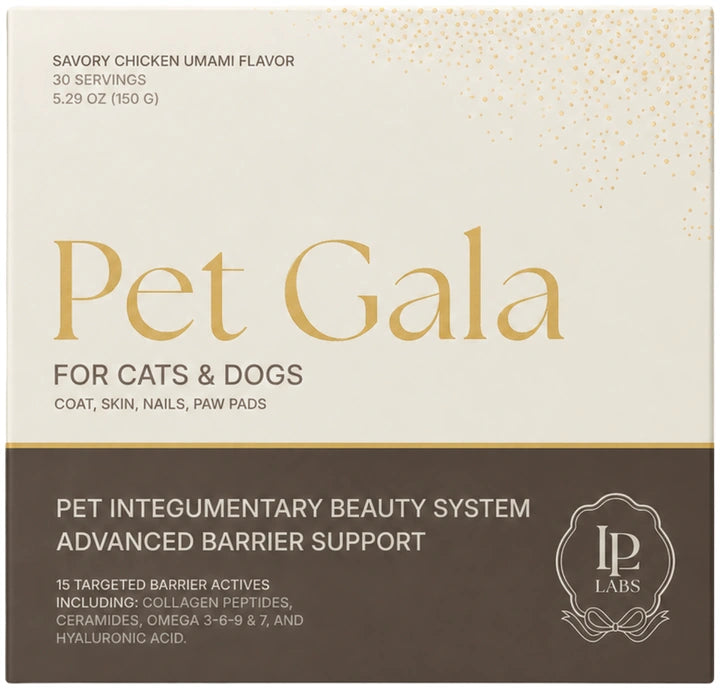
Pet Gala™ is designed for owners who want visible coat confidence without chasing single-ingredient fixes. It supports skin, coat, and nails together—so shine, softness, and a well-kept look can become part of your dog’s everyday routine, alongside vet-guided care when needed.

Hair loss in dogs is rarely just about hair. It’s about what the coat is signaling: comfort or irritation, balance or flare, a routine that suits your dog—or one that’s quietly too harsh. Most owners looking for a natural treatment for hair loss in dogs aren’t chasing a miracle. They want their dog to look well-kept again: fewer thin patches, a softer feel under the hand, and the kind of shine that reads as good care. The most reliable natural ways to help dogs with hair loss follow a simple beauty logic: remove obvious irritants, support the skin surface, and nourish the coat so it can look full and polished. That can include gentle bathing, coat-type brushing, clean bedding, and carefully chosen nutrition and supplements. It also includes knowing when “natural” should pause for diagnosis—because parasites, infection, and hormonal disease can all show up as thinning or bald spots. If you’re a science-minded owner, you also want a reason to choose a coat product that isn’t hype. The answer is consistency. A well-designed formula supports the integrated look—skin comfort, coat sheen, and nail strength—so your daily routine produces visible confirmation, not just good intentions. Pet Gala™ is positioned as that steady ritual: not a replacement for veterinary care, and not a single-nutrient gamble, but a practical way to keep your dog’s appearance looking cared-for every day.

By La Petite Labs Editorial, ~15 min read

Featured Product:

  • Start with the pattern: patchy loss, odor, redness, or thickened skin deserves a veterinary check before you “treat hair.”
  • The best natural remedies for dog hair loss often begin with comfort—less itching and fewer flakes—before you see obvious regrowth.
  • Gentle bathing, thorough rinsing, and coat-type brushing can quickly improve softness and reduce breakage that mimics thinning.
  • Avoid human hair-loss products; some exposures (like minoxidil) are associated with serious toxicity in dogs.
  • Nutrition and targeted supplements can enhance coat appearance; trace minerals have been linked with improved haircoat quality in dogs.
  • Environmental polish matters: clean bedding, low-irritant detergents, and reduced friction from collars or harnesses protect fragile hair.
  • A single, consistent routine beats a rotating shelf of products—photos every two weeks help you see real progress.

When Hair Loss Is a Signal, Not Just a Shedding Season

Hair loss can look dramatic, but the most reassuring first step is separating “shedding” from true alopecia. Seasonal coat blow tends to be even and symmetrical; patchy loss, broken hairs, redness, odor, or thickened skin suggests a skin or hormonal issue that deserves a vet’s eyes (Mota-Rojas, 2021). Natural solutions to treat hair loss in dogs work best when they’re paired with this clarity: you’re not “chasing hair,” you’re supporting comfortable skin and a coat that looks polished again.

Skin and coat health illustration showing beauty support linked to natural ways to help dogs with hair loss.

Start with the Pattern: Patchy, Symmetrical, Itchy, or Quiet

Because there are many causes, a natural treatment for hair loss in dogs should start with pattern recognition. Is the loss patchy or symmetrical? Is the skin itchy, greasy, scaly, or normal? Are the ears inflamed, paws red, or belly darkening? These details help your veterinarian narrow common categories—parasites, allergies, infection, hormonal disease, or self-trauma—before you spend months on the wrong “remedy”. The most elegant natural plan is the one that matches the story your dog’s skin is telling.

Skin health image symbolizing beauty and wellness supported by natural solutions to treat hair loss in dogs.

Itch-driven Hair Loss: Calm Skin for a More Even Coat

Itch changes everything. When a dog scratches, chews, or rubs, hair breaks and falls out—often faster than it can regrow. In that scenario, the best natural remedies for dog hair loss are the ones that reduce irritation and protect the skin’s surface: gentle bathing, careful drying, and avoiding fragranced sprays that can sting. If itching is intense, sudden, or paired with sores, don’t wait; prompt veterinary care can prevent a small flare from becoming a full-body coat crash.

Molecular design image tied to beauty support pathways in best natural options for treating hair loss in dogs.

Parasites and Prevention: the Hidden Reason Natural Plans Fail

Parasites are a common reason “natural” efforts stall. Flea allergy dermatitis can cause dramatic hair loss along the back and tail base, even if you rarely see fleas. Mites can also trigger patchy loss and scaling. Because these causes require targeted diagnosis and treatment, the most responsible natural solutions to treat hair loss in dogs include prevention: consistent vet-recommended parasite control and a clean home routine. Once the trigger is controlled, supportive coat care can finally show results.

Close-up of a dog highlighting coat shine and wellness supported by best natural treatments for dog hair thinning.

Infections and Odor: When Coat Loss Needs a Vet-led Reset

Infections can hide in plain sight. Yeast and bacterial overgrowth may present as odor, greasy coat, redness, or “elephant skin,” and hair loss can follow. Natural care can support comfort, but it shouldn’t delay diagnosis when the skin looks inflamed or painful. Think of your at-home routine as presentation support: keeping the coat clean, reducing tangles that trap moisture, and maintaining a calm surface while your veterinarian confirms what’s happening (see: Dog Skin Care).

The scratching is completely gone, his coat looks healthy and shiny!

— Lena

He was struggling with itching, now he's glowing.

— Grace

“The coat is a mirror: when skin feels calm, hair looks fuller.”

Allergy Seasons and Sensitive Skin: Keeping the Coat Presentable

Allergies often show up as repeat patterns: seasonal flares, paw licking, ear issues, or belly irritation. When allergies drive shedding and thinning, the best natural treatments for dog hair thinning are the ones that make the skin feel less reactive day to day—regular rinses after outdoor time, gentle grooming, and a diet that keeps the coat looking sleek rather than brittle (related: Omega-3-6-9 for Dogs). If symptoms are persistent, a vet-led plan helps you avoid cycling through random products that add irritation.

Portrait of a dog showing beauty presence supported by natural ways to help dogs with hair loss.

Friction and Breakage: the Overlooked Cause of “Thinning”

Some “hair loss” is actually hair breakage. Over-brushing, harsh de-shedding tools, tight collars, and repeated friction from harnesses can thin coat in very specific places. A natural treatment for hair loss in dogs can be as simple as changing equipment, rotating contact points, and using a softer brush with shorter sessions. The visible goal is a coat that lies smoothly and evenly, without the telltale rough patches that look like thinning but behave like damage.

Dog looking radiant, capturing beauty and presence supported by best natural options for treating hair loss in dogs.

A Practical Definition of “Natural” That Stays Safe and Effective

When owners ask for the best natural options for treating hair loss in dogs, they often mean “safe, gentle, and worth doing daily.” That’s a fair standard. Start with low-risk basics: consistent grooming, a balanced diet, clean bedding, and a single well-formulated supplement rather than a cabinet of overlapping powders (see: Best Skin & Coat Supplements for Dogs). If you add topicals, choose dog-specific products and avoid essential oils unless your veterinarian has confirmed they’re appropriate for your dog’s skin.

Product breakdown image highlighting beauty actives and benefits supported by natural solutions to treat hair loss in dogs.

A Safety Filter for At-home Care and Trending Hair-growth Hacks

A simple decision filter helps: Does it improve comfort? Does it improve the coat’s look and feel? Is it safe if licked? This is where many “hair growth hacks” fail. Human hair-loss products are not designed for canine grooming behavior, and minoxidil exposure has been linked to significant toxicity in dogs (Tater KC, 2021). The most effective natural treatments for dog hair loss respect real-life pet habits—licking, rolling, and close contact—so the routine stays both beautiful and safe (related: The Best Coat Growth Supplements for Dogs).

Hormone-related Thinning: Support the Look While Treating the Cause

When hair loss is linked to endocrine conditions (like hypothyroidism or Cushing’s), “natural” care is still valuable—but it’s supportive, not substitutive. These dogs often show coat thinning on the trunk, slow regrowth after clipping, and changes in skin texture (Mota-Rojas, 2021). The best natural treatments for dog hair thinning focus on visible comfort: gentle cleansing, consistent brushing, and nutrition that supports a glossy, resilient coat while your veterinarian addresses the underlying driver (see: Collagen for Dogs).

“The best natural routines are the ones you can repeat without irritation.”

Lab coat detail emphasizing vet-informed standards supporting best natural remedies for dog hair loss.

Avoid Human Hair Products That Can Be Dangerous for Dogs

If you’re tempted to borrow human hair-growth products, pause. Topical minoxidil exposures in dogs have been associated with serious toxic effects, and case reviews show adverse reactions are not rare (Tater KC, 2021). For pet households, one of the most effective natural treatments for dog hair loss is simply removing risky products from shared spaces—pillows, couches, bathroom counters—so “support” doesn’t accidentally become an emergency.

Shop Now
Supplement with whole-food visuals emphasizing quality sourcing for natural treatment for hair loss in dogs.

Gentle Bathing That Leaves Skin Comfortable and Coats Looking Fresh

A coat that looks full usually starts with a skin surface that feels calm. Choose fragrance-free, dog-formulated shampoos, and avoid over-bathing, which can leave skin looking dull and flaky. For many families exploring natural ways to help dogs with hair loss, the most noticeable wins come from consistency: a predictable wash schedule, thorough rinsing, and a soft towel-dry that doesn’t rough up fragile hairs. If you see pustules, strong odor, or spreading redness, book a vet visit rather than “trying one more wash”(Mota-Rojas, 2021).

Shop Now
Lifestyle image showing supplement use in real homes supported by natural solutions to treat hair loss in dogs.

Brushing as Bonding: the Simplest Ritual for Visible Coat Improvement

Brushing is a beauty ritual with real payoff: it lifts loose hair, distributes natural oils, and helps you notice small changes early—new flakes, tiny scabs, or a widening part line. Use a tool matched to coat type (slicker for many double coats, rubber curry for short coats, comb for feathering). If your dog flinches, scale back pressure and frequency; discomfort is a signal, not a challenge. Pair brushing with a calm, predictable routine so coat care reads as affection, not restraint.

Shop Now

Food and Minerals That Keep Coats Glossy, Not Brittle

Nutrition is where “natural” can be both practical and visible. Protein quality matters for hair structure, and trace minerals support coat appearance; supplemental trace minerals have been shown to improve haircoat quality in dogs in controlled settings (Amundson, 2025). Still, the goal isn’t chasing a single nutrient—it’s supporting the whole skin-and-coat presentation: softness, shine, and fewer brittle hairs. If you change foods, do it gradually and watch the coat’s luster and the skin’s comfort as your feedback loop.

Choosing Natural Supplements Without Overlapping or Overdoing It

Natural supplements for dogs with hair loss can be helpful when they’re chosen for quality and used with restraint. Look for transparent labeling, third-party testing when available, and formulas designed for dogs rather than “shared” human products. Introduce one change at a time for two to four weeks so you can actually see what improves softness, shedding, and the look of thin areas. If your dog is on medications or has chronic disease, confirm compatibility with your veterinarian before adding new supplements.

Visual comparison highlighting no fillers advantage aligned with natural solutions to treat hair loss in dogs.

Home and Lifestyle Tweaks That Protect Coat Density Every Day

Environment matters more than most people expect. Dry indoor air, harsh detergents on bedding, and frequent contact with rough surfaces can make coats look tired and sparse. Wash blankets with fragrance-free detergent, rinse well, and consider a humidifier in winter if skin looks flaky. For dogs who lick or chew, boredom and stress can amplify hair loss patterns; enrichment, predictable walks, and calmer evenings can change what you see on the coat without adding another product.

Shop Now
Pet Gala in protective wrap, emphasizing quality behind natural treatment for hair loss in dogs.

What Progress Looks Like: Comfort First, Then Fuller Coverage

Set expectations that match hair biology and your dog’s coat cycle. With effective natural treatments for dog hair loss, the earliest visible shifts are often comfort signals: less scratching, fewer flakes, and a smoother feel to the coat. New growth takes longer, and it may come in as softer “peach fuzz” before it looks full. Take photos in the same lighting every two weeks; it’s the simplest way to notice progress without second-guessing.

Shop Now

Why a Dedicated Coat Formula Still Makes Sense for Careful Owners

A science-minded owner doesn’t choose a coat product because it promises miracles; they choose it because it supports the daily signals they can see. The best natural options for treating hair loss in dogs are the ones you’ll actually keep doing: gentle grooming, smart nutrition, and a consistent supplement that supports skin, coat, and nails as one integrated “look.” (related: Best Supplement for Dog Nails) If you want a single, steady ritual that complements vet care and makes the coat feel more touchable, that’s where a dedicated formula earns its place.

“Visible progress starts with comfort signals, then grows into coverage.”

Educational content only. This material is not a substitute for veterinary advice. Always consult your veterinarian about your dog’s specific needs. These statements have not been evaluated by the Food and Drug Administration. Products mentioned are not intended to diagnose, treat, cure, or prevent any disease.

Glossary

  • Alopecia: Noticeable hair loss beyond normal shedding, often with an identifiable pattern or skin change.
  • Hair Thinning: Reduced coat density that can come from shedding, breakage, or slowed regrowth.
  • Hair Breakage: Short, snapped hairs from friction, harsh tools, matting, or over-bathing—can mimic true hair loss.
  • Pruritus: Itching that leads to scratching, licking, and rubbing—often a major driver of coat loss.
  • Hot Spot (Acute Moist Dermatitis): A sudden, inflamed, moist skin patch that can cause rapid localized hair loss.
  • Flea Allergy Dermatitis: Hypersensitivity to flea saliva that can cause intense itch and hair loss, especially near the tail base.
  • Contact Irritation: Skin reaction from shampoos, sprays, detergents, or fabrics that can trigger redness and shedding.
  • Undercoat: The dense, soft layer beneath guard hairs in double-coated breeds; improper removal can increase breakage.
  • Guard Hairs: The longer outer hairs that give a coat its visible shape and shine.

Related Reading

References

Tater KC. Topical Minoxidil Exposures and Toxicoses in Dogs and Cats: 211 Cases (2001-2019).. PubMed. 2021. https://pubmed.ncbi.nlm.nih.gov/34370845/

Amundson. Effect of Supplemental Trace Mineral Source on Haircoat and Activity Levels in Senior Dogs. 2025. https://www.mdpi.com/2076-2615/15/5/686

Mota-Rojas. Anthropomorphism and Its Adverse Effects on the Distress and Welfare of Companion Animals.. Nature. 2021. https://www.nature.com/articles/s41598-025-27388-w

FAQ

What counts as a natural treatment for hair loss in dogs?

A natural treatment for hair loss in dogs usually means low-irritant grooming, nutrition support, and lifestyle changes that improve coat appearance without relying on harsh chemicals. The best options focus on comfort first—less itching, less flaking, and fewer broken hairs.

It also means choosing dog-safe products and avoiding risky human hair-growth items. For a consistent daily routine that supports skin, coat, and nails together, consider Pet Gala™

Why is my dog losing hair but acting normal?

Some dogs lose hair from seasonal shedding, friction (harness or collar rub), or mild dryness while otherwise feeling fine. But “normal behavior” doesn’t rule out early allergy, parasites, or endocrine changes that show up on the coat first.

If thinning is patchy, worsening, or paired with odor or redness, a vet check helps you avoid guessing. For everyday coat polish while you monitor patterns, Pet Gala™

How quickly can natural solutions improve my dog’s coat appearance?

With natural solutions to treat hair loss in dogs, the earliest visible changes are often comfort signals within 1–3 weeks: less scratching, fewer flakes, and a softer feel. Fuller-looking coverage takes longer because hair grows in cycles.

Take photos in the same lighting every two weeks so progress feels objective. For a steady, simple routine that supports visible coat quality, Pet Gala™

Are there natural supplements for dogs with hair loss that are safe?

Natural supplements for dogs with hair loss can be safe when they’re formulated for dogs, introduced one at a time, and used with vet awareness—especially if your dog takes medications or has chronic conditions. Quality matters: clear labeling and sensible serving guidance are good signs.

Avoid stacking multiple supplements that overlap heavily. For an all-in-one approach aimed at skin, coat, and nails, Pet Gala™

What are the best natural remedies for dog hair loss at home?

The best natural remedies for dog hair loss at home are usually the simplest: gentle bathing with a dog-formulated shampoo, thorough rinsing, consistent brushing matched to coat type, and clean bedding washed in fragrance-free detergent.

If you see sores, strong odor, or rapidly spreading patches, pause home care and call your vet. For daily coat support that fits into real life, Pet Gala™

Can I use coconut oil as a natural way to help hair loss?

Coconut oil can make a coat look shinier short-term, but it can also feel greasy, trap debris, and encourage licking in some dogs. If you try it, use a tiny amount and stop if you notice redness, odor, or increased scratching.

Many owners prefer a consistent internal-and-external routine rather than oily spot fixes. For balanced, daily support of skin and coat presentation, Pet Gala™

Is fish oil one of the best natural treatments for dog hair thinning?

Fish oil is commonly used to support skin comfort and coat sheen, which can make thinning look less obvious over time. The “best” choice depends on your dog’s diet, tolerance, and whether GI upset occurs.

Because oils can interact with certain health plans, confirm fit with your veterinarian, especially for dogs with pancreatitis history. For a coat-focused daily routine beyond a single oil, Pet Gala™

Can allergies cause hair loss, and what natural options help?

Yes. Allergies often lead to licking, chewing, and rubbing that breaks hair and inflames skin. Natural ways to help dogs with hair loss from allergies include rinsing after outdoor time, gentle bathing, keeping bedding clean, and reducing fragranced products that can sting.

If ear infections or paw redness keep returning, a vet-led allergy plan is worth it. For everyday coat support alongside that plan, Pet Gala™

Should I avoid human hair-growth products on my dog?

Yes. Dogs lick their skin and fur, and many human products aren’t designed for that exposure. Minoxidil, in particular, has been associated with significant toxicity in dogs after exposure(Tater KC, 2021).

If you use human hair products in the home, store them securely and keep dogs away from pillows and towels that may carry residue. For dog-designed coat support,Pet Gala™

What natural solutions to treat hair loss in dogs work for seniors?

Senior dogs may show coat dullness and thinning from slower hair cycles, endocrine shifts, or nutrient absorption changes. Natural solutions to treat hair loss in dogs at this stage often emphasize gentle grooming, easy-to-digest nutrition, and carefully chosen supplements.

Because seniors are more likely to be on medications, confirm new additions with your veterinarian. For a simple daily routine that supports visible coat quality, Pet Gala™

Do certain breeds need different natural treatments for dog hair loss?

Yes—mostly because coat type changes what “works.” Double-coated breeds often need de-shedding done gently to avoid breakage, while curly coats benefit from detangling and moisture balance. Some breeds are also predisposed to specific skin conditions, so pattern matters.

When in doubt, ask your vet or groomer to recommend tools that protect the hair shaft. For broad, coat-type-friendly daily support, Pet Gala™

Is a natural treatment for hair loss in dogs safe for puppies?

Puppies can have sensitive skin, and some “natural” topicals can still irritate. Focus on gentle bathing when needed, soft brushing, and a high-quality puppy diet. If hair loss is patchy or paired with itching, get a vet exam to rule out parasites or infection.

For supplements, choose dog-specific formulas and confirm age-appropriateness with your veterinarian. For coat support that fits a daily routine, Pet Gala™

Can stress or boredom cause hair loss, and natural ways help?

Yes. Some dogs over-groom, lick, or chew when anxious or under-stimulated, and that can create thinning or bald spots. Natural ways to help dogs with hair loss in this context include enrichment, predictable exercise, and reducing triggers that lead to repetitive licking.

Because licking can also signal pain or allergy, involve your vet if it’s persistent. For a supportive coat routine that complements behavior work, Pet Gala™

What should I look for in effective natural treatments for dog hair loss?

Look for changes you can see and feel: calmer skin, less dandruff, reduced breakage, and a coat that lies smoother. Effective natural treatments for dog hair loss are also easy to maintain—simple grooming steps and a supplement you can give consistently.

Avoid routines that add irritation or require too many products at once. For a streamlined daily option that supports visible coat quality, Pet Gala™

Can diet changes be the best natural options for treating hair loss?

Sometimes. If a diet is low in quality protein or poorly tolerated, improving it can noticeably change coat sheen and shedding. Trace minerals also play a role in coat quality, and supplementation has been associated with improved haircoat appearance in dogs(Amundson, 2025).

Make changes gradually and track stool quality and skin comfort as well as coat shine. For daily support that complements a strong diet,Pet Gala™

How do I give supplements without upsetting my dog’s stomach?

Start low and slow: introduce one new supplement at a time, give it with food, and watch for soft stool, gas, or reduced appetite. If your dog has a sensitive stomach, choose formulas with straightforward ingredient lists and avoid stacking multiple products.

If GI signs persist beyond a few days, stop and ask your veterinarian. For a simple daily routine designed for coat support, Pet Gala™

Are natural treatments different for small dogs versus large dogs?

The principles are the same, but practicality changes. Small dogs may be more prone to friction hair loss from sweaters or harnesses, while large dogs may need more frequent brushing to prevent undercoat matting that traps moisture. Product selection should match coat type and skin sensitivity.

For supplements, follow label directions and vet guidance rather than improvising. For an easy daily coat-support option across sizes, Pet Gala™

Can cats use the same natural treatment for hair loss in dogs?

Not automatically. Cats groom differently, metabolize some ingredients differently, and are more sensitive to certain compounds (including many essential oils). If you have both species at home, keep products separated and ask your veterinarian before sharing supplements or topicals.

For dogs, choose dog-specific formulas designed for lick-safe routines. For coat support tailored to dogs, Pet Gala™

When should I call the vet about hair loss?

Call your vet if hair loss is sudden, patchy, spreading, or paired with intense itching, sores, odor, lethargy, or weight changes. Those signs can point to parasites, infection, or hormonal disease that needs diagnosis rather than trial-and-error grooming.

Natural care can still support coat appearance while you address the cause, but it shouldn’t delay evaluation. For daily coat support alongside vet care, Pet Gala™

How do I choose between shampoos, oils, and supplements?

Choose based on the signal you’re seeing. If the coat looks greasy or smells, start with a gentle dog shampoo routine. If the coat feels dry and breaks easily, adjust brushing and consider nutrition support. If the issue is itch-driven, prioritize comfort and vet input.

Avoid changing three things at once—clarity is part of what makes a natural treatment for hair loss in dogs work. For a streamlined daily support option, Pet Gala™

5K+ Happy Pet Parents

Excellent 4.8

Natural Treatment for Hair Loss in Dogs | Why Thousands of Pup Parents Trust Pet Gala™

"It's so good for his coat, and so easy to mix into food."

Alex & Cashew

"Gives him that glow from head to tail!"

Elisabeth & Chai

"The scratching is completely gone, his coat looks healthy and shiny."

Lena & Bear

"Magical. He was struggling with itching and shedding. Now he's literally glowing."

Grace & Ducky

"It's so good for his coat, and so easy to mix into food."

Alex & Cashew

"Gives him that glow from head to tail!"

Elisabeth & Chai

"The scratching is completely gone, his coat looks healthy and shiny."

Lena & Bear

"Magical. He was struggling with itching and shedding. Now he's literally glowing."

Grace & Ducky

"It's so good for his coat, and so easy to mix into food."

Alex & Cashew

"Gives him that glow from head to tail!"

Elisabeth & Chai

"The scratching is completely gone, his coat looks healthy and shiny."

Lena & Bear

"Magical. He was struggling with itching and shedding. Now he's literally glowing."

Grace & Ducky

"It's so good for his coat, and so easy to mix into food."

Alex & Cashew

"Gives him that glow from head to tail!"

Elisabeth & Chai

"The scratching is completely gone, his coat looks healthy and shiny."

Lena & Bear

"Magical. He was struggling with itching and shedding. Now he's literally glowing."

Grace & Ducky

SHOP NOW