Labradoodle Hot Spots

Identify the Trigger, Dry the Lesion, Control Itch, and Protect Skin Healing

Essential Summary

Why are labradoodle hot spots important?

Labradoodle hot spots can appear fast and look intense, especially under dense, moisture-trapping coats. The most reassuring approach pairs prompt veterinary guidance with daily habits that keep skin dry, reduce friction, and prevent licking. When the coat stays easy to brush and the skin looks calm, your dog’s comfort and appearance improve together.

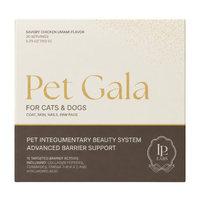
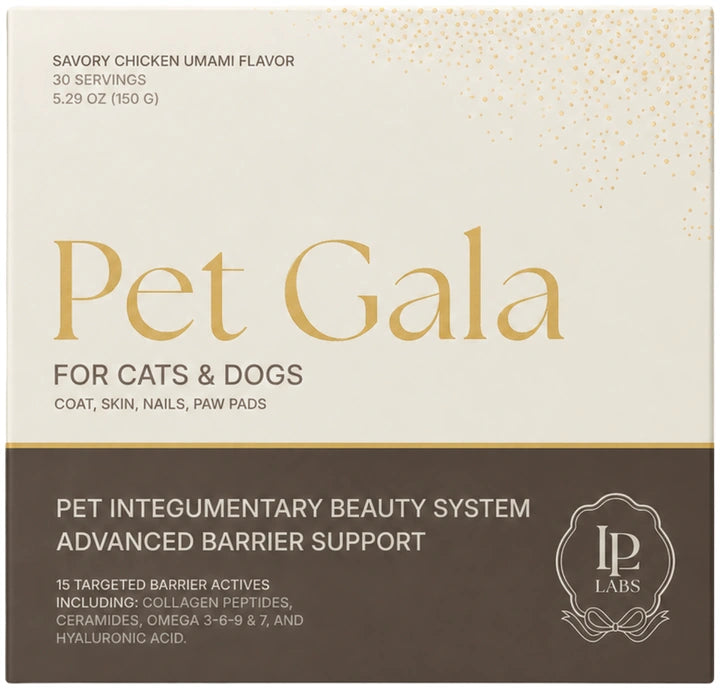
Pet Gala™ supports the visible signals owners care about most—comfortable-looking skin, a softer coat, and strong, clean nails—so your grooming routine feels like upkeep, not recovery. It fits alongside vet care and smart coat management to help your Labradoodle look fresh, polished, and well-kept between appointments.

A Labradoodle’s coat is part of their signature—soft, expressive, and impossible not to touch. That’s why hot spots feel so disruptive: they show up fast, look worse than you expect, and can turn a normally easy grooming routine into a tense moment for both of you. With labradoodle hot spots, the story is usually a mix of itch plus opportunity: a little irritation, a little moisture, and a coat that holds warmth close to the skin. Add licking, and the area can become raw in a single day.

This page is built for the intent behind searches like “best labradoodle hot spots” and “labradoodle hotspots near me”—reassurance, clarity, and a plan that keeps your dog looking and feeling comfortable. You’ll learn what hot spots are, what commonly triggers them in Labradoodles, when veterinary care is the right move, and how grooming and daily skin support can reduce repeat flare-ups. The beauty-category truth is simple: when the skin looks calm and the coat brushes out smoothly, everything else feels easier—handling, play, photos, and visits to your labradoodle favorite spots.

If you’re a careful, science-minded owner, you may wonder why a supplement belongs in this conversation at all. The answer is practical: even with a complete diet, real life still creates friction, dryness, and dullness. A holistic skin-coat-nail formula can support the visible signals of good care—softness, sheen, and a comfortable look to the skin—so your routine is about maintaining a polished baseline, not constantly reacting.

By La Petite Labs Editorial, ~15 min read

Featured Product:

  • Hot spots are fast-moving, wet, irritated skin patches that often hide under dense Labradoodle coats.
  • Moisture plus friction is the classic setup—think swims, rainy walks, damp collars, and tight mats.
  • Early signs are behavioral as much as visual: sudden licking, rubbing, odor, or a “wet ink” patch.
  • Veterinary care matters for painful, oozing, spreading, or recurring lesions, or if your dog seems unwell.
  • Grooming is prevention: line-brushing, airflow-friendly trims, and thorough drying down to the skin.
  • Allergy patterns and gear rub are common repeat triggers; reducing “spark moments” reduces flare days.
  • Pet Gala™ complements daily care by supporting skin, coat, and nails—the visible signals of comfort.

Why Hot Spots Appear so Suddenly on Labradoodle Skin

Hot spots (acute moist dermatitis) can look dramatic on a Labradoodle: a suddenly raw, wet patch that seems to spread overnight. The “why” is usually simple—something irritated the skin, your dog licked or scratched, moisture got trapped under coat, and the area escalated fast. Because Labradoodles often have dense, curl-prone coats, the skin can stay warm and damp, which keeps the cycle going. The goal is to interrupt that loop quickly while keeping the coat and skin looking and feeling comfortable.

Owners searching “labradoodle hotspots near me” are often looking for two things: fast relief and a plan to keep the coat polished afterward. You can do both by pairing prompt veterinary guidance (especially for large, painful, or recurring lesions) with daily skin-and-coat habits that reduce friction, matting, and trapped moisture—so your Labradoodle’s appearance reads clean, calm, and well-kept (see: Dog Skin Care).

Skin and coat health illustration showing beauty support linked to labradoodle hotspots near me.

Early Signs Owners Miss under Dense, Curly, Moisture-holding Coats

In Labradoodles, hot spots most often appear where moisture and friction team up: behind the ears, under collars, along the neck, on the hips, or near the base of the tail. You may notice a sudden “wet ink” look in the coat, a sour odor, or your dog guarding the area. Because the coat can hide early redness, the first visible sign is sometimes your Labradoodle’s behavior—intense licking, rubbing on furniture, or restlessness.

If you catch it early, the difference is often dramatic: a small irritated patch is easier to manage than a large, oozing lesion. That’s why daily touchpoints—brushing, ear checks, drying after walks—matter (related: Best Skin & Coat Supplements for Dogs). They’re not “extra”; they’re the quiet habits that keep your Labradoodle’s skin looking calm and their coat looking intentionally cared for.

Beauty structure illustration representing support pathways in labradoodle favorite spots.

Common Triggers: Moisture, Friction, Allergies, Fleas, and Ear Issues

Common triggers include fleas, environmental allergies, food sensitivities, ear inflammation, minor wounds, and grooming issues like clipper irritation or tight mats. Water play is a frequent setup: a damp coat dries slowly, especially if it’s thick or curly, and the skin stays warm underneath. Add a little itch, and the lick-scratch cycle can escalate quickly.

It helps to think in “spark and fuel.” The spark is the initial irritation; the fuel is moisture, friction, and access to lick. Your job is to remove the fuel fast—dry thoroughly, prevent licking, and keep the coat open and clean—so the skin can return to a smooth, even look.

Ingredient structure illustration showing beauty formulation behind labradoodle social spots.

When to Call Your Veterinarian and Why Timing Changes Everything

Because hot spots can look alarming, it’s tempting to try home remedies first. The safer approach is to treat any rapidly worsening, painful, or oozing area as a reason to call your veterinarian. They can check for infection, parasites, or an underlying issue like ear disease that keeps restarting the problem. This is especially important if your dog seems lethargic, feverish, or unusually reactive to touch.

Between visits, focus on gentle containment: prevent licking, keep the area dry, and avoid harsh products not made for dogs. The goal is to keep the skin’s surface from getting more inflamed—so healing looks like a steady return to calm color and comfortable texture.

Dog close-up emphasizing coat shine and connection supported by labradoodle hot spots.

Grooming Choices That Prevent Irritation Without Losing the Look

Grooming choices can either protect or provoke. A tight mat holds moisture against the skin and tugs with every movement; a rough brush session can create micro-irritation; a too-close clip can leave skin feeling exposed and reactive. The sweet spot is a coat that’s airy at the roots, evenly brushed, and trimmed to match your dog’s lifestyle.

If your Labradoodle swims, hikes, or visits daycare often, ask for a practical trim that still looks like your dog—just easier to keep dry. When the coat lies cleanly and the skin stays comfortable, your Labradoodle’s favorite spots become carefree again, not a source of “what if” worry.

The scratching is completely gone, his coat looks healthy and shiny!

— Lena

He was struggling with itching, now he's glowing.

— Grace

“The fastest way to change the look of a hot spot is to remove the fuel: moisture, friction, and access to lick.”

Allergy Patterns That Often Sit Behind Labradoodle Hot Spots

Allergies are a frequent background factor in labradoodle hot spots. You might see seasonal patterns, paw licking, face rubbing, recurrent ear issues, or redness in the belly and armpits. Allergic itch doesn’t need to be extreme to start a hot spot—just persistent enough that your dog keeps returning to the same area.

Managing allergies is about keeping the skin looking steady: fewer flare days, less redness after outdoor time, and a coat that stays glossy instead of brittle (see: The Best Coat Growth Supplements for Dogs). Your vet can help you choose the right combination of parasite control, bathing cadence, and allergy support so your Labradoodle looks and feels comfortable in everyday life.

Dog portrait reflecting beauty and wellness support tied to labradoodle hot spots.

Drying down to the Skin: the Small Habit with Big Payoff

Moisture management is the underrated hero. After baths, swims, or rainy walks, dry down to the skin—especially behind ears, under collars, and in the armpits. If the coat feels dry on top but the base is still damp, that’s the exact environment hot spots love. A high-velocity dryer (used safely) can be a game-changer for dense coats.

Also watch the “hidden wet” sources: ear moisture, drool under the chin, and saliva from licking. When you keep those areas clean and dry, your Labradoodle’s coat keeps its natural softness and the skin looks less reactive—an immediate, visible improvement.

Canine profile image reflecting coat shine and wellness supported by best labradoodle hot spots.

Collars, Harnesses, and Hidden Rub: Where Trouble Quietly Starts

Collars, harnesses, and bandanas can create friction hot spots, especially if they stay damp or rub over a forming mat. Check fit, rotate gear, and remove accessories at home so the skin can breathe. If your dog wears a harness daily, inspect the chest and armpits for early redness—those are high-motion zones where irritation can build quietly.

This is also where “presentation” matters: a clean neckline, smooth coat under straps, and a comfortable fit make your Labradoodle look put-together in public. It’s a small detail, but it’s the kind people notice at the best places for labradoodles—where your dog is close to other dogs and lots of hands.

Product breakdown image highlighting beauty actives and benefits supported by best places for labradoodles.

Choosing Daily Support That Shows up in Coat, Skin, and Nails

When you’re choosing daily support, think beyond “stopping hot spots” and toward the visible signals that reduce the setup: a coat that brushes out easily, skin that looks even-toned, and nails that stay strong and tidy. Those signals make grooming simpler, reduce tugging and friction, and help you catch problems earlier because the coat is easier to part and inspect.

A well-designed supplement can complement grooming and veterinary care by supporting the skin-coat-nail system as a whole (related: Best Supplement for Dog Nails). For a science-minded owner, the value is practical: a consistent routine that reinforces the look you want—fresh, soft, and comfortable—without pretending to replace medical care when it’s needed.

When Hot Spots Keep Returning, Look for Repeatable Triggers

When hot spots recur, it’s worth zooming out. Ask what keeps re-igniting the itch: seasonal allergies, fleas, ear infections, anal gland discomfort, grooming irritation, or stress licking. Your vet may recommend skin testing, parasite control, or a targeted plan for allergies. The point isn’t to chase perfection—it’s to reduce the number of “spark moments” that turn into a visible flare.

For many families, the most reassuring change is consistency: predictable grooming, quick drying after water play, and a simple daily routine that supports skin comfort and coat luster. That’s also where a beauty-forward supplement fits: not as a single-nutrient fix, but as a way to support the visible signals you care about—softness, sheen, and a calmer look to the skin—alongside your veterinarian’s plan (see: Collagen for Dogs).

“A well-shaped coat isn’t just style—it’s airflow, comfort, and a calmer-looking skin surface.”

Clinical image tied to evidence-based beauty positioning for labradoodle social spots.

Social Life, Comfort, and the Places Labradoodles Love Most

If you’re also looking for “best labradoodle hot spots” in the social sense—parks, cafés, daycare, playgroups—remember that skin comfort affects confidence. A dog who’s itchy or sore may be less tolerant of handling, harnessing, or rough play. Keeping the coat free of mats and the skin calm can make those labradoodle social spots feel easy again (related: Omega 7 for Dogs).

Before heading to labradoodle popular spots, do a quick check: ears clean and dry, collar area not rubbing, coat brushed through, and any recent irritation fully resolved. That small ritual protects the look you’ve worked for—fresh, comfortable, and ready for attention—without turning your day into a project.

Shop Now
Curated ingredient scene highlighting bioactive blend supporting best labradoodle hangout spots.

Coat Shape Matters: Airflow, Mat Control, and Everyday Ease

Hot spots can feel like a grooming failure, but they’re often a “coat physics” problem: moisture + friction + trapped undercoat. Labradoodles with thicker coats may need more frequent line-brushing and professional trims that open airflow to the skin. A well-shaped coat isn’t just style—it’s comfort you can see, because the skin stays drier and less reactive.

If your dog is prone to matting, ask your groomer for a maintenance cut that preserves the Labradoodle look while reducing dense, felted areas. The best places for labradoodles are the ones where they can move freely—without you worrying that a hidden mat will turn into irritation after a romp or swim.

Shop Now
Woman with Pet Gala box in cozy setting aligned with best places for labradoodles.

Diet, Daily Care, and the Visible Signals Owners Actually Notice

Diet matters, but it’s not the whole story. Many dogs eat complete diets and still show dullness, dryness, or recurring irritation—because real life includes bathing, weather shifts, allergens, and friction from gear. For a beauty-category approach, focus on what you can see: coat shine after brushing, reduced flake, less redness around friction points, and nails that look strong and clean.

That’s why a skin-coat-nail supplement can still be relevant for a careful, science-minded owner: it supports the daily presentation of wellbeing, not just “filling gaps.” When the coat looks vibrant and the skin looks calm, you feel the difference in handling, grooming, and photos—especially in bright daylight.

Shop Now

Special Considerations When Your Labradoodle Has Other Health Needs

If your Labradoodle has other health conditions or takes medications, keep your vet in the loop before adding new supplements. This is especially important if your dog has a history of neurologic episodes; breed-specific research shows Labradoodles can have distinct phenotypic characteristics that may influence quality of life (PJJ, 2024). While that doesn’t mean supplements are unsafe, it’s a reminder to personalize decisions rather than copy a routine from the internet.

A thoughtful plan is simple: choose one change at a time, watch visible signals (itching, redness, coat feel), and keep notes. That approach respects your dog’s individuality and keeps your care focused on what’s noticeable and reassuring day to day.

A Calm Home Setup for Fast, Clean, Low-drama Response

A practical “hot spot kit” is about calm, not clutter. Keep an e-collar or recovery cone available, a soft towel for thorough drying, and your vet’s recommended cleansing product on hand. The moment you see a suspicious damp patch, you can prevent hours of licking that turns mild irritation into a raw lesion. Your goal is to keep the skin’s surface looking even and comfortable—because that’s what reads as healthy.

Also consider the small friction points that start trouble: collar edges, harness straps, and areas where mats form behind ears or in armpits. When those spots stay smooth and dry, your Labradoodle’s coat looks more polished, and your grooming routine feels like bonding instead of damage control.

Visual comparison highlighting no fillers advantage aligned with best labradoodle hangout spots.

What Healing Should Look Like in Real Life, Not Perfectly

Owners often ask what “normal healing” looks like. After veterinary care and proper management, the area should look progressively less wet and angry, with reduced licking and a calmer color. Hair regrowth can take longer, especially if the coat was clipped close. The visual win is a skin surface that looks settled—no shine from moisture, no sticky discharge, and no expanding edge.

If the patch enlarges, smells foul, becomes very painful, or your dog seems unwell, don’t wait. Prompt treatment protects comfort and helps the coat return to an even, well-kept look sooner—so your Labradoodle can get back to their favorite routines without constant interruption.

Shop Now
Pet Gala box in open packaging, showing premium presentation for labradoodle hotspots near me.

The Goal: Fewer Surprises and a Coat That Stays Photo-ready

For many families, the most meaningful outcome isn’t “never again.” It’s fewer surprises, faster calm-down, and a coat that stays touchably soft between grooms. That’s the signal logic of good care: you see it in the brush, feel it under your hand, and notice it in your dog’s ease during handling.

If you’re comparing options, prioritize routines and products that support the whole integumentary picture—skin comfort, coat luster, and nail strength—because they show up together (see: Biotin for Dogs). When those signals align, your Labradoodle looks radiant in everyday light, and you feel confident you’re doing the right things consistently.

Shop Now

Keeping Your Labradoodle Ready for Their Favorite Spots Again

A Labradoodle with calm skin and a well-managed coat is ready for the moments you actually care about: cuddles, photos, and those best labradoodle hangout spots where everyone wants to say hello. Hot spots are common, but they don’t have to define your routine. With quick attention, smart grooming, and supportive daily care, you can keep your dog looking fresh, comfortable, and unmistakably well-loved.

“For recurring flare-ups, the win is consistency: fewer surprises, faster calm-down, and a coat that stays easy to love.”

Educational content only. This material is not a substitute for veterinary advice. Always consult your veterinarian about your dog’s specific needs. These statements have not been evaluated by the Food and Drug Administration. Products mentioned are not intended to diagnose, treat, cure, or prevent any disease.

Glossary

  • Hot Spot (Acute Moist Dermatitis): A rapidly developing, inflamed, often wet skin lesion driven by licking, scratching, and trapped moisture.
  • Lick-Scratch Cycle: A feedback loop where itching leads to licking/scratching, which further irritates skin and increases itching.
  • Matting: Tangled, felted coat that pulls on skin and traps moisture, increasing friction and irritation risk.
  • Line-Brushing: Brushing method that parts the coat in layers to reach the skin and remove tangles at the roots.
  • Friction Point: A body area where collars, harnesses, or movement repeatedly rub the coat and skin (neck, armpits, chest).
  • Moisture Trapping: When dense coat holds water near the skin after bathing, swimming, or rain, creating a warm, damp environment.
  • Secondary Infection: Overgrowth of bacteria or yeast in irritated skin, often worsening odor, discharge, and tenderness.
  • Allergic Dermatitis: Skin inflammation linked to environmental allergens, food sensitivity, or flea allergy, often causing recurring itch.
  • Airflow-Friendly Trim: A grooming style that preserves a plush look while reducing density at the roots to help the coat dry faster.

Related Reading

References

PJJ. Phenotypic characterization and quality of life of Labradoodles with idiopathic epilepsy and epilepsy of unknown cause.. PubMed Central. 2024. https://pmc.ncbi.nlm.nih.gov/articles/PMC11523295/

FAQ

What are hot spots on a Labradoodle?

Hot spots (acute moist dermatitis) are areas of inflamed, infected skin caused by self-trauma from licking, chewing, or scratching. They often look like red, wet, painful patches that can spread quickly under the coat.

Why do Labradoodles get hot spots so often?

Their dense, curly or wavy coat can trap moisture, heat, and allergens against the skin, which promotes irritation and bacterial overgrowth. Underlying triggers like allergies, fleas, ear infections, or matting commonly start the itch-lick cycle.

What do Labradoodle hot spots look like under the fur?

They may appear as a moist, oozing, red patch with matted hair and a strong odor. The surrounding skin can be warm, swollen, and very tender to touch.

Are hot spots contagious to other pets or people?

Hot spots themselves are not contagious, but the bacteria on the skin can be transferred if there is direct contact with open wounds. Good hygiene and preventing other pets from licking the area are sensible precautions.

How fast can a hot spot spread on a Labradoodle?

Hot spots can enlarge noticeably within hours because licking and scratching repeatedly damages the skin. Moisture and bacteria trapped under the coat can accelerate the spread.

What are the most common causes of hot spots in Labradoodles?

Common causes include flea allergy dermatitis, environmental allergies (pollen, dust mites), ear infections, anal gland discomfort, and skin irritation from grooming or mats. Any condition that increases itching can trigger a hot spot.

Can allergies cause hot spots in Labradoodles?

Yes—atopic dermatitis and food allergies can cause chronic itch that leads to licking and secondary skin infection. Managing the allergy trigger and controlling inflammation reduces recurrence.

Do fleas cause hot spots even if I don’t see fleas?

Yes, a single flea bite can trigger intense itching in flea-allergic dogs, and fleas can be hard to spot in dense coats. Consistent veterinarian-recommended flea prevention is one of the most effective ways to prevent hot spots.

Can swimming or bathing trigger hot spots in Labradoodles?

Yes, trapped moisture under a thick coat can macerate the skin and promote bacterial growth. Thorough drying (including the undercoat) after swimming or bathing helps prevent flare-ups.

Are hot spots painful for Labradoodles?

They are often painful and very itchy because the skin is inflamed and sometimes infected. Dogs may react strongly when the area is touched or groomed.

How can I tell a hot spot from ringworm or mange?

Hot spots are typically moist, rapidly developing, and associated with intense licking, while ringworm often causes circular hair loss with scaling and may spread more slowly. Mange can cause widespread itching and crusting; a vet can confirm with skin tests.

What should I do immediately if my Labradoodle develops a hot spot?

Prevent licking with an e-collar and contact your veterinarian, especially if the area is large, oozing, or very painful. Keeping the area clean and dry is important, but many cases need prescription medication to stop the cycle.

Should I shave the fur around a Labradoodle hot spot?

Clipping the hair around the lesion improves airflow and allows proper cleaning and treatment, which helps healing. Because the skin is painful and the coat can mat, many dogs do best with gentle clipping by a vet or experienced groomer.

Can I use human creams or ointments on my dog’s hot spot?

Many human products can be irritating or toxic if licked (for example, zinc oxide or certain anesthetics). Use only treatments recommended by your veterinarian to avoid worsening the lesion or causing poisoning.

When is a hot spot an emergency for a Labradoodle?

Seek urgent care if your dog is lethargic, has fever, rapidly expanding redness, significant swelling, a foul odor with heavy discharge, or severe pain. Also get prompt help if the hot spot is near the eyes, ears, or genitals.

How do veterinarians treat hot spots in Labradoodles?

Treatment typically includes clipping and cleaning the area, pain/itch control, and topical antiseptics or antibiotics; some cases need oral antibiotics or anti-inflammatory medication. Addressing the underlying trigger (fleas, allergies, ear infection) is key to preventing recurrence.

How long does it take for a Labradoodle hot spot to heal?

With appropriate treatment and prevention of licking, many improve within 48–72 hours and heal in about 1–2 weeks. Larger or deeper infections can take longer, especially if the underlying cause isn’t controlled.

How can I prevent hot spots in my Labradoodle?

Maintain regular grooming to prevent mats, keep the coat clean and thoroughly dry, and use consistent flea prevention. If your dog has allergies or recurrent ear issues, work with your vet on a long-term management plan.

Does grooming frequency affect hot spots in Labradoodles?

Yes—matting traps moisture and bacteria against the skin, increasing the risk of hot spots. Regular brushing and scheduled trims help maintain airflow and allow you to spot early irritation.

Can diet or supplements help reduce Labradoodle hot spots?

If food allergy is a trigger, a veterinarian-guided elimination diet can significantly reduce flare-ups. Omega-3 fatty acids may support skin barrier function and reduce inflammation, but they are supportive rather than a standalone cure.

5K+ Happy Pet Parents

Excellent 4.8

Labradoodle Hot Spots | Why Thousands of Pup Parents Trust Pet Gala™

"It's so good for his coat, and so easy to mix into food."

Alex & Cashew

"Gives him that glow from head to tail!"

Elisabeth & Chai

"The scratching is completely gone, his coat looks healthy and shiny."

Lena & Bear

"Magical. He was struggling with itching and shedding. Now he's literally glowing."

Grace & Ducky

"It's so good for his coat, and so easy to mix into food."

Alex & Cashew

"Gives him that glow from head to tail!"

Elisabeth & Chai

"The scratching is completely gone, his coat looks healthy and shiny."

Lena & Bear

"Magical. He was struggling with itching and shedding. Now he's literally glowing."

Grace & Ducky

"It's so good for his coat, and so easy to mix into food."

Alex & Cashew

"Gives him that glow from head to tail!"

Elisabeth & Chai

"The scratching is completely gone, his coat looks healthy and shiny."

Lena & Bear

"Magical. He was struggling with itching and shedding. Now he's literally glowing."

Grace & Ducky

"It's so good for his coat, and so easy to mix into food."

Alex & Cashew

"Gives him that glow from head to tail!"

Elisabeth & Chai

"The scratching is completely gone, his coat looks healthy and shiny."

Lena & Bear

"Magical. He was struggling with itching and shedding. Now he's literally glowing."

Grace & Ducky

SHOP NOW