Grooming Tips for Healthy Coat for Dogs

Spot Barrier Damage Early, Adjust Grooming, and Use Nutrition to Reduce Shedding

Essential Summary

Why are grooming tips for a healthy coat important for dogs?

A healthy coat is something you can see and feel: clean shine, soft texture, and fewer tangles. The most effective routine blends the right brush, gentle bathing, thorough drying, and small maintenance trims. When you want extra support for skin, coat, and nails, a daily supplement can help reinforce that polished look between grooming sessions.

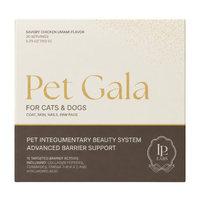
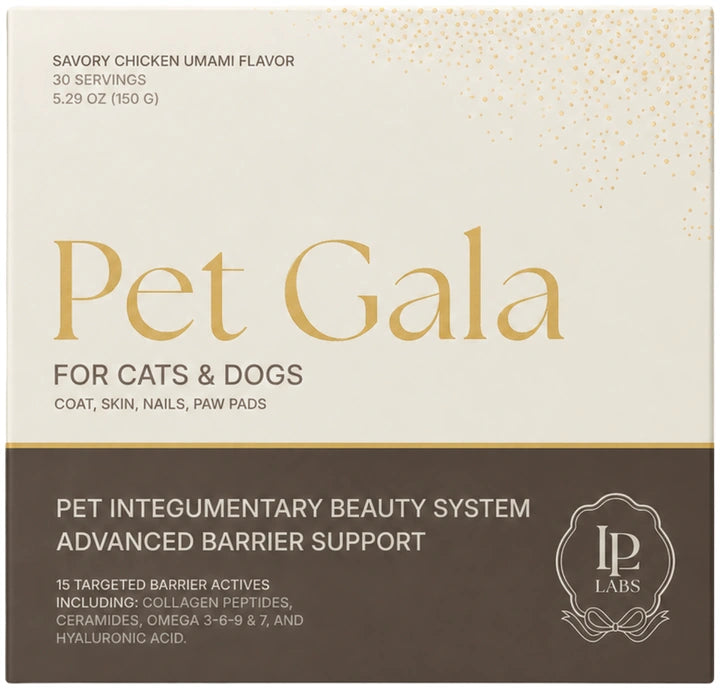
Pet Gala™ is a daily way to support the visible results owners care about most—healthy sheen, touchable softness, and strong nails—so your grooming routine looks better, longer.

A dog’s coat is one of the clearest signals of everyday care. When it looks healthy, it reads as clean, soft, and quietly radiant—hair lying the right way, color looking even, and a sheen that catches light without feeling oily. Most pet parents aren’t chasing perfection; they’re looking for reassurance. They want to run a hand down their dog’s back and feel smoothness, not roughness. They want fewer tangles on the brush, less hair on the couch, and a dog who looks as well-kept as they feel loved.

The best grooming tips for healthy coat for dogs are the ones that create visible change quickly and hold up in real life. That means choosing the right brush for the coat you actually have, bathing with products that respect your dog’s skin, rinsing and drying thoroughly, and keeping small details—paws, nails, ears, and face—neat enough to make the whole dog look “fresh.” It also means noticing what the coat is telling you: dryness, friction, seasonal shedding, or sensitivity that makes grooming feel unpleasant.

And then there’s the question careful owners ask: if I already feed a complete diet and groom regularly, why would I still choose a coat-focused supplement? Because visible condition isn’t just about meeting minimum nutrition. It’s about supporting the skin, coat, and nails as a connected system that shows your care every day—softness that lasts between baths, a coat that brushes out more easily, and nails that look strong and tidy. Used thoughtfully, a daily product like Pet Gala™ can complement grooming rituals without replacing good food, good tools, or good judgment.

By La Petite Labs Editorial, ~15 min read

Featured Product:

  • Brush for immediate shine: the right tool lifts debris and smooths the coat’s finish.
  • Bathe with intention: match shampoo to skin needs and rinse until the coat feels weightless.
  • Dry thoroughly for a polished look: damp undercoat can dull texture and invite tangles.
  • Prevent mats where friction happens: ears, armpits, collar lines, and feathering.
  • Keep nails and paws tidy: small trims and pad care elevate the whole “well-kept” impression.
  • Use seasonal shedding as a cue to adjust frequency, not to chase a one-time fix.
  • If you already feed well, a targeted daily supplement can still enhance visible coat presentation between grooms.

The Visible Signs of a Healthy Coat, and Why They Matter

A healthy-looking coat is a visible signal: it catches light, lies smoothly, and feels clean without feeling stripped. The best grooming tips for healthy coat for dogs start with a simple truth—shine is usually the result of many small, consistent choices, not one dramatic fix. Brushing removes dulling debris, distributes natural oils, and helps you notice changes early (dry patches, new flakes, tender spots). Bathing can brighten and soften, but only when the shampoo matches your dog’s skin needs and the rinse is thorough. Nutrition matters too, because coat quality is built from the inside and displayed on the outside (see: Best Skin & Coat Supplements for Dogs).

If you’re a careful, science-minded owner, you may already feed a solid diet—so why add a coat-focused product? Because visible condition is not just about “meeting minimums.” It’s about supporting the skin, coat, and nails as a connected system that shows daily care in the mirror: softness you can feel, less breakage on the brush, and a coat that looks polished between grooms. That’s where a targeted routine—and a thoughtfully formulated option like Pet Gala™—can fit without replacing good food or good grooming.

Beauty nutrition artwork highlighting skin and coat science connected to grooming tips for healthy coat supplement for dogs.

Brushing for Shine: Tools, Technique, and the Right Frequency

Brushing is the fastest way to improve how a coat looks today. It lifts dust, smooths the cuticle, and spreads natural oils so the coat reflects light evenly. The trick is matching the tool to the coat: slicker brushes for tangles and feathering, pin brushes for longer silky coats, rubber curry brushes for short coats, and undercoat rakes for dense double coats. If you’re unsure, your groomer can show you the right tool in five minutes—saving you months of trial and error.

Use gentle, short strokes and work in layers rather than skimming the top. Pay attention to “hidden” areas that dull first: behind the ears, under the collar, and along the chest. A good session ends with a comb pass that glides without snagging. As grooming tips for healthy coat for dogs go, this is the one that reliably changes the look of the coat immediately—and it also helps you notice dryness or irritation early, when it’s easiest to address.

Close-up collagen structure tied to skin support from best grooming tips for healthy coat supplements for dogs.

Bathing That Leaves Softness: Clean Without Stripping the Coat

Bathing should leave the coat clean, light, and touchably soft—not squeaky or brittle. Choose a dog shampoo that matches your dog’s skin needs (sensitive, deodorizing, moisturizing) and avoid human shampoos, which can be too harsh (related: Dog Skin Care). Before you wet the coat, brush out tangles; water tightens mats and makes them harder to remove. Use lukewarm water and fully saturate the coat so shampoo spreads evenly instead of clumping in one area.

Rinsing is where shine is won or lost. Rinse longer than you think you need, especially on the chest, belly, and undercoat. Residue can make the coat look dull and feel sticky. If you use conditioner, apply it mainly to the lengths and friction zones, then rinse thoroughly. For many dogs, a predictable bath schedule plus consistent brushing is the foundation of grooming tips for healthy coat for dogs—simple, visible, and repeatable.

Molecular design image tied to beauty support pathways in grooming tips for healthy coat supplements for dogs.

Drying and Finishing: the Step That Makes Coats Look Polished

Drying is an overlooked part of coat quality. Air-drying can leave a coat wavy, musty, or prone to matting—especially in double-coated or long-coated dogs. Towel-dry by pressing and blotting rather than rubbing, which can roughen the hair and create tangles. If you use a dryer, choose a low-heat setting and keep the airflow moving so you don’t overheat one spot.

Brush while drying to keep hair aligned and to prevent undercoat from compacting. This is also when you can create that “freshly groomed” finish owners love: smooth feathering, a clean part line, and a coat that lies naturally. If your dog is noise-sensitive, try a quieter dryer or dry in shorter sessions. These grooming tips for healthy coat for dogs are about presentation—how the coat looks and feels the same day, not weeks later.

Dog looking radiant, symbolizing beauty and care supported by best grooming tips for healthy coat supplements for dogs.

Coat Types and What They Need to Look Their Best

Different coats need different rituals. A short coat benefits from frequent quick brushing to lift dander and add shine. A double coat needs undercoat management to prevent a bulky, uneven look and to keep air moving near the skin. A curly or wool coat needs careful detangling and consistent trims to avoid mats that hide the coat’s natural shape. A silky long coat needs friction control—conditioning, gentle brushing, and attention to collar and harness rub.

If you’re unsure what coat type you’re working with, look at how the hair behaves after a bath: does it puff, lie flat, or spring into curls? Then choose tools and frequency accordingly. The most flattering routine is the one your dog can tolerate and you can maintain. When owners search grooming tips for healthy coat for dogs, they’re often trying to match effort to results—coat-specific choices make that balance feel effortless.

The scratching is completely gone, his coat looks healthy and shiny!

— Lena

He was struggling with itching, now he's glowing.

— Grace

“A healthy coat isn’t a mystery—its the visible result of gentle consistency.”

Comfortable Skin, Better Coat: Managing Dryness and Sensitivity

Skin comfort shows up in coat behavior. A dog who’s itchy, flaky, or sensitive may resist brushing, and the coat can look uneven because the skin underneath isn’t comfortable. Keep grooming gentle: avoid over-bathing, use lukewarm water, and choose mild products. After bathing, make sure the coat is fully dry—dampness trapped near the skin can worsen irritation and create odor that makes the coat feel less fresh.

Also watch for environmental triggers that change the coat’s look quickly: dry indoor heat, frequent swimming, or rough play that causes friction. Small adjustments—humidifier use, rinsing after pool time, or switching to a softer harness—can improve visible coat quality within days. If you’re exploring grooming tips for healthy coat supplements for dogs, think of them as a way to support the skin-coat relationship so the coat looks calmer, smoother, and more even (see: The Best Coat Growth Supplements for Dogs).

Dog portrait tied to beauty and care supported by grooming tips for healthy coat supplement for dogs.

Trimming and Tidy Work: Small Cuts That Make a Big Difference

Trimming is about shape and cleanliness, not changing who your dog is. Even dogs who don’t get full haircuts benefit from small “maintenance trims”: around the paws, sanitary areas, and the edges of feathering where debris collects. Clean lines make the whole coat look more intentional. If you’re trimming at home, use blunt-tip scissors for safety and work slowly, especially around ears and feet.

For double-coated breeds, avoid shaving unless your veterinarian recommends it for a medical reason; the coat’s structure supports its natural look and comfort. Instead, focus on de-shedding and tidy trims. A professional groomer can also help you choose a style that suits your dog’s coat texture and your lifestyle. These grooming tips for healthy coat for dogs are about a polished finish—clean outlines, less debris, and a coat that photographs beautifully.

Dog profile photo emphasizing coat shine supported by grooming tips for healthy coat supplement for dogs.

Keeping Odor Away: Freshness That Lasts Between Baths

Odor control is part of coat health because “clean” is a sensory experience, not just a visual one. If your dog smells quickly after baths, look for the cause rather than masking it. Common culprits include incomplete drying, residue left in the coat, ear issues, or skin irritation. Start with basics: rinse longer, dry thoroughly, wash bedding regularly, and clean collars and harnesses.

Between baths, use gentle wipes on paws, belly, and face—areas that pick up the most environmental grime. A light brush-out can also remove odor-holding debris. If odor is persistent or paired with redness or itching, consult your veterinarian. For owners who want the coat to stay fresh and presentable between grooming appointments, grooming tips for healthy coat supplement for dogs can be part of the plan, and Pet Gala™ supports the skin and coat foundation that helps “fresh” last longer.

Supplement breakdown graphic emphasizing no fillers approach within best grooming tips for healthy coat supplements for dogs.

A Simple Weekly Schedule That Fits Real Life and Real Dogs

A simple at-home schedule keeps coat care from becoming a weekend project. Many dogs do well with quick brushing most days, a longer session once weekly, and baths as needed based on lifestyle and coat type. The visible goal is consistency: fewer tangles, less shedding on furniture, and a coat that stays smooth when you run your hand along the back. Keep tools where you’ll actually use them—near the leash or by the couch.

Make grooming feel like bonding, not restraint. A two-minute brush after dinner can be more effective than a stressed 30-minute session once a month. Track what you notice: shine, softness, dandruff, and how much hair comes out. Those small signals tell you whether your routine is working. If you’re also considering best grooming tips for healthy coat supplements for dogs, choose a daily option that fits your schedule—Pet Gala™ is designed to be that steady, low-effort support.

Troubleshooting Dullness, Greasiness, and a Coat That Won’t Behave

If your dog’s coat looks dull, the fix is rarely “more product.” It’s usually better sequencing: detangle first, cleanse second, condition third, then protect with gentle drying and a final brush. Start by checking for friction points—collars, harness straps, and areas that rub on bedding—because repeated rubbing can roughen hair and flatten shine. Next, look at your water and rinse habits; leftover shampoo residue is a common cause of a coat that feels coated instead of clean.

Also consider the inside-out contributors you can actually see: brittle nails, frequent scratching, or a coat that breaks easily can suggest your routine needs more support, not more scrubbing. This is where grooming tips for healthy coat supplements for dogs can complement external care: they’re not a shortcut, but they can help the coat present better between baths and brushes (related: Best Supplement for Dog Nails). If you want a single daily step that aligns with visible coat goals, Pet Gala™ is designed to support skin, coat, and nails together.

“Shine is often won in the rinse, the dry, and the two-minute brush afterward.”

Branded lab coat reflecting precision and trust supporting best grooming tips for healthy coat supplements for dogs.

Seasonal Shedding Without the Mess: Keep the Coat Looking Fresh

Seasonal shedding can make even a well-kept dog look less polished. The goal isn’t to stop shedding—it’s to manage what’s already loosening so the coat stays airy, smooth, and comfortable. During heavy shed periods, increase brushing frequency and choose tools that match coat type: an undercoat rake for dense double coats, a slicker for feathering, and a rubber curry for short coats. Work in sections and keep sessions short so your dog stays relaxed.

Bathing during a shed can help release loose hair, but only if you fully dry and brush afterward; damp undercoat can mat and look dull. Add a quick daily “hands-on check” for hotspots, flakes, or tender areas—shedding can hide early irritation. For owners who want the coat to look consistently cared-for through seasonal changes, grooming tips for healthy coat supplement for dogs can be a practical add-on, and Pet Gala™ supports the skin and coat presentation you’re trying to maintain.

Shop Now
Premium ingredient tableau framing Pet Gala aligned with grooming tips for healthy coat supplements for dogs.

Mat Prevention That Feels Kind: Detangling Without the Drama

Matting is more than a cosmetic issue—it pulls on skin, traps moisture, and can make a dog feel touchy about being handled. The most effective prevention is routine, not force. Lightly misting with a dog-safe detangling spray (or using a conditioner during baths) can reduce friction so hair slides instead of snaps. Focus on high-risk zones: behind ears, armpits, collar line, belly, and the base of the tail.

When you find a mat, don’t yank. Hold the hair close to the skin, tease it apart with fingers, then use a comb from the ends inward. If mats are tight, a professional groomer is the kindest option. A coat that mats easily can also be a sign it needs more softness and better lubrication from within, which is why some owners explore grooming tips for healthy coat supplements for dogs alongside better brushing technique (see: Omega-3-6-9 for Dogs). Pet Gala™ is a daily way to support that “slip” and softness owners notice.

Shop Now
Home scene with woman and dog featuring Pet Gala and best grooming tips for healthy coat supplements for dogs.

Nails and Paws: the Quiet Details That Elevate Presentation

Paws and nails quietly shape how “well-kept” a dog looks—and how confidently they move. Overgrown nails can change posture and make play look hesitant. Aim for small, frequent trims rather than occasional big cuts. If you’re nervous, start with handling practice: touch paws, reward calm, and trim one nail at a time. A grinder can create a smoother finish, which also reduces snagging on blankets and carpets.

Don’t forget paw pads: keep hair between pads tidy, wipe after walks, and use a dog-safe balm if pads look dry or rough. Nail and pad care also pairs well with coat care because the same “daily presentation” mindset applies—small rituals that keep your dog comfortable and polished. If you’re looking for best grooming tips for healthy coat supplements for dogs that also consider nails, Pet Gala™ is positioned to support skin, coat, and nail condition together.

Shop Now

Face, Eyes, and Ears: Clean Framing for a Brighter Look

Ears and eyes frame the face, and small grooming details here can make a dog look instantly fresher. For eyes, gently wipe away discharge with a soft, damp cloth; for tear staining, consistency matters more than intensity. Avoid harsh products near the eyes. For ears, clean only what you can see, and use a dog-specific ear cleaner if your veterinarian has recommended it—especially for dogs prone to wax buildup.

A clean face also supports coat goals: less moisture and debris means less discoloration and less odor that can cling to facial hair. If you notice redness, strong odor, head shaking, or frequent pawing at ears, it’s a vet visit rather than a grooming project. For owners building grooming tips for healthy coat for dogs into a full “well-kept” routine, Pet Gala™ can complement external care by supporting skin and coat condition that shows up in everyday touch and appearance (related: Collagen for Dogs).

Inside-out Support: Food, Hydration, and Smart Daily Add-ons

Diet is the quiet partner of grooming. Even with excellent brushing and bathing, a coat can look flat if the skin is dry or the hair shaft is fragile. Many complete diets provide baseline nutrients, but visible coat quality can still vary with age, stress, season, and individual sensitivity. If you’re considering add-ons, think in terms of “presentation support” rather than chasing a single ingredient. The goal is a coat that feels supple, looks even in color, and sheds in a manageable way.

That’s why grooming tips for healthy coat supplements for dogs often focus on supporting the skin barrier and hair quality together, not just adding oil. Choose products with clear labeling, consistent dosing instructions, and a quality mindset that fits your dog’s life stage. If your dog has allergies, GI sensitivity, or is on medications, ask your veterinarian before starting anything new. Pet Gala™ is designed to fit alongside a good diet as a daily, visible-care companion for skin, coat, and nails.

Visual comparison highlighting no fillers advantage aligned with grooming tips for healthy coat for dogs.

Make Grooming a Ritual: Calm Handling That Improves Results

A grooming routine only works if your dog can relax into it. The most elegant coat is the one maintained without stress. Build positive associations: keep tools visible, start with brief sessions, and end before your dog gets restless. Use a non-slip mat, a calm voice, and rewards that feel special. For sensitive dogs, try brushing after a walk or meal when they’re naturally calmer.

Pay attention to body language—lip licking, turning away, sudden stillness, or pinned ears are cues to pause. If your dog hates baths, consider more frequent “rinse-less” wipe-downs between full washes, focusing on paws, belly, and face. The goal is a dog who looks cared-for and feels safe being cared for. When you pair calm handling with grooming tips for healthy coat for dogs, Pet Gala™ can be the steady daily step that supports visible softness and shine without adding drama to the routine.

Shop Now
Packaging reveal image highlighting brand care aligned with grooming tips for healthy coat for dogs.

When Coat Changes Need a Vet: Red Flags to Take Seriously

Some coat changes are cosmetic; others are a reason to call your veterinarian. Seek help if you see patchy hair loss, persistent redness, oozing, strong odor, repeated ear infections, or intense itching that disrupts sleep. Sudden dullness paired with weight change, lethargy, or increased thirst also deserves medical attention. Grooming can reveal these issues early, which is one of its underrated benefits.

For milder concerns—dryness, seasonal shedding, or a coat that just won’t look polished—tightening your routine often helps: better tool choice, gentler bathing, and more consistent brushing. If you’re also evaluating grooming tips for healthy coat supplement for dogs, do it with vet-guided common sense, especially for puppies, seniors, and dogs with chronic conditions. Pet Gala™ is intended to support everyday skin, coat, and nail presentation as part of a broader care routine.

Shop Now

Putting It Together: a Routine That Keeps the Shine Consistent

A coat that looks healthy is a daily signal of comfort and care: clean lines, soft texture, and a shine that doesn’t feel greasy. The most reliable results come from stacking small rituals—brush with the right tool, bathe with purpose, dry thoroughly, trim nails regularly, and keep an eye on skin changes. When owners ask for grooming tips for healthy coat for dogs, they’re often really asking for consistency that shows.

If you already do the basics, the next level is support that helps your dog look freshly cared-for between grooming sessions. That’s the practical role of a coat-focused supplement: not replacing food or grooming, but reinforcing the visible outcome you’re aiming for—softness, luster, and a coat that behaves on the brush. Pet Gala™ fits that space by supporting skin, coat, and nails together, so the care you give is easy to see.

“When care is calm and repeatable, the coat looks cared-for—day after day.”

Educational content only. This material is not a substitute for veterinary advice. Always consult your veterinarian about your dog’s specific needs. These statements have not been evaluated by the Food and Drug Administration. Products mentioned are not intended to diagnose, treat, cure, or prevent any disease.

Glossary

  • Undercoat: The soft, dense layer beneath guard hairs that sheds seasonally and can compact if not brushed out.
  • Guard Hairs: The longer outer hairs that give the coat its visible shape, color, and weather resistance.
  • Slicker Brush: A brush with fine angled pins used to remove tangles and lift loose hair, especially in longer coats.
  • Pin Brush: A brush with longer pins used to smooth and maintain longer, silky coats with less snagging.
  • Curry Brush: A rubber brush used on short coats to lift debris and add shine through gentle massage.
  • Mat: A tight knot of hair that can pull on skin and trap moisture; best prevented with frequent light brushing.
  • Feathering: Longer hair on legs, chest, belly, and tail that tangles easily and benefits from conditioning and combing.
  • De-Shedding: A grooming approach focused on removing loose undercoat to keep the coat lighter, smoother, and less messy at home.
  • Sanitary Trim: Small trimming around hygiene areas to reduce debris, odor, and staining.
  • Coat Finish: The final look and feel after grooming—smooth lay, soft texture, and an even sheen without residue.

Related Reading

References

Mota-Rojas. Anthropomorphism and Its Adverse Effects on the Distress and Welfare of Companion Animals.. Nature. 2021. https://www.nature.com/articles/s41598-025-27388-w

FAQ

What are grooming tips for healthy coat for dogs, really?

They’re the small, repeatable habits that make a coat look clean, smooth, and touchably soft: coat-type brushing, gentle bathing, thorough drying, and routine nail and paw care. The “healthy” part is visible—less breakage, fewer tangles, and a more even sheen.

If you already do the basics, adding consistent inside-out support can help the coat stay polished between grooming sessions. That’s where Pet Gala™

Why does coat shine change even with regular brushing?

Shine can shift with season, indoor dryness, friction from collars or harnesses, and how thoroughly you rinse and dry after baths. Residue and damp undercoat are common reasons a coat looks dull even when you brush often.

If the coat still looks flat, consider pairing external grooming with daily support for skin and coat condition so the finish holds longer. Many owners include Pet Gala™

How often should I bathe my dog for coat health?

It depends on coat type, lifestyle, and skin sensitivity. Some dogs do well with monthly baths; others need less frequent bathing with more brushing and wipe-downs between. The goal is a coat that feels clean and light, not stripped or brittle.

If bathing is infrequent, daily routines that support a polished look can matter even more. For an easy add-on that complements grooming, consider Pet Gala™

Which brush is best for my dog’s coat type?

Short coats often do best with a rubber curry or soft bristle brush. Long or silky coats usually need a pin brush plus a comb for finishing. Double coats benefit from an undercoat rake and slicker brush, while curly coats need careful combing to prevent mats.

If you want the coat to feel softer and brush out more easily, combine the right tool with consistent skin-and-coat support. A daily option many owners choose is Pet Gala™

What causes mats, and how can I prevent them gently?

Mats form when loose hair, moisture, and friction combine—often behind ears, in armpits, under collars, and on feathering. Prevention is easier than removal: frequent light brushing, detangling before baths, thorough drying, and keeping high-friction areas tidy.

If your dog’s coat tangles easily, supporting softness from within can make brushing feel kinder and faster. Many owners pair routine grooming with Pet Gala™

Are grooming tips for healthy coat for dogs different by breed?

Yes—mostly because coat type varies by breed. Double-coated breeds need undercoat management; drop-coated breeds need friction control and regular combing; curly-coated breeds need consistent detangling and trims. The best routine is the one that keeps the coat smooth and comfortable without over-bathing.

Across breeds, daily support for skin, coat, and nails can help the “well-kept” look stay consistent between grooming sessions. A simple option is Pet Gala™

How can I reduce shedding without irritating my dog’s skin?

Use coat-appropriate tools and short sessions. For double coats, focus on undercoat removal with gentle technique; for short coats, frequent light brushing can lift loose hair without scraping skin. Bathing can help release shed hair, but only if you rinse and dry thoroughly afterward.

If shedding comes with dryness or a rough feel, inside-out support can help the coat look smoother as it cycles. Many owners include Pet Gala™

What’s the safest way to clean ears during grooming?

Clean only what you can see, using a dog-specific ear cleaner if your veterinarian has recommended one. Avoid cotton swabs deep in the canal. If you notice strong odor, redness, discharge, or head shaking, stop home care and schedule a vet visit.

A comfortable dog is easier to groom, and comfort shows in coat presentation. For daily support that complements your routine, consider Pet Gala™

Can I use human shampoo or conditioner on my dog?

It’s usually not ideal. Human products can be too harsh or fragranced for many dogs and may leave the coat feeling dry or coated. A dog-specific shampoo matched to your dog’s skin needs is more likely to leave a clean, soft finish without irritation.

If you’re aiming for a consistently polished look, pair gentle external products with steady internal support for skin and coat condition. Many owners choose Pet Gala™

When should I call the vet about coat or skin changes?

Call if you see patchy hair loss, open sores, oozing, strong odor, repeated ear issues, or itching that disrupts sleep. Also check in if dullness appears suddenly alongside weight change, low energy, or increased thirst—those combinations deserve medical attention.

For everyday coat goals after medical concerns are addressed, a consistent routine plus daily support can help maintain a well-kept finish. Consider Pet Gala™

How long until I see results from coat-focused routines?

Brushing and better rinsing can improve feel and shine the same day. Changes tied to hair growth and skin condition tend to be more gradual, often noticed over several weeks as the coat cycles. Track simple signals: softness, ease of brushing, and how the coat lies after drying.

If you want the “between grooms” look to hold steadier, daily support can complement your routine without replacing it. Many owners use Pet Gala™

Are grooming tips for healthy coat supplements for dogs safe?

Safety depends on the formula, your dog’s health history, and what else they’re taking. Look for clear labeling, sensible serving guidance, and a product designed specifically for dogs. If your dog has allergies, GI sensitivity, or chronic conditions, ask your veterinarian before starting.

Used thoughtfully, supplements can support visible coat presentation as part of a broader grooming routine. For a daily option focused on skin, coat, and nails, consider Pet Gala™

What side effects should I watch for with coat supplements?

The most common issues owners notice are digestive upset (soft stool, gas) or picky eating if the flavor doesn’t suit the dog. Any new itching, ear changes, or skin flare after starting a product should prompt a pause and a vet check, especially for sensitive dogs.

Introduce new products one at a time so you can clearly see what’s helping. For a daily supplement designed to support visible skin, coat, and nail condition, consider Pet Gala™

Can coat supplements interact with my dog’s medications?

They can, depending on ingredients and your dog’s prescriptions. If your dog takes long-term medications or has a medical condition, it’s smart to ask your veterinarian before adding any supplement. Bring the label or a product link so your vet can review it quickly.

This vet-guided approach keeps your grooming routine focused on visible comfort and appearance without unwanted surprises. If you’re considering daily support, look at Pet Gala™

Are coat supplements appropriate for puppies or senior dogs?

Life stage matters. Puppies and seniors can have different sensitivities and needs, so it’s best to choose products formulated for dogs and to check with your veterinarian—especially if your dog is very young, older, or managing health conditions.

When chosen thoughtfully, daily support can help maintain a soft, well-kept coat that matches your dog’s stage of life. For a skin, coat, and nails option to discuss with your vet, see Pet Gala™

Do small dogs need different grooming routines than large dogs?

The biggest differences are coat type and handling, not size alone. Small dogs may mat faster due to fine hair and frequent clothing or harness friction; large dogs may need more time and better sectioning for thorough brushing and drying. Both benefit from consistent, low-stress sessions.

If you want the coat to stay polished between baths regardless of size, daily skin-and-coat support can complement your routine. Consider Pet Gala™

Can cats use dog coat supplements or grooming products?

It’s best not to assume. Cats and dogs can differ in what’s appropriate and safe, and some dog grooming products (including certain ingredients and fragrances) aren’t a good fit for cats. Always use species-specific products and ask your veterinarian if you’re unsure.

For dogs, a consistent routine plus a dog-formulated daily supplement can support visible coat goals. If you’re focusing on dogs, consider Pet Gala™

What quality signals should I look for in coat supplements?

Look for transparent labeling, clear serving directions, and a product designed for dogs rather than repurposed human ingredients. It’s also helpful when a brand positions the product as supporting overall skin, coat, and nails—because visible coat quality is rarely a single-nutrient story.

A good supplement should fit smoothly into daily life and complement grooming, not complicate it. If that’s your goal, consider Pet Gala™

How do I choose between food changes and supplements?

Start with the simplest lever: confirm your dog is on a complete, appropriate diet and that grooming basics are solid (tool choice, rinsing, drying). If the coat still looks rough or dull, a supplement can be a practical way to support visible condition without changing the entire diet.

For dogs with sensitivities, diet changes should be vet-guided; supplements should be chosen with the same care. For daily skin, coat, and nails support that complements grooming, consider Pet Gala™

What does research suggest about supplements and coat appearance?

Research suggests that nutrition can influence visible coat qualities like softness, sheen, and shedding patterns, especially when a dog’s baseline intake or skin comfort isn’t optimal. Results vary by individual, and supplements work best when paired with consistent grooming and a complete diet.

If your goal is a reliably well-kept look rather than a dramatic “overnight” change, a daily formula that supports skin, coat, and nails can be a sensible choice. Consider Pet Gala™

How do I build a simple decision framework for coat care?

First, confirm there’s no medical red flag (intense itching, sores, strong odor, patchy loss). Next, match tools and bathing to coat type and improve rinse/dry technique. Then decide what you want to see: less matting, more softness, better shine, or easier brushing—and adjust one variable at a time.

If you want a steady daily step that supports visible coat presentation alongside grooming, consider adding Pet Gala™

5K+ Happy Pet Parents

Excellent 4.8

Grooming Tips for Healthy Coat for Dogs | Why Thousands of Pup Parents Trust Pet Gala™

"It's so good for his coat, and so easy to mix into food."

Alex & Cashew

"Gives him that glow from head to tail!"

Elisabeth & Chai

"The scratching is completely gone, his coat looks healthy and shiny."

Lena & Bear

"Magical. He was struggling with itching and shedding. Now he's literally glowing."

Grace & Ducky

"It's so good for his coat, and so easy to mix into food."

Alex & Cashew

"Gives him that glow from head to tail!"

Elisabeth & Chai

"The scratching is completely gone, his coat looks healthy and shiny."

Lena & Bear

"Magical. He was struggling with itching and shedding. Now he's literally glowing."

Grace & Ducky

"It's so good for his coat, and so easy to mix into food."

Alex & Cashew

"Gives him that glow from head to tail!"

Elisabeth & Chai

"The scratching is completely gone, his coat looks healthy and shiny."

Lena & Bear

"Magical. He was struggling with itching and shedding. Now he's literally glowing."

Grace & Ducky

"It's so good for his coat, and so easy to mix into food."

Alex & Cashew

"Gives him that glow from head to tail!"

Elisabeth & Chai

"The scratching is completely gone, his coat looks healthy and shiny."

Lena & Bear

"Magical. He was struggling with itching and shedding. Now he's literally glowing."

Grace & Ducky

SHOP NOW