Golden Retriever Skin Allergies

Identify the Trigger Pattern, Then Restore Barrier Function to Reduce Scratching

Essential Summary

Why are Golden Retriever skin allergies important?

Golden Retrievers are famous for their plush coats, so skin irritation shows quickly: redness, flaking, paw licking, and a dull finish. The most reassuring approach combines veterinarian-guided care for flares with steady routines that improve what you can see every day—calmer-looking skin, softer texture, and a cleaner sheen.

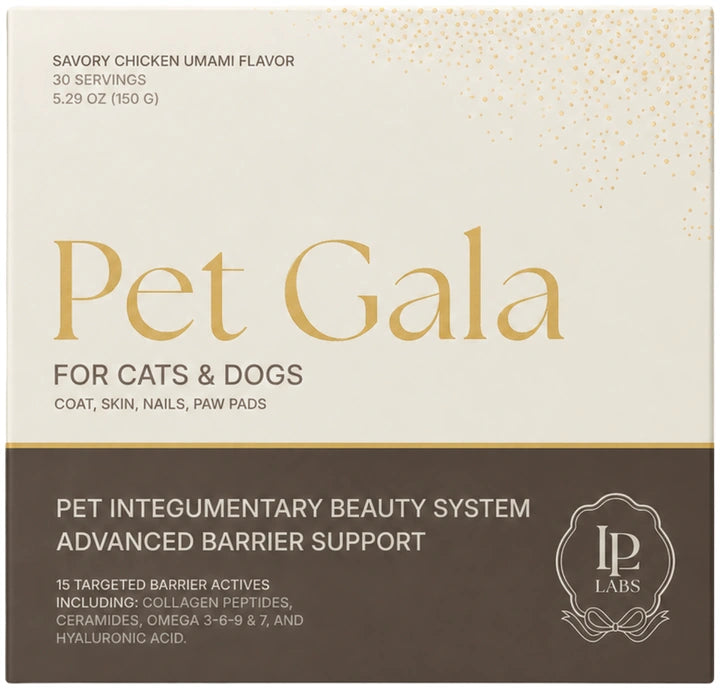
Pet Gala™ is designed for visible skin-and-coat support—helping daily care show up as natural softness, a polished coat, and strong, clean nails—so your Golden Retriever looks as comfortable as they feel.

Golden Retrievers are meant to look effortless: a clean, plush coat; comfortable skin; the kind of dog you can hug without thinking twice. When golden retriever skin allergies enter the picture, the change is usually visible before it’s dramatic—paws that stay pink, a belly that flushes, a coat that loses its smooth lay, or a dog who can’t stop “checking” their skin. These are not just medical details; they’re the signals that tell you your dog doesn’t feel as at ease as they look.

The most helpful way to approach this topic is to separate three overlapping stories: triggers (what sets the skin off), flare management (what calms it down), and maintenance (what keeps the coat looking polished day to day). In many dogs, allergic reactions involve hypersensitivity to ingredients or exposures, and the response can be delayed, which is why patterns can feel confusing at first. Golden Retrievers can also have breed-linked barrier challenges that present as scaling and dryness, adding another layer to what owners call “allergies”.

A science-minded owner still chooses a dedicated skin-and-coat product for a simple reason: even with a good diet and appropriate veterinary care, the day-to-day goal is visible comfort—natural softness, a cleaner sheen, and fewer moments where itch steals your dog’s attention. That’s where supportive routines and a formula like Pet Gala™ fit: not as a replacement for treatment, but as consistent care that shows where it matters most—skin, coat, and nails.

By La Petite Labs Editorial, ~15 min read

Featured Product:

  • Golden retriever skin allergy symptoms often appear as paw licking, red belly skin, ear debris, and a coat that loses its plush finish.
  • Common golden retriever skin allergies causes include environmental exposure, ingredient sensitivities, and contact irritation from products that touch the coat.
  • Some “allergy” cases are complicated by barrier conditions in the breed, including scaling disorders that change what effective care looks like.
  • Golden retriever skin allergy treatments work best when flare control and maintenance are paired, so comfort and appearance stay steady between appointments.
  • The best diet for golden retriever skin allergies is consistent and complete; when food reaction is suspected, structured trials are more informative than frequent switching.
  • The best supplements for golden retriever skin allergies are those you can use steadily, supporting visible signals like coat shine, calm-looking skin, and nail strength.
  • A science-minded owner still chooses a skin-and-coat formula because it supports daily presentation—what you see in the mirror and feel under your hand—while medical care addresses the flare.

The Visible Signs of Skin Sensitivity in Golden Retrievers

Golden retriever skin allergies often show up as small, everyday changes before they become obvious: a dog who pauses mid-walk to scratch, a coat that looks dull after a bath, or paws that stay pink long after play. The goal isn’t to chase a single culprit—it’s to restore a look and feel that reads “comfortable” at a glance. Many cases involve hypersensitivity to ingredients or environmental exposures, where the skin reacts disproportionately to something that seems ordinary (McDermott A, 2025).

Because Golden Retrievers can also have inherited skin-barrier issues that resemble “dry skin with scale,” it’s worth separating true allergy flare-ups from barrier conditions that need different care (Mauldin EA, 2008). When you treat the visible signals—itch, redness, odor, flaking—you’re also protecting the routines you share: brushing, cuddling, and the confidence of a coat that looks well-kept (see: Dog Skin Care).

Close-up skin health render visualizing beauty support from golden retriever skin allergies causes.

Symptoms Owners Notice First: Paws, Ears, Belly, and Coat Texture

Golden retriever skin allergy symptoms are usually easy to recognize once you know what to look for: frequent scratching, licking paws, rubbing the face, red belly skin, recurrent ear debris, and a coat that loses its plush, even finish. Some dogs also develop a “corn chip” or yeasty odor, which can signal that the skin’s surface balance is off and needs attention.

Symptoms can wax and wane with seasons, grooming products, or diet changes. Because allergic reactions can involve delayed hypersensitivity in dogs, the trigger isn’t always obvious in the moment. Tracking what you see—where the redness appears, when the licking starts, what changed in the home—turns a frustrating pattern into something you can manage with confidence.

Collagen structure visualization representing skin elasticity supported by how to help golden retriever with skin allergies.

Why Allergies Show up in the Coat Before They Show up Elsewhere

Owners often describe golden retriever skin allergies as “my dog is itchy all the time,” but the more useful description is visual: inflamed paws, thinning fur on the belly, and a coat that looks tired instead of freshly brushed. That’s because skin is a display organ—when it’s comfortable, it looks calm; when it’s irritated, it announces it.

Allergies can be triggered by ingredients, environmental exposures, or contact with certain products. Hypersensitivity reactions to ingredients are a recognized driver of allergic skin signs in dogs, including Golden Retrievers. The most effective approach is to reduce the trigger load while supporting the skin’s day-to-day appearance: smoother texture, less redness, and a coat that holds shine between grooms (related: Collagen for Dogs).

Ingredient structure illustration showing beauty formulation behind golden retriever skin allergies remedies.

Why Flare Control and Maintenance Both Matter for Lasting Comfort

A common frustration is that golden retriever skin allergy treatments can feel like a rotating door: a flare settles, then returns. That doesn’t mean you’re failing—it often means the plan is missing one piece: maintenance. Veterinary care can address acute itch and infection, while home routines reduce the everyday exposures that keep skin reactive.

Maintenance is where visible results live. Consistent bathing with an appropriate product, regular brushing to lift dander, and a stable diet can make the coat look more uniform. If your dog has persistent scaling, consider that a barrier disorder may be contributing, which can change what “effective” looks like.

Dog image representing beauty care routines supported by how to help golden retriever with skin allergies.

Simple Home Remedies That Make Skin Look Calmer Between Baths

If you’re looking for golden retriever skin allergies remedies that fit real life, start with the simplest: reduce contact time with irritants. Rinse paws and belly after high-pollen walks, keep nails trimmed to reduce self-trauma from scratching, and wash bedding on a predictable schedule. These steps don’t “fix” allergies, but they can make the skin look less angry and the dog act less distracted.

Next, audit products that touch the coat: shampoos, sprays, wipes, and even laundry detergents. Allergen risk assessment in canine products matters, especially for sensitive dogs. Choose fewer products, not more, and prioritize gentle, consistent care that keeps the coat looking clean and comfortable.

The scratching is completely gone, his coat looks healthy and shiny!

— Lena

He was struggling with itching, now he's glowing.

— Grace

“The goal isn’t to chase a single culprit—it’s to restore a coat and skin that look quietly comfortable.”

Diet Consistency, Food Trials, and What a Better Coat Can Signal

The best diet for golden retriever skin allergies is often less about a trendy ingredient and more about control and consistency. A complete-and-balanced diet that your dog tolerates well supports coat quality, stool quality, and overall presentation. If you suspect food plays a role, a veterinarian-guided elimination diet is the cleanest way to test the hypothesis (Rumbeiha W, 2011).

During any diet change, watch for visible markers: reduced paw licking, less redness on the belly, and a coat that regains a soft, even lay. Nutrition assessment is also about the whole picture—treats, toppers, and chewables can quietly undermine a good plan (German K, 2025). When you keep inputs steady, the skin’s response becomes easier to read.

Elegant dog portrait reflecting coat shine and natural beauty supported by how to help golden retriever with skin allergies.

Supplement Support: Enhancing Shine, Softness, and Nail Strength

When people ask about the best supplements for golden retriever skin allergies, they’re often trying to bridge the gap between “my vet is treating the flare” and “I want my dog to look comfortable every day.” A well-designed supplement can support coat shine, skin hydration, and nail strength as visible signals of care—especially when used consistently alongside grooming and diet (see: Best Skin & Coat Supplements for Dogs).

If your dog takes other medications, keep your veterinarian informed before adding anything new. The goal is compatibility and steadiness, not stacking products. Choose supplements with clear serving guidance and a focus on integumentary support so you’re investing in the look you want: smooth coat, calm skin, and confident play.

Canine profile image reflecting coat shine and wellness supported by golden retriever skin allergy treatments.

Understanding Triggers: Environment, Ingredients, and Contact Irritants

Golden retriever skin allergies causes can overlap, which is why “one trigger” is rarely the full story. Environmental allergens may drive seasonal flares, while ingredient sensitivities can keep low-grade itch simmering year-round. In dogs, allergic reactions can involve Type IV hypersensitivity, meaning the skin’s response may be delayed and harder to connect to a single event.

There’s also the skin’s surface ecosystem to consider. Changes in the skin microbiome are associated with dermatitis and can influence how irritated skin looks and smells (Ahmed, 2019). This is why a plan that combines veterinary care, gentle grooming, and supportive nutrition often produces the most noticeable improvement in day-to-day appearance.

Supplement breakdown graphic emphasizing no fillers approach within best supplements for golden retriever skin allergies.

How to Help Your Dog Without Changing Everything at Once

If you’re trying to decide how to help golden retriever with skin allergies, start by defining your “non-negotiable” comfort goals: sleeping through the night, no constant paw chewing, and a coat that doesn’t shed flakes onto your clothes. Then build a plan around three pillars: reduce triggers, treat flares promptly, and support the skin’s visible condition every day.

Work with your veterinarian to rule out parasites, infection, and other look-alikes, and to choose appropriate therapies for itch and inflammation. At home, keep routines steady—diet, grooming, and environment—so you can actually see what’s helping. The payoff is immediate and personal: a dog who looks at ease in their own coat.

Choosing Supplements That Support a Polished Coat and Calm Skin

When people search for the best supplements for golden retriever skin allergies, they’re usually asking a practical question: “What makes my dog look and feel better between baths and vet visits?” Supplements can support visible comfort—less frantic scratching, calmer-looking skin, and a coat that holds a clean sheen—without pretending to replace medical care. Think of them as daily consistency for the skin, coat, and nails, not a one-nutrient fix.

Quality signals matter: clear labeling, reasonable serving directions, and a formula designed for integumentary support rather than vague “immune boosting.” If your dog is on prescription therapies, choose a supplement that fits alongside them and keep your veterinarian in the loop, especially if itch is severe or recurrent (Mota-Rojas, 2021). The best choice is the one you’ll use steadily—because steady care is what shows.

“Maintenance is where the visible wins live: calmer paws, smoother texture, and a coat that holds its shine.”

Scientific attire image highlighting formulation rigor associated with golden retriever skin allergies causes.

Everyday Remedies That Reduce Irritation Without Overcomplicating Care

Golden retriever skin allergies remedies can be simple, but they should feel intentional. Start with the “friction points” you can see: paws that stay irritated after walks, belly skin that flushes after grass time, or ears that get waxy and smelly. A quick rinse after outdoor play, gentle drying between toes, and keeping bedding freshly washed can reduce the everyday load that keeps skin looking inflamed.

If you’re trialing a new shampoo, wipe, or spray, introduce one change at a time and watch the coat’s finish and the dog’s comfort for a full week. Allergic reactions can be delayed-type hypersensitivity in dogs, so “same day” isn’t always the full story (McDermott A, 2025). The best remedy is the one that makes your dog look relaxed in their own skin—consistently.

Shop Now
Premium ingredient tableau framing Pet Gala aligned with golden retriever skin allergies causes.

A Practical Routine for Helping Your Dog Look Comfortable Daily

If you’re wondering how to help golden retriever with skin allergies, build a calm, repeatable routine. The most reassuring progress is often visual: fewer hot-looking patches, less paw staining, and a coat that lies flatter and feels softer. Start with a baseline: photos of the belly, paws, and ears in good light once a week. It sounds simple, but it prevents “memory bias” when flare-ups come and go.

Then coordinate the big levers: diet consistency, grooming cadence, and environmental exposure control. If itch is intense, if there’s odor, or if the skin is broken, involve your veterinarian early—secondary infections can complicate what looks like a straightforward allergy picture (Mauldin EA, 2008). The aim is a dog who sleeps through the night and wears their coat with ease.

Shop Now
Owner showcasing product beside her pet, reflecting beauty care through best supplements for golden retriever skin allergies.

Treatment Options That Pair Veterinary Care with Consistent Home Support

Golden retriever skin allergy treatments range from lifestyle changes to veterinary therapies. Your veterinarian may recommend targeted itch control, infection management, or an elimination diet if food reaction is suspected (Rumbeiha W, 2011). These are not “either/or” choices; the best outcomes often come from pairing medical direction with consistent home care that keeps the skin looking calm between appointments.

Ask your vet what success should look like in your dog: fewer scratch episodes per day, reduced redness, less ear debris, or a coat that regains luster after grooming. When you define success as visible signals, you can tell whether a plan is working. If you’re adding a supplement, choose one designed for skin, coat, and nails so it complements—not competes with—your treatment plan (related: The Best Coat Growth Supplements for Dogs).

Shop Now

When Scaling Signals a Barrier Issue Beyond Typical Allergy Flares

Some Golden Retrievers struggle with scaling and dryness that isn’t purely “allergies.” Nonepidermolytic ichthyosis is a known condition in the breed and is linked to a genetic change affecting skin barrier function (Mauldin EA, 2008). Visually, it can look like persistent dandruff, rough texture, and a coat that never quite looks freshly polished, even after bathing.

Why it matters: when the barrier is compromised, skin can be more reactive and more prone to secondary issues, which can mimic or worsen allergy-like signs. If your dog’s “allergies” never fully settle, ask your veterinarian whether barrier disorders are part of the picture. The right grooming products and supportive nutrition can make the coat look smoother and feel more comfortable day to day.

Sorting the Most Common Triggers Without Guesswork or Whiplash

A practical way to think about golden retriever skin allergies causes is “what touches the dog, what the dog eats, and what the dog breathes.” Ingredient sensitivities can trigger hypersensitivity reactions in some dogs, and careful assessment of products—treats, chews, shampoos, even scented cleaners—can reduce flare frequency (McDermott A, 2025). Environmental triggers like pollen and dust can also keep skin looking persistently irritated.

Instead of changing everything at once, build a short list of suspects and test systematically with your veterinarian’s guidance. The goal isn’t perfection; it’s predictability. When you can predict what worsens the look of the skin, you can protect the moments you care about—cuddles without flaking, photos without red paws, and a coat that reads “well cared for.”

Side-by-side supplement comparison designed around golden retriever skin allergies expectations.

Diet Choices That Keep Skin Calm and Coats Looking Well Kept

The best diet for golden retriever skin allergies is the one your dog thrives on consistently—steady stools, steady appetite, and a coat that keeps its shine. If food reaction is suspected, your veterinarian may suggest a structured elimination diet trial, because diagnosis relies on controlled feeding rather than guesswork (Rumbeiha W, 2011). During a trial, “little extras” matter: flavored medications, table scraps, and certain chews can blur results.

Even when a diet is complete and balanced, owners often still want better visible condition: less dryness, fewer flakes, and a softer finish after brushing. That’s where a skin-and-coat focused supplement can fit—supporting the presentation of comfort without claiming to replace a therapeutic diet (see: Omega-3-6-9 for Dogs). If you change foods, change slowly and track the coat and skin weekly.

Shop Now
Open box with Pet Gala inside, reinforcing golden retriever skin allergies remedies premium cues.

Grooming Habits That Improve Comfort and Restore Coat Finish

Grooming is not cosmetic fluff for a Golden Retriever—it’s a visible-care ritual that can reduce irritation and improve how the coat wears. Use a gentle, fragrance-light routine, rinse thoroughly, and dry the undercoat well; moisture trapped close to the skin can make redness and odor more noticeable. If your dog gets recurrent ear or skin odor, ask your veterinarian whether yeast or bacterial overgrowth is contributing (Mota-Rojas, 2021).

Between baths, focus on high-impact zones: paws, belly, and behind the ears. A quick wipe after outdoor time can keep allergens from lingering on the coat. The win you’re looking for is simple: your dog stops “checking” their skin and starts moving through the day like nothing is bothering them.

Shop Now

When to Call Your Veterinarian and What to Bring Along

When should you call the vet? If your dog is losing hair in patches, has open sores, a strong odor, head shaking, or itch that disrupts sleep, it’s time. Allergic skin disease can be complicated by secondary infections, and prompt treatment can quickly change how your dog looks and feels (Mota-Rojas, 2021). Bring photos, a list of foods and treats, and notes on seasonality to make the visit more efficient.

After the acute flare is addressed, ask for a maintenance plan that fits your life: bathing cadence, diet consistency, and supportive care that keeps the coat polished. The best plan is the one you can repeat without stress—because your dog’s skin shows your consistency in the most visible way.

“Consistency is a beauty ritual for dogs, too—because the coat reflects what you do every day.”

Educational content only. This material is not a substitute for veterinary advice. Always consult your veterinarian about your dog’s specific needs. These statements have not been evaluated by the Food and Drug Administration. Products mentioned are not intended to diagnose, treat, cure, or prevent any disease.

Glossary

  • Atopic Dermatitis: A chronic, often seasonal allergy pattern that commonly affects paws, ears, face, and belly skin.
  • Adverse Food Reaction: An unwanted response to a food ingredient that can include skin signs; diagnosis typically requires a controlled diet trial.
  • Contact Dermatitis: Skin irritation triggered by something that touches the coat or skin, such as shampoos, wipes, or lawn chemicals.
  • Skin Barrier: The outer layer of skin that helps retain moisture and keep irritants out; when compromised, skin can look dry, flaky, or reactive.
  • Nonepidermolytic Ichthyosis: A breed-associated condition in Golden Retrievers that can cause scaling and dryness due to barrier changes.
  • Secondary Infection: Bacterial or yeast overgrowth that can develop when skin is inflamed, often adding odor, redness, and discomfort.
  • Pruritus: The medical term for itching, often seen as scratching, licking, chewing paws, or rubbing the face.
  • Elimination Diet Trial: A structured feeding period using a limited or prescription diet to evaluate whether food is contributing to skin signs.
  • Allergen Load: The combined exposure to triggers (pollen, dust, products, ingredients) that can push a sensitive dog into a flare.

Related Reading

References

Mauldin EA. The clinical and morphologic features of nonepidermolytic ichthyosis in the golden retriever.. PubMed Central. 2008. https://pmc.ncbi.nlm.nih.gov/articles/PMC3334879/

McDermott A. Reapplication of the Type IV Hypersensitivity Quantitative Risk Assessment to Assess Ingredients Used on Canines.. PubMed. 2025. https://pubmed.ncbi.nlm.nih.gov/40536915/

Mota-Rojas. Anthropomorphism and Its Adverse Effects on the Distress and Welfare of Companion Animals.. Nature. 2021. https://www.nature.com/articles/s41598-025-27388-w

German K. Exploratory analysis of nutrient composition of adult and senior dog diets.. PubMed Central. 2025. https://pmc.ncbi.nlm.nih.gov/articles/PMC12757753/

Rumbeiha W. A review of class I and class II pet food recalls involving chemical contaminants from 1996 to 2008.. PubMed Central. 2011. https://pmc.ncbi.nlm.nih.gov/articles/PMC3614097/

Ahmed. Bioaccumulation of heavy metals in some commercially important fishes from a tropical river estuary suggests higher potential health risk in children than adults.. Nature. 2019. https://www.nature.com/articles/s41598-021-00467-4

FAQ

What are golden retriever skin allergies, in plain terms?

Golden retriever skin allergies are overreactions of the skin to everyday triggers, leading to itch, redness, and changes in coat quality. In many dogs, reactions can be delayed, so the flare may not happen the same day as the exposure.

Veterinary care addresses flare drivers, while daily routines support a calmer look and softer feel. For ongoing visible skin-and-coat support, many owners pair their plan with Pet Gala™.

Why do Golden Retrievers seem especially prone to itchy skin?

They can be sensitive to common allergens, and some also have breed-linked barrier issues that make skin look drier or more reactive. A known example is nonepidermolytic ichthyosis, which affects barrier function and can present with scaling.

A combined plan (vet care plus steady grooming and nutrition) often produces the most noticeable comfort. To support everyday coat polish and skin presentation, consider Pet Gala™.

What are the most common golden retriever skin allergy symptoms?

Common signs include paw licking, belly redness, ear debris or odor, frequent scratching, and a coat that looks dull or flaky. Some dogs also rub their face or scoot due to irritation.

If symptoms disrupt sleep, cause open sores, or create strong odor, involve your veterinarian promptly. For daily visible support between flare-ups, many owners usePet Gala™.

How can I tell allergies from dry skin or scaling?

Allergies often look like redness, itch, and recurrent ear or paw issues, while barrier-related dryness can look like persistent scale and rough texture. In Golden Retrievers, ichthyosis is a recognized scaling condition tied to barrier changes.

Because both can overlap, a vet exam helps you avoid chasing the wrong trigger. For everyday coat softness and a more polished finish, consider Pet Gala™.

What causes golden retriever skin allergies most often?

Common causes include environmental allergens (like pollen or dust), ingredient sensitivities, and contact irritation from products. Dogs can also have delayed-type hypersensitivity reactions, making triggers harder to spot in real time.

A practical approach is to reduce exposures, keep diet consistent, and treat flares early with your veterinarian. For visible skin-and-coat support alongside that plan, consider Pet Gala™.

Which golden retriever skin allergy treatments do vets commonly recommend?

Veterinarians may recommend itch-control medications, topical therapy, ear care, and treatment for secondary infections when present. Many dogs also benefit from structured long-term management plans for atopic dermatitis.

Ask what success should look like in your dog (less licking, calmer belly skin, fewer ear flares). For daily coat shine and skin presentation support, consider Pet Gala™.

What home routines help golden retriever skin allergies look calmer?

Rinsing paws after outdoor time, drying between toes, washing bedding regularly, and using gentle grooming products can reduce the “trigger load” that keeps skin looking inflamed. Introduce changes one at a time so you can see what actually improves comfort.

If odor, hair loss, or broken skin appears, involve your veterinarian promptly. For everyday coat softness and a polished finish, considerPet Gala™.

What is the best diet for golden retriever skin allergies?

The best diet is complete, consistent, and well-tolerated. If an adverse food reaction is suspected, a veterinarian-guided elimination diet trial is the most reliable way to evaluate it.

Avoid frequent switching without a plan, because it makes patterns harder to interpret. For visible coat and skin support that complements a stable diet, consider Pet Gala™.

Are grain-free diets better for golden retriever skin allergies?

Not automatically. Skin signs are more often tied to specific proteins or environmental triggers than to grains as a category. The most useful step is choosing a diet that is nutritionally complete and monitoring response with your veterinarian’s guidance(German K, 2025).

If you suspect food involvement, a structured trial is clearer than guessing. For daily coat luster and skin comfort presentation, considerPet Gala™.

What are the best supplements for golden retriever skin allergies?

The best supplements are those formulated for skin, coat, and nails, with clear serving directions and quality controls. They’re most valuable when they support visible signals—softer coat texture, a cleaner sheen, and less “bothered” behavior—alongside veterinary care.

If your dog is on medications for itch or infection, confirm compatibility with your veterinarian. For daily integumentary support, considerPet Gala™.

Can supplements replace veterinary golden retriever skin allergy treatments?

No. Supplements are best viewed as supportive care for day-to-day presentation—coat shine, skin comfort, and nail strength—while veterinary treatments address flares, infections, and significant itch. Many dogs with atopic dermatitis need a structured medical plan.

When used consistently, a supplement can help you maintain a calmer look between appointments. For visible skin-and-coat support, consider Pet Gala™.

How quickly will I see results in coat shine and itching?

Timeline depends on the trigger and whether infection is present. Medical therapy can improve itch quickly, while visible coat changes often track grooming cycles and consistent daily care. Take weekly photos of paws and belly so you can see subtle improvements.

If symptoms worsen or sleep is disrupted, contact your veterinarian. For steady, day-to-day skin-and-coat support, considerPet Gala™.

Is Pet Gala™ safe for puppies with sensitive skin?

For puppies, safety depends on age, size, and overall diet. Because puppies have specific nutritional needs, it’s best to confirm any supplement with your veterinarian, especially if there’s ongoing itch, ear issues, or gastrointestinal sensitivity(German K, 2025).

Once approved, consistency matters more than complexity—steady care is what shows in the coat. For daily visible support, considerPet Gala™.

Can senior dogs benefit from skin and coat support?

Yes—many seniors show dryness, dull coat texture, or slower recovery after flare-ups. The key is choosing supportive care that fits their overall health picture and medications, with your veterinarian’s input.

A steady routine can make a senior look more comfortable and well-kept, which is often what owners want most. For daily integumentary support, consider Pet Gala™.

Can golden retriever skin allergies be related to ear infections?

Yes. Allergic skin disease often involves the ears, showing as waxy debris, odor, or head shaking. Managing the underlying allergy pattern can reduce recurrence, but infections still need veterinary diagnosis and treatment.

Once the ears are stable, daily skin-and-coat support can help maintain a calmer overall presentation. For ongoing support, consider Pet Gala™.

What side effects should I watch for with new supplements?

With any new supplement, watch for digestive upset (soft stool, vomiting), appetite changes, or new itching that coincides with starting it. If your dog has known sensitivities, introduce one new product at a time so you can interpret changes clearly.

If symptoms are significant or persistent, stop the product and consult your veterinarian. For a skin-and-coat focused option to discuss with your vet, consider Pet Gala™.

Can Pet Gala™ be used with prescription allergy medications?

Often, supportive skin-and-coat supplements can fit alongside prescription plans, but your veterinarian should confirm based on your dog’s exact medications and health history. This is especially important when itch control or infection treatment is involved.

The goal is a cohesive plan where medical therapy handles the flare and daily care supports visible comfort. For daily support to discuss with your vet, consider Pet Gala™.

Do dogs and cats share the same skin allergy approach?

They can share broad concepts (trigger reduction, gentle grooming, nutrition consistency), but diagnosis and treatment choices differ by species. Never assume a cat can use a dog’s plan or products without veterinary approval, especially for itch and skin medications.

For dogs, daily skin-and-coat support can complement a veterinarian’s allergy plan. For visible support in dogs, consider Pet Gala™.

What quality signals matter when choosing a skin supplement?

Look for clear ingredient lists, realistic serving directions, and a formula built for skin, coat, and nails rather than vague promises. Also consider whether it fits your dog’s total diet, since overall nutritional balance matters for appearance.

A good supplement should feel easy to use daily, because consistency is what shows in the coat. For a skin-and-coat focused option, consider Pet Gala™.

How do I decide between diet changes and supplements first?

If signs are severe, start with a veterinary exam to rule out infection and parasites, then decide whether a diet trial is warranted. Food reaction diagnosis relies on controlled trials, not rapid switching.

Supplements can be a steady “maintenance layer” while you keep diet consistent and track visible changes like coat sheen and paw redness. For daily support that complements either path, consider Pet Gala™.

When should I call a vet about skin allergy flares?

Call if your dog has open sores, hair loss patches, strong odor, head shaking, or itch that interrupts sleep. These can signal secondary infection or a flare that needs prescription support, which is common in atopic dermatitis management.

Once the flare is controlled, focus on maintenance that keeps the coat looking calm and well-kept. For daily skin-and-coat support, consider Pet Gala™.

5K+ Happy Pet Parents

Excellent 4.8

Golden Retriever Skin Allergies | Why Thousands of Pup Parents Trust Pet Gala™

"It's so good for his coat, and so easy to mix into food."

Alex & Cashew

"Gives him that glow from head to tail!"

Elisabeth & Chai

"The scratching is completely gone, his coat looks healthy and shiny."

Lena & Bear

"Magical. He was struggling with itching and shedding. Now he's literally glowing."

Grace & Ducky

"It's so good for his coat, and so easy to mix into food."

Alex & Cashew

"Gives him that glow from head to tail!"

Elisabeth & Chai

"The scratching is completely gone, his coat looks healthy and shiny."

Lena & Bear

"Magical. He was struggling with itching and shedding. Now he's literally glowing."

Grace & Ducky

"It's so good for his coat, and so easy to mix into food."

Alex & Cashew

"Gives him that glow from head to tail!"

Elisabeth & Chai

"The scratching is completely gone, his coat looks healthy and shiny."

Lena & Bear

"Magical. He was struggling with itching and shedding. Now he's literally glowing."

Grace & Ducky

"It's so good for his coat, and so easy to mix into food."

Alex & Cashew

"Gives him that glow from head to tail!"

Elisabeth & Chai

"The scratching is completely gone, his coat looks healthy and shiny."

Lena & Bear

"Magical. He was struggling with itching and shedding. Now he's literally glowing."

Grace & Ducky

SHOP NOW