Golden Retriever Shedding

Identify the Coat-Cycle and Skin Triggers, Then Cut Loose Fur at the Source

Essential Summary

Why is it important to manage shedding in Golden Retrievers?

Golden retriever shedding is a normal coat cycle, but it doesn’t have to take over your home. The most noticeable improvements come from consistent brushing, a bath-and-dry routine that releases undercoat, and daily support for skin comfort and coat shine. When the coat looks smooth and feels soft, loose fur is easier to capture before it spreads.

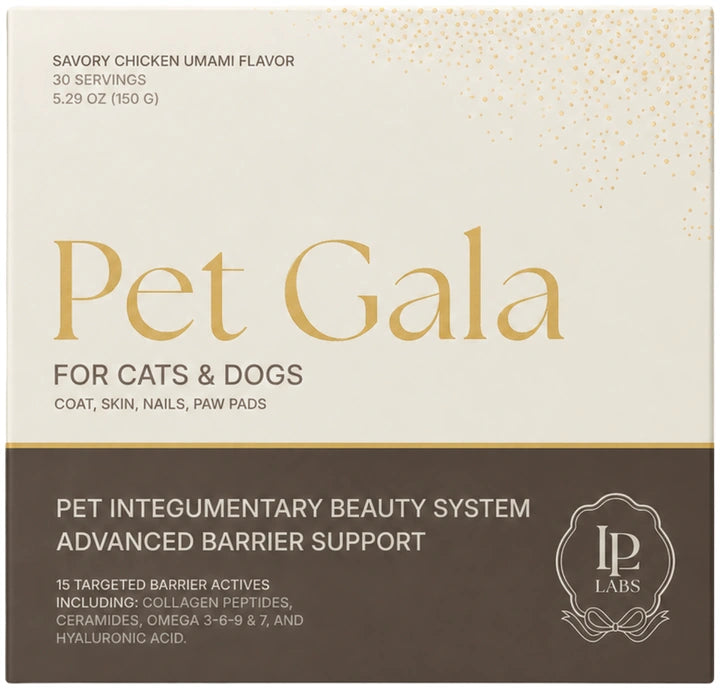
Pet Gala™ is a daily skin, coat, and nail supplement designed for owners who want grooming to look better for longer. It doesn’t replace brushing or a balanced diet; it supports the visible finish—natural softness, healthy sheen, and a calmer-looking skin surface—so shedding feels more predictable and easier to manage between baths.

Golden retriever shedding is one of those realities you can love and still want to tidy up. The coat is part of the breed’s signature—soft feathering, a plush undercoat, that unmistakable golden glow. But when loose fur collects on baseboards, floats through sunbeams, and shows up on every dark sweater, it can feel like the house is always one day behind.

The reassuring truth: shedding is a normal coat cycle, and most of what you’re seeing is hair that’s already detached and waiting to be captured. The most effective approach isn’t chasing a “no shed” fantasy. It’s building a routine that makes shedding predictable—so the coat looks smooth, the skin looks comfortable, and the fur ends up in your brush and vacuum instead of on your furniture.

This page focuses on visible signals and practical choices: what changes during golden retriever shedding season, which tools actually reach the undercoat, and how bathing and drying can reset the cycle. It also answers the question careful owners ask: if brushing is the main solution, why choose a product at all? Because grooming removes loose hair, but daily support can help the coat look more polished between sessions—so your effort shows. That’s where Pet Gala™ fits: a consistent layer of skin, coat, and nail care that complements grooming and helps maintain that well-kept finish.

By La Petite Labs Editorial, ~15 min read

Featured Product:

  • Golden retriever shedding is normal for a double coat, but the mess is optional with the right capture routine.
  • Peak shedding often follows daylight shifts; indoor heat and lighting can make it feel year-round.
  • Brushing works best when it reaches undercoat gently, then finishes with a comb check.
  • A bath plus thorough drying can release more loose undercoat than brushing alone.
  • Dryness, itch, odor, or patchy loss are signals to investigate, not just brush harder.
  • Home choices—fabrics, vacuuming, humidity—change how visible shedding feels day to day.
  • Grooming removes loose hair; daily support like Pet Gala™ helps maintain a polished coat finish.

Why Golden Retrievers Shed so Much, Even in Well-kept Homes

Golden retriever shedding is normal, but the amount you see can swing dramatically with season, indoor climate, grooming habits, and skin comfort. Retrievers carry a dense undercoat designed to insulate; when that undercoat loosens, it shows up as tumbleweeds on floors and a “snow globe” effect during petting. The goal isn’t to stop shedding—it’s to keep loose hair moving out on your terms, while supporting a coat that looks polished and feels soft.

Start by separating normal shedding from golden retriever shedding problems that deserve attention: patchy loss, redness, heavy dandruff, odor, persistent scratching, or sudden change in volume. Those visible signals often point to irritation, parasites, allergies, or infection rather than “just shedding.” When the skin looks calm and the coat has even luster, shedding is typically a grooming and routine issue—not a mystery.

The best golden retriever shedding solutions combine three levers: consistent de-shedding that respects the coat, a clean environment that reduces re-depositing hair, and daily support for skin and coat presentation. Brushing removes what’s already loose; bathing and drying release what’s trapped; and targeted skin-and-coat support helps the coat look smoother so less hair “floats” and clings. That’s why many owners pair grooming rituals with a visible-care supplement such as Pet Gala™—not as a replacement for diet, but as a way to keep the coat’s everyday finish looking cared-for (see: Best Skin & Coat Supplements for Dogs).

Skin hydration graphic tied to beauty support from best golden retriever shedding solutions.

The Double Coat: Undercoat Release Versus Everyday Hair Loss

Golden Retriever coats are built for weather: a water-resistant topcoat over a plush undercoat. That undercoat is the main source of loose fur, especially when daylight and temperature shift. In many homes, artificial light and steady indoor heat can blur the calendar, so shedding can feel constant even outside peak golden retriever shedding season. The good news is that “constant” doesn’t have to mean “chaotic.”

Think in terms of release and capture. The coat releases hair; your routine captures it before it spreads. Brushing captures what’s already detached. Bathing and drying help loosen what’s trapped. Cleaning captures what escapes. When these steps are aligned, you’ll still see shedding, but it becomes predictable and easier to live with—less hair on black pants, fewer clumps in corners, and a coat that looks freshly kept.

Molecular artwork representing beauty foundations supported by golden retriever shedding advice.

Golden Retriever Shedding Season: What Changes, What Stays Normal

Golden retriever shedding season typically peaks when days lengthen and again when they shorten, but each dog has its own pattern. You may notice “coat clouds” after a walk, extra fur on bedding, or a thicker undercoat that suddenly starts releasing in handfuls. This is normal coat cycling, not a sign you’re doing something wrong. The key is to increase capture during peak weeks rather than changing everything at once.

During heavy weeks, add one extra undercoat-focused session and consider a bath with a thorough blow-dry. Many owners are surprised by how much hair comes out during drying—often more than brushing alone. If your dog’s skin looks dry or flaky during seasonal shifts, prioritize gentle products and consistent coat support so the coat stays smooth and less staticky (related: Dog Skin Care). That’s where a daily routine with Pet Gala™ can complement grooming by supporting a more polished look.

Molecular design image tied to beauty support pathways in golden retriever shedding.

How to Manage Golden Retriever Shedding with Short, Repeatable Rituals

If you’re wondering how to manage golden retriever shedding without turning your week into chores, build a small ritual: five minutes, three times a week. Use a slicker brush to lift the topcoat and a stainless-steel comb to check feathering behind ears, legs, and tail. The comb is your truth-teller: if it glides to the skin without snagging, you’re keeping up; if it catches, you need more undercoat release.

Keep sessions calm and brief, ending before your dog gets restless. This is where results become visible: less hair drifting off during cuddles, a cleaner outline along the ribs, and feathering that looks tidy instead of fuzzy. Pairing this ritual with consistent skin-and-coat support can make the coat feel silkier and easier to brush through (see: Collagen for Dogs). Many owners choose Pet Gala™ to reinforce that “just groomed” look between deeper sessions.

Dog portrait symbolizing beauty and wellness supported by best golden retriever shedding solutions.

Brushes, Combs, and Technique That Respect the Coat’s Texture

Tools matter, but technique matters more. A de-shedding rake can be helpful on dense undercoat, yet it should be used lightly and only on areas with true undercoat (not repeatedly over sensitive spots like the belly). A slicker brush is ideal for surface lift and feathering, while a wide-tooth comb confirms you’re not leaving tangles behind. If you’re seeing lots of short hairs, you may be breaking coat rather than removing loose undercoat.

Work in lines: part the coat, brush a small section, then move over. This “line brushing” captures more loose fur with less irritation. Finish with the comb to check. When the coat is well-maintained, it reflects light more evenly and feels naturally soft—two signals owners notice immediately. Pet Gala™ can support that visible finish, especially for dogs whose coats look dull even with consistent brushing.

The scratching is completely gone, his coat looks healthy and shiny!

— Lena

He was struggling with itching, now he's glowing.

— Grace

“The goal isn’t to stop shedding—it’s to make it predictable, capturable, and visibly less chaotic.”

Bathing and Drying: the Fastest Way to Capture Loose Undercoat

Bathing can be one of the best golden retriever shedding solutions when it’s done correctly. Water and shampoo loosen hair that’s ready to release; conditioner can reduce static and help the coat lie flatter. The most important step is the rinse—leftover product can irritate skin and make the coat feel heavy. After bathing, towel blot (don’t rub) and dry thoroughly. Damp undercoat can trap hair and create a musty smell.

If your dog tolerates it, a high-velocity dryer (used safely) can remove an impressive amount of loosened undercoat. You’ll often see shedding drop for days afterward because you captured the release in one session. For owners who want the coat to stay smoother between baths, a daily supplement like Pet Gala™ can support skin and coat presentation so the post-bath shine lasts longer (related: The Best Coat Growth Supplements for Dogs).

Elegant canine photo emphasizing natural beauty supported through golden retriever shedding tips.

Skin Comfort and Coat Shine: the Signals Owners Notice First

Skin comfort is the quiet driver of visible shedding. When skin is dry or irritated, dogs scratch and rub, which pulls out hair and creates breakage that looks like extra shedding. You may also see dandruff, a dull coat, or a rough feel along the back. These are signals to shift toward gentler grooming, better rinsing, and a routine that supports a calm-looking skin surface.

Keep nails trimmed and paw hair tidy to reduce self-scratching damage. Wash bedding and collars to reduce irritants. If you suspect fleas, address them promptly with vet-recommended prevention. For ongoing visible care, many owners add Pet Gala™ to support skin, coat, and nails together—because when the skin looks comfortable, the coat often looks more even and sheds more cleanly during brushing.

Profile shot of a dog showing coat health supported by golden retriever shedding season.

Golden Retriever Shedding Tips That Fit Real Life and Busy Weeks

Golden retriever shedding tips that actually stick are the ones that fit real life. Place a brush where you already relax—near the couch or by the back door. Do a quick pass after walks when the coat is slightly warmed and hair releases easily. Keep a small towel for paws and feathering; wiping removes debris that can tangle and make brushing harder later.

Make “capture moments” part of affection: a two-minute brush while you talk to your dog, a quick comb-through before guests arrive, a wipe-down after the park. These small rituals create a coat that looks consistently cared-for rather than periodically rescued. If you want that same consistency in softness and sheen, Pet Gala™ can support the daily look and feel that makes grooming feel rewarding (see: Omega-3-6-9 for Dogs).

Inside-the-box graphic showing beauty blend design supporting best golden retriever shedding solutions.

Friction, Mats, and Harness Areas That Create Hidden Shedding Surges

Some golden retriever shedding problems are really “coat management” problems: undercoat compaction, mats in feathering, and friction areas under harnesses. These issues trap loose hair, then release it in dramatic bursts—often right after you think you’ve finished brushing. Check common zones: behind ears, armpits, belly fringe, and the base of the tail. If the comb doesn’t pass easily, address tangles before they tighten.

Switch to a well-fitted harness with smooth straps and wash it regularly. Rotate resting spots and keep bedding clean to reduce friction and debris. When the coat is free-moving and the skin looks calm, shedding becomes more uniform and easier to capture. Pet Gala™ can complement this by supporting a coat texture that feels smoother and looks more even, especially in high-friction areas.

How to Tell Your Routine Is Working Without Chasing Perfection

If you’re comparing best ways to reduce golden retriever shedding, focus on what you can see and measure weekly: how much hair comes out during brushing, how much collects on fabrics, and whether the coat looks sleek or “puffy.” A simple scorecard helps: (1) brush-out volume, (2) dandruff presence, (3) itch frequency, (4) coat shine, (5) odor after 7 days. Improvements here usually mean your routine is working, even if shedding never reaches zero.

Also watch for the “false win”: brushing less because the house looks cleaner. Often that means hair is staying in the coat and matting at the undercoat level, which can make the coat look dull and feel warmer. Better is a steady routine that keeps the undercoat airy and the topcoat smooth. When owners want a more consistent, photo-ready finish between grooms, they often add a daily skin-and-coat support like Pet Gala™ to reinforce the visible results of good care.

“A smooth, comfortable-looking skin surface often shows up as a coat that sheds more cleanly.”

Lab coat visual symbolizing disciplined formulation supporting best ways to reduce golden retriever shedding.

Common Mistakes That Make Loose Fur Look Worse Than It Is

Golden retriever shedding advice should include what not to do. Avoid shaving a Golden Retriever’s coat unless a veterinarian recommends it for a medical reason. The double coat helps regulate temperature and protects skin from sun and friction; shaving can change how the coat grows back and may make the texture look uneven. Likewise, skip harsh de-shedding tools used aggressively—overworking the coat can irritate skin and increase breakage that looks like “more shedding.”

Be cautious with frequent, strong fragrances and heavy leave-in products. If they build up, they can trap debris and make the coat feel sticky, which attracts loose hair and dust. Choose gentle, dog-formulated products, rinse thoroughly, and prioritize a clean, light finish. For owners who want a simpler daily layer of support that complements grooming rather than coating the coat, Pet Gala™ fits neatly into a visible-care routine.

Shop Now
Pet Gala with foods symbolizing beauty synergy aligned with best golden retriever shedding solutions.

Puppy and Senior Coat Changes That Shift Shedding Expectations

Puppies and adolescents can shed in ways that surprise people: the coat changes texture, the undercoat develops, and grooming tolerance is still forming. The best approach is gentle repetition—short sessions, calm handling, and tools that don’t snag. You’re not only removing loose fur; you’re building a dog who relaxes into care. That calm shows up later as a coat that stays better maintained because grooming is easy to do consistently.

For seniors, the coat may thin, become drier, or lose some shine. That doesn’t always mean something is wrong, but it does mean the “finish” can look less even. Keep brushing soft and regular, bathe with moisturizing formulas, and ask your veterinarian about any sudden changes. Many owners choose Pet Gala™ in older dogs to support skin, coat, and nails in a way that’s designed for everyday presentation (related: Best Supplement for Dog Nails).

Shop Now
Owner showcasing product beside her pet, reflecting beauty care through best golden retriever shedding solutions.

Food, Hydration, and the Visible Finish of the Coat

Diet matters for coat quality, but the most useful lens is visible output: softness, shine, and comfort. A complete, balanced food provides the foundation; beyond that, some dogs still show dryness, dullness, or flaky skin that makes loose hair more noticeable. Hydration, appropriate fat intake, and consistent feeding routines can all influence how the coat lays and how much hair releases during brushing.

If you’re considering add-ons, keep it simple and vet-aligned—especially if your dog has pancreatitis history, food sensitivities, or is on medications. The point isn’t chasing a single nutrient; it’s supporting the skin-and-coat system so grooming results look better. Pet Gala™ is positioned for that role: a daily, visible-care supplement that complements a balanced diet and helps owners maintain a well-kept coat between baths and brush-outs.

Shop Now

Allergies, Itch, and When Shedding Signals Skin Discomfort

Allergies and irritation can amplify golden retriever shedding problems by increasing scratching, rubbing, and coat breakage. You might notice red paws, frequent ear issues, or a coat that looks uneven and feels rough. In these cases, shedding is often a symptom of skin discomfort rather than a grooming failure. A veterinarian can help distinguish environmental allergies, food sensitivities, parasites, and infections—each has a different plan.

At home, keep routines gentle: lukewarm baths, thorough rinsing, and fragrance-light products. Wash bedding regularly and vacuum where your dog rests most. When the skin looks calmer, the coat usually lies flatter and releases loose hair more predictably during brushing. Many owners also add Pet Gala™ as part of a broader comfort-and-coat routine, aiming for a smoother, more even-looking finish.

Home Setup Tweaks That Keep Fur from Taking over Rooms

Your home setup can make shedding feel twice as bad—or surprisingly manageable. If you have rugs, textured throws, and static-prone fabrics, loose hair will cling and reappear even after cleaning. A few practical shifts help: washable covers on favorite spots, a high-quality vacuum with a pet brush roll, and a lint tool stationed where you actually use it. These aren’t glamorous changes, but they create the “clean baseline” that makes grooming results visible.

Airflow also matters. Dry indoor air can make skin look flaky and increase static, so hair floats and sticks. If your home is very dry, a humidifier in the main living area can improve comfort and reduce that dusty, clingy feel. Pairing a cleaner environment with consistent coat support—like Pet Gala™—helps the coat look freshly maintained rather than perpetually mid-shed.

Comparison layout showing ingredient quality differences relevant to best ways to reduce golden retriever shedding.

Working with a Groomer for a Cleaner, Smoother Coat Reset

A good grooming appointment can reset the entire shedding cycle. Ask for a de-shed bath, thorough blow-dry, and undercoat release—then maintain at home. The “secret” is the dry: professional velocity drying lifts and removes loosened undercoat that brushing alone can miss. If your dog leaves the groomer looking sleek but the shedding returns fast, it usually means the at-home interval is too long or the brushing tool isn’t reaching the undercoat.

Bring photos of what you like: a smooth outline, less feathering fuzz, a clean tail plume. Groomers can tailor technique to your dog’s coat density and sensitivity. Between appointments, keep the coat’s “finish” consistent with short brush sessions and daily skin-and-coat support. Pet Gala™ can be a steady companion to professional grooming, helping the coat look more even and cared-for week to week.

Shop Now
Supplement box revealed in soft light, reflecting premium golden retriever shedding problems positioning.

Red Flags: When Shedding Needs a Veterinary Conversation

When should you call the vet? If shedding becomes sudden, patchy, or paired with itch, pain, odor, scabs, ear debris, or lethargy, it’s time. Also check in if you see hair loss around the tail base, belly, or armpits, or if the coat looks moth-eaten rather than evenly thinning. These patterns can signal parasites, infection, endocrine disease, or allergic skin disease—issues that need diagnosis, not just better brushing.

Bring specifics: when it started, any diet changes, new treats, new detergents, travel, and photos of the coat over time. That context helps your veterinarian move faster. Once medical causes are addressed, you can return to the visible-care basics—grooming, environment, and supportive routines. Pet Gala™ can then fit as a daily layer that helps maintain a calm-looking skin surface and a polished coat appearance.

Shop Now

A Simple Weekly Rhythm That Keeps the Coat Looking Cared-for

The most reliable way to feel in control of golden retriever shedding is to treat it as a rhythm, not a battle. Your dog’s coat will cycle; your job is to keep the cycle tidy and the coat looking its best. A weekly plan can be simple: two short brush sessions, one deeper undercoat session, and a bath as needed based on feel and odor. Add home cleaning that matches your dog’s favorite lounging zones.

If you want the “why would I still choose a product?” answer: grooming removes hair, but it doesn’t change how the coat presents between sessions. Daily support can make the coat look smoother, feel softer, and shed more predictably during brushing—so the visible payoff of your routine is easier to maintain. That’s the role Pet Gala™ is designed to play: a consistent, beauty-forward layer of care that shows up where you notice it most.

“Brushing is removal; daily support is maintenance of the coat’s visible finish.”

Educational content only. This material is not a substitute for veterinary advice. Always consult your veterinarian about your dog’s specific needs. These statements have not been evaluated by the Food and Drug Administration. Products mentioned are not intended to diagnose, treat, cure, or prevent any disease.

Glossary

  • Double coat: A two-layer coat with a protective topcoat and insulating undercoat.
  • Undercoat: The soft, dense layer that sheds heavily during seasonal changes.
  • Topcoat: The longer guard hairs that help repel water and debris.
  • Coat blow: A period of rapid undercoat release that creates heavy shedding.
  • Line brushing: Brushing in small sections down to the skin to remove loose undercoat efficiently.
  • Feathering: Longer hair on ears, legs, belly, and tail that tangles easily.
  • Compacted coat: Undercoat packed tightly near the skin, trapping loose hair and moisture.
  • Dander: Tiny flakes of skin that can be more visible when skin is dry or irritated.
  • Static cling: Hair sticking to fabrics due to dry air and friction, making shedding look worse.

Related Reading

References

Mota-Rojas. Anthropomorphism and Its Adverse Effects on the Distress and Welfare of Companion Animals.. Nature. 2021. https://www.nature.com/articles/s41598-025-27388-w

German K. Exploratory analysis of nutrient composition of adult and senior dog diets.. PubMed Central. 2025. https://pmc.ncbi.nlm.nih.gov/articles/PMC12757753/

Mansilla WD. Adult dogs of different breed sizes have similar threonine requirements as determined by the indicator amino acid oxidation technique.. PubMed Central. 2020. https://pmc.ncbi.nlm.nih.gov/articles/PMC7085255/

FAQ

Is golden retriever shedding normal or a sign of illness?

Golden retriever shedding is normal because the breed has a dense double coat that cycles throughout the year. You’ll usually see more loose undercoat during seasonal shifts, after baths, or when indoor heat keeps the coat in a constant “release” mode.

It’s worth checking with your veterinarian if shedding is sudden, patchy, or paired with itch, redness, odor, or scabs. For everyday coat presentation between grooming sessions, many owners add Pet Gala™

Why does my Golden Retriever shed so much indoors?

Indoor living can make shedding feel constant because temperature and lighting stay steady, which can blur the usual seasonal coat cycle. Dry air can also increase static, so loose hair floats and clings to fabrics instead of dropping where you can sweep it.

A consistent brush routine, washable covers, and good vacuuming reduce the “reappearance” effect. To support a smoother, more polished coat look between baths, consider daily skin-and-coat support with Pet Gala™

What are the best golden retriever shedding solutions at home?

The strongest at-home combination is undercoat-focused brushing, an occasional bath with thorough drying, and home cleaning that matches where your dog lounges. This captures loose hair before it spreads and keeps the coat from compacting.

Aim for short, frequent sessions rather than rare marathon grooming. If you want the coat to look smoother and feel softer between those sessions, a daily supplement that supports skin and coat presentation can help, such as Pet Gala™

How often should I brush to manage golden retriever shedding?

Most families do well with three short brush sessions per week, plus one deeper undercoat session during heavier weeks. The goal is to remove what’s already loose and prevent undercoat from compacting in feathering and friction areas.

If your comb snags behind the ears, under the harness, or at the tail base, increase frequency there. For a more consistent “freshly kept” coat feel, many owners pair grooming with daily support from Pet Gala™

Which brush works best for a Golden Retriever double coat?

A slicker brush is a strong everyday choice for lifting the topcoat and tidying feathering, while a stainless-steel comb confirms you’re reaching the undercoat without leaving tangles behind. Some dogs also benefit from a gentle undercoat rake used lightly on dense areas.

If you see lots of short hairs, you may be breaking coat rather than removing loose undercoat—ease pressure and switch tools. For coat softness and shine that make brushing feel easier, consider Pet Gala™

Does bathing reduce shedding or make it temporarily worse?

Bathing often makes shedding look worse in the moment because it loosens hair that was already ready to release. When you follow with thorough rinsing and complete drying, you typically remove a large amount of undercoat in one controlled session.

If the coat feels heavy or itchy after a bath, product residue or incomplete drying may be the culprit. For a smoother coat finish between baths, many owners add daily support with Pet Gala™

When is golden retriever shedding season usually the heaviest?

Many Golden Retrievers shed most heavily when daylight changes—often in spring and fall—because the undercoat adjusts to temperature and day length. Indoor living can stretch those peaks, so you may notice “mini seasons” throughout the year.

During heavy weeks, add one extra undercoat session and consider a bath-and-dry reset. To keep the coat looking even and well-kept through the peak, daily support like Pet Gala™

Can I shave my Golden Retriever to stop shedding?

Shaving usually doesn’t solve shedding and can create new coat-management issues. The double coat helps with temperature regulation and skin protection, and shaving may change how the coat grows back, sometimes leading to uneven texture and a less polished look.

Instead, focus on undercoat release through brushing and proper bathing/drying, and ask your veterinarian or groomer for a plan tailored to your dog’s coat density. For daily coat presentation support, consider Pet Gala™

What shedding level is normal versus a shedding problem?

Normal shedding looks even: loose hair comes out during brushing, the coat remains full, and the skin looks calm. A shedding problem is more likely when you see patches, thinning in specific areas, heavy dandruff, persistent odor, or frequent scratching and rubbing.

If any of those signs appear, a veterinary check helps rule out parasites, infection, or allergies. For everyday support when the coat simply looks dull or dry, many owners use Pet Gala™

How do I reduce shedding on furniture and clothing quickly?

Target the places hair “lands” and “launches”: favorite couch corners, beds, and entry rugs. Use washable throws, vacuum those zones more frequently, and keep a lint tool where you actually get dressed. A quick brush before guests arrive can also prevent a fresh wave of loose hair.

Reducing static with appropriate humidity can help hair drop instead of cling. For a coat that feels smoother and releases loose hair more predictably during brushing, consider daily support with Pet Gala™

Are supplements safe for shedding, and when should I avoid them?

Many dogs tolerate skin-and-coat supplements well, but “safe” depends on your dog’s history and what else they eat. If your dog has pancreatitis history, significant food sensitivities, or is on long-term medications, it’s smart to ask your veterinarian before adding anything new.

Introduce one change at a time and watch for stool changes or itch. For owners seeking a daily, beauty-forward layer of support for coat and nails, ask your vet if Pet Gala™

How much should I give a shedding supplement each day?

Follow the label directions for the specific product and your dog’s size, and keep your veterinarian in the loop if your dog has medical conditions. Avoid combining multiple similar supplements at once, since overlap can make it harder to tell what’s helping and may upset digestion.

Consistency matters more than “more,” especially for visible coat finish. If you’re considering a daily option designed for skin, coat, and nails, review the directions for Pet Gala™

What side effects should I watch for with coat supplements?

The most common issues are digestive: softer stool, gas, or reduced appetite, especially when a new supplement is started abruptly. Less commonly, a dog may show increased itch if an ingredient doesn’t agree with them. Any vomiting, hives, or facial swelling warrants immediate veterinary guidance.

Start slowly if your veterinarian agrees, and keep other diet changes stable so you can read the signals clearly. For a daily skin-and-coat option, consider Pet Gala™

Can supplements interact with my dog’s medications or diet?

They can, depending on ingredients and your dog’s health status. Dogs on prescription diets, blood-thinning medications, or those with chronic conditions should have any supplement reviewed by a veterinarian. Even when ingredients are common, the combination with other products can be the issue.

Bring the full ingredient list and your dog’s current food and treats to your appointment for a clear, personalized answer. If you’re evaluating a daily coat-support option, ask your vet about Pet Gala™

Does age change shedding patterns in Golden Retrievers?

Yes. Puppies transition into an adult coat, which can look like uneven shedding and texture changes. Seniors may develop a drier, thinner coat or reduced shine, which can make loose hair more noticeable even if total shedding isn’t dramatically higher.

Gentle, consistent grooming is the best baseline at any age, and sudden changes should be discussed with your veterinarian. For daily support of skin, coat, and nails across life stages, consider Pet Gala™

Do Golden Retrievers shed more than Labs or doodles?

Golden Retrievers and Labs both have double coats and can shed heavily, though the texture and length of Golden fur often makes it more visible on floors and fabrics. Doodle coats vary widely; some shed less but mat more, which creates a different kind of coat-maintenance workload.

For any breed, the most satisfying results come from matching tools to coat type and keeping skin comfortable. If you want daily support for a smoother, well-kept coat finish, consider Pet Gala™

Is shedding management different for cats versus dogs?

Yes. Cats self-groom extensively, so shedding management often focuses on brushing to reduce hair ingestion and hairballs, plus skin comfort. Dogs rely more on owner-led grooming, and double-coated breeds need undercoat release to prevent compaction and heavy “blowouts.”

Even so, the visible goal is similar: a coat that looks smooth, clean, and comfortable. For dog-focused daily skin-and-coat support that complements grooming, consider Pet Gala™

How long until I see results from a new routine?

With brushing and cleaning changes, you can often see a difference within a week: less hair on fabrics and more hair captured in the brush. Coat softness and shine may take longer to look consistent because you’re observing the coat’s day-to-day finish, not a single grooming moment.

Track simple signals like dandruff, itch, and how the coat feels when you run your hand along the ribs. For daily support aimed at visible coat presentation, consider Pet Gala™

What quality signals matter when choosing a coat supplement?

Look for clear labeling, consistent manufacturing standards, and directions that match your dog’s size. It’s also helpful when a product is positioned around visible outcomes owners can monitor—coat sheen, softness, and nail strength—rather than vague promises.

If your dog has sensitivities, prioritize transparent ingredients and discuss fit with your veterinarian. For a daily option designed around skin, coat, and nails, explore Pet Gala™

What’s the easiest way to give a daily supplement consistently?

Attach it to an existing habit: breakfast, evening walk, or the post-dinner “settle” routine. Consistency is what makes coat presentation easier to judge, because you’re not guessing whether changes came from grooming, diet shifts, or missed days.

Keep the container where you feed your dog and avoid stacking multiple new products at once. If you want a simple daily addition that complements brushing and bathing, consider Pet Gala™

Can daily routines support coat shine, softness, and nail strength?

Yes—those are the visible signals many owners care about most. Regular brushing distributes natural oils, bathing removes buildup that dulls the coat, and consistent nutrition supports the materials the body uses to maintain skin, coat, and nails.

If your dog’s coat still looks dry or feels rough despite good grooming, a daily skin-and-coat supplement may help support a smoother finish. One option designed for that everyday presentation is Pet Gala™

5K+ Happy Pet Parents

Excellent 4.8

Golden Retriever Shedding | Why Thousands of Pup Parents Trust Pet Gala™

"It's so good for his coat, and so easy to mix into food."

Alex & Cashew

"Gives him that glow from head to tail!"

Elisabeth & Chai

"The scratching is completely gone, his coat looks healthy and shiny."

Lena & Bear

"Magical. He was struggling with itching and shedding. Now he's literally glowing."

Grace & Ducky

"It's so good for his coat, and so easy to mix into food."

Alex & Cashew

"Gives him that glow from head to tail!"

Elisabeth & Chai

"The scratching is completely gone, his coat looks healthy and shiny."

Lena & Bear

"Magical. He was struggling with itching and shedding. Now he's literally glowing."

Grace & Ducky

"It's so good for his coat, and so easy to mix into food."

Alex & Cashew

"Gives him that glow from head to tail!"

Elisabeth & Chai

"The scratching is completely gone, his coat looks healthy and shiny."

Lena & Bear

"Magical. He was struggling with itching and shedding. Now he's literally glowing."

Grace & Ducky

"It's so good for his coat, and so easy to mix into food."

Alex & Cashew

"Gives him that glow from head to tail!"

Elisabeth & Chai

"The scratching is completely gone, his coat looks healthy and shiny."

Lena & Bear

"Magical. He was struggling with itching and shedding. Now he's literally glowing."

Grace & Ducky

SHOP NOW