Basset Hound lifespan and senior care
How Long Do Basset Hounds Live?
10–12Years, typical
Basset Hound lifespan planning is low-to-the-ground and comfort-first: ears, weight, back, eyes, skin, and mobility deserve early baselines.
- Start watching at
- From 5-6 years
- Senior age
- Around 7-8 years
- Typical lifespan
- 10-12 years
Basset Hound lifespan and Basset Hound health problems planning: A practical planning range from breed guidance and dog longevity research; body condition, ears, back comfort, eye disease, and bloat risk can change one dog's path.
Quick Answers for Pet Parents
Direct answers to the questions people ask when they are trying to plan care.
How long do Basset Hounds live?
Most Basset Hounds are planned around 10 to 12 years, with individual dogs varying because of body condition, back comfort, ear disease, eye disease, bloat emergencies, accidents, and veterinary care.
When is a Basset Hound considered senior?
Around 7 to 8 years is a practical senior-planning window, with baseline tracking from 5 to 6 years because mobility and weight changes can build quietly.
What health problems are Basset Hounds prone to?
Useful Basset Hound watchpoints include ear inflammation, obesity, back and spine pain, arthritis, bloat and GDV awareness, glaucoma or other eye signs, skin-fold irritation, and dental disease.
What most affects a Basset Hound healthspan?
Comfort often depends on lean weight, safe furniture access, controlled stairs, quiet ears, eye monitoring, nail length, and quick action on abdominal or neurologic emergencies.
What early aging signs matter in a Basset Hound?
Watch slower rising, toe scuffing, stair refusal, ear odor, head shaking, cloudy eyes, weight gain, nail overgrowth, skin odor, and less interest in walks.
Lifespan at a Glance
The short answer with the context a careful pet parent needs.
| Typical lifespan | Plan around 10-12 years, then adjust for this dog's weight, ears, back, eyes, skin, and medical record. |
|---|---|
| Senior planning | Around 7-8 years for many Bassets; start earlier if weight, back pain, ear disease, or eye disease is already on the chart. |
| Earlier watchpoint | From 5-6 years, track stairs, rising, ear comfort, eye clarity, weight, nails, skin folds, and walk recovery. |
| Defining risk | A long heavy body and short legs make extra weight and repeated jumping especially costly. |
| Household lever | Ramps, traction, measured meals, nail care, and a weekly ear-and-body check. |
| Do not shrug off | Back pain, dragging toes, painful ears, cloudy eyes, repeated retching, or a tight swollen abdomen. |

You can’t add sand to the glass. You can change what happens while it falls.
10-12 years is the range. What fills those years — lean condition, easy movement, steady digestion, good sleep — is built one ordinary day at a time.
Start the daily system → Starting at $63/month
If your Basset Hound still follows every scent in the yard but now hesitates at the couch, scuffs a rear toe, smells stronger around the ears, gains weight on the same food, or looks uncomfortable getting up, the lifespan question is really a comfort question in a long, heavy body.
The direct planning answer: most Basset Hounds live about 10 to 12 years. That range is useful, but one dog's healthspan depends heavily on weight, back comfort, ear health, eye pain, skin folds, nails, and fast recognition of true emergencies such as bloat or sudden neurologic change.
Bassets are easy to misread because slow and stubborn are part of the stereotype. That is exactly why baseline notes matter. A dog who always moved deliberately may still be telling you something new through stairs, rising, ear handling, or the decision to stop halfway through a familiar walk.
If You Only Have Five Minutes
- Use 10 to 12 years as the working range, then adjust for this dog's weight, back, ears, eyes, skin, and medical history.
- Senior planning often starts around 7 or 8, with movement and weight tracking from 5 or 6.
- Extra weight is expensive in this breed: it adds load to the back, elbows, hips, nails, heat tolerance, and anesthesia margin.
- Ear odor, discharge, head shaking, or pain when touched should not become a permanent household routine.
- Repeated retching, a tight swollen abdomen, collapse, or severe distress is urgent because bloat/GDV is time-sensitive.
- Toe dragging, sudden weakness, severe back pain, or bladder and bowel changes should not be watched casually.
Use the dog body condition calculator when the outline is hard to judge. The dog quality of life scale helps when pain, sleep, and bathroom dignity become emotional to score.
Why Lifespan Numbers for Basset Hounds Don't Agree
Basset Hound ranges vary because breed profiles, veterinary-record studies, and owner memories do not sample the same dogs. Some Bassets stay mobile and comfortable into old age. Others lose quality earlier because weight, ear pain, back pain, or eye disease became routine before anyone called it disease.
The number should be used as a planning window, not a verdict. A Basset owner does not need to wait for a 10th birthday before adding ramps, checking nails, weighing meals, filming gait, or asking about ear pain. The problems that shorten comfortable time often start as small household accommodations.
The dog lifespan methodology explains why a range is more honest than a single promise. For Bassets, the practical version is simple: if the dog is long, low, heavy, and stoic, protect the back and ears before they demand attention.
A long-lived Basset is not just an old Basset. It is a dog who can rise, walk, sleep, smell the world, eat comfortably, and stay clean without every routine turning into effort.
What Shapes a Basset Hound's Healthspan
Basset Hound healthspan is shaped by body condition, back and joint comfort, ear disease, bloat awareness, eye pain, skin folds, nails, dental comfort, and a home that stops asking the dog to launch.
Weight on a long frame
Extra pounds matter more when the body is long and the legs are short. Weight adds load to elbows, hips, spine, paws, nails, heat tolerance, and anesthesia planning.
Use hands instead of guesswork. Rib feel, waist, belly line, thigh muscle, and stamina after the same route tell you more than whether the dog still looks like a Basset.
Back, stairs, and low furniture
Back pain can show as yelping, hunched posture, reluctance to rise, toe scuffing, slipping, sudden weakness, or avoiding steps that used to be ordinary. Repeated launches off furniture are not a harmless personality test.
Low beds, ramps, traction, controlled stairs, and safe lifting protect the dog while you work with your veterinarian on pain, diagnosis, and activity rules.
A Basset Hound senior plan should include the words IVDD and neurologic change, even if the dog has never had a disc diagnosis. The point is not to scare the family; it is to keep sudden weakness, dragging toes, knuckling, severe pain, and bathroom changes from being mistaken for laziness or old age. Back comfort is easier to protect before every couch or car step becomes a test.
Long ears and chronic irritation
Basset ears can trap moisture and inflammation. Odor, discharge, redness, head shaking, scratching, or pain when touched needs veterinary assessment rather than a cycle of cleaning and hoping.
If one ear keeps returning to the same problem, ask what is driving it: anatomy, yeast, bacteria, allergy, moisture, or another medical issue.
Bloat and true emergencies
Basset Hounds are deep-bodied enough that bloat and GDV awareness belongs in the household plan. Unproductive retching, a tight or swollen abdomen, severe restlessness, drooling, collapse, or obvious distress should be treated as urgent.
Ask your veterinarian what emergency clinic you would use and what signs should bypass the phone tree. Emergency planning works best before the floor is slippery and everyone is scared.
Eyes and hidden pain
Glaucoma and other painful-eye conditions are not just vision issues. Squinting, redness, cloudiness, tearing, light sensitivity, or bumping into things deserves timely review.
A Basset may keep eating and wagging through pain. Eye comfort has to be judged by the eye, not by the dinner bowl.
Skin folds, nails, mouth, and comfort
Low bodies collect friction. Skin-fold odor, belly irritation, overgrown nails, dental odor, pressure spots, and ear-base mats can all change senior comfort.
At home, make the Basset check practical: ears, eyes, nails, rib feel, gait, skin folds, breath, appetite, thirst, and whether the dog still chooses familiar routines. A short list repeated monthly beats a perfect chart kept once.
What Aging Looks Like in a Basset Hound
Basset Hound aging may look like slower rising, more floor-sleeping, toe scuffing, longer nails, less interest in stairs, thicker waist, ear odor, cloudy eyes, skin-fold irritation, dental odor, new lumps, or a dog who still wants company but chooses shorter routes.
Compare against this dog, not the stereotype:
- Does rising take longer than it did three months ago?
- Is one rear foot dragging, scuffing, or knuckling?
- Are ears quieter or more painful after cleaning?
- Has weight changed even though food did not?
- Are eyes redder, cloudier, or more often rubbed?
- Is sleep, thirst, appetite, bathroom comfort, or social interest changing?
Normal aging can make walks shorter. It should not normalize severe back pain, ear pain, eye pain, repeated retching, collapse, or a dog who cannot rise without distress.
When to Call a Veterinarian
Go now for unproductive retching, a tight or swollen abdomen, collapse, severe distress, labored breathing, blue-gray or pale gums, sudden hind-leg weakness, dragging toes, severe back pain, loss of bladder or bowel control, seizure clusters, uncontrolled bleeding, or rapid decline.
Book promptly for ear odor, head shaking, discharge, eye redness, cloudiness, squinting, weight drift, nail overgrowth, stair refusal, yelping when lifted, skin-fold odor, dental odor, new lumps, appetite change, thirst change, cough, or lower interest in walks.
Bring gait videos, stair notes, weight trend, diet and treat details, ear history, eye photos, nail and skin notes, medication list, and a dated timeline. If the question is comfort, fill out the quality-of-life scale before the visit so "he has always been slow" does not hide pain.
How Basset Hounds Compare With Similar Breeds
Basset Hounds share long-body planning with Dachshunds in spirit, but the Basset version adds heavier weight, longer ears, deeper body, and a different mobility rhythm. Compared with Labradors, weight and ears overlap, but Bassets need more furniture and stair management. Compared with French Bulldogs, the emergency story shifts from airway heat to back, bloat, and body mechanics.
The dog lifespan by breed hub gives ranges across dogs. For this household, the useful comparison is whether the home makes the Basset's body do expensive things every day.
Questions for Your Breeder, Rescue, or Veterinarian
For a breeder or rescue:
- What ear, eye, back, elbow, hip, thyroid, bleeding, bloat, and lifespan history is known in relatives?
- What health screening records are available?
- Has this dog ever had repeated ear treatment, eye medication, back pain, surgery, bloat, or serious mobility issues?
- What food, weight, nail, exercise, and furniture routine has worked?
For your veterinarian:
- What body condition should this Basset target?
- Which back or neurologic signs should be urgent for this dog?
- What ear plan fits the current ear findings?
- Should we discuss bloat risk and emergency planning?
- When should eye checks, dental care, bloodwork, pain review, and quality-of-life tracking become routine?
For a Basset with unknown history, begin with weight, ears, eyes, nails, gait, stairs, skin folds, mouth, and a bloat emergency plan. That baseline does more work than a lifespan number.
Sources
- American Kennel Club. Basset Hound breed information. https://www.akc.org/dog-breeds/basset-hound/
- McMillan KM, Bielby J, Williams CL, Upjohn MM, Casey RA, Christley RM. Longevity of companion dog breeds: those at risk from early death. Scientific Reports. https://www.nature.com/articles/s41598-023-50458-w
- Teng KT, Brodbelt DC, Church DB, ONeill DG, et al. Life tables of annual life expectancy and mortality for companion dogs in the United Kingdom. Scientific Reports. https://www.nature.com/articles/s41598-022-10341-6
- Creevy KE, Grady J, Little SE, et al. 2019 AAHA Canine Life Stage Guidelines. https://www.aaha.org/wp-content/uploads/globalassets/02-guidelines/canine-life-stage-2019/2019-aaha-canine-life-stage-guidelines-final.pdf
- VCA Animal Hospitals. Ear Infections in Dogs Otitis Externa. https://vcahospitals.com/know-your-pet/ear-infections-in-dogs-otitis-externa
- VCA Animal Hospitals. Intervertebral Disc Disease in Dogs. https://vcahospitals.com/know-your-pet/intervertebral-disc-disease-in-dogs
- AKC Canine Health Foundation. Bloat. https://www.akcchf.org/canine-health/your-dogs-health/disease-information/bloat.html
- Orthopedic Foundation for Animals. CHIC Program breed health screening information. https://ofa.org/chic-programs/browse-by-breed/
Healthspan by Life Stage
Know what to track before senior age, not only after decline appears.
Protect the long frame
Teach low-impact handling, nail care, ear checks, and safe furniture habits. Ask what eye, elbow, hip, thyroid, bleeding, and family lifespan history is known.
Keep weight boring
Measure meals, prevent repeated jumping, learn normal gait, keep nails short, and make ear checks ordinary before senior weight creeps in.
Start the movement file
Record rising, stairs, toe scuffing, ear comfort, eye clarity, skin folds, weight, and walk recovery monthly.
Lower the house
Use twice-yearly visits, pain review, dental review, body-condition targets, eye review, and a home setup that does not demand launches.
Measure comfort, not stubbornness
Judge pain, sleep, walking, breathing, appetite, toileting, anxiety, and social interest together.
Breed Health Map
The main breed-specific topics that can shape lifespan, comfort, and quality of life.
A heavy body on short legs
Extra weight multiplies back, elbow, hip, nail, heat, and anesthesia strain. Bassets need hands-on body-condition checks, not visual guesses.
Stairs, ramps, and spinal pain
Yelping, hunched posture, toe dragging, reluctance to rise, or sudden weakness deserves veterinary review.
Long ears and trapped inflammation
Odor, redness, discharge, head shaking, or pain when touched should not become routine home maintenance.
Deep-chested emergency pattern
Unproductive retching, a tight swollen abdomen, restlessness, drooling, collapse, or severe distress is urgent.
Glaucoma and painful-eye signs
Cloudiness, redness, squinting, tearing, or light sensitivity should be discussed quickly because eye pain can escalate.
Low body, hidden friction
Fold odor, belly irritation, overgrown nails, dental odor, and pressure sores all shape senior comfort.

One serving a day, built for aging dogs
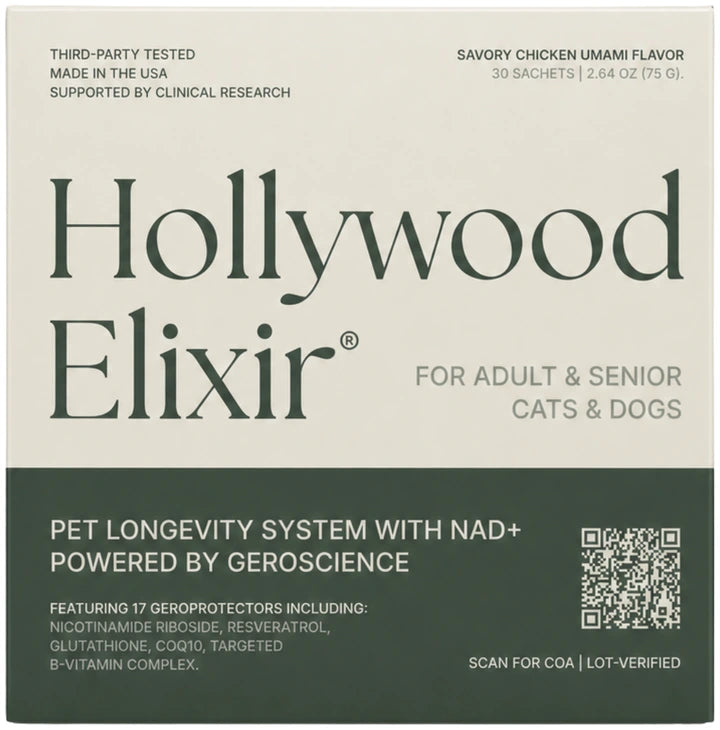
Hollywood Elixir is our daily supplement for adult and senior dogs, made to the LPL-01 standard with every active ingredient at a visible amount. It never replaces your veterinarian — it sits alongside the routine on this page.
Starting at $63/month · cancel anytime
Shop Hollywood ElixirWhen to Call the Vet
Split urgent signs from trends that deserve a scheduled veterinary conversation.
Go urgently
- Unproductive retching, a tight or swollen abdomen, severe restlessness, drooling, collapse, or suspected bloat/GDV.
- Sudden hind-leg weakness, dragging toes, severe back pain, inability to walk, or loss of bladder or bowel control.
- Labored breathing, blue-gray or pale gums, seizure clusters, uncontrolled bleeding, repeated vomiting with weakness, or rapid decline.
Schedule promptly
- Ear odor, head shaking, discharge, redness, or pain during ear handling.
- Slower rising, stair refusal, toe scuffing, slipping, stiffness after rest, or yelping when lifted.
- Cloudy eyes, squinting, redness, tearing, bumping into objects, or light sensitivity.
- Weight gain, nail overgrowth, skin-fold odor, belly irritation, dental odor, or new lumps.
- Cough, heat intolerance, appetite change, thirst change, bathroom changes, or lower interest in walks.
The 90-Day Support Routine
Ninety days of small, repeatable habits make subtle changes visible — and give any new routine a fair test.
- Week one: film normal rising, walking, and stairs, then photograph ears, eyes, nails, body shape, and any skin-fold irritation.
- Week one: lower risky furniture access with ramps, traction, or blocked launches before the dog has to prove pain.
- Weekly: check ears, eyes, nails, skin folds, rib feel, waist, and whether the Basset is avoiding a familiar movement.
- Monthly: repeat weight, body condition, gait video, stair note, ear note, eye photo, and any coughing or retching incident.
- Day 90: review movement, weight, ear, eye, and home-access trends with your veterinarian and adjust the plan.
Tools for Tracking Comfort and Aging
Use these when a life-stage, body-condition, or quality-of-life question needs more structure.
Dog Quality of Life Scale
Use when pain, mobility, sleep, appetite, or bathroom dignity is getting harder to judge.
ToolDog Biological Age Calculator
Frame senior timing for a dog whose movement changes can be blamed on laziness too easily.
ToolDog Body Condition Calculator
Lean condition gives a Basset more back, joint, heat, and anesthesia margin.
Frequently Asked Questions
Short answers to the questions owners ask most.
What is the average Basset Hound life expectancy?
A practical planning range is 10-12 years. Body condition, back comfort, ear disease, eye disease, bloat emergencies, accidents, and veterinary care can move one dog around it.
Can a Basset Hound live longer than 12?
Some do. The better goal is comfortable movement, quiet ears, safe digestion, good sleep, and interest in family routines for whatever years the dog has.
Is 7 old for a Basset Hound?
Seven is a sensible senior-planning age. It should trigger better mobility, weight, ear, dental, eye, and pain review.
Why does weight matter so much for Basset Hounds?
Extra weight adds strain to a long back, short legs, elbows, hips, nails, heat tolerance, and anesthesia margin. Body condition matters more than a cute outline.
Are Basset Hound ear problems serious?
They can be. Odor, discharge, redness, head shaking, or pain means the ear needs veterinary assessment, not endless cleaning.
What back signs should Basset owners watch?
Watch yelping, hunched posture, toe dragging, wobbliness, stair refusal, sudden weakness, or bladder and bowel changes.
Can Basset Hounds get bloat?
They can be at risk. Unproductive retching, a tight swollen abdomen, drooling, restlessness, collapse, or severe distress is urgent.
How often should a senior Basset Hound see the vet?
Twice yearly is a useful default once senior planning begins, with pain, dental, weight, ear, eye, and bloodwork timing adjusted to the dog.
What should I bring to a Basset Hound vet visit?
Bring gait videos, stair notes, weight trend, diet details, ear history, eye photos, medication list, and a timeline of changes.
Can ramps replace veterinary care?
No. Ramps reduce repeated stress, but pain, weakness, ear disease, eye signs, bloat signs, and dental disease still need veterinary care.
How should I judge quality of life in an older Basset?
Look at pain, sleep, walking, breathing, appetite, toileting, anxiety, ear comfort, skin comfort, and social interest together.
Should I call if my Basset suddenly refuses stairs?
Yes, especially if refusal is new, painful, or paired with weakness, toe dragging, yelping, or bathroom changes.
A note from La Petite Labs
Hollywood Elixir is La Petite Labs' daily supplement for adult and senior dogs. It is not a treatment for anything on this page, and it never replaces your veterinarian.

Why Pampered fits a Basset Hound spine-safety routine
Pampered is La Petite Labs' complete daily system, with a recommended 90-day starting window. For a Basset Hound household, it can sit beside this page's filming normal rising, walking, and stairs, then photograph ears, eyes, nails, body shape, and any skin-fold irritation and repeating weight, body condition, gait video, stair note, ear note, eye photo, and any coughing or retching incident, keeping weight, back and mobility, ears, and bloat awareness in the day-90 conversation.
Explore the Pampered™ System →