German Shepherd lifespan and senior care
How Long Do German Shepherds Live?
9–13Years, typical
Most German Shepherds live 9 to 13 years; the better plan watches hips, spine, digestion, bloat risk, and hind-end strength early.
- Start watching at
- From 5-6 years
- Senior age
- Around 7-9 years
- Typical lifespan
- 9-13 years
A practical range from UK longevity research, breed guidance, and large-dog aging patterns, not a prediction for one Shepherd.
Quick Answers for Pet Parents
Direct answers to the questions people ask when they are trying to plan care.
How long do German Shepherds live?
Most German Shepherds live about 9 to 13 years. Use 9-13 years as a planning range, not a guarantee for one dog.
When is a German Shepherd considered senior?
Around 7-9 years is a practical senior-planning window, with baseline tracking starting from 5-6 years.
What health problems are German Shepherds prone to?
German Shepherd health problems to discuss include hip dysplasia, degenerative myelopathy and lumbosacral pain, gdv awareness without panic, epi, allergy, plus anything already in the dog's record.
What most affects a German Shepherd's healthspan?
Early mobility baselines, lean condition, and not dismissing hind-end weakness as age make the biggest practical difference for many families.
What early aging signs matter in a German Shepherd?
Watch hind-end coordination, traction confidence, rising after rest, stool quality, weight and thigh muscle, ear and skin comfort, and compare every change with your own dog's normal pattern.
Lifespan at a Glance
The short answer with the context a careful pet parent needs.
| Typical lifespan | German Shepherd lifespan planning usually starts with 9-13 years, then adjusts for this dog's size, line, and health history. |
|---|---|
| Strongest evidence | UK longevity work and breed health screening guidance point to a large working dog whose senior plan should start before the rear end looks old. |
| Senior planning | Around 7-9 years; start earlier if hips and elbows, chronic pain, weight change, or a diagnosed condition is already present. |
| Earlier watchpoint | From 5-6 years; begin tracking hind-end coordination, traction confidence, rising after rest, stool quality, weight and thigh muscle. |
| Biggest owner lever | early mobility baselines, lean condition, and not dismissing hind-end weakness as age. |
| Escalate instead | Call sooner when this Shepherd shows a repeated or worsening pattern involving hips and elbows, spine and nerves, bloat. |

You can’t add sand to the glass. You can change what happens while it falls.
9-13 years is the range. What fills those years — lean condition, easy movement, steady digestion, good sleep — is built one ordinary day at a time.
Start the daily system → Starting at $63/month
If your German Shepherd is seven and still wants the job but now drifts wide on turns, scrapes a rear nail, hesitates before jumping into the car, or has stool that never quite firms up, the lifespan search is really a management question. This breed often gives families plenty of warning, but the warning is written in gait, muscle, digestion, and recovery instead of in obvious complaints.
Here is the direct answer first: most German Shepherds live about 9 to 13 years. UK life-table and breed-longevity work puts them below many small dogs, which is not surprising for a large working breed. The useful part is not arguing over one exact number; it is deciding how early to watch hips, elbows, lower back, hind-end coordination, digestive changes, body condition, and bloat signs.
A German Shepherd can look disciplined while compensating. Strong drive, training, and loyalty can make a sore dog keep doing the stairs, keep patrolling the fence line, and keep eating through dental or gut discomfort. The owner advantage is pattern recognition: the same route, the same floor, the same meal, the same walk, checked often enough that a small change has somewhere to register.
If You Only Have Five Minutes
- Plan around a 9 to 13 year lifespan, then adjust for this dog's size, line, weight, orthopedic history, and medical record.
- Senior planning usually becomes practical around 7 to 9 years; start a hind-end and body-condition baseline a year or two before that.
- Rear weakness is not one problem. Hip pain, elbow compensation, lumbosacral pain, disc disease, degenerative myelopathy, and simple loss of muscle can overlap from the living room view.
- A swollen painful belly, repeated unproductive retching, sudden distress after eating, pale gums, or collapse is a bloat emergency.
- Weight loss with a strong appetite, bulky stool, gas, or a dull coat deserves an EPI and digestive conversation instead of endless food switching.
- Film movement from the side and from behind on a non-slip surface; Shepherd gait often changes more clearly on video than in the exam room.
The senior dog signs guide helps separate universal aging signals from breed-specific concerns. Use the dog body condition calculator when weight or rib feel is part of the conversation.
Why Lifespan Numbers for German Shepherds Don't Agree
German Shepherd estimates move around because a breed club profile, an owner story, a UK primary-care dataset, and a life-table analysis are not asking the same question. Some describe a broad expectation. Some report median survival in a studied population. Some describe one dog who lived unusually long or died painfully young.
For this breed, the disagreement should make you more practical, not more confused. Large size shortens the planning horizon compared with toy breeds, while orthopedic and neurologic risks can change comfort before the calendar says "senior." At the same time, a well-conditioned Shepherd with good veterinary follow-up can have a meaningful senior chapter.
The dog lifespan methodology explains why ranges are safer than promises. Read the Shepherd number as a planning band: early adult years build the baseline, middle years protect muscle and digestion, and senior years review pain, nerves, bloodwork, teeth, and quality of life more deliberately.
The important ending is this: a German Shepherd owner is not trying to predict the final birthday. You are trying to know whether the rear feet, stool, appetite, skin, sleep, and work drive still match the dog you know.
What Shapes a German Shepherd's Healthspan
German Shepherd healthspan is usually decided by movement, nerves, digestion, body condition, skin comfort, mouth comfort, and emergency readiness for a deep-chested dog.
Hip dysplasia, elbow dysplasia, arthritis, and compensating gait changes
Hips and elbows belong in the first conversation because a Shepherd can be brave enough to hide a lot of mechanical discomfort. Watch the first ten steps after rest, turning on slick floors, car loading, stair descent, and whether the dog plants one rear leg differently.
A useful home note is not "seems old." It is "left rear foot slid twice on the kitchen floor after the evening walk" or "needed two tries to get into the SUV." Those details help your veterinarian decide whether the issue is orthopedic pain, weakness, conditioning, or something else.
Degenerative myelopathy and lumbosacral pain
Degenerative myelopathy is a known Shepherd concern, but it should not become a do-it-yourself diagnosis. Toe dragging, crossed hind feet, rear sway, loss of coordination, and odd stair use need a neurologic and orthopedic workup because several treatable painful problems can mimic one another.
Film the dog walking away from you. Rear nail wear, drifting, and foot placement show up best from behind, and a calm home video often captures what adrenaline hides at the clinic. If you tell the clinic "the back legs look different," add whether the change is weakness, pain, wobble, toe drag, or poor coordination.
GDV awareness without panic
German Shepherds are deep-chested enough that bloat and gastric dilatation-volvulus belong on the refrigerator card. The signs that matter are unsuccessful retching, a tight or painful abdomen, restlessness, drooling, sudden weakness, pale gums, and collapse.
Ask your veterinarian about meal size, exercise timing, eating speed, and which emergency hospital can handle a suspected GDV. The point is not fear at every dinner; it is having no debate when the wrong signs appear.
EPI, chronic stool changes, and weight drift
Exocrine pancreatic insufficiency is associated with German Shepherd Dogs, so persistent digestive change deserves more than another bag of food. A dog who eats eagerly while losing weight, passing bulky stool, producing frequent gas, or developing a poor coat is giving useful data.
Keep a simple stool and weight record before the appointment. Digestive histories get clearer when the veterinarian can see duration, diet changes, appetite, and body-condition movement in order.
Allergy, hot spots, and recurring inflammation
The Shepherd coat can hide red skin, ear odor, flank chewing, elbow sores, and hot spots until irritation has already stolen sleep. Itch may show up as restlessness, irritability, or a dog who cannot settle after the family goes to bed.
Run hands under the collar, behind the ears, along elbows, through the tail base, and over the belly once a week. In a large coated dog, touch is often a better early-warning system than a quick glance.
Condition, muscle, and mouth comfort
Body condition and thigh muscle are separate scores. A Shepherd can carry extra belly weight while losing useful rear muscle, and that combination gives hips and spine less margin. Dental pain can also hide behind a normal appetite.
Use rib feel, waist, thigh shape, breath, chewing style, and willingness to tug or carry toys as separate signals. A strong dog who still eats is not automatically a comfortable dog.
At home, build the Shepherd plan around three repeatable checks: the rear-view gait video, the stool-and-weight note, and the hands-on coat and muscle pass. Those fit the breed better than a generic senior checklist.
What Aging Looks Like in a German Shepherd
German Shepherd aging often starts in the rear half of the dog. Rising takes longer, the feet do not land as cleanly, the dog chooses carpet over tile, the back end narrows, or a once-effortless car jump becomes a negotiation.
Other changes may be quieter: softer stool, weight loss despite appetite, new ear odor, itchy elbows, heavier panting after familiar work, a shorter patrol route, less interest in tug, bad breath, or a dog who guards rest time more than before.
Use your own Shepherd as the ruler:
- Does the rear gait look different than it did last season?
- Are stool, appetite, and weight moving in the same direction?
- Is the dog avoiding one surface, step, room, or vehicle?
- Are skin and ears interrupting sleep?
- Is work drive still present but recovery taking longer?
- Has there been any retching, abdominal swelling, collapse, or sudden weakness?
Normal aging can mean a slower warm-up and more rest. It does not mean progressive rear-leg weakness, repeated digestive decline, unmanaged pain, or a dog who can no longer settle comfortably.
When to Call a Veterinarian
Go now for suspected bloat, collapse, pale or blue-gray gums, labored breathing, seizure clusters, sudden inability to use the hind legs, loss of bladder control with back pain, severe pain, heat distress, or rapid decline. A Shepherd with a swollen painful abdomen or unproductive retching should be treated as an emergency, not observed overnight.
Book a planned visit for rear nails scuffing, repeated slipping, new stair hesitation, chronic soft stool, weight loss with appetite, recurring hot spots, ear odor, bad breath, thirst changes, new lumps, or a work drive that is still present but fades unusually fast.
Bring the practical record: weight trend, food and treats, medications and supplements, stool notes, skin photos, lump photos, gait videos, and any screening records from the breeder or rescue. For comfort decisions, the dog quality of life scale is more useful when completed before the family is in crisis; the dog biological age calculator can help frame senior timing.
How German Shepherds Compare With Similar Breeds
German Shepherds share the large working-dog lane with Rottweilers and Dobermans, but the emphasis is different. Rottweiler planning tends to put cancer and heavy orthopedic load near the front. Doberman planning becomes heart-screening heavy. Labrador planning is more food, ears, joints, and lumps. Dachshund planning is spine-first for a very different body shape.
The dog lifespan by breed hub is the place to compare numbers. For a Shepherd household, the more useful comparison is which body system needs attention before the dog looks old: rear mechanics, nerves, digestion, and bloat readiness.
Questions for Your Breeder, Rescue, or Veterinarian
For a breeder or rescue:
- What hip, elbow, eye, cardiac, and DNA screening records are available for this dog or the parents?
- Did close relatives have degenerative myelopathy, lumbosacral disease, EPI, bloat, allergies, or early mobility loss?
- What age did relatives reach, and what actually ended their lives?
- What diet, stool pattern, exercise level, and behavior should I treat as this dog's normal baseline?
For your veterinarian:
- What body condition and thigh-muscle target should we use for this Shepherd?
- Which rear-end signs should send us to an orthopedic exam, and which suggest a neurologic workup?
- Should this dog have any bloat-prevention planning beyond meal and exercise management?
- What stool, weight, or appetite pattern would make you test for EPI or other digestive disease?
- When should senior bloodwork, dental review, pain assessment, and quality-of-life tracking become routine?
If history is missing, start with what you can measure now: gait, weight, stool, skin, teeth, and recovery after ordinary work. That baseline is especially valuable in a breed that tries hard to keep going.
Sources
- American Kennel Club. German Shepherd Dog breed information. https://www.akc.org/dog-breeds/german-shepherd-dog/
- McMillan KM, Bielby J, Williams CL, Upjohn MM, Casey RA, Christley RM. Longevity of companion dog breeds: those at risk from early death. Scientific Reports. https://www.nature.com/articles/s41598-023-50458-w
- Teng KT, Brodbelt DC, Church DB, O'Neill DG, et al. Life tables of annual life expectancy and mortality for companion dogs in the United Kingdom. Scientific Reports. https://www.nature.com/articles/s41598-022-10341-6
- Creevy KE, Grady J, Little SE, et al. 2019 AAHA Canine Life Stage Guidelines. https://www.aaha.org/wp-content/uploads/globalassets/02-guidelines/canine-life-stage-2019/2019-aaha-canine-life-stage-guidelines-final.pdf
- VCA Animal Hospitals. Degenerative Myelopathy in Dogs. https://vcahospitals.com/know-your-pet/degenerative-myelopathy-in-dogs
- AKC Canine Health Foundation. Bloat / Gastric Dilatation-Volvulus. https://www.akcchf.org/canine-health/your-dogs-health/disease-information/bloat.html
- Orthopedic Foundation for Animals. CHIC Program breed health screening information. https://ofa.org/chic-programs/browse-by-breed/
- Merck Veterinary Manual. Exocrine Pancreatic Insufficiency in Small Animals. https://www.merckvetmanual.com/digestive-system/exocrine-pancreatic-insufficiency/exocrine-pancreatic-insufficiency-in-small-animals
Healthspan by Life Stage
Know what to track before senior age, not only after decline appears.
Build the record
Collect breeder, rescue, vaccine, screening, diet, growth, behavior, and early veterinary records before the adult routine scatters them.
Protect the baseline
Keep lean condition, train handling, record any breed-specific screening, and learn what normal breathing, gait, appetite, and recovery look like.
Start the dashboard
Track hind-end coordination, traction confidence, rising after rest, stool quality, weight and thigh muscle, ear and skin comfort monthly so senior changes are compared with evidence, not memory.
Add structure
Use twice-yearly veterinary conversations, pain review, dental review, body-condition targets, and any breed-specific screening your dog needs.
Protect comfort
Judge days by breathing, movement, sleep, pain, toileting, appetite, and joy; a familiar routine should still feel safe and kind.
Breed Health Map
The main breed-specific topics that can shape lifespan, comfort, and quality of life.
Hip dysplasia, elbow dysplasia, arthritis, and compensating gait changes
For German Shepherds, this topic belongs on the healthspan map. Track the related Shepherd pattern with dates, photos, or short videos, then ask your veterinarian when it repeats.
Degenerative myelopathy and lumbosacral pain
For German Shepherds, this topic belongs on the healthspan map. Track the related Shepherd pattern with dates, photos, or short videos, then ask your veterinarian when it repeats.
GDV awareness without panic
For German Shepherds, this topic belongs on the healthspan map. Track the related Shepherd pattern with dates, photos, or short videos, then ask your veterinarian when it repeats.
EPI, chronic stool changes, and weight drift
For German Shepherds, this topic belongs on the healthspan map. Track the related Shepherd pattern with dates, photos, or short videos, then ask your veterinarian when it repeats.
Allergy, hot spots, and recurring inflammation
For German Shepherds, this topic belongs on the healthspan map. Track the related Shepherd pattern with dates, photos, or short videos, then ask your veterinarian when it repeats.
Condition, muscle, and mouth comfort
For German Shepherds, this topic belongs on the healthspan map. Track the related Shepherd pattern with dates, photos, or short videos, then ask your veterinarian when it repeats.

One serving a day, built for aging dogs
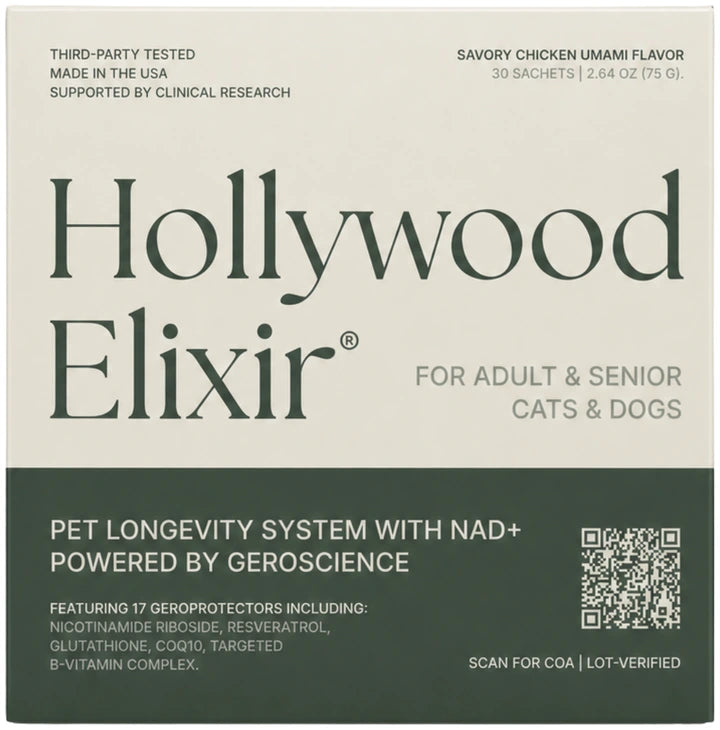
Hollywood Elixir is our daily supplement for adult and senior dogs, made to the LPL-01 standard with every active ingredient at a visible amount. It never replaces your veterinarian — it sits alongside the routine on this page.
Starting at $63/month · cancel anytime
Shop Hollywood ElixirWhen to Call the Vet
Split urgent signs from trends that deserve a scheduled veterinary conversation.
Go urgently
- A swollen or painful abdomen, repeated unproductive retching, sudden distress after eating, pale gums, collapse, or severe weakness.
- Sudden inability to use the hind legs, severe back pain, dragging, knuckling, or loss of bladder control.
- Labored breathing, seizure, heat distress, uncontrolled bleeding, or a rapid decline that does not match the usual Shepherd baseline.
Schedule promptly
- Rear nails scuffing, wobble, crossed hind feet, new stair hesitation, or repeated slipping.
- Weight loss with strong appetite, chronic soft stool, vomiting, gas, or coat dullness.
- Limping, stiffness after rest, reluctance to jump into the car, or soreness after normal activity.
- Ear odor, skin redness, paw chewing, hot spots, or pressure sores under the coat.
- Bad breath, one-sided chewing, thirst change, sleep disruption, anxiety, or fading interest in work and family routines.
The 90-Day Support Routine
Ninety days of small, repeatable habits make subtle changes visible — and give any new routine a fair test.
- Week one: record weight, waist, thigh muscle, gait, stair use, toe scuffing, stool, appetite, skin, ears, teeth, sleep, and normal working drive.
- Week one: choose traction zones, meal timing rules, eating-speed tools, and an emergency-hospital route before a bloat scare or rear-end crisis.
- Weekly: check nails, paw wear, rear-foot placement, coat and skin under the collar, ear odor, stool pattern, and recovery after exercise.
- Monthly: save a short gait video from the side and rear, repeat body condition, and note whether commands, stairs, car loading, or play look different.
- Day 90: bring the log to your veterinarian and reassess weight targets, pain control, digestion, bloat planning, and whether neurologic testing is needed.
Tools for Tracking Comfort and Aging
Use these when a life-stage, body-condition, or quality-of-life question needs more structure.
Dog Quality of Life Scale
Use when Shepherd comfort, sleep, appetite, movement, or joy is getting harder to judge.
ToolDog Biological Age Calculator
Frame German Shepherd senior timing before the first serious decline.
ToolDog Body Condition Calculator
Turn Shepherd weight and rib-feel questions into a clearer veterinary conversation.
Frequently Asked Questions
Short answers to the questions owners ask most.
What is the average German Shepherd life expectancy?
A practical planning range is 9-13 years. Use that as a planning band, not a promise for one Shepherd; size, family history, body condition, accidents, and veterinary care still move the outcome.
Can a German Shepherd live longer than 13?
Some do. The useful goal is protecting comfort, mobility, appetite, sleep, breathing, and engagement for whatever years this Shepherd has.
Is 7-9 old for a German Shepherd?
Around 7-9 years is a sensible senior-planning window for many German Shepherds. It is the right time for better records, not a reason to panic.
What health problems are most important for German Shepherds?
German Shepherd health problems to discuss include hip dysplasia, degenerative myelopathy and lumbosacral pain, gdv awareness without panic, epi, allergy, plus any issue already present in your dog's own history.
What signs mean my Shepherd should see a vet soon?
Book a visit for trends: weight change, appetite or thirst change, repeated pain, changed gait, new lumps, breathing changes, dental discomfort, disrupted sleep, or behavior that no longer fits your dog.
What Shepherd signs are urgent?
Go urgently for collapse, labored breathing, blue-gray or pale gums, severe pain, seizure clusters, uncontrolled bleeding, rapid decline, or any breed-specific emergency sign listed above.
How often should a senior German Shepherd see the vet?
Twice yearly is a useful default once senior planning starts, with bloodwork, pain review, dental review, and any breed-specific screening adjusted to this dog's history.
How do I track quality of life for an older Shepherd?
Track rising, walking, breathing, sleep, pain, appetite, toileting, anxiety, and joy in familiar routines. A quality-of-life scale helps when memory gets emotional.
Does weight matter for German Shepherds?
Yes. Lean body condition gives joints, breathing, heat tolerance, and stamina more margin. Ask your veterinarian for a body-condition target instead of relying on breed averages.
What should I ask a breeder or rescue about German Shepherd lifespan?
Ask about parent ages, causes of death in relatives, health screening, chronic conditions, medications, diet, behavior, and what records will come with the dog.
What should I bring to a Shepherd senior-care visit?
Bring Shepherd weight history, diet and treat details, medications, supplements, videos, photos, screening records, and a dated timeline of what changed when.
Can home care replace veterinary screening for this Shepherd?
No. Home notes make veterinary care better, but they do not replace exams, diagnostics, pain control, emergency care, or breed-specific screening.
How should I think about end-of-life decisions for this German Shepherd?
Use comfort, breathing, mobility, sleep, pain, toileting, appetite, and joy together. The right question is whether life still feels safe and kind for this individual dog.
Should I wait for dramatic signs before booking care?
No. This breed's best chance at comfortable senior years comes from acting on trends while the dog still has options.
A note from La Petite Labs
Hollywood Elixir is La Petite Labs' daily supplement for adult and senior dogs. It is not a treatment for anything on this page, and it never replaces your veterinarian.

Why Pampered fits a German Shepherd spine-safety routine
Pampered is La Petite Labs' complete daily system, with a recommended 90-day starting window. Use it alongside the page's recording weight, waist, thigh muscle, gait, stair use, toe scuffing, stool, appetite, skin, ears, teeth, sleep, and normal; for German Shepherd, the daily record should keep circling back to hips and elbows, spine and nerves, bloat, and digestion before the fit check.
Explore the Pampered™ System →