French Bulldog lifespan and senior care
How Long Do French Bulldogs Live?
8–10+Years, typical
French Bulldog lifespan estimates vary widely. The safest plan protects breathing comfort, heat margin, spine health, skin, ears, and dignity.
- Start watching at
- From 4-5 years
- Senior age
- Often 6-7+ years
- Typical lifespan
- 8-10+ years
A cautious planning range alongside published UK estimates; breathing, heat, spine, body condition, skin, and veterinary access change the story.
Quick Answers for Pet Parents
Direct answers to the questions people ask when they are trying to plan care.
How long do French Bulldogs usually live?
French Bulldog lifespan estimates vary widely. A cautious owner-facing planning range is upper single digits to low teens, but UK research has reported both very low life expectancy at age 0 and a 9.8-year median survival estimate depending on method and dataset.
What is the average French Bulldog life expectancy?
There is no single perfect average. The 2022 VetCompass life-table study reported 4.53 years from age 0 for French Bulldogs, while a 2024 UK longevity study reported 9.8 years median survival. Use these numbers as evidence signals, not a prediction for one dog.
Why do French Bulldogs sometimes have shorter lifespan estimates?
French Bulldogs are brachycephalic and have elevated risk for breathing problems, heat intolerance, spine problems, skin fold disease, ear problems, eye disease, dental crowding, and other conditions that can affect comfort, medical burden, and quality of life.
When is a French Bulldog considered senior?
AAHA defines senior as the last 25% of estimated lifespan, so the threshold depends on the individual dog and the lifespan estimate being used. For practical care, many French Bulldog owners should begin mature-adult tracking by 4 to 5 years and ask their veterinarian when to shift into senior monitoring.
What most affects French Bulldog healthspan?
Breathing comfort, heat safety, lean body condition, spine and gait monitoring, skin fold care, ear care, dental care, eye comfort, exercise recovery, anesthesia planning, and early veterinary conversations when changes appear.
When to Call the Vet
Split urgent signs from trends that deserve a scheduled veterinary conversation.
Go urgently
- Open-mouth breathing at rest, blue or gray gums, collapse, severe distress, or inability to settle.
- Severe heat distress, weakness, disorientation, vomiting, seizure, or unresponsiveness.
- Sudden back-leg weakness, dragging, knuckling, severe back pain, or loss of bladder or bowel control.
- Painful eye squinting, eye injury, blue-white spot on the eye, or rapidly worsening eye discomfort.
- Rapidly worsening breathing, stamina, neurologic signs, pain, or lethargy.
Schedule promptly
- Louder breathing than usual, poorer sleep, reduced exercise tolerance, coughing, gagging, or recurrent regurgitation.
- Weight gain, weight loss, slower recovery after normal walks, or lower heat tolerance.
- New stair reluctance, limping, toe dragging, hunched posture, or pain when lifted.
- Skin fold odor, redness, discharge, paw licking, belly redness, face rubbing, or tail pocket irritation.
- Ear smell, discharge, head shaking, scratching, redness, pain, head tilt, or balance changes.
- Eye redness, tearing, cloudiness, rubbing, squinting, or light sensitivity.
- Bad breath, drooling, one-sided chewing, dropping food, reduced appetite, or face sensitivity.
Lifespan at a Glance
The short answer with the context a careful pet parent needs.
| Typical lifespan framing | Evidence varies: a 2022 UK life-table study reported 4.53 years life expectancy at age 0, while a 2024 UK longevity study reported 9.8 years median survival. |
|---|---|
| Practical owner planning range | Upper single digits to low teens is a cautious planning range, with individual variation. |
| Senior age | AAHA defines senior as the last 25% of estimated lifespan, so senior timing should be individualized with your veterinarian. |
| Earlier watchpoint | Start structured tracking by 4 to 5 years, or earlier if breathing, heat tolerance, spine, skin, ear, weight, or eye signs are present. |
| Breed-specific priority | Do not normalize noisy breathing, heat intolerance, exercise collapse, skin fold infection, chronic ear problems, or back pain. |
| Most important at-home signals | Resting breathing, recovery after activity, heat response, cough or gagging, sleep quality, weight, gait, stairs, scratching, skin folds, ears, eyes, appetite, and quality of life. |

You can’t add sand to the glass. You can change what happens while it falls.
8-10+ years is the range. What fills those years — lean condition, easy movement, steady digestion, good sleep — is built one ordinary day at a time.
Start the daily system → Starting at $63/month
If you are here because your French Bulldog snores harder than before, pants after a short walk, avoids stairs, has sore skin folds, shakes an ear, or seems wiped out by warm weather, you are not asking for trivia. You are asking what is normal, what is common but unhealthy, and when to act.
Here is the direct answer first: many French Bulldogs are best planned around about 8 to 10+ years. That owner-facing range has to sit beside the uncomfortable evidence: a 2022 UK life-table study reported 4.53 years at age 0, while a larger 2024 UK study reported median survival of 9.8 years. The disagreement is exactly why the plan cannot rely on one reassuring number.
The number is the start, not the plan. For a French Bulldog, the years are measured in margin — breathing margin, heat margin, spine margin — and margin is something a household can protect: a lean body, cool rooms, short outings on hot days, folds that get diagnosed instead of endlessly wiped, and a family that refuses to file suffering under "that's just the breed."
If You Only Have Five Minutes
- French Bulldog lifespan estimates vary more than most breed ranges; treat the number as a planning tool, not permission to ignore symptoms.
- Breathing and heat signs deserve a lower threshold. Open-mouth breathing at rest, blue or gray gums, collapse, severe heat distress, or inability to settle is urgent.
- Start structured tracking by 4 to 5 years, or earlier if breathing, heat tolerance, gait, skin, ears, eyes, weight, or sleep is already changing.
- Do not normalize noisy breathing, poor recovery, chronic skin fold infection, repeated ear disease, or back pain as just the breed.
- Lean body condition gives more breathing, heat, spine, skin, and anesthesia margin.
- Bring videos of sleep breathing, walking, recovery after mild activity, and any noisy episode to your veterinarian.
Two companion pages do the most work here: the dog lifespan methodology, because French Bulldog numbers genuinely conflict and it explains why, and the dog quality of life scale, because breathing comfort is a quality-of-life question before it is anything else.
Why Lifespan Numbers for French Bulldogs Don't Agree
French Bulldog numbers disagree because the studies are not measuring the same thing. A life-table estimate at birth, a median survival estimate, a young breed population, and an owner-facing range can all be sincere and still point to different ages.
The 2022 VetCompass life-table paper reported a short age-0 estimate and connected low estimates in flat-faced breeds with welfare concerns. The 2024 Scientific Reports study used a larger UK dataset and placed French Bulldogs higher, at 9.8 years median survival, while still showing lower survival for brachycephalic purebreds overall.
For an owner, the evidence means this: do not chase the most comforting number. Protect the dog in front of you. Breathing, heat, weight, spine, skin, eyes, dental comfort, and sleep quality are the healthspan signals that change daily life.
Hold both studies loosely and act on neither as fate. The disagreement itself is the message: individual French Bulldogs land far apart, and the ones who land well are usually lean, kept cool, bred or managed for airway function, and taken seriously the first time breathing changes.
What Shapes a French Bulldog's Healthspan
French Bulldog healthspan is built around margin: breathing margin, heat margin, spine margin, skin comfort, eye comfort, dental comfort, and the dignity of not dismissing suffering because a trait is common.
BOAS and breathing comfort
BOAS stands for brachycephalic obstructive airway syndrome. French Bulldogs can have narrowed nostrils, elongated soft palate, airway collapse, tracheal concerns, or several features at once. Snoring, gagging, poor exercise tolerance, poor sleep, collapse, or distress after excitement are health information. Common does not mean healthy.
Heat and humidity
Dogs cool themselves largely through panting, so a dog with limited airway margin can lose heat tolerance quickly. A warm humid day, car ride, outdoor cafe, stairs, or a few minutes of play can become too much. Prevention matters: cool indoor rest, water, shade, short cooler outings, and fast veterinary help if heat signs appear.
Spine, IVDD, and gait changes
French Bulldogs can have spinal problems including vertebral malformations and intervertebral disc disease. Stair hesitation, yelping when lifted, hunched posture, toe dragging, knuckling, wobbliness, sudden hind-leg weakness, or loss of bladder or bowel control should not be treated as a cute gait.
Skin folds, paws, and allergy
Face folds, paws, belly, armpits, groin, and tail pocket can become itchy, sore, moist, or infected. Redness, odor, discharge, swelling, crusting, hair loss, rubbing, licking, chewing, or pain when touched deserves diagnosis. Wiping alone may miss allergy, yeast, bacteria, parasites, or anatomy.
Ears
Ear problems often travel with allergy and narrow canals. Head shaking, scratching, odor, discharge, redness, swelling, pain, head tilt, or balance change deserves care before chronic inflammation changes the canal and makes future problems harder.
Eyes and face-shape risk
Large exposed eyes and facial shape can make eye pain a major issue. Squinting, rubbing, redness, cloudiness, discharge, a blue-white spot, pawing at the face, or sudden light sensitivity should be treated promptly because corneal injury can worsen quickly.
Dental crowding and anesthesia planning
A shorter jaw can make dental crowding more likely. Bad breath, red gums, drooling, one-sided chewing, dropping food, or a dog who seems hungry but hesitant can mean mouth pain. Dental care matters, and anesthesia planning should be brachycephalic-aware.
Weight and body condition
Extra body condition can worsen breathing, heat tolerance, exercise recovery, joint load, spine stress, skin folds, anesthesia risk, and stamina. Ask for a body condition score; a lean, well-muscled French Bulldog usually has more room to cope.
Making the plan real in a French Bulldog home
The single most valuable thing a Frenchie owner can own is a thirty-second video of their dog breathing during normal sleep, filmed on an ordinary cool day. Airway decline is gradual, and households adapt to snoring the way they adapt to a ticking clock. A baseline clip means that six months from now, "is this worse?" has an answer instead of an argument.
Add two small habits. First, a heat log in summer: note the temperature and how long the recovery took after each outing, because a shrinking heat tolerance is often the earliest airway signal. Second, a weekly fold-and-paw check with your fingers — folds, paws, armpits, tail pocket — treating odor, moisture, or flinching as a diagnosis to get, not a wipe to repeat.
The home itself should assume the breed. Air conditioning or at least one reliably cool room is medical equipment for a Frenchie, not a luxury. Harness instead of collar, always, because nothing that restricts this airway belongs on this neck. Ramps or blocked-off launch spots protect the spine that BOAS headlines tend to overshadow. None of this is dramatic — it is the same logic as a seatbelt, installed before the day it matters.
What Aging Looks Like in a French Bulldog
French Bulldog aging often shows up as slower recovery after excitement, heavier breathing after short walks, less heat tolerance, louder sleep, reluctance with stairs, a smaller walk radius, more licking, more ear flares, eye irritation, dental odor, stiffness, or a dog who still wants the family but tires faster.
Use the baseline test:
- Is movement different from six months ago?
- Is appetite, weight, thirst, stool, urination, or house-training behavior different?
- Is breathing, sleep, or recovery after normal activity different?
- Is dental comfort, grooming, skin, ears, eyes, or coat different?
- Are there new lumps, wounds, mats, odors, coughs, or pain signals?
- Is joy different: greeting, play, voice, social interest, or familiar routines?
The line to hold: aging may shrink the walk radius, but it should never normalize distress. A French Bulldog who cannot sleep without struggling, cannot handle a mild day, or suddenly moves like the floor is unsteady is not old — that dog is untreated.
When to Call a Veterinarian
For this breed the urgent list is airway, heat, and spine. Open-mouth struggle or blue-gray gums at rest, collapse, severe heat distress, sudden hind-leg weakness, knuckling, loss of bladder or bowel control, an eye that changes color or closes, or a dog who cannot settle — go now, and travel cool. Book this week for the slower stories: louder sleep, shrinking heat tolerance, recurring folds or ears, stair hesitation, weight drift.
Your best diagnostic tool is your phone. Bring the sleep-breathing baseline, a clip of the current breathing, the heat log, and dates for every fold or ear flare. Airway and spine assessments both improve enormously when the veterinarian can see the episode instead of imagining it — and if referral for airway grading or imaging comes up, those clips travel with you.
If the real question underneath the visit is comfort, complete the dog quality of life scale beforehand. For a breed whose struggles are often quiet and nocturnal, the scale surfaces what daytime cheerfulness hides.
How French Bulldogs Compare With Similar Breeds
Compared with Labradors or Goldens, French Bulldogs need breathing and heat planning much earlier. Compared with Dachshunds, both breeds deserve spine awareness, but French Bulldog care adds airway, skin fold, eye, and anesthesia considerations. Compared with other flat-faced breeds, the details differ, but the ethic is the same: comfort outranks appearance.
The dog lifespan by breed hub holds the wider picture, and the senior dog signs guide covers the aging signals every breed shares.
Questions for Your Breeder, Rescue, or Veterinarian
For a breeder or rescue:
- What breathing, airway surgery, heat intolerance, spine, skin, ear, eye, dental, and anesthesia history exists in the family?
- Have parents been evaluated for BOAS or other airway concerns by a veterinarian?
- What support is offered if serious health issues appear later?
For your veterinarian:
- Does this dog need a BOAS assessment or airway referral?
- What heat rules should we follow for this dog specifically?
- How should we manage stairs, jumping, lifting, and back-pain risk?
- What skin fold, ear, eye, dental, weight, and anesthesia plan makes sense now?
A rescued Frenchie with no history is not behind — the first exam simply carries more weight. Ask for an airway impression, a spine impression, a body condition score, and a written list of this individual dog's heat rules, then start the sleep-breathing baseline that same week.
Sources
- Royal Veterinary College VetCompass. New RVC research helps owners better understand the remaining life expectancy of dogs. https://www.rvc.ac.uk/vetcompass/news/new-rvc-research-helps-owners-better-understand-the-remaining-life-expectancy-of-dogs
- Teng KT, Brodbelt DC, Pegram C, Church DB, O'Neill DG. Life tables of annual life expectancy and mortality for companion dogs in the United Kingdom. Scientific Reports. https://www.nature.com/articles/s41598-022-10341-6
- McMillan KM, Bielby J, Williams CL, Upjohn MM, Casey RA, Christley RM. Longevity of companion dog breeds: those at risk from early death. Scientific Reports. https://www.nature.com/articles/s41598-023-50458-w
- Royal Veterinary College VetCompass. "Stop and think before buying a flat-faced dog": French Bulldog no longer a typical dog. https://www.rvc.ac.uk/vetcompass/news/stop-and-think-before-buying-a-flat-faced-dog-french-bulldog-no-longer-a-typical-dog
- O'Neill DG, Baral L, Church DB, Brodbelt DC, Packer RMA. Demography and disorders of the French Bulldog population under primary veterinary care in the UK in 2013. Canine Genetics and Epidemiology. https://link.springer.com/article/10.1186/s40575-018-0057-9
- PetMD. 23 French Bulldog Health Issues Pet Parents Should Know About. https://www.petmd.com/dog/general-health/french-bulldog-health-issues
- Cummings School of Veterinary Medicine at Tufts University. Frenchies are #1 and veterinarians are concerned. https://vet.tufts.edu/news-events/news/frenchies-are-1-and-veterinarians-are-concerned
- AAHA. Canine Life Stage Definitions. https://www.aaha.org/resources/life-stage-canine-2019/canine-life-stage-definitions/
- PetMD. Intervertebral Disc Disease in Dogs. https://www.petmd.com/dog/conditions/neurological/intervertebral-disc-disease-dogs
Healthspan by Life Stage
Know what to track before senior age, not only after decline appears.
Start with breathing, body shape, and baselines
Document breeder or rescue history, breathing pattern, nostril appearance, sleep noise, exercise recovery, heat tolerance, gait, spine notes, skin folds, ears, eyes, appetite, and weight trend.
Protect the breathing margin
Keep activity conservative in heat, ask about BOAS assessment, and treat skin, ear, and recovery changes as health information.
Start the healthspan dashboard
Track breathing, sleep quality, recovery, heat response, weight, gait, back comfort, skin folds, ears, eyes, dental comfort, appetite, and social interest.
Define it with your veterinarian
Use the AAHA last-25%-of-lifespan framework, but individualize senior timing because French Bulldog evidence ranges widely.
Track comfort honestly
Watch breathing comfort, sleep, pain, mobility, appetite, skin and ear comfort, social interest, and whether treatment is helping more than it burdens.
Breed Health Map
The main breed-specific topics that can shape lifespan, comfort, and quality of life.
BOAS and brachycephalic anatomy
Noisy breathing, poor recovery, gagging, collapse, and sleep disruption should not be normalized as cute breed traits.
Heatstroke risk
Because cooling depends on panting, warm and humid conditions can become dangerous quickly for dogs with limited airway margin.
IVDD and vertebral concerns
Back pain, toe dragging, wobbliness, hind-limb weakness, or loss of bladder or bowel control needs prompt veterinary attention.
Skin fold and allergy comfort
Face folds, paws, belly, armpits, groin, and tail pocket can become itchy, sore, moist, or infected.
Chronic ear disease
Narrow canals and allergy-linked inflammation can make recurrent ear problems harder to manage if they are allowed to become routine.
Face-shape eye comfort
Squinting, rubbing, redness, cloudiness, discharge, or sudden light sensitivity deserves prompt attention.
Crowding and mouth comfort
Bad breath, red gums, one-sided chewing, dropping food, or reluctant chewing can signal dental pain.
Weight and breathing margin
A lean, well-muscled French Bulldog usually has more respiratory, heat, mobility, and anesthesia margin than an overconditioned one.

One serving a day, built for aging dogs
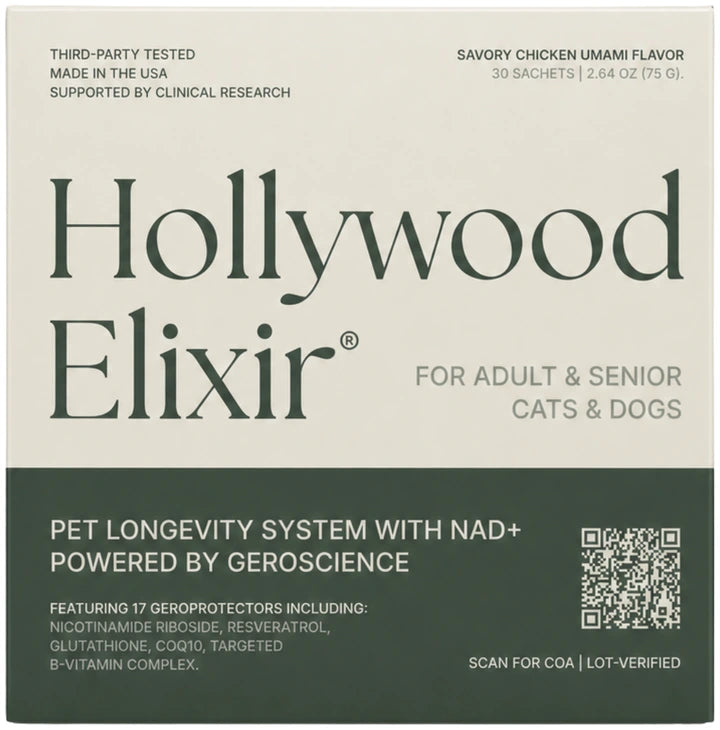
Hollywood Elixir is our daily supplement for adult and senior dogs, made to the LPL-01 standard with every active ingredient at a visible amount. It never replaces your veterinarian — it sits alongside the routine on this page.
Starting at $63/month · cancel anytime
Shop Hollywood ElixirThe 90-Day Support Routine
Ninety days of small, repeatable habits make subtle changes visible — and give any new routine a fair test.
- Week one: record sleeping respiratory rate, snore pattern, heat tolerance, body condition, stair use, gait, toe dragging, skin folds, paws, ears, eyes, and dental comfort.
- Week one: build the heat plan before a hot day arrives, including cool rest, shade, water, short outings, travel limits, and the emergency hospital route.
- Weekly: check breathing videos, skin folds, paw redness, ear odor, eye comfort, back pain signs, weight, and whether excitement is pushing the dog past safe recovery.
- Monthly: repeat body-condition scoring by hand and compare stairs, jumping, lifting comfort, sleep noise, panting, and skin flares against the first notes.
- Day 90: review the pattern with your veterinarian and decide whether airway, weight, spine, skin, eye, dental, or heat-management plans need to change.
Tools for Tracking Comfort and Aging
Use these when a life-stage, body-condition, or quality-of-life question needs more structure.
Dog Quality of Life Scale
A structured comfort check for appetite, mobility, breathing, pain, sleep, and joy.
ToolDog Biological Age Calculator
Place your dog in a life stage before you decide what senior care should mean.
ToolDog Body Condition Calculator
Turn weight worry into a body condition conversation with your veterinarian.
Frequently Asked Questions
Short answers to the questions owners ask most.
What is a realistic life plan for French Bulldogs?
French Bulldog lifespan should be read as planning context, not a forecast. Use 8-10+ years as the practical range, then individualize with your veterinarian around body condition, breed risk, symptoms, and health history.
Can French Bulldogs live longer than 8-10+ years?
Yes, some do. A range is not a ceiling. Genetics, accidents, early disease, body condition, dental care, pain control, veterinary access, and luck can move one dog above or below the common range.
When should French Bulldog senior care start?
French Bulldog senior care should start before crisis. Use Often 6-7+ years as the senior-planning marker and from 4-5 years for baseline tracking, earlier if symptoms or chronic disease are already present.
Which French Bulldog health issues matter most?
French Bulldog health problems that shape comfort include boas and breathing comfort, heat and humidity, spine, ivdd, and gait changes, skin folds, paws, and allergy. The exact priority depends on your dog's exam findings, family history, and day-to-day changes.
Which aging signs should French Bulldog owners watch?
French Bulldog aging signs include changes in appetite, weight, movement, breathing, sleep, pain, grooming, bathroom habits, social interest, recovery after activity, and willingness to do familiar routines.
What changes are urgent for a French Bulldog?
Sudden breathing distress, collapse, blue or pale gums, severe pain, seizure, rapid decline, inability to rise, or major neurologic change should be treated as urgent. Breed-specific emergency signs are listed in the watch section.
What should I track each month?
Track weight, body condition, appetite, water intake, bathroom habits, movement, breathing, dental comfort, skin or coat, eyes or ears, sleep, mood, and one change from your dog's normal.
How often should an older French Bulldog see the veterinarian?
Many senior dogs benefit from at least twice-yearly check-ins, but frequency should follow the dog's risk, medications, pain, dental needs, bloodwork, weight trend, and new signs.
How does body condition affect French Bulldog healthspan?
Healthy body condition gives more mobility, breathing, heat, anesthesia, and senior comfort margin. Ask your veterinarian for a body condition score rather than guessing from looks alone.
What should I ask a breeder or rescue?
Ask what is known about lifespan, early deaths, inherited disease, major surgeries, dental problems, mobility, breathing, skin, eyes, heart, kidney, and behavior. Unknown history is common and still workable.
How do I compare French Bulldogs with similar breeds?
Compare the aging pattern, not the winner. Similar breeds may share one risk, but your dog's plan should come from this breed's watchpoints and your veterinarian's exam.
How do I judge quality of life in an older French Bulldog?
Look beyond appetite alone. Breathing, pain, sleep, mobility, hygiene, bathroom dignity, anxiety, social interest, and whether care is helping more than it burdens all belong in the answer.
Which tools are useful for French Bulldog owners?
Use the dog age or biological-age tool for life-stage framing and the quality-of-life scale when comfort, treatment burden, appetite, or mobility is hard to judge.
What makes French Bulldog lifespan uncertain?
Population data cannot see every line, home, accident, diagnosis, or care decision. That is why French Bulldog lifespan belongs with ranges, baselines, and veterinary interpretation rather than exact promises.
A note from La Petite Labs
Hollywood Elixir is La Petite Labs' daily supplement for adult and senior dogs. It is not a treatment for anything on this page, and it never replaces your veterinarian.

Why Pampered matches French Bulldog watchpoints
Pampered is La Petite Labs' complete daily system, with a recommended 90-day starting window. The French Bulldog routine here is specific: recording sleeping respiratory rate, snore pattern, heat tolerance, body condition, stair use, gait, toe dragging, skin folds, paws, and return to breathing, heat, spine, and skin, so Pampered belongs beside those notes instead of replacing them.
Explore the Pampered™ System →