Poodle Skin Allergies

Identify the Trigger, Calm Inflammation, and Rebuild Barrier Function to Stop Scratching

Essential Summary

Why are poodle skin allergies important?

Poodle skin allergies often show up as visible changes first: dull coat, flakes, paw licking, and uneven texture. The most effective approach is layered—reduce contact irritants, keep grooming gentle and consistent, and support skin-and-coat presentation daily. When your poodle looks comfortable, you can make clearer choices with your veterinarian and your routine.

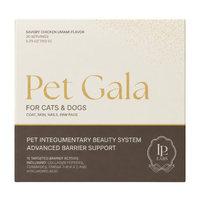
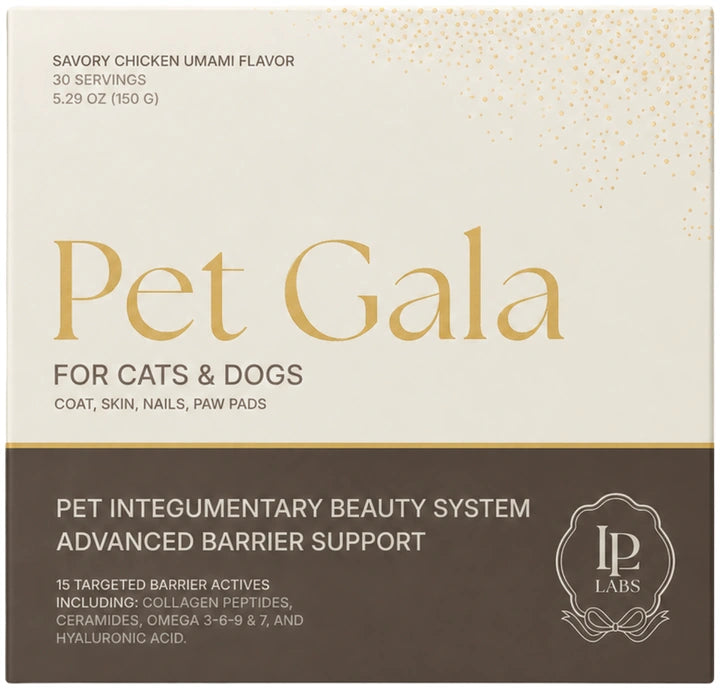
Pet Gala™ is daily beauty support for skin, coat, and nails—ideal when you’re managing sensitivity and still want that polished, plush poodle finish. It fits alongside grooming and vet care to support visible softness, shine, and an overall well-kept look.

A poodle’s coat is a statement: sculpted, plush, and unmistakably intentional. That’s why skin irritation feels so personal with this breed. When the skin is uncomfortable, the coat stops cooperating—curls lose definition, the texture turns dry, and the dog’s body language shifts from buoyant to preoccupied. For many families, poodle skin allergies are first noticed as a change in presentation: more licking, more scratching, more “messy” coat days that don’t match the care you’re giving.

The challenge is that allergies rarely have one clean cause. Environmental exposure, grooming products, diet changes, and simple moisture trapped in curls can stack together. Hypersensitivity reactions can contribute to these patterns, which is one reason triggers can be delayed and hard to pinpoint. Instead of chasing a single culprit, most owners do better with a calm, layered approach: reduce what irritates, keep grooming gentle, and support the skin-and-coat look you want to maintain.

This page focuses on poodle skin allergy symptoms and solutions that respect both comfort and aesthetics. You’ll see practical ways to refine bathing, bedding, and seasonal routines, plus how to think about poodle skin allergy treatment options with your veterinarian. And if you’re wondering why a careful, science-minded owner would still choose a beauty supplement, the answer is simple: even when triggers are imperfectly controllable, daily support can improve visible softness, sheen, and overall “well-kept” presence—exactly the signals you notice when your poodle is doing well.

By La Petite Labs Editorial, ~15 min read

Featured Product:

  • Poodle skin allergies often announce themselves through appearance: dullness, flakes, odor, and uneven curl definition.
  • Look for patterns around walks, grooming days, bedding, and seasonal shifts before changing everything at once.
  • Contact irritants are common; simplifying shampoos, detergents, and fragrances can create fast, visible relief.
  • Food trials can be useful, but they work best when they’re consistent, slow, and veterinarian-guided.
  • Grooming should leave the coat soft and airy; over-stripping can make skin look tight and reactive.
  • Supplements support daily presentation—sheen, softness, and comfort—rather than acting like emergency itch control.
  • A repeatable routine is the real “best product”: fewer triggers, better coat maintenance, and steady support.

Visible Signs of Sensitivity in a Coat Meant to Look Polished

When poodles get itchy, it rarely stays small. The scratching shows up on the wrists and ankles, the licking leaves rusty saliva stains, and the coat loses that plush, freshly-groomed look that makes the breed feel so unmistakably “poodle.” Poodle skin allergies often look like a beauty problem first: dullness, flakes, odor, and uneven texture. But those visible signals are also your best early clues that something in the routine, environment, or diet isn’t agreeing with your dog.

Owners usually ask for poodle skin allergy symptoms and solutions because they want two things at once: comfort now, and a coat that looks cared-for again. The most useful approach is layered: reduce obvious irritants, simplify what touches the skin, and support the skin’s everyday presentation so it can look calm and polished between baths and grooming appointments.

A science-minded owner can be honest about uncertainty (allergies are rarely one single trigger) and still choose a beauty-forward support product. That’s because even when you can’t control pollen counts or perfectly predict sensitivities, you can choose consistent, visible care: a routine that prioritizes softness, sheen, and a comfortable feel to the touch. Pet Gala™ is designed to fit that role: daily skin-and-coat support that complements grooming and vet care without pretending to replace either.

Coat shine detail showing beauty mechanisms supported by poodle skin allergies.

Why Poodles Show Allergy Changes through Texture, Shine, and Odor

Poodles are famous for a coat that holds a sculpted shape, but that same dense, curly texture can trap moisture, debris, and allergens close to the skin. When irritation starts, it often hides under the hair until it becomes obvious: frequent scratching, chewing at paws, rubbing the face on carpet, or a coat that suddenly feels dry and “separates” instead of clumping into soft curls.

Common poodle skin allergy symptoms and solutions begin with noticing patterns. Are flares worse after grooming? After walks? After a diet change? Hypersensitivity reactions can be involved in canine skin allergy presentations (McDermott A, 2025), which is why triggers can be delayed and confusing. Your advantage is that poodle coats show changes quickly: shine, softness, and odor are honest feedback.

Beauty structure illustration representing support pathways in poodle skin allergy treatment options.

Common Triggers and the Power of Lowering Total Exposure

The most common “why” behind poodle skin allergies is not a single villain, but a stack of exposures: seasonal pollen, indoor dust, grooming products, and food sensitivities. That stack can tip a poodle from “a little itchy” to “constantly bothered,” especially when the skin barrier is already dry or inflamed. The goal is to lower the total load, not obsess over one perfect answer.

Allergen risk assessment is a useful mindset: identify the most likely irritants, remove the easiest ones first, and watch what changes. In practice, that can mean swapping fragranced shampoo, changing laundry detergent, rinsing paws after walks, and keeping grooming tools clean. Each step is small, but together they can shift how the skin looks and how the coat behaves (see: Dog Skin Care).

Structural beauty image symbolizing ingredient integrity supported by best supplements for poodle skin allergies.

Fast, Gentle Resets That Improve Comfort and Appearance Quickly

Owners often ask for poodle skin allergies remedies that feel immediate. The fastest visible wins usually come from contact control: removing irritants that sit on the skin. If your poodle is reacting, simplify the bath routine for a few weeks. Choose a mild, fragrance-free dog shampoo, rinse longer than you think you need, and avoid heavy perfumes or “deodorizing” sprays that can sting.

Then focus on the areas that touch the world: paws, belly, and face. A quick rinse after walks and a soft towel dry can reduce what gets trapped in curls. This isn’t about being precious; it’s about keeping the coat looking fresh and the skin feeling calm. When the dog looks comfortable, you can make smarter decisions about what to try next.

Close-up dog photo reflecting radiant beauty supported by best supplements for poodle skin allergies.

Supplement Support for Softness, Sheen, and Everyday Skin Comfort

If you’re weighing best supplements for poodle skin allergies, think in terms of what you want to see: a softer coat, a smoother brush-through, less visible flaking, and a more even, “settled” look to the skin. Supplements are not emergency itch stoppers, but they can support the daily presentation of skin and coat when used consistently.

Some plant-based ingredients and phytonutrients are discussed for their potential to support inflammation balance and immune response in dogs (Tanprasertsuk J, 2022). That doesn’t mean a supplement replaces veterinary care or eliminates triggers. It means you’re giving the skin and coat a steadier foundation so grooming and avoidance strategies have a better chance to show up as visible improvements.

The scratching is completely gone, his coat looks healthy and shiny!

— Lena

He was struggling with itching, now he's glowing.

— Grace

“When the coat looks plush and the skin looks calm, you’re not guessing—you’re seeing feedback.”

A Simple Framework for Causes, Care Choices, and Visible Feedback

A practical way to think about poodle skin allergy causes and treatments is to split them into three buckets: what gets on the skin, what gets into the body, and what the skin is able to tolerate. “On the skin” includes shampoos, wipes, grass, and detergents. “Into the body” includes diet and treats. “Tolerance” includes how dry, inflamed, or compromised the skin barrier is at the moment.

This framing helps you avoid overcorrecting. If you change five things at once, you won’t know what helped. Instead, make one high-impact change, watch for visible signals (less redness, better sheen), then decide what’s next. That’s how to help poodles with skin allergies without turning daily care into a stressful project.

Elegant dog portrait reflecting coat shine and natural beauty supported by best products for poodle skin allergies.

Ears, Paws, and Face: the Areas That Reveal Trouble First

Ears and skin often flare together in poodles. If you notice head shaking, ear scratching, or a sour smell, it’s worth addressing quickly. Ear discomfort can make a dog seem generally “itchy,” and the coat around the ears can mat from rubbing. Keeping the ear area clean and dry after baths is a small detail that pays off in how your poodle looks and feels.

Ask your veterinarian before using any ear solutions, especially if there’s redness or discharge. At home, focus on prevention: dry the ear leather gently, avoid getting water deep in the canal, and keep hair around the opening neatly trimmed by a professional. Comfort shows in posture, and posture shows in presence.

Dog portrait from the side highlighting beauty supported by best supplements for poodle skin allergies.

Friction, Moisture, and Staining: Small Details with Big Impact

One overlooked factor in poodle skin allergies is friction: collars, harness straps, and constant licking can create localized irritation that looks like “allergy spots.” If the redness is in a perfect band around the neck or under the armpits, check fit and materials. A softer, well-fitted harness and regular washing of gear can reduce repeated rubbing and trapped grime.

Also consider saliva staining and moisture. Curly coats can hold dampness against the skin, especially around the mouth and paws. Keeping those areas dry and neatly trimmed can improve both comfort and appearance. The goal is a coat that looks intentionally cared-for, not constantly “in recovery.”

Product overview visual highlighting formulation integrity aligned with poodle skin allergy symptoms and solutions.

Severity Check: When Routine Changes Are Enough and When They Aren’t

If you want a simple decision framework for poodle skin allergy treatment options, use severity and visibility. Mild: occasional scratching, small flakes, coat feels a bit dry. Moderate: frequent licking, redness, odor, sleep disruption. Severe: open sores, bleeding, swelling, or intense distress. Mild cases often respond to routine upgrades; moderate and severe cases deserve veterinary input so the skin doesn’t spiral.

For mild-to-moderate situations, owners often do best with a “two-track” plan: reduce irritants (products, pollen, detergents) and support visible coat quality with consistent supplementation and grooming (related: Best Skin & Coat Supplements for Dogs). That’s where the best products for poodle skin allergies tend to be the ones you can keep using calmly, not the ones that promise dramatic change.

Choosing Products That Calm Skin Without Dulling the Poodle Finish

If you’re comparing the best products for poodle skin allergies, start by separating “contact” products from “support” products. Contact products include shampoos, wipes, sprays, and detergents; they can help quickly, but they can also be the trigger if fragrance, harsh surfactants, or essential oils don’t agree with your dog. Support products (like supplements) are slower, but they can improve how the coat looks and how the skin feels day to day.

A practical shortlist: a fragrance-free, dog-specific shampoo; a gentle leave-on conditioner for curly coats; hypoallergenic grooming wipes for paws and face; and a consistent supplement that supports coat luster and skin comfort. Plant-based ingredients may influence immune response and inflammation balance in dogs (Tanprasertsuk J, 2022), which is one reason many owners explore best supplements for poodle skin allergies as part of a broader routine.

“The best routine is the one you can repeat without stress, week after week.”

Lab coat with La Petite Labs logo symbolizing science-backed standards for how to help poodles with skin allergies.

Grooming Adjustments That Keep Curls Airy, Soft, and Comfortable

Grooming can either calm the situation or keep it simmering. With poodle skin allergies, the goal is to keep the coat clean and airy without stripping the skin. Over-bathing, hot water, and aggressive degreasing shampoos can leave the coat squeaky but the skin tight and reactive. Under-bathing can trap pollen, dust, and saliva in curls, which can make the dog look and feel worse.

Ask your groomer for a “comfort-first” plan: lukewarm water, thorough rinse, minimal fragrance, and a conditioner that leaves the coat soft rather than coated. Keep clipper blades cool and avoid shaving down to the skin unless your veterinarian recommends it. Between grooms, a quick paw rinse after walks and a gentle brush-out can restore that clean, well-kept finish owners want to see.

Shop Now
Premium ingredient tableau framing Pet Gala aligned with poodle skin allergy causes and treatments.

Diet Considerations When Sensitivity Shows up in Skin and Coat

Food sensitivity is one of the most discussed poodle skin allergy causes and treatments, but it’s also one of the easiest to misread. A new food can coincide with a seasonal flare, and a “limited ingredient” label doesn’t guarantee a dog won’t react. If your veterinarian suggests a diet trial, treat it like a clarity project: one change at a time, consistent treats, and a simple log of itch level, stool quality, and coat appearance.

Dietary changes, including adding specific plant-based nutrients, may play a role in supporting skin comfort and reducing inflammatory tone (Tanprasertsuk J, 2022). Even when the base diet is solid, owners often still want visible improvements: less flaking, a smoother feel, and a coat that holds a groomed look longer. That’s where a beauty-support supplement can complement, not compete with, a veterinarian-guided plan.

Shop Now
Woman with Pet Gala box in cozy setting aligned with poodle skin allergy treatment options.

Contact Triggers Hiding in Shampoos, Detergents, and Home Fragrance

Some poodles react to what touches them more than what they eat. Think: laundry detergent on bedding, room sprays, carpet powders, grooming colognes, and even “natural” essential oil blends. Certain ingredients in canine products can trigger allergic reactions in poodles, so ingredient scrutiny matters (McDermott A, 2025). If the itch pattern is strongest after baths, grooming, or cleaning days, contact irritation is worth considering.

A simple reset can be surprisingly revealing: switch to fragrance-free detergent, rinse bedding twice, remove plug-ins and sprays, and choose a dog shampoo with a short ingredient list. Owners often notice the dog looks calmer around the eyes and muzzle first, then the coat regains softness. These are small changes, but they’re the kind that show up quickly in how your poodle presents.

Shop Now

Seasonal Patterns That Make Itching Feel Random, but Aren’t

Seasonality is a major reason poodle skin allergies feel unpredictable. Spring can bring paw chewing and face rubbing; late summer can bring belly redness; winter can bring dry flakes and static. Hypersensitivity reactions, including delayed-type responses, are part of why triggers can be hard to pinpoint (McDermott A, 2025). The practical takeaway is to plan for “high-exposure” weeks instead of waiting for a flare to announce itself.

During peak pollen or dusty weather, focus on quick, low-drama routines: wipe paws and legs after walks, keep the coat brushed so debris doesn’t sit in curls, and maintain a consistent skin-and-coat support supplement (see: Collagen for Dogs). You’re not chasing perfection; you’re keeping your poodle looking fresh and feeling comfortable in the conditions you can’t fully control.

Veterinary Options and Home Support That Work Side by Side

When owners ask about poodle skin allergy treatment options, the most reassuring answer is that there are multiple lanes, and they can be combined thoughtfully. Your veterinarian may discuss prescription itch control, medicated shampoos, ear care, or allergy testing depending on severity. Those tools are about comfort and stability, especially when sleep is disrupted or the skin is breaking down.

At home, the “treatment” lane often looks like routine refinement: fewer fragranced products, more consistent grooming, and a supplement that supports visible coat quality (related: The Best Coat Growth Supplements for Dogs). That combination can matter even when medical therapy is in place, because owners still want to see the coat return to a polished, touchably soft state. Beauty support is not a substitute for veterinary care; it’s the part you can do every day.

Comparison layout showing ingredient quality differences relevant to best supplements for poodle skin allergies.

Safe Home Rituals That Feel Soothing, Not Experimental

Poodle skin allergies remedies are often shared as quick fixes, but the safest “remedy” is usually a calm, consistent routine. Avoid DIY essential oil mixes, harsh vinegar solutions, or human creams unless your veterinarian approves; sensitive skin can react to well-meant experiments. Instead, aim for gentle cleansing, thorough rinsing, and a coat that stays clean enough that allergens don’t linger.

If you want a home approach that still feels premium, focus on sensory outcomes you can verify: less odor, less flaking, a smoother brush-through, and fewer “hot spots” of irritation from licking. Those visible signals help you judge whether your changes are working. A daily supplement can fit here as a steady baseline for skin and coat presentation (see: Biotin for Dogs).

Shop Now
Unboxed supplement reflecting refined experience and trust in how to help poodles with skin allergies.

Red Flags That Deserve a Vet Visit, Not Another Product Swap

Knowing when to call the vet is part of good aesthetic care, because untreated discomfort shows on the coat and in behavior. Seek veterinary guidance promptly if you see open sores, bleeding, a strong yeasty smell, head shaking with ear redness, swelling of the face, or itch so intense your poodle can’t settle. These can escalate quickly and may require medical treatment.

Bring photos and a short timeline: when the flare started, what changed (food, shampoo, season, new bedding), and what areas are affected. That clarity helps your veterinarian choose the right next step while you keep the home routine simple and soothing. Once the flare is stabilized, ongoing skin-and-coat support can help maintain a well-kept look between visits.

Shop Now

A Repeatable Routine That Keeps Your Poodle Looking Fresh Daily

The most convincing care plan is the one you can repeat without drama. If you’re wondering how to help poodles with skin allergies in a way that fits real life, build a “minimum effective routine”: gentle wash, consistent brushing, clean bedding, and a daily supplement you don’t forget (related: Best Supplement for Dog Nails). Then add targeted changes only when you can clearly see what they do.

This is where beauty logic matters. You’re not chasing invisible perfection; you’re supporting the visible signals that reassure you: a coat that looks plush, skin that looks calm, and a dog that seems comfortable in their own body. When those signals improve, the whole household relaxes. That’s the point of choosing supportive products that align with daily care.

“Lower the total irritant load, and the coat often tells you first.”

Educational content only. This material is not a substitute for veterinary advice. Always consult your veterinarian about your dog’s specific needs. These statements have not been evaluated by the Food and Drug Administration. Products mentioned are not intended to diagnose, treat, cure, or prevent any disease.

Glossary

  • Atopy: A tendency to develop environmental allergy signs such as itching, paw licking, and recurrent ear issues.
  • Contact Irritation: Skin reactivity caused by something touching the coat or skin, like detergents, fragrances, or shampoos.
  • Flare: A period when itching, redness, odor, or licking noticeably increases compared with baseline.
  • Barrier Support: Routine choices that help skin look calm and feel comfortable, such as gentle cleansing and consistent conditioning.
  • Hot Spot: A localized area of inflamed, irritated skin often worsened by licking or moisture trapped in the coat.
  • Paw Chewing: Repetitive licking or biting at paws, commonly linked to environmental exposure or irritation.
  • Limited-Ingredient Diet Trial: A veterinarian-guided feeding approach that reduces variables to evaluate possible food sensitivity.
  • Yeasty Odor: A strong, often “corn chip” smell that can accompany skin or ear imbalance and needs veterinary assessment.
  • Allergen Load: The combined total of exposures (pollen, dust, products, diet) that can push a sensitive dog into a flare.

Related Reading

References

McDermott A. Reapplication of the Type IV Hypersensitivity Quantitative Risk Assessment to Assess Ingredients Used on Canines.. PubMed. 2025. https://pubmed.ncbi.nlm.nih.gov/40536915/

Tanprasertsuk J. Roles of plant-based ingredients and phytonutrients in canine nutrition and health.. PubMed Central. 2022. https://pmc.ncbi.nlm.nih.gov/articles/PMC9291198/

FAQ

What are the most common signs of poodle skin allergies?

Many dogs show itch first, but poodles often show appearance changes too: dull coat, flakes, paw licking, face rubbing, and a “separated” curl pattern. You may also notice odor or frequent ear scratching. These visible signals help you spot a flare early, before the skin looks angry.

If signs are persistent or worsening, your veterinarian can rule out infection and parasites while you simplify grooming and routines. For daily beauty-forward support, considerPet Gala™

Why do poodles seem especially prone to skin irritation?

Their dense, curly coat can trap moisture, debris, and allergens close to the skin, so irritation can build quietly under the hair. Frequent grooming also means more exposure to shampoos, sprays, and friction from tools or collars.

Because triggers can stack, the most useful strategy is lowering overall exposure while keeping the coat clean and airy. A consistent skin-and-coat routine pairs well withPet Gala™

What causes poodle skin allergies in everyday home routines?

Common culprits include fragranced detergents on bedding, room sprays, carpet powders, grooming colognes, and harsh shampoos. Certain ingredients in canine products can trigger allergic reactions in poodles, so simplifying labels is often worthwhile.

Try removing one likely irritant for two to three weeks and watch for visible changes in coat softness and licking. For ongoing presentation support, many owners addPet Gala™

How can I tell allergies from dry skin in my poodle?

Dry skin often looks like fine flakes and static with mild itch, especially in winter or after frequent bathing. Allergies are more likely when you see repeated paw chewing, face rubbing, redness in specific zones (paws, belly, ears), or recurring odor.

Because overlap is common, your vet can check for infection while you adjust bathing frequency and product choices. For daily coat softness and a well-kept finish, considerPet Gala™

What are gentle poodle skin allergy treatment options to discuss?

Treatment options depend on severity and may include prescription itch control, medicated shampoos, ear therapy, or diet trials guided by your veterinarian. The goal is comfort and preventing the skin from breaking down.

At home, supportive options include simplifying grooming products, rinsing paws after walks, and keeping bedding clean. For beauty-focused daily support that complements vet care, considerPet Gala™

Are supplements safe for poodle skin allergies and itching?

Many supplements are well-tolerated, but “safe” depends on your dog’s age, health conditions, and other medications. Introduce only one new product at a time, and ask your veterinarian if your poodle has chronic illness, is pregnant, or is on prescription itch control.

Supplements are best viewed as daily presentation support—coat softness, sheen, and comfort—rather than a replacement for medical care. A premium option to consider isPet Gala™

Can grooming products trigger poodle skin allergies or make them worse?

Yes. Fragrance, essential oils, harsh surfactants, and heavy “deodorizing” sprays can irritate sensitive skin. Ingredient sensitivity is a recognized issue in poodles, so careful product selection matters.

If flares follow baths or grooming, switch to a mild, fragrance-free dog shampoo and rinse thoroughly. For daily coat-and-skin support that fits a simplified routine, considerPet Gala™

How quickly can I expect visible improvement in my poodle’s coat?

Contact changes (like switching detergent or shampoo) can show visible differences within days to a couple of weeks—less odor, less redness, and a calmer look. Supplement support is typically more gradual, showing as improved softness, sheen, and brush-through over several weeks.

If symptoms escalate or the skin breaks, involve your veterinarian promptly. For steady, beauty-forward daily support, many owners choosePet Gala™

What should I avoid when trying poodle skin allergies remedies?

Avoid DIY essential oil blends, harsh vinegar solutions, and human creams unless your veterinarian approves. Sensitive skin can react unpredictably, and some topical ingredients can worsen irritation or be unsafe if licked.

Instead, prioritize gentle cleansing, thorough rinsing, and keeping paws and face clean after outdoor exposure. For a consistent daily routine that supports a polished look, considerPet Gala™

Do seasonal allergies affect poodles differently than other dogs?

Seasonal exposure can be especially noticeable in poodles because allergens and moisture can linger in curls. You may see paw chewing, face rubbing, or belly redness during high pollen weeks. Hypersensitivity reactions can also be delayed, making timing feel confusing.

During peak seasons, rinse paws after walks, keep the coat brushed and clean, and maintain a steady support routine. A daily option that fits this approach isPet Gala™

What are the best products for poodle skin allergies at home?

Look for a fragrance-free dog shampoo, a gentle conditioner that leaves curls soft, hypoallergenic wipes for paws and face, and a detergent that rinses clean from bedding. The “best” choices are the ones your poodle tolerates consistently and that keep the coat looking fresh between grooms.

Pair contact care with daily internal support for coat luster and comfort. Many owners includePet Gala™

Can diet changes help with poodle skin allergy symptoms and solutions?

They can, especially if your veterinarian suspects a food sensitivity. The key is consistency: one diet approach at a time, no extra treats, and a simple log of itch level and coat appearance. Dietary changes that incorporate specific plant-based nutrients may support skin comfort in some dogs.

Even with a good diet, owners often want better visible softness and sheen, which is where daily beauty support can help. ConsiderPet Gala™

What side effects should I watch for with new supplements?

The most common issues are mild digestive upset, changes in stool, or reduced appetite when introducing something new. Start one new item at a time so you can identify what your poodle tolerates. If you see vomiting, hives, facial swelling, or significant lethargy, stop and contact your veterinarian.

For dogs with complex medical histories, ask your vet before adding any supplement. For daily skin-and-coat presentation support, considerPet Gala™

Can supplements interact with prescription allergy medications for poodles?

Potential interactions depend on the specific medication and your dog’s health status. If your poodle is on prescription itch control, immune-modulating therapy, or long-term antibiotics, it’s smart to ask your veterinarian before adding supplements.

A coordinated plan helps you avoid stacking too many changes at once and keeps results easier to read. For a beauty-forward daily support option to discuss, considerPet Gala™

Are poodle skin allergies different in puppies versus adult dogs?

Puppies can show early sensitivity, but they also commonly have parasites or mild infections that mimic allergy signs. Adults may show more predictable seasonal patterns or recurring ear and paw issues. In both cases, a veterinary exam helps you avoid guessing.

For daily care, keep routines gentle and consistent—especially in young dogs with developing skin. For coat softness and a polished look as they mature, considerPet Gala™

How do I choose best supplements for poodle skin allergies?

Choose supplements with clear labeling, consistent dosing directions, and a purpose aligned with what you want to see: coat sheen, softness, and skin comfort. Avoid products that promise to “cure” allergies. If your poodle has medical conditions, confirm suitability with your veterinarian.

Plant-based ingredients may support inflammation balance in dogs, which can be helpful as part of an overall routine. A premium daily option to consider isPet Gala™

Is it okay to use wipes daily on allergy-prone poodles?

Daily wipes can be fine if they’re gentle, fragrance-free, and don’t leave a sticky residue. Focus on paws, legs, and the face after outdoor time. If you notice increased redness or dryness, reduce frequency or switch products.

Think of wipes as quick surface cleanup, not a replacement for bathing and grooming. For daily internal support that complements this routine, considerPet Gala™

Can cats use the same allergy supplements as poodles?

Not automatically. Cats and dogs metabolize ingredients differently, and some components that are fine for dogs may be inappropriate for cats. If you have both species at home, store supplements securely and use only products labeled for the correct animal.

If you want a dog-specific option for coat and skin presentation, keep your poodle’s routine consistent and discuss additions with your vet. For dogs, considerPet Gala™

When should I call the vet about poodle skin allergies?

Call your veterinarian if you see open sores, bleeding, swelling of the face, intense nonstop itching, a strong yeasty smell, or ear pain with head shaking. Also reach out if your poodle can’t sleep or seems unusually withdrawn—comfort matters.

Bring a short timeline of changes in food, grooming, and environment to make the visit more productive. For ongoing daily skin-and-coat support after stabilization, considerPet Gala™

How to help poodles with skin allergies without constant routine changes?

Build a minimum routine you can repeat: gentle bathing when needed, thorough rinsing, clean bedding, paw cleanup after walks, and consistent brushing to keep curls airy. Then change only one variable at a time so you can actually see what improves coat softness and licking.

This approach keeps care calm and results readable, which is especially valuable with poodle skin allergies. For daily beauty support that fits a steady routine, considerPet Gala™

5K+ Happy Pet Parents

Excellent 4.8

Poodle Skin Allergies | Why Thousands of Pup Parents Trust Pet Gala™

"It's so good for his coat, and so easy to mix into food."

Alex & Cashew

"Gives him that glow from head to tail!"

Elisabeth & Chai

"The scratching is completely gone, his coat looks healthy and shiny."

Lena & Bear

"Magical. He was struggling with itching and shedding. Now he's literally glowing."

Grace & Ducky

"It's so good for his coat, and so easy to mix into food."

Alex & Cashew

"Gives him that glow from head to tail!"

Elisabeth & Chai

"The scratching is completely gone, his coat looks healthy and shiny."

Lena & Bear

"Magical. He was struggling with itching and shedding. Now he's literally glowing."

Grace & Ducky

"It's so good for his coat, and so easy to mix into food."

Alex & Cashew

"Gives him that glow from head to tail!"

Elisabeth & Chai

"The scratching is completely gone, his coat looks healthy and shiny."

Lena & Bear

"Magical. He was struggling with itching and shedding. Now he's literally glowing."

Grace & Ducky

"It's so good for his coat, and so easy to mix into food."

Alex & Cashew

"Gives him that glow from head to tail!"

Elisabeth & Chai

"The scratching is completely gone, his coat looks healthy and shiny."

Lena & Bear

"Magical. He was struggling with itching and shedding. Now he's literally glowing."

Grace & Ducky

SHOP NOW