Labrador Itchy Skin Treatment

Identify the Itch Trigger and Rebuild the Skin Barrier to Reduce Scratching

Essential Summary

Why is Labrador itchy skin treatment important?

Itchy skin in Labradors is usually a mix of triggers that show up as visible signals: redness, flakes, odor, and a coat that loses its easy shine. The most effective routines combine vet-guided diagnosis with gentle bathing, barrier-supportive nutrition, and consistent daily care—so comfort becomes noticeable and the coat looks freshly kept.

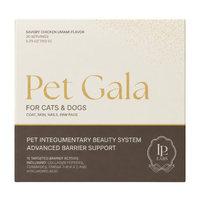
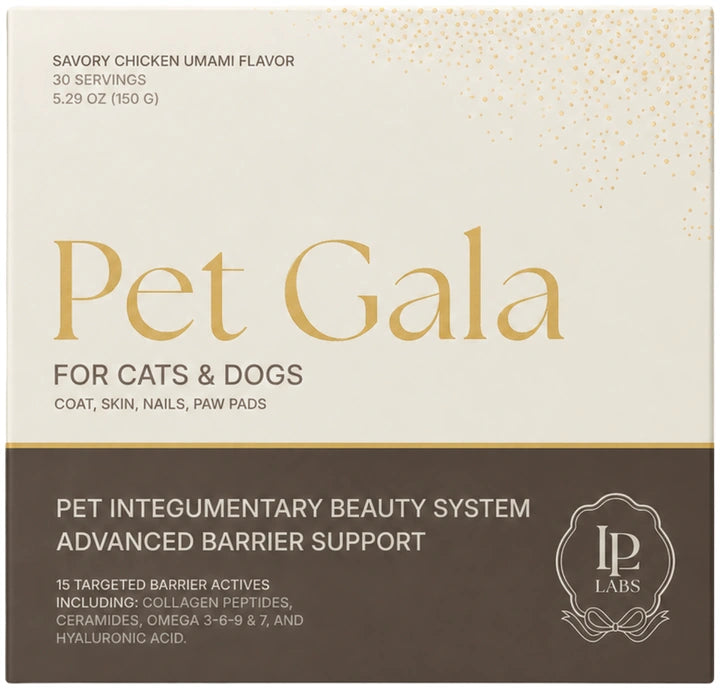
Pet Gala™ is designed for owners who want skin and coat care that shows: a smoother feel, a cleaner-looking finish, and the kind of everyday polish you notice when you brush, cuddle, and take photos. It complements vet care by supporting the integumentary system—skin, coat, and nails—so your Labrador’s comfort reads clearly in their appearance.

When your Labrador can’t stop scratching, it changes the whole mood of the house. The coat that usually looks sleek starts to look rough. The belly turns pink. The paws get stained. And the simple pleasure of petting them becomes a quick scan for bumps, flakes, and tender spots. A good labrador itchy skin treatment plan is built around those visible signals—because they’re the clearest clues you have, and they’re what you want to restore.

The challenge is that “itchy skin” isn’t one problem. In Labradors, allergies are common, but parasites, yeast or bacterial infections, and barrier disruption can look nearly identical at first glance. That’s why the best treatment for itchy skin in labradors tends to be layered: you rule out the fast stuff (fleas, mites), address what’s keeping the skin inflamed (infection, allergy triggers), and support the surface so it can look calm again.

This page walks through labrador skin allergy treatment options, grooming and bathing choices, and supplement support—without turning your home into a pharmacy. And it answers the practical question a science-minded owner asks: why choose a skin-and-coat product if you’re already feeding a good diet and working with a vet? Because visible condition still needs daily reinforcement. The right support helps the coat hold shine, the skin stay comfortable between baths, and the “good days” feel repeatable—not accidental.

By La Petite Labs Editorial, ~15 min read

Featured Product:

  • Itch is a symptom; the “why” is what determines which care actually holds.
  • In Labradors, allergies, parasites, and secondary infections often overlap, so layered routines work best.
  • Track visible signals weekly—redness, flakes, odor, paw staining, coat shine—to judge progress without guesswork.
  • Dog-formulated topicals and vet guidance matter; human medicated creams can be risky and unpredictable.
  • Bathing can quickly improve comfort and appearance when the shampoo type matches dry, greasy, or irritated skin.
  • Diet and supplements can support barrier quality and coat finish, helping other treatments look more consistent.
  • The best plans aim for a steady baseline: calmer evenings, cleaner paws, and a coat that stays polished.

When Itch Shows up, Comfort Should Look Obvious Again

When a Labrador starts scratching, the first goal isn’t to “win” against itch—it’s to restore the look and feel of comfortable skin. A smart labrador itchy skin treatment plan begins with pattern-spotting: where the itch shows up (ears, paws, belly), what the coat looks like (dull, flaky, greasy), and whether the skin has odor or redness. Those visible signals help your vet separate allergies from parasites, infection, or simple dryness.

Because Labradors are prone to allergic skin disease, many cases involve a mix of triggers rather than one single cause (Mota-Rojas, 2021). That’s why the best treatment for itchy skin in labradors often looks like a layered routine: gentle cleansing, barrier-friendly nutrition, and targeted veterinary therapy when needed (see: Dog Skin Care). The win you’re looking for is a calmer dog and a coat that reads as clean, soft, and well-kept—day after day.

Beauty nutrition artwork highlighting skin and coat science connected to labrador itchy skin relief solutions.

Why Labradors Scratch: the Most Common Causes Behind the Look

Itch is a symptom, not a diagnosis. In Labradors, the most common buckets include allergies (environmental or food-related), parasites, infections, and barrier disruption from frequent swimming, harsh shampoos, or dry indoor air. The trick is that these can stack: an allergy flare can lead to licking, which damages the skin surface, which then invites yeast or bacteria.

That stacking effect is why “one-and-done” fixes rarely hold. The best remedies for labrador itchy skin usually combine immediate comfort steps (gentle bathing, cool compresses, preventing self-trauma) with a plan that improves the skin’s visible quality—less redness, fewer flakes, and a coat that brushes out glossy. When you treat the driver and support the surface, the dog looks better and acts more settled.

Beauty imagery reflecting skin wellness supported by labrador itchy skin relief solutions.

The At-home Check That Prevents Weeks of Guesswork

Start with a quick at-home check before changing products. Look for fleas or flea dirt, check the ears for odor or dark debris, and scan the belly and armpits for redness. Note whether the itch is worse after walks, after meals, or at night. These details help your vet narrow causes and avoid trial-and-error.

Also watch for “skin presentation” clues: a greasy coat, dandruff, a sour smell, or staining between toes. Those are often more informative than the itch itself. If you’re building labrador itchy skin treatment around visible signals, you’ll make faster, cleaner decisions—what to wash, what to stop using, and what needs veterinary testing.

Molecular design image tied to beauty support pathways in labrador itchy skin treatment.

What Your Vet May Test and Why It Saves Time

Veterinary diagnosis is the shortcut to the right solution. Depending on what your Labrador’s skin looks like, your vet may recommend skin cytology, ear swabs, a flea/parasite check, or a diet trial. These aren’t “extra steps”—they prevent you from using the wrong products for weeks while the skin keeps deteriorating.

If allergies are suspected, your vet may discuss a long-term management plan rather than a single medication. That can include topical therapy, environmental adjustments, and nutrition that supports barrier quality. In Labradors, diets fortified for skin barrier support have been linked to improved owner-assessed skin condition (van Beeck FL, 2015). The goal is a coat that looks consistently clean and calm, not a cycle of flare-ups.

Close-up of a dog highlighting coat shine and wellness supported by best supplements for labrador skin issues.

Daily Care Rituals That Protect Skin While It Settles

Home care works best when it’s gentle and repeatable. Brushing removes debris and distributes oils so the coat looks smoother. Rinsing after swimming or muddy walks can reduce residue that irritates skin. And keeping nails trimmed reduces self-inflicted damage during scratching—an underrated part of keeping the skin looking intact (related: Best Supplement for Dog Nails).

Be cautious with DIY topicals. Human creams and medicated ointments may not be safe for dogs, and dosing guidance can differ significantly from human use (Asad U, 2020). If you want labrador itchy skin relief solutions that don’t backfire, stick to dog-formulated products and confirm any medicated topical with your veterinarian. The best routines feel simple, not experimental.

The scratching is completely gone, his coat looks healthy and shiny!

— Lena

He was struggling with itching, now he's glowing.

— Grace

“The goal isn’t just less scratching—it’s skin that looks calm and a coat that reads as well-kept.”

Nutrition That Shows in the Coat: Shine, Softness, and Fewer Flakes

Nutrition shows up in the coat. When the skin barrier is supported, you often see fewer flakes, less “pinkness” after scratching, and a coat that holds a healthy sheen. For some Labradors, a veterinary dermatology diet or a diet fortified with barrier-support ingredients can reduce the incidence or intensity of atopic dermatitis signs.

This doesn’t mean food is the only answer. It means diet can make topical care and medical therapy work better by improving the skin’s day-to-day look and feel. If you’re comparing labrador skin allergy treatment options, consider whether your current food supports coat quality, and ask your vet if a structured diet trial is appropriate. Visible improvement is the point: softer coat, calmer skin.

Elegant canine photo emphasizing natural beauty supported through best remedies for labrador itchy skin.

Natural Care That Stays Gentle, Safe, and Visibly Effective

A “natural” approach can be elegant when it’s grounded in safety: lukewarm baths, fragrance-free dog shampoos, humidifying dry rooms, and using soft bedding that stays clean. These steps reduce friction and dryness so the skin looks less irritated. They also fit real life—small rituals that keep your Labrador looking freshly cared for.

Natural treatments for itchy skin in labradors should never mean borrowing human medicated products. The safety of human topical medications in pets isn’t well established, and effects can vary (Asad U, 2020). If you want “clean” care, choose dog-specific formulas and let your vet decide when medicated therapy is needed. The best natural routines are calm, consistent, and visibly effective.

Dog in profile against soft background, showing coat health with labrador itchy skin treatment.

Stopping the Scratch Cycle Before It Becomes a Hot Spot

When itch is intense, preventing self-trauma matters. Scratching and chewing can turn mild irritation into raw patches that look alarming and feel worse. Your vet may recommend short-term tools like an e-collar, protective booties, or nail caps, alongside therapy that reduces itch at the source (A.P. King-Herbert, 2023).

At home, keep the routine soothing: cool compresses on hot spots, gentle rinses, and a clean, dry coat—especially after swimming. These aren’t “extra”; they’re what keeps the skin looking intact while the bigger plan takes effect. The best treatment for itchy skin in labradors protects the surface so healing can look like progress, not damage control.

Supplement overview graphic emphasizing beauty ingredients aligned with labrador itchy skin relief solutions.

Over-the-counter Products: What to Use Carefully and Why

Many owners reach for over-the-counter anti-itch products first. Some can be helpful, but the risk is masking symptoms while infection or parasites worsen. If you’re considering sprays, wipes, or creams, prioritize dog-specific products and avoid combining multiple medicated items without veterinary direction.

It’s especially important not to apply human topical medications to your Labrador without guidance. Effects can vary across pets, and dosing assumptions from human use may not translate safely. A safer approach is to use gentle cleansing and barrier-supportive care while you schedule a vet visit. That keeps your labrador itchy skin treatment aligned with comfort and safety.

Allergy Management That Keeps Skin Calm and Coats Polished

If your Labrador’s itch seems seasonal or linked to the environment, your vet may discuss allergy-focused strategies: wiping paws after walks, frequent washing of bedding, and adjusting bathing frequency to remove allergens from the coat. For some dogs, prescription therapies are used to reduce itch and inflammation so the skin can look normal again (A.P. King-Herbert, 2023).

Food reactions can look similar, so a diet trial may be suggested. When diet is part of the plan, think in terms of visible outcomes: less redness, fewer hot spots, and a coat that regains shine. In Labradors, diets fortified with skin-barrier ingredients have been associated with improved owner-perceived skin health (van Beeck FL, 2015). Pairing veterinary direction with daily “skin presentation” care keeps results consistent.

“When you track visible signals weekly, you stop guessing and start choosing.”

Lab coat visual symbolizing disciplined formulation supporting how to treat itchy skin in labradors.

Supplements That Support Coat Finish and Everyday Skin Comfort

Supplements can be a practical bridge between what you do at home and what your vet manages medically. When people ask about the best supplements for labrador skin issues, the most useful answer is: choose options that support the skin’s surface feel and coat finish—softness, reduced flaking, and a more even look—rather than chasing a single “miracle” ingredient.

Omega-3 fatty acids are commonly used in canine dermatology plans, often as part of a broader approach rather than a standalone fix (A.P. King-Herbert, 2023). If you add supplements, introduce one change at a time and track visible signals weekly (scratching frequency, redness, dandruff, coat luster). This keeps your labrador itchy skin relief solutions grounded in what you can actually see.

Shop Now
Pet Gala in food tableau emphasizing purity aligned with best treatment for itchy skin in labradors.

Bathing Choices That Match Dryness, Odor, or Redness

Bathing can be one of the fastest ways to improve how your Labrador’s skin and coat look, but only if the products and cadence match the problem. For dry, flaky skin, a moisturizing shampoo and conditioner can reduce visible scaling and leave the coat feeling smoother. For greasy or odorous skin, your vet may recommend antiseptic or antifungal washes when infection is suspected (Mota-Rojas, 2021).

Avoid improvising with human products. Human topical dermatologic medications can have unpredictable effects in pets, and safety and dosing are not well established for household use (Asad U, 2020). If you want natural treatments for itchy skin in labradors, keep “natural” synonymous with dog-formulated, fragrance-light, and vet-approved—so comfort shows up as a cleaner, calmer coat.

Shop Now
Woman holding Pet Gala box with her dog, showing daily labrador itchy skin relief solutions routine.

Paws and Ears: the Labrador Itch Hotspots to Watch

Ears and paws are common “itch hotspots” in Labradors. Repeated licking, paw chewing, head shaking, or ear odor often signals allergy flares or secondary infection. A focused plan might include routine paw rinses after outdoor time, keeping hair between paw pads trimmed, and vet-directed ear cleaning when appropriate (Mota-Rojas, 2021).

The visible goal is simple: paws that look less stained and irritated, and ears that stay clean-smelling and comfortable. If you’re exploring labrador skin allergy treatment options, ask your vet whether the pattern suggests environmental allergy, food reaction, or yeast/bacterial overgrowth. Treating the right driver is what turns “temporary relief” into a steadier, better-looking baseline.

Shop Now

Parasites: the Fastest Thing to Rule out with Confidence

Fleas can trigger intense itch even when you rarely see them, and some dogs react to a single bite. If your Labrador is suddenly frantic with scratching, confirm that flea prevention is current and correctly administered. Your vet may also check for mites or other parasites depending on the pattern of hair loss and irritation.

This matters for aesthetics as much as comfort: parasite-driven itch often creates a rough-looking coat, broken hairs, and scabs that don’t “polish out” with grooming. A reliable prevention routine is one of the best remedies for labrador itchy skin when the cause is external. If itch persists despite prevention, that’s a strong cue to look for allergy or infection instead.

Secondary Infections That Keep Itch Going under the Radar

Secondary infections can quietly keep itch going. Bacteria and yeast thrive when the skin barrier is disrupted, and the result is often a combination of redness, odor, greasy feel, or “peppery” debris in the coat. Your vet may recommend skin cytology or other tests to confirm what’s present before choosing treatment.

From a day-to-day perspective, infection control is about restoring a clean, fresh baseline—so your Labrador looks comfortable, not inflamed. If you’re deciding how to treat itchy skin in labradors, don’t skip this step: treating allergy without addressing infection often leads to partial, short-lived improvement. The best plans make the coat look and feel normal again, not just “less bad.”

Competitor comparison image focusing on formulation integrity in how to treat itchy skin in labradors.

How to Track Visible Progress Without Overthinking Every Scratch

A practical way to judge progress is to track visible signals weekly: scratching episodes per day, redness score (none/mild/moderate), dandruff level, and coat shine after brushing. This turns labrador itchy skin treatment into something you can measure without obsessing. It also helps your vet adjust the plan efficiently.

If you’re using diet as part of the routine, remember that skin and coat changes can lag behind itch relief. In Labradors, owner-reported improvements have been noted with long-term feeding of diets fortified for skin barrier support (van Beeck FL, 2015). Consistency is what makes the “good days” become the new normal—sleeker coat, calmer paws, and fewer flare-ups (related: Best Skin & Coat Supplements for Dogs).

Shop Now
Pet Gala box in open packaging, showing premium presentation for how to treat itchy skin in labradors.

When to Call Your Vet and What to Bring Up

When should you call the vet urgently? If your Labrador has open sores, significant hair loss, facial swelling, lethargy, fever, a strong odor, or sudden severe itch, don’t wait. These signs can indicate infection, parasites, or a reaction that needs prompt care.

For chronic itch, a veterinary workup can be surprisingly reassuring: it replaces guesswork with a clear map—what’s driving the itch, what’s secondary, and what’s simply dry skin. That clarity is often the difference between rotating products endlessly and finding labrador itchy skin relief solutions that keep your dog looking comfortable and well-kept.

Shop Now

A Routine That Makes Good Skin Days Feel Normal

The most satisfying outcomes come from routines that respect both science and daily life: a clean coat, calmer skin, and fewer “bad itch” evenings. Think of the best treatment for itchy skin in labradors as a coordinated set of choices—vet-guided diagnosis, gentle topical care, nutrition that supports barrier quality, and a supplement strategy that reinforces visible condition (see: The Best Coat Growth Supplements for Dogs).

If you want one decision filter: choose what makes your Labrador look and feel consistently comfortable, not just briefly distracted from itching. When the coat regains softness and shine, it’s more than cosmetic—it’s a signal that your care is landing. That’s the standard worth keeping.

“The best routines feel simple: safe topicals, smart nutrition, and consistent daily care.”

Educational content only. This material is not a substitute for veterinary advice. Always consult your veterinarian about your dog’s specific needs. These statements have not been evaluated by the Food and Drug Administration. Products mentioned are not intended to diagnose, treat, cure, or prevent any disease.

Glossary

  • Pruritus: The medical term for itching; a symptom that can come from allergies, parasites, or infection.
  • Atopic Dermatitis: A common allergic skin condition in dogs that often affects paws, ears, and belly.
  • Skin Barrier: The outer layer of skin that helps retain moisture and block irritants; when disrupted, skin looks redder and flakes more easily.
  • Secondary Infection: Yeast or bacterial overgrowth that develops after scratching or barrier damage and can worsen odor, grease, and itch.
  • Cytology: A vet test that examines skin or ear samples under a microscope to look for yeast or bacteria.
  • Elimination Diet Trial: A structured feeding plan used to evaluate whether food ingredients contribute to itch.
  • Hot Spot (Acute Moist Dermatitis): A rapidly developing, wet, irritated patch often triggered by licking or scratching.
  • Flea Allergy Dermatitis: An allergic reaction to flea saliva that can cause intense itch even with minimal flea exposure.
  • Barrier-Support Diet: A diet formulated with ingredients intended to support skin surface quality and reduce visible dermatitis signs.

Related Reading

References

Asad U. Effect of topical dermatologic medications in humans on household pets.. PubMed Central. 2020. https://pmc.ncbi.nlm.nih.gov/articles/PMC6988634/

A.P. King-Herbert. Laboratory Animal Medicine and Toxicology. 2023. https://www.ncbi.nlm.nih.gov/books/NBK591146

Van Beeck FL. The effect of long-term feeding of skin barrier-fortified diets on the owner-assessed incidence of atopic dermatitis symptoms in Labrador retrievers.. PubMed Central. 2015. https://pmc.ncbi.nlm.nih.gov/articles/PMC4462758/

Mota-Rojas. Anthropomorphism and Its Adverse Effects on the Distress and Welfare of Companion Animals.. Nature. 2021. https://www.nature.com/articles/s41598-025-27388-w

FAQ

What does labrador itchy skin treatment usually include at home?

At home, labrador itchy skin treatment usually starts with gentle bathing, consistent brushing, and keeping paws and ears clean after outdoor time. The goal is to reduce visible irritation and prevent self-trauma while you identify the trigger.

Avoid experimenting with human creams; safety and dosing aren’t reliably established for pets. For daily coat-and-skin support that fits a simple routine, considerPet Gala™

Why do Labradors get itchy skin so often?

Labradors commonly deal with allergies, plus secondary yeast or bacterial overgrowth when the skin barrier gets irritated. Swimming, outdoor allergens, and frequent licking can keep the cycle going, even when the coat looks “mostly fine” at first.

A steady routine that supports skin comfort and coat finish can make flare-ups less dramatic. Many owners pair vet care with everyday support from Pet Gala™

What is the best treatment for itchy skin in labradors?

The best treatment for itchy skin in labradors depends on the cause: parasites, infection, environmental allergy, or food reaction can look similar. Vets often combine targeted therapy with bathing and barrier-supportive nutrition to improve comfort and visible skin quality.

If you want a supportive daily layer that complements medical decisions, choose care aimed at skin, coat, and nails—like Pet Gala™

How can I tell allergies from fleas or mites?

Allergies often show as paw licking, ear irritation, and belly redness, while fleas may cause intense itch around the rump and tail base. Mites can cause patchy hair loss or crusting. Because patterns overlap, your vet may recommend parasite checks and skin testing to avoid guessing.

While you sort the cause, consistent coat-and-skin support can keep your Labrador looking comfortable—consider Pet Gala™

Is it safe to use human anti-itch creams?

It’s risky to use human anti-itch creams on dogs without veterinary direction. Human topical dermatologic medications can affect pets differently, and safety and dosing guidance for household use isn’t well established.

If your Labrador is uncomfortable, stick to dog-formulated products and schedule a vet check to identify the driver. For daily visible-condition support that fits alongside vet care, use Pet Gala™

Can I give my Labrador Benadryl for itching?

Some antihistamines are used in dogs, but whether they’re appropriate depends on your dog’s health history, other medications, and the cause of itch. They may help mild allergy itch in some cases, but they won’t address infection or parasites.

Ask your veterinarian before giving any human medication. For a non-drug daily layer that supports skin and coat appearance, consider Pet Gala™

What side effects should I watch during itch treatment?

Watch for worsening redness, swelling, hives, vomiting/diarrhea, lethargy, or new sores—especially after starting a new medication, shampoo, or supplement. These can signal intolerance, allergy, or an infection that needs reassessment.

If anything looks suddenly worse, pause the new product and call your vet. For steady, gentle support aimed at visible comfort, many owners use Pet Gala™

Do supplements interact with prescription allergy medications?

They can. Even “simple” supplements may affect digestion, appetite, or how well your dog tolerates a medication plan. That’s why it’s smart to introduce one change at a time and share the full list with your veterinarian.

If your goal is better coat finish and calmer-looking skin, choose a product designed for daily integument support and coordinate it with your vet, such as Pet Gala™

Does age change labrador itchy skin treatment choices?

Yes. Puppies may itch from parasites or early allergy signs, while older Labradors may have additional considerations like endocrine disease or reduced skin barrier quality. Your vet will tailor testing and product choices to age, weight, and overall health.

Across life stages, the most useful home focus is consistent, gentle care that keeps the coat looking clean and comfortable. A daily option many owners choose is Pet Gala™

Are Labradors more prone to skin allergies than other breeds?

Many vets see allergic skin disease frequently in Labradors, especially with recurring ear and paw issues. That doesn’t mean every itchy Labrador has allergies, but it does make allergies a common “first suspect” once parasites and infection are ruled out.

Because allergy care is often ongoing, owners benefit from a daily routine that supports visible skin comfort and coat quality, including Pet Gala™

Is this advice different for cats than Labradors?

Yes—cats groom differently, metabolize some substances differently, and can react strongly to certain topicals. A plan that’s reasonable for a Labrador may be unsafe for a cat, especially with human or dog-only products. Always keep species-specific safety in mind.

If you’re managing a Labrador’s coat and skin, choose dog-appropriate daily support and coordinate with your vet, such as Pet Gala™

How fast should I expect results from treatment?

Some dogs look more comfortable within days when the main trigger is addressed, especially if infection or parasites are treated. Coat and skin “finish” often takes longer—weeks of consistent bathing, nutrition, and reduced licking before you see steadier shine and less flaking.

Track visible signals weekly so you can tell whether you’re trending better, not just having random good days. For daily support that complements the plan, consider Pet Gala™

What are quality signs in a dog shampoo for itch?

Look for dog-formulated, fragrance-light products with clear directions and a purpose that matches the skin’s look: moisturizing for dry flaking, antiseptic for odor/grease when your vet suspects infection, and gentle cleansers for frequent bathing. Overly perfumed shampoos can make irritation harder to read.

A good shampoo is one part of a bigger routine that supports coat softness and skin comfort between baths. Many owners add daily support with Pet Gala™

How do I apply wipes or sprays without irritating skin?

Use dog-specific products, start with a small area, and avoid broken skin unless your vet directs otherwise. Wipe with the direction of hair growth, let the area dry fully, and don’t layer multiple medicated products at once. If redness increases, stop and reassess with your vet.

For a simpler daily routine focused on visible coat and skin quality, many owners prefer a supplement-based approach like Pet Gala™

Can I do labrador itchy skin treatment every day?

Daily care can be appropriate when it’s gentle: brushing, paw rinses, and keeping the coat clean and dry. Daily medicated bathing or frequent use of strong antiseptics should be vet-directed, because overdoing it can dry the skin and worsen flaking.

If you want something consistent that doesn’t rely on harsh topicals, daily integument support is a practical option—consider Pet Gala™

What are the best remedies for labrador itchy skin?

The best remedies for labrador itchy skin are the ones matched to the cause: reliable parasite control, treating yeast or bacterial infection when present, and allergy management when patterns fit. Gentle bathing and consistent grooming support the skin’s look while medical decisions address the driver.

For owners who want a daily layer that supports coat shine and skin comfort as part of the routine, consider Pet Gala™

What does research say about diet and itchy Labradors?

Diet can matter, especially when it supports the skin barrier. In Labradors, long-term feeding of diets fortified with skin-barrier ingredients has been associated with fewer atopic dermatitis signs and improved owner-assessed skin health.

Even with a strong diet, many dogs still benefit from consistent “visible care” that supports coat finish and comfort between baths. A daily option to consider is Pet Gala™

When should I call the vet about itching?

Call your vet promptly if you see open sores, strong odor, pus, rapid hair loss, facial swelling, or sudden severe itch. These signs can indicate infection, parasites, or a reaction that needs targeted treatment rather than more home products.

Once the urgent issues are addressed, daily support can help maintain a calmer, cleaner-looking baseline—consider Pet Gala™

How do I choose among labrador skin allergy treatment options?

Choose based on the pattern and what’s been ruled out. If parasites and infection are controlled, allergy management may include topical therapy, diet trials, and prescription options to reduce itch and inflammation. Your vet will balance effectiveness with lifestyle and monitoring needs.

A helpful framework is “medical control plus daily visible care,” so your Labrador looks comfortable between appointments. For that daily layer, consider Pet Gala™

How to treat itchy skin in labradors with a simple routine?

To treat itchy skin in labradors simply, focus on repeatable basics: keep flea prevention consistent, bathe with a dog-appropriate shampoo matched to the skin’s look, rinse and dry after swimming, and track weekly changes in redness, flakes, and odor. If signs persist, involve your vet to check for infection or allergy.

For daily support that fits neatly into that routine and emphasizes coat and skin presentation, consider Pet Gala™

5K+ Happy Pet Parents

Excellent 4.8

Labrador Itchy Skin Treatment | Why Thousands of Pup Parents Trust Pet Gala™

"It's so good for his coat, and so easy to mix into food."

Alex & Cashew

"Gives him that glow from head to tail!"

Elisabeth & Chai

"The scratching is completely gone, his coat looks healthy and shiny."

Lena & Bear

"Magical. He was struggling with itching and shedding. Now he's literally glowing."

Grace & Ducky

"It's so good for his coat, and so easy to mix into food."

Alex & Cashew

"Gives him that glow from head to tail!"

Elisabeth & Chai

"The scratching is completely gone, his coat looks healthy and shiny."

Lena & Bear

"Magical. He was struggling with itching and shedding. Now he's literally glowing."

Grace & Ducky

"It's so good for his coat, and so easy to mix into food."

Alex & Cashew

"Gives him that glow from head to tail!"

Elisabeth & Chai

"The scratching is completely gone, his coat looks healthy and shiny."

Lena & Bear

"Magical. He was struggling with itching and shedding. Now he's literally glowing."

Grace & Ducky

"It's so good for his coat, and so easy to mix into food."

Alex & Cashew

"Gives him that glow from head to tail!"

Elisabeth & Chai

"The scratching is completely gone, his coat looks healthy and shiny."

Lena & Bear

"Magical. He was struggling with itching and shedding. Now he's literally glowing."

Grace & Ducky

SHOP NOW