Lab Skin Problems

Identify the Trigger Pattern, Then Rebuild Skin Defenses to Stop Repeat Flare-Ups

Essential Summary

Why are lab skin problems important?

Lab skin problems are usually a mix of triggers and visible signals: itch, redness, flakes, odor, and coat dullness. The most reliable approach is layered care—rule out parasites and infection with your vet, simplify what touches the skin, and keep diet and grooming consistent so improvements are easy to see.

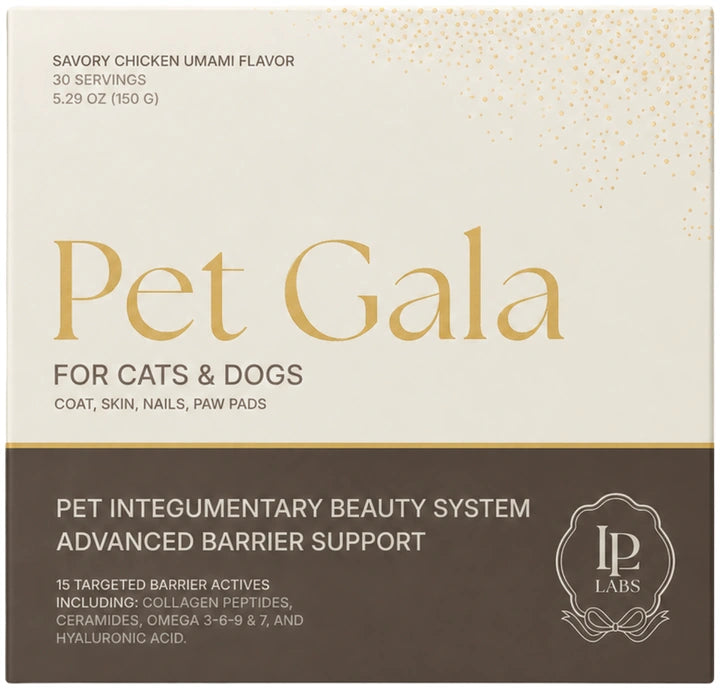
Pet Gala™ fits into Labrador skin care as a daily, visible-condition ritual—supporting skin, coat, and nails in a way that complements (not replaces) smart feeding and vet care. For owners who want fewer “reset weeks,” it helps keep the coat looking polished and the skin looking calm between baths and seasonal shifts.

Lab skin problems rarely arrive as a single, tidy issue. They show up as a collection of signals you can’t unsee: a Labrador who scratches through the evening, paws that stay damp and pink between the toes, ears that never quite look clean, or a coat that loses its crisp shine and starts to feel rough. For most owners, the real question isn’t “What is it?”—it’s “What’s the most sensible next move that makes my dog look and feel better?”

This page organizes common lab skin problems into practical categories—dryness, allergies, parasites, and infection—so you can match what you’re seeing to the most likely direction. Environmental factors and hygiene can meaningfully influence dermatitis-like signs, which is why routines (bathing, drying, bedding, grooming tools) matter as much as the occasional product swap. You’ll also see where veterinary care is the right call, especially when odor, oozing, or rapid worsening suggests a problem that needs targeted treatment.

If you’re a careful, science-minded owner, here’s why a featured skin-and-coat product can still make sense: even when diet is “good enough,” the visible condition of skin, coat, and nails can drift with seasons, swimming, and everyday exposure. A consistent support layer helps keep the look steady—less stop-and-start, more polished normal. That’s where Pet Gala™ fits: not as a replacement for vet care or a single-nutrient fix, but as a daily ritual that supports how wellbeing shows up where you can see it.

By La Petite Labs Editorial, ~15 min read

Featured Product:

  • Most lab skin problems fall into a few buckets: allergies, parasites, infections, or barrier dryness.
  • Watch the “hot zones” first—paws, ears, belly—because they collect moisture and outdoor irritants.
  • Fast wins are often simple: rinse after grass time, dry after swimming, and brush to lift dander.
  • If you see odor, oozing, or spreading redness, skip experiments and involve your veterinarian.
  • Diet consistency supports visible coat quality; frequent switching can blur what’s helping.
  • Choose gentle products you can use consistently; “too strong” often looks like dryness and dullness.
  • Pet Gala™ supports the daily look of skin, coat, and nails—so good care shows up where you can see it.

Why Labrador Skin Can Look off Even When Health Seems Fine

When people say “lab skin problems,” they’re usually describing a visible pattern: a coat that loses its clean shine, skin that looks irritated, and a dog that can’t quite stop scratching. The goal isn’t to chase a single miracle fix—it’s to read the signals your Labrador is showing and match them to the most likely category of cause.

In Labs, the most common buckets are allergies (environmental or food-related), parasites, infections, and barrier dryness from frequent bathing or harsh products. Stress and living conditions can also change skin comfort and flare dermatitis-like signs. A calm, consistent care routine often makes the biggest difference you can see week to week.

Scientific view of skin barrier tied to coat beauty with lab skin problems remedies.

Common Patterns Owners Notice with Itch, Flakes, and Odor

Common lab skin problems often present as itch, redness, dandruff-like flakes, hot spots, or a “musty” smell that returns quickly after a bath. Labs also tend to show irritation on paws and ears because those areas meet the world first—grass, dust, water, and cleaning products.

It helps to separate what you see into two questions: is the skin primarily dry and flaky, or moist and inflamed? Moist, angry-looking skin can be consistent with infection risk, especially when hygiene and environmental factors are working against you. Dry, dull coats often point you toward grooming choices and diet consistency (see: Best Skin & Coat Supplements for Dogs).

Molecular artwork representing beauty foundations supported by lab skin problems remedies.

Allergies in Labs: Seasonal Triggers, Food Sensitivities, Contact Irritants

Allergies are a frequent driver of lab skin problems, and they can be frustrating because the trigger isn’t always obvious. Some dogs react seasonally (pollens, molds), while others react year-round (dust mites, certain ingredients, or contact irritants). The visible pattern is often symmetrical itch, recurring ear issues, and paw licking (related: Dog Skin Care).

Allergic reactions can involve delayed hypersensitivity responses, which is one reason ingredient selection and exposure history matter when you’re choosing treats, chews, or topicals. The practical takeaway: simplify what touches your dog’s skin, and keep changes deliberate so you can actually identify what improves the look and comfort.

Ingredient structure illustration showing beauty formulation behind best treatments for lab skin issues.

Parasites That Masquerade as Skin Trouble and Constant Scratching

Parasites can mimic almost any set of lab skin problems. Fleas, mites, and ticks can cause intense itch, scabbing, and hair thinning—sometimes with only subtle evidence on the coat. Even indoor dogs can be exposed through other pets, visitors, or shared outdoor spaces.

Because parasite control is a safety issue, it’s best handled with vet-recommended preventives and a clear plan rather than rotating random products. If you’re seeing sudden itch with small bumps, or your Lab is chewing the base of the tail, treat it as a “rule-out parasites first” moment. Reducing the itch load helps the coat look calm again.

Dog portrait showing healthy coat and skin with beauty support from common lab skin problems.

Yeast and Bacteria: When Irritation Turns into a Bigger Problem

Bacterial or yeast overgrowth can turn mild irritation into lab skin problems that look dramatic: greasy patches, odor, redness, and discomfort that escalates quickly. These issues often appear after swimming, humid weather, or when allergies have already disrupted the skin’s normal balance.

Environmental and hygiene factors are known contributors to dermatitis and infections in animals, which is why drying, bedding cleanliness, and grooming tools matter more than people expect. If you notice oozing, crusting, or a strong smell, skip experimentation and ask your vet about testing and targeted treatment.

The scratching is completely gone, his coat looks healthy and shiny!

— Lena

He was struggling with itching, now he's glowing.

— Grace

“The fastest clarity comes from reading the signals, not chasing a miracle product.”

Dry Skin and Dull Coat: the Over-bathing and Indoor Air Effect

Dryness and flaking are an underappreciated category of lab skin problems—especially in winter, in dry indoor heat, or after frequent baths. The coat may look dusty, feel rough, and shed more visibly. Owners often interpret this as “allergies,” but sometimes it’s simply a barrier that’s been stripped too often.

Start with the basics: gentler shampoo, fewer baths, thorough rinsing, and brushing that distributes natural oils. Diet consistency also matters because nutrient deficiencies can show up as skin and coat changes (see: The Best Coat Growth Supplements for Dogs). The goal is a coat that reflects light again—soft, even, and comfortable to touch.

Elegant dog portrait reflecting coat shine and natural beauty supported by best treatments for lab skin issues.

Nutrition and the Coat: Consistency, Balance, and Visible Results

Nutrition is not a magic wand, but it’s a quiet driver of how your Lab’s skin and coat present. When owners are exploring best treatments for lab skin issues, diet is often the most controllable variable: you can keep it steady, measure results, and avoid constant ingredient churn.

Elemental content and overall formulation quality can influence skin condition, and both excesses and deficiencies may be associated with skin changes (Bilgiç B, 2025). That doesn’t mean you need to micromanage minerals; it means choosing reputable food, avoiding frequent switches, and supporting visible coat quality with a consistent routine that your dog thrives on.

Dog looking radiant, capturing beauty and presence supported by lab skin issues treatment options.

A Simple Signal Checklist to Track What’s Getting Better

A practical way to approach lab skin problems is to build a “signal checklist.” Look at coat shine, dandruff on the back, redness between toes, ear debris, and whether scratching spikes after specific exposures (fresh-cut grass, new detergent, a new treat). These are the details that turn guesswork into clarity.

If you’re trying to decide between lab skin issues treatment options, track one change at a time for two to four weeks. This also helps your vet interpret patterns and decide whether testing is needed. Monitoring is a recognized part of keeping skin health on track in managed animal settings.

Product breakdown image highlighting beauty actives and benefits supported by lab skin problems.

Fast Relief Moves That Reduce Irritation While You Investigate

Owners often ask for lab skin problems remedies that work fast. The fastest visible improvements usually come from reducing irritation: rinsing after outdoor time, drying thoroughly after swimming, and using gentle grooming tools that don’t scratch the skin. These steps don’t “solve” everything, but they reduce the daily friction that keeps skin looking angry.

Be careful with stacking multiple new products at once, especially if your Lab has reacted before. Ingredient safety and the potential for allergic responses are real considerations when introducing new topicals or chews. The best routine is the one that keeps your dog comfortable and looking well-kept without constant resets.

Treatment Options That Match the Signals You Actually See

If you’re comparing lab skin issues treatment options, think in layers: remove triggers, soothe what’s inflamed, and support the look of the coat as it grows out. Your vet may recommend prescription therapies for infections, parasites, or significant itch—those are the moments where speed matters and guessing backfires.

For day-to-day visible care, the best treatments for lab skin issues often look less dramatic: gentle bathing cadence, a brush routine that lifts dander, and nutrition that supports a glossy coat (related: Collagen for Dogs). Ingredient safety and allergy risk are real considerations when choosing topical or edible products, especially for sensitive dogs (McDermott A, 2025). The win is a Labrador that looks comfortable in their own skin.

“A Labrador’s coat is a daily report: softness, shine, and comfort tell you what’s working.”

Lab coat visual symbolizing disciplined formulation supporting best products for lab skin problems.

Diet Quality, Ingredient Consistency, and Coat Shine Connections

Food can be part of common lab skin problems, but it’s rarely as simple as “bad kibble.” Skin and coat reflect the overall quality and consistency of what goes in the bowl, including whether essential nutrients are present in appropriate amounts (Members, 2011). If your Lab’s coat looks dull or flaky, it’s reasonable to review diet, treats, and table scraps as one combined picture.

Quality control matters, too. Research has raised concerns about toxic elements appearing at varying levels in some commercial pet foods, reinforcing why reputable sourcing and testing are worth prioritizing (RVA, 2021). A careful owner doesn’t need to panic—just choose consistency, transparency, and a routine that keeps your dog looking polished.

Shop Now
Pet Gala in food tableau emphasizing purity aligned with how to fix lab skin problems.

Bathing and Grooming Choices That Keep Skin Calm and Polished

Bathing can either calm or complicate lab skin conditions and solutions. Over-bathing, hot water, or heavily fragranced shampoos can leave skin looking tight and the coat feeling rough. Under-bathing can leave pollen, dust, and oils sitting on the skin—especially in Labs who love the outdoors.

Aim for a gentle, predictable rhythm: lukewarm water, a mild dog shampoo, thorough rinsing, and a towel-dry that doesn’t rub the coat into tangles. If your Lab’s skin looks red, moist, or has a strong odor, treat that as a “pause and check” moment—those signs can align with infection or dermatitis that needs veterinary direction.

Shop Now
Lifestyle shot of dog owner and Pet Gala aligned with best products for lab skin problems.

Paws, Ears, and Belly: the Areas Labs React to First

Ears, paws, and belly are the classic “hot zones” for lab skin problems, because they trap moisture and collect allergens. You’ll often notice paw licking, rusty saliva staining, or a belly rash after grass time. These are visible clues that your dog’s skin is reacting to something in their environment.

A simple reset can help: wipe paws after walks, keep hair between paw pads tidy, and dry ears after swimming. If the skin becomes thickened, dark, or repeatedly inflamed, that pattern can be consistent with allergy-driven irritation and secondary infection risk, which is why ingredient and topical safety choices matter (McDermott A, 2025).

Shop Now

Realistic Timelines for Visible Improvement in Skin and Coat

When owners ask how to fix lab skin problems, they often want a timeline. The honest answer: itch can calm quickly, but the “look” of the coat takes longer because hair grows on its own schedule. You’re watching for small, reassuring shifts—less scratching at night, fewer flakes on dark furniture, and a coat that lies flatter and feels softer.

If you change multiple things at once, it becomes hard to know what helped. Adjust one variable, keep notes, and take weekly photos in the same lighting. Nutrient balance can influence skin condition, and deficiencies are known to show up as skin and coat changes (Members, 2011). Visible progress is the point: your Lab should look and act more comfortable.

Home Remedies That Support Comfort Without Risky Experimentation

Lab skin problems remedies range from practical home care to vet-directed therapy. The most reliable “home” wins are low-drama: consistent parasite prevention, gentle grooming, and reducing irritants like scented sprays or harsh detergents on bedding. If your Lab swims often, drying the coat and ears thoroughly is a surprisingly powerful habit.

Be cautious with DIY topical mixes and essential oils. Dogs groom themselves, and what goes on the coat can end up ingested. When you’re choosing products, think safety first—especially for sensitive dogs with allergy histories, where reactions can be triggered by ingredients and contact exposure (McDermott A, 2025).

Chart contrasting minimal formulas with full-spectrum beauty support in best treatments for lab skin issues.

Choosing Products That Support Shine, Softness, and Daily Comfort

The best products for lab skin problems are the ones your dog tolerates and you can use consistently. Look for gentle cleansers, fragrance-light grooming, and a routine that supports a clean, healthy sheen rather than stripping oils. If a product leaves the coat squeaky, brittle, or the skin looking tight, it’s not doing your Lab any favors.

Food and supplements can also influence visible coat quality, but quality control matters. Studies have highlighted variability in elemental content and the importance of monitoring ingredient safety in pet foods (Bilgiç B, 2025). Choose reputable brands, avoid stacking multiple new supplements at once, and prioritize what you can actually see improving: softness, shine, and comfort.

Shop Now
Unboxing scene highlighting careful delivery and experience aligned with lab skin problems.

When to See the Vet for Red Flags and Rapid Changes

A vet visit is warranted when lab skin problems come with open sores, spreading redness, pus, a strong odor, hair loss in patches, or intense itch that disrupts sleep. Those signs can indicate infection, parasites, or allergic flares that need targeted treatment rather than trial-and-error at home.

Bring photos, a list of foods and treats, and the names of any shampoos or wipes you’ve used. Environmental and husbandry factors are known to contribute to dermatitis and infections in animals, so details about bathing, bedding, and stressors are genuinely useful. The goal is a plan that restores a calm look and feel to your dog’s skin.

Shop Now

A Long-view Routine That Keeps Your Labrador Looking Well-kept

Long-term, the most satisfying lab skin conditions and solutions are the ones that fit your life. A Labrador’s coat is a daily signal: it shows whether care is consistent, whether products are gentle, and whether the routine is working. Think of grooming as bonding and skin care as comfort you can see.

If you’re science-minded, you don’t need hype—you need coherence. Choose safe, repeatable steps, watch visible feedback, and keep your vet involved when signs escalate. Nutrient balance and ingredient quality can influence skin presentation, and monitoring helps prevent avoidable setbacks (Members, 2011). Your Lab’s best look is the proof.

“Consistency beats intensity—gentle routines create the cleanest, calmest look.”

Educational content only. This material is not a substitute for veterinary advice. Always consult your veterinarian about your dog’s specific needs. These statements have not been evaluated by the Food and Drug Administration. Products mentioned are not intended to diagnose, treat, cure, or prevent any disease.

Glossary

  • Atopic Dermatitis: A recurring, allergy-associated itch pattern that often affects paws, ears, and belly.
  • Skin Barrier: The outer layer that helps keep moisture in and irritants out; when compromised, skin looks dry or inflamed.
  • Hot Spot (Acute Moist Dermatitis): A rapidly developing, wet, irritated patch often triggered by licking, moisture, or underlying itch.
  • Dander: Tiny flakes of skin that can appear as “dust” on the coat and furniture, especially noticeable on dark fur.
  • Secondary Infection: Bacterial or yeast overgrowth that occurs after scratching or allergy irritation disrupts the skin.
  • Contact Irritant: A substance (detergent, grass chemicals, fragrances) that triggers redness or itch where it touches skin.
  • Food Trial: A veterinarian-directed feeding period using a controlled diet to evaluate whether food is contributing to itch.
  • Paw Licking: A common visible sign of irritation; can relate to allergies, yeast, injury, or habitual soothing.
  • Seborrhea: Excess oiliness or scaling that can make the coat look greasy, flaky, or uneven in texture.

Related Reading

References

Bilgiç B. Investigation of Trace and Macro Element Contents in Commercial Cat Foods.. PubMed Central. 2025. https://pmc.ncbi.nlm.nih.gov/articles/PMC11633335/

National Research Council (US) Committee on Dogs. Veterinary Care. 1994. https://www.ncbi.nlm.nih.gov/sites/books/NBK236585

RVA. Toxic element levels in ingredients and commercial pet foods.. PubMed. 2021. https://pubmed.ncbi.nlm.nih.gov/34697366/

McDermott A. Reapplication of the Type IV Hypersensitivity Quantitative Risk Assessment to Assess Ingredients Used on Canines.. PubMed. 2025. https://pubmed.ncbi.nlm.nih.gov/40536915/

Members. WSAVA nutritional assessment guidelines.. PubMed Central. 2011. https://pmc.ncbi.nlm.nih.gov/articles/PMC11107980/

FAQ

What are the most common signs of lab skin problems?

Owners usually notice itching, paw licking, ear debris, flakes on the back, redness on the belly, or a coat that looks dull instead of sleek. Odor and greasy patches can suggest an overgrowth issue that deserves quicker attention.

If signs are intense, spreading, or disrupting sleep, involve your veterinarian to rule out parasites or infection. For daily visible support of skin, coat, and nails, many owners pair good grooming with Pet Gala™.

Why do Labradors seem prone to itchy, irritated skin?

Labs often combine outdoor enthusiasm with dense coats, frequent swimming, and high exposure to grass, pollen, and moisture-trapping areas like paws and ears. That mix can amplify everyday irritation and make small issues look bigger.

The goal is to reduce the “itch load” with consistent bathing habits, drying, and product choices that don’t strip the coat. To support a polished, comfortable look between vet check-ins, consider Pet Gala™ as part of your daily skin-and-coat routine.

How can I tell allergies from infection on my Lab?

Allergies often look like recurring itch, paw licking, and ear irritation that cycles with seasons or exposures. Infection is more likely when you see odor, greasy residue, oozing, crusting, or a rapidly worsening red patch.

Because infections can escalate, it’s smart to get veterinary confirmation rather than guessing. For ongoing visible-condition support once urgent issues are addressed, many owners use Pet Gala™ to help keep skin, coat, and nails looking well-kept.

What are gentle first steps for mild lab skin problems?

Start with low-risk basics: wipe paws after walks, rinse the coat after heavy pollen days, dry thoroughly after swimming, and switch to a mild, fragrance-light dog shampoo. Brush regularly to lift dander and distribute oils.

If redness spreads, sores appear, or itch becomes intense, pause and call your vet. For everyday support that complements grooming and diet consistency, you can add Pet Gala™ to your Labrador’s skin-and-coat care ritual.

Are there best treatments for lab skin issues at home?

At-home care works best when it reduces irritation rather than trying to “treat” unknown causes. Consistent parasite prevention, gentle bathing, thorough drying, and clean bedding often improve how the skin looks and how the coat feels.

Home care has limits: odor, oozing, or painful areas need veterinary evaluation. For visible-condition support you can maintain daily, many owners choose Pet Gala™ to help keep skin, coat, and nails looking their best.

Is Pet Gala™ safe for dogs with sensitive skin?

Sensitive dogs do best with simple routines and careful introductions of any new product. If your dog has a history of reactions, it’s reasonable to review the ingredient list with your veterinarian and introduce changes one at a time.

Stop use and contact your vet if you notice vomiting, facial swelling, hives, or sudden worsening itch after any new addition. For daily visible support that fits a cautious approach, consider Pet Gala™ as part of a steady skin-and-coat routine.

Can I combine supplements with my Lab’s prescription skin medications?

Often, yes—but it should be a vet-guided decision because your dog’s diagnosis and medication plan matter. The safest approach is to keep prescriptions stable, then add one supportive product at a time so you can clearly observe changes.

Bring all labels (including treats and chews) to your appointment to avoid accidental ingredient overlap. For a daily routine focused on visible coat and skin presentation, ask your vet about pairing care with Pet Gala™.

What side effects should I watch for with new skin products?

With any new topical or chew, watch for stomach upset, increased scratching, redness, hives, ear flare-ups, or behavior changes like restlessness. For topicals, also look for dryness or a brittle coat texture that suggests the product is too harsh.

If you see facial swelling, trouble breathing, or rapid worsening, seek veterinary care promptly. For a steady, visible-condition routine that’s easy to monitor, many owners choose Pet Gala™ and introduce it gradually with their vet’s input.

Do puppies and senior Labs need different skin care?

Yes. Puppies can be more reactive to new exposures and may have different parasite risks, while seniors may have thinner coats, slower regrowth, and more sensitivity to frequent bathing. Both benefit from gentle products and fewer sudden changes.

Because life stage affects what’s appropriate, it’s worth confirming routines with your veterinarian—especially if itch or odor appears suddenly. For daily support that focuses on visible skin, coat, and nails, consider Pet Gala™ as part of a consistent care rhythm.

Does coat color change how lab skin problems show up?

The underlying issues are similar, but visibility changes. Flakes and dandruff show more on dark coats, while redness can be easier to spot on lighter skin areas. Chocolate Labs may show saliva staining on paws more noticeably.

Use consistent lighting for weekly photos so you can judge changes fairly. For a daily routine that supports a clean, glossy presentation regardless of coat color, many owners add Pet Gala™ alongside grooming and vet care.

Are lab skin problems the same in cats and dogs?

No. Cats and dogs can both show itch and hair loss, but the common causes, grooming behavior, and safe product choices differ. Never assume a dog product is appropriate for cats, and avoid cross-using medications without veterinary direction.

If you have multiple pets, ask your vet how to manage parasites and environmental triggers safely for everyone in the home. For dog-focused visible skin-and-coat support, consider Pet Gala™ as part of your Labrador’s routine.

How long until I see improvement after changing routines?

Itch can sometimes look better within days if you remove an irritant, but coat appearance typically changes more slowly because hair growth takes time. Many owners notice early wins as less flaking, fewer paw-licking episodes, and a softer feel after brushing.

Track one change at a time for a few weeks so you can attribute results confidently. For daily support aimed at visible coat shine and skin comfort, consider Pet Gala™ as part of a consistent routine.

What quality signals matter when choosing skin and coat products?

Look for transparent labeling, clear usage directions, and brands that emphasize sourcing and consistency. For foods and ingestibles, reputable manufacturing and quality control help reduce surprises—especially for sensitive dogs.

Also consider practicality: the best product is one you can use steadily without upsetting your dog’s stomach or routine. For a simple, daily approach to visible skin, coat, and nails, explore Pet Gala™ as part of your Labrador’s care ritual.

How should I introduce a new supplement for my Lab?

Introduce one new item at a time, keep everything else stable, and monitor stool quality, itch level, and coat feel. If your Lab has a history of reactions, it’s smart to check with your veterinarian before adding anything new.

Consistency is what makes results readable—especially when you’re trying to improve visible coat shine and comfort. For a daily option designed to support skin, coat, and nails, consider Pet Gala™ with your vet’s guidance.

Can daily brushing reduce lab skin problems and shedding?

Brushing won’t solve every cause, but it can noticeably reduce flakes, redistribute natural oils, and help you spot new bumps or irritated areas early. For Labs, it also removes debris that can sit against the skin after outdoor play.

Use a gentle tool and keep sessions short so it feels like bonding, not a chore. To complement grooming with daily visible-condition support for skin, coat, and nails, consider Pet Gala™ as part of your routine.

What are lab skin issues treatment options from a veterinarian?

Veterinary options may include parasite control, medicated shampoos, ear treatments, allergy management plans, and medications to control itch or treat infection when needed. Your vet may also recommend testing (skin cytology, cultures, or diet trials) to avoid guessing.

Once the urgent cause is addressed, daily care becomes the “maintenance layer” that keeps your Lab looking calm and glossy. For visible support of skin, coat, and nails between visits, consider Pet Gala™.

When should I call the vet about lab skin problems?

Call promptly for open sores, spreading redness, oozing, strong odor, patchy hair loss, or itch that disrupts sleep. Also call if your dog seems painful, lethargic, or develops ear swelling or head shaking.

Bring photos and a list of foods, treats, shampoos, and wipes to help your vet spot patterns. For daily visible-condition support once medical issues are managed, consider Pet Gala™ as part of your Labrador’s ongoing routine.

How do I choose between lab skin conditions and solutions?

Choose based on the dominant signal you see: dry flakes and dullness point toward gentler grooming and consistency; moist redness and odor point toward faster veterinary evaluation. If signs recur in the same places (ears, paws), allergies may be part of the picture.

Avoid changing five variables at once—clarity comes from controlled adjustments. For a simple daily layer that supports visible skin, coat, and nails while you refine the plan, consider Pet Gala™.

What does research suggest about diet and skin appearance?

Research in managed animal nutrition highlights that deficiencies in essential nutrients can show up in skin and coat condition, and that monitoring intake helps prevent avoidable skin-related issues. Separate work also notes that elemental content in commercial pet foods can influence skin condition, reinforcing the value of consistent, reputable formulations(Bilgiç B, 2025).

For owners, the practical move is steadiness: pick a quality diet, avoid frequent switches, and support visible coat quality with a daily routine likePet Gala™.

How do I decide if best products for lab skin problems are worth it?

A product is “worth it” when it fits your routine and improves visible signals you can verify: less flaking, a softer feel, a cleaner sheen, and fewer irritated hot zones. If it causes stomach upset, worsens itch, or requires complicated scheduling, it’s unlikely to be sustainable.

Think of products as the daily layer that keeps good veterinary outcomes looking good at home. For a simple way to support skin, coat, and nails as part of everyday care, consider Pet Gala™.

5K+ Happy Pet Parents

Excellent 4.8

Lab Skin Problems | Why Thousands of Pup Parents Trust Pet Gala™

"It's so good for his coat, and so easy to mix into food."

Alex & Cashew

"Gives him that glow from head to tail!"

Elisabeth & Chai

"The scratching is completely gone, his coat looks healthy and shiny."

Lena & Bear

"Magical. He was struggling with itching and shedding. Now he's literally glowing."

Grace & Ducky

"It's so good for his coat, and so easy to mix into food."

Alex & Cashew

"Gives him that glow from head to tail!"

Elisabeth & Chai

"The scratching is completely gone, his coat looks healthy and shiny."

Lena & Bear

"Magical. He was struggling with itching and shedding. Now he's literally glowing."

Grace & Ducky

"It's so good for his coat, and so easy to mix into food."

Alex & Cashew

"Gives him that glow from head to tail!"

Elisabeth & Chai

"The scratching is completely gone, his coat looks healthy and shiny."

Lena & Bear

"Magical. He was struggling with itching and shedding. Now he's literally glowing."

Grace & Ducky

"It's so good for his coat, and so easy to mix into food."

Alex & Cashew

"Gives him that glow from head to tail!"

Elisabeth & Chai

"The scratching is completely gone, his coat looks healthy and shiny."

Lena & Bear

"Magical. He was struggling with itching and shedding. Now he's literally glowing."

Grace & Ducky

SHOP NOW