Goldendoodle Coat Health

Decode Shedding, Dryness, and Itching—then Protect the Skin Barrier and Curls

Essential Summary

Why is goldendoodle coat health important?

A Goldendoodle’s coat is a daily signal: softness, shine, and easy movement tell you the routine is working. The most reliable results come from consistent grooming, gentle cleansing, and steady support for skin, coat, and nails. When those pieces align, the coat stays more polished between grooms and feels better to touch.

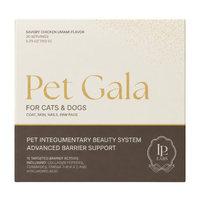
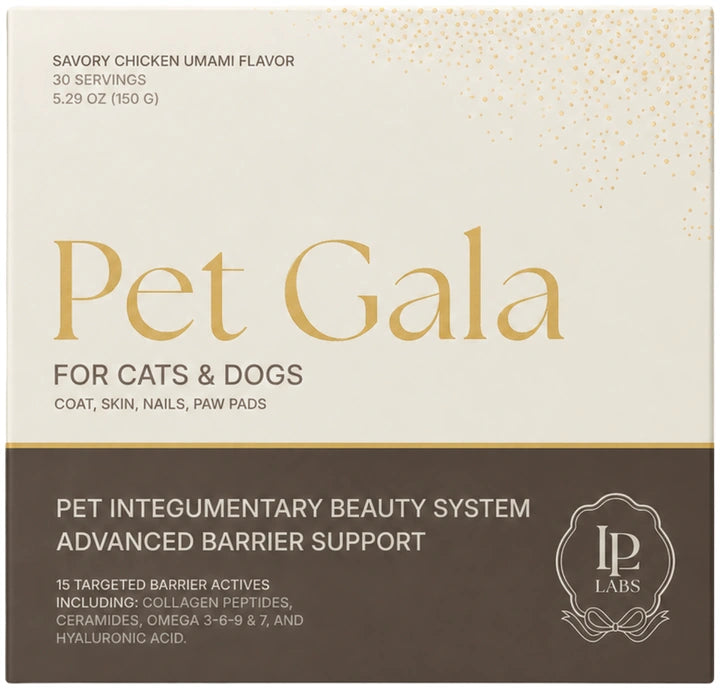
Pet Gala™ is designed for visible care—supporting skin comfort, coat shine, and nail strength as a single, everyday ritual. It doesn’t replace grooming; it helps your Goldendoodle’s coat look more consistently well-kept between baths and appointments, so the results you love are easier to maintain.

Goldendoodle coat health is one of those topics that sounds simple until you live with it. The coat can be cloud-soft and camera-ready, then suddenly feel rough at the base, tangle behind the ears, or lose its shine even though nothing “big” changed. That’s because a Goldendoodle coat is a blend of textures—often dense, curl-prone, and highly responsive to friction, moisture, and routine.

The good news is that coat quality gives fast feedback. You can usually see the difference within days when brushing becomes consistent, bathing is gentler, and drying is thorough. Over a longer stretch, nutrition and daily support influence what grows in and how the coat holds its finish. Owners don’t just want fewer problems; they want a coat that looks intentionally cared-for in ordinary light—soft to the touch, defined in shape, and easy to keep beautiful.

If you’re a science-minded owner, you might wonder why a supplement matters if you already feed a quality diet. The practical answer is visible condition: even with good food, the coat can still struggle with manageability, dullness, and friction tangles. A product designed for skin, coat, and nails supports the daily presentation you notice—helping grooming results last longer, and helping your Goldendoodle look freshly kept more days of the week.

By La Petite Labs Editorial, ~15 min read

Featured Product:

  • Goldendoodle coat health shows up as softness at the roots, clean curl definition, and a healthy sheen.
  • The best goldendoodle coat care is repeatable: brush for prevention, not rescue, and comb-check friction zones.
  • Bathing should leave slip and buoyancy; harsh cleansing and incomplete drying often trigger tangles.
  • Many goldendoodle coat health issues begin as small mats behind ears, under collars, and at armpits.
  • Nutrition influences coat quality; deficiencies can contribute to dryness and shedding.
  • Goldendoodle coat health supplements work best as daily support for visible condition, not as a single-nutrient fix.
  • A strong routine answers the practical question: how to maintain goldendoodle coat health between grooms.

The Visible Signals of a Well-kept Goldendoodle Coat

Goldendoodle coat health is less about one “perfect” coat type and more about a consistent, visible standard: soft at the roots, springy through the curl, and bright rather than dull. Because Goldendoodles can inherit anything from loose waves to dense curls, the same dog can look polished one month and matted the next—without any change in love or effort.

The most reliable signals owners notice are tactile: less drag when you run your fingers through the coat, fewer rough patches along the shoulders, and a cleaner part line down the back. Those signals come from a combination of grooming rhythm, skin comfort, and nutrition that supports coat quality (German K, 2025).

If you’re looking for best goldendoodle coat care, aim for repeatable rituals: brushing that prevents knots before they form, bathing that leaves the coat buoyant (not stripped), and daily support that helps the coat present well even between grooms (see: Best Skin & Coat Supplements for Dogs). That’s where coat-focused routines—and thoughtful supplements—fit into real life.

Coat shine detail showing beauty mechanisms supported by how to maintain goldendoodle coat health.

Why Goldendoodles Swing Between Plush and Problematic so Quickly

Goldendoodles are famous for coats that photograph beautifully—until they don’t. One week the curls sit neatly and feel plush; the next, the same coat can look frizzy, flat, or strangely “sticky” to the brush. That swing is why owners search for goldendoodle coat health issues: the coat is expressive, and it shows stress quickly.

The coat you see is a surface signal of three things working together: the hair shaft’s integrity, the skin’s comfort, and the grooming choices that either preserve or roughen texture. Nutrition plays a role in coat quality, and deficiencies can contribute to dryness and shedding (related: Dog Skin Care).

When those pieces align, the coat behaves: it detangles faster, holds a clean outline, and looks bright in ordinary indoor light. That’s the standard worth chasing—less drama, more polish.

Beauty imagery reflecting skin wellness supported by goldendoodle coat health.

Coat Types and the Care Rhythm That Fits Each One

Coat type matters because it changes the rules. A wavy Goldendoodle coat may look airy but can mat at the undercoat. A tight-curled coat can hide tangles until they’re already compacted. A straighter coat may shed more and show dullness sooner. None of these is “better,” but each needs a different version of best goldendoodle coat care.

Start by learning your dog’s friction zones: behind ears, collar line, armpits, inner thighs, and the tail base. Those areas are where coat health is won or lost, because tangles there pull on skin and make the whole coat feel harder to manage.

Once you know the coat’s pattern, you can choose tools and a schedule that keep the coat looking deliberate—like it was just groomed, even when it wasn’t.

Beauty formulation visualization tied to support mechanisms in best supplements for goldendoodle coat health.

Brushing That Feels Gentle and Keeps Knots from Taking Hold

Brushing is the daily language of coat care, and it should feel like refinement, not a wrestling match. For many Goldendoodles, a slicker brush followed by a metal comb is the simplest two-step: the brush separates and lifts; the comb confirms you reached the roots.

Work in small sections and stop before your dog gets tired of it. A short session that happens often keeps the coat light and movable. A long session done rarely tends to create breakage, frustration, and the feeling that the coat is “high maintenance.”

If you want goldendoodle coat health tips that actually change your week, this is the one: comb-check the friction zones every time. It’s the fastest way to keep the coat long, soft, and visibly cared-for.

Dog portrait symbolizing beauty and wellness supported by goldendoodle coat health and grooming.

Bathing and Drying Choices That Preserve Softness and Slip

Bathing can either elevate the coat or quietly sabotage it. Over-washing, harsh shampoos, or incomplete rinsing can leave the coat dull, static, or prone to tangling. Under-washing can leave buildup that makes curls clump and mats form faster. The sweet spot is a clean coat that still has slip.

Use lukewarm water, dilute shampoo when appropriate, and rinse longer than you think you need to. Conditioner is not optional for many Goldendoodles; it’s what helps the coat separate rather than compact. Dry thoroughly, especially at the roots, because damp undercoat is a mat magnet.

A well-executed bath leaves a coat that feels buoyant and looks clean in motion—an immediate, visible payoff that makes grooming feel worth it.

The scratching is completely gone, his coat looks healthy and shiny!

— Lena

He was struggling with itching, now he's glowing.

— Grace

“A Goldendoodle coat doesn’t need to be perfect. It needs to be consistently touchable, combable, and bright in everyday light.”

Haircuts as Coat Health: Shape, Comfort, and Daily Manageability

Haircuts are part of coat health, not a concession. A shape that matches your lifestyle reduces matting, keeps the coat cleaner, and makes brushing easier. Many owners find that a slightly shorter body with a tidy face and feet looks more polished day-to-day than a longer coat that’s constantly catching debris.

Bring photos to your groomer and talk about your real schedule. If you can brush thoroughly twice a week, say so. If your dog swims often, say so. The right cut is the one that stays beautiful between appointments, not just the one that looks impressive on pickup day.

When the haircut supports the coat’s natural pattern, the coat reads as intentional—clean outline, soft texture, and fewer emergency detangling sessions.

Close-up dog showing healthy coat and presence supported by best goldendoodle coat care.

Ears, Paws, and Hidden Areas Where Coat Trouble Starts

Ears, paws, and the “hidden” coat deserve special attention because they’re where discomfort starts quietly. Hair around the ears can trap moisture and debris; hair between paw pads can hold dirt and snow; feathering can collect burrs and create tight tangles. These areas can look fine until they suddenly don’t.

Make these checks part of your calm routine: after walks, feel for burrs and tiny knots; after baths or swims, dry ears and feet thoroughly; keep paw pad hair trimmed to reduce slipping and tracking. If you notice redness, odor, or frequent head shaking, your veterinarian should weigh in.

When these details are handled, the whole dog looks more finished—clean feet, tidy ears, and a coat that stays smooth instead of catching and clumping.

Dog profile photo emphasizing coat shine supported by best goldendoodle coat care.

When You’ll See Changes: Fast Grooming Wins and Slower Texture Shifts

Owners often ask for a timeline: when will the coat look better? With grooming changes, you can see improvement immediately—less frizz, more definition, easier comb-through. With nutrition and supportive routines, changes tend to appear gradually as new hair grows in, and the coat’s overall texture becomes more consistent.

Track visible signals rather than chasing perfection: shine in natural light, reduced static, fewer knots in friction zones, and a softer feel at the base of the coat. Take a quick photo every two weeks in the same lighting; it’s surprisingly clarifying.

The goal isn’t a dramatic transformation. It’s a coat that stays reliably presentable—so your Goldendoodle looks like themselves, just more polished.

Product breakdown image highlighting beauty actives and benefits supported by best goldendoodle coat care.

Lifestyle Friction: Harness Rub, Daycare Play, and Coat Wear Patterns

Some coat problems are actually lifestyle problems in disguise. Harness rub can create dull patches. Frequent daycare can increase tangling from play and friction. Rolling in grass can leave pollen and debris that changes how the coat feels. Even a new couch fabric can increase static and matting along the sides.

Instead of blaming the coat, adjust the environment: rotate harness styles, brush after high-friction days, and keep a detangling spray approved by your groomer for quick touch-ups. If your dog wears sweaters, make sure the coat is fully combed before and after.

These small choices are part of how to maintain goldendoodle coat health in real homes—where life happens, and the coat has to keep up.

Seasonal Shifts That Change Texture, Static, and Coat Behavior

Seasonal shifts can change everything about how a Goldendoodle’s coat behaves. Indoor heating, dry winter air, summer swimming, and spring pollen can all show up as static, dullness, or a coat that tangles faster than usual. These are presentation problems first: the coat looks less fresh, and grooming feels like it takes twice as long.

In colder months, prioritize gentle cleansing and a conditioner that leaves slip without heavy residue. In summer, rinse after chlorinated pools or saltwater and keep ears and feathering areas thoroughly dried. If you’re tracking goldendoodle coat health tips, note the calendar: many “mystery” coat changes are simply seasonal, not sudden failure.

A steady daily support routine can help the coat stay more consistent across these swings, so the dog looks cared-for even when the environment is working against you.

“The most luxurious-looking coats are usually the easiest to maintain—because the routine is realistic.”

Branded lab coat reflecting precision and trust supporting best supplements for goldendoodle coat health.

Shine, Color, and the Everyday Look of Coat Quality

Color and shine are not vanity metrics—they’re practical signals. A coat that reflects light evenly is often easier to brush, less prone to breakage, and more forgiving between appointments. When shine disappears, owners usually notice it first on the top line and shoulders, where the coat gets the most contact from harnesses and hands.

Before you chase new products, check the basics: is the coat being over-washed, is the brush appropriate for the curl pattern, and is friction (collars, backpacks, car seat belts) creating a dull “rub zone”? Nutrition also matters for coat quality, and deficiencies can contribute to dryness and shedding (German K, 2025).

The goal is a coat that looks freshly finished more days of the week—smooth movement, clean texture, and a healthy sheen that reads as well-kept.

Shop Now
Premium ingredient tableau framing Pet Gala aligned with best supplements for goldendoodle coat health.

Matting: the Most Common Challenge in Goldendoodle Coat Maintenance

Matting is the signature challenge in goldendoodle coat health and grooming. It rarely starts as a dramatic knot; it begins as tiny friction tangles behind the ears, under the collar, in the armpits, and at the base of the tail. Left alone, those tangles tighten, trap moisture, and make the skin feel less comfortable.

The most effective approach is prevention that feels gentle: short, frequent brushing sessions with a slicker brush and a metal comb to confirm you’re reaching the roots. If the comb can’t pass through, the coat isn’t fully detangled—even if it looks fine on top.

When mats are close to the skin, avoid “power brushing.” A groomer can remove them safely, and your job becomes keeping the coat in a state where it can stay long, plush, and touchable without discomfort.

Shop Now
Pet owner presenting supplement, highlighting home beauty support from best supplements for goldendoodle coat health.

Shedding, Coat Cycling, and Why Hair Gets Trapped in Curls

Shedding in Goldendoodles is complicated. Some shed very little, others shed noticeably, and many “hold” shed hair in the coat—so it doesn’t fall out, it tangles in. That’s why a dog can look like they don’t shed but still develop mats quickly.

If you’re seeing more hair on brushes, bedding, or your clothes, look at recent changes: stress, grooming gaps, diet shifts, or a new shampoo. Diet quality influences coat condition, and certain nutrients—especially adequate protein and fatty acids—support a healthy coat (German K, 2025).

A calm plan is better than a dramatic reset. Keep brushing consistent, avoid harsh stripping cleansers, and consider supportive daily care that helps the coat feel smoother and present better as it cycles.

Shop Now

Skin Comfort and Flakes: When the Coat Stops Feeling Smooth

Skin comfort is the foundation of coat appearance. When the skin feels tight, itchy, or flaky, the coat often looks dry and behaves “sticky,” tangling faster and losing its bounce. Owners usually describe it as a coat that won’t settle, even right after grooming.

If you notice persistent redness, strong odor, greasy scaling, or frequent scratching, involve your veterinarian—those signs can point to infections, allergies, or parasites. For everyday maintenance, choose mild grooming products, rinse thoroughly, and keep drying complete, especially in dense areas.

Support that’s designed for skin, coat, and nails can complement grooming by helping the coat look more even and feel more comfortable between baths, which is often what owners are really trying to achieve (see: Collagen for Dogs).

Food Consistency and Coat Quality: What Owners Often Notice

Diet is not a styling product, but it does influence what grows out of the follicle. When nutrition is mismatched—too little of key building blocks, inconsistent feeding, or frequent food changes—coat quality can look less polished. Owners may see dryness, increased shedding, or a coat that breaks more easily.

For a Goldendoodle, consistency matters as much as brand. Choose a complete and balanced diet appropriate for life stage, keep treats from crowding out meals, and introduce changes gradually. If your dog has a sensitive stomach, stable digestion often shows up as a calmer skin-and-coat picture.

Even with a strong diet, many owners still want a daily layer of support that’s built around visible condition—shine, softness, and a coat that’s easier to keep beautifully groomed.

Chart contrasting minimal formulas with full-spectrum beauty support in goldendoodle coat health and grooming.

Choosing Supplements That Support Coat Presentation and Manageability

If you’re comparing goldendoodle coat health supplements, focus on what you can evaluate: ingredient transparency, quality controls, and whether the formula is designed for the whole integumentary picture (skin, coat, nails) rather than a single trendy nutrient. The best supplements for goldendoodle coat health should fit into daily life and support a coat that looks consistently cared-for.

Safety matters. Introduce any new supplement one at a time, watch for digestive upset, and ask your veterinarian if your dog is on medications or has chronic conditions. More is not automatically better, and stacking multiple “skin and coat” products can create unnecessary overlap.

The practical goal is simple: a coat that brushes out with less resistance, looks brighter in natural light, and stays presentable longer—so grooming feels like refinement, not rescue.

Shop Now
Open box with Pet Gala inside, reinforcing goldendoodle coat health tips premium cues.

Working with Your Groomer to Keep the Coat Consistently Polished

A groomer is your coat-health ally, not just a service provider. The best partnerships happen when you share what you’re seeing at home: where mats form, whether the dog seems itchy after baths, and how quickly the coat loses its finish. That information helps a groomer choose the right clip length, tools, and drying approach for your dog’s specific coat density.

Ask for a maintenance plan you can actually keep. For many families, a shorter “comfort length” with a consistent schedule looks more luxurious than a long coat that’s always fighting tangles. Goldendoodle coat health and grooming is ultimately about repeatability—what you can do weekly, not what you wish you could do monthly.

When grooming and daily support work together, the coat tends to hold its shape and softness longer, which is the visible payoff most owners are after.

Shop Now

A Simple Weekly Check-in for Coat, Skin, and Grooming Success

A simple way to think about how to maintain goldendoodle coat health is to watch for three weekly signals: comb-through ease, skin calmness, and shine in daylight. If two of the three are slipping, adjust one variable at a time—brush frequency, bath products, grooming interval, or daily support—so you can tell what actually helped.

Call your veterinarian promptly if you see bald patches, sores, persistent odor, darkened skin, or intense itching. Those are not “coat problems”; they’re comfort problems that deserve medical attention.

For everyday care, the win is a coat that looks intentionally kept—soft, clean, and easy to manage—so your Goldendoodle’s appearance matches the devotion you put in.

“Grooming creates the shape. Daily support helps the finish hold between appointments.”

Educational content only. This material is not a substitute for veterinary advice. Always consult your veterinarian about your dog’s specific needs. These statements have not been evaluated by the Food and Drug Administration. Products mentioned are not intended to diagnose, treat, cure, or prevent any disease.

Glossary

  • Comb-Check: Using a metal comb after brushing to confirm the coat is detangled down to the skin.
  • Friction Zones: High-rub areas (behind ears, collar line, armpits, tail base) where tangles and mats form first.
  • Matting: Tight, compacted tangles that can trap moisture and pull on the skin, making grooming painful.
  • Slip: The smooth feel that helps hairs glide past each other, reducing tangles during brushing and drying.
  • Top Line: The back and shoulders where dullness and rub marks often show first in a Goldendoodle coat.
  • Undercoat Hold: Shed hair that stays trapped in the coat instead of falling out, increasing tangling risk.
  • Coat Finish: The “just groomed” look—clean outline, defined texture, and even shine in normal lighting.
  • Stripping Cleanser: A shampoo that removes too much oil and leaves the coat dry, static, and more prone to knots.
  • Comfort Length: A haircut length chosen to reduce matting and keep the coat consistently manageable between grooms.

Related Reading

References

German K. Exploratory analysis of nutrient composition of adult and senior dog diets.. PubMed Central. 2025. https://pmc.ncbi.nlm.nih.gov/articles/PMC12757753/

FAQ

What does goldendoodle coat health look like day to day?

Healthy coat condition is mostly visible: the coat separates easily, feels soft near the skin, and reflects light evenly instead of looking dusty. You’ll also notice fewer tight tangles in friction zones like behind the ears and under the collar.

If the coat stays presentable between grooms, that’s a strong signal your routine is working. For daily support that complements grooming and helps maintain a polished look, considerPet Gala™

Why does coat condition matter for Goldendoodles specifically?

Goldendoodles often have dense, curl-prone coats that can trap shed hair and moisture. That combination makes matting more likely, and mats can pull on skin and make the coat harder to keep clean and comfortable.

Keeping the coat smooth and easy to comb is both an appearance win and a comfort win. A daily skin-coat-nail routine can support that “well-kept” finish alongside grooming, includingPet Gala™

How often should I brush to support goldendoodle coat health?

Most Goldendoodles do best with short, frequent brushing rather than occasional long sessions. Focus on friction zones (ears, collar line, armpits, tail base) and use a comb to confirm you reached the roots.

If the comb can’t pass through, tangles are forming even if the top looks fine. Pairing consistent brushing with daily support for coat feel and manageability can make upkeep easier, includingPet Gala™

What are common goldendoodle coat health issues owners notice first?

Owners usually notice dullness, static, and mats that appear “overnight,” especially behind the ears and under harness straps. Another common issue is a coat that feels rough at the base even after bathing.

These signals often point to friction, incomplete drying, or a grooming rhythm that’s slightly off for your dog’s coat type. For everyday support that helps the coat look more consistently cared-for, considerPet Gala™

Can diet affect coat shine and shedding in Goldendoodles?

Yes. Diet quality can influence coat condition, and deficiencies may contribute to dryness and shedding. Even with a complete and balanced food, frequent diet changes or treat-heavy days can show up as a coat that looks less polished.

Aim for consistency and talk with your veterinarian if you’re considering major changes. For an added layer of daily, visible-condition support beyond food alone, considerPet Gala™

When should I call a vet about coat or skin changes?

Call your veterinarian if you see bald patches, sores, persistent odor, oozing, darkened skin, or intense itching. Those signs can indicate infections, parasites, or allergic skin disease and shouldn’t be handled as simple grooming problems.

For non-urgent dullness or tangling, you can often start by adjusting grooming and daily care while you monitor comfort. To support everyday coat presentation alongside veterinary guidance, considerPet Gala™

Are goldendoodle coat health supplements safe for daily use?

Many are intended for daily use, but safety depends on the formula, your dog’s size, and any medical conditions or medications. Introduce one new product at a time and watch for digestive upset or new itchiness.

If your dog has pancreatitis history, food allergies, or is on long-term meds, ask your veterinarian before starting. For a daily routine designed around visible skin-and-coat support, considerPet Gala™

What side effects can happen with skin and coat supplements?

The most common side effects are mild digestive changes, like softer stool, gas, or reduced appetite—especially when starting too quickly. Some dogs may also react to specific ingredients if they have sensitivities.

Start slowly, keep everything else stable, and stop the product if you see vomiting, hives, or significant itching, then contact your veterinarian. For a carefully positioned daily support option, considerPet Gala™

Can supplements interact with my dog’s medications?

They can. While many coat-focused products are low-risk, any supplement may be relevant if your dog takes anti-inflammatories, thyroid medication, seizure medication, or has chronic disease. Your veterinarian can help you avoid ingredient overlap and unnecessary stacking.

Bring the full label (or a photo) to your appointment so the review is quick and accurate. For a daily routine you can discuss with your vet as part of coat care, considerPet Gala™

How long until I see results in coat appearance?

Grooming changes can look better immediately: less frizz, cleaner curl definition, and easier comb-through. Nutrition and daily support typically show more gradually as new hair grows in and the coat’s texture becomes more consistent.

Track visible signals like shine in daylight and fewer friction tangles rather than expecting a sudden transformation. For steady, everyday support of coat presentation, considerPet Gala™

What are quality signals when choosing coat supplements?

Look for clear ingredient labeling, consistent serving guidance, and a brand that explains what the product is designed to support (skin comfort, coat shine, nail strength). Avoid stacking multiple similar products that may duplicate ingredients.

Also consider whether the format fits your routine, because consistency is what creates visible results. For a daily option built around the skin-coat-nail picture, considerPet Gala™

How do I give a coat supplement if my dog is picky?

Choose a format your dog accepts reliably, then keep the routine calm and predictable. Many picky dogs do better when supplements are paired with a small portion of their regular meal rather than added to a full bowl.

If appetite is inconsistent, avoid mixing too many new items at once so you can tell what’s working. For an easy-to-build daily ritual that supports coat presentation, considerPet Gala™

Is goldendoodle coat health different for puppies versus adults?

Yes. Puppies often transition from a softer puppy coat to a more complex adult coat, and that change can increase tangling and matting. During this phase, gentle brushing habits matter as much as the tools you use.

For adults, consistency and friction management become the main themes, especially around harness lines and play. For a daily support routine you can tailor by life stage with your vet, considerPet Gala™

Do curly coats need different care than wavy coats?

Curly coats tend to mat closer to the skin and can hide tangles under a tidy-looking surface. Wavy coats may look looser but can trap shed hair and form mats in the undercoat. Both benefit from comb-checking to the roots.

The best routine is the one that keeps the coat easy to separate and comfortable for your dog. For daily support that complements grooming across coat types, considerPet Gala™

Can cats use the same coat products made for dogs?

Not automatically. Cats have different sensitivities and metabolism, and many dog products haven’t been formulated or labeled for feline use. Always use species-appropriate products and ask your veterinarian before giving any supplement to a cat.

If you’re shopping for a dog-specific routine to support visible coat condition, keep it clearly in the canine lane. For Goldendoodles, considerPet Gala™

What’s the best way to prevent mats between grooming appointments?

Prevent mats by brushing in small sections and combing through friction zones every session. Keep the coat fully dry after baths, swims, and rainy walks, because damp undercoat tangles quickly.

Also watch for collar and harness rub, which can create tight knots along the neckline and chest. For daily support that helps the coat feel smoother and easier to manage, considerPet Gala™

Does swimming affect coat condition and tangling in Goldendoodles?

Yes. Chlorine, salt, and lake water can leave residue and increase tangling, especially if the coat air-dries. Rinse thoroughly after swimming and dry to the roots, paying extra attention to ears, armpits, and feathering.

If swimming is frequent, a groomer can help adjust length and maintenance to keep the coat looking clean and buoyant. For everyday support that pairs well with an active lifestyle, considerPet Gala™

How do I choose between grooming changes and supplements first?

If mats are forming, start with grooming: tool choice, brushing frequency, bathing technique, and a realistic haircut. Those changes create immediate, visible improvement. If the coat still looks dull or feels rough despite good grooming, daily support can help refine texture and shine.

Many owners do best with both: grooming for structure, supplements for consistency in presentation. For a daily routine designed around visible coat condition, considerPet Gala™

What does research say about nutrients and coat condition?

Coat condition is influenced by diet composition, and certain nutrients—especially adequate protein and fatty acids—are associated with maintaining a healthy coat. When diets are unbalanced or inconsistent, owners may notice dryness and shedding.

Even with a strong diet, many people still want a daily layer of support aimed at visible condition and grooming ease. For that kind of routine, considerPet Gala™

How can I tell if my routine is working weekly?

Use three simple signals: the comb moves through friction zones with less resistance, the skin looks calm (not red or flaky), and the coat reflects light more evenly. Photos in the same lighting every couple of weeks can make changes easier to see.

If two of the three signals slip, adjust one variable at a time so you know what helped. For steady daily support that complements your routine, considerPet Gala™

5K+ Happy Pet Parents

Excellent 4.8

Goldendoodle Coat Health | Why Thousands of Pup Parents Trust Pet Gala™

"It's so good for his coat, and so easy to mix into food."

Alex & Cashew

"Gives him that glow from head to tail!"

Elisabeth & Chai

"The scratching is completely gone, his coat looks healthy and shiny."

Lena & Bear

"Magical. He was struggling with itching and shedding. Now he's literally glowing."

Grace & Ducky

"It's so good for his coat, and so easy to mix into food."

Alex & Cashew

"Gives him that glow from head to tail!"

Elisabeth & Chai

"The scratching is completely gone, his coat looks healthy and shiny."

Lena & Bear

"Magical. He was struggling with itching and shedding. Now he's literally glowing."

Grace & Ducky

"It's so good for his coat, and so easy to mix into food."

Alex & Cashew

"Gives him that glow from head to tail!"

Elisabeth & Chai

"The scratching is completely gone, his coat looks healthy and shiny."

Lena & Bear

"Magical. He was struggling with itching and shedding. Now he's literally glowing."

Grace & Ducky

"It's so good for his coat, and so easy to mix into food."

Alex & Cashew

"Gives him that glow from head to tail!"

Elisabeth & Chai

"The scratching is completely gone, his coat looks healthy and shiny."

Lena & Bear

"Magical. He was struggling with itching and shedding. Now he's literally glowing."

Grace & Ducky

SHOP NOW