

Exotic Shorthair lifespan and senior care
How Long Do Exotic Shorthair Cats Live?
8–15Years, typical
Exotic Shorthair planning puts comfort first: breathing, eyes, teeth, kidney signs, grooming, weight, heat tolerance, and daily ease.
- Start watching at
- From 7 years
- Senior age
- 10+ years
- Typical lifespan
- 8-15 years
PetMD gives Exotic Shorthairs a typical 8 to 15 year lifespan; use it as a planning range and individualize around comfort, anatomy, and veterinary findings.
Quick Answers for Pet Parents
Direct answers to the questions people ask when they are trying to plan care.
How long do Exotic Shorthair cats live?
A practical planning range is about 8 to 15 years. The daily plan should focus on breathing comfort, eye comfort, dental health, PKD and kidney signs, coat care, weight, and quality of life.
What is the average Exotic Shorthair life expectancy?
Use 8 to 15 years as owner guidance rather than a guarantee. One cat can vary with anatomy, breeder testing, body condition, dental disease, kidney findings, indoor safety, and veterinary care.
When is an Exotic Shorthair considered senior?
Cats older than 10 are senior under AAHA/AAFP guidance. For an Exotic Shorthair, begin mature-adult tracking around 7 because breathing, eyes, teeth, weight, and kidney signs can change slowly.
What Exotic Shorthair health problems should owners watch?
Watch brachycephalic breathing problems, eye irritation or pain, dental disease, PKD and kidney signs, weight gain, coat and grooming burden, heat intolerance, mobility change, and comfort loss.
What most affects Exotic Shorthair healthspan?
Healthy body condition, breeder health records, breathing and heat management, eye and dental care, kidney screening, grooming support, indoor safety, senior diagnostics, and prompt comfort-based vet care matter most.
Lifespan at a Glance
The short answer with the context a careful pet parent needs.
| Typical lifespan | Use 8 to 15 years as a practical Exotic Shorthair lifespan range, then adjust for the individual cat's breathing, kidney, dental, eye, and weight history. |
|---|---|
| Welfare-first caveat | Comfort outranks appearance: noisy breathing, heat stress, eye pain, dental pain, or grooming burden should never be treated as cute or normal. |
| Exotic Shorthair senior timing | Cats older than 10 are senior under AAHA/AAFP guidance; begin practical baselines around 7. |
| Earlier watchpoint | Track breathing effort, heat tolerance, eye discharge, tear staining with discomfort, dental breath, appetite, weight, coat care, grooming, litter, and mobility. |
| Breed-specific priority | Brachycephalic anatomy can narrow the margin for breathing and heat comfort, especially with excess weight or senior illness. |
| Do not normalize | Open-mouth breathing, chronic effort, eye redness, squinting, bad breath, poor appetite, larger urine clumps, matting, or hiding from care. |

You can’t slow the clock. You can change what happens while it runs.
8-15 years is the range. What fills those years — lean condition, easy movement, steady digestion, good sleep — is built one ordinary day at a time.
Start the daily system → Starting at $50/month
If your Exotic Shorthair is quieter in warm rooms, breathes harder after mild play, squints, rubs an eye, drops food, mats along the body, drinks more, gains weight, or hides when grooming starts, the lifespan question should begin with comfort.
The direct answer: Exotic Shorthair cats are best planned around 8 to 15 years. That range is useful, but it is not the most important sentence on the page. For this breed, the healthspan plan should ask whether breathing, eyes, teeth, kidneys, coat care, weight, movement, and handling still feel easy for the cat.
This is a welfare-sensitive page. The goal is not to shame a beloved cat or a caring owner. The goal is to refuse the idea that a flat face, watery eyes, loud breathing, grooming burden, or heat intolerance should be treated as harmless because the cat looks sweet. Comfort outranks appearance every time.
If You Only Have Five Minutes
- Plan around 8 to 15 years, but let this cat's breathing, eyes, teeth, kidneys, weight, grooming, and comfort set the real schedule.
- Cats older than 10 are senior under AAHA/AAFP guidance; begin baseline tracking around 7.
- Watch breathing effort, heat tolerance, eye redness, squinting, dental breath, appetite, weight, coat condition, grooming, and litter-box evidence.
- Brachycephalic anatomy can reduce breathing and heat margin, especially with excess weight or senior illness.
- PKD and kidney monitoring belong in the plan; breeder testing and litter notes both matter.
- Open-mouth breathing, blue-gray gums, collapse, severe heat stress, a painful eye, or little/no urine is urgent.
The cat lifespan methodology explains why ranges and life-table estimates are not the same. The cat quality of life scale is useful when comfort, treatment burden, and daily ease need structure.
Why Lifespan Numbers for Exotic Shorthairs Don't Agree
Exotic Shorthair lifespan numbers differ because sources may be describing breed expectations, clinical populations, or closely related Persian-family health evidence. The breed is Persian-adjacent, but an Exotic Shorthair is still an individual cat with its own anatomy, records, and home environment.
Modern UK cat life-table work keeps the conversation anchored in veterinary data, while Persian VetCompass work is useful context for related health burdens such as dental, coat, eye, and kidney concerns. Still, neither should be used to pretend every Exotic Shorthair will follow one narrow path.
The practical reading is simple: use 8 to 15 years for planning, then spend most of your attention on comfort margins. A cat with easy breathing, stable weight, clean eyes, manageable coat care, comfortable teeth, and normal kidney markers has a different outlook from a cat struggling with the same birthday.
This is why the "average" question should quickly become a monitoring question. What changed in breathing? What changed around heat? What changed around eyes, mouth, litter, coat, grooming, weight, movement, and willingness to be handled?
What Shapes an Exotic Shorthair's Healthspan
Exotic Shorthair healthspan is shaped by breathing comfort, eye comfort, dental care, kidney and PKD monitoring, body condition, coat and grooming burden, mobility, heat safety, and quality of life.
Breathing and heat comfort
Brachycephalic anatomy can make breathing less forgiving. Noisy breathing, effort at rest, open-mouth breathing, blue or gray gums, collapse, heat stress, reduced play tolerance, or a cat who cannot settle after mild activity deserves attention.
Do not use snoring, snuffling, or low stamina as entertainment. Record what the cat sounds like at rest, after play, and in warm weather. If breathing looks hard, urgent care matters more than documentation.
Weight is part of breathing care. Even small gains can narrow the margin for heat, movement, anesthesia, and sleep comfort.
Eyes and face comfort
Watery eyes are common in flat-faced conversations, but the useful question is pain. Redness, squinting, rubbing, cloudiness, discharge, a held-shut eye, or face sensitivity should be checked.
Eye cleaning should be calm and gentle. If the cat resists because it hurts, that is not a training failure. It is health information.
Dental health
Crowding, face shape, and ordinary feline dental disease can overlap. Bad breath, drooling, red gums, dropped food, slower chewing, one-sided chewing, pawing at the mouth, or face sensitivity should prompt dental review.
A cat who still eats may still have mouth pain. Watch the meal itself: pace, chewing side, crumbs, dropped pieces, and whether the cat leaves then returns.
PKD, kidney signs, and litter evidence
Polycystic kidney disease is part of Persian-family planning, and breeder testing can matter. For an adopted cat or a cat with unknown records, home evidence still matters: increased thirst, larger urine clumps, appetite change, vomiting, weight loss, constipation, and dullness.
Ask your veterinarian how bloodwork, urinalysis, blood pressure, body weight, and hydration should be followed. Kidney disease is easier to manage when trends are seen early.
Coat care and grooming burden
The coat is shorter than a Persian's, but it is not no-care. Dense plush fur can shed, mat, hide skin irritation, or become hard to maintain when the cat is heavier, sore, short of breath, or older.
Grooming should not become a wrestling match. Short, calm sessions, supportive positioning, and earlier help with mats protect dignity. If grooming triggers breathing effort, the plan needs adjustment.
Weight and body condition
Healthy body condition protects breathing, heat tolerance, grooming, mobility, anesthesia margin, and senior comfort. Ask for a body condition score rather than judging by roundness or coat.
Use measured meals, treat honesty, and low-stress play. The goal is not a thin cat; it is a cat with enough margin to breathe, move, groom, and recover comfortably.
Mobility and access
Lower jumps, reluctance to climb, poor grooming over the back, stiffness after sleep, accidents near the box, or a cat who stops choosing favorite resting places may be showing pain, weakness, weight burden, or breathing effort.
Make the home easier before crisis: low beds, ramps or steps, nonslip paths, wide litter boxes, cool rooms, and food and water that do not require a taxing jump.
Welfare and quality of life
Quality of life for an Exotic Shorthair should be judged by comfort that can be observed: relaxed breathing, clear and comfortable eyes, appetite, pain control, grooming dignity, safe movement, sleep, calm handling, social interest, and whether treatments are helping more than they burden.
That standard protects the cat and the owner. It allows love to be practical instead of sentimental.
What Aging Looks Like in an Exotic Shorthair
Exotic Shorthair aging may look like more breathing noise in warm weather, less play, slower recovery, squinting, more eye cleaning, stronger breath, slower meals, bigger urine clumps, weight gain, coat clumps, lower jumps, more sleep, or resistance to grooming that used to be easy.
Use the comfort baseline:
- Is breathing quiet and easy at rest?
- Does heat change stamina or sleep position?
- Are the eyes open, comfortable, and free from redness or rubbing?
- Is appetite steady, and does chewing look comfortable?
- Are urine clumps, thirst, stool, or accidents different?
- Can the cat groom, move, and use the litter box without strain?
Normal aging can slow play and increase sleep. It should not explain away open-mouth breathing, blue-gray gums, repeated eye pain, untreated dental disease, rapid weight change, urinary straining, or grooming that becomes frightening or physically hard for the cat.
When to Call a Veterinarian
Go now for open-mouth breathing, labored breathing, blue or gray gums, collapse, severe heat stress, seizure, severe weakness, a painful or held-shut eye, sudden vision loss, repeated vomiting with weakness, suspected toxin exposure, inability to rise, or repeated litter-box trips with little or no urine.
Book a visit for noisier breathing, reduced heat tolerance, eye redness, squinting, rubbing, discharge, bad breath, dropped food, appetite change, weight drift, increased thirst, larger urine clumps, constipation, matting, grooming decline, lower jumping, hiding, irritability, or handling that becomes stressful.
Bring weight history, diet and treat details, breathing videos if safe, eye photos, litter notes, dental observations, grooming records, medication and supplement lists, breeder or rescue records, and a dated description of comfort changes.
If the conversation turns to later-life decisions, use the quality-of-life tool before the appointment. Do not let a calm face override labored breathing, eye pain, dental pain, or a grooming burden the cat can no longer tolerate.
How Exotic Shorthairs Compare With Similar Breeds
Exotic Shorthairs are closest to Persians and Himalayans for healthspan planning: breathing comfort, eye care, dental comfort, kidney and PKD context, coat care, grooming burden, and weight margin. The shorter coat changes the grooming workload, but it does not remove the need for coat and skin monitoring.
Compared with Maine Coons or Ragdolls, the concern is less about large-body mechanics and more about facial anatomy, heat tolerance, mouth comfort, eye comfort, kidney evidence, and whether care stays gentle.
The cat lifespan by breed hub can help compare the wider library. In this home, the comparison that matters is whether the Exotic Shorthair can breathe, see, eat, groom, move, and rest with ease.
Questions for Your Breeder, Rescue, or Veterinarian
For a breeder or rescue:
- What lifespan, early deaths, breathing problems, heat intolerance, eye disease, dental disease, PKD, kidney disease, urinary signs, weight issues, grooming burden, and surgeries are known in close relatives?
- Were PKD tests performed, and can the parent records be shared?
- Has this cat ever needed eye medication, dental work, airway evaluation, mat removal, kidney monitoring, or special heat precautions?
- What grooming schedule, litter setup, food routine, and handling style kept this cat calm?
For your veterinarian:
- Is this cat's breathing comfortable at rest, during stress, and after mild play?
- What body condition score gives the safest breathing, grooming, and senior comfort margin?
- Do the eye, mouth, weight, or litter changes suggest diagnostics now?
- Should kidney markers, urinalysis, blood pressure, dental care, or pain control be updated?
- Which signs should trigger urgent care rather than a routine appointment?
An Exotic Shorthair with unknown history starts with comfort basics: breathing, eyes, mouth, kidneys, weight, coat, grooming, movement, and heat safety. The most useful plan is the one that keeps everyday care calm and the cat's body easy to live in.
Sources
- PetMD. Exotic Shorthair Cat Breed Health and Care. https://www.petmd.com/cat/breeds/exotic-shorthair
- Teng KT, Brodbelt DC, Church DB, O'Neill DG, et al. Life tables of annual life expectancy and risk factors for mortality in cats in the UK. Journal of Feline Medicine and Surgery. https://journals.sagepub.com/doi/10.1177/1098612X241234556
- RVC VetCompass. Persian cats at high risk of health problems. https://www.rvc.ac.uk/vetcompass/news/persian-cats-at-high-risk-of-health-problems-study-shows
- O'Neill DG, Romans C, Brodbelt DC, Church DB, Cerna P, Gunn-Moore DA. Persian cats under first opinion veterinary care in the UK. Scientific Reports. https://doi.org/10.1038/s41598-019-49317-4
- AAHA/AAFP. 2021 Feline Life Stage Guidelines. https://catvets.com/resource/aaha-aafp-feline-life-stage-guidelines/
- Cornell Feline Health Center. The Special Needs of the Senior Cat. https://www.vet.cornell.edu/departments-centers-and-institutes/cornell-feline-health-center/health-information/feline-health-topics/special-needs-senior-cat
- Cornell Feline Health Center. Polycystic Kidney Disease. https://www.vet.cornell.edu/departments-centers-and-institutes/cornell-feline-health-center/health-information/feline-health-topics/polycystic-kidney-disease
- UC Davis Veterinary Genetics Laboratory. Polycystic Kidney Disease (PKD1). https://vgl.ucdavis.edu/test/pkd1-cat
- O'Neill DG, Church DB, McGreevy PD, Thomson PC, Brodbelt DC. Longevity and mortality of cats attending primary care veterinary practices in England. https://pmc.ncbi.nlm.nih.gov/articles/PMC10816413/
Healthspan by Life Stage
Know what to track before senior age, not only after decline appears.
Start with comfort records
Collect breeder or rescue records, PKD testing if available, parent health information, breathing notes, eye and dental history, diet, litter habits, grooming needs, and heat tolerance.
Protect breathing and weight margin
Use measured meals, gentle play, cool resting places, dental prevention, eye monitoring, coat brushing, parasite control, and a low-stress handling routine.
Turn small changes into data
Track weight, appetite, water intake, urine clumps, breathing noise or effort, heat tolerance, eye comfort, dental breath, coat care, grooming, mobility, and mood monthly.
Review comfort more often
Discuss exam frequency, bloodwork, urinalysis, blood pressure, kidney markers, dental timing, eye pain, breathing effort, body condition, pain, heat safety, and grooming support.
Use welfare, not looks, as the standard
Judge appetite, breathing ease, hydration, pain, vision, grooming, mobility, litter-box dignity, sleep, anxiety, social contact, and treatment burden together.
Breed Health Map
The main breed-specific topics that can shape lifespan, comfort, and quality of life.
Brachycephalic comfort comes first
Noisy breathing, open-mouth breathing, effort at rest, poor heat tolerance, blue or gray gums, collapse, or exercise intolerance deserves attention; distress is urgent.
Tears are not the whole story
Watery eyes, redness, squinting, rubbing, discharge, cloudiness, a held-shut eye, or face sensitivity can mean discomfort and should not be treated as cosmetic.
Crowding and pain can change appetite
Bad breath, drooling, red gums, dropped food, slower chewing, one-sided chewing, pawing at the mouth, or face sensitivity should prompt a dental conversation.
Testing and litter notes both matter
PKD risk makes breeder records useful; increased thirst, larger urine clumps, appetite change, vomiting, weight loss, constipation, or dullness may need kidney evaluation.
Extra pounds narrow the comfort margin
Healthy body condition protects breathing, heat tolerance, grooming, mobility, anesthesia margin, and senior quality of life.
Short coat does not mean no care
A dense plush coat can still shed, mat, or hide skin issues. Track brushing tolerance, dandruff, odor, greasy coat, matting, and reduced self-grooming.
Easy access reduces strain
Lower jumps, stiffness, poor grooming over the back, avoiding stairs, or reluctance to use the litter box can reflect pain, weight, weakness, or breathing effort.
Comfort must be visible every day
For this welfare-sensitive page, quality of life means breathing ease, eye comfort, appetite, pain control, grooming dignity, safe movement, sleep, calm handling, and social interest.

One serving a day, built for aging cats
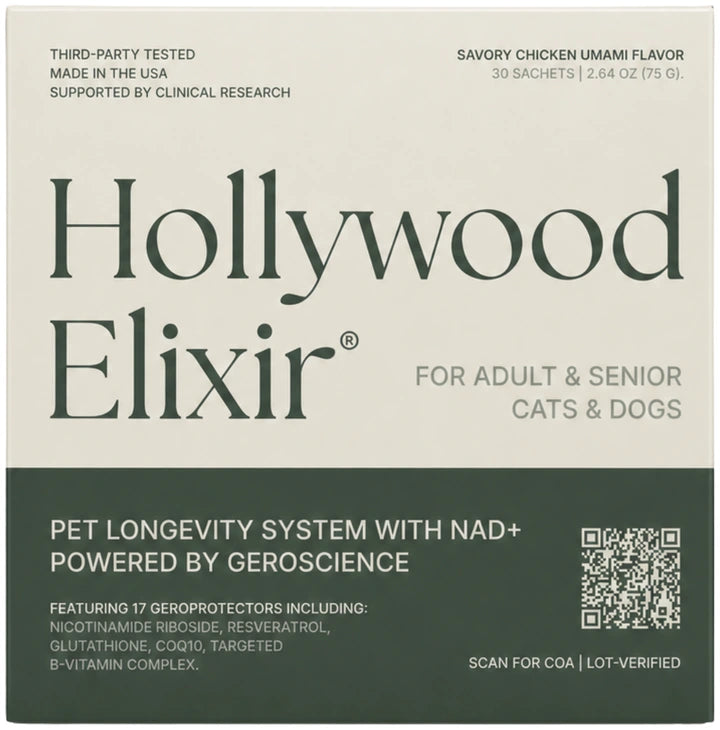
Hollywood Elixir is our daily supplement for adult and senior cats, made to the LPL-01 standard with every active ingredient at a visible amount. It never replaces your veterinarian — it sits alongside the routine on this page.
Starting at $50/month · cancel anytime
Shop Hollywood ElixirWhen to Call the Vet
Split urgent signs from trends that deserve a scheduled veterinary conversation.
Go urgently
- Open-mouth breathing, labored breathing, blue or gray gums, collapse, severe heat stress, seizure, severe weakness, or rapid decline.
- A painful eye, sudden vision loss, a held-shut eye with distress, uncontrolled bleeding, repeated vomiting with weakness, suspected toxin exposure, or inability to rise.
- Repeated litter-box trips with little or no urine, straining with distress, blood in urine, or a painful abdomen.
Schedule promptly
- Noisier breathing, more effort after mild activity, reduced heat tolerance, snoring that changes, coughing, or exercise avoidance.
- Eye redness, squinting, rubbing, discharge, cloudiness, tear staining with discomfort, or face sensitivity.
- Bad breath, drooling, dropped food, slower chewing, appetite change, vomiting, increased thirst, larger urine clumps, weight loss, or weight gain.
- Matting, greasy coat, grooming decline, skin odor, lower jumping, poor litter posture, hiding, irritability, or care sessions that become stressful.
- Bring weight history, breathing videos if safe, eye photos, litter notes, dental signs, grooming observations, and breeder or rescue records.
The 90-Day Support Routine
Ninety days of small, repeatable habits make subtle changes visible — and give any new routine a fair test.
- Week one: record weight, body condition, breathing sound at rest, heat tolerance, appetite, water intake, litter clumps, eye comfort, dental breath, coat condition, and grooming tolerance.
- Week one: choose low resting spots, cool rooms, easy litter access, and brushing tools that keep care calm rather than forcing appearance-based grooming.
- Weekly: check breathing, eyes, appetite, water, litter visits, mouth odor, coat, grooming, jumping, and whether handling still feels comfortable for the cat.
- Monthly: repeat weight and body-condition notes, mark heat or breathing changes, and update eye, dental, kidney, coat, grooming, and mobility observations.
- Day 90: review breathing comfort, eye comfort, body condition, dental needs, kidney monitoring, coat burden, mobility, and quality of life with your veterinarian.
Tools for Tracking Comfort and Aging
Use these when a life-stage, body-condition, or quality-of-life question needs more structure.
Cat Age Calculator
Use age context when a flat-faced adult still seems calm but daily comfort is changing.
ToolCat Quality of Life Scale
Use when breathing, eye comfort, grooming, appetite, or litter habits are shifting.
ToolCat Biological Age Calculator
Frame healthy-aging conversations around body condition and comfort margin.
Frequently Asked Questions
Short answers to the questions owners ask most.
What is a realistic Exotic Shorthair lifespan?
Exotic Shorthair lifespan planning should use about 8 to 15 years, then adjust around breathing comfort, eye comfort, dental health, PKD and kidney signs, body condition, grooming needs, and veterinary findings.
Can Exotic Shorthairs live past 15 years?
Some can. A range is not a ceiling; anatomy, breeder testing, accidents, weight, dental care, kidney disease, breathing comfort, heat safety, and veterinary access all matter.
When should Exotic Shorthair senior care start?
Exotic Shorthair senior care should begin before crisis. Use 10+ as the senior marker and begin baseline tracking around 7 for breathing, eyes, teeth, weight, coat, kidney signs, and mobility.
Which Exotic Shorthair health problems matter most?
Exotic Shorthair health problems that shape comfort include brachycephalic breathing issues, eye irritation or pain, dental disease, PKD and kidney signs, weight gain, grooming burden, heat intolerance, and mobility pain.
Which aging signs should Exotic Shorthair owners watch?
Exotic Shorthair aging signs include changed breathing, reduced heat tolerance, eye redness or squinting, bad breath, appetite change, weight drift, larger urine clumps, matting, lower jumps, hiding, and irritability.
Is noisy breathing normal for an Exotic Shorthair?
Noisy breathing is information, not a personality trait. Any increase in effort, heat intolerance, open-mouth breathing, blue-gray gums, collapse, or distress deserves urgent attention.
Why is weight so important for this breed?
Extra weight can narrow breathing and heat margin while also making grooming, movement, anesthesia, and senior comfort harder.
What eye signs need a vet?
Redness, squinting, rubbing, discharge, cloudiness, a held-shut eye, face sensitivity, or tear staining with discomfort should be checked.
What does PKD mean for planning?
PKD is a kidney condition that can be screened in breeding programs. For an adopted or adult cat, thirst, larger urine clumps, appetite change, vomiting, and weight loss deserve records and veterinary review.
How often should an older Exotic Shorthair see the vet?
Many senior cats benefit from at least twice-yearly check-ins, with timing adjusted to breathing, eyes, dental disease, bloodwork, urinalysis, blood pressure, body condition, pain, and new signs.
How should grooming be handled?
Grooming should protect comfort. Brush gently, watch matting and skin irritation, keep eye cleaning calm, and ask for help if care sessions cause stress or breathing effort.
What should I ask a breeder or rescue?
Ask about lifespan, early deaths, PKD testing, breathing problems, eye disease, dental disease, heat intolerance, grooming burden, urinary signs, kidney disease, weight history, and any surgeries.
How do I judge quality of life?
Look at breathing ease, eye comfort, appetite, pain, grooming dignity, mobility, litter-box access, sleep, anxiety, social contact, and whether treatment is helping more than it burdens.
Is Hollywood Elixir something my Exotic Shorthair needs?
No supplement is a need. Hollywood Elixir is La Petite Labs' daily supplement for adult and senior cats, not a treatment for anything on this page.
A note from La Petite Labs
Hollywood Elixir is La Petite Labs' daily supplement for adult and senior cats. It is not a treatment for anything on this page, and it never replaces your veterinarian.

Why Pampered belongs in an Exotic Shorthair 90-day plan
Pampered is La Petite Labs' complete daily system, with a recommended 90-day starting window. In an Exotic Shorthair home, the match is the rhythm: recording weight, body condition, breathing sound at rest, heat tolerance, appetite, water intake, litter clumps, eye comfort, dental, repeat the checks, then bring breathing, eyes, dental, and kidney and pkd trends to the day-90 review.
Explore the Pampered™ System →