Beagle lifespan and senior care
How Long Do Beagles Live?
10–15Years, typical
Most Beagles live 10 to 15 years, but scent-hound appetite, ears, teeth, seizures, and back comfort decide how those years feel.
- Start watching at
- From 6-7 years
- Senior age
- Around 8-10 years
- Typical lifespan
- 10-15 years
A practical planning range from breed guidance and longevity research, not a prediction for one Beagle.
Quick Answers for Pet Parents
Direct answers to the questions people ask when they are trying to plan care.
How long do Beagles live?
Most Beagles live about 10 to 15 years. Use 10-15 years as a planning range, not a guarantee for one dog.
When is a Beagle considered senior?
Around 8-10 years is a practical senior-planning window, with baseline tracking starting from 6-7 years.
What health problems are Beagles prone to?
Beagle health problems to discuss include food drive and body condition, otitis and field-dog debris, epilepsy and episode records, chondrodystrophic build and ivdd awareness, mouth comfort, plus anything already in the dog's record.
What most affects a Beagle's healthspan?
Weight, ears, seizures, and a written baseline make the biggest practical difference for many families.
What early aging signs matter in a Beagle?
Watch weight and waist, gait, appetite, breathing, sleep, dental comfort, and compare every change with your own dog's normal pattern.
Lifespan at a Glance
The short answer with the context a careful pet parent needs.
| Typical lifespan | Beagle lifespan planning usually starts with 10-15 years, then adjusts for this dog's size, line, and health history. |
|---|---|
| Strongest evidence | Weight, ears, epilepsy, hypothyroid screening, dental disease, and back comfort shape a Beagle healthspan more than the cheerful expression suggests. |
| Senior planning | Around 8-10 years; start earlier if weight, chronic pain, weight change, or a diagnosed condition is already present. |
| Earlier watchpoint | From 6-7 years; begin tracking weight and waist, gait, appetite, breathing, sleep. |
| Biggest owner lever | weight, ears, seizures, and a written baseline. |
| Escalate instead | Call sooner when this Beagle shows a repeated or worsening pattern involving weight, ears, seizures. |

You can’t add sand to the glass. You can change what happens while it falls.
10-15 years is the range. What fills those years — lean condition, easy movement, steady digestion, good sleep — is built one ordinary day at a time.
Start the daily system → Starting at $63/month
If your Beagle is still cheerful but now raids the bin more urgently, shakes an ear after every walk, wakes after a stiff nap, or has a seizure episode that left everyone shaken, the lifespan question has become a scent-hound maintenance question. Beagles often age with enthusiasm intact, which is lovely and inconvenient because appetite and personality can cover pain.
Here is the direct answer first: most Beagles live about 10 to 15 years. The upper end is realistic enough that dental care, ears, weight, eyes, back comfort, and seizure records matter for years. The catch is that a nose-led dog also finds calories, toxins, wildlife debris, and adventure faster than many families expect.
A Beagle owner should not wait for the dog to act old. This breed's useful clues are practical: waistline, ear odor, food stealing, stool, tooth comfort, gait after sleep, eye squinting, and whether a dog who once followed scent for joy now quits because something hurts.
If You Only Have Five Minutes
- Plan around 10 to 15 years, with senior-style attention commonly becoming useful around 8 to 10.
- Weight is a lifespan and back-comfort issue, not a cosmetic issue. A Beagle can look sturdy while the ribs disappear.
- Ear odor, head shaking, redness, discharge, or pain after outdoor time is health information.
- Record any seizure with time, duration, recovery behavior, possible triggers, and a video if it is safe.
- Sudden severe back pain, weakness, paralysis, repeated vomiting with weakness, suspected toxin exposure, collapse, or breathing distress is urgent.
- Bring a food map to the vet: meals, treats, stolen food, chews, training rewards, and what everyone in the house gives.
The dog body condition calculator is especially useful for this breed because food drive can quietly reset the household's idea of normal. The senior dog signs guide helps when a slower Beagle still looks happy.
Why Lifespan Numbers for Beagles Don't Agree
Beagle numbers vary because some sources quote a cheerful breed range, while veterinary studies describe populations with different geography, size, neuter status, and health histories. Owner stories add both long-lived charmers and dogs lost early to accidents, cancer, neurologic disease, or emergencies.
The range is still useful. It tells you a Beagle may have a long middle and senior life, so small problems deserve steady management instead of heroic last-minute fixes. Ears, teeth, body condition, and back comfort are not glamorous topics, but they decide many ordinary days.
The dog lifespan methodology explains why a range is not a promise. For this breed, the final takeaway is that the same traits families adore, nose, food interest, endurance, and optimism, can also hide the first signs of trouble.
If the search result says 10 to 15, read it as permission to start early. A fit Beagle with clean ears, a comfortable mouth, and a family that takes episodes seriously has a better chance of enjoying the years already on the table.
What Shapes a Beagle's Healthspan
Beagle healthspan is built from food control, ears, seizure awareness, spine and back comfort, dental and eye care, and a realistic view of nose-led risk.
Food drive and body condition
Food motivation is useful for training and dangerous for waistlines. Extra weight adds load to joints and the back, reduces stamina, worsens heat tolerance, and can make pain harder to interpret.
Measure meals, count treats, and treat stolen food as part of the medical history. A Beagle who "acts starving" may still need fewer calories and more enrichment rather than a larger bowl.
Otitis and field-dog debris
Floppy ears plus outdoor sniffing create a predictable ear workload. Head shaking, odor, redness, discharge, scratching, or sensitivity when the ear is touched should not become a standing household joke.
Ask your veterinarian what cleaning schedule fits this dog. Some inflamed ears are made worse by enthusiastic cleaning, and repeated infections deserve a search for allergy, moisture, foreign material, or other drivers.
Epilepsy and episode records
Seizures are frightening, and memory becomes unreliable in the moment. A written record helps: date, time, duration, what happened before, what the dog did during recovery, and whether there was toxin access or unusual food.
Do not put hands near the mouth during a seizure. Make the area safe, time the event, film only if it is safe, and call your veterinarian for thresholds specific to your dog.
Chondrodystrophic build and IVDD awareness
Beagles have a body type where back pain and disc problems belong on the watch list. Reluctance to jump, hunched posture, trembling, dragging toes, sudden yelping, or weakness in the hind legs deserves prompt guidance.
A Beagle who refuses the sofa may be wiser than the family. Do not turn a sudden movement change into a personality story until pain has been considered.
Mouth comfort, glaucoma, and vision
Long-lived dogs need working teeth. Bad breath, tartar, drooling, one-sided chewing, dropping food, or pawing at the mouth can mean discomfort even when appetite remains excellent.
Eye pain can also move quickly. Squinting, redness, cloudiness, tearing, light sensitivity, or bumping into familiar objects should be booked rather than watched for weeks.
Accidents, toxins, and stamina
The Beagle nose can find chocolate, medication, compost, bait, bones, wildlife mess, and escape routes. Lifespan planning includes household safety because curiosity is part of the breed's operating system.
At home, make the plan concrete: a measured-food rule, a closed-bin rule, an ear check after grass or trail time, a seizure note template on the phone, and a back-pain threshold everyone recognizes.
What Aging Looks Like in a Beagle
Beagle aging may look like a thicker waist, shorter sniff walks, stiffness after naps, fewer jumps, ear flare-ups, bad breath, slower recovery after a long trail, cloudy or painful eyes, new anxiety, or a dog who still begs but plays less.
Check change against the Beagle you live with:
- Is the waist disappearing despite the same food measure?
- Are ears changing after walks or baths?
- Has the dog had a seizure, fainting episode, or strange recovery period?
- Is jumping, stair use, or rising different?
- Does the mouth smell different, or is chewing less even?
- Are eyes red, cloudy, painful, or less confident?
- Has the nose-led dog become less interested in exploring?
A happy face does not rule out pain. A Beagle may wag through dental disease, arthritis, back soreness, and ear discomfort because the next smell is still interesting.
When to Call a Veterinarian
Go now for prolonged or repeated seizures, collapse, labored breathing, pale or blue-gray gums, suspected toxin exposure, severe back pain, sudden inability to walk, repeated vomiting with weakness, uncontrolled bleeding, or rapid decline.
Book a visit for weight creep, recurring ear odor, head shaking, dental odor, one-sided chewing, new eye redness or cloudiness, intermittent limping, stiffness after rest, changed appetite, thirst, stool, or any episode that repeats.
Bring the food map, weight trend, ear history, seizure timeline, toxin possibilities, short gait videos, eye photos if safe, and a list of medications and supplements. The dog quality of life scale can keep a cheerful Beagle from being graded on appetite alone, and the dog biological age calculator can frame senior timing.
How Beagles Compare With Similar Breeds
Compared with Dachshunds, Beagles share some back-awareness but usually bring more food-and-ear work. Compared with Basset Hounds, ear and weight conversations overlap, while body shape changes the mobility plan. Compared with Cocker Spaniels, ears and eyes both matter, but a Beagle's nose-led accident risk deserves its own line.
Use the dog lifespan by breed hub for numbers. Use this page for the Beagle-specific question: what has the nose, appetite, ear canal, mouth, back, or episode history been trying to tell you?
Questions for Your Breeder, Rescue, or Veterinarian
For a breeder or rescue:
- What ages did close relatives reach, and were seizures, eye disease, IVDD, obesity, ear disease, or hypothyroid problems common?
- What food amount, treat pattern, and exercise level has kept this dog lean?
- Has this Beagle ever had a seizure, collapse, toxin exposure, back-pain episode, or chronic ear infection?
- Which health-screening records or veterinary notes come with the dog?
For your veterinarian:
- What body condition score should this Beagle maintain, and how many daily calories should the household treat as real?
- What ear routine fits this dog's allergies, swimming, field work, or infection history?
- What seizure pattern would be urgent, and what should we record after any episode?
- Which back-pain signs mean same-day care?
- When should dental work, eye exams, bloodwork, and pain review become part of senior care?
Unknown history is common in rescue Beagles. Start with weight, ears, teeth, back comfort, episode history, and food access; those five areas tell you more than a guessed birthdate.
Sources
- American Kennel Club. Beagle breed information. https://www.akc.org/dog-breeds/beagle/
- McMillan KM, Bielby J, Williams CL, Upjohn MM, Casey RA, Christley RM. Longevity of companion dog breeds: those at risk from early death. Scientific Reports. https://www.nature.com/articles/s41598-023-50458-w
- Teng KT, Brodbelt DC, Church DB, O'Neill DG, et al. Life tables of annual life expectancy and mortality for companion dogs in the United Kingdom. Scientific Reports. https://www.nature.com/articles/s41598-022-10341-6
- Creevy KE, Grady J, Little SE, et al. 2019 AAHA Canine Life Stage Guidelines. https://www.aaha.org/wp-content/uploads/globalassets/02-guidelines/canine-life-stage-2019/2019-aaha-canine-life-stage-guidelines-final.pdf
- VCA Animal Hospitals. Seizures and Epilepsy in Dogs. https://vcahospitals.com/know-your-pet/seizures-and-epilepsy-in-dogs
- Orthopedic Foundation for Animals. CHIC Program breed health screening information. https://ofa.org/chic-programs/browse-by-breed/
Healthspan by Life Stage
Know what to track before senior age, not only after decline appears.
Build the record
Collect breeder, rescue, vaccine, screening, diet, growth, behavior, and early veterinary records before the adult routine scatters them.
Protect the baseline
Keep lean condition, train handling, record any breed-specific screening, and learn what normal breathing, gait, appetite, and recovery look like.
Start the dashboard
Track weight and waist, gait, appetite, breathing, sleep, dental comfort monthly so senior changes are compared with evidence, not memory.
Add structure
Use twice-yearly veterinary conversations, pain review, dental review, body-condition targets, and any breed-specific screening your dog needs.
Protect comfort
Judge days by breathing, movement, sleep, pain, toileting, appetite, and joy; a familiar routine should still feel safe and kind.
Breed Health Map
The main breed-specific topics that can shape lifespan, comfort, and quality of life.
Food drive and body condition
For Beagles, this topic belongs on the healthspan map. Track the related Beagle pattern with dates, photos, or short videos, then ask your veterinarian when it repeats.
Otitis and field-dog debris
For Beagles, this topic belongs on the healthspan map. Track the related Beagle pattern with dates, photos, or short videos, then ask your veterinarian when it repeats.
Epilepsy and episode records
For Beagles, this topic belongs on the healthspan map. Track the related Beagle pattern with dates, photos, or short videos, then ask your veterinarian when it repeats.
Chondrodystrophic build and IVDD awareness
For Beagles, this topic belongs on the healthspan map. Track the related Beagle pattern with dates, photos, or short videos, then ask your veterinarian when it repeats.
Mouth comfort, glaucoma, and vision
For Beagles, this topic belongs on the healthspan map. Track the related Beagle pattern with dates, photos, or short videos, then ask your veterinarian when it repeats.
Accidents, toxins, and stamina
For Beagles, this topic belongs on the healthspan map. Track the related Beagle pattern with dates, photos, or short videos, then ask your veterinarian when it repeats.

One serving a day, built for aging dogs
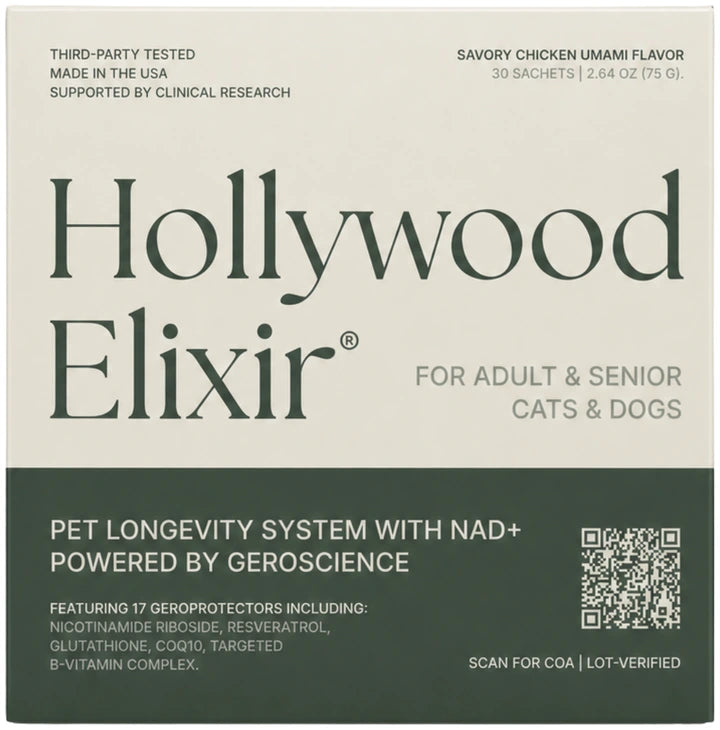
Hollywood Elixir is our daily supplement for adult and senior dogs, made to the LPL-01 standard with every active ingredient at a visible amount. It never replaces your veterinarian — it sits alongside the routine on this page.
Starting at $63/month · cancel anytime
Shop Hollywood ElixirWhen to Call the Vet
Split urgent signs from trends that deserve a scheduled veterinary conversation.
Go urgently
- Collapse, labored breathing, blue-gray or pale gums, seizure, severe weakness, uncontrolled bleeding, or rapid decline.
- Sudden severe pain, inability to walk normally, repeated vomiting with weakness, or suspected toxin exposure.
- Any breed-specific emergency sign on this page that appears suddenly or escalates quickly.
Schedule promptly
- Weight gain or loss, appetite change, thirst change, or a pattern that lasts more than a few days.
- Limping, stiffness, slipping, changed stairs, changed jumping, or slower recovery after normal activity.
- Coughing, breathing noise, sleep disruption, anxiety, fainting-like episodes, or fatigue.
- Bad breath, food dropping, eye redness, ear odor, skin irritation, or grooming pain.
- New lumps, urinary changes, stool changes, hiding, clinginess, or reduced interest in familiar routines.
The 90-Day Support Routine
Ninety days of small, repeatable habits make subtle changes visible — and give any new routine a fair test.
- Week one: record weight, body condition, gait, appetite, thirst, breathing, sleep, teeth, skin or coat, and normal Beagle behavior.
- Week one: gather breeder, rescue, screening, medication, diet, and veterinary records so the Beagle baseline is easy to review.
- Weekly: check mouth, movement, breathing, skin or coat, eyes, ears, and whether the dog is avoiding any familiar activity.
- Monthly: repeat body condition, gait video, appetite, thirst, sleep, recovery, and any breed-specific issue that appeared during the month.
- Day 90: review the trend with your veterinarian and adjust screening, dental timing, pain care, diet, weight target, or home setup.
Tools for Tracking Comfort and Aging
Use these when a life-stage, body-condition, or quality-of-life question needs more structure.
Dog Quality of Life Scale
Use when Beagle comfort, sleep, appetite, movement, or joy is getting harder to judge.
ToolDog Biological Age Calculator
Frame Beagle senior timing before the first serious decline.
ToolDog Body Condition Calculator
Turn Beagle weight and rib-feel questions into a clearer veterinary conversation.
Frequently Asked Questions
Short answers to the questions owners ask most.
What is the average Beagle life expectancy?
A practical planning range is 10-15 years. Use that as a planning band, not a promise for one Beagle; size, family history, body condition, accidents, and veterinary care still move the outcome.
Can a Beagle live longer than 15?
Some do. The useful goal is protecting comfort, mobility, appetite, sleep, breathing, and engagement for whatever years this Beagle has.
Is 8-10 old for a Beagle?
Around 8-10 years is a sensible senior-planning window for many Beagles. It is the right time for better records, not a reason to panic.
What health problems are most important for Beagles?
Beagle health problems to discuss include food drive and body condition, otitis and field-dog debris, epilepsy and episode records, chondrodystrophic build and ivdd awareness, mouth comfort, plus any issue already present in your dog's own history.
What signs mean my Beagle should see a vet soon?
Book a visit for trends: weight change, appetite or thirst change, repeated pain, changed gait, new lumps, breathing changes, dental discomfort, disrupted sleep, or behavior that no longer fits your dog.
What Beagle signs are urgent?
Go urgently for collapse, labored breathing, blue-gray or pale gums, severe pain, seizure clusters, uncontrolled bleeding, rapid decline, or any breed-specific emergency sign listed above.
How often should a senior Beagle see the vet?
Twice yearly is a useful default once senior planning starts, with bloodwork, pain review, dental review, and any breed-specific screening adjusted to this dog's history.
How do I track quality of life for an older Beagle?
Track rising, walking, breathing, sleep, pain, appetite, toileting, anxiety, and joy in familiar routines. A quality-of-life scale helps when memory gets emotional.
Does weight matter for Beagles?
Yes. Lean body condition gives joints, breathing, heat tolerance, and stamina more margin. Ask your veterinarian for a body-condition target instead of relying on breed averages.
What should I ask a breeder or rescue about Beagle lifespan?
Ask about parent ages, causes of death in relatives, health screening, chronic conditions, medications, diet, behavior, and what records will come with the dog.
What should I bring to a Beagle senior-care visit?
Bring Beagle weight history, diet and treat details, medications, supplements, videos, photos, screening records, and a dated timeline of what changed when.
Is Hollywood Elixir something my Beagle needs?
No supplement is a need, and Hollywood Elixir is not a treatment for anything on this page. It is La Petite Labs' daily supplement for adult and senior dogs, worth reading about after veterinary questions are settled.
A note from La Petite Labs
Hollywood Elixir is our daily supplement for adult and senior dogs. It is not a treatment for anything on this page, and it never replaces your veterinarian - but if you are curious what it is and how we make it, start with the research.

Why Pampered for a Beagle household
Pampered is La Petite Labs' complete daily system, with a recommended 90-day starting window. This page already asks for recording weight, body condition, gait, appetite, thirst, breathing, sleep, teeth, skin or coat, and normal Beagle behavior before repeating body condition, gait video, appetite, thirst, sleep, recovery, and any breed-specific issue that appeared during the month; Pampered gives that 90-day calendar a daily container while weight, ears, seizures, and back stay visible.
Explore the Pampered™ System →