

Havanese lifespan and senior care
How Long Do Havanese Live?
14–16Years, typical
Havanese lifespan planning is optimistic, but comfort depends on teeth, knees, eyes, coat care, skin, body condition, and catching subtle behavior changes.
- Start watching at
- From 8-9 years
- Senior age
- Around 11-12 years
- Typical lifespan
- 14-16 years
Havanese lifespan and Havanese health problems planning: A long-lived toy-companion planning range; dental care, patellas, eye disease, coat and skin problems, weight, injuries, and veterinary follow-up shape one dog.
Quick Answers for Pet Parents
Direct answers to the questions people ask when they are trying to plan care.
How long do Havanese live?
Many Havanese are planned around 14 to 16 years. Dental care, patella comfort, eye health, skin and coat management, body condition, accidents, and veterinary care can change the outcome.
When is a Havanese considered senior?
Around 11 to 12 years is a practical senior-planning window, though chronic dental disease, knee pain, eye disease, or weight change can justify earlier monitoring.
What health problems are Havanese prone to?
Useful Havanese watchpoints include dental disease, patellar luxation, eye problems such as cataracts, skin or allergy signs, ear irritation, weight drift under the coat, and pain that appears as less social behavior.
What most affects a Havanese healthspan?
Mouth care, stable knees, eye comfort, lean body condition, coat and skin checks, safe household access, and early veterinary care when a friendly dog stops acting friendly matter most.
What early aging signs matter in a Havanese?
Watch breath, chewing, tear or eye changes, grooming tolerance, skipped steps, slipping, weight hidden by coat, thirst, sleep, and whether the dog still seeks family interaction normally.
Lifespan at a Glance
The short answer with the context a careful pet parent needs.
| Typical lifespan | Plan around 14-16 years for many Havanese, with individual dogs moving by health history and care. |
|---|---|
| Senior planning | Around 11-12 years, with earlier structure if dental, eye, knee, skin, or weight problems are already present. |
| Earlier watchpoint | From 8-9 years, track mouth odor, coat changes, eye comfort, skipped steps, weight, thirst, sleep, and play recovery. |
| Breed-specific priority | The cheerful social baseline is useful: a Havanese who withdraws, hides, or resists grooming may be uncomfortable. |
| Household lever | Use regular brushing as a health check for skin, ribs, joints, eyes, ears, and handling pain. |
| Do not normalize | Bad breath, matting in new places, squinting, skipped steps, slipping, thirst change, or loss of social sparkle. |

You can’t add sand to the glass. You can change what happens while it falls.
14-16 years is the range. What fills those years — lean condition, easy movement, steady digestion, good sleep — is built one ordinary day at a time.
Start the daily system → Starting at $50/month
If your Havanese is the family greeter but now pauses before jumping onto the sofa, turns away from the comb, has breath that changed, tears more from one eye, or spends less time following the favorite person, the lifespan question is really about preserving a long social life.
The direct answer: most Havanese live about 14 to 16 years. That is good news, but it is not a reason to coast. A long-lived companion dog has many years for teeth, knees, eyes, coat-hidden weight, skin irritation, and quiet pain to build.
The Havanese advantage is personality. This is often a bright, people-oriented dog, which means social change is useful data. A dog who stops greeting, avoids grooming, or chooses distance may be telling the family about discomfort before a limp or lab result makes it obvious.
If You Only Have Five Minutes
- Plan around 14 to 16 years and begin senior-style thinking around 11 or 12.
- Dental care matters early; appetite does not prove the mouth is comfortable.
- Patella issues may look like one skipped step, then normal play. Film the pattern.
- Eye changes, cloudiness, squinting, or dim-room hesitation deserve a record and an exam.
- The coat can hide weight gain, weight loss, muscle loss, mats, and sore skin.
- Treat a less social Havanese as a health clue, especially when grooming or touch also changes.
Use the dog body condition calculator when coat makes shape hard to judge. The senior dog signs guide helps sort universal aging changes from this breed's grooming, eye, and knee signals.
Why Lifespan Numbers for Havanese Don't Agree
Havanese estimates tend to be optimistic because many small companion dogs live into the teens. The exact number still shifts by source, country, study method, accident risk, genetics, dental care, and how early families act on pain.
The range should be read as a responsibility. A Havanese who may live to 15 should not spend years with untreated mouth pain, a sore kneecap, avoidable mats, or vision trouble that everyone calls aging.
The dog lifespan methodology explains why ranges are planning bands. For this breed, the useful conclusion is that long life magnifies small maintenance decisions.
Use the range to ask better early-history questions, too. If a Havanese puppy, rescue, or young adult has poor growth, strange appetite, neurologic episodes, or unexplained illness, your veterinarian may discuss congenital issues such as a liver shunt; that is not a senior-care problem, but it belongs in the lifetime record. For an adult with unknown history, the same principle applies in a calmer way: collect old dental notes, eye notes, knee episodes, skin flares, medications, and any abnormal bloodwork so the next senior visit starts with facts rather than family memory.
The practical ending is simple: the dog who wants to be with people gives you a social baseline. Protect it.
That social baseline is useful because Havanese often stay engaged even when something hurts. A dog who still follows you but no longer enjoys brushing, stairs, face handling, or lap time is giving a specific kind of signal: comfort has changed before companionship has, and tracking that matters.
What Shapes a Havanese's Healthspan
Havanese healthspan is shaped by teeth, patellas, eyes, coat and skin, body condition, household safety, and whether the family notices social withdrawal.
Dental comfort over many years
A long lifespan makes dental planning more important, not less. Bad breath, gum redness, tartar, dropped food, one-sided chewing, or face rubbing can signal pain while the dog still eats.
Ask your veterinarian what dental schedule fits this mouth. Delaying until appetite changes can mean the dog has already been uncomfortable for months.
Patellas and small skipped steps
Patellar luxation may appear as a hop, a held-up rear leg, a pause before stairs, or a sudden request to be picked up. The sign can vanish by the time an appointment begins.
Take video from behind and from the side. Track which surface or movement triggers the skip, and keep weight lean so the knees get every possible advantage.
Eyes, confidence, and light
Havanese owners should watch eye comfort and confidence. Cloudiness, squinting, tearing that changes, bumping, reluctance in dim rooms, or new anxiety on stairs can all matter.
A quick monthly eye photo in the same light gives your veterinarian more than "I think it looks different." Dogs adapt to fading vision, so home layout and night lighting can help while the cause is evaluated.
Coat, skin, ears, and the grooming table
The coat is beautiful and diagnostic. Mats in new places can mean the dog is not bending well, has gained weight, has sore skin, or has started avoiding touch.
During brushing, part the coat over ears, paws, armpits, belly, tail base, and thighs. Odor, redness, debris, licking, flinching, or sudden impatience belongs in the health notes.
Body condition hidden under hair
A Havanese can look fluffy while losing thigh muscle or gaining soft weight. Both change senior comfort.
Use your hands monthly: ribs, waist, spine, thigh muscle, and belly. Pair the check with a scale number so slow drift does not become a surprise.
Social behavior as a vital sign
A Havanese who no longer follows, greets, plays, or asks for lap time may be tired, painful, anxious, or ill. Social fading deserves the same respect as limping.
At home, use grooming as the anchor. Put the dog on the same mat, use the same order, and note mouth, eyes, coat, skin, knees, ribs, and mood. The breed gives you a built-in exam if you keep it calm and repeatable.
What Aging Looks Like in a Havanese
Havanese aging may look like stronger breath, more tartar, a skipped rear step, less jumping, tear changes, cloudy eyes, mats near the hips or armpits, lower play, more sleep, weight hidden by coat, or a dog who still loves the family but chooses touch more carefully.
Ask these questions:
- Is the dog greeting and following as usual?
- Has breath, chewing, or food texture preference changed?
- Does grooming resistance happen in one body area?
- Are skipped steps more frequent or linked to slick floors?
- Are eyes clear, comfortable, and confident in dim rooms?
- Has weight or muscle changed under the coat?
Normal aging can make a Havanese nap longer. It should not erase social joy, make grooming painful, or turn dental odor and lameness into background.
When to Call a Veterinarian
Go now for collapse, labored breathing, blue-gray gums, seizure clusters, severe injury, sudden inability to walk, a painful or closed eye, repeated vomiting with weakness, straining without urine, uncontrolled bleeding, or rapid decline.
Book a visit for bad breath, dropped food, gum redness, skipped steps, limping, slipping, cloudiness, squinting, changing tear stain, mats with pain, skin odor, ear debris, weight movement, thirst change, sleep disruption, or social withdrawal that persists.
Bring grooming notes by body area, mouth photos, eye photos, gait videos, weight trend, diet and treat details, medications, thirst or urine notes, and a short list of changed social habits. If comfort is hard to judge, bring a completed dog quality of life scale rather than relying on one good greeting.
How Havanese Compare With Similar Breeds
Havanese overlap with Maltese, Yorkies, Pomeranians, and Chihuahuas on long lifespan, dental care, and patellas. They differ in how much the coat and social behavior help the owner: brushing and greeting patterns often reveal change early.
Use the dog lifespan by breed hub for the wider numbers. For a Havanese household, the better comparison is whether the daily routine protects the companion personality that makes the breed recognizable.
Questions for Your Breeder, Rescue, or Veterinarian
For a breeder or rescue:
- What dental, patella, eye, heart, hearing, orthopedic, allergy, and lifespan history is known in close relatives?
- What health screening records are available for the parents?
- Has this dog had dental extractions, eye treatment, knee problems, skin disease, or grooming anxiety?
- What grooming schedule, diet, harness, and household setup has worked?
For your veterinarian:
- What dental schedule fits this dog's mouth and age?
- Is the skipped step painful, and should weight or activity change?
- Which eye changes should be watched, scheduled, or treated urgently?
- Is grooming resistance likely skin, joint pain, mouth pain, vision, or anxiety?
- When should bloodwork, pain review, eye checks, and quality-of-life scoring become routine?
For a Havanese with unknown history, start with teeth, knees, eyes, coat, body condition, and social baseline. If the dog stops acting like the family shadow, listen.
Sources
- American Kennel Club. Havanese breed information. https://www.akc.org/dog-breeds/havanese/
- McMillan KM, Bielby J, Williams CL, Upjohn MM, Casey RA, Christley RM. Longevity of companion dog breeds: those at risk from early death. Scientific Reports. https://www.nature.com/articles/s41598-023-50458-w
- Creevy KE, Grady J, Little SE, et al. 2019 AAHA Canine Life Stage Guidelines. https://www.aaha.org/wp-content/uploads/globalassets/02-guidelines/canine-life-stage-2019/2019-aaha-canine-life-stage-guidelines-final.pdf
- VCA Animal Hospitals. Dental Disease in Dogs. https://vcahospitals.com/know-your-pet/dental-disease-in-dogs
- VCA Animal Hospitals. Luxating Patella or Kneecap in Dogs. https://vcahospitals.com/know-your-pet/luxating-patella-or-kneecap-in-dogs
- Orthopedic Foundation for Animals. CHIC Program breed health screening information. https://ofa.org/chic-programs/browse-by-breed/
Healthspan by Life Stage
Know what to track before senior age, not only after decline appears.
Make handling joyful
Collect health records, teach calm brushing and mouth checks, and ask about patella, eye, heart, hearing, dental, and orthopedic history in the family.
Keep the companion fit
Protect lean body condition under the coat, keep teeth and eyes visible, and make short grooming sessions routine instead of occasional battles.
Record the subtle shifts
Monthly notes on play, jumping, stairs, grooming tolerance, mouth odor, tear changes, weight, thirst, and sleep make senior visits more precise.
Review comfort, not just age
Use twice-yearly exams, dental planning, eye checks, pain scoring, bloodwork, weight targets, and a safe home setup.
Keep the social dog in view
Judge mouth comfort, vision, movement, sleep, appetite, toileting, anxiety, and interest in familiar people together.
Breed Health Map
The main breed-specific topics that can shape lifespan, comfort, and quality of life.
A long life needs a mouth plan
Bad breath, red gums, tartar, dropped food, or face sensitivity should not wait for appetite loss.
Patellar luxation and small skipped steps
A Havanese may hop once and then play normally. Video the skip and ask whether pain or activity changes are needed.
Cataracts, irritation, and confidence
Squinting, cloudiness, tearing, bumping, or dim-room hesitation should be recorded and discussed.
Brushing reveals more than tangles
Mats, odor, paw licking, belly redness, ear debris, or new brushing resistance can point to allergy, pain, weight, or skin infection.
The coat can hide both gain and loss
Use hands for ribs, waist, and thigh muscle. A fluffy outline can hide a dog getting soft or thin.
Social change as pain signal
A Havanese who stops greeting, avoids touch, or retreats from grooming may be reporting dental, eye, joint, skin, or internal discomfort.

One serving a day, built for aging dogs
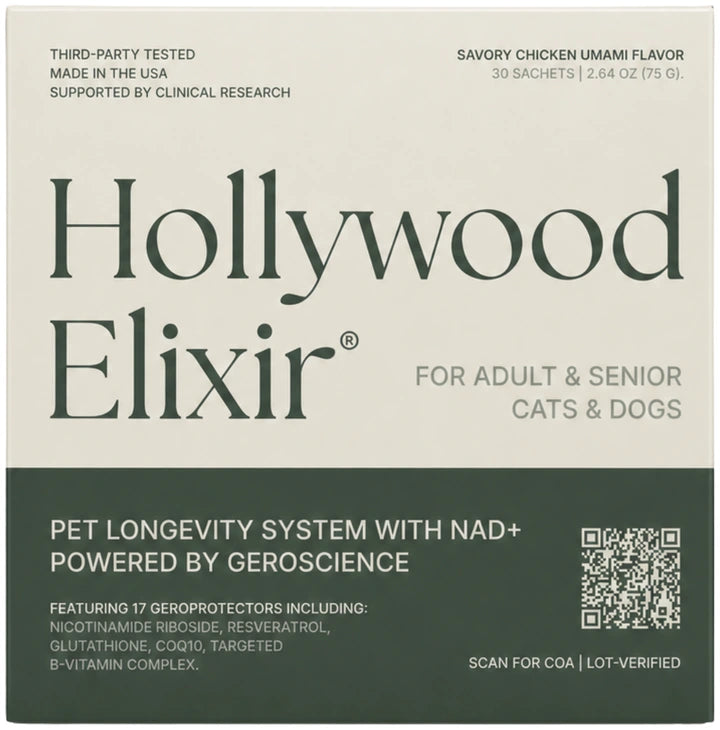
Hollywood Elixir is our daily supplement for adult and senior dogs, made to the LPL-01 standard with every active ingredient at a visible amount. It never replaces your veterinarian — it sits alongside the routine on this page.
Starting at $50/month · cancel anytime
Shop Hollywood ElixirWhen to Call the Vet
Split urgent signs from trends that deserve a scheduled veterinary conversation.
Go urgently
- Collapse, labored breathing, blue-gray or pale gums, seizure clusters, uncontrolled bleeding, or rapid decline.
- Sudden inability to walk, severe pain, suspected fracture, repeated vomiting with weakness, or toxin exposure.
- A painful or closed eye, sudden blindness, severe disorientation, or straining without producing urine.
Schedule promptly
- Bad breath, dropped food, red gums, face rubbing, or new chewing preference.
- Skipped steps, limping, slipping, stair hesitation, or reluctance to jump onto a usual spot.
- Cloudy eyes, squinting, tearing change, bumping, or lower confidence in dim rooms.
- Mats, skin odor, paw licking, ear debris, grooming resistance, or weight hidden under coat.
- Thirst change, appetite change, sleep disruption, hiding, clinginess, or less interest in family routines.
The 90-Day Support Routine
Ninety days of small, repeatable habits make subtle changes visible — and give any new routine a fair test.
- Week one: set a grooming-mat baseline with photos of eyes, teeth, coat, skin trouble spots, body shape, and the dog standing squarely.
- Week one: list the social signals that mean this Havanese feels well: greeting, play bow, lap time, fetch, food dance, or following a favorite person.
- Weekly: brush in short sections, checking breath, eyes, ears, paws, mats, rib feel, skipped steps, and any place the dog resists touch.
- Monthly: repeat weight, gait video, eye photo, mouth photo, thirst and sleep notes, and a social-baseline note from the family.
- Day 90: review dental timing, eye concerns, patella signs, skin care, weight target, and pain questions with your veterinarian.
Tools for Tracking Comfort and Aging
Use these when a life-stage, body-condition, or quality-of-life question needs more structure.
Dog Quality of Life Scale
Use when a social dog is still present but pain, sleep, appetite, or grooming tolerance is changing.
ToolDog Biological Age Calculator
Place a long-lived companion dog in context before subtle signs become a crisis.
ToolDog Body Condition Calculator
Check coat-hidden weight with a more objective body-condition conversation.
Frequently Asked Questions
Short answers to the questions owners ask most.
What is the average Havanese life expectancy?
A practical planning range is 14-16 years. Dental care, eye health, patellas, body condition, skin comfort, injuries, and veterinary care still shape one dog.
Can a Havanese live longer than 16?
Some do. A long life should be managed around comfortable teeth, clear-enough vision, stable movement, good sleep, and continued interest in the family.
Is 12 old for a Havanese?
Twelve is a reasonable senior-planning age. It should trigger better dental, eye, pain, weight, bloodwork, and quality-of-life review.
Why does my Havanese suddenly hate grooming?
New grooming resistance can mean mats, skin infection, dental pain, eye pain, sore knees, back pain, weight change, or anxiety. Note the exact body area.
Do Havanese have dental problems?
They can, and eating normally does not rule out mouth pain. Bad breath, red gums, tartar, dropped food, or face sensitivity deserves a dental plan.
What does a skipped step mean in a Havanese?
A brief rear-leg hop can suggest patellar luxation or pain. Video it and ask your veterinarian whether weight, activity, or pain care should change.
What eye signs matter in a Havanese?
Squinting, cloudiness, tearing that changes, bumping, light sensitivity, or dim-room hesitation should be documented and discussed.
How often should a senior Havanese see the vet?
Twice yearly is a useful default once senior planning begins, with dental, eye, pain, bloodwork, and weight review tailored to the dog.
Does coat make weight hard to judge in Havanese?
Yes. Use rib feel, waist, thigh muscle, and a scale. A fluffy outline can hide both weight gain and muscle loss.
What should I bring to a Havanese senior visit?
Bring grooming notes, mouth photos, eye photos, gait clips, weight records, diet details, medications, thirst notes, and a social-behavior timeline.
Can grooming replace veterinary care?
No. Grooming is a useful early-warning routine, but dental disease, eye pain, skin infection, orthopedic pain, and internal illness need veterinary care.
Is Hollywood Elixir something my Havanese needs?
No supplement is a need. Hollywood Elixir is La Petite Labs daily supplement for adult and senior dogs, and it is not a treatment for problems on this page.
A note from La Petite Labs
Hollywood Elixir is La Petite Labs' daily supplement for adult and senior dogs. It is not a treatment for anything on this page, and it never replaces your veterinarian.

Why Pampered matches Havanese watchpoints
Pampered is La Petite Labs' complete daily system, with a recommended 90-day starting window. Pampered can share the same 90-day track as this guide's setting a grooming-mat baseline with photos of eyes, teeth, coat, skin trouble spots, body shape, and the dog, with dental, knees, eyes, and coat and skin used as the Havanese watch list.
Explore the Pampered™ System →