Chihuahua lifespan and senior care
How Long Do Chihuahuas Live?
14–16Years, typical
Chihuahuas can have a long senior chapter, but tiny bodies make dental pain, cough, kneecaps, heart signs, weight, and falls matter early.
- Start watching at
- From 8-9 years
- Senior age
- Around 11-12 years
- Typical lifespan
- 14-16 years
Chihuahua lifespan and Chihuahua health problems planning: A practical long-lived toy-dog planning range; dental disease, heart murmurs, airway signs, patella pain, weight, injuries, and veterinary care shape one dog.
Quick Answers for Pet Parents
Direct answers to the questions people ask when they are trying to plan care.
How long do Chihuahuas live?
Many Chihuahuas are planned around 14 to 16 years, and some live longer. The range depends on dental care, heart disease, airway signs, patellas, body condition, injury prevention, and veterinary care.
When is a Chihuahua considered senior?
Around 11 to 12 years is a practical senior-planning age, but dental disease, cough, heart murmur, knee pain, or injury history can move senior-style care earlier.
What health problems are Chihuahuas prone to?
Common planning topics include dental disease, tracheal collapse signs, patellar luxation, heart murmurs or mitral valve disease, eye comfort, weight, low blood sugar risk in very small dogs, and household injuries.
What most affects a Chihuahua healthspan?
A comfortable mouth, lean weight, cough and heart monitoring, stable knees, safe furniture access, warm sensible exercise, and early care for fainting or breathing signs matter most.
What early aging signs matter in a Chihuahua?
Watch breath, chewing, cough, skipped steps, reluctance to jump, nighttime restlessness, thirst, appetite, body condition, and whether the dog seeks warmth or hiding more than usual.
Lifespan at a Glance
The short answer with the context a careful pet parent needs.
| Typical lifespan | Plan around 14-16 years, with some Chihuahuas living beyond that when health and safety cooperate. |
|---|---|
| Senior planning | Around 11-12 years; begin mouth, cough, knee, heart, and weight tracking before the dog seems frail. |
| Earlier watchpoint | From 8-9 years, record breath, cough triggers, dental comfort, skipped steps, weight, thirst, and nighttime behavior. |
| Breed-specific priority | Dental pain can be severe while the dog still begs for food. |
| Household lever | Safer furniture, honest rib feel, a mouth plan, and fast action on cough or fainting-like episodes. |
| Do not minimize | Bad breath, honking cough, skipped steps, fainting, blue-gray gums, or a tiny dog who suddenly hides. |

You can’t add sand to the glass. You can change what happens while it falls.
14-16 years is the range. What fills those years — lean condition, easy movement, steady digestion, good sleep — is built one ordinary day at a time.
Start the daily system → Starting at $63/month
If your Chihuahua is already older than many large dogs ever get but still rules the sofa, the lifespan question can feel oddly late. Then the clues arrive: breath that could clear a room, a honking cough after excitement, a skipped rear step, a new murmur, a fall from furniture, or a dog who burrows under blankets instead of greeting everyone.
The practical answer: most Chihuahuas live about 14 to 16 years. Some live longer, which is why the plan cannot be casual. A long life gives dental disease, cough, knee pain, heart changes, weight drift, and household injuries many years to accumulate.
This breed makes families recalibrate scale. A few ounces can matter. A couch jump can matter. A mouth that still eats can hurt badly. The gift is time; the responsibility is not letting tiny-dog problems become normal just because the dog is small enough to carry.
If You Only Have Five Minutes
- Treat 14 to 16 years as the working band, and start senior planning around 11 or 12.
- Mouth comfort belongs first. Bad breath, red gums, dropped food, or face rubbing should not wait for appetite loss.
- A honking cough needs context; distress, blue-gray gums, collapse, or fainting-like weakness is urgent.
- Skipping on one rear leg may be a patella sign. Film it before the dog resumes acting normal.
- Use precise weight checks, because small gains change knees, airway, heart workload, and safe movement.
- Make furniture and lifting rules before a fall decides them for you.
The dog biological age calculator can help place an old-but-bright Chihuahua in context. For body size, use the dog body condition calculator with your veterinarian rather than trusting a sweater or coat to tell the truth.
Why Lifespan Numbers for Chihuahuas Don't Agree
Chihuahua numbers often run long because toy breeds can outlive large dogs by years. Owner stories then stretch expectations further, especially when a family knows one dog who reached 18 or 20. Population studies and breed profiles are more cautious because they include accidents, dental disease, heart disease, and dogs with less veterinary care.
For owners, the disagreement should create structure. A long-lived dog needs a maintenance plan earlier, not later, because bad teeth, a chronic cough, or a painful knee can steal years of comfort without shortening the calendar immediately.
For Chihuahua health problems, periodontal disease deserves plain language because the dog may still beg, chew, and guard the bowl with a painful mouth. If your veterinarian notes an open fontanelle or another skull-size concern in a very small dog, ask how to handle falls, head bumps, and urgent neurologic signs at home.
The dog lifespan methodology explains why ranges are not promises. With Chihuahuas, the important correction is emotional: long-lived does not mean low-risk. It means the same dog may need senior decisions for a very long time.
Read the number as permission to invest in comfort. A dental plan at nine, a cough video at ten, and a safer route onto the bed can matter for years.
What Shapes a Chihuahua's Healthspan
Chihuahua healthspan is shaped by mouth comfort, airway and cough patterns, heart signs, patellas, tiny-dog safety, weight, warmth, and stress.
Dental disease and the appetite trap
Dental disease can dominate Chihuahua aging. A dog may still beg, chew soft treats, or guard a favorite snack while gums, roots, or loose teeth hurt.
Watch breath, gum redness, tartar, drooling, dropped food, one-sided chewing, face rubbing, and sudden resistance to mouth handling. Waiting for a Chihuahua to stop eating is waiting too long.
Honking cough, trachea, and breathing
Tracheal collapse is a common small-dog discussion, but a cough is not a diagnosis by sound alone. Excitement, neck pressure, airway irritation, heart disease, and lung disease can overlap.
Record when the cough happens: after barking, at night, on leash, after drinking, or during rest. Go urgently for distress, blue-gray gums, collapse, or a dog who cannot settle.
Heart murmurs and fainting-like events
Small dogs can develop mitral valve disease and other heart problems. A murmur may be found before the family notices signs, which makes routine exams valuable.
Night cough, faster sleeping breathing, lower stamina, fainting-like episodes, weakness, or a pot-bellied tired dog should be discussed promptly. Do not assume the dog is simply dramatic.
Patellas and tiny knees
Patellar luxation may look like a brief hop, a held-up rear leg, or a dog who suddenly asks to be carried. Because Chihuahuas are light, families often miss how often it happens.
Video the skip, keep nails short, control weight, add traction, and ask whether pain control, exercise changes, or surgery discussions apply to your dog.
Falls, furniture, and household scale
A Chihuahua home should be designed at Chihuahua height. Beds, couches, stairs, bigger dogs, children, slippery floors, and cold weather can all change risk.
Use ramps or steps only if the dog uses them calmly. Otherwise, block the launch site or create a lifting rule. A safer routine is not coddling; it is injury prevention.
Weight, warmth, and behavior
Tiny dogs can gain or lose meaningful weight before a casual glance sees it. They may also hide pain as trembling, clinginess, blanket burrowing, snapping, or refusal to walk.
At home, build the plan around four small records: tooth photos, cough videos, weight numbers, and furniture safety. They fit the breed because the biggest problems are often too small, too quick, or too familiar for memory.
What Aging Looks Like in a Chihuahua
Chihuahua aging may look like stronger breath, softer food preference, a cough after barking, sleeping under covers more often, skipped steps, trembling when lifted, nighttime restlessness, cloudy eyes, weight change, fainting-like weakness, or a dog who wants contact but avoids being touched near the mouth.
Use this checklist:
- Has breath, chewing, drooling, or food texture preference changed?
- Does cough happen at night, with excitement, or with neck pressure?
- Are there skipped steps, slips, or furniture hesitations?
- Is resting breathing faster or recovery slower than before?
- Is weight moving by ounces, not just pounds?
- Is the dog hiding, trembling, snapping, or seeking warmth in a new way?
Normal aging can make a Chihuahua sleep more and choose warmer spots. It should not make dental pain, breathing distress, repeated falls, fainting, or knee pain invisible.
When to Call a Veterinarian
Go now for collapse, fainting-like weakness, labored breathing, blue-gray gums, severe injury after a fall, sudden inability to walk, seizure clusters, repeated vomiting or diarrhea with weakness, straining without urine, uncontrolled bleeding, or rapid decline.
Book a visit for bad breath, dropped food, red gums, cough that repeats, nighttime cough, skipped steps, reluctance to jump, new murmur concerns, faster sleeping breathing, weight change, thirst change, eye pain, or behavior that does not match your dog.
Bring dental photos, cough videos, exact weight history, diet and treat details, leash or harness setup, gait clips, resting-breath notes, medication list, and a timeline of fainting-like events. If your worry is comfort rather than diagnosis, fill out the dog quality of life scale before the appointment.
How Chihuahuas Compare With Similar Breeds
Chihuahuas overlap with Yorkshire Terriers, Pomeranians, Maltese, and Havanese on teeth, knees, and long senior lives. The difference is scale: a Chihuahua can be injured by ordinary furniture and can have meaningful weight change that looks trivial to human eyes.
Use the dog lifespan by breed hub for the broader comparison. In this home, the useful comparison is whether the plan respects a very small body for a very long time.
Questions for Your Breeder, Rescue, or Veterinarian
For a breeder or rescue:
- What dental, heart murmur, tracheal collapse, patella, eye, seizure, injury, and lifespan history is known in relatives?
- What adult size and body condition should this dog maintain?
- Has this dog had dental extractions, cough episodes, fainting, knee problems, or fall injuries?
- What harness, furniture, diet, and warming routines have worked?
For your veterinarian:
- What dental schedule should we plan before the mouth becomes painful?
- Does this cough sound more like trachea, heart, airway irritation, or something else?
- What resting breathing rate or fainting sign should send us in urgently?
- Is this skipped step painful, and should furniture access change?
- When should bloodwork, heart monitoring, pain review, and quality-of-life scoring become routine?
For a Chihuahua with unknown history, start with the mouth, cough, heart, knees, weight, and home height. The dog may have many years ahead; the baseline is worth the effort.
Sources
- American Kennel Club. Chihuahua breed information. https://www.akc.org/dog-breeds/chihuahua/
- McMillan KM, Bielby J, Williams CL, Upjohn MM, Casey RA, Christley RM. Longevity of companion dog breeds: those at risk from early death. Scientific Reports. https://www.nature.com/articles/s41598-023-50458-w
- Creevy KE, Grady J, Little SE, et al. 2019 AAHA Canine Life Stage Guidelines. https://www.aaha.org/wp-content/uploads/globalassets/02-guidelines/canine-life-stage-2019/2019-aaha-canine-life-stage-guidelines-final.pdf
- VCA Animal Hospitals. Dental Disease in Dogs. https://vcahospitals.com/know-your-pet/dental-disease-in-dogs
- VCA Animal Hospitals. Tracheal Collapse in Dogs. https://vcahospitals.com/know-your-pet/tracheal-collapse-in-dogs
- VCA Animal Hospitals. Luxating Patella or Kneecap in Dogs. https://vcahospitals.com/know-your-pet/luxating-patella-or-kneecap-in-dogs
- Orthopedic Foundation for Animals. CHIC Program breed health screening information. https://ofa.org/chic-programs/browse-by-breed/
Healthspan by Life Stage
Know what to track before senior age, not only after decline appears.
Build safe handling
Collect health records, protect tiny-dog safety, teach tooth and paw handling, and ask about heart, patella, trachea, dental, eye, and size-related risks in relatives.
Do not let small mean unmanaged
Keep teeth visible to you, use safe access to furniture, avoid neck pressure if advised, and maintain lean condition without underfeeding.
Start the long-life ledger
Track dental odor, cough triggers, heart murmur history, patella skips, weight, thirst, sleep, and recovery after ordinary play.
Review comfort twice yearly
Discuss dental timing, heart monitoring, cough workups, pain scoring, bloodwork, and whether household height needs to shrink around the dog.
Tiny does not equal fine
Judge mouth comfort, breathing, fainting, sleep, movement, toileting, appetite, anxiety, warmth seeking, and family engagement together.
Breed Health Map
The main breed-specific topics that can shape lifespan, comfort, and quality of life.
Small mouth, big pain
Bad breath, red gums, loose teeth, drooling, food dropping, or face sensitivity deserves care even if the dog eats.
Tracheal cough and breathing signs
A honking cough, cough with excitement, or cough with neck pressure should be discussed; distress, blue-gray gums, or collapse is urgent.
Patellar luxation and skipped steps
Intermittent rear-leg hopping can be easy to miss because the dog is light. Film the pattern before the clinic visit.
Murmurs, cough, and fainting
Night cough, exercise intolerance, fainting-like episodes, or faster resting breathing should not be assumed to be age.
Small changes have large consequences
A few ounces can change knee, airway, and heart workload, while a fall from furniture can become a serious injury.
Do not file fear under attitude
Squinting, cloudiness, disorientation, seizure-like events, or sudden hiding deserves context from a veterinarian.

One serving a day, built for aging dogs
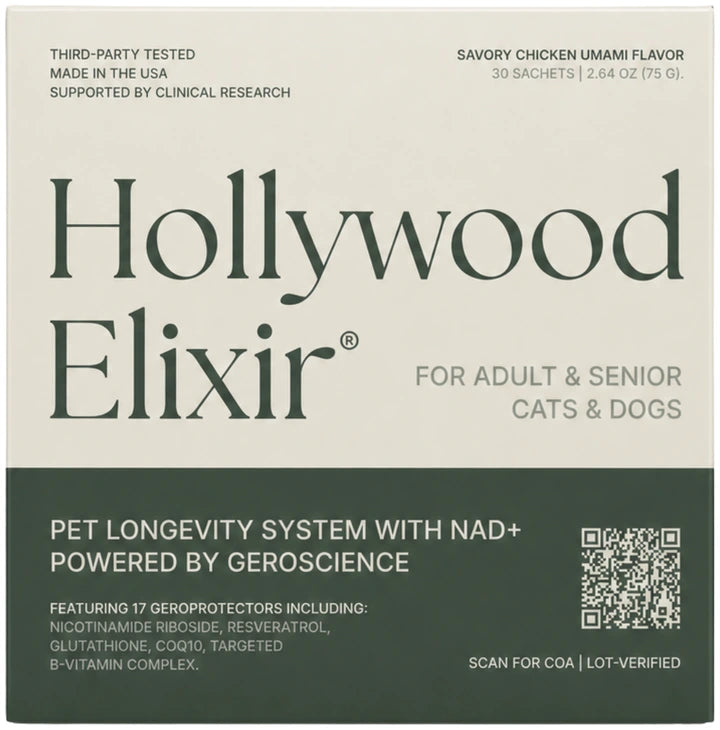
Hollywood Elixir is our daily supplement for adult and senior dogs, made to the LPL-01 standard with every active ingredient at a visible amount. It never replaces your veterinarian — it sits alongside the routine on this page.
Starting at $63/month · cancel anytime
Shop Hollywood ElixirWhen to Call the Vet
Split urgent signs from trends that deserve a scheduled veterinary conversation.
Go urgently
- Collapse, fainting-like weakness, blue-gray or pale gums, labored breathing, or a cough episode with distress.
- Severe injury after a fall, sudden inability to walk, seizure clusters, suspected toxin exposure, or severe pain.
- Repeated vomiting or diarrhea with weakness, straining without urine, uncontrolled bleeding, or rapid decline.
Schedule promptly
- Bad breath, drooling, dropped food, red gums, face rubbing, or new refusal of hard food.
- Honking cough, nighttime cough, cough after excitement, or cough linked to neck pressure.
- Skipped steps, reluctance to jump, slipping, trembling when lifted, or lower stamina.
- New murmur history, faster breathing at rest, fainting-like episodes, thirst change, or weight change.
- Eye redness, cloudiness, anxiety, hiding, warmth seeking, sleep disruption, or reduced social interest.
The 90-Day Support Routine
Ninety days of small, repeatable habits make subtle changes visible — and give any new routine a fair test.
- Week one: photograph teeth and gums, record a normal cough-free sleep, note stair and furniture access, and weigh the dog on a scale that can show small changes.
- Week one: agree on collar or harness rules, safe lifting, bed height, and which furniture needs a ramp, step, or no-jump rule.
- Weekly: check breath, chewing, cough triggers, knee skips, eye comfort, rib feel, and whether the dog is avoiding a usual warm spot or person.
- Monthly: repeat weight, mouth photos, gait video, resting breathing note, thirst, appetite, sleep, and any fainting-like or cough episodes.
- Day 90: review dental timing, cough or heart workup needs, knee pain, weight target, and household safety with your veterinarian.
Tools for Tracking Comfort and Aging
Use these when a life-stage, body-condition, or quality-of-life question needs more structure.
Dog Quality of Life Scale
Use when appetite remains good but mouth, cough, fainting, or mobility signs make comfort unclear.
ToolDog Biological Age Calculator
Frame a very long-lived toy dog before changes feel too gradual to name.
ToolDog Body Condition Calculator
Tiny weight changes are easier to discuss when body condition is written down.
Frequently Asked Questions
Short answers to the questions owners ask most.
What is the average Chihuahua life expectancy?
A practical planning range is 14-16 years. Some live longer, but dental disease, heart disease, injuries, body condition, airway signs, and veterinary care still matter.
Can a Chihuahua live to 20?
Some Chihuahuas do reach very old ages. Planning should still focus on mouth comfort, breathing, heart signs, mobility, warmth, and injury prevention rather than the record age.
Is 12 old for a Chihuahua?
Twelve is a sensible senior-planning age. It should mean better dental, heart, cough, pain, bloodwork, and home-safety review, not automatic alarm.
Why does my Chihuahua have bad breath?
Bad breath commonly points to dental disease, and eating normally does not rule out mouth pain. A dental exam is worth scheduling.
What does a honking cough in a Chihuahua mean?
It can fit tracheal irritation or collapse, but heart and lung causes can overlap. Distress, blue-gray gums, or collapse is urgent.
Do Chihuahuas get heart disease?
They can develop murmurs and mitral valve disease. Cough, fainting-like weakness, faster resting breathing, or exercise intolerance should be discussed.
Why does my Chihuahua skip on a back leg?
Intermittent hopping can suggest patellar luxation or pain. Video the episode and ask whether activity, weight, or pain care should change.
How often should a senior Chihuahua see the vet?
Twice yearly is a useful default once senior planning starts, with dental, heart, cough, pain, bloodwork, and weight review individualized.
Does weight matter for a Chihuahua?
Yes. Small gains affect knees, airway, heart workload, and safe movement. Use body condition and a precise scale rather than guessing by sight.
What should I bring to a Chihuahua senior visit?
Bring dental photos, cough videos, weight records, diet and treats, medications, gait clips, murmur history, thirst notes, and any fainting timeline.
Can a Chihuahua be old but still need exercise?
Yes. Gentle movement protects muscle, weight, joints, sleep, and confidence, but the plan should respect cough, heart signs, weather, and injury risk.
Is Hollywood Elixir something my Chihuahua needs?
No supplement is a need. Hollywood Elixir is La Petite Labs daily supplement for adult and senior dogs, and it is not a treatment for problems on this page.
A note from La Petite Labs
Hollywood Elixir is La Petite Labs' daily supplement for adult and senior dogs. It is not a treatment for anything on this page, and it never replaces your veterinarian.

Why Pampered belongs in a Chihuahua 90-day plan
Pampered is La Petite Labs' complete daily system, with a recommended 90-day starting window. Use it alongside the page's photographing teeth and gums, record a normal cough-free sleep, note stair and furniture access, and weigh the dog; for Chihuahua, the daily record should keep circling back to dental, airway, knees, and heart before the fit check.
Explore the Pampered™ System →