Bernese Mountain Dog lifespan and senior care
How Long Do Bernese Mountain Dogs Live?
7–10Years, typical
Bernese Mountain Dog lifespan planning starts early because cancer risk, joints, bloat awareness, heat, kidney signs, and weight compress the timeline.
- Start watching at
- From 3-4 years
- Senior age
- Around 5-6 years
- Typical lifespan
- 7-10 years
A practical planning range from breed guidance and longevity research, not a prediction for one Berner.
Quick Answers for Pet Parents
Direct answers to the questions people ask when they are trying to plan care.
How long do Bernese Mountain Dogs live?
Many Bernese Mountain Dogs live about 7 to 10 years. Use 7-10 years as a planning range, not a guarantee for one dog.
When is a Bernese Mountain Dog considered senior?
Around 5-6 years is a practical senior-planning window, with baseline tracking starting from 3-4 years.
What health problems are Bernese Mountain Dogs prone to?
Bernese Mountain Dog health problems to discuss include histiocytic sarcoma, hip dysplasia, gdv awareness, urine, warm-weather limits, plus anything already in the dog's record.
What most affects a Bernese Mountain Dog's healthspan?
Cancer, joints, bloat, and a written baseline make the biggest practical difference for many families.
What early aging signs matter in a Bernese Mountain Dog?
Watch weight and waist, gait, appetite, breathing, sleep, dental comfort, and compare every change with your own dog's normal pattern.
Lifespan at a Glance
The short answer with the context a careful pet parent needs.
| Typical lifespan | Bernese Mountain Dog lifespan planning usually starts with 7-10 years, then adjusts for this dog's size, line, and health history. |
|---|---|
| Strongest evidence | Berner lifespan planning starts with cancer awareness, histiocytic sarcoma risk, hip dysplasia and elbow dysplasia context, bloat, heat, kidney signs, and quality-of-life honesty. |
| Senior planning | Around 5-6 years; start earlier if cancer, chronic pain, weight change, or a diagnosed condition is already present. |
| Earlier watchpoint | From 3-4 years; begin tracking weight and waist, gait, appetite, breathing, sleep. |
| Biggest owner lever | cancer, joints, bloat, and a written baseline. |
| Escalate instead | Call sooner when this Berner shows a repeated or worsening pattern involving cancer, joints, bloat. |

You can’t add sand to the glass. You can change what happens while it falls.
7-10 years is the range. What fills those years — lean condition, easy movement, steady digestion, good sleep — is built one ordinary day at a time.
Start the daily system → Starting at $63/month
If your Bernese Mountain Dog is only four and already slower in warm weather, carrying a new lump under the coat, stiff after a walk, drinking more, or retreating from family activity, the lifespan question can feel unfairly early. For Berners, early is often exactly when the plan should start.
Here is the direct answer first: most Bernese Mountain Dogs live about 7 to 10 years. Some live longer, but the breed's planning horizon is shorter than many families expect. Cancer risk, especially histiocytic sarcoma discussions, orthopedic comfort, GDV awareness, kidney and immune signs, heat limits, body condition, and honest quality-of-life review all matter early.
The kindness of the breed can hide the seriousness of the timeline. A Berner may keep leaning into the family while pain, heat, cancer, or fatigue is already changing daily life. The owner's job is not to be gloomy; it is to avoid wasting the window when a change could still be investigated.
If You Only Have Five Minutes
- Plan around 7 to 10 years, and begin mature-adult health tracking around the age when many breeds still seem young.
- New lumps, unexplained weight loss, persistent lameness, lower stamina, feverish episodes, or vague decline deserves prompt veterinary attention.
- Hips, elbows, cruciate injuries, arthritis, and muscle loss can shorten comfort even when the dog still wants to be near the family.
- A swollen painful abdomen, unproductive retching, pale gums, weakness, or collapse is a GDV emergency.
- Heat and heavy coat matter. Warm-weather fatigue can be a real welfare issue, not a laziness problem.
- Bring lump photos, weight trend, gait videos, heat notes, thirst or urine changes, and screening records to the veterinarian.
The dog quality of life scale is worth using earlier in this breed than many owners expect. The dog body condition calculator helps separate healthy substance from avoidable joint load.
Why Lifespan Numbers for Bernese Mountain Dogs Don't Agree
Berner lifespan estimates differ because breed profiles, studies, and family stories all handle cancer and early death differently. A family may know a Bernese Mountain Dog who reached 12, while research and breed-health resources keep pointing back to a shorter average life.
The range should be read with honesty. A 7 to 10 year planning band means middle age is not a warm-up period; it is the time to map lumps, protect joints, discuss bloat, watch heat, and take vague malaise seriously.
The dog lifespan methodology explains why ranges are not personal predictions. For Berners, the number also carries an emotional instruction: act on changes while choices are still open.
The useful ending is not despair. It is speed, tenderness, and records: what changed, where the lump is, how the dog moved last month, how recovery looks in heat, and whether joy still has room.
What Shapes a Bernese Mountain Dog's Healthspan
Bernese Mountain Dog healthspan is shaped by cancer vigilance, orthopedic comfort, bloat awareness, kidney and immune signs, heat management, body condition, and quality-of-life honesty.
Histiocytic sarcoma, lumps, and unexplained decline
Cancer belongs near the top of the Berner conversation. Histiocytic sarcoma is a breed-relevant concern, and owners should take new lumps, persistent lameness, unexplained weight loss, lethargy, coughing, swelling, feverish episodes, or sudden decline seriously.
Map lumps under the coat with dates and photos. Ask which masses should be sampled or imaged instead of waiting to see whether they grow.
Hip dysplasia, elbow dysplasia, cruciates, and arthritis
Large size makes orthopedic comfort central. Hip dysplasia, elbow disease, cruciate injury, and arthritis can turn ordinary rising, stairs, car loading, and walks into work.
A Berner may still be affectionate and willing while moving poorly. Watch the first steps after rest, rear muscle, nail wear, slipping, and willingness to choose the usual route.
GDV awareness
Deep-chested emergency planning matters. Unproductive retching, painful abdominal swelling, drooling, restlessness, pale gums, weakness, or collapse should be treated as an emergency.
Discuss meal timing, exercise timing, eating speed, gastropexy questions, and emergency-hospital access before the dog has signs. A calm plan is built on an ordinary day.
Urine, thirst, and subtle malaise
Kidney, immune, and systemic illness may first look vague: more thirst, larger urine volume, accidents, poor appetite, weight loss, fever, low energy, or a dog who seems not quite himself.
Do not let a gentle temperament blur the picture. Write down thirst, appetite, urine, temperature if measured, and behavior changes with dates.
Warm-weather limits
A thick-coated mountain dog can struggle in heat and humidity. Shorter walks, heavy panting, seeking cool floors, slow recovery, or avoiding activity on warm days should guide the schedule.
Cooling strategies, shade, water, and sensible exercise timing are comfort care. Heat fatigue should not be framed as stubbornness.
Shorter timeline, deeper honesty
Because the breed's average lifespan is shorter, quality-of-life conversations should happen before everyone is exhausted. Pain control, mobility aids, diagnostic choices, and end-of-life planning are kinder when they are not first discussed in crisis.
At home, the Berner plan is a monthly hands-through-the-coat lump check, weight and muscle note, gait video, heat-recovery note, thirst and urine watch, and a willingness to book vague decline promptly.
Because the coat is thick, use a repeatable route with both hands: head and jaw, neck and shoulders, chest, ribs, belly, armpits, groin, limbs, toes, tail base, and along the spine. Write down not only masses but also heat, swelling, soreness, or a place the dog does not want touched. A lump hidden under fur can be old news by the time it is visible.
The same monthly pass should include a family question: what has this dog stopped volunteering? Berners often stay gentle while choosing less. Less greeting, less climbing into the car, less interest in cool-weather walks, or less appetite for breakfast may be the first sign that pain, cancer, kidney trouble, or heat burden is narrowing the day.
If you are unsure whether to call, call. This is the breed where "too vague to explain" is still a legitimate reason to ask for help.
Keep one joyful baseline as well. Note the greeting, the walk, the cool-weather outing, or the family routine that still makes the dog brighten. When illness later blurs the picture, that remembered normal helps the family judge whether treatment is preserving the Berner's actual life or only extending the calendar.
That baseline should be specific, not sentimental.
What Aging Looks Like in a Bernese Mountain Dog
Bernese Mountain Dog aging may look early: slower rising, shorter warm-weather walks, reluctance to load into the car, stiffness after rest, new lumps under the coat, weight loss, reduced appetite, more thirst, larger urine clumps or accidents, coughing, less greeting, or a dog who stays close but plays less.
Ask the hard questions:
- Is there a new lump, swelling, or persistent sore area?
- Is lameness repeating or linked to one limb?
- Is weight changing without a clear diet explanation?
- Does heat recovery look worse than last season?
- Are thirst, urine, appetite, or energy changing together?
- Is family engagement still active, or is the dog mostly seeking rest?
Normal aging can slow a giant-hearted dog. It should not explain unexplained decline, persistent pain, fast-growing masses, bloat signs, collapse, or heat distress.
When to Call a Veterinarian
Go now for suspected GDV, collapse, labored breathing, pale or blue-gray gums, severe pain, heat distress, sudden inability to walk, repeated vomiting with weakness, seizure clusters, uncontrolled bleeding, or rapid decline.
Book promptly for new lumps, persistent lameness, unexplained weight loss, lower stamina, cough, feverish behavior, appetite change, increased thirst, urinary changes, heat intolerance, dental odor, stiffness, or any decline that feels too vague to name.
Bring lump photos, a body map, weight trend, gait videos, diet details, heat notes, thirst and urine records, screening documents, medications, and supplements. The dog biological age calculator can frame life stage, but the Berner timeline means comfort conversations should start sooner rather than later.
How Bernese Mountain Dogs Compare With Similar Breeds
Bernese Mountain Dogs share bloat and orthopedic planning with Great Danes and Cane Corsos, but cancer risk and the shorter expected range put a different emotional weight on the page. Rottweilers overlap on cancer and joints. Golden Retrievers also bring cancer awareness, with a longer typical range and different ear, skin, and appetite patterns.
The dog lifespan by breed hub can place Berners beside other breeds numerically. This page's comparison is more practical: a Berner family should move faster on lumps, lameness, heat fatigue, and vague decline than they might for a breed with a longer average runway.
Questions for Your Breeder, Rescue, or Veterinarian
For a breeder or rescue:
- What histiocytic sarcoma, other cancer, age at death, and cause-of-death history is known in close relatives?
- What hip, elbow, eye, cardiac, and other screening records are available?
- Have relatives had GDV, cruciate injury, kidney disease, immune disease, heat intolerance, or early unexplained decline?
- What weight, diet, exercise, coat, and heat-management habits have worked for this dog or line?
For your veterinarian:
- Which lumps should be sampled, and how should we map the rest under the coat?
- What orthopedic and pain plan fits this dog's age and size?
- Should we discuss GDV prevention or emergency planning?
- What thirst, urine, fever, appetite, or weight pattern would prompt bloodwork or imaging?
- How often should we review quality of life, mobility, pain control, and end-of-life thresholds?
For a Berner with unknown history, build the baseline immediately: lump map, gait video, weight and muscle note, heat tolerance, thirst, urine, appetite, and the family activities that still bring joy.
Sources
- American Kennel Club. Bernese Mountain Dog breed information. https://www.akc.org/dog-breeds/bernese-mountain-dog/
- McMillan KM, Bielby J, Williams CL, Upjohn MM, Casey RA, Christley RM. Longevity of companion dog breeds: those at risk from early death. Scientific Reports. https://www.nature.com/articles/s41598-023-50458-w
- Teng KT, Brodbelt DC, Church DB, O'Neill DG, et al. Life tables of annual life expectancy and mortality for companion dogs in the United Kingdom. Scientific Reports. https://www.nature.com/articles/s41598-022-10341-6
- Creevy KE, Grady J, Little SE, et al. 2019 AAHA Canine Life Stage Guidelines. https://www.aaha.org/wp-content/uploads/globalassets/02-guidelines/canine-life-stage-2019/2019-aaha-canine-life-stage-guidelines-final.pdf
- AKC Canine Health Foundation. Bloat / Gastric Dilatation-Volvulus. https://www.akcchf.org/canine-health/your-dogs-health/disease-information/bloat.html
- Erich SA, Rutteman GR, Teske E. Causes of death and the impact of histiocytic sarcoma on life expectancy in Bernese Mountain Dogs. The Veterinary Journal. https://pubmed.ncbi.nlm.nih.gov/23206672/
- Bernese Mountain Dog Club of America. Health. https://bmdca.org/health/
- Orthopedic Foundation for Animals. CHIC Program breed health screening information. https://ofa.org/chic-programs/browse-by-breed/
Healthspan by Life Stage
Know what to track before senior age, not only after decline appears.
Build the record
Collect breeder, rescue, vaccine, screening, diet, growth, behavior, and early veterinary records before the adult routine scatters them.
Protect the baseline
Keep lean condition, train handling, record any breed-specific screening, and learn what normal breathing, gait, appetite, and recovery look like.
Start the dashboard
Track weight and waist, gait, appetite, breathing, sleep, dental comfort monthly so senior changes are compared with evidence, not memory.
Add structure
Use twice-yearly veterinary conversations, pain review, dental review, body-condition targets, and any breed-specific screening your dog needs.
Protect comfort
Judge days by breathing, movement, sleep, pain, toileting, appetite, and joy; a familiar routine should still feel safe and kind.
Breed Health Map
The main breed-specific topics that can shape lifespan, comfort, and quality of life.
Histiocytic sarcoma, lumps, and unexplained decline
For Bernese Mountain Dogs, this topic belongs on the healthspan map. Track the related Berner pattern with dates, photos, or short videos, then ask your veterinarian when it repeats.
Hip dysplasia, elbow dysplasia, cruciates, and arthritis
For Bernese Mountain Dogs, this topic belongs on the healthspan map. Track the related Berner pattern with dates, photos, or short videos, then ask your veterinarian when it repeats.
GDV awareness
For Bernese Mountain Dogs, this topic belongs on the healthspan map. Track the related Berner pattern with dates, photos, or short videos, then ask your veterinarian when it repeats.
Urine, thirst, and subtle malaise
For Bernese Mountain Dogs, this topic belongs on the healthspan map. Track the related Berner pattern with dates, photos, or short videos, then ask your veterinarian when it repeats.
Warm-weather limits
For Bernese Mountain Dogs, this topic belongs on the healthspan map. Track the related Berner pattern with dates, photos, or short videos, then ask your veterinarian when it repeats.
Shorter timeline, deeper honesty
For Bernese Mountain Dogs, this topic belongs on the healthspan map. Track the related Berner pattern with dates, photos, or short videos, then ask your veterinarian when it repeats.

One serving a day, built for aging dogs
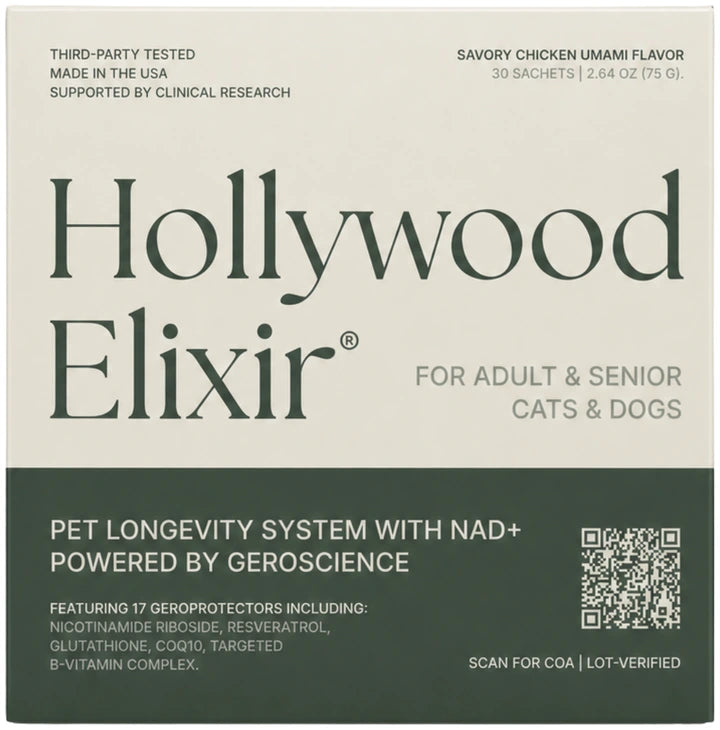
Hollywood Elixir is our daily supplement for adult and senior dogs, made to the LPL-01 standard with every active ingredient at a visible amount. It never replaces your veterinarian — it sits alongside the routine on this page.
Starting at $63/month · cancel anytime
Shop Hollywood ElixirWhen to Call the Vet
Split urgent signs from trends that deserve a scheduled veterinary conversation.
Go urgently
- Collapse, labored breathing, blue-gray or pale gums, seizure, severe weakness, uncontrolled bleeding, or rapid decline.
- Sudden severe pain, inability to walk normally, repeated vomiting with weakness, or suspected toxin exposure.
- Any breed-specific emergency sign on this page that appears suddenly or escalates quickly.
Schedule promptly
- Weight gain or loss, appetite change, thirst change, or a pattern that lasts more than a few days.
- Limping, stiffness, slipping, changed stairs, changed jumping, or slower recovery after normal activity.
- Coughing, breathing noise, sleep disruption, anxiety, fainting-like episodes, or fatigue.
- Bad breath, food dropping, eye redness, ear odor, skin irritation, or grooming pain.
- New lumps, urinary changes, stool changes, hiding, clinginess, or reduced interest in familiar routines.
The 90-Day Support Routine
Ninety days of small, repeatable habits make subtle changes visible — and give any new routine a fair test.
- Week one: record weight, body condition, gait, appetite, thirst, breathing, sleep, teeth, skin or coat, and normal Berner behavior.
- Week one: gather breeder, rescue, screening, medication, diet, and veterinary records so the Berner baseline is easy to review.
- Weekly: check mouth, movement, breathing, skin or coat, eyes, ears, and whether the dog is avoiding any familiar activity.
- Monthly: repeat body condition, gait video, appetite, thirst, sleep, recovery, and any breed-specific issue that appeared during the month.
- Day 90: review the trend with your veterinarian and adjust screening, dental timing, pain care, diet, weight target, or home setup.
Tools for Tracking Comfort and Aging
Use these when a life-stage, body-condition, or quality-of-life question needs more structure.
Dog Quality of Life Scale
Use when Berner comfort, sleep, appetite, movement, or joy is getting harder to judge.
ToolDog Biological Age Calculator
Frame Bernese Mountain Dog senior timing before the first serious decline.
ToolDog Body Condition Calculator
Turn Berner weight and rib-feel questions into a clearer veterinary conversation.
Frequently Asked Questions
Short answers to the questions owners ask most.
What is the average Bernese Mountain Dog life expectancy?
A practical planning range is 7-10 years. Use that as a planning band, not a promise for one Berner; size, family history, body condition, accidents, and veterinary care still move the outcome.
Can a Bernese Mountain Dog live longer than 10?
Some do. The useful goal is protecting comfort, mobility, appetite, sleep, breathing, and engagement for whatever years this Berner has.
Is 5-6 old for a Bernese Mountain Dog?
Around 5-6 years is a sensible senior-planning window for many Bernese Mountain Dogs. It is the right time for better records, not a reason to panic.
What health problems are most important for Bernese Mountain Dogs?
Bernese Mountain Dog health problems to discuss include histiocytic sarcoma, hip dysplasia, gdv awareness, urine, warm-weather limits, plus any issue already present in your dog's own history.
What signs mean my Berner should see a vet soon?
Book a visit for trends: weight change, appetite or thirst change, repeated pain, changed gait, new lumps, breathing changes, dental discomfort, disrupted sleep, or behavior that no longer fits your dog.
What Berner signs are urgent?
Go urgently for collapse, labored breathing, blue-gray or pale gums, severe pain, seizure clusters, uncontrolled bleeding, rapid decline, or any breed-specific emergency sign listed above.
How often should a senior Bernese Mountain Dog see the vet?
Twice yearly is a useful default once senior planning starts, with bloodwork, pain review, dental review, and any breed-specific screening adjusted to this dog's history.
How do I track quality of life for an older Berner?
Track rising, walking, breathing, sleep, pain, appetite, toileting, anxiety, and joy in familiar routines. A quality-of-life scale helps when memory gets emotional.
Does weight matter for Bernese Mountain Dogs?
Yes. Lean body condition gives joints, breathing, heat tolerance, and stamina more margin. Ask your veterinarian for a body-condition target instead of relying on breed averages.
What should I ask a breeder or rescue about Bernese Mountain Dog lifespan?
Ask about parent ages, causes of death in relatives, health screening, chronic conditions, medications, diet, behavior, and what records will come with the dog.
What should I bring to a Berner senior-care visit?
Bring Berner weight history, diet and treat details, medications, supplements, videos, photos, screening records, and a dated timeline of what changed when.
Can home care replace veterinary screening for this Berner?
No. Home notes make veterinary care better, but they do not replace exams, diagnostics, pain control, emergency care, or breed-specific screening.
How should I think about end-of-life decisions for this Bernese Mountain Dog?
Use comfort, breathing, mobility, sleep, pain, toileting, appetite, and joy together. The right question is whether life still feels safe and kind for this individual dog.
Should I wait for dramatic signs before booking care?
No. This breed's best chance at comfortable senior years comes from acting on trends while the dog still has options.
A note from La Petite Labs
Hollywood Elixir is La Petite Labs' daily supplement for adult and senior dogs. It is not a treatment for anything on this page, and it never replaces your veterinarian.

Why Pampered for a Bernese Mountain Dog household
Pampered is La Petite Labs' complete daily system, with a recommended 90-day starting window. Pampered can share the same 90-day track as this guide's recording weight, body condition, gait, appetite, thirst, breathing, sleep, teeth, skin or coat, and normal Berner behavior, with cancer, joints, bloat, and kidney and immune used as the Bernese Mountain Dog watch list.
Explore the Pampered™ System →