Vitamin-based Antioxidants for Dogs

See How Vitamins C and E Blunt Oxidative Stress and Protect Aging Tissues

Essential Summary

Why are vitamin-based antioxidants for dogs important?

Vitamin-based antioxidants for dogs can be a sensible addition when diet, age, or lifestyle increases oxidative wear. The most reliable approach is modest and contextual: avoid stacking fortified products, prioritize quality, and choose support that strengthens the broader resilience network rather than chasing high-dose single vitamins.

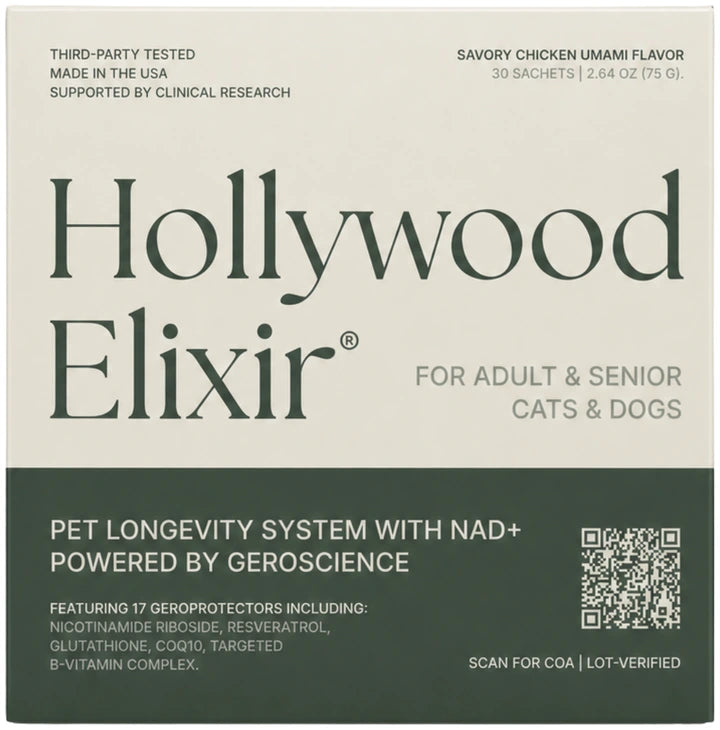
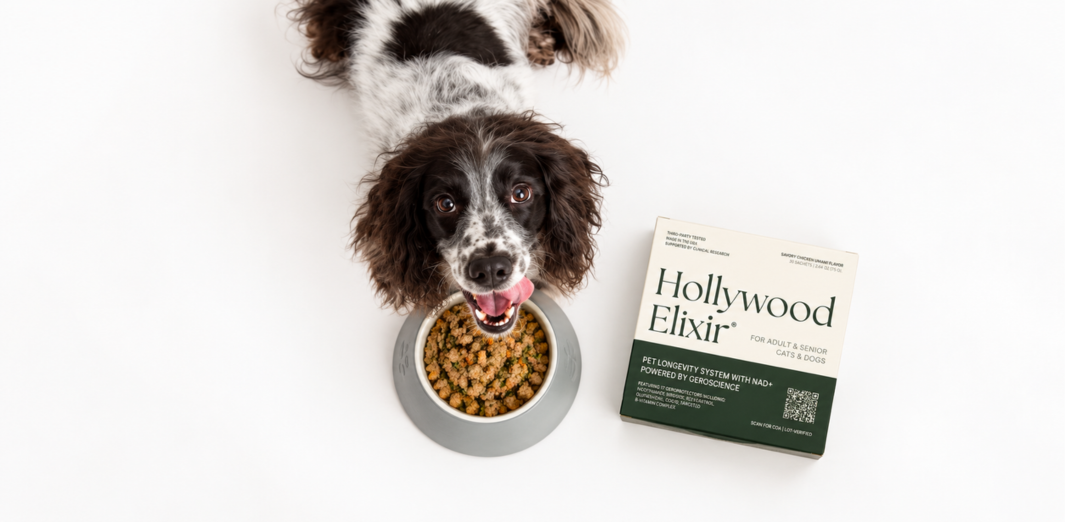
Hollywood Elixir™ is designed as system-level support for graceful aging—helping reinforce the metabolic network that underpins antioxidant balance, recovery, and everyday vitality, rather than acting as a single-vitamin replacement.

Most people arrive at vitamin-based antioxidants for dogs with a quiet hope: that a small daily choice can add up to something lasting—more ease in the mornings, steadier energy, a little less “wear” showing through. It’s a reasonable instinct. Oxidative stress is part of normal life, and antioxidant systems are part of how the body keeps that wear from becoming the whole story.

Still, the supplement aisle can make the topic feel simpler than it is. Vitamins C and E are real antioxidant nutrients, but their impact depends on the dog’s baseline diet, absorption, and the broader network of compounds that recycle and balance antioxidants. Plant ingredients and phytonutrients can also contribute meaningfully, and the way ingredients are sourced and processed can change what a dog actually absorbs.

There’s also a practical tension: if a complete diet already contains vitamins, why add anything? The answer is not to “out-vitamin” the food. It’s to support the system that manages oxidative wear across a life—recovery, cellular upkeep, and metabolic steadiness—especially when age, activity, or a narrow diet increases demand. That’s why a system-level product can remain relevant even for careful, science-minded owners: it’s not a single-nutrient replacement; it’s broader support designed to fit daily life.

By La Petite Labs Editorial, ~15 min read

Featured Product:

  • Vitamin-based antioxidants for dogs are best viewed as part of a wider resilience system, not a one-ingredient solution.
  • Vitamins C and E can support oxidative balance, while B vitamins often support the cellular “recycling” that keeps defenses working.
  • Diet quality and ingredient processing influence what’s absorbed, so labels don’t always predict results.
  • Active dogs may have higher oxidative demand; companion dogs often benefit most from steady, low-friction support.
  • Safety is largely about avoiding overlap: stacking multivitamins, chews, and fortified foods can push totals too high.
  • “Best” usually means tolerable, transparent, and aligned with your dog’s age, diet, and daily stress load.
  • A system-level product can still make sense even with a good diet, because it supports the network that manages oxidative wear over time.

A Quiet Look at Antioxidant Vitamins and Canine Resilience over Time

Antioxidants are often discussed as if they’re a single switch you can flip. In real dogs, they’re more like a quiet maintenance crew: vitamins, plant compounds, enzymes, and repair systems working in parallel, then handing off to one another. Vitamin-based antioxidants for dogs usually refers to nutrients such as vitamins C and E, plus B vitamins that support the broader cellular “recycling” of antioxidants rather than acting as classic scavengers (see: The Best Antioxidant Supplements for Dogs).

That distinction matters because a supplement can add ingredients, but it can’t automatically guarantee the outcome you want. Even well-intended vitamin-mineral products may fall short of minimum recommendations, and they can carry avoidable risks when quality control is weak (RVA, 2021). The goal is not to chase the biggest label claim; it’s to choose support that fits your dog’s diet, age, and stress load.

Energy production graphic tied to antioxidant protection supported by vitamin-based antioxidants supplements for dogs.

Oxidative Wear in Everyday Life: Why Antioxidants Enter the Conversation

Oxidative stress is a normal byproduct of living—breathing, moving, digesting, and responding to the world. The body counters it with antioxidants and repair processes. In dogs, those defenses come from diet, internal production, and a web of nutrients that keep antioxidant systems “recharged.” That’s why the phrase vitamin-based antioxidants for dogs can be both useful and misleading: vitamins matter, but they’re rarely the whole story.

When owners search for the best vitamin-based antioxidants for dogs, they’re often looking for something calmer than a promise and more concrete than a theory: a way to support healthy aging, recovery, and everyday vitality. The most credible approach is to treat vitamins as part of a broader metabolic network, not as a stand-alone fix.

Close-up DNA helix tied to cellular integrity and support from best vitamin-based antioxidants for dogs.

Why Outcomes Vary: Antioxidants Are Not a Single On-off Switch

It’s tempting to treat antioxidants like a shield. But biology is more selective. Antioxidants can neutralize reactive compounds, and they also participate in signaling that helps cells adapt. Too little support can leave a dog feeling “worn,” while too much of the wrong thing can be counterproductive. The effectiveness of antioxidants in dogs varies based on dietary sources and overall context (Heaton PR, 2002).

That variability is why a supplement decision should start with the basics: a complete diet, stable routines, and a clear reason for adding something. If the reason is vague—“just in case”—a simpler, system-focused product is often a better fit than a high-dose, single-nutrient approach.

Bioactive protein structure illustrating synergy in wellness supported by vitamin-based antioxidants supplements for dogs.

Lifestyle Fit: Matching Support to Your Dog’s Real Stress Load

A practical way to think about antioxidant support is to ask what’s driving demand. For some dogs it’s age; for others it’s intense activity, environmental stressors, or a narrow diet. In endurance settings, antioxidant supplementation has been associated with improved resistance to oxidative stress during extended physical activity (Baskin CR, 2000).

Most companion dogs live somewhere in the middle: not sedentary, not elite athletes. For them, the best vitamin-based antioxidants for dogs supplements tend to be those that support recovery and cellular upkeep without pushing extremes. Think consistency, not intensity.

Expressive pug face reflecting gentle aging support associated with vitamin-based antioxidants for dogs.

Beyond Vitamins: the Often-missed Role of Phytonutrients in Diets
Not all “antioxidant” benefits come from vitamins. Many diets that test higher in antioxidant activity do so because of plant compounds—flavonoids, carotenoids, and other phytonutrients that work alongside vitamins (Tanprasertsuk J, 2022). This matters because owners sometimes buy a vitamin-only product expecting the same effect as a food-forward approach.

If you’re choosing vitamin-based antioxidants for dogs, it’s worth asking whether the formula acknowledges that bigger picture. A well-designed product doesn’t just sprinkle in vitamins; it supports the broader system that keeps antioxidant defenses functioning across a lifetime.

Hollywood Elixir™ is amazing and makes my 13 y/o young again!

— Jessie

We go on runs. Lately he's been keeping up with no problem!

— Cami

“The best choices support the whole resilience network, not a single vitamin headline.”

Absorption and Stability: Why Formulation Details Quietly Matter

Quality is the quiet differentiator. Two products can share the same front-label claims and behave very differently in the body. Processing, storage, and ingredient form influence stability and absorption, and bioavailability can vary depending on source and manufacturing choices.

For owners comparing vitamin-based antioxidants supplements for dogs, the most meaningful signals are often unglamorous: transparent labeling, sensible serving sizes, and a formulation that doesn’t force you to stack multiple products to feel “covered.”

Neutral-tone dog photo highlighting attentive expression supported by best vitamin-based antioxidants for dogs.

What to Expect: Timelines, Subtle Signals, and Realistic Goals

Results timelines are usually subtle. Antioxidant support is more like improving the background conditions for resilience than flipping a visible switch. In research settings, antioxidant supplementation has been associated with reduced muscle damage and improved recovery markers in exercising sled dogs, but outcomes depend on formulation and dose (Piercy RJ, 2000).

In a home setting, owners often notice changes indirectly: steadier energy, easier post-activity recovery, or a coat that looks a bit more “settled.” If you’re not seeing anything after a reasonable trial, it may be a sign to simplify rather than escalate.

Profile shot of a dog showing attentive expression supported by vitamin-based antioxidants supplement for dogs.

Supplement Honesty: Limits, Variability, and Smarter Simplicity

The supplement aisle can make it feel like every dog needs a long list of add-ons. But vitamin-mineral supplements are not automatically effective, and their efficacy is not guaranteed simply because they contain antioxidant vitamins. A careful owner can hold two ideas at once: nutrients matter, and products vary.

A good decision framework is to reduce overlap. If your dog eats a complete food, avoid layering multiple fortified chews and multivitamins. Choose one approach, track how your dog does, and keep your veterinarian in the loop—especially if your dog has medical conditions or takes medications.

Visual ingredient map showing formulation transparency connected to vitamin-based antioxidants for dogs supplements.

Defining “Best Options” with a Calm, Practical Decision Lens

So what counts as “best”? For most households, the best vitamin-based antioxidants for dogs is the option that is consistent, tolerable, and designed to support the whole aging-and-recovery picture. That means respecting the dog’s baseline diet, avoiding excessive stacking, and choosing a formula that fits daily life.

If you’re deciding between a classic vitamin blend and a more system-oriented product, consider what you’re really buying: not a single nutrient, but a way to support the metabolic network that keeps antioxidant defenses working when life gets busy—long walks, seasonal changes, or simply the passage of years.

Comparing Labels: What “Best” Really Means for Daily Support

If you’re comparing vitamin-based antioxidants for dogs best options, it helps to separate “antioxidant ingredients” from “antioxidant capacity.” A formula can list vitamin C and vitamin E, yet still be poorly absorbed, unstable, or mismatched to the dog’s overall diet. Ingredient source and processing influence bioavailability, especially for plant-derived compounds that often travel with vitamins in real foods (Tanprasertsuk J, 2022).

Look for clarity: named forms, transparent amounts, and a rationale that goes beyond a single nutrient. The best vitamin-based antioxidants supplement for dogs is usually the one that complements what’s already working—complete diet, healthy weight, consistent activity—while supporting the network that keeps oxidative wear from accumulating over time.

“In antioxidant support, overlap is the hidden risk: stacking matters more than most owners realize.”

Close-up clinical uniform showing research-driven formulation behind vitamin-based antioxidants for dogs supplements.

Aging, Recovery, and the Subtle Role of Antioxidant Nutrition

Aging is where antioxidant conversations get personal. Owners notice small changes first: longer warm-ups, slower recovery, less interest in long games. Oxidative stress is only one piece of that picture, but it’s a meaningful one because it intersects with cellular repair, immune tone, and tissue resilience. Dietary antioxidants have been associated with protection against DNA damage in adult dogs, though results can vary by source and context (Heaton PR, 2002).

This is also where “more” can become the wrong instinct. The best vitamin-based antioxidants for dogs are not necessarily the highest-dose products; they’re the ones that respect the dog’s baseline nutrition and focus on steady, system-level support rather than dramatic short-term effects.

Shop Now
Supplement box with ingredient spread showing care behind best vitamin-based antioxidants for dogs supplements.

Activity Levels and Oxidative Demand: When Support Becomes Relevant

Exercise is a straightforward way to understand oxidative stress: more oxygen use, more byproducts to manage. In working and endurance dogs, dietary antioxidant supplementation has been shown to reduce markers of oxidative damage during prolonged activity (Baskin CR, 2000). That doesn’t mean every pet needs an “athlete stack,” but it does suggest that lifestyle matters when you’re deciding whether vitamin-based antioxidants supplements for dogs are worth considering.

For the average companion dog, the question is often recovery and consistency—how your dog feels the day after a hike, or after a week of higher activity. If you’re using a supplement, aim for one that supports resilience without turning meals into a chemistry project.

Shop Now
Pet owner displaying product as part of daily care supported by vitamin-based antioxidants supplements for dogs.

Vitamin C in Dogs: Useful Context Without Overstating the Need

Vitamin C is often treated as the headline antioxidant, but dogs can synthesize it internally. That’s one reason outcomes from a vitamin-based antioxidants supplement for dogs can feel inconsistent: the dog’s own production, diet quality, and stress level all shape the “need.” The more useful framing is that vitamin C participates in a broader redox cycle—helping other antioxidants return to active form—rather than acting alone.

If you’re considering vitamin C, think in terms of balance and tolerance. Sensitive stomachs, multi-supplement stacking, and highly fortified foods can make even gentle additions feel like too much. When in doubt, a veterinarian can help you decide whether a targeted vitamin makes sense or whether broader metabolic support is the cleaner choice.

Shop Now

Vitamin E Considerations: Fat-soluble Benefits and Sensible Caution

Vitamin E is a classic fat-soluble antioxidant, which makes it both valuable and easy to overdo if you’re layering products. Because it lives in lipid environments, it’s often discussed in the context of skin, coat, and cellular membranes. But fat-soluble also means it can accumulate, so “just add more” is not a safe strategy—especially when a dog already eats a complete, fortified diet.

This is where supplement quality and formulation discipline matter. Vitamin-mineral supplements may not reliably meet minimum recommendations, and they can carry risks when sourcing is poor (RVA, 2021). A thoughtful approach prioritizes appropriate amounts, clear labeling, and a reason to supplement beyond marketing language.

Where B12 Fits: Energy, Absorption, and Whole-body Maintenance

B12 is not a traditional “antioxidant vitamin” in the same way C and E are, but it’s often part of antioxidant conversations because it supports energy metabolism and cellular maintenance—systems that influence how well a dog handles everyday oxidative load. In practice, B12 discussions frequently overlap with digestion, absorption, and appetite, since those factors determine whether a dog can use what’s in the bowl.

If your dog has known gastrointestinal issues or is on a restricted diet, it’s worth asking your veterinarian whether B12 status is relevant before choosing vitamin-based antioxidants for dogs supplements. The best outcomes usually come from aligning the supplement with the dog’s actual bottleneck, not a generic checklist.

Visual breakdown contrasting competitors and quality standards in vitamin-based antioxidants for dogs supplements.

Food First: Plant Compounds, Variety, and Antioxidant Capacity

Food still does a lot of the heavy lifting. Plant-based ingredients can enhance antioxidant levels in the overall diet, and phytonutrients such as flavonoids and carotenoids contribute meaningfully to oxidative balance (Tanprasertsuk J, 2022). That’s one reason two dogs eating “the same brand” can have different results: ingredient sourcing, processing, and the dog’s digestion all change what’s actually absorbed.

A supplement can be a practical bridge—especially for picky eaters or dogs with limited ingredient variety—but it shouldn’t replace the fundamentals. When you evaluate vitamin-based antioxidants for dogs best options, consider the whole menu: base diet, treats, chews, and any fortified toppers that may already be contributing vitamins.

Shop Now
Unboxed supplement reflecting refined experience and trust in best vitamin-based antioxidants for dogs supplements.

Safety and Common Mistakes: Overlap, Quality, and Veterinary Context

Safety is mostly about context: what your dog already eats, what else you’re giving, and what conditions are in the background. The most common mistake is stacking—multiple products that each look modest on their own. Another is assuming that “natural” equals “risk-free.” There are documented concerns that vitamin-mineral supplements can be inadequate, and there are potential risks, including contamination issues such as mercury exposure when quality control is poor (RVA, 2021).

If your dog is pregnant, has liver disease, is on long-term medications, or has a history of pancreatitis, treat any new supplement as a veterinary decision. A careful plan is usually simpler than it sounds: fewer products, clearer purpose, and better sourcing.

Shop Now

Choosing System-level Support Without Chasing High-dose Vitamin Promises

A science-minded owner may wonder: if diet already contains vitamins, why choose a product at all? The honest answer is that the value isn’t in “replacing” a nutrient; it’s in supporting the broader systems that manage oxidative wear—energy production, cellular recycling, and recovery—especially as a dog ages. Research in active dogs suggests antioxidant supplementation can reduce oxidative damage during prolonged exertion, while effects on performance remain less certain (Baskin CR, 2000).

That nuance points to a practical choice: favor formulations designed for system-level resilience rather than single-vitamin megadoses (related: Superfoods for Dogs). When you’re weighing vitamin-based antioxidants supplements for dogs, choose the option that fits your dog’s life, not just a label promise.

“A calm, consistent routine often outperforms a crowded cabinet of just in case.”

Educational content only. This material is not a substitute for veterinary advice. Always consult your veterinarian about your dog’s specific needs. These statements have not been evaluated by the Food and Drug Administration. Products mentioned are not intended to diagnose, treat, cure, or prevent any disease.

Glossary

  • Antioxidant: A substance that helps neutralize reactive compounds and supports cellular repair balance.
  • Oxidative Stress: A state where reactive byproducts outpace the body’s ability to manage and repair them.
  • Vitamin C: A water-soluble vitamin involved in antioxidant recycling and connective-tissue support; dogs can synthesize it.
  • Vitamin E: A fat-soluble vitamin that helps protect lipid-rich cell structures; excess can occur with stacking.
  • Vitamin B12: A vitamin supporting energy metabolism and cellular maintenance; status is influenced by digestion and absorption.
  • Bioavailability: How much of a nutrient is absorbed and used by the body, influenced by form, source, and processing.
  • Phytonutrients: Plant-derived compounds (e.g., flavonoids, carotenoids) that can contribute to antioxidant defenses.
  • Stacking: Combining multiple fortified foods and supplements that overlap in vitamins, increasing the risk of excess.
  • Complete and Balanced Diet: A diet formulated to meet established nutrient profiles for a dog’s life stage.

Related Reading

References

RVA. Vitamin-mineral supplements do not guarantee the minimum recommendations and may imply risks of mercury poisoning in dogs and cats.. PubMed Central. 2021. https://pmc.ncbi.nlm.nih.gov/articles/PMC8075222/

Tanprasertsuk J. Roles of plant-based ingredients and phytonutrients in canine nutrition and health.. PubMed Central. 2022. https://pmc.ncbi.nlm.nih.gov/articles/PMC9291198/

Baskin CR. Effects of dietary antioxidant supplementation on oxidative damage and resistance to oxidative damage during prolonged exercise in sled dogs.. PubMed. 2000. https://pubmed.ncbi.nlm.nih.gov/10951977/

Heaton PR. Role of dietary antioxidants to protect against DNA damage in adult dogs.. PubMed. 2002. https://pubmed.ncbi.nlm.nih.gov/12042506/

Piercy RJ. Effect of dietary supplements containing antioxidants on attenuation of muscle damage in exercising sled dogs.. PubMed. 2000. https://pubmed.ncbi.nlm.nih.gov/11108194/

Hagen DM. Antioxidant supplementation during illness in dogs: effect on oxidative stress and outcome, an exploratory study.. PubMed. 2019. https://pubmed.ncbi.nlm.nih.gov/31292973/

Jewell DE. Effect of increasing dietary antioxidants on concentrations of vitamin E and total alkenals in serum of dogs and cats.. PubMed. 2000. https://pubmed.ncbi.nlm.nih.gov/19757574/

Muršec. Antioxidant Strategies for Age-Related Oxidative Damage in Dogs. 2025. https://www.mdpi.com/2306-7381/12/10/962

Rumbeiha W. A review of class I and class II pet food recalls involving chemical contaminants from 1996 to 2008.. PubMed Central. 2011. https://pmc.ncbi.nlm.nih.gov/articles/PMC3614097/

Jewell DE. Effect of dietary antioxidants on free radical damage in dogs and cats.. PubMed. 2024. https://pubmed.ncbi.nlm.nih.gov/38828917/

FAQ

What are vitamin-based antioxidants for dogs, in plain terms?

Vitamin-based antioxidants for dogs usually refer to vitamins that help manage everyday oxidative wear, most commonly vitamins C and E, plus supportive B vitamins. They don’t work in isolation; they interact with diet quality, digestion, and the body’s own repair systems.

If you want a more “whole-system” approach than a single vitamin, Hollywood Elixir™ is designed to support broader resilience over time.

Why do owners consider antioxidant vitamins for everyday canine aging?

As dogs age, recovery can slow and small stressors can feel bigger. Antioxidant nutrients are discussed because they’re part of how the body manages oxidative byproducts from normal metabolism and activity. Dietary antioxidants have been associated with protection against DNA damage in adult dogs, though results vary by source and context(Heaton PR, 2002).

For owners who prefer system-level support rather than chasing high-dose single vitamins,Hollywood Elixir™fits that quieter, long-horizon goal.

How do vitamin antioxidants differ from plant-based antioxidants in foods?

Vitamins like C and E are specific nutrients, while plant-based antioxidants include phytonutrients such as flavonoids and carotenoids. Diets with plant ingredients can enhance overall antioxidant levels, and these phytonutrients can contribute to reducing oxidative stress.

If your dog’s diet is limited in variety, a supplement can help round out support; Hollywood Elixir™ is positioned to support the broader network that works alongside diet.

Are vitamin-based antioxidants for dogs safe for daily use?

Often, yes—but safety depends on what your dog already eats and what else you’re giving. The biggest risk is stacking multiple fortified products. Some vitamin-mineral supplements may not meet minimum recommendations, and there are potential risks when quality control is weak.

For a daily routine that emphasizes system support over aggressive dosing, consider Hollywood Elixir™ as a steadier option.

Which dogs benefit most from antioxidant vitamin supplementation?

Dogs with higher oxidative demand—very active dogs, seniors, or dogs with narrow diets—are the ones owners most often consider. In endurance contexts, dietary antioxidant supplementation has been shown to reduce oxidative damage during prolonged exercise.

If your goal is everyday resilience rather than “sports nutrition,” Hollywood Elixir™ supports the broader aging-and-recovery picture.

Can puppies take antioxidant vitamin products safely?

Puppies usually do best with nutrition that’s already formulated for growth, because their requirements are specific and easy to imbalance. Adding extra vitamins without a clear reason can create unnecessary overlap. When supplementation is considered, it should be veterinarian-guided and tied to diet type, growth rate, and health history.

If you’re thinking about long-term, gentle support as your dog matures, Hollywood Elixir™ is designed around system-level resilience rather than high-dose vitamin loading.

Do senior dogs need more antioxidant vitamins than adults?

Some seniors may benefit from additional support, but “more vitamins” isn’t automatically the right answer. Aging changes digestion, activity patterns, and recovery, so the best approach is often targeted and conservative. Antioxidant effectiveness can vary depending on dietary sources and the dog’s overall context.

For owners who want a broader, steadier approach to aging support, Hollywood Elixir™ can complement a complete senior diet without acting like a megadose multivitamin.

What side effects can antioxidant vitamin supplements cause in dogs?

Side effects are often digestive—loose stool, gas, or reduced appetite—especially when multiple products are introduced at once. Another concern is excess intake from stacking fortified foods, chews, and multivitamins. Quality also matters; some vitamin-mineral supplements carry potential risks when sourcing and testing are inadequate.

If you want a simpler routine with a system-support focus, Hollywood Elixir™ is intended to fit into daily life without complicated stacking.

Can antioxidant vitamins interact with my dog’s medications?

They can, depending on the medication and the vitamin form. The most common issue is not a dramatic interaction, but cumulative burden: multiple supplements plus prescriptions plus a fortified diet. If your dog takes long-term medications or has liver or kidney concerns, bring the full ingredient list to your veterinarian before adding anything new.

For owners seeking a measured, system-level approach to resilience, Hollywood Elixir™ can be part of that conversation with your clinic.

How long until I notice results from antioxidant vitamins?

With vitamin-based antioxidants for dogs, changes are usually gradual and indirect—often noticed as steadier recovery or a more consistent day-to-day rhythm. In research settings, antioxidant supplementation has been linked with reduced muscle damage in exercising dogs, but outcomes depend on formulation and context(Piercy RJ, 2000).

If you prefer a long-horizon approach that supports the broader resilience network,Hollywood Elixir™is designed for consistent use over time.

What should I look for on an antioxidant supplement label?

Look for transparent amounts, clearly named vitamin forms, and a serving size that makes sense for your dog’s weight and diet. Be cautious with products that combine many vitamins plus minerals without clear rationale. Bioavailability can vary by ingredient source and processing, so “more ingredients” doesn’t always mean “more benefit”.

If you want a formulation framed around system support rather than a crowded label, Hollywood Elixir™ is built for that kind of clarity.

Are chewables, powders, or liquids better for antioxidant vitamins?

“Better” usually means “the form your dog reliably takes.” Chews can be convenient but may add calories; powders can be flexible but sometimes affect taste; liquids can be easy to mix but may require careful storage. What matters most is consistency and avoiding overlap with other fortified products already in your routine.

For a daily format designed to feel simple and supportive, many owners choose Hollywood Elixir™ as part of a steady routine.

Can I combine a multivitamin with antioxidant vitamin products?

Combining products is where problems often start. Many multivitamins already include vitamins C and E, and adding another antioxidant-focused product can push totals higher than intended. Some vitamin-mineral supplements may not meet minimum recommendations, and quality concerns can add risk when you stack multiple sources.

If you want to avoid a crowded supplement cabinet, Hollywood Elixir™ is intended as broader support rather than a pile-on of overlapping vitamins.

Do working or sport dogs need different antioxidant support?

Often, yes—because their oxidative demand can be higher during sustained training and events. Studies in sled dogs suggest dietary antioxidant supplementation can reduce oxidative damage during prolonged exercise, though effects on performance still warrant investigation.

Even for athletic dogs, many owners prefer support that’s steady and easy to maintain between seasons, which is where Hollywood Elixir™ can fit into a consistent plan.

Are there breed or size differences in antioxidant vitamin needs?

Size and breed can influence metabolism, lifespan expectations, and how owners think about aging support, but the bigger drivers are diet completeness, activity level, and health history. Rather than assuming a breed “needs antioxidants,” it’s more useful to assess what your dog already gets from food and what you’re trying to support.

For a one-product approach that supports the broader resilience network across lifestyles, Hollywood Elixir™ is designed to be adaptable rather than breed-specific.

Can cats use vitamin-based antioxidants made for dogs?

It’s not a safe assumption. Cats and dogs differ in nutrient requirements and tolerances, and a product designed for one species may be inappropriate for the other. If you’re supporting a multi-pet household, ask your veterinarian for species-specific guidance rather than sharing supplements across bowls.

For dog-specific, system-level aging support, Hollywood Elixir™ is formulated with canine needs in mind.

What’s the difference between antioxidants and anti-inflammatory supplements?

Antioxidants primarily relate to managing reactive byproducts and supporting cellular repair, while anti-inflammatory supplements are usually discussed in the context of inflammatory signaling and comfort. The two topics overlap in real life, but they’re not interchangeable. Dietary antioxidants may play a role in reducing oxidative stress, and effectiveness varies by source.

If you want support that’s framed around whole-body resilience rather than a single category, Hollywood Elixir™ can complement a thoughtful wellness plan.

How do I choose the best vitamin-based antioxidants for dogs?

Start with what your dog already eats: a complete diet may already provide substantial vitamin coverage. Then avoid stacking overlapping products, and prioritize transparent labeling and sensible serving sizes. Remember that supplement efficacy isn’t guaranteed simply because vitamins are included.

If your preference is a system-level option that supports resilience beyond single-nutrient replacement, Hollywood Elixir™ is designed for that kind of decision.

What are quality signals for antioxidant vitamin supplements?

Quality signals include clear ingredient forms, realistic serving sizes, and manufacturing transparency. Be wary of vague proprietary blends and products that rely on long ingredient lists instead of coherent formulation. Source and processing can affect bioavailability, especially for plant-associated antioxidant compounds.

For owners who value a restrained, system-support formulation, Hollywood Elixir™ is built around that standard.

When should I call my vet about antioxidant supplementation?

Call your veterinarian if your dog has chronic disease, is pregnant, is on long-term medications, or develops vomiting, diarrhea, or appetite changes after starting a supplement. Also check in if you’re combining multiple fortified products, since overlap is a common source of trouble.

If your clinic agrees that broader resilience support is a good fit, you can discuss adding Hollywood Elixir™ to your dog’s routine.

Is there research support for antioxidant supplements in dogs?

Yes, with important caveats. In high-exertion settings, antioxidant supplementation has been associated with reduced oxidative damage in sled dogs during prolonged exercise. Other work suggests dietary antioxidants can help protect against DNA damage in adult dogs, though effectiveness varies by source.

For everyday pets, many owners choose a system-level approach rather than trying to replicate athletic-study protocols, which is where Hollywood Elixir™ can make sense.

What’s a simple decision framework for choosing antioxidant support?

First, confirm your dog’s base diet is complete and appropriate for life stage. Second, avoid stacking overlapping multivitamins and fortified chews. Third, choose the smallest, clearest addition that matches your goal—aging support, recovery, or diet gaps—then reassess after a consistent trial.

If you want a single product framed around broader resilience rather than isolated vitamins, Hollywood Elixir™ is designed to fit that approach.

5K+ Happy Pet Parents

Excellent 4.8

Vitamin-based Antioxidants for Dogs | Why Thousands of Pup Parents Trust Hollywood Elixir™

"He seems more happy overall. I've also noticed he has more energy which makes our walks and playtime so much more fun."

Olga & Jordan

"He's got way more energy now! We go on runs pretty often; he use to get tired halfway through, but lately, he's been keeping up without any problem."

Cami & Clifford

"I want her to live forever. She hasn't had an ear infection since!"

Madison & Azula

"It helps with her calmness, her immune system. I really like the clean ingredients. Highly recommend La Petite Labs!"

Maple & Cassidy

"He seems more happy overall. I've also noticed he has more energy which makes our walks and playtime so much more fun."

Olga & Jordan

"He's got way more energy now! We go on runs pretty often; he use to get tired halfway through, but lately, he's been keeping up without any problem."

Cami & Clifford

"I want her to live forever. She hasn't had an ear infection since!"

Madison & Azula

"It helps with her calmness, her immune system. I really like the clean ingredients. Highly recommend La Petite Labs!"

Maple & Cassidy

"He seems more happy overall. I've also noticed he has more energy which makes our walks and playtime so much more fun."

Olga & Jordan

"He's got way more energy now! We go on runs pretty often; he use to get tired halfway through, but lately, he's been keeping up without any problem."

Cami & Clifford

"I want her to live forever. She hasn't had an ear infection since!"

Madison & Azula

"It helps with her calmness, her immune system. I really like the clean ingredients. Highly recommend La Petite Labs!"

Maple & Cassidy

"He seems more happy overall. I've also noticed he has more energy which makes our walks and playtime so much more fun."

Olga & Jordan

"He's got way more energy now! We go on runs pretty often; he use to get tired halfway through, but lately, he's been keeping up without any problem."

Cami & Clifford

"I want her to live forever. She hasn't had an ear infection since!"

Madison & Azula

"It helps with her calmness, her immune system. I really like the clean ingredients. Highly recommend La Petite Labs!"

Maple & Cassidy

SHOP NOW