

Siamese lifespan and senior care
How Long Do Siamese Cats Live?
Siamese cats often have a long-lived reputation, but appetite, weight, teeth, breathing, vision, pica, and behavior changes deserve respect.
- Typical lifespan
- 12-15+ years
- Senior age
- 10+ years
- Start watching at
- From 7 years
Modern UK life-table data is more conservative than many owner ranges, while older VetCompass work supports a longer-lived breed signal.
Quick Answers for Pet Parents
Direct answers to the questions people ask when they are trying to plan care.
How long do Siamese cats live?
Siamese cats commonly live into the low-to-mid teens, and some live into the late teens or early 20s. A practical owner planning range is 12 to 15+ years, while modern UK life-table data reported 11.69 years life expectancy at age 0 and older VetCompass work placed Siamese in a 14.0 to 14.3 year median-lifespan band.
What is the average Siamese cat life expectancy?
There is no perfect single average. Use 12 to 15+ years as practical owner guidance, while recognizing that evidence varies by method, country, sample, breed recording, indoor/outdoor status, body condition, genetics, and veterinary care.
When is a Siamese cat considered senior?
AAHA/AAFP feline life-stage guidance treats cats older than 10 as senior, though some 10+ cats remain in excellent condition and should be individualized. For Siamese cats, begin mature-adult tracking around 7 and senior-style conversations around 10+.
What health problems are Siamese cats prone to?
Siamese healthspan topics include dental disease, pica or wool-sucking, asthma or respiratory signs, amyloidosis affecting the liver and sometimes kidneys, progressive retinal atrophy or inherited retinal degeneration, weight change, appetite change, kidney and thyroid monitoring in senior years, and quality-of-life changes.
What most affects Siamese healthspan?
Indoor safety, stable body condition, dental care, appetite tracking, respiratory monitoring, enrichment for a highly social cat, pica prevention, vision-safe home setup, litter-box monitoring, regular senior diagnostics, and quick veterinary attention when a Siamese changes behavior.
Lifespan at a Glance
The short answer with the context a careful pet parent needs.
| Typical lifespan framing | Broadly plan around 12 to 15+ years, with some Siamese cats reaching the late teens or early 20s. |
|---|---|
| Modern life-table signal | A 2024 UK VetCompass life-table study reported Siamese life expectancy at age 0 of 11.69 years, with a recorded range up to 21.48 years among 88 Siamese deaths. |
| Older median-lifespan signal | The same paper notes earlier VetCompass work placed Siamese in a 14.0 to 14.3 year median-lifespan band with Burmese, Persian, and crossbred cats. |
| Senior age | 10+ years under AAHA/AAFP feline life-stage guidance. |
| Earlier watchpoint | Start structured tracking around 7 years for appetite, weight, body condition, dental comfort, breathing, vision, pica, litter habits, and behavior. |
| Breed-specific priority | Do not dismiss appetite change, weight loss, coughing, open-mouth breathing, jaundice, collapse, wool eating, night-vision changes, dental pain, or sudden quietness as personality. |
If your talkative Siamese is suddenly quiet, losing weight despite interest in food, coughing, chewing fabric, hesitating in dim rooms, calling at night, or dropping food, the question is less about a legendary lifespan and more about what changed.
Here is the direct answer first: many Siamese cats live about 12 to 15+ years. A 2024 UK VetCompass cat life-table study reported Siamese life expectancy at age 0 of 11.69 years with a recorded range up to 21.48 years among 88 deaths, while earlier VetCompass work placed Siamese in a 14.0 to 14.3-year median-lifespan band.
The number is the start, not the plan. A Siamese hands its owners an unusual monitoring gift: the voice. This is a breed that narrates its life, which means the baseline is audible — and a chatty cat gone quiet, or a settled cat newly yowling at night, is data most other breeds cannot produce. The rest of the plan is keeping weight honest under a sleek coat and taking the breed's odder signals, like fabric-chewing and dim-room hesitation, at face value.
If You Only Have Five Minutes
- Use 12 to 15+ years as a practical owner range, while respecting that modern UK life-table data is more conservative.
- Start structured tracking around 7 years and senior-style conversations around 10+.
- Do not dismiss weight loss, appetite change, coughing, open-mouth breathing, jaundice, collapse, pica, vision hesitation, or sudden quietness as personality.
- Dental pain can hide behind continued eating. Watch breath, chewing, drooling, food dropping, and face sensitivity.
- Remove string, ribbon, hair ties, yarn, dental floss, and chewable fabric if pica or wool-sucking is present.
- Open-mouth breathing, collapse, pale gums, painful abdomen, jaundice, suspected string ingestion, inability to urinate, or sudden blindness is urgent.
The Siamese numbers genuinely conflict, and the cat lifespan methodology is the short read that untangles them; for day-to-day judgment calls, keep the senior cat signs guide close.
Why Lifespan Numbers for Siamese Cats Don't Agree
Siamese estimates disagree because the breed has a strong owner reputation for longevity, while modern life-table methods can produce more conservative numbers. A single average cannot capture country, method, indoor safety, genetics, body condition, and veterinary care.
The 2024 UK study used primary-care records and reported 11.69 years at age 0 for Siamese cats. The same paper notes earlier VetCompass data where Siamese sat among longer-lived breeds in a 14.0 to 14.3-year median-lifespan band. A careful owner can hold both facts at once.
The practical takeaway: do not wait until 15 to think senior. Begin baselines at 7, use the cat age calculator when life stage feels blurry, and bring behavior changes to your veterinarian early.
The sensible reading of the conflicting studies: plan for the teens, but earn them. The same monitoring that would catch amyloidosis, asthma, or dental disease early is what converts the optimistic median into your cat's actual outcome — the 21-year Siamese in that dataset did not get there on genetics alone.
What Shapes a Siamese's Healthspan
Siamese healthspan is a combination of long-lived potential and special watchpoints: appetite and weight, dental comfort, amyloidosis, respiratory signs, vision, pica, kidney and thyroid screening, and changes in that unmistakable voice.
Appetite, weight, and body condition
Siamese cats are often lean, but lean is not the same as losing weight. Weight loss, ravenous appetite, vomiting, increased thirst, larger urine clumps, or appetite decline deserves a veterinary visit because dental, kidney, thyroid, liver, gastrointestinal, diabetes, cancer, and stress causes can overlap.
Dental comfort
Bad breath, red gums, drooling, dropping food, one-sided chewing, face sensitivity, soft-food preference, or hiding after meals can mean mouth pain. Eating does not prove comfort.
Amyloidosis and sudden decline
Siamese and Oriental-family cats are associated with familial amyloidosis. Pet parents should not diagnose it at home, but collapse, pale gums, painful or distended abdomen, rapid breathing, jaundice, severe lethargy, poor appetite, vomiting, or sudden decline deserves care.
Asthma and breathing signs
Coughing, wheezing, breathing effort, or reduced exercise tolerance should be discussed with a veterinarian. If breathing involves an open mouth, blue-gray gums, collapse, or severe distress, treat it as emergency-level.
Vision and PRA
Progressive retinal atrophy and inherited retinal degeneration belong in Siamese-family conversations. Watch night hesitation, bumping, reluctance to jump, dilated pupils, clumsiness, or anxiety in changed rooms.
Pica and wool-sucking
Fabric sucking can be behavioral, but ingestion of fabric, string, ribbon, yarn, hair ties, floss, or plastic can cause obstruction or poisoning. Prevention is part of the healthspan plan.
Behavior, vocalization, and senior screening
A Siamese voice is part of the home. More crying, sudden quietness, nighttime calling, hiding, clinginess, aggression, restlessness, or confusion can reflect pain, hyperthyroidism, kidney disease, dental pain, sensory loss, anxiety, or cognitive change.
Making the plan real in a Siamese home
Listen first. You already know this cat's conversational habits better than any chart — the greeting chirp, the dinner speech, the hallway announcements. When the soundtrack changes, in volume or in kind, write down what changed and when. Night yowling in an older Siamese, in particular, is a symptom with a differential (thyroid, blood pressure, hearing, cognition), not a new hobby.
Then weigh, because sleekness lies. A Siamese silhouette can look elegant straight through a ten percent weight loss, and "eating with interest but getting lighter" is one of this breed's most important patterns to catch early. A monthly number from a kitchen scale or a baby scale beats every visual impression. Round it out by watching one meal a week end to end — chewing sides, dropped pieces, hesitation — and by keeping string, ribbon, hair ties, and chewable fabric out of reach for as long as your cat shows any wool-sucking interest, which can be lifelong.
Home adjustments for this breed lean cognitive and visual. A Siamese with any dim-light hesitation gets night lights along the routes it walks after dark, and a stable furniture map — this is not the cat to rearrange the house around casually once vision or age becomes a question. Keep the social schedule generous: an under-stimulated Siamese invents symptoms of its own, and a bored, vocal, fabric-chewing cat is harder to read medically.
If several things need changing — diet for weight, a new perch, a feeding puzzle — stage them a week or two apart with a line of notes each. In a breed whose appetite, weight, gut, and voice all carry diagnostic weight, simultaneous changes turn every signal to static.
What Aging Looks Like in a Siamese
Siamese aging may look like quieter behavior, louder nighttime calling, reduced jumping, appetite change, weight loss or gain, dental odor, less grooming, more drinking, bigger litter clumps, cough, wheeze, fabric chewing, vision hesitation, anxiety, or new clinginess.
Use the baseline test:
- Is movement different from six months ago?
- Is appetite, weight, thirst, stool, urine, or litter-box behavior different?
- Is breathing, sleep, or recovery after normal activity different?
- Is dental comfort, grooming, skin, ears, eyes, or coat different?
- Are there new lumps, wounds, mats, odors, coughs, or pain signals?
- Is joy different: greeting, play, voice, social interest, or familiar routines?
Aging gets to soften the voice and lengthen the naps. It does not get to explain away weight sliding under a sleek coat, a cough that keeps returning, or a night singer whose thyroid nobody has checked.
When to Call a Veterinarian
Go now for open-mouth or labored breathing (asthma crises look like this), coughing fits with distress, pale gums or yellow-tinged skin or eyes, collapse, a painful abdomen, suspected string or ribbon ingestion (never pull a visible strand), straining without urine, or sudden vision loss. Book this week for the pattern list: weight down at two consecutive monthly weigh-ins, appetite up or down without explanation, breath that turned, new night vocalization, coughing that recurs mildly, or bumping and hesitating in dim light.
Bring the voice notes, the weigh-in numbers, a video of any coughing episode (asthma is far easier to assess on film than from description), and your cat's fabric-chewing history — it changes how a vomiting or inappetent Siamese gets worked up. For an older cat, ask what the thyroid, kidneys, and blood pressure looked like at the last bloodwork, and when they should be rechecked.
When the real question is comfort in the last chapters, complete the cat quality of life scale before the appointment, and let a still-running voice be one signal among many rather than the verdict.
How Siamese Cats Compare With Similar Breeds
Siamese cats belong with Oriental-family comparisons such as Balinese, Oriental Shorthair, Tonkinese, and Snowshoe cats. Compared with Ragdolls or Maine Coons, the body-size story is different; compared with Persians, the high-care burden is less about coat and face shape and more about appetite, behavior, respiratory, vision, and pica signals.
For how the Oriental family compares with the rest of the library, the cat lifespan by breed hub carries every breed's numbers side by side.
Questions for Your Breeder, Rescue, or Veterinarian
For a breeder or rescue:
- What lifespan is realistic for this line or family?
- Is there known amyloidosis, sudden collapse, liver disease, kidney disease, asthma, retinal degeneration, dental disease, pica, or early death in relatives?
- What genetic testing, eye history, respiratory history, and dental records are available?
For your veterinarian:
- What weight trend would concern you for this cat?
- Should we screen for thyroid, kidney, liver, blood pressure, dental pain, or respiratory disease now?
- How should we make the home safer if vision or pica signs appear?
- Which behavior or appetite changes should be seen promptly?
A Siamese adopted mid-life without records starts with a weigh-in, senior-style bloodwork if age suggests it, and two weeks of quiet observation to learn this particular cat's voice — because from then on, the voice is the baseline everything else gets measured against.
Sources
- Teng KT, Brodbelt DC, Church DB, O'Neill DG. Life tables of annual life expectancy and risk factors for mortality in cats in the UK. Journal of Feline Medicine and Surgery. https://journals.sagepub.com/doi/10.1177/1098612X241234556
- O'Neill DG, Church DB, McGreevy PD, Thomson PC, Brodbelt DC. Longevity and mortality of cats attending primary care veterinary practices in England. Journal of Feline Medicine and Surgery. https://pmc.ncbi.nlm.nih.gov/articles/PMC10816413/
- AAHA/AAFP. 2021 AAHA/AAFP Feline Life Stage Guidelines. https://www.aaha.org/wp-content/uploads/globalassets/02-guidelines/feline-life-stage-2021/2021-aaha-aafp-feline-life-stage-guidelines.pdf
- PetMD. Siamese Cat Breed Health and Care. https://www.petmd.com/cat/breeds/siamese
- van der Linde-Sipman JS, Niewold TA, Tooten PCJ, de Neijs-Backer M, Gruys E. Generalized AA-amyloidosis in Siamese and Oriental cats. https://pubmed.ncbi.nlm.nih.gov/9220576/
- Niewold TA, van der Linde-Sipman JS, Murphy C, Tooten PCJ, Gruys E. Familial amyloidosis in cats: Siamese and Abyssinian AA proteins differ in primary sequence and pattern of deposition. https://pubmed.ncbi.nlm.nih.gov/10524286/
- VCA Animal Hospitals. Amyloidosis in Cats. https://vcahospitals.com/know-your-pet/amyloidosis-in-cats
- VCA Animal Hospitals. Progressive Retinal Atrophy in Cats. https://vcahospitals.com/know-your-pet/progressive-retinal-atrophy-in-the-cat
- VCA Animal Hospitals. Cat Behavior Problems: Chewing and Sucking. https://vcahospitals.com/know-your-pet/cat-behavior-problems---chewing-and-sucking
Healthspan by Life Stage
Know what to track before senior age, not only after decline appears.
Build the baseline
Gather breeder or rescue records, parent health information, eye history, PRA or retinal degeneration testing if available, amyloidosis history if known, respiratory history, dental or bite notes, diet history, stool history, and any pica or wool-sucking behavior.
Protect the busy brain and body
Use predictable routines, dental prevention, body-condition checks, enrichment, safe play, parasite prevention, and a home free of string, ribbon, yarn, hair ties, and ingestible fabric.
Start the Siamese healthspan dashboard
Track body weight, body condition, appetite, vomiting, stool, thirst, dental breath, coughing, wheezing, pica, night vision, coat, jumping, litter habits, vocalization, and sleep.
Keep the conversation frequent
Discuss exam frequency, bloodwork, urine testing, blood pressure, dental care, weight trend, thyroid testing, kidney markers, liver values, pain assessment, respiratory signs, vision concerns, and quality-of-life tools.
Track comfort honestly
Use appetite, hydration, breathing, pain, mobility, grooming, litter-box dignity, sleep, anxiety, social connection, and treatment burden to guide quality-of-life conversations.
Breed Health Map
The main breed-specific topics that can shape lifespan, comfort, and quality of life.
Lean is not the same as losing weight
Track weight monthly; weight loss, ravenous appetite, vomiting, increased thirst, or larger urine clumps deserves a veterinary conversation.
Mouth comfort and behavior
Bad breath, red gums, drooling, dropped food, one-sided chewing, face sensitivity, soft-food preference, hiding after meals, or reduced grooming can point to dental pain.
Liver and kidney warning signs
Siamese and Oriental-family cats are associated with familial amyloidosis; collapse, pale gums, painful or distended abdomen, jaundice, rapid breathing, severe lethargy, poor appetite, vomiting, or sudden decline deserves care.
Asthma and breathing signs
Coughing, wheezing, breathing effort, or exercise intolerance deserves a veterinary visit; open-mouth breathing, blue-gray gums, collapse, or severe distress is urgent.
PRA and home safety
Watch hesitation in dim light, bumping, reluctance to jump, startle response, dilated pupils, clumsiness, or anxiety in new rooms.
Wool-sucking and fabric eating
Sucking fabric can be behavioral, but ingesting fabric, string, ribbon, yarn, hair ties, or plastic can cause obstruction or poisoning.
Kidney, thyroid, urinary, and behavior
Increased thirst, larger urine clumps, weight loss despite appetite, vomiting, constipation, accidents, straining, nighttime calling, hiding, clinginess, or confusion deserve attention.
Comfort over calendar age
Track breathing, appetite, pain, grooming, mobility, litter-box dignity, social interest, sleep, anxiety, and whether care is helping more than it burdens.

One serving a day, built for aging cats
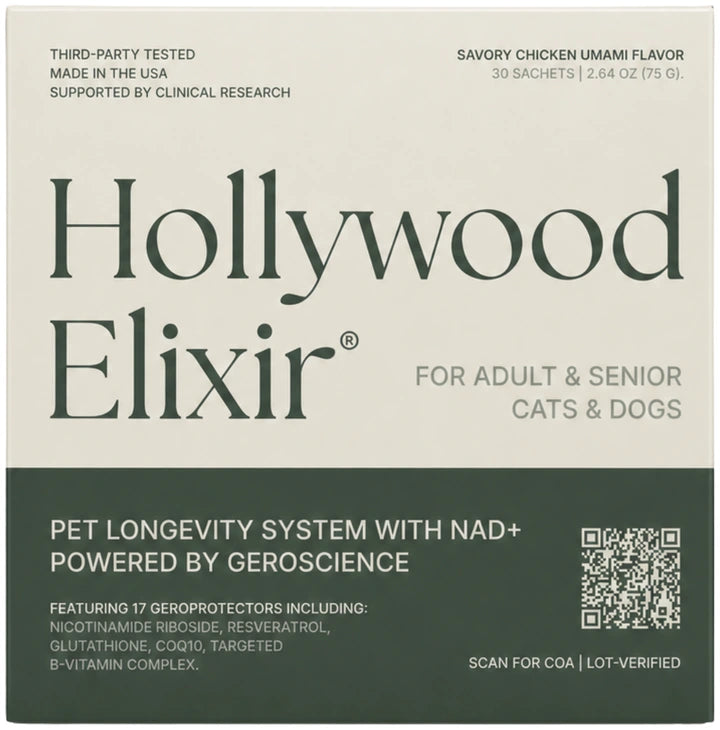
Hollywood Elixir is our daily supplement for adult and senior cats, made to the LPL-01 standard with every active ingredient at a visible amount. It never replaces your veterinarian — it sits alongside the routine on this page.
Meet Hollywood ElixirWhen to Call the Vet
Split urgent signs from trends that deserve a scheduled veterinary conversation.
Go urgently
- Open-mouth breathing, labored breathing, blue or gray gums, or a Siamese cat who cannot settle their breathing.
- Collapse, severe weakness, pale gums, painful or distended abdomen, sudden blindness, seizure, jaundice, or rapid decline.
- Suspected string ingestion, repeated vomiting with weakness, severe pain, inability to urinate, or repeated litter-box trips with little or no urine.
- Go urgently if your Siamese has signs of respiratory distress or sudden collapse. Those are not supplement questions. They are emergency-care questions.
Schedule promptly
- Weight loss, weight gain, appetite change, vomiting, diarrhea, increased thirst, larger urine clumps, constipation, or litter-box changes.
- Chronic cough, wheeze, bad breath, drooling, chewing changes, night-vision changes, fabric eating, or reduced jumping.
- Grooming decline, new hiding, new clinginess, nighttime crying, or any clear trend away from your cat's normal.
- Bring weight history, appetite notes, photos of litter clumps if useful, and videos of coughing or breathing if safe.
- Bring examples of chewed items, diet details, medication and supplement lists, breeder or rescue records, genetic test records if available, dental signs, and a timeline of behavior changes.
The 90-Day Support Routine
Ninety days of small, repeatable habits make subtle changes visible — and give any new routine a fair test.
- Week one: record weight, body condition, meal pattern, thirst, litter clumps, dental breath, play stamina, vocal pattern, and normal hiding or clinginess so future changes have a Siamese-specific baseline.
- Week one: remove string, ribbon, hair ties, dental floss, yarn, and chewable fabric if pica or fabric chewing is part of this cat's history.
- Weekly: check mouth comfort, coughing or wheezing, vision in dim light, jumping confidence, coat, nails, and whether the cat is engaging with people in its usual intense way.
- Monthly: repeat the weight and body-condition check, note appetite shifts or vomiting, and keep furniture, night lights, food, water, litter, and favorite resting spots predictable if vision changes appear.
- Day 90: review the notes with your veterinarian, especially weight loss, appetite change, pica, coughing, visual hesitation, dental pain, or a social pattern that no longer matches this cat.
Tools for Tracking Comfort and Aging
Use these when a life-stage, body-condition, or quality-of-life question needs more structure.
Cat Age Calculator
Translate age into feline life stage before subtle senior changes become obvious.
ToolCat Quality of Life Scale
Use when appetite, grooming, breathing, litter habits, mobility, or comfort are changing.
ToolCat Biological Age Calculator
Frame healthy-aging conversations with more structure.
Frequently Asked Questions
Short answers to the questions owners ask most.
What is a realistic life plan for Siamese Cats?
Siamese lifespan and Siamese cat lifespan should be read as planning context, not a forecast. Use 12-15+ years as the practical range, then individualize with your veterinarian around body condition, breed risk, symptoms, and health history.
Can Siamese Cats live longer than 12-15+ years?
Yes, some do. A range is not a ceiling. Genetics, accidents, early disease, body condition, dental care, pain control, veterinary access, and luck can move one cat above or below the common range.
When should Siamese senior care start?
Siamese senior care should start before crisis. Use 10+ years as the senior-planning marker and from 7 years for baseline tracking, earlier if symptoms or chronic disease are already present.
Which Siamese health issues matter most?
Siamese health problems and Siamese cat health problems that shape comfort include appetite, weight, and body condition, dental comfort, amyloidosis and sudden decline, asthma and breathing signs. The exact priority depends on your cat's exam findings, family history, and day-to-day changes.
Which aging signs should Siamese owners watch?
Siamese aging signs include changes in appetite, weight, movement, breathing, sleep, pain, grooming, bathroom habits, social interest, recovery after activity, and willingness to do familiar routines.
What changes are urgent for a Siamese?
Sudden breathing distress, collapse, blue or pale gums, severe pain, seizure, rapid decline, inability to rise, or major neurologic change should be treated as urgent. Breed-specific emergency signs are listed in the watch section.
What should I track each month?
Track weight, body condition, appetite, water intake, bathroom habits, movement, breathing, dental comfort, skin or coat, eyes or ears, sleep, mood, and one change from your cat's normal.
How often should an older Siamese see the veterinarian?
Many senior cats benefit from at least twice-yearly check-ins, but frequency should follow the cat's risk, medications, pain, dental needs, bloodwork, weight trend, and new signs.
How does body condition affect Siamese healthspan?
Healthy body condition gives more mobility, breathing, heat, anesthesia, and senior comfort margin. Ask your veterinarian for a body condition score rather than guessing from looks alone.
What should I ask a breeder or rescue?
Ask what is known about lifespan, early deaths, inherited disease, major surgeries, dental problems, mobility, breathing, skin, eyes, heart, kidney, and behavior. Unknown history is common and still workable.
How do I compare Siamese Cats with similar breeds?
Compare the aging pattern, not the winner. Similar breeds may share one risk, but your cat's plan should come from this breed's watchpoints and your veterinarian's exam.
Is Hollywood Elixir something my Siamese cat needs?
No supplement is a need. Hollywood Elixir is La Petite Labs daily supplement for adult and senior cats; it is not a treatment for anything on this page, and it never replaces your veterinarian.
A note from La Petite Labs
Hollywood Elixir is La Petite Labs' daily supplement for adult and senior cats. It is not a treatment for anything on this page, and it never replaces your veterinarian.

Why Pampered matches Siamese watchpoints
Pampered is La Petite Labs' complete daily system, with a recommended 90-day starting window. The Siamese routine here is specific: recording weight, body condition, meal pattern, thirst, litter clumps, dental breath, play stamina, vocal pattern, and normal hiding and return to appetite and weight, dental, amyloidosis, and respiratory, so Pampered belongs beside those notes instead of replacing them.
Explore the Pampered™ System →